Best rain jacket for spring fishing trips
Spring fishing in New Hampshire is absolutely magical, with vibrant landscapes and active fish, but it also brings notoriously unpredictable weather. One moment you're basking in warm sunshine, enjoying the beauty of a freshly stocked pond or river, and the next you're battling a sudden downpour, a chilly drizzle, or even a late-season snow flurry. A miserable, wet angler is rarely a successful or happy one, and few things can cut a promising fishing trip short faster than being soaked to the bone. This guide will help you navigate the confusing world of rain jackets, ensuring you pick the perfect one to stay dry, comfortable, and focused on the fish during your unpredictable New Hampshire spring adventures.
Why a Dedicated Fishing Rain Jacket Matters in New Hampshire Spring
You might think any old rain jacket will do, but seasoned New Hampshire anglers know better. Spring weather here isn't just about precipitation; it's a volatile mix of cold, wind, and sudden temperature shifts. A jacket designed specifically for fishing addresses these challenges in ways a casual raincoat simply can't.
The Unpredictable Nature of New Hampshire Weather
Think about a typical spring day in the Granite State. You wake up to clear skies, a crisp chill in the air, and decide to hit your favorite trout stream or lake. By mid-morning, dark clouds roll in, the temperature drops seemingly overnight, and suddenly you're facing a persistent rain or even freezing rain. It's not uncommon to experience all four seasons in a single day during March, April, or May. This erratic weather pattern demands gear that can adapt and protect you consistently, allowing you to stay out longer and make the most of those prime fishing windows.
Standard rain gear might keep you dry for a quick dash from the car to the store, but it's often not built to withstand hours of continuous precipitation, especially when coupled with wind chill. A dedicated fishing rain jacket, however, is engineered to repel water relentlessly, often featuring higher waterproof ratings and more durable external treatments that stand up to constant exposure. It's about being prepared for anything Mother Nature throws your way, from a gentle mist while chasing brook trout in the White Mountains to a full-on squall on Lake Winnipesaukee.
More Than Just Staying Dry: Comfort and Mobility
Staying dry is, of course, the primary goal, but a good fishing rain jacket goes far beyond that. Comfort and unrestricted movement are absolutely critical when you're casting, netting a fish, or navigating tricky terrain along a riverbank. A stiff, bulky rain jacket can severely hamper your ability to fish effectively, turning what should be an enjoyable experience into a frustrating struggle. Imagine trying to make a precise cast with a fly rod when your jacket bunches up around your shoulders, or reaching into your tackle box only to find your sleeves are too tight.
Fishing jackets are meticulously designed with angler-specific movements in mind. They often feature articulated elbows, shoulder gussets, and stretchy fabrics that allow for a full range of motion without binding or riding up. Breathability is another huge factor. While you want to keep rain out, you also need to let sweat vapor escape. There's nothing worse than being "wet from the inside" due to condensation and exertion. High-quality fishing jackets use advanced breathable membranes that prevent this clammy feeling, keeping you comfortable and focused, even during active fishing, such as when you're exploring for Spring Trout Fishing Techniques for New Hampshire Ponds.
Essential Features for Anglers
Beyond general weather protection and comfort, specialized fishing rain jackets incorporate a host of thoughtful features that truly cater to the needs of anglers. These aren't just bells and whistles; they're practical elements that enhance your efficiency and enjoyment on the water.
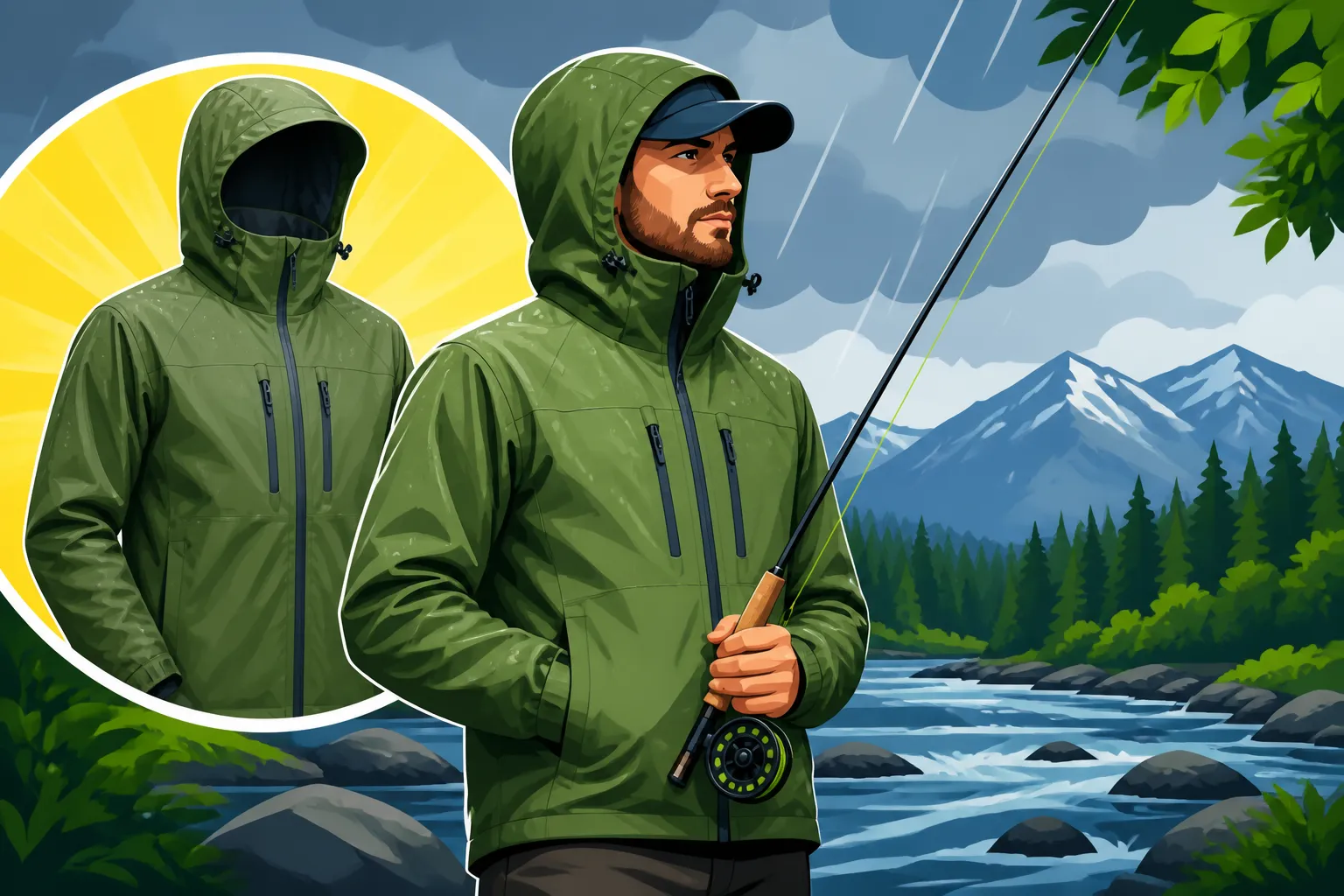
Consider features like strategically placed pockets with waterproof zippers, designed to keep your phone, small tackle boxes, or a fishing license dry and accessible. Adjustable cuffs that can cinch down tight prevent water from running up your sleeves when you reach into the water to release a fish. A well-designed hood is paramount – one that offers excellent peripheral vision, fits comfortably over a cap, and can be adjusted with one hand to secure it in windy conditions. These details might seem minor, but they collectively contribute to a far superior fishing experience, allowing you to stay out longer and focus on the pursuit.
Key Features to Look For in a Spring Fishing Rain Jacket
Choosing the best rain jacket means understanding the specific technologies and design elements that make one jacket stand out from another. It's about finding the right balance of protection, comfort, and functionality for your unique fishing style and the varied conditions New Hampshire spring presents.
Waterproofing Ratings and Breathability
When you're looking at rain jackets, you'll often see terms like "waterproof," "water-resistant," and various ratings. A truly waterproof jacket for fishing will have a DWR (Durable Water Repellent) coating on the exterior fabric, which causes water to bead up and roll off. More importantly, it will feature a waterproof, breathable membrane laminated to the inside of the outer fabric. Brands like Gore-Tex are famous for this, but many companies have their own proprietary membranes that perform exceptionally well. These membranes have microscopic pores that are too small for liquid water droplets to pass through, but large enough for water vapor (sweat) to escape.
Waterproof ratings are often expressed in millimeters (mm), such as 10,000mm or 20,000mm. This number indicates the height of a column of water the fabric can withstand before water begins to seep through. For serious spring fishing in New Hampshire, especially if you anticipate prolonged rain or heavy downpours, look for a jacket with at least a 10,000mm rating, and preferably 15,000mm or higher for maximum protection. Just as crucial is breathability, often measured in grams (g/m²/24h), which indicates how much moisture vapor can pass through a square meter of fabric in 24 hours. A good balance, like 10,000mm/10,000g, is generally suitable, but higher breathability is always a plus for active anglers or Best Techniques for High Water Spring Conditions.
Material and Construction for Durability
A fishing rain jacket isn't just about keeping water out; it needs to be tough enough to handle the rigors of the outdoors. You'll be brushing against tree branches, leaning against rough boat surfaces, and maybe even sliding down a slippery bank. Look for jackets made from durable, ripstop nylon or polyester fabrics that resist snags and tears. The fabric density, often measured in denier (D), gives an indication of its robustness. Higher denier fabrics are generally more durable.
Beyond the main fabric, pay close attention to the construction. All seams should be fully taped or sealed to prevent water from leaking through the needle holes. High-quality zippers, often YKK AquaGuard or similar water-resistant designs, are essential for pockets and the main closure. These small details make a huge difference in the long-term performance and waterproof integrity of the jacket. Don't overlook the stitching and overall craftsmanship; a well-built jacket will serve you faithfully for many seasons, protecting your investment.
Practical Design Elements for Anglers
The devil is in the details when it comes to fishing-specific design. Here are some key elements that differentiate a good fishing rain jacket:
- Hood Design: A good fishing hood is highly adjustable (drawstrings at the front, back, or sides) and structured to move with your head, providing excellent peripheral vision even when turned. It should also be large enough to comfortably fit over a baseball cap or a stocking cap without feeling restrictive. Some hoods are even designed to stow away when not needed.
- Cuff System: Cuffs should be adjustable, typically with Velcro or a similar closure, to create a tight seal around your wrists. This prevents water from running up your sleeves when casting or handling a fish, which is a common point of ingress for water. Neoprene inner cuffs can offer an even better seal against splashes.
- Pocket Placement and Security: Anglers need pockets – lots of them, and they need to be waterproof. Look for chest pockets that are easily accessible even when wearing a life jacket, and that are large enough to hold essential items like a phone, leader material, or a small fly box. Handwarmer pockets are a bonus for chilly mornings. All exterior pockets should have water-resistant zippers or storm flaps.
- Hem Length and Adjustment: The jacket's hem should ideally be slightly longer in the back to provide extra coverage when sitting in a boat or on a cold, wet bank. An adjustable drawcord at the hem helps seal out wind and prevents the jacket from riding up when you're moving around.
- Attachment Points: Small D-rings or loops on the jacket can be incredibly useful for attaching tools like nippers, zingers, or a net. These thoughtful additions ensure your essential gear is always within easy reach.
Sizing, Fit, and Layering for Optimal Performance
Even the most technologically advanced rain jacket won't perform optimally if it doesn't fit correctly or if you don't understand how to layer effectively beneath it. These considerations are vital for maximizing comfort and protection during your New Hampshire fishing trips.
Finding the Right Fit for Freedom of Movement
The ideal fit for a fishing rain jacket is a delicate balance. Too tight, and it will restrict your movements, making casting and other fishing actions uncomfortable and inefficient. Imagine trying to haul in a feisty smallmouth bass from a rocky point when your jacket is pulling at the shoulders. Too loose, and it can become bulky, snag on branches, catch the wind, or allow rain to blow up underneath, defeating its purpose.
When trying on a jacket, always wear the layers you typically fish with, such as a long-sleeve base layer and a mid-weight fleece. Extend your arms forward as if casting, reach up, and bend down. Pay attention to how the jacket feels across your shoulders, chest, and arms. Does it pinch? Does the hem ride up too high? You should have ample room for movement without excessive baggy fabric. Remember, this jacket is your outer shell; it needs to accommodate other garments while still providing a streamlined, functional fit. This careful consideration of fit is especially important when thinking about items like Best Gear for New Hampshire Trout Fishing, which often require dexterity.
Layering Strategies for Variable Temperatures
New Hampshire spring temperatures can swing wildly, making layering a non-negotiable strategy for comfort. Your rain jacket is the outermost "shell" in a comprehensive layering system, designed to repel external moisture and block wind. What you wear underneath is crucial for managing your core temperature and moisture from within.
Start with a moisture-wicking base layer (synthetic or merino wool) directly against your skin. This pulls sweat away from your body, keeping you dry and preventing that chilling effect when you stop moving. Next, add a mid-layer for insulation – a fleece jacket or vest works perfectly. This layer traps warm air, providing warmth. For cooler days, you might opt for a thicker mid-layer, while milder days might call for a lighter fleece or even just the base layer. When you're actively fishing, like during Spring Trout Fishing Techniques for New Hampshire Ponds, you might shed a mid-layer to prevent overheating and then put it back on if the temperature drops or the rain picks up. The beauty of this system is its adaptability; you can easily add or remove layers to match the changing conditions, ensuring you're comfortable from the chilly dawn to the warm afternoon.
Care and Maintenance for Longevity
A high-quality fishing rain jacket is an investment, and like any good piece of gear, it needs proper care to last. Neglecting your rain jacket can lead to diminished performance, such as the DWR coating wearing off and the fabric "wetting out," or the breathable membrane becoming clogged.
Always follow the manufacturer's washing instructions, which typically involve using a specialized technical wash detergent (never regular laundry detergent with fabric softeners, as these can clog the membrane and strip the DWR). After washing, you may need to tumble dry on low heat to reactivate the DWR, or even apply a spray-on or wash-in DWR treatment if the original coating has worn off. Properly drying and storing your jacket—hanging it in a well-ventilated area away from direct sunlight—will prevent mildew and prolong its life. Taking these simple steps will ensure your jacket continues to perform at its best, keeping you dry and comfortable for many seasons to come.
Where to Find and What to Consider When Buying
Making the final decision on a rain jacket involves weighing your budget against performance expectations, considering brand reputation, and thinking about the specific types of fishing you'll be doing.
Budget vs. Performance
Rain jackets for fishing run the gamut in price, from budget-friendly options to high-end technical shells. Generally, higher prices correspond to more advanced materials (like top-tier Gore-Tex or proprietary membranes), better construction, more specialized features, and superior durability. If you're an occasional angler who only faces light rain, a mid-range jacket might be perfectly adequate. However, if you're out every spring weekend, regardless of the forecast, and expect to be exposed to heavy downpours and strong winds, investing in a premium jacket will pay dividends in comfort and protection.
Consider what features are truly essential for you. Do you need a dedicated fishing jacket with all the bells and whistles, or would a high-quality general outdoor rain jacket suffice? Often, the biggest difference lies in pocket configurations, hood design, and overall durability tailored for angling activities. Sometimes, a slightly higher initial cost translates to a jacket that performs better and lasts significantly longer, making it more cost-effective in the long run.
Brand Reputation and Warranty
When choosing a rain jacket, it's wise to consider brands with a strong reputation in the outdoor and fishing industries. Companies that specialize in technical outerwear or fishing apparel often have years of research and development behind their products, leading to superior design and performance. Look for brands known for their commitment to quality and customer satisfaction.
Many reputable brands also offer warranties, which can provide peace of mind for your investment. These warranties often cover defects in materials and workmanship, ensuring that if something goes wrong due to a manufacturing issue, the company will stand behind its product. You might find specialized fishing brands offering top-tier rain gear at stores like Bass Pro Shops, where you can often get hands-on advice from experienced staff. For a broader selection and the convenience of home delivery, online retailers like Amazon also offer a massive array of options, often with customer reviews that can help inform your decision.
Specific Fishing Scenarios
Your typical fishing environment should heavily influence your jacket choice. The needs of a wade angler are different from those of someone fishing from a boat or kayak.
- Wading Anglers: If you spend most of your time in streams and rivers, like when employing Wading Techniques for New Hampshire Trout Streams, you'll want a jacket with a slightly shorter cut that doesn't drag in the water or interfere with your waders. Extreme breathability is key here, as wading can be quite active. A highly adjustable hood that doesn't impede vision is also critical, especially if you're navigating rocky streambeds. Lightweight materials that pack down easily might also be a plus if you're hiking to remote spots.
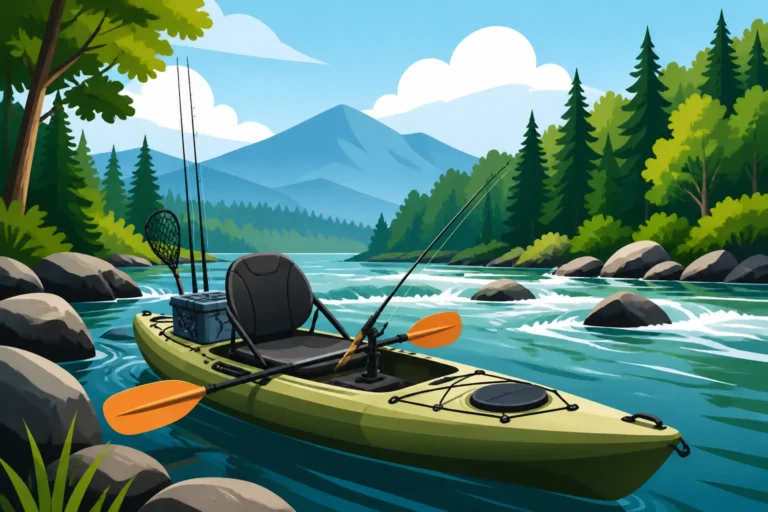
- Boating and Kayak Anglers: For those who fish from a boat or a Best Kayaks for New Hampshire Fishing, a longer cut might be preferable to provide maximum coverage when seated, especially in choppy conditions. Robust waterproofing is paramount, as you'll be exposed to spray and potentially heavier rain for extended periods. Pockets that are accessible while wearing a PFD (Personal Flotation Device) are a must. High-visibility colors can also be a safety advantage on open water. Durability against boat surfaces or kayak outfitting is also a consideration.
Here's a quick comparison of general features to keep in mind:
| Feature | Entry-Level Jacket | Mid-Range Jacket | High-End Fishing Jacket |
|---|---|---|---|
| Waterproofing | DWR + coating (5,000-8,000mm) | DWR + proprietary membrane (10,000-15,000mm) | Advanced DWR + Gore-Tex/premium membrane (>20,000mm) |
| Breathability | Basic (5,000g) | Good (10,000-15,000g) | Excellent (>20,000g) |
| Material Durability | Polyester/Nylon, basic weave | Ripstop Nylon/Polyester, reinforced | Heavy-duty Ripstop, abrasion-resistant |
| Seams | Critically taped | Fully taped | Fully welded/taped |
| Zippers | Standard water-resistant | Water-resistant YKK AquaGuard or similar | Heavy-duty, fully waterproof YKK AquaGuard |
| Hood | Basic adjustable | 2-3 point adjustable, fits over hat | Highly articulate, 3+ point adjustable, peripheral vision |
| Cuffs | Velcro adjustable | Velcro adjustable, internal elastic | Dry-cuff system (Velcro + inner neoprene) |
| Pockets | Few, basic water-resistant | Multiple, waterproof zippers, strategically placed | Many, varied sizes, waterproof zippers, hand warmer |
| Angler-Specific | Minimal | Some thoughtful features (e.g., tool loops) | Extensive (e.g., D-rings, tool docks, rod holders) |
| Price Point (Shape) | More accessible | Moderate | Premium investment |
Choosing the right rain jacket for your New Hampshire spring fishing trips means investing in your comfort, safety, and ultimately, your enjoyment on the water. By considering these key features and matching them to your fishing style, you'll be well-equipped to face whatever the unpredictable New Hampshire weather throws your way.
Disclaimer
This article is for general informational purposes only and does not constitute professional advice. Laws, prices and regulations vary by location and change over time. Consult a qualified professional for guidance on your specific situation.