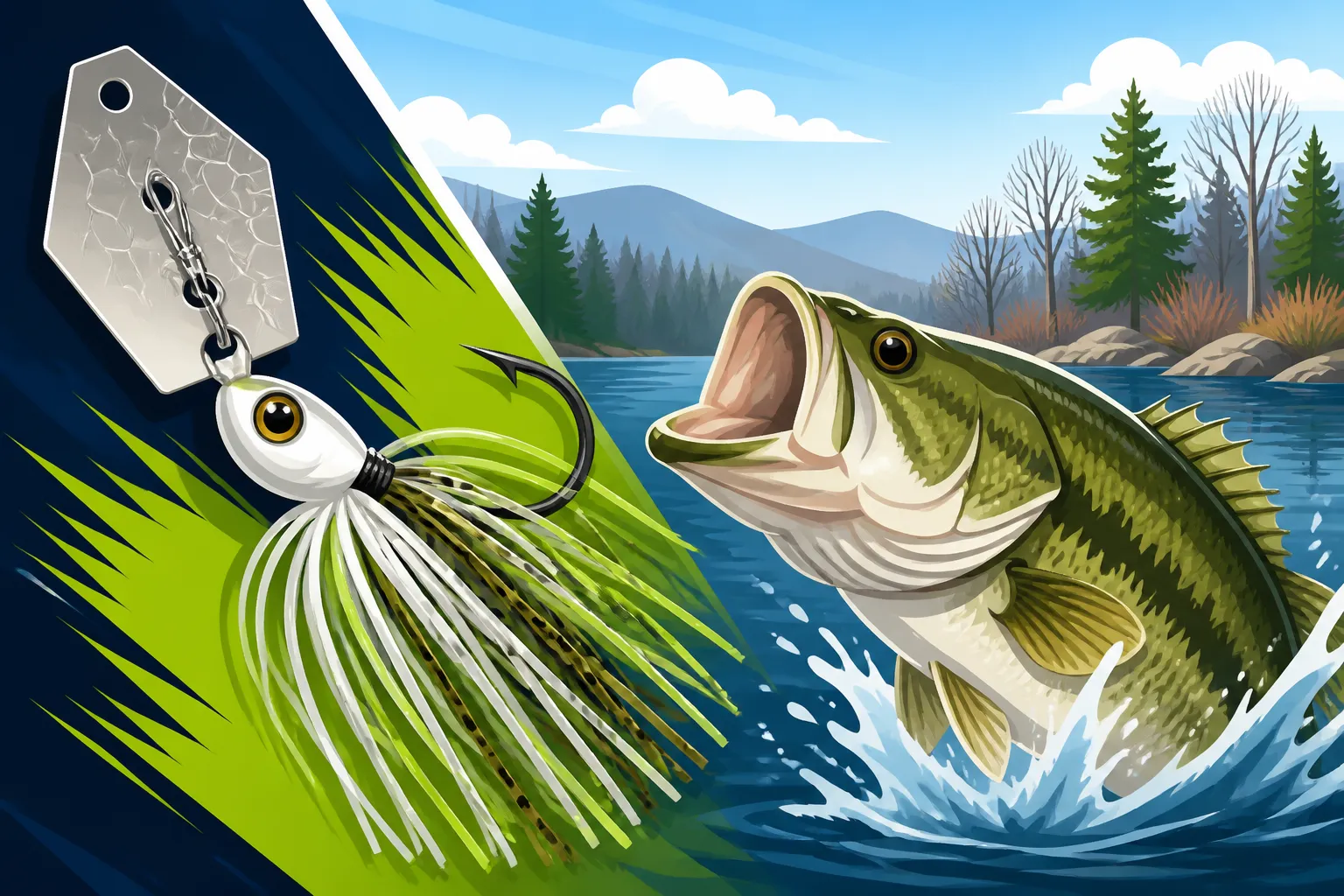
Best chatterbait for early spring bass
The ice has finally pulled back from our New Hampshire lakes and ponds, and for many of us, that first taste of open water brings a powerful urge to hit the banks or launch the boat. But early spring bass fishing can be incredibly challenging; the fish are still sluggish from winter, water temperatures are hovering just above freezing, and they're not always keen on chasing down fast-moving lures. This comprehensive guide is dedicated to helping you unlock the secrets of early spring bass success in the Granite State, specifically by mastering the art of the chatterbait.
Understanding Early Spring Bass Behavior in New Hampshire
Early spring is a transition period, a time of awakening for both the anglers and the fish in New Hampshire's beautiful waters. The bass, whether largemouth or smallmouth, are shaking off their winter doldrums, but they're not quite ready for their full summer активности. Understanding their mood and movements is absolutely critical to choosing the right presentations, and a chatterbait can be an incredible tool when wielded correctly.
Post-Ice Out and Pre-Spawn Patterns
Once the ice has completely left the lakes and ponds, typically sometime in April or early May depending on the specific water body and elevation, bass begin to stir. They've spent months conserving energy in deeper, more stable water, often grouped up. Now, with more light and the slow warming of the shallows, they start to think about food, and eventually, spawning. This period, before the official spawn, is known as pre-spawn, and it's when bass are trying to bulk up. However, their metabolism is still quite slow due to the cold water. They might not chase a bait very far, but a slow, appealing meal can be irresistible. They're often found moving from their deep wintering holes to shallower staging areas, typically relating to the steepest drop-offs, hard bottom transitions, or cover that offers a quick retreat to deeper water.
Think about a lake like Lake Winnipesaukee, where the ice out can vary widely, or a smaller pond in southern New Hampshire. As soon as those sun-warmed coves and northern shorelines shed their icy blanket, you'll find bass starting to explore. They're not on the beds yet, but they're definitely starting to get their appetite back, albeit a cautious one. Finding these transitional areas is key, whether it's the mouth of a cove, a deep point, or a channel swing near a flat.
Locating Cold-Water Bass
Finding bass in early spring often means looking for areas that warm up first. Shallow, dark-bottomed coves with northern exposure tend to retain heat better, even if only by a degree or two, and those few degrees can make all the difference. Docks, rip-rap shorelines, dark rock piles, and submerged wood in these areas become magnets for bass. They'll use these structures as ambush points and sunning spots. Bass aren't necessarily schooled tightly anymore, but they'll often be found in loose aggregations, sometimes with a few fish holding on the same piece of cover.
You might also find them congregated around the mouths of incoming creeks or streams, which often bring slightly warmer, oxygenated water and potential forage. These subtle temperature breaks or current flows can be hotspots. It's not about finding vast expanses of fish, but rather identifying specific high-percentage areas where a lethargic bass might be willing to bite. Patience and methodical searching, often with a good fish finder, are your friends here. For more general advice on finding your target, check out our guide on How to Catch Largemouth Bass in New Hampshire.
Impact of Water Temperature
Water temperature dictates everything in early spring. When the water is below 45-50 degrees Fahrenheit, bass are typically very slow and lethargic. Their strike zone is small, and they prefer baits that don't require much effort to catch. As the temperature creeps into the low 50s, they become a bit more active, but still cautious. They might follow a bait further, but a hard, aggressive strike isn't always a given. When the water hits the mid-50s and approaches 60 degrees, you're getting closer to the spawn, and their activity levels will increase significantly.
A key factor to remember is that water temperature can vary widely even within a single body of water. A shallow, protected cove might be 5-10 degrees warmer than the main lake basin. Targeting these warmer pockets is crucial. A good thermometer is an invaluable tool for early spring fishing. You're not just looking for fish; you're looking for the right conditions that encourage them to bite.
What Makes a Chatterbait Effective in Cold Water?
The chatterbait, also known as a bladed jig, has exploded in popularity for good reason, and it shines particularly bright in early spring conditions. Its unique design offers a combination of attributes that perfectly cater to sluggish, cold-water bass, giving you an edge when other lures fall flat.
Vibration and Flash in Murky Water
One of the chatterbait's most powerful assets in early spring is its unparalleled vibration. The metal blade at the front of the lure rapidly oscillates, creating a distinctive thumping sensation that bass can feel through their lateral line from a significant distance, even in cold, often cloudy or stained water. New Hampshire's lakes and rivers can be quite murky during spring runoff, making visual cues less effective. The chatterbait's strong vibrational signature cuts through this, alerting bass to its presence even if they can't see it clearly.
Beyond the vibration, the blade itself provides a lot of flash as it moves through the water, mimicking the erratic movements of a fleeing baitfish. This combination of powerful thumping and intermittent flash is a one-two punch that appeals to a bass's predatory instincts without overwhelming them with speed. It says "here's an easy meal," rather than "chase me down!" which is perfect for a still-slow metabolism.
Mimicking Forage in Early Season
In early spring, the primary forage for bass in New Hampshire often consists of smaller baitfish like shiners, perch, and even smaller panfish, which are also just starting to become more active. The chatterbait, especially when paired with the right soft plastic trailer, does an excellent job of imitating these prey items. The pulsating skirt and the swimming action of the trailer give it a lifelike profile that looks like a wounded or disoriented baitfish struggling through the water.
This mimicry is enhanced by the chatterbait's ability to be fished slowly. You can crawl it along the bottom, tick it off submerged cover, or retrieve it with a slow, steady wobble. This slower presentation is key because cold-water bass aren't going to expend much energy chasing something. A chatterbait that looks like an easy, slow-moving meal is much more likely to provoke a strike than a fast-moving crankbait or spinnerbait. Exploring different baitfish patterns is crucial when learning Best Lures for Lake Trout Trolling, and the same principle applies to bass.
Versatility in Retrieval
Another major advantage of the chatterbait in early spring is its versatility. You can literally just cast it out and reel it in slowly, and the blade will do all the work, creating that irresistible thumping action. This makes it a fantastic lure for covering water and finding active fish. However, you can also impart additional action to it. Try pausing it briefly, letting it flutter down like a dying baitfish, and then resuming your retrieve. This "stop-and-go" or "yo-yo" retrieve can be incredibly effective on hesitant bass.
You can also use a "lift and drop" technique, especially when targeting deeper staging areas or fishing around submerged cover. Lift your rod tip to pull the chatterbait up, then let it fall on a semi-slack line. This allows the lure to maintain its vibration and flash while staying in the strike zone longer. This adaptability means you can experiment with different retrieves until you find what the bass are responding to on a given day, an important consideration when facing Cold Front Fishing Tactics for New Hampshire Bass.
Key Chatterbait Features for Early Spring Success
Not all chatterbaits are created equal, especially when it comes to early spring fishing. Specific features can make a significant difference in how effectively your lure performs in cold water and how many bites you ultimately get. Paying attention to these details can elevate your success rate dramatically.
Blade Size and Shape
The blade is the heart of the chatterbait, responsible for its unique vibration and action. For early spring, a smaller to medium-sized blade is generally more effective. Larger blades create a more aggressive thumping and pull, which might be too much for sluggish, cold-water bass. A smaller blade, however, still creates plenty of vibration but with a more subtle presentation that's less likely to spook wary fish.
Beyond size, blade shape matters. Hexagonal or coffin-shaped blades are common and create a strong, consistent vibration. Some newer designs feature slightly different shapes that might offer a more erratic wobble or different flash patterns. Experimentation can be key, but starting with a standard hex blade in a medium size is a reliable choice. The goal is to maximize appeal without overpowering the bass's senses. You can find a variety of options from reputable brands at outdoor retailers like Bass Pro Shops, or even browse specific blade designs on Amazon.
Skirt Colors and Trailers
Color selection for chatterbaits in early spring usually leans towards natural and subtle patterns, but there are exceptions. In clear New Hampshire waters, shad, white, or light green pumpkin patterns work well, mimicking common baitfish. If the water is stained or muddy from spring rains, black and blue, or chartreuse combinations can be excellent for visibility, creating a stronger silhouette. Sometimes, a vibrant hue can trigger a reaction strike even from a passive fish.
The trailer is equally, if not more, important. For cold water, a soft plastic trailer that adds bulk and a subtle swimming action without being overly aggressive is ideal. Paddle-tail swimbaits in the 3-4 inch range are a popular choice, as they provide a natural kick. Chunk-style trailers or even crawfish imitations can also work, especially if you're fishing near rocky bottoms where crawfish might be active. The key is to match the trailer color to the skirt as closely as possible for a cohesive baitfish profile, or use a contrasting color to create a "hot spot" if you want to draw more attention. Consider options specifically designed to imitate What Landlocked Salmon Eat in New Hampshire Lakes for inspiration, as those baitfish are often present for bass too.
| Chatterbait Feature | Early Spring Preference | Rationale |
|---|---|---|
| Blade Size | Small to Medium | Less aggressive, more subtle vibration for lethargic fish. |
| Blade Shape | Hexagonal, Coffin | Consistent, strong vibration without being overpowering. |
| Skirt Colors | Natural (shad, white, green pumpkin), Dark (black/blue), Chartreuse (stained water) | Mimics local forage; dark/bright for visibility in murky conditions. |
| Trailer Style | Paddle-tail swimbait (3-4"), Chunk, Crawfish | Adds subtle action and bulk; mimics wounded baitfish or bottom dwellers. |
| Trailer Color Match | Matches skirt or slight contrast | Natural presentation; contrast can create an additional focal point. |
| Weight | 3/8 oz to 1/2 oz | Versatile for varied depths, allows for slow retrieves while maintaining depth. |
| Hook Size | Strong, sharp, appropriate for bass | Ensures solid hooksets on hesitant bites, handles larger fish. |
Hook Size and Weedlessness
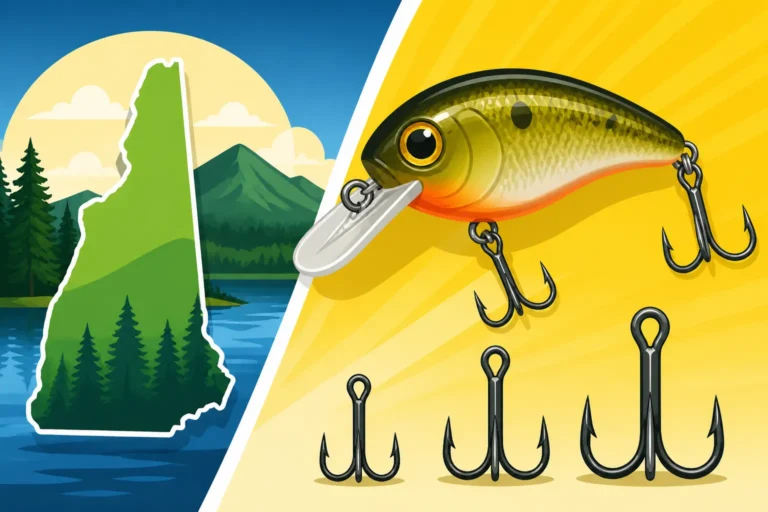
A chatterbait, by its nature, is fairly weedless due to its single, upright hook design and the way the blade deflects off cover. This is a huge advantage in early spring when bass are often tucked into emergent vegetation, submerged wood, or rock piles. However, ensuring your hook is sharp and strong is paramount. Cold-water bass often "mouth" a bait rather than striking aggressively, meaning a super sharp hook is necessary to penetrate effectively.
The hook size should be appropriate for the size of the lure and the typical size of bass you expect to catch. Most standard chatterbaits come with a good quality hook, but it's always wise to check. You might also consider adding a weedless trailer hook if you're experiencing short strikes, but be mindful that this can reduce the weedless properties of the lure. For advice on handling fish responsibly, especially in cooler temperatures, our guide New Hampshire Bass Catch-and-Release Season, Explained offers valuable insights.
Rigging and Presenting Your Chatterbait for New Hampshire Bass
Having the right chatterbait is only half the battle; how you rig it and present it can make all the difference in converting those subtle cold-water bites into landed fish. The entire setup, from rod to retrieval, needs to be optimized for the unique challenges of early spring New Hampshire fishing.
Rod, Reel, and Line Selection
For chatterbait fishing, a medium-heavy to heavy power casting rod, usually 7 to 7.5 feet in length, is ideal. The rod needs enough backbone to handle the lure's resistance, make long casts, and drive a strong hook into a bass's jaw, but it should also have a moderate-fast action. This action allows the rod tip to load up smoothly when a fish strikes, absorbing some of the shock and preventing the bass from tearing off the hook, especially when they're not fully committed. A good quality baitcasting reel with a gear ratio between 6.4:1 and 7.1:1 offers a good balance of power for retrieving and speed for taking up slack.
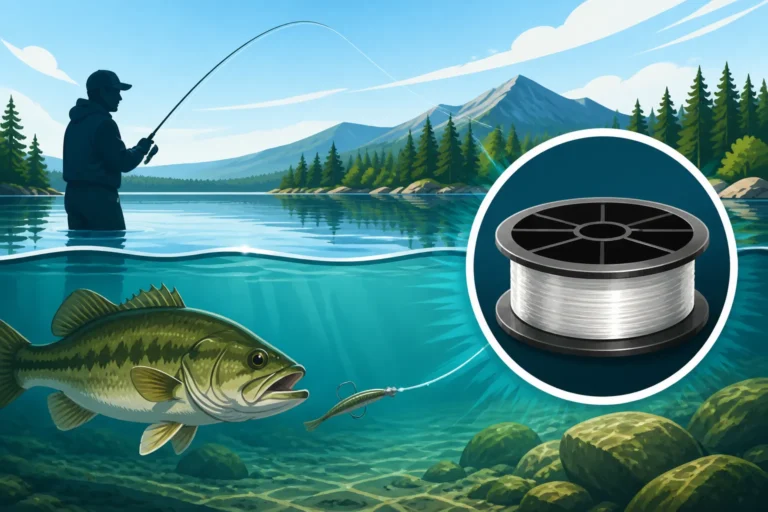
As for line, fluorocarbon is a top choice for chatterbaits in early spring. Its low stretch provides excellent sensitivity to detect those subtle cold-water bites, and its invisibility underwater is a huge advantage in often clearer spring waters. A line test of 15-20 lb is a good starting point. If you're fishing around particularly heavy cover, you might bump it up to 20-25 lb. Some anglers prefer braided line (30-50 lb) for its supreme sensitivity and strength, often paired with a fluorocarbon leader for stealth. Whatever your preference, make sure your knots are solid. For more on equipment, see our guide Best Fishing Rods for New Hampshire Lakes.
Retrieval Techniques
The golden rule for early spring chatterbait fishing is slow down. As mentioned, cold-water bass are sluggish. A slow, steady retrieve where the blade just barely vibrates is often the most effective. Don't be afraid to crawl it along the bottom, bumping into rocks or wood. These deflections can often trigger a reaction strike.
Vary your retrieve occasionally. A subtle pause, letting the bait flutter for a second, can be incredibly effective. A slight lift of the rod tip followed by a slow drop can also entice a follower to commit. Pay close attention to what the fish are telling you. If they're hitting on the pause, incorporate more pauses. If they prefer a straight retrieve, stick to it. The key is to experiment until you find the cadence they prefer on that particular day. Remember, the goal is to make it look like an easy, wounded meal. Our article How to Catch Bass During a Cold Front in New Hampshire offers more insights into nuanced retrieval.
Targeting Specific Structures
When fishing a chatterbait in early spring, focus on high-percentage structures where cold-water bass are likely to be staging or feeding.
- Transition Zones: Look for areas where deep water meets shallow flats. Bass will often stage on the deeper side of these transitions, moving up onto the flats to feed when conditions are right.
- Rock Piles and Rip-Rap: These structures absorb and radiate heat, making them warmer than surrounding areas. They also provide excellent ambush points. Cast your chatterbait parallel to rip-rap walls or slowly work it over the tops of rock piles.
- Submerged Wood: Laydowns, stumps, and brush piles are classic bass cover. Work your chatterbait slowly and deliberately around these, letting it bump and deflect off the wood. The weedless nature of the chatterbait makes it perfect for this.
- Docks and Pilings: Docks often have vertical structure and shade, which can be attractive to bass, especially those with darker bottoms underneath. Pitch or skip your chatterbait under docks and retrieve it slowly along the pilings.
- Weed Edges (Early Growth): If you find patches of early weed growth, these can hold bass. The chatterbait can be worked just along the edges of these, or even through sparse patches, deflecting off the greenery.
By combining the right chatterbait with proper rigging and a patient, methodical presentation, you'll be well on your way to catching some impressive early spring bass in New Hampshire. Don't be discouraged if the bites are subtle; that's just part of the cold-water challenge!
Disclaimer
This article is for general informational purposes only and does not constitute professional advice. Laws, prices and regulations vary by location and change over time. Consult a qualified professional for guidance on your specific situation.