Best Sunglasses for Sight Fishing Clear Water
There’s nothing more frustrating than knowing fish are in front of you, seeing them dart and disappear, but being utterly blind to their movements because of the sun’s glare bouncing off the water. It makes sight fishing, especially in New Hampshire’s famously clear lakes and rivers, feel impossible. This comprehensive guide is here to cut through that glare, literally, by helping you choose the best sunglasses to spot those elusive fish and truly elevate your angling experience.
Why Sunglasses Are an Angler's Essential Tool for Sight Fishing
For many anglers, sunglasses are just another accessory, something to keep the sun out of their eyes. But for those of us who love the thrill of sight fishing, especially in the pristine, clear waters of New Hampshire, they are an absolutely non-negotiable piece of gear. Think of them as your secret weapon, giving you an unfair advantage over the fish and the elements.
Cutting Through the Glare
The biggest obstacle when trying to spot fish in clear water is surface glare. Whether it's a bright, cloudless summer day on Lake Winnipesaukee or even a partially cloudy afternoon, the sun's rays reflecting off the water's surface create a blinding sheen. This glare acts like a mirror, obscuring everything beneath it and turning the water into an impenetrable barrier. You might know there's a big smallmouth lurking near that rocky point, but if you can't see it, you can't cast to it effectively.
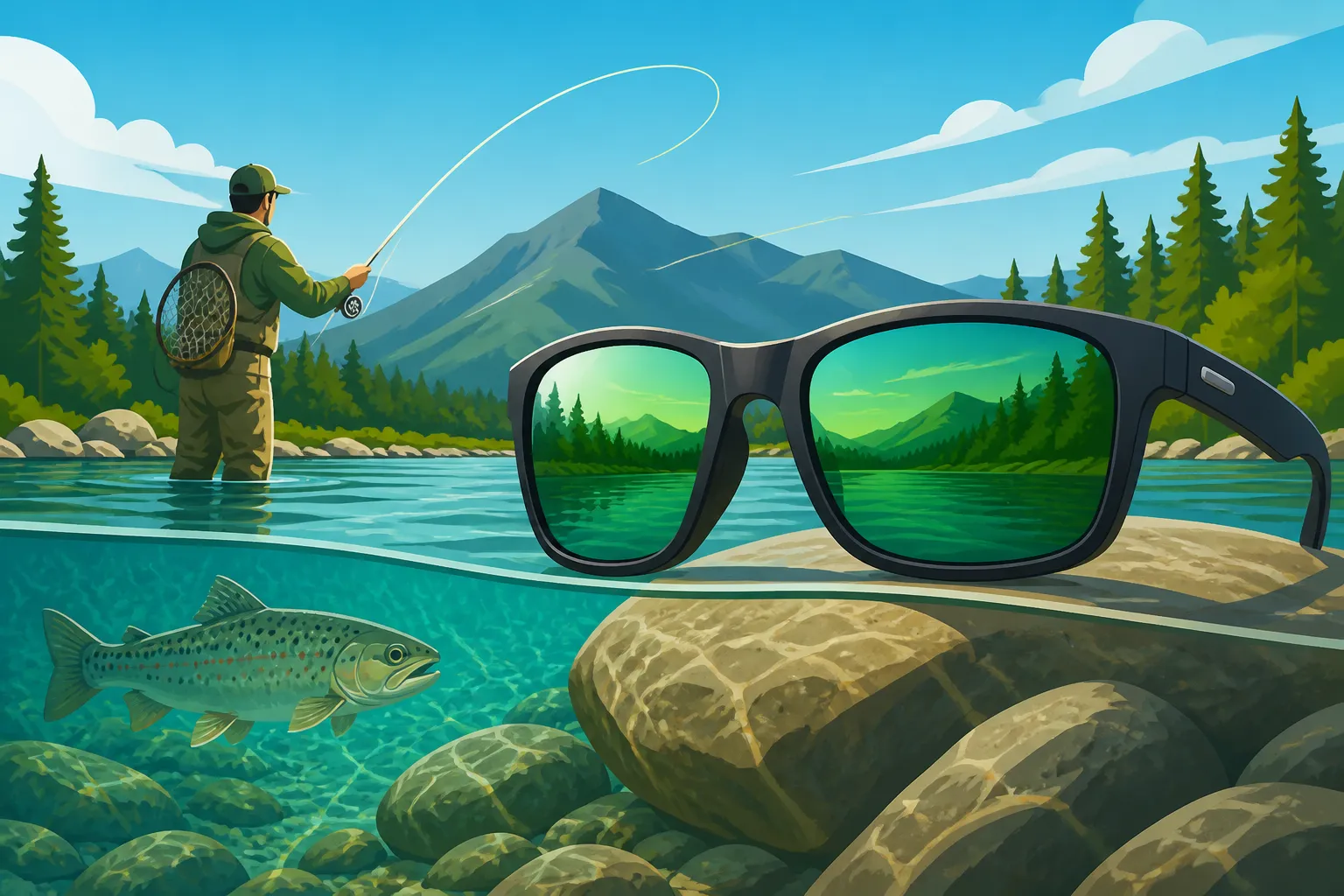
This is where polarized sunglasses become indispensable. Unlike regular tinted sunglasses that just darken your view, polarized lenses have a special filter that blocks horizontal light waves—the very waves that create that obnoxious glare. It's like flipping a switch that suddenly allows you to see into the water instead of just at it. You'll be amazed at the structure, the weed lines, and most importantly, the fish you've been missing all along. It’s not just about comfort; it's about unlocking a whole new dimension of fishing.
Protecting Your Eyes
Beyond simply improving your vision for fishing, quality sunglasses offer crucial protection for your eyes. Hours spent on the water, whether you're fly fishing a clear trout stream or casting to bass in a pond, expose your eyes to intense ultraviolet (UV) radiation. Just like your skin, your eyes are susceptible to sun damage, which can lead to long-term issues like cataracts and macular degeneration. Investing in sunglasses that block 100% of UVA and UVB rays is an investment in your long-term eye health.
Furthermore, fishing often involves flying hooks, sinkers, and lures. While not designed as safety glasses, a good pair of fishing sunglasses provides an important physical barrier against accidental impacts. Imagine a rogue fly coming back at you on a windy day, or a buddy's errant cast. That lens, whether polycarbonate or glass, offers a layer of protection that could prevent a serious eye injury. It’s peace of mind wrapped in performance.
Enhanced Visibility for Spotting Fish
The real magic of the right sunglasses comes alive when you're actively trying to locate fish. In New Hampshire's clear waters, whether it's the shallow flats of a lake for cruising bass or the precise seams of a river for holdover trout, seeing the fish before they see you is the ultimate advantage. With proper polarization and lens tint, you can pick out subtle movements, identify shapes against the bottom, and even distinguish between different species.
Imagine standing on the bank of the Pemigewasset River, scanning for rising trout. With ordinary sunglasses, the ripple and reflections hide everything. With polarized lenses, suddenly you can spot the dark outline of a trout holding in a current seam, or see it flash as it snatches an emerger. Or picture yourself on a kayak in Lake Winnisquam, paddling along a rocky shoreline. Instead of just guessing, your sunglasses allow you to peer into the water, identify submerged boulders, weed beds, and the shadows of smallmouth bass hugging the structure. This enhanced visibility translates directly into more accurate casts, better presentations, and ultimately, more fish caught. It truly makes a difference in your success rate.
Key Features to Look For in Fishing Sunglasses
When you're serious about sight fishing, not just any pair of sunglasses will do. You need specific features that are tailored to the demands of being on the water. These aren't fashion statements; they're essential pieces of equipment that can make or break your day on the lake or river.
The Power of Polarization
We've already touched on this, but it bears repeating: polarization is the single most important feature for fishing sunglasses. Without it, you’re just tinting the glare, not eliminating it. The polarization filter specifically targets and cancels out the horizontal light waves that create surface glare. This allows you to see through the water, observing submerged structure, weed lines, and, most importantly, the fish themselves.
When you're trying to locate Smallmouth Bass Fishing in New Hampshire on a bright day or peer into a clear, shaded pool for Trout Fishing in New Hampshire, quality polarization will be your best friend. Cheaper "polarized" lenses might offer some glare reduction, but top-tier brands use more advanced technology to achieve superior clarity and glare elimination. It’s worth testing them out before you buy – hold them up and look at a reflective surface like a car windshield or a puddle. Rotate the glasses 90 degrees; if they're truly polarized, the glare should significantly diminish or disappear at one angle and reappear at another. This is the feature you absolutely cannot compromise on.
Matching Lens Color to Conditions
While polarization cuts the glare, the lens color fine-tunes your vision for specific light conditions and water types. There isn’t one "best" color for every situation because New Hampshire's fishing environments vary wildly from bright, open lakes to shaded, tannin-stained rivers. Choosing the right tint can enhance contrast, reduce eye strain, and improve your ability to spot subtle underwater details.
For instance, a bright, sunny day on a clear body of water like Newfound Lake might call for one lens color, while an overcast morning targeting brook trout in a mountain stream during the New Hampshire Fishing Seasons by Month would benefit from another. Understanding the strengths of each common lens color—amber, copper, gray, green mirror, blue mirror—will allow you to select the optimal pair for the day's conditions, giving you the best chance to spot that elusive fish. Many seasoned anglers even carry multiple pairs with different lens colors to adapt to changing light throughout the day or across different locations.
Durable Lens and Frame Materials
Fishing is tough on gear. Your sunglasses will inevitably be dropped, splashed, sat on, and generally put through their paces. That's why the durability of both the lenses and the frames is a critical consideration. You don't want a flimsy pair that will break the first time they slip from your grasp or get knocked off your head by a branch.
For lenses, you'll generally encounter two main materials: polycarbonate and glass. Polycarbonate is lighter and highly impact-resistant, making it a great choice for active anglers who need durability and safety from flying hooks. Glass lenses offer superior optical clarity and scratch resistance, but they are heavier and can shatter on impact. Many high-end fishing sunglasses, which you might find at specialty retailers or big outdoor stores like Bass Pro Shops, use proprietary lens materials that aim to combine the best aspects of both. Frame materials range from lightweight nylon and plastic to more robust, flexible options like Grilamid TR-90, designed to withstand bending and impacts without snapping. Look for frames that feel sturdy but aren't overly heavy, ensuring they can take a beating and remain comfortable during long days of Kayak Fishing Techniques for New Hampshire Lakes or stream wading.
Lens Technology Deep Dive
It's easy to think all polarized sunglasses are created equal, but that's far from the truth. The world of lens technology is constantly evolving, offering nuances that can significantly impact your sight fishing experience. Understanding these advancements will help you make a more informed choice and truly see the difference.
Understanding Polarization Levels
Not all polarization is created equal. The effectiveness of a polarized lens comes down to how well its filter is manufactured and integrated. High-quality polarized lenses block almost 100% of horizontal glare, offering superior clarity and minimal distortion. Cheaper lenses might only block a percentage, leading to residual glare that still hinders your vision into the water. The difference might seem subtle indoors, but out on a bright lake or river, it becomes dramatically apparent.
Premium brands often boast proprietary polarization processes, ensuring the filter is precisely aligned and embedded within the lens material, not just a thin film applied to the surface. This not only maximizes glare reduction but also improves the longevity of the polarization itself, preventing delamination or degradation over time. When you're trying to spot a subtle flash of a fish or the outline of a rock in New Hampshire Catch and Release Fly Fishing Only Waters, that extra clarity makes all the difference. Always seek out lenses that clearly state 100% polarization efficiency.
Coatings That Make a Difference
Beyond the core polarization, various coatings are applied to lenses to enhance their performance and durability. These aren't just marketing gimmicks; they serve practical purposes for anglers spending hours in dynamic outdoor environments.
- Anti-Reflective (AR) Coatings: Applied to the back surface of the lens, AR coatings eliminate reflections that bounce off the inside of your glasses into your eyes. This prevents distracting light from sneaking in from behind you, maintaining a clear, unobstructed view of the water. This is especially useful when the sun is low in the sky or you're positioned facing away from the direct light source.
- Scratch-Resistant Coatings: Inevitable drops and rubs can quickly degrade the clarity of your lenses. A good scratch-resistant coating, often multi-layered, provides a harder surface that stands up better to minor abrasions from grit, sand, or wiping with a shirt (which, let's be honest, we all do sometimes!). While no lens is truly "scratch-proof," these coatings significantly extend the useful life of your eyewear.
- Hydrophobic/Oleophobic Coatings: These fancy terms simply mean water-repellent and oil-repellent. Hydrophobic coatings cause water droplets to bead up and roll off the lens, making it easier to see clearly when splashed by a wave or during a sudden shower. Oleophobic coatings resist oils from fingerprints, sunscreen, and bug spray, making your lenses easier to clean without smudging. These are game-changers for maintaining clear vision in real-world fishing scenarios.
- Mirror Coatings: These are the flashy, reflective coatings often seen on the outside of lenses (e.g., blue mirror, green mirror). Beyond the aesthetic appeal, mirror coatings provide an additional layer of glare protection by reflecting a significant portion of intense light away from the lens. This is particularly beneficial in extremely bright conditions, like open water fishing on a cloudless day, where the sun's intensity can still cause discomfort even with strong polarization. The color of the mirror often corresponds to specific base lens tints, optimizing performance for certain light and water conditions. For example, a blue mirror is typically paired with a gray base lens for offshore fishing, while a green mirror often goes with a copper or amber base for inshore or freshwater use.
These coatings, whether you find them on high-end optics or more accessible options from online retailers like Amazon, truly elevate the performance and longevity of your fishing sunglasses, ensuring maximum clarity and comfort.
Glass vs. Polycarbonate vs. Trivex
The material your lenses are made from greatly influences their optical clarity, weight, and impact resistance. Each has its pros and cons, and the "best" choice often depends on your priorities as an angler.
-
Glass Lenses:
- Pros: Historically, glass offers the absolute best optical clarity with the least distortion. It's also exceptionally scratch-resistant, which is a huge bonus for lenses that often encounter grit and grime.
- Cons: Glass is heavier than other materials, which can lead to fatigue during long days of wear. More importantly, it can shatter upon significant impact, posing a safety risk if a hook or lure comes flying at you.
- Ideal For: Anglers prioritizing pristine optical clarity and scratch resistance above all else, often in less physically demanding fishing styles where impact risk is lower, such as still boat fishing.
-
Polycarbonate Lenses:
- Pros: Polycarbonate is incredibly impact-resistant, making it a safer choice against flying objects – a real consideration when you're How to Catch Largemouth Bass in New Hampshire and casting aggressively. It's also significantly lighter than glass, enhancing comfort for extended wear. Many reputable brands found at places like Bass Pro Shops offer excellent polycarbonate options.
- Cons: While good, polycarbonate generally has slightly less optical clarity compared to high-end glass. It's also more prone to scratching, although modern scratch-resistant coatings greatly mitigate this.
- Ideal For: Active anglers, those who fish from kayaks, or anyone who needs maximum safety and lightweight comfort without sacrificing too much clarity.
-
Trivex Lenses:
- Pros: Trivex is a newer material that aims to bridge the gap between glass and polycarbonate. It offers optical clarity that rivals glass while providing impact resistance closer to polycarbonate. It's also very lightweight.
- Cons: Trivex can be more expensive than polycarbonate and may not be as widely available from all manufacturers.
- Ideal For: Anglers seeking a premium balance of excellent optical clarity, good impact resistance, and lightweight comfort, willing to invest a bit more.
Here's a quick comparison of lens materials:
| Feature | Glass Lenses | Polycarbonate Lenses | Trivex Lenses |
|---|---|---|---|
| Optical Clarity | Excellent | Good to Very Good | Very Good to Excellent |
| Impact Resistance | Poor (can shatter) | Excellent | Very Good |
| Scratch Resistance | Excellent | Fair (needs coatings) | Good (benefits from coatings) |
| Weight | Heavy | Lightweight | Lightweight |
| Cost | Moderate to High | Low to Moderate | Moderate to High |
| Best For | Ultimate clarity, less active | High impact safety, active | Balanced clarity/safety |
Choosing the right material means balancing your desire for optical perfection with the realities of your fishing style and the environment you’ll be in.
Choosing the Right Lens Color for New Hampshire Conditions
One of the most impactful decisions you'll make when selecting fishing sunglasses is the lens color. It's not just about aesthetics; different tints enhance contrast and manage light in ways that can dramatically improve your ability to see fish in various conditions across New Hampshire's diverse waterways.
Amber, Copper, and Brown: The Versatile Workhorses
These warm-toned lenses are often considered the most versatile for freshwater fishing, and for good reason. They excel at increasing contrast, which is crucial when trying to differentiate a fish from its background or spot subtle changes in bottom structure.
- Amber: An excellent all-around choice. Amber lenses brighten your vision in moderate to low light conditions, making them fantastic for overcast days, early mornings, late evenings, or when fishing in partially shaded areas on rivers like the Connecticut or Merrimack. They enhance reds and greens, which can help reveal underwater vegetation and rocky contours.
- Copper: Similar to amber but often offering a slightly darker tint, copper lenses are superb for bright, sunny conditions while still boosting contrast. They're particularly effective in waters with variable clarity, from the clear depths of Lake Sunapee to slightly stained ponds. Copper tones are fantastic for spotting fish that hug the bottom or blend in with sandy or rocky substrates.
- Brown: A classic, reliable option that provides good glare reduction and contrast enhancement across a broad range of light conditions. Brown lenses often feel very natural to the eye, making them comfortable for extended wear. They are a solid choice if you want one pair of sunglasses that performs well in most New Hampshire freshwater environments, from the Best Fishing Lakes in New Hampshire to the smaller streams.
These colors filter blue light, which can scatter and cause haze, especially on bright days. By doing so, they sharpen your vision and make it easier to penetrate the water's surface, helping you spot everything from a cruising pickerel in a weed bed to a feeding trout in a riffle.
Gray: For Bright, Open Water and True Color Perception
If you spend a lot of time on large, open bodies of water like Lake Winnipesaukee on bright, sunny days, or perhaps doing some Great Bay Striped Bass Fishing Rules in the salt, gray lenses are an excellent choice.
- Gray: Unlike amber or copper, gray lenses are designed to reduce overall light intensity without altering color perception. This means everything you see retains its natural colors, which can be beneficial for some anglers who prefer a more "true" visual experience. Their primary strength is in cutting down intense glare in very bright conditions, reducing eye strain significantly.
- Blue Mirror (often on a gray base): For the absolute brightest, most open water conditions, particularly saltwater or offshore fishing, a gray lens with a blue mirror coating is unparalleled. The blue mirror reflects even more intense light, offering maximum protection from blinding glare and harsh sun. While not always strictly necessary for freshwater, if you find yourself on massive, reflective lakes or the open ocean frequently, this combination provides superior comfort and visibility.
Gray lenses are your go-to for situations where the sheer intensity of the sun is the main challenge, and you want to reduce brightness without adding a specific color cast to your view. They help prevent eye fatigue during long hours of exposure.
Specialty Lens Colors for Unique Situations
Beyond the mainstays, some specialized lens colors can offer distinct advantages for very specific fishing scenarios:
- Yellow/Light Amber: These lenses offer maximum contrast and depth perception in extremely low light, heavily overcast, or even foggy conditions. They're often too bright for sunny days but can be fantastic for dawn, dusk, or when fishing under heavy canopy in dense woods. They might even be useful for some Ice Fishing in New Hampshire situations where light is diffused by snow and ice.
- Green Mirror (often on a copper/amber base): This combination is highly popular for inshore and shallow freshwater fishing. The green mirror provides additional light reflection, while the copper/amber base enhances contrast. It’s particularly effective in varied light conditions, from bright sun to partly cloudy, and in environments with mixed backgrounds of weeds, rocks, and sand. It’s excellent for finding fish in transitional areas or dense cover.
- Rose/Vermillion: These lenses also boost contrast and are excellent in low light or overcast conditions, similar to amber or yellow, but they tend to be less common than the more traditional amber/copper. They can be very comfortable for those who find other tints too dark or too color-shifting.
Choosing the right lens color is often a personal preference, but understanding their intended applications can guide you. Many anglers find themselves owning a couple of pairs – one with an amber/copper lens for most freshwater applications and another with gray or blue mirror for the brightest days or potential saltwater excursions.
Frame Styles and Fit for Comfort and Performance
While the lenses do the heavy lifting in terms of vision, the frames play a crucial role in overall comfort, coverage, and durability. A great lens is useless if the frames are uncomfortable, fall off easily, or let in distracting light.
Full Coverage vs. Open Styles
The frame style dictates how much light can sneak in around the lenses, and how much protection your eyes receive. For serious sight fishing, full coverage is almost always superior.
- Full-Coverage (Wrap-Around) Styles: These frames curve significantly around your face, blocking light from entering through the sides, top, and bottom. This prevents distracting peripheral glare, which can still obscure your view even with polarized lenses. The wrap-around design also offers better protection from wind, dust, and flying debris. When you're leaning over the side of a boat on Lake Winnipesaukee, trying to spot a school of smelt, or casting into the wind on a Best Fly Fishing Rivers in New Hampshire, that full coverage keeps your vision clear and your eyes comfortable. Many models designed for anglers, which you'd find at places like Bass Pro Shops, feature this design.
- Open (Fashion) Styles: These are typically flatter and more stylish for everyday wear. However, they allow significant light leakage around the edges, creating distracting reflections and reducing the effectiveness of the polarization for fishing. While they might look good, they won't give you the edge you need for sight fishing.
When choosing, prioritize frames that hug your face comfortably without being tight, offering minimal gaps for light to enter.
Comfort and Secure Fit
You'll be wearing these sunglasses for hours, sometimes in challenging conditions. Comfort and a secure fit are paramount. Nothing is more annoying than glasses constantly slipping down your nose or pinching your temples.
- Weight: Lighter frames contribute significantly to long-term comfort. Look for lightweight nylon, Grilamid, or proprietary plastic compounds. Coupled with lighter lens materials like polycarbonate or Trivex, this can make a huge difference in avoiding nose bridge pressure or ear fatigue.
- Nose Pads: Adjustable or soft rubber nose pads can prevent slipping, especially when you're sweating or bending over. They also help distribute weight evenly and prevent pressure points.
- Temple Grips: Rubberized sections on the temple arms help keep the sunglasses securely in place, even when you're moving vigorously, casting, or reeling in a big fish. This is vital when you're out on the water, where losing your sunglasses can be a real hassle.
- Ventilation: Some performance frames feature small vents or specific designs to promote airflow, reducing fogging. This is particularly useful in humid conditions or when moving from a cold boat to warmer air, which can be common during spring fishing in New Hampshire.
Always try on several pairs if possible. What feels comfortable for one person might not for another. Spend a few minutes with them on, move your head around, and see how they feel. Consider if they integrate well with other gear like hats or visors.
Material Durability and Weight
The materials used in the frames impact both their toughness and how they feel on your face.
- Nylon/Grilamid TR-90: These are common choices for performance sunglasses. They are lightweight, flexible, and highly durable, capable of withstanding impacts and temperature changes without becoming brittle. Their flexibility also means they're less likely to snap under stress compared to rigid plastics.
- Metal Alloys: Some frames use lightweight metal alloys for a premium look and feel. While durable, they can sometimes be heavier and less flexible than nylon, and might get hot in direct sun. They might also be more prone to bending if sat on.
- Bio-Based Materials: A growing trend in the outdoor industry, some brands are now offering frames made from sustainable, bio-based plastics. These often retain the excellent properties of traditional frame materials while being more environmentally friendly.
A good pair of fishing sunglasses should feel substantial enough to be durable but light enough to be forgotten once they're on your face. You want them to be an extension of your vision, not a distraction. Look for frames that promise resilience – because let’s face it, we all push our gear to its limits out on the water.
Care and Maintenance for Longevity
Investing in a good pair of fishing sunglasses is a smart move for any angler. To ensure they perform their best and last for years of New Hampshire adventures, proper care and maintenance are absolutely essential. Neglecting them can quickly degrade their performance and shorten their lifespan.
Proper Cleaning Techniques
It's tempting to just wipe your lenses with your shirt, but that's often the quickest way to scratch them, especially if there's any grit or salt spray involved. Proper cleaning extends clarity and protects those precious coatings.
- Rinse First: The most crucial step is to always rinse your lenses under clear, running water before wiping. This washes away any abrasive particles like dust, sand, or dried salt that could scratch the lenses when wiped. If you've been in saltwater (like fishing for striped bass in Great Bay), a thorough rinse is even more vital to prevent salt buildup and corrosion.
- Use a Lens Cleaner or Mild Soap: Apply a dedicated lens cleaning spray (many sunglass brands offer their own, or you can find general optical cleaners) or a tiny drop of mild, non-abrasive dish soap to each lens. Gently rub the lenses with your fingertips to loosen any oils, smudges, or grime.
- Rinse Thoroughly Again: Rinse the lenses and frames completely to remove all cleaner residue. Make sure no soap film remains, as this can cause streaks.
- Dry with a Microfiber Cloth: Use a clean, soft microfiber cloth specifically designed for optics. These cloths are lint-free and won't scratch the lenses. Avoid paper towels, tissues, or rough fabrics, as these can contain wood fibers that cause micro-scratches over time. Many sunglasses come with a suitable cleaning cloth or pouch.
- Clean Frames Too: Don't forget to clean the frames, especially around the nose pads and hinges, where sweat and grime can build up. A soft brush can help with hard-to-reach areas.
Regular cleaning, especially after each fishing trip, will keep your lenses crystal clear and performing optimally, allowing you to consistently spot those fish.
Safe Storage Practices
How you store your sunglasses when you're not wearing them is just as important as how you clean them. Poor storage is a leading cause of damage.
- Always Use a Case: The best way to protect your sunglasses from scratches and impacts is to store them in a hard case when they're not on your face. This prevents them from being crushed in your tackle bag, stepped on, or rattling around loose in your boat. Even if you only put them down for a few minutes, use a case. Many quality sunglasses from brands available on Amazon or Bass Pro Shops come with a durable case.
- Avoid Extreme Temperatures: Never leave your sunglasses in direct sunlight on your dashboard or in a very hot car. Extreme heat can warp frames, degrade lens coatings, and even damage the polarization film, leading to "crazing" or bubbling. Similarly, extreme cold can make plastic frames brittle, increasing the risk of breakage.
- Keep Them Away from Chemicals: Store your sunglasses away from harsh chemicals, solvents, bug spray, and sunscreen. These substances can damage lens coatings and frame materials. If they do get sprayed, clean them immediately and thoroughly as described above.
Establishing good storage habits ensures your sunglasses are protected from the elements and accidental damage, preserving their optical integrity and structural soundness for all your future fishing trips.
Extending the Life of Your Investment
A good pair of fishing sunglasses isn't cheap, but with proper care, they can be a long-term investment that continually pays dividends in enhanced vision and fish-catching success.
- Use a Retainer Strap: For active anglers, especially those on a boat or How to Wade a New Hampshire Trout Stream Safely, a retainer strap (often called a Chums or Croakies) is a lifesaver. It keeps your glasses securely around your neck when not in use, preventing them from falling into the water or onto hard surfaces. This simple accessory can save you from losing or breaking a valuable pair.
- Periodically Check Screws: The small screws on hinges can loosen over time with vibration and use. A tiny optical screwdriver (often included with repair kits or found at drugstores) can be used to gently tighten them, preventing frames from becoming wobbly or falling apart.
- Don't Share (Unless Necessary): Different face shapes and head sizes can put stress on frames not designed for them. While sometimes unavoidable, try to avoid letting others stretch or bend your frames repeatedly, as this can weaken hinges and distort the fit.
- Consider Professional Repairs: If your frames or lenses sustain significant damage, check if the manufacturer offers repair services or replacement parts. Some higher-end brands have excellent warranty and repair programs that can save you from buying a completely new pair.
By incorporating these simple care and maintenance routines into your angling habits, your best sunglasses for sight fishing clear water will remain a reliable, high-performing tool, helping you see more fish and enjoy more success on New Hampshire’s beautiful waters year after year.
Disclaimer
This article is for general informational purposes only and does not constitute professional advice. Laws, prices and regulations vary by location and change over time. Consult a qualified professional for guidance on your specific situation.