Smallmouth Bass Fishing in New Hampshire
Ah, the smallmouth bass. There are few fish in New Hampshire that ignite such passion among anglers. If you've ever cast a line into one of our beautiful lakes or rivers and felt that explosive strike, you know exactly what I'm talking about. But let's be real, these bronze beauties can also be incredibly frustrating. They're notoriously finicky, sometimes seeming to vanish entirely, leaving you scratching your head after hours of fruitless casting. This guide is here to unravel the mysteries of smallmouth bass fishing in New Hampshire, providing you with the deep insights and practical strategies you need to find more fish and, hopefully, land that trophy you've been dreaming of.
Understanding New Hampshire's Smallmouth Bass
Smallmouth bass, often affectionately called "bronzebacks" or "brown bass," are a prized game fish throughout New Hampshire. They're renowned for their fierce fighting spirit, acrobatic jumps, and their preference for cleaner, rockier waters that many of us love to explore. If you're going to consistently catch them, you first need to understand them.
Smallmouth Bass Basics: What Makes Them Tick?
Smallmouth bass (Micropterus dolomieu) are incredible predators, and their behavior is largely dictated by their drive to feed and reproduce. Unlike their largemouth cousins, smallmouth tend to have a smaller mouth that doesn't extend past the eye. Their body coloration can vary, from a brassy green-brown to almost black, often with subtle vertical bars or mottling along their sides. They're typically more streamlined than largemouth, built for speed and agility in moving water or open lake environments.
Their diet is varied but heavily relies on crayfish – often considered their absolute favorite meal – and various baitfish like smelt, shiners, and perch fry. They're opportunistic eaters, though, and won't hesitate to gobble up insects, leeches, or even smaller amphibians if the opportunity arises. Understanding this diet is crucial because it helps us select the right lures and presentations. A smallmouth's metabolism is highly influenced by water temperature; they are most active in waters ranging from the mid-60s to low 70s Fahrenheit, which usually means they're aggressively feeding during spring, summer, and early fall. Their growth rates vary widely depending on the body of water and food availability, but a 3-pound smallmouth in New Hampshire is a respectable fish, and anything over 5 pounds is truly exceptional. You can learn more about Smallmouth Bass Habits on Winnipesaukee to get a deeper understanding of their behavior in a prominent New Hampshire lake.
Preferred Habitats in New Hampshire Lakes and Rivers
Smallmouth bass are structure-oriented fish, meaning they relate strongly to underwater features that offer cover, ambush points, and proximity to food. However, their preferred structure is often quite different from that of largemouth bass. Smallmouth crave rocky environments. Think boulders, gravel flats, ledges, rock piles, and points that drop off into deeper water. They also appreciate clear water, which is why you'll find them thriving in many of New Hampshire's pristine, oligotrophic (nutrient-poor) lakes.
In lakes, they’ll often be found patrolling rocky shorelines, offshore humps, and points, especially those exposed to wind or current that might push baitfish their way. During the warmer months, they'll often hold in deeper water near these structures, moving shallower during dawn, dusk, or overcast days to feed. As the water cools in the fall, they'll concentrate on deeper rocky structures as they prepare for winter. In rivers, smallmouth gravitate towards current breaks: eddies behind large boulders, seams where fast water meets slow, log jams (though less frequently than largemouth), and gravel bars at the mouths of tributaries. They use the current to their advantage, conserving energy while waiting to ambush prey washed downstream. It’s truly a sight to see how these fish adapt their hunting strategies based on their surroundings.
Spawning Habits and Seasons
The smallmouth bass spawning season is a critical period for anglers to understand, not only for ethical fishing practices but also for predicting their behavior. In New Hampshire, smallmouth typically spawn when water temperatures consistently reach the low to mid-60s Fahrenheit, usually from late May into early July, depending on the specific water body and weather conditions that year.
Males construct circular nests, often on gravel or rocky bottoms in shallower areas (3-15 feet), close to deeper water where they can retreat if threatened. Once the eggs are laid and fertilized, the male guards the nest diligently, fanning the eggs to keep them oxygenated and free of silt, and aggressively chasing away any perceived threats. This protective instinct is why they can be relatively easy to catch during the spawning period – they'll strike at anything that comes near their nest. However, targeting nesting bass is a highly debated topic among anglers, as removing the male, even temporarily, can expose the eggs or fry to predators and environmental threats, potentially impacting future populations. New Hampshire has specific regulations, including a New Hampshire Bass Catch-and-Release Season, Explained for a portion of the spring, which aims to protect these fish during their vulnerable nesting period. Always consult the latest fishing digest for New Hampshire Bass Limits and Slot Rules before heading out. Once the fry disperse, typically a few weeks after hatching, the males leave the nests and resume their normal feeding patterns, often quite hungry after their strenuous guarding duties.
Top New Hampshire Waters for Smallmouth Bass
New Hampshire boasts an incredible array of waters that hold fantastic populations of smallmouth bass. From vast glacial lakes to winding rivers, there's a smallmouth haven for every angler. Knowing where to start is half the battle, and luckily, the Granite State offers some truly world-class opportunities.
Iconic Lakes: Winnipesaukee, Squam, and Beyond
When you think of smallmouth bass fishing in New Hampshire, large, clear lakes immediately come to mind. These are the crown jewels, offering both quantity and quality of bronzebacks.
- Lake Winnipesaukee: This is arguably the most famous smallmouth fishery in New Hampshire, and for good reason. "The Big Lake" is absolutely loaded with smallmouth, thanks to its immense size, diverse rocky structure, and abundant smelt forage. You'll find smallmouth throughout the lake, from rocky points and islands to offshore humps and gravel flats. Anglers often target areas like The Broads, the areas around the numerous islands like Bear, Rattlesnake, and Cow, and the rocky shorelines of Wolfeboro and Meredith bays. The beauty of Winnipesaukee is that it offers both shallow-water opportunities early and late in the season, and incredible deep-water structure fishing during the summer months. For a deeper dive, check out Lake Winnipesaukee Smallmouth Bass Fishing.
- Squam Lake: While often associated with its incredible largemouth bass population (see Squam Lake Largemouth Bass Fishing), Squam Lake also harbors a healthy number of smallmouth, especially in its deeper, rockier sections. The clear waters and numerous islands provide excellent habitat. Look for them around rocky points, ledges, and deeper breaks. Squam offers a quieter, more serene fishing experience compared to Winnipesaukee, but the smallmouth are just as feisty.
- Newfound Lake: Known for its crystal-clear water and impressive depths, Newfound Lake is another fantastic smallmouth fishery. The steep drop-offs, underwater ledges, and rocky points are prime smallmouth territory. These fish tend to be robust and healthy here, often feeding on the lake's abundant smelt population. This lake is less pressured than Winnipesaukee, offering a rewarding challenge.
- Lake Sunapee: Similar to Newfound, Sunapee is a deep, clear lake with excellent smallmouth habitat. Its rocky structure and cold, oxygenated waters support a strong population of bronzebacks that can grow to impressive sizes. Focus on the many islands, reefs, and rocky shoreline transitions.
These larger lakes often require a boat to access the best spots, but the rewards are well worth the effort.
River Systems: Connecticut, Merrimack, and Others
Don't overlook New Hampshire's rivers for incredible smallmouth action. River smallmouth often fight even harder pound-for-pound than their lake counterparts, leveraging the current to their advantage.
- Connecticut River: Forming New Hampshire's western border, the Connecticut River is a gem for smallmouth bass. From its northern reaches down to the more developed southern stretches, the river offers a mix of riffles, runs, and deeper pools, all holding bronzebacks. Look for them around current breaks, submerged rock piles, bridge pilings, and the mouths of tributaries. Access can be found in various towns along the border, and many anglers enjoy floating sections of the river in kayaks or canoes. You can find out more about access points in Connecticut River Fishing Access in New Hampshire.
- Merrimack River: Flowing through the heart of southern New Hampshire, the Merrimack River offers fantastic smallmouth fishing opportunities, particularly in its upper and middle sections. While it can be more turbid in spots, the numerous rocky sections, ledges, and current seams hold excellent fish. Access is often available from state parks, municipal boat launches, and various shore access points.
- Pemigewasset River: Often referred to as "The Pemi," this river is famous for its trout fishing, but its lower stretches also offer good smallmouth opportunities. As it widens and slows, particularly below dams and near confluences, you'll find rocky sections that hold strong smallmouth populations.
- Saco River: In the eastern part of the state, the Saco River offers smallmouth fishing in its slower, deeper sections, especially where there are rocky bottoms and plenty of current breaks. It’s a beautiful river to float and explore for these feisty fighters.
Fishing rivers requires a slightly different approach than lakes. Understanding current, casting angles, and how fish position themselves is key. For more specific tactics, check out How to Fish a River for Smallmouth Bass.
Hidden Gems: Lesser-Known Ponds and Flowages
Beyond the well-known hotspots, New Hampshire has countless smaller ponds, lakes, and flowages that offer excellent, often less-pressured, smallmouth bass fishing. These are the places you discover by pouring over maps, asking local tackle shop owners (always a good idea!), or simply exploring.
Many smaller lakes in the Lakes Region, like Winnisquam, Waukewan, and Kanasatka, also have solid smallmouth populations. In the southern part of the state, water bodies like Massabesic Lake (with specific regulations) or smaller ponds in state parks can surprise you with healthy bronzebacks. These smaller waters often have less boat traffic, making for a more peaceful fishing experience. They might not produce as many trophy-sized fish as Winnipesaukee, but they can offer incredibly consistent action. The key is to look for those same rocky characteristics: clean water, good depth transitions, and plenty of rock piles or boulder fields. Even some of the state's larger river impoundments, created by dams, can offer excellent smallmouth fishing with varying depths and current flows. Don't be afraid to explore, as the reward of finding your own hidden gem is truly special. For access to smaller waters, consider Best Kayak Fishing Spots in New Hampshire.
Essential Gear and Tackle for New Hampshire Smallmouth
Having the right tools for the job can make a world of difference when targeting smallmouth bass. While you don't need to break the bank, understanding what each piece of equipment does and when to use it will significantly increase your success rate.
Rods, Reels, and Line: Matching Your Setup to the Situation
Choosing the right rod, reel, and line combination is paramount for effective smallmouth fishing.
- Rods: For smallmouth, versatility is key. Most anglers will benefit from a couple of different setups.
- Spinning Rods: A medium-light to medium power spinning rod, typically 6'6" to 7'2" in length, is incredibly versatile. It's perfect for casting lighter finesse baits, smaller topwaters, and light jigs. The sensitivity of a good spinning rod helps detect subtle bites when the fish are finicky. For situations where you need to throw slightly heavier baits or battle bigger fish in current, a medium-heavy spinning rod might be useful.
- Baitcasting Rods: For throwing heavier crankbaits, larger topwaters, or pitching jigs into thicker cover (though smallmouth prefer rock over thick cover), a medium to medium-heavy power baitcasting rod, also in the 6'6" to 7'2" range, is ideal. Baitcasting setups offer more power and precision for certain presentations.
- Look for rods with a "fast" or "extra-fast" action, meaning the tip bends easily, but the rod backbone is stiff. This provides sensitivity for detecting bites and the power to set the hook firmly.
- Reels:
- Spinning Reels: A 2500 or 3000 series spinning reel is a great all-around choice. It provides a good balance of line capacity and smooth drag, which is crucial for handling hard-fighting smallmouth.
- Baitcasting Reels: A baitcasting reel with a moderate to high gear ratio (6.1:1 to 7.1:1) is generally preferred. The higher gear ratio helps you quickly take up slack line and keep pace with a fast-moving smallmouth.
- Line: Your choice of fishing line will directly impact your ability to cast, feel bites, and land fish.
- Braided Line: Excellent for strength, sensitivity, and casting distance. It has virtually no stretch. Many anglers use 10-20 lb braided main line and then attach a fluorocarbon or monofilament leader.
- Fluorocarbon Line: Nearly invisible underwater, low stretch, and abrasion resistant. It sinks, which can be advantageous for certain presentations. 6-10 lb test is common for spinning setups, and 10-15 lb for baitcasting.
- Monofilament Line: More stretch than braid or fluoro, but more forgiving. It floats, making it ideal for topwater baits. 8-12 lb test is a good general-purpose choice.
- A common setup is a braided main line with a fluorocarbon leader (6-10 lb test), connected with a strong knot like the FG knot or a double uni. This combines the best attributes of both lines. You'll want to choose a Best Fluorocarbon Line for Clear Lake Water when fishing for wary smallmouth.
Lure Selection: Topwaters, Jigs, Crankbaits, and More
Smallmouth bass are aggressive, and they'll hit a wide variety of lures. Having a diverse selection in your tackle box is key to adapting to different conditions. When shopping for these, you'll find a massive selection on platforms like Amazon, offering everything from classic brands to newer innovations.
- Jigs: Arguably the most versatile smallmouth lure.
- Tube Jigs: Imitating crayfish, these are deadly. Choose natural colors like green pumpkin, brown, or watermelon. Rig them on an internal jig head for a realistic fall. A great choice for bottom bouncing.
- Hair Jigs & Marabou Jigs: Excellent in cold water, especially early spring or late fall. They have a subtle action that entices sluggish fish.
- Football Jigs: Designed for rocky bottoms, they stand up well and are less prone to snagging. Tip with a crawfish-imitating plastic.
- Ned Rigs: A finesse presentation that's incredibly effective when fish are pressured or lethargic. Small, mushroom-head jigs with buoyant plastic worms.
- Crankbaits: Great for covering water and triggering reaction strikes.
- Shallow Divers: For shallow rocky flats. Colors that imitate baitfish or crawfish are good.
- Medium to Deep Divers: For targeting suspended fish or those on deeper breaks. Match the dive depth to the water you're fishing. Crawfish and natural baitfish patterns are excellent choices. Learn about Best Crankbaits for New Hampshire Smallmouth Bass.
- Soft Plastics: Endless options here.
- Senkos/Stick Baits: Weightless wacky-rigged or Texas-rigged, they have a seductive wobble on the fall.
- Grubs/Swim Baits: Great for imitating small baitfish. Rig them on a jig head and swim them back.
- Creature Baits/Crawfish Imitations: Texas-rigged or on a football jig, these mimic their favorite food.
- Drop Shot Worms: Finesse presentations for suspended or deep fish.
- Topwater Lures: Explosive and exciting!
- Poppers, Walk-the-Dog baits (Spooks), Prop Baits: Fantastic during low light conditions (dawn/dusk) or on overcast days when smallmouth are shallow and active. Nothing beats a topwater strike! Get more tips from Topwater Fishing for Smallmouth Bass in New Hampshire.
- Spinnerbaits & Chatterbaits: Offer flash and vibration. Good for covering water, especially when there's a slight chop on the water.
- Jerkbaits: Especially effective in cooler water when fished with a "twitch-twitch-pause" retrieve. They mimic a dying baitfish.
The specific lures you choose will depend on the season, water conditions, and the mood of the fish. Having a range of options, varying in color, size, and depth, will keep you prepared. For instance, Best Baits for Smallmouth Bass on Winnipesaukee delves into specific choices for that popular lake.
Essential Accessories for a Successful Day
Beyond rods and reels, a few key accessories can significantly improve your smallmouth fishing experience and ensure the well-being of the fish.
- Pliers/Forceps: Absolutely critical for safely removing hooks from a feisty smallmouth, especially if you're practicing catch and release. Long-nosed pliers are a must-have.
- Landing Net: A good, rubber-coated landing net minimizes harm to the fish by protecting its slime coat and fins, making it easier to control and unhook the fish, especially if you're trying to quickly photograph and release it. Look for a large enough hoop to accommodate a 3-5 pound smallmouth.
- Line Cutters: Small scissors or nippers are far more efficient than teeth for trimming line.
- Polarized Sunglasses: These are not just for looking cool! They cut glare off the water, allowing you to see submerged structure, rocks, and even cruising fish that would otherwise be invisible. This is a game-changer for clear-water smallmouth fishing.
- Fishing Vest/Tackle Bag: Something to carry your essential lures, tools, and perhaps a water bottle. Keeping your gear organized and easily accessible is crucial. Many anglers find convenient, durable options on Amazon.
- Fish Grips/Scale: If you're looking to weigh your catch without putting too much stress on the fish's jaw, fish grips with an integrated scale are excellent.
- Sunscreen and Hat: Protection from the elements is always important, especially when spending hours on the water.
Having these small but important items ensures that your focus remains on fishing and enjoying the experience, rather than fumbling for tools or struggling with a thrashing fish.
Effective Techniques for Catching Smallmouth Bass
Smallmouth bass are intelligent and adaptable, which means you need to be too. There's no single magic bullet, but rather a combination of techniques that, when applied correctly, will put more fish in your boat or on your line.
Seasonal Strategies: Spring, Summer, Fall, and Winter
Smallmouth bass behavior is heavily influenced by the seasons and corresponding water temperatures. Adapting your approach throughout the year is crucial for consistent success.
- Spring (Ice-Out to Spawning): This is often a fantastic time to target smallmouth. After ice-out, they're typically sluggish but start moving shallower as water temperatures rise, looking for warmer water and pre-spawn feeding opportunities. Fish tend to be found on shallow, rocky flats and points that warm up quickly. Slow-moving baits like hair jigs, suspending jerkbaits, and tube jigs worked painstakingly slow can be very effective. As temperatures climb into the 50s and low 60s, they become more aggressive and move into spawning areas. This is when the New Hampshire Bass Catch-and-Release Season, Explained is in effect in many waters to protect spawning fish. Focus on rocky transitions where they'll build nests.
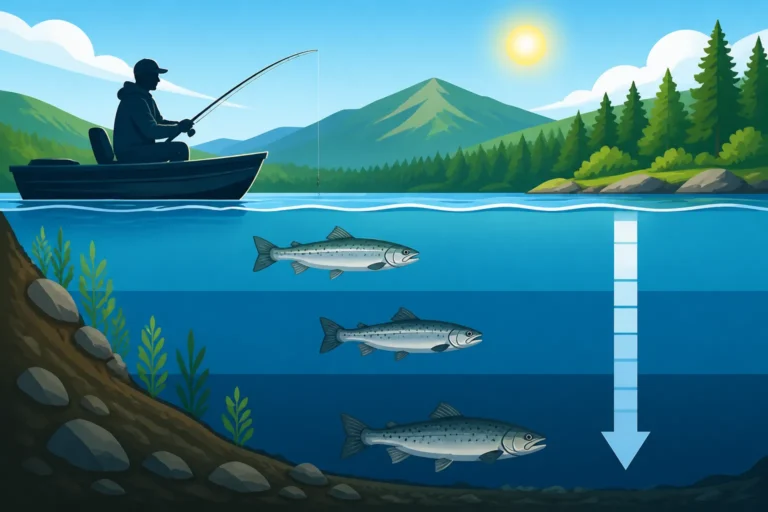
- Summer (Post-Spawn to Water Cooling): Summer is characterized by warmer water and, often, smallmouth moving to deeper, cooler water. They'll relate to offshore humps, deep rocky points, submerged ledges, and thermocline layers in larger lakes. Early morning and late evening topwater action can be phenomenal in shallower water, but during the heat of the day, focus on vertical presentations like drop-shotting, deep-diving crankbaits, or dragging tube jigs on offshore structure. Smallmouth are still actively feeding, but you have to find them in their summer haunts.
- Fall (Water Cooling to Ice-Up): This is another prime time for trophy smallmouth. As water temperatures cool from the 60s into the 50s, smallmouth go on a major feeding binge, bulking up for winter. They'll often move back shallower, particularly to rocky points and main lake humps, aggressively feeding on baitfish. Fast-moving crankbaits, spinnerbaits, and jerkbaits can be deadly. As water temperatures drop further into the 40s, they'll school up in deeper wintering areas, often large rock piles or deep breaks. Vertical jigging with tubes or blade baits can entice bites from these concentrated fish. Don't be surprised if you catch some of your biggest smallmouth during the fall "turnover" period.
- Winter (Ice Fishing): Yes, you can ice fish for smallmouth in New Hampshire! While not as popular as ice fishing for perch or lake trout, smallmouth can be caught through the ice. They'll be concentrated in deep, rocky wintering holes, often near steep drop-offs or large underwater boulders. Vertical jigging small spoons, blade baits, or dropping a live shiner on a tip-up can produce bites. It's a slower bite, but the reward of a solid winter smallmouth is unique. Learn more about New Hampshire Lake Trout Ice Fishing Season Dates (similar deep water strategies can apply).
Structure Fishing: Rocks, Humps, and Drop-Offs
Smallmouth bass are synonymous with rock. If you're not fishing some form of rocky structure, you're likely missing out on the best opportunities.
- Rocky Points and Shorelines: These are textbook smallmouth magnets. Points that extend out into deeper water offer excellent ambush points and travel corridors. Fan cast these areas, starting shallow and working your way deeper. Look for irregularities in the rocks, such as larger boulders, crevices, or sudden depth changes.
- Offshore Humps and Reefs: In larger lakes, smallmouth will often hold on submerged humps or reefs that rise from the bottom, even if they're far from shore. These act as underwater islands, attracting baitfish and providing structure for the bass. Use your electronics to locate these features. Once found, focus your efforts on the tops, sides, and especially the "breaks" where the hump drops off into deeper water.
- Ledges and Drop-Offs: Smallmouth love edges. Ledges where the bottom transitions from shallow to deep, or sudden drop-offs into deep water, are prime habitat. Fish the lip of the drop-off, allowing your bait to fall naturally down the break. These areas offer both food and escape routes.
- Boulder Fields: Areas with scattered boulders, from car-sized rocks to smaller cobble, provide ideal cover. Smallmouth will cruise between these rocks, using them for ambush. Dragging a tube jig or a football jig through these fields is a highly effective presentation.
When fishing structure, pay close attention to depth. Smallmouth will often hold at specific depths depending on light conditions, water temperature, and baitfish location. Experiment with different depths until you find where they're concentrated.
Current Fishing: Reading the Water in Rivers and Outlets
Fishing for smallmouth in moving water presents a unique set of challenges and rewards. River smallmouth are incredibly powerful and often more aggressive due to their constant fight against the current.
- Current Seams: These are critical areas where fast-moving water meets slower water. Smallmouth will position themselves in the slower water, conserving energy, while waiting for food to be swept down the faster current. Cast your lure into the faster water and let it drift into the seam, or cast directly into the seam and retrieve.
- Eddies and Backwaters: Areas of swirling or still water behind large boulders, bridge pilings, or log jams provide respite from the main current. Smallmouth will often hold in these eddies, ambushing prey as it passes by. These are prime targets for jigs and crankbaits.
- Riffles and Runs: Shallow, fast-moving sections of the river (riffles) or deeper, swift channels (runs) can hold active smallmouth. Don't be afraid to cast into these seemingly chaotic areas. Smallmouth often tuck behind submerged rocks or in deeper pockets within the current. Spinnerbaits, shallow-diving crankbaits, and even topwaters can be effective here.
- Confluence Areas: Where two rivers or streams meet, the merging currents often create prime smallmouth habitat. The increased oxygen, food availability, and varied current patterns attract fish.
- Dams and Spillways: While often requiring caution and adherence to safety regulations, areas below dams or spillways can concentrate smallmouth. The turbulent, oxygenated water and concentrated baitfish create a feeding frenzy. However, always be aware of changing water levels and strong currents in these areas.
When fishing current, presentation is key. You often need to cast upstream or quarter-upstream and allow your lure to drift naturally with the current, retrieving just fast enough to keep slack out of your line and maintain contact with the bait. The smallmouth will often be facing upstream, waiting for food to come to them.
Finesse vs. Power Fishing: When to Be Subtle, When to Be Aggressive
Knowing when to employ a subtle finesse technique versus a more aggressive power fishing approach is a hallmark of an experienced smallmouth angler.
- Finesse Fishing: This approach emphasizes subtle presentations, lighter lines, and smaller baits to entice wary or lethargic fish.
- When to Use It: During tough conditions like bright, sunny days, clear and calm water, cold fronts, high fishing pressure, or when fish are neutral to negative. It's also excellent when fish are suspended or holding deep. A common scenario is fishing a Cold Front Fishing Tactics for New Hampshire Bass.
- Techniques: Drop-shotting (using small worms or minnow imitations), Ned rigs, weightless wacky-rigged Senkos, small tube jigs, hair jigs. The retrieve is typically slow, methodical, and often involves long pauses. The goal is to make the bait look as natural and non-threatening as possible. Light fluorocarbon leaders (6-8 lb test) are often crucial here.
- Power Fishing: This involves covering water quickly with aggressive, often larger, baits to trigger reaction strikes from active fish.
- When to Use It: When fish are aggressive, actively feeding, or when you need to quickly locate schools of fish. Ideal during low light, overcast days, when fish are shallow, or during productive seasons like spring and fall.
- Techniques: Crankbaits (shallow to deep), spinnerbaits, chatterbaits, larger swimbaits, jerkbaits with an aggressive retrieve, and topwater lures. The retrieve is often faster, with jerks, pops, or pauses designed to imitate fleeing baitfish or crawfish. Power fishing allows you to cover large areas of water, searching for active fish.
Often, a successful day involves starting with power fishing to locate active fish and then switching to finesse tactics once you've found them or if the bite slows down. Sometimes, smallmouth will follow a power bait but refuse to strike, and that's your cue to slow down and offer a finesse presentation.
Reading the Water and Locating Smallmouth
Finding smallmouth bass isn't always about blindly casting. It's about understanding the nuances of the water and the environment, then using that knowledge (and sometimes a bit of technology) to pinpoint their locations.
Water Temperature and Clarity: Key Factors for Success
These two environmental factors profoundly influence smallmouth bass behavior and where you'll find them.
- Water Temperature: Smallmouth are cold-blooded, so their metabolism and activity levels are directly tied to water temperature.
- Cold Water (Below 50°F): Fish are lethargic. They'll be concentrated in deep, stable wintering areas, often on large rock piles or deep breaks. Finesse techniques, slowly presented jigs, blade baits, or live bait are key.
- Cool Water (50-60°F): Pre-spawn period. Smallmouth start moving shallower, seeking warming trends. They become more active but can still be finicky. Suspending jerkbaits, hair jigs, and slow-rolled crankbaits are effective.
- Warm Water (60-70°F): Peak activity! This is the spawning period and immediately after. Fish are aggressive and active. They'll be found in a variety of depths, from shallow spawning flats to deeper feeding areas. Most lure types work well.
- Hot Water (Above 75°F): Smallmouth will retreat to deeper, cooler water, often near the thermocline in large lakes. Early morning and late evening bites in shallower water can still occur, but during the heat of the day, you'll need to fish deep and often slow.
Knowing the approximate water temperature allows you to predict their depth and activity level, helping you choose the right technique and presentation.
- Water Clarity: New Hampshire is known for many clear, pristine lakes, which is ideal for smallmouth.
- Clear Water: Smallmouth in clear water tend to be warier. They rely heavily on sight to hunt, but they can also see you! Long casts, natural colors, fluorocarbon leaders, and finesse techniques are often essential. Polarized sunglasses become your best friend for spotting structure and fish.
- Stained/Turbid Water: While smallmouth prefer clearer water, they can adapt to slightly stained conditions, especially in rivers or after heavy rains. In these situations, they often become less spooky and may be more willing to hit louder, more vibrant baits. Lures with strong vibration (chatterbaits, spinnerbaits) or brighter colors (chartreuse, orange) can be effective, as well as darker profile baits that create a good silhouette.
Always pay attention to what the water is telling you. A sudden change in clarity or temperature could mean a shift in where the smallmouth are holding.
Understanding Forage: What They're Eating and How to Imitate It
The old adage "match the hatch" applies just as much to bass fishing as it does to trout. Smallmouth bass are predators that key in on specific baitfish or invertebrates. Knowing their primary food sources will help you choose the right lures.
- Crayfish: This is arguably the most important food source for smallmouth bass across New Hampshire. If there are crayfish in the water, smallmouth are eating them. Look for lures that mimic crayfish in shape, size, and color (green pumpkin, brown, rust). Tube jigs, football jigs with craw trailers, and soft plastic creature baits are excellent choices.
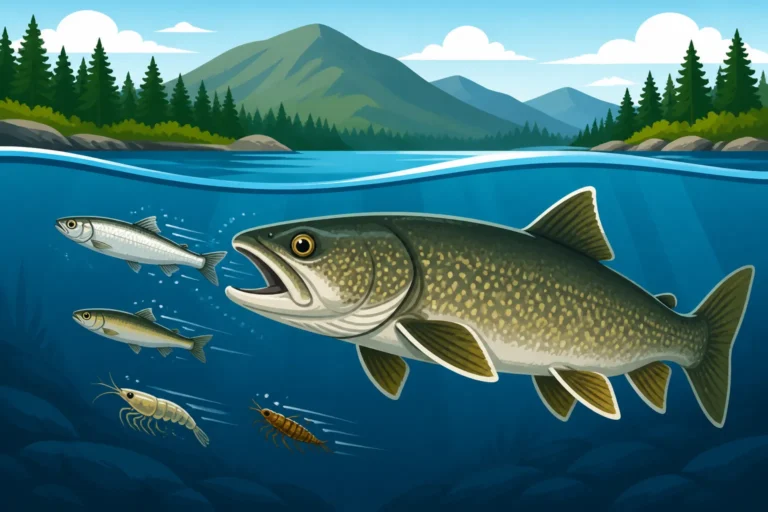
- Smelt/Alewives: In many of New Hampshire's larger, deeper lakes like Winnipesaukee, Newfound, and Sunapee, rainbow smelt are the primary forage fish. These slender, silver baitfish roam open water and are a critical food source, especially for larger smallmouth and other predators like lake trout and salmon. When smallmouth are feeding on smelt, slender jerkbaits, swimbaits, and spoons in silver, white, or blue/silver patterns are highly effective. For specific lures, check out Best Baits for Smallmouth Bass on Winnipesaukee.
- Shiners/Minnows: In smaller ponds and rivers, various species of shiners and minnows are common smallmouth prey. Use lures that imitate these, such as small crankbaits, spinnerbaits, and soft plastic flukes or swimbaits.
- Perch Fry: Yellow perch fry and juvenile perch are also a food source, especially in waters where perch are abundant. Small swimbaits or crankbaits with a perch-like pattern can be good producers.
- Insects/Frogs: While less common than fish or crayfish, smallmouth will opportunistically feed on large aquatic insects, cicadas, or small frogs, particularly during specific hatches or periods. This is when topwater presentations can really shine.
Pay attention to what's in the water, or what you see regurgitated by a landed fish. If you see schools of baitfish, use a lure that mimics them. If you see crayfish skittering on the bottom, use a craw imitation.
Using Electronics: Sonar, Side Imaging, and Mapping
Modern marine electronics have revolutionized how we find and catch fish, and smallmouth bass are no exception. While not strictly necessary for every outing, they are invaluable tools, especially on larger, unfamiliar lakes.
- Sonar (2D Sonar): This is your basic fish finder. It shows you the depth, bottom contour, and any objects (fish, structure) directly beneath your boat. You can identify drop-offs, humps, and even individual fish. Learning to interpret the arches and lines on your sonar screen takes practice but is essential.
- Down Imaging/Side Imaging: These technologies provide photographic-like images of what's directly below (down imaging) or to the sides (side imaging) of your boat. This allows you to identify specific rock piles, ledges, and even baitfish schools with incredible clarity. Side imaging is particularly useful for scanning large areas quickly to locate offshore structure that might hold smallmouth. You can often see fish holding near the structure before you even cast.
- GPS Chartplotters/Mapping: Integrated GPS and detailed lake maps (like those from Navionics or Lakemaster) allow you to navigate safely, mark waypoints of productive spots, and identify contour lines that indicate depth changes and underwater structure. You can pre-plan your fishing routes, identify likely smallmouth haunts (points, humps, ledges), and return to productive spots with precision. Many good units are available from brands like Humminbird and Lowrance.
- Interpreting the Data: The key isn't just having the electronics, it's knowing how to use them. Look for hard bottom returns (indicating rock or gravel), sudden depth changes (ledges, humps, drop-offs), and baitfish schools. If you see arches or dots near structure, those are likely smallmouth bass. Use your trolling motor to slowly cruise over likely areas, scanning for these key indicators. Modern fish finders, some even portable and suitable for kayaks or smaller boats (many can be found on Amazon), make this technology accessible to a wide range of anglers.
Conservation and Responsible Angling Practices
As passionate anglers, we have a responsibility to protect New Hampshire's smallmouth bass fisheries for future generations. Responsible angling goes beyond just following the rules; it's about making conscious choices that promote healthy fish populations and habitats.
Catch and Release Best Practices for Smallmouth
Smallmouth bass are a valuable resource, and practicing proper catch and release techniques ensures that those feisty fighters live to bite another day.
- Minimize Fight Time: While smallmouth are powerful, try to land them as quickly as possible. Prolonged fights, especially in warm water, can exhaust the fish and reduce their chances of survival. Use appropriate tackle that allows you to control the fish without overly stressing it.
- Handle with Care:
- Wet Hands: Always wet your hands before touching a fish. Dry hands can remove the fish's protective slime coat, making it vulnerable to disease.
- Support the Body: If possible, support the fish horizontally with one hand under the belly and the other gently gripping the lower jaw. Avoid holding fish vertically by the jaw for extended periods, as this can damage their internal organs or jaw structure, especially for larger fish.
- Limit Air Exposure: Keep the fish in the water as much as possible. If you want a photo, get your camera ready, lift the fish briefly, snap the shot, and return it to the water quickly. Even a few seconds out of water can be detrimental.
- Prompt Hook Removal: Use pliers or forceps to quickly and carefully remove hooks. If a fish is deeply hooked (which is rare with artificial lures but can happen with bait), cut the line as close to the hook as possible rather than trying to tear it out. The hook will often rust out over time.
- Revive the Fish: If a fish seems sluggish or disoriented, hold it gently in the water, facing into a mild current (if available), or slowly move it back and forth to push water over its gills. Release it only when it's strong enough to swim away on its own.
- Barbless Hooks: Consider using barbless hooks or pinching down the barbs on your lures. This makes hook removal much easier and quicker, reducing stress on the fish.
By following these practices, you play a vital role in sustaining the incredible smallmouth bass fishing we all cherish in New Hampshire.
Understanding New Hampshire Regulations
The New Hampshire Fish and Game Department sets specific regulations to manage fish populations and ensure sustainable fishing. It is every angler's responsibility to know and follow these rules.
- Fishing License: First and foremost, you need a valid New Hampshire fishing license. This applies to both residents and non-residents, with specific age exemptions for youth and seniors. Be sure to check Where and How to Buy a New Hampshire Fishing License.
- Season Dates: Smallmouth bass, like other species, have specific open seasons and sometimes special catch-and-release periods. As mentioned earlier, there is often a New Hampshire Bass Catch-and-Release Season, Explained in the spring to protect spawning fish. Always check the current New Hampshire Freshwater Fishing Digest for the exact dates.
- Bag and Possession Limits: There are limits on the number of smallmouth bass you can keep per day (daily bag limit) and the total number you can have in your possession (possession limit). These can vary by water body.
- Size Limits (Slot Limits): Some waters may have minimum or maximum length limits, or "slot limits," where fish within a certain size range must be released. For example, a slot limit might dictate that you can keep fish under 12 inches and over 16 inches, but must release all fish between 12 and 16 inches. These are designed to protect breeding-sized fish. Be sure to check the New Hampshire Bass Limits and Slot Rules carefully, as these can be complex.
- Special Regulations: Certain water bodies may have specific regulations that differ from statewide rules. Always consult the "Special Regulations" section in the fishing digest for the waters you plan to fish. You can access detailed information by Reading the New Hampshire Freshwater Fishing Digest.
- Reporting Violations: If you witness any fishing violations, it's important to report them to the New Hampshire Fish and Game Department. This helps protect the resource from illegal activities.
Ignorance of the law is not an excuse, so always carry a copy of the current fishing digest (physical or digital) or consult the NH Fish and Game website before you head out.
Protecting Their Habitat: What Anglers Can Do
A healthy smallmouth bass population depends on healthy habitats. As anglers, we can contribute to the conservation of these vital aquatic environments.
- Leave No Trace: Pack out everything you pack in, and then some. This means no discarded fishing line, lure packaging, food wrappers, or any other trash. Fishing line, in particular, can be incredibly harmful to wildlife.
- Prevent Invasive Species: Invasive species can decimate native fish populations and their habitats. Always clean, drain, and dry your boat, trailer, and all fishing gear (including waders and nets) before moving from one water body to another. This prevents the spread of aquatic invasive plants and animals.
- Respect Private Property: Always be aware of property lines and respect landowners' rights. Accessing fishing spots responsibly ensures that these areas remain open to the public.
- Reduce Chemical Runoff: Be mindful of chemicals you use on your property, as fertilizers and pesticides can wash into waterways and harm aquatic life.
- Support Conservation Efforts: Consider supporting organizations dedicated to aquatic habitat conservation in New Hampshire. Your voice and contributions can make a difference in advocating for clean water and healthy fisheries.
By being mindful of our impact and actively participating in conservation, we ensure that the thrill of smallmouth bass fishing remains a cherished part of the New Hampshire outdoor experience for many years to come.
Disclaimer
This article is for general informational purposes only and does not constitute professional advice. Laws, prices and regulations vary by location and change over time. Consult a qualified professional for guidance on your specific situation.