Bluegill Habits in New Hampshire Ponds
It's a common misconception that bluegill are just tiny, insignificant fish, or only for kids learning to cast. But let me tell you, when you dive a little deeper into their world in the ponds across New Hampshire, you'll find a species with fascinating habits, a vital role in the ecosystem, and endless opportunities for enjoyable angling. This guide is all about peeling back the layers to understand the nuanced lives of bluegill, from their diet and spawning rituals to how they adapt to the changing seasons right here in the Granite State.
Understanding Bluegill: More Than Just a "Kids' Fish"
For many of us, the bluegill was our first fish. That distinctive dark spot on their gill plate, the vibrant blue sheen, and their willingness to bite almost anything often sparked a lifelong love affair with fishing. But to dismiss them as just a beginner's fish is to miss out on the incredible complexity and importance they hold in our local aquatic environments. They are, in fact, incredibly tenacious and adaptable creatures, forming the backbone of many freshwater food webs.
They might not pull like a trophy largemouth bass or offer the delicate fight of a wild brook trout, but a large bluegill can put a surprising bend in an ultralight rod, making them a fantastic sport fish in their own right. And when you understand their patterns, you can really dial in your approach and have some truly epic days on the water. It’s not just about tossing a worm under a bobber and hoping for the best; there's a real art to consistently catching the bigger bluegill that lurk in the depths of our New Hampshire ponds. For a deeper look at other common targets, you might want to check out Panfish Fishing in New Hampshire.
The Ecosystem Role of Bluegill in New Hampshire Ponds
Bluegill are truly unsung heroes of the aquatic ecosystem. They sit right in the middle of the food chain, serving as a critical forage species for nearly all predatory fish in a pond, including largemouth bass, chain pickerel, and even some larger trout where they coexist. Without a healthy population of bluegill, these larger game fish would struggle to find enough food, impacting their growth rates and overall population health. Think of them as the energetic little protein bars of the pond!
Beyond being a food source, bluegill also play a significant role in controlling insect populations. They'll readily munch on mosquito larvae, various aquatic insects, and even small snails, helping to keep these populations in check. This constant foraging contributes to the overall health and balance of the pond environment. They're like tiny, efficient gardeners, keeping the aquatic landscape tidy and productive for everyone. Their abundance is often a sign of a healthy, thriving pond ecosystem, capable of supporting a diverse range of aquatic life.
Identifying Bluegill: Key Features for Anglers
While most seasoned anglers can spot a bluegill a mile away, especially when it's putting up a fight, it's helpful to know their distinct features. Bluegill ( Lepomis macrochirus ) are members of the sunfish family, and they share some characteristics with their cousins like pumpkinseeds and redbreast sunfish. However, a true bluegill has a few tell-tale signs.
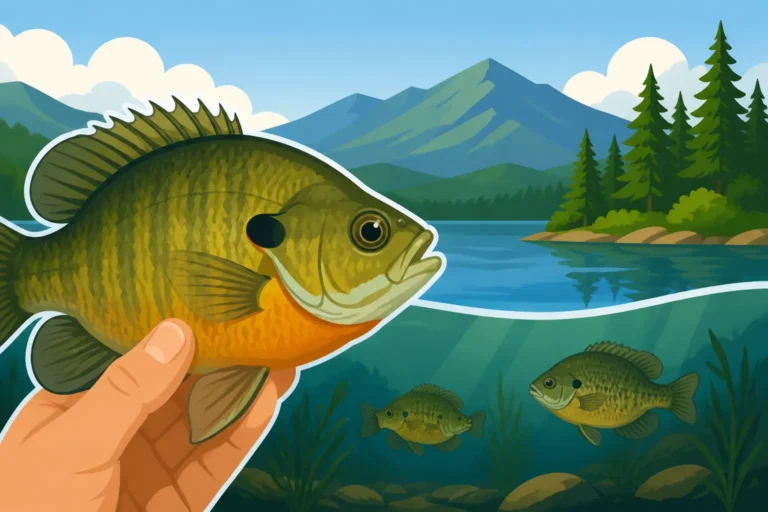
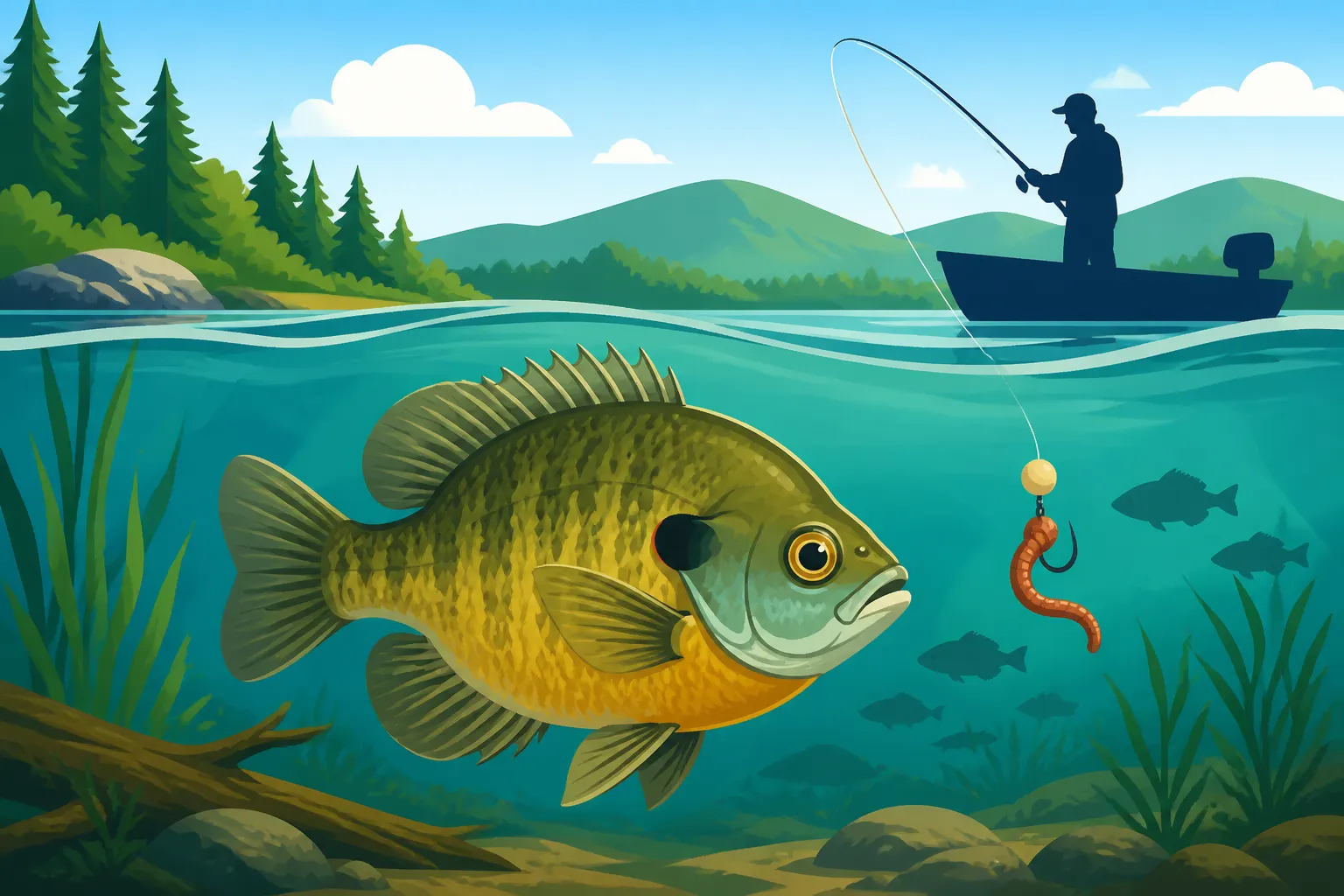
The most prominent feature is usually the small, black opercular flap, often referred to as the "ear flap," which lacks any colored trim (unlike the red-orange trim on a pumpkinseed or the long black flap of a green sunfish). Their body is typically deep and compressed, almost disc-shaped, with a small mouth. Coloration can vary quite a bit depending on the water clarity, diet, and even the fish's mood, ranging from olive-green to dark blue on the back, fading to lighter green or yellowish on the sides, often with several vertical bars that are more pronounced in younger fish. The belly is usually yellowish to orange, especially in spawning males. Their pectoral fins are long and pointed, and they have a dark blotch at the base of the soft-rayed dorsal fin. Understanding these distinctions is useful, especially when trying to differentiate them from other panfish you might encounter in New Hampshire waters.
Bluegill Habitat Preferences in New Hampshire Ponds
Bluegill are not picky about every single detail, but they definitely have preferences when it comes to where they like to hang out. These preferences are largely driven by their need for food, cover from predators, and suitable spawning grounds. Understanding these choices will dramatically improve your ability to locate and catch them, whether you're fishing from shore or a small boat.
New Hampshire's ponds offer a variety of structures and conditions, and bluegill expertly navigate these different environments throughout the year. From shallow, weedy bays to deeper submerged structures, they know exactly where to find comfort and sustenance. If you're looking for more general information on where to cast your line, consider reading New Hampshire State Park Fishing Guide, as many state park ponds are prime bluegill habitat.
Ideal Water Conditions and Structure
Bluegill thrive in warm, clear, calm waters, which describes many of New Hampshire's smaller ponds and the shallower bays of larger lakes. They prefer water temperatures in the 68-78°F range, though they can tolerate much colder and warmer conditions. When it comes to structure, they are absolute magnets for anything that provides cover or holds food. This includes dense aquatic vegetation like lily pads, cattails, submerged weeds, and brush piles. These areas offer protection from overhead predators like ospreys and herons, as well as larger fish like bass. They also serve as fantastic ambush points for bluegill feeding on insects and small invertebrates.
Beyond vegetation, don't overlook artificial structures or natural features. Docks, fallen trees, beaver lodges, old tire reefs, or even subtle changes in bottom contour can all hold good numbers of bluegill. These structures provide shade, which is crucial on sunny days, and often attract the very prey items bluegill feed on. A muddy or silty bottom is often preferred for their nesting sites, but they'll forage over a variety of substrates. The key is to look for that combination of cover and food availability; find those spots, and you'll likely find bluegill.
Seasonal Movements and Depths
Bluegill movements are heavily influenced by water temperature and the availability of food and spawning sites. In the spring, after ice-out, they'll often be found in relatively shallow waters, sunning themselves and feeding as the water warms. As spawning season approaches, they concentrate in very shallow, protected bays with soft bottoms. This is when they are most accessible and aggressive.
During the heat of summer, bluegill may move slightly deeper, especially during the brightest parts of the day, seeking cooler water or denser overhead cover. You might find them suspended over weed beds, under docks, or near submerged timber at depths of 5 to 15 feet. However, they will still venture into the shallows to feed during low-light periods like dawn and dusk. As fall arrives and water temperatures drop, they'll gradually move into deeper water, often congregating in large schools near the bottom, getting ready for winter. Finally, under the ice, they remain in these deeper schooling patterns, often associated with structure, though they can still be caught through the ice with the right techniques. If you're interested in learning how to target them in colder months, take a look at Ice Fishing in New Hampshire.
What Bluegill Eat: A Forager's Diet
Bluegill are opportunistic feeders, meaning they'll eat just about anything bite-sized that comes their way. This is fantastic news for anglers because it makes them relatively easy to catch. However, understanding their primary food sources can help you select the most effective baits and presentations, especially when targeting larger or more finicky fish. Their diet is diverse and changes with the seasons and the specific offerings of a particular pond.
Their role as foragers is another reason they are so important in the aquatic food web. They process a lot of smaller organisms, converting them into biomass that then becomes food for larger predators. It's a beautifully efficient system, and the bluegill are a central component of it.
Preferred Food Sources and Foraging Behaviors
Bluegill primarily feed on aquatic insects, insect larvae, small crustaceans, and zooplankton. Think of tiny critters like Daphnia, copepods, midge larvae, dragonfly nymphs, and various worms. They are particularly fond of invertebrates that live among aquatic vegetation or on the pond bottom. If you watch bluegill closely in clear water, you'll often see them "grazing" along submerged weeds, picking off tiny morsels.
When insects hatch and emerge from the water, bluegill will eagerly feed on these terrestrial insects that fall onto the surface, like ants, grasshoppers, or beetles. They're not above eating small minnows or fish eggs, including their own, though this is less common than their invertebrate diet. Their small, protractible mouths are perfectly adapted for picking off tiny organisms, making them highly efficient feeders on the small-scale offerings of a pond. They also have pharyngeal teeth (located in the throat, not the jaw) that help them crush harder-shelled prey like snails.
How Diet Impacts Fishing Strategies
Knowing what bluegill eat is key to choosing your bait. Since their diet is dominated by insects and small invertebrates, baits that mimic these natural food sources are usually the most effective. Live baits like worms (red wigglers or nightcrawlers cut into pieces), crickets, grasshoppers, and small grubs are almost universally irresistible to bluegill. You can often find great live bait options at local tackle shops or even dig them up in your own backyard!
For artificial lures, tiny jigs, spinners, and flies that imitate insects or small crustaceans work wonders. Think micro jigs tipped with a piece of worm, corn, or a synthetic bait like Berkley PowerBait grubs. Small inline spinners, typically 1/32 to 1/16 ounce, can also be very effective, especially when bluegill are actively chasing. Fly anglers can have a field day with small nymphs, wet flies, dry flies (especially during hatches), and even tiny poppers. For a wide selection of small fishing tackle, many anglers turn to online retailers like Amazon to browse and compare different options. Pairing the right bait with the right technique is covered in more detail in Best Techniques for Panfish in New Hampshire.
Bluegill Spawning Habits: A Deep Dive into Reproduction
The bluegill spawning season is a truly remarkable event in the life cycle of these fish, and it's also one of the best times for anglers to target them. Understanding their reproductive habits not only provides insight into their biology but also helps you locate aggressive, territorial fish that are often easier to catch. Bluegill are prolific breeders, and their dedication to protecting their young is quite impressive for a relatively small fish.
Their colonial nesting strategy is particularly fascinating and sets them apart from many other species. This ensures that their numbers remain strong, contributing to the overall health and abundance of the New Hampshire pond ecosystems they inhabit.
Nesting Behavior and Colony Formation
In New Hampshire, bluegill typically begin spawning when water temperatures consistently reach around 67-70°F, usually from late May through July, and sometimes even into August with multiple spawns in warmer waters. The males are the nest builders. They will select shallow, protected areas of a pond, often with a firm, sandy, or gravely bottom, though they'll utilize soft bottoms too. Using their tails, they fan out circular depressions on the bottom, clearing away debris to expose clean substrate. These nests are typically 1 to 2 feet in diameter.
What's really interesting is that bluegill are colonial nesters. Males will build their nests in close proximity to each other, forming "spawning beds" or "colonies" that can contain dozens, or even hundreds, of nests in a small area. This colonial behavior offers some protection against predators, as there's safety in numbers. The males will aggressively defend their nests against intruders, including other bluegill, and will try to entice females to lay eggs in their specific nest. This territoriality makes them prime targets for anglers as they strike at anything perceived as a threat.
Parental Care and Fry Development
Once a female selects a nest and lays her eggs (she may visit multiple nests and multiple females may lay eggs in one nest), the male bluegill takes over parental duties. He diligently guards the nest, fanning the eggs with his fins to keep them oxygenated and free of silt, and aggressively driving away any potential predators like minnows, crayfish, or even other bluegill. This paternal dedication lasts until the eggs hatch, which usually takes 2 to 5 days depending on water temperature.
After hatching, the tiny bluegill fry remain in the nest for a few more days, absorbing their yolk sacs, before dispersing into the surrounding vegetation where they can find microscopic food and shelter. The male continues to guard the general area for a short period, but eventually, the young are on their own. This extensive parental care ensures a high survival rate for the offspring, contributing to the robust bluegill populations seen in many New Hampshire ponds. The life cycle continues, providing ample forage and fishing opportunities.
Bluegill Behavior Through the Seasons in New Hampshire
Just like us, bluegill adapt their behavior to the rhythm of the seasons. Their activity levels, preferred depths, and even their feeding intensity can change dramatically from the warm days of summer to the icy grip of winter. Understanding these seasonal shifts is crucial for any angler hoping to consistently find and catch bluegill in New Hampshire's diverse ponds and lakes.
Knowing these patterns helps you predict where they'll be and what they'll be willing to bite. It's like knowing the local diner's daily specials – you'll have a much better chance of getting what you want!
Spring: Pre-Spawn and Spawning Frenzy
Spring in New Hampshire is a time of awakening, and bluegill are no exception. As the ice melts and water temperatures begin to rise into the 50s and low 60s, bluegill move out of their deeper winter haunts and start cruising the shallower flats and bays. This pre-spawn period sees them actively feeding, trying to regain energy lost over winter and build up reserves for the upcoming spawning season. They'll be somewhat spread out, but often in areas where the sun warms the water fastest, and early insect activity begins.
Once water temperatures hit the mid-to-high 60s, the spawning frenzy begins. Male bluegill move into very shallow water (often less than 5 feet deep) to build their nests. This is when they become incredibly aggressive and territorial. Finding a spawning colony can lead to some truly fast and furious fishing, as the males will strike at almost anything that comes near their nests. This intense period typically lasts several weeks and can even have multiple waves of spawning throughout the summer if conditions remain favorable. It's a fantastic time for both serious anglers and families looking for consistent action.
Summer: Active Feeding and Cover Seeking
After the main spawning push, bluegill behavior shifts. While some later spawns might still occur, the primary focus for most bluegill is now on active feeding and seeking refuge from the summer sun and predators. They'll continue to utilize aquatic vegetation, docks, fallen trees, and other forms of cover, but they might move deeper during the brightest parts of the day. You'll often find them suspended in the water column over deeper weed beds or hugging the bottom near structure in 8-15 feet of water.
Early morning and late evening are prime times for summer bluegill, as they'll venture into shallower areas to feed on insects and other prey. They might also be found around points or drop-offs that offer quick access to deeper water if they feel threatened. Trolling with small jigs or casting tiny lures to the edges of weed lines can be very effective during this period. The abundance of food and warmer water means their metabolism is high, so they are generally eager to bite, making summer a reliably productive season for bluegill fishing.
Fall: Preparing for Winter
As New Hampshire's vibrant foliage takes over and water temperatures begin their slow decline, bluegill enter a transitional phase, preparing for the lean months of winter. They will often congregate in larger schools, moving out of the very shallow, exposed areas and towards deeper cover. Submerged weed lines that are still green, brush piles, and gradual slopes leading to deep holes become prime targets. Their feeding behavior remains strong as they try to fatten up for winter, so they can still be quite active.
This period often sees them moving in correlation with schools of baitfish, if present, or continuing to forage on aquatic insects. As temperatures continue to drop, their metabolism slows down, and their movements become less erratic. Fishing deep edges of weed beds or vertical jigging around structure can be very productive. They might not be as aggressive as during the spawn, but a well-presented bait can still entice a solid bite.
Winter: Under the Ice
When New Hampshire's ponds finally freeze over, bluegill settle into their winter patterns. They'll typically school up in deeper parts of the pond, often near the bottom or suspended just above structure like humps, drop-offs, or submerged timber. Their metabolism is at its slowest, so they feed less frequently and with less aggression. However, they are still catchable, and ice fishing for bluegill can be a very rewarding experience, offering consistent action on bitter cold days.
Small jigs, often tipped with a tiny grub, a piece of plastic, or a wax worm, are the go-to baits. Anglers use ultra-light rods and very light line to detect their subtle bites. Finding the school is the key; once you locate them, you can often catch many fish from the same hole. Look for them in areas with softer bottoms where insect larvae might be abundant, or near structures that offer shelter. Proper ice safety is paramount, so always ensure the ice is thick enough before venturing out, as discussed in "How thick ice needs to be before New Hampshire anglers fish it".
Fishing for Bluegill in New Hampshire Ponds: Tips and Techniques
Fishing for bluegill is a joyful experience, whether you're a seasoned angler honing your finesse skills or introducing a child to the magic of fishing for the very first time. They are abundant, relatively easy to catch, and provide consistent action that keeps spirits high. While they might not be the flashiest fish, mastering the art of catching bluegill can teach you fundamental fishing principles that apply to almost any species.
It's about being observant, patient, and knowing your gear. And speaking of gear, there are some essentials that can make your bluegill adventures even more successful and enjoyable. Don't underestimate the challenge of consistently catching the biggest bluegill in a pond – it requires a surprising amount of skill!
Best Baits and Lures for Bluegill
Bluegill are quite amenable to a variety of baits, but some stand out as consistent producers:
-
Live Bait:
- Worms: Red wigglers, mealworms, or small pieces of nightcrawlers are probably the most classic and effective bluegill baits. Their natural scent and wiggle are irresistible.
- Crabs and Grasshoppers: These terrestrial insects are excellent, especially in summer when bluegill are looking up for food that falls into the water.
- Minnows: Very small minnows can attract larger bluegill, though they're more commonly used for crappie or bass.
- Corn/Bread: Surprisingly effective in some ponds, particularly for bluegill accustomed to human activity.
-
Artificial Lures:
- Tiny Jigs: 1/64 to 1/16 ounce jigs, often tipped with a soft plastic grub, crappie nibble, or a piece of worm, are killer. Experiment with colors; chartreuse, white, and black are often good starting points.
- Small Spinners: Mepps Comet or Rooster Tail spinners in tiny sizes (0 or 1) can draw aggressive strikes, especially when bluegill are actively feeding.
- Flies: For fly anglers, small nymphs (e.g., Prince Nymph, Pheasant Tail), wet flies, and dry flies (e.g., tiny poppers, ant patterns) are incredibly effective.
When selecting baits or lures, remember bluegill have small mouths. Smaller presentations are almost always better. If you're struggling to get bites, try going even smaller. You can find a huge variety of tiny jigs and spinners on Amazon that are perfect for bluegill.
Essential Gear for Bluegill Anglers
You don't need a boatload of expensive gear to catch bluegill, which is another reason they are so popular. However, having the right basic setup can make a big difference:
- Rod and Reel: An ultralight spinning rod (4-6 feet long) paired with a small spinning reel spooled with 2-4 pound test monofilament or fluorocarbon line is ideal. This setup allows for light presentations and makes even small bluegill feel like a trophy. Check out Best Ultralight Rod for Panfish for more specific recommendations. For beginners, a simple Best Rod and Reel Combo for Beginners is often perfectly suited for bluegill.
- Bobbers: A small bobber (clip-on or slip bobber) is essential for suspending your bait at the desired depth and indicating bites, which can sometimes be very subtle.
- Hooks: Small, sharp hooks are key. Size 8 or 10 Aberdeen hooks are a popular choice as they are thin and don't damage the bait as much.
- Split Shot: A few small split shot weights will help get your bait down to the bluegill quickly, especially in windy conditions.
- Pliers/Forceps: While bluegill don't have sharp teeth, having a small pair of pliers or hemostats is useful for safely removing hooks, especially if you're practicing catch and release.
- Tackle Box: A small tackle box or bag to organize your hooks, weights, bobbers, and lures is invaluable. Something like Best Tackle for Panfish goes into more detail.
No matter your experience level, bluegill offer a fantastic opportunity to enjoy New Hampshire's waters. They're a forgiving fish that can teach invaluable lessons and provide endless hours of fun.
| Season | Typical Depth Range (Approx.) | Preferred Habitat Features | Recommended Baits/Lures | Notes |
|---|---|---|---|---|
| Spring | 2-10 feet | Warming shallows, protected coves, spawning beds | Worms, crickets, tiny jigs, small spinners | Pre-spawn feeding, aggressive during spawning |
| Summer | 5-15 feet (deeper midday) | Dense vegetation, docks, fallen trees, deep weed lines | Worms, crickets, small minnows, tiny jigs, flies | Active feeding, seek cover from sun and predators |
| Fall | 10-25 feet (gradually deeper) | Deep weed edges, brush piles, drop-offs, humps | Worms, small grubs, tiny jigs, vertical presentations | Schooling behavior, fattening up for winter |
| Winter | 15-30+ feet (bottom oriented) | Deep structure, bottom contours, submerged timber | Tiny ice jigs (tipped with wax worm/grub) | Slow metabolism, subtle bites, schooling key |
Disclaimer
This article is for general informational purposes only and does not constitute professional advice. Laws, prices and regulations vary by location and change over time. Consult a qualified professional for guidance on your specific situation.