Which New Hampshire lake holds the state’s biggest striper catch
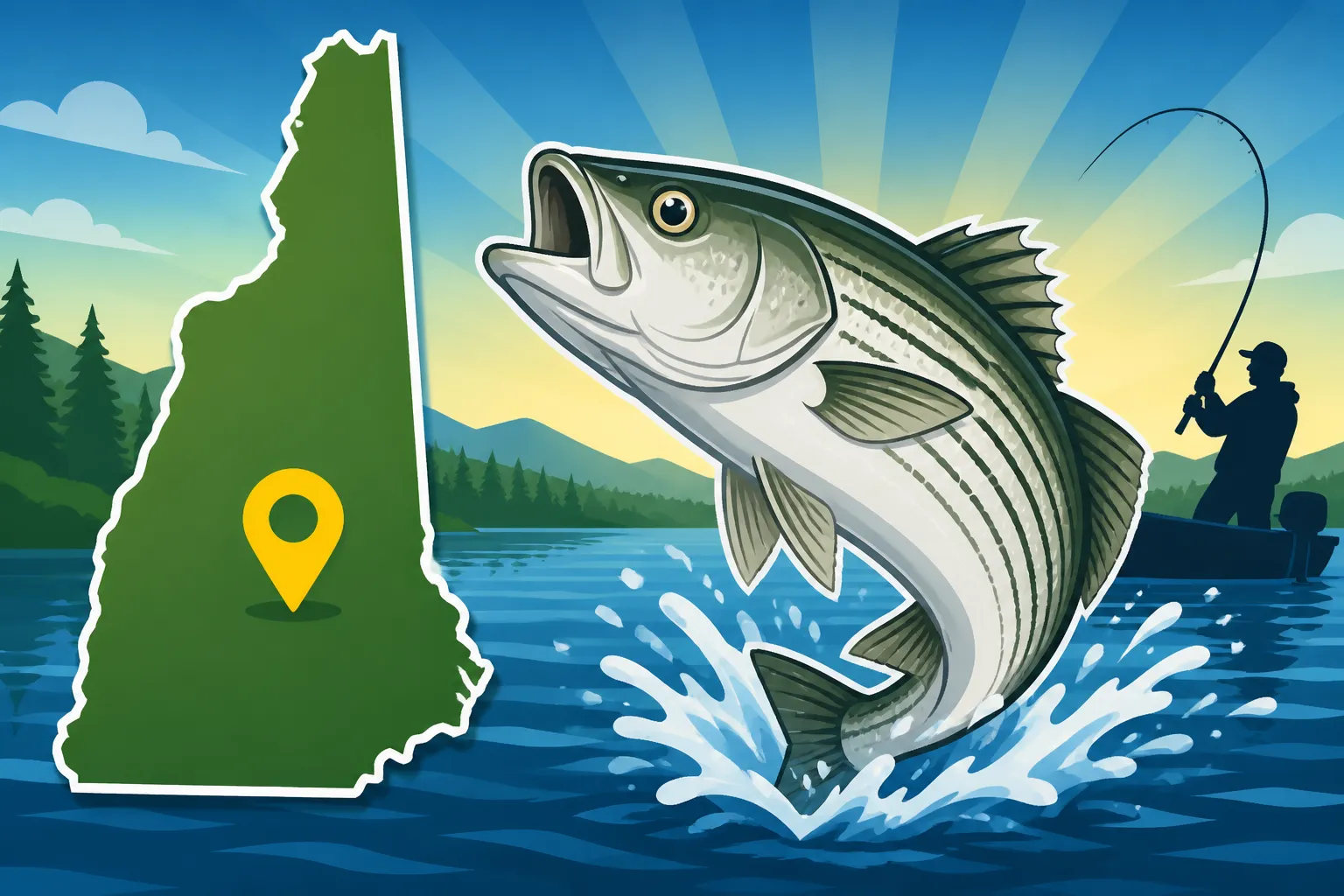
When you dream of landing that monster striped bass in New Hampshire, it’s natural to wonder which vast lake might hold such a trophy. However, the reality of striped bass habitat in the Granite State is a bit different from a typical freshwater lake. This guide is going to clear up where these magnificent fish truly thrive and reveal the "lake-like" body of water that has seen some of the state's most impressive striper catches, including potentially the state record.
The Truth About Striped Bass in New Hampshire Waters
It's easy to imagine a massive lake harboring colossal fish, but when it comes to striped bass in New Hampshire, we need to adjust our thinking a bit. Striped bass are unique; they're an anadromous species, meaning they spend most of their lives in saltwater but migrate into freshwater to spawn. However, in New Hampshire, the big ones are almost exclusively found in coastal environments and vast tidal estuaries, not inland freshwater lakes.
Saltwater vs. Freshwater: Why Striper Records Aren't in Lakes
Let's get this straight from the start: you won't find a state record striped bass caught in Lake Winnipesaukee, Squam Lake, or any other true freshwater lake in New Hampshire. Striped bass, or "stripers" as they're affectionately known, are fundamentally ocean-dwelling fish. They need the salinity of the sea for their primary habitat and sustenance. While they do ascend brackish rivers and estuaries to chase baitfish and ultimately to spawn in larger river systems further south, New Hampshire's inland lakes simply don't offer the necessary environment for them to grow to trophy sizes or even survive long-term.
Imagine a striper, powerful and sleek, built for battling ocean currents and feasting on schools of herring and mackerel. These fish are perfectly adapted to the marine environment. Transplanting them into a landlocked freshwater lake, even a massive one, would be akin to asking a moose to live in the ocean. It just doesn't compute with their biology. This is why when we talk about big striper catches, our focus shifts dramatically to the coastal plain and specifically, New Hampshire's most significant tidal estuary. If you're looking for guidance on catching different species in true freshwater, you might want to check out How to Catch Smallmouth Bass in New Hampshire Lakes or How to Catch Lake Trout in New Hampshire.
New Hampshire's Estuaries: The Real Homes of Big Stripers
So, if not lakes, then where? New Hampshire's coastline, though relatively short, is incredibly rich in estuarine environments. These are transitional zones where freshwater rivers meet the saltwater of the ocean, creating a unique brackish mix. It's in these nutrient-rich, tide-swept waters that striped bass thrive, particularly during their feeding migrations. The Piscataqua River watershed, including the vast expanse of Great Bay, is the prime example.
These estuaries act as superhighways and feeding grounds for stripers. They come in from the Atlantic Ocean, following baitfish like mackerel, herring, and even eels deep into the calmer, warmer waters. It's a fantastic buffet for them, allowing them to pack on weight and grow to impressive sizes. Anglers who understand this dynamic are the ones who consistently hook into the larger specimens. You'll find them navigating these tidal waters, often during specific phases of the tide, using specialized gear and techniques honed over years of chasing these powerful fish.
Great Bay: New Hampshire's Premier "Lake-Like" Striper Fishery
If there's any body of water in New Hampshire that comes close to being a "lake" for striped bass, it's undoubtedly Great Bay. While technically a tidal estuary connected to the Atlantic Ocean via the Piscataqua River, its vast, enclosed nature and many coves and inlets give it a distinct lake-like feel. This is where many of New Hampshire's most memorable, and potentially record-setting, striped bass have been caught.
Why Great Bay is Prime for Trophy Stripers
Great Bay is an ecological marvel, a massive inland tidal estuary encompassing over 15,000 acres. It's fed by seven rivers, yet its connection to the ocean through the narrow Piscataqua River allows for a constant ebb and flow of saltwater. This unique blend creates an incredibly productive ecosystem, teeming with the baitfish that striped bass absolutely crave. The bay's complex bottom structure, with its deep channels, rocky outcrops, expansive mud flats, and marshy edges, provides perfect ambush points and foraging grounds for large stripers.
During the warmer months, especially from late spring through fall, migrating striped bass push into Great Bay in significant numbers. They are there for one main reason: to eat. The abundance of food, coupled with the relatively protected waters compared to the open ocean, allows these fish to grow fat and strong. Anglers targeting these waters often speak of the challenge and reward of figuring out the tides, currents, and bait movements that dictate where and when the big fish will bite. Many resources, including specialized books and fishing guides available on platforms like Amazon, detail the intricacies of fishing these unique waters. For a deeper dive into the area, check out Great Bay Fishing Guide for Striped Bass.
Key Fishing Spots and Tactics in Great Bay
Great Bay offers an incredible variety of fishing environments. From the fast-moving currents of the Piscataqua River leading into the bay, to the expansive flats and the mouths of feeder rivers like the Lamprey, Squamscott, and Oyster Rivers, there's always a new spot to explore.
- River Mouths and Channels: These areas are particularly productive on incoming and outgoing tides, as stripers ambush baitfish being swept in or out. Look for current seams and structure.
- Rocky Shorelines and Points: These spots provide cover and ambush points. Casting artificial lures like poppers, spooks, or soft plastics can be incredibly effective, especially during low light conditions.
- Mud Flats and Grass Beds: As the tide rises, stripers will move onto these shallower areas to forage for crabs, worms, and baitfish. Wading or kayak fishing can be excellent here, sight-casting to cruising fish.
- Bridges and Docks: Structure is always a draw for stripers. Bridges and piers offer shade, current breaks, and often hold bait.
Anglers employ a variety of tactics here. Trolling with plugs or live bait can cover a lot of water in the main channels. Casting and retrieving artificial lures is a popular and exciting way to target active fish. Fly fishing for striped bass in Great Bay has also gained significant traction, offering a truly engaging experience for those looking for a different challenge. You can find a vast array of fishing tackle, including specific lures and fly patterns recommended for stripers, on Amazon. Don't forget to review Great Bay Striped Bass Spots to pinpoint some promising locations.
The New Hampshire State Record for Striped Bass
While the question specifically asks about a "lake" holding the state's biggest striper, the New Hampshire Fish and Game Department's official state records for striped bass are typically caught in the tidal rivers and coastal waters that lead into or are part of the broader Great Bay Estuary system. These record-breaking fish are almost universally taken from the saltwater and brackish zones.
The state record for striped bass is a testament to the quality of New Hampshire's coastal fishery. These are truly massive fish, often weighing in at over 50 or even 60 pounds, showcasing the immense potential of our waters. To verify the most current record holder and the specific location of the catch, anglers should always consult the official New Hampshire Fish and Game Department website or their annual fishing digest. It's a real feat to land such a fish, requiring skill, patience, and often a good dose of luck, but it's the kind of catch that defines a lifetime of fishing. For details on other record-holding species, see New Hampshire State Fish Records by Species.
Gear Up for Great Bay Stripers
Getting properly equipped is crucial for targeting large striped bass, especially in a dynamic environment like Great Bay. These are powerful fish, and your tackle needs to be up to the task. Skimping on gear can lead to heartbreak when that monster striper decides to make a run for it.
Essential Rods, Reels, and Line
For striped bass in Great Bay, you'll want gear that offers a good balance of power and sensitivity.
- Rods: A medium-heavy to heavy action spinning or casting rod, typically between 7 to 9 feet in length, is ideal. The extra length helps with casting distance, which is often crucial when fishing from shore or trying to reach distant feeding fish from a boat. A rod with a fast tip will give you the sensitivity to feel subtle bites but enough backbone to set the hook and fight a strong fish.
- Reels: A sturdy spinning reel in the 4000 to 6000 size range, or a baitcasting reel capable of handling heavy braided line and large lures, is essential. Look for reels with a smooth, powerful drag system, as these fish will test it. Durability and corrosion resistance are also key, given the saltwater environment.
- Line: Braided line is almost universally preferred for striper fishing due to its incredible strength-to-diameter ratio and lack of stretch, which provides superior sensitivity and hook-setting power. A 20-50 lb test braid is common. You'll want to pair this with a fluorocarbon leader of 30-50 lb test, as it's nearly invisible underwater and offers excellent abrasion resistance against rocks and the striper's rough mouth. This leader can be purchased in various strengths and lengths from retailers like Amazon.
Having the right combination of rod, reel, and line ensures you're ready for whatever Great Bay throws at you, whether it's a school of smaller "schoolie" stripers or a true goliath.
Lures, Baits, and Terminal Tackle
The bait and lure selection for striped bass in Great Bay is vast, as these fish are opportunistic predators. Matching the hatch – or what the stripers are currently feeding on – is often the key to success.
- Topwater Plugs: Poppers and walk-the-dog style lures are exhilarating to use, especially at dawn or dusk, as you watch a striper explode on the surface. These are highly effective when fish are actively feeding on the surface or in shallow water.
- Soft Plastics: Paddle tails, swim shads, and stick baits rigged on jig heads are incredibly versatile. They can be retrieved slowly along the bottom, jigged vertically, or worked through the water column to imitate baitfish. Different sizes and colors can be experimented with depending on water clarity and baitfish present.
- Hard Plugs/Minnow Imitations: Diving plugs and lipped swimming lures can be excellent for targeting fish deeper in the water column or when trolling. They mimic various baitfish species that stripers feed on.
- Live Bait: For those serious about targeting trophy fish, live bait such as mackerel, herring (where legal), or eels can be incredibly effective. These baits are often fished on a circle hook with an appropriate weight to get them into the strike zone.
- Terminal Tackle: A good selection of strong swivels, snap swivels, and a variety of jig heads (from 1/2 oz to 2 oz or more, depending on depth and current) will be indispensable. Always opt for quality components that can withstand the power of a large striper and the corrosive effects of saltwater. Many of these essential items, from hooks to leaders, are readily available online through Amazon. You might find more specific lure recommendations in Best Lures for Lake Trout Trolling, though adaptations would be needed for stripers.
Regulations and Responsible Angling for Stripers
Fishing for striped bass in New Hampshire is a fantastic experience, but it comes with the responsibility of understanding and adhering to regulations designed to protect this incredible fishery. Striped bass populations fluctuate, and responsible angling ensures these fish will be around for future generations to enjoy.
Understanding New Hampshire Striped Bass Regulations
New Hampshire's striped bass regulations are set by the New Hampshire Fish and Game Department, often in conjunction with regional and interstate management plans (like the Atlantic States Marine Fisheries Commission) to manage this migratory species effectively. These regulations typically cover aspects such as:
- Size Limits: Minimum and sometimes maximum length limits are common, often combined with a "slot limit" where only fish within a specific size range can be kept. This protects both juvenile fish and large, breeding-size fish.
- Bag Limits: The number of fish an angler can keep per day is strictly regulated to prevent overharvest.
- Seasons: While striped bass are generally available for a good portion of the year, specific seasons or restrictions might apply to certain areas or times.
- Gear Restrictions: Certain types of gear or bait may be prohibited. For example, some regulations might require the use of circle hooks when fishing with natural bait to minimize gut hooking and improve catch-and-release survival.
It's absolutely critical to consult the most current New Hampshire Freshwater and Saltwater Fishing Digest or the NH Fish and Game website before heading out. Regulations can change annually or even mid-season, and what was legal last year might not be this year. Ignoring these rules can lead to significant penalties, including fines and license suspension. Take a moment to read New Hampshire Fishing Regulations Explained and New Hampshire Bag and Possession Limits by Species. Remember, even for saltwater species, you generally need a license, so learn about New Hampshire Saltwater Fishing License, Explained.
Practicing Catch and Release for Future Generations
Given the pressures on striped bass populations, practicing responsible catch and release, especially for larger fish, has become incredibly important. While it's thrilling to keep a legal-sized striper for the table, releasing those larger, older breeding fish helps sustain the population.
Here are some tips for effective catch and release:
- Minimize Fight Time: Use appropriate tackle to bring the fish in quickly, reducing its exhaustion.
- Handle with Care: Keep the fish in the water as much as possible. If you must remove it, support its body horizontally, especially heavier fish, to prevent internal organ damage. Avoid holding it vertically by the jaw or tail.
- Use Barbless Hooks: Crushing the barb on your hooks or using barbless hooks makes removal much easier and less damaging.
- Quick Release: Have your camera ready (if you want a photo!), pliers or de-hooker handy, and release the fish quickly.
- Revive If Necessary: If a fish seems sluggish, hold it gently in the water, facing into the current, until it regains strength and can swim away on its own.
By following these practices and staying informed about regulations like New Hampshire striped bass slot limit and Great Bay Striped Bass Fishing Rules, we can all contribute to the health and vitality of New Hampshire's incredible striped bass fishery.
Disclaimer
This article is for general informational purposes only and does not constitute professional advice. Laws, prices and regulations vary by location and change over time. Consult a qualified professional for guidance on your specific situation.