What lake trout eat in New Hampshire lakes
It can be incredibly frustrating to spend hours on a beautiful New Hampshire lake, meticulously presenting your best lures, only to come up empty-handed. Often, the secret to success with elusive fish like lake trout isn't just about where you fish, but what they're actually eating. Understanding the primary diet of lake trout in our stunning New Hampshire waters is absolutely crucial for any angler hoping to consistently hook into these magnificent cold-water predators. This guide will dive deep into their feeding habits, helping you decode their menu and, ultimately, improve your chances of a successful day on the water.
The Cornerstone of the Lake Trout Diet: Forage Fish
When you're talking about what makes a New Hampshire lake trout tick, or rather, what makes it eat, you have to start with the forage fish. These smaller, schooling fish are the lifeblood of a healthy lake trout population, providing the high-protein, high-fat diet necessary for their growth and survival. Without a robust forage base, you simply wouldn't have the impressive lake trout we all love to target.
Rainbow Smelt: The Ultimate Lake Trout Snack
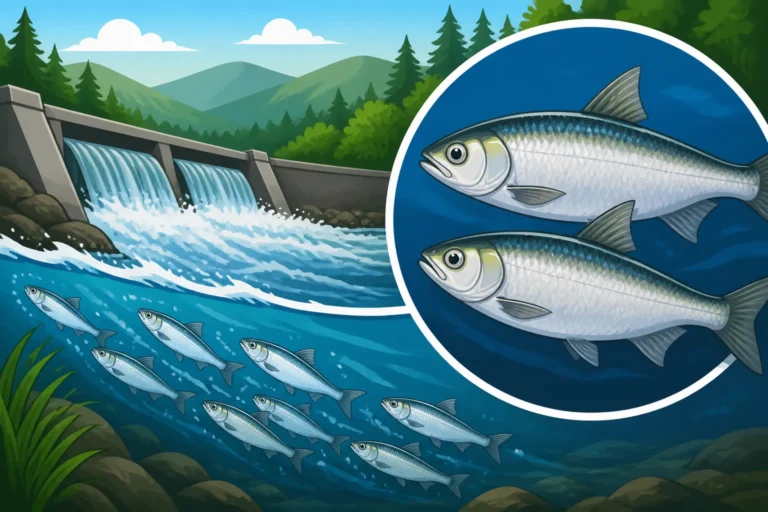
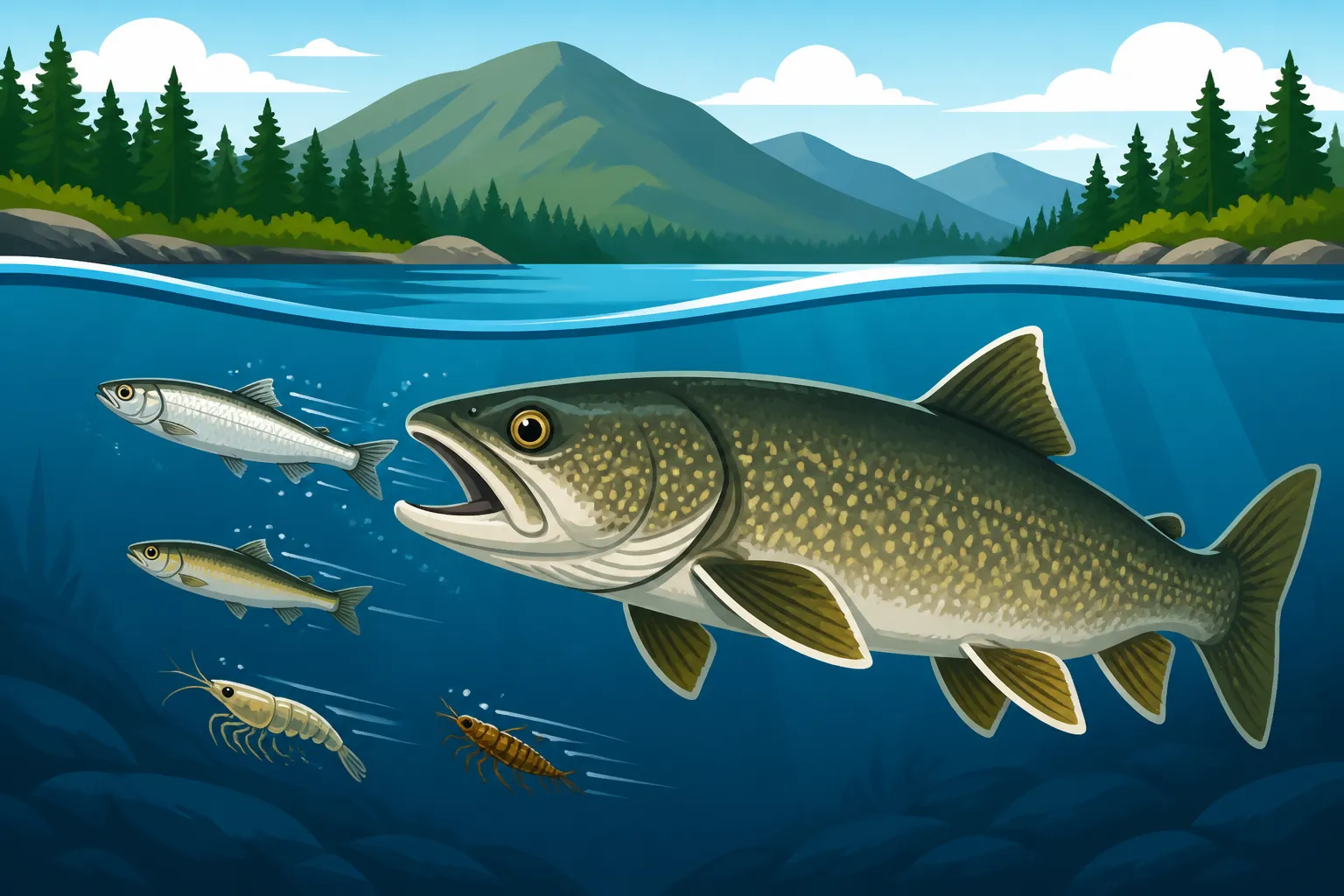
If there's one fish that defines the lake trout's diet in New Hampshire, it's the rainbow smelt. These small, silvery fish are abundant in many of our deep, cold lakes, like Lake Winnipesaukee, Newfound Lake, and Lake Sunapee. Smelt are highly nutritious, and lake trout will gorge on them whenever possible. They form dense schools, making them an efficient food source for a predatory fish that needs to conserve energy in cold water.
Anglers often say that if you find the smelt, you'll find the lake trout. This isn't just a saying; it's a fundamental truth. Lake trout will actively pursue smelt schools throughout the water column, from deep abysses to shallower shelves, depending on the season and time of day. This strong preference for smelt means that any lure or bait you present that mimics a smelt's size, flash, and swimming action is likely to be a winner. You'll find countless lures designed with this in mind, from slender crankbaits to flashy spoons, all trying to replicate the irresistible appeal of a shimmering smelt.
Other Important Baitfish: Cisco and Juvenile Fish
While rainbow smelt are king, they aren't the only thing on a lake trout's menu. In some of our larger, more diverse lake ecosystems, other baitfish play a significant role. Cisco, also known as lake herring or freshwater herring, are another cold-water forage fish that can be found in some New Hampshire lakes. They are generally larger than smelt, offering a more substantial meal for bigger lake trout. Where cisco are present, trophy lake trout will often key in on them, as they represent a high-calorie reward for their hunting efforts.
Beyond these dedicated forage species, lake trout are opportunistic predators. This means they won't pass up an easy meal, and that can include the young of other fish species. Juvenile yellow perch, white perch, or even smaller brook trout or brown trout, especially those that might be weak or disoriented, can become a meal for a hungry lake trout. While not a primary food source, the presence of various juvenile fish in a lake provides an additional, albeit less frequent, food option that helps sustain the population.
Seasonal Shifts in Lake Trout Feeding Habits
Just like us, lake trout don't eat the same thing, in the same way, all year round. Their diet and feeding behavior are heavily influenced by water temperature, light conditions, and the availability and movement of their prey. Understanding these seasonal shifts is key to knowing where to find them and what techniques to use. It's not enough to know what they eat; you also need to know when and where they're eating it.
Springtime Frenzy: Post-Ice Out and Shallow Water Feeding
After the ice retreats from New Hampshire lakes, lake trout often experience a burst of energy. They've been relatively dormant and conserving energy under the ice for months, and now the water is still cold and oxygen-rich throughout the lake. This is a prime time for them to feed aggressively. Smelt often move shallower to spawn or are simply more active, and the lake trout follow suit.
During early spring, you'll often find lake trout in shallower sections of the lake, sometimes in as little as 10-20 feet of water, especially near rocky points or shoals where baitfish might congregate. They might even be found closer to the surface on overcast days. Their metabolism is kicking into high gear, and they're actively hunting the abundant smelt. This makes spring a fantastic time for trolling large spoons or stickbaits that imitate smelt, covering a lot of water at various depths until you hit that magic zone. Knowing these movements can help you choose the right Best Techniques for Early Spring Trout when planning your trips.
Summer Deep Dive: Following the Thermocline
As New Hampshire's summers warm up, the surface waters of our deep lakes heat significantly. Lake trout, being cold-water fish, are forced to retreat to deeper, cooler waters where oxygen levels are still good. This usually means they'll be found along or just below the thermocline – that distinct layer where water temperature changes rapidly. Here, they'll often continue to feed on smelt, which also prefer these cooler depths, or other deep-dwelling baitfish.
Summer fishing for lake trout typically involves deep trolling with downriggers or heavy lead-core line, presenting lures at precise depths. Vertical jigging directly over deep structures or baitfish schools (which you can often spot with a good fish finder from Amazon) is another highly effective technique. The lake trout's metabolism slows somewhat in the deep, cold water, so presentations might need to be slower and more methodical. Locating these thermal layers and the baitfish within them becomes critical. You might be targeting fish in 60, 80, or even over 100 feet of water, making specialized gear essential.
Fall Feast: Pre-Spawn Aggression
Autumn in New Hampshire signals another shift, as lake waters begin to cool again. Lake trout start to become more active and aggressive as they prepare for their spawning period, which typically occurs in late fall. During this time, they often move shallower, especially around rocky shoals, reefs, and points where they will eventually spawn. They are packing on calories for the rigors of reproduction, making them eager feeders.
This pre-spawn period can offer some of the most exciting lake trout fishing of the year. They might be found actively chasing schools of smelt or other baitfish in more accessible depths. Trolling remains effective, but casting large spoons or jigs to rocky structures can also produce big fish. Understanding Best Techniques for Fall Lake Trout can lead to some incredible catches, as these fish are focused on fattening up.
Winter Wonders: Ice Fishing and Reduced Metabolism
Even under a blanket of ice, New Hampshire lake trout remain active, though their metabolism slows considerably. They still need to eat, and once again, rainbow smelt are often their primary target. During the ice fishing season, lake trout tend to orient themselves around deep structure, like humps, drop-offs, and main lake points, often holding just off the bottom or suspended in the water column if baitfish are present.
Ice fishing for lake trout typically involves jigging with heavy spoons, vertical jigs, or dead bait (like smelt or shiners) presented on tip-ups. The key is often patience and understanding that the fish may not be as aggressive as in warmer months. A good fish finder is invaluable for locating structure and baitfish under the ice. While the New Hampshire Lake Trout Ice Fishing Season Dates allow for great winter action, remembering their slower metabolism and opportunistic feeding will help you refine your approach.
Other Opportunistic Food Sources
While forage fish like smelt and cisco form the bulk of a lake trout's diet, especially for larger specimens, these fish are not above snacking on other available food items. Lake trout are generalist predators, meaning they'll take advantage of whatever easy meals present themselves, particularly when primary forage is less available or they stumble upon an opportunistic snack.
Crustaceans: Crayfish and Scuds
In lakes where they are abundant, crustaceans like crayfish (also known as crawfish) can be a significant food source for lake trout. Crayfish are slow-moving and provide a nutrient-rich meal. Lake trout will often root around rocky bottoms and structures where crayfish hide, particularly if forage fish are scarce or less accessible. Imitations of crayfish, in the form of soft plastics or jigs, can be highly effective, especially when fished slowly along the bottom. You can often find a good selection of these realistic lures on Amazon to diversify your tackle box.
Smaller crustaceans, such as scuds (freshwater shrimp), also contribute to the diet of lake trout, especially younger or smaller individuals, or when smelt populations are low. These tiny morsels might not seem like much, but they provide constant sustenance in deep, cold waters. While anglers rarely target lake trout specifically with scud imitations, their presence influences the overall health and growth rate of the trout.
Insects: Larvae and Pupae
Believe it or not, even insects play a role in the lake trout's diet, particularly during certain times of the year or in specific areas of a lake. Larval forms of various aquatic insects, like mayflies, caddisflies, and midges, live on the lake bottom for extended periods. When these insects hatch, or if their larval forms are dislodged, lake trout can and will consume them.
This feeding behavior is often more pronounced with smaller, younger lake trout that haven't fully transitioned to an exclusive fish diet, or when they are in shallower areas. While you won't typically see a mature lake trout leaping for a dry fly like a brook trout, they will certainly scoop up a mouthful of emerging pupae or drifting larvae if the opportunity arises. This emphasizes their opportunistic nature and their ability to adapt their feeding based on what's available in their environment.
Decoding the Diet for Angling Success
Knowing what lake trout eat is more than just trivia; it's the foundation of effective angling. Every piece of information about their diet helps you make smarter decisions about your gear, your location, and your technique. It’s about putting yourself in the trout's "shoes" (or fins!) and understanding what makes them bite.
| Season | Primary Forage | Location (General) | Preferred Lure/Bait Type | Key Angling Strategy |
|---|---|---|---|---|
| Spring | Rainbow Smelt | Shallower, near shoals | Spoons, Stickbaits, Live Smelt | Trolling, Casting (covering water) |
| Summer | Rainbow Smelt | Deep, along thermocline | Spoons, Jigs, Live Smelt | Deep Trolling (downriggers), Vertical Jigging |
| Fall | Rainbow Smelt | Shallower (pre-spawn areas) | Spoons, Large Stickbaits, Jigs | Trolling, Casting (aggressive retrieves) |
| Winter | Rainbow Smelt | Deep structure, suspended | Heavy Spoons, Jigs, Dead Smelt | Ice Fishing (jigging, tip-ups, often slower moves) |
| Opportunistic | Crayfish, Insects | Bottom structure | Soft plastic crayfish, Jigs | Slow retrieves, bottom bouncing, finesse |
Lure Selection: Imitation is the Sincerest Form of Flattery
Since rainbow smelt are so critical to the lake trout's diet, it makes perfect sense that many of the most effective lures are designed to mimic them. Long, slender spoons with silver, blue, or green finishes, like common flutter spoons or casting spoons, are staples for trolling. Stickbaits, both shallow and deep-diving models, that have a similar profile and flash are also incredibly productive. When you're outfitting your tackle box, think "smelt" and you'll be on the right track. Many anglers even go so far as to use actual dead or live smelt as bait, where legal, which is hard to beat for realism.
For vertical jigging, especially during summer or ice fishing, heavy jigs that resemble a wounded baitfish or even a crayfish can trigger strikes. Colors like white, silver, chartreuse, or even natural browns and greens for crayfish imitations, can be very effective. It's often helpful to have a variety of sizes and weights to match the local forage and the depth you're fishing. Don't forget, you can often find a huge array of these specialized lures and baits from reputable brands through online retailers like Amazon, making it easy to stock up before your next trip.
Location, Location, Location: Following the Food
Lake trout are almost always found where their food is. If you're struggling to find fish, start by looking for baitfish schools. Modern fish finders are invaluable tools for this, allowing you to scan the water column and identify not only individual fish arches but also dense clouds of bait. Once you locate the bait, the lake trout won't be far behind. This is especially true during the open water season when trolling for Lake Trout Fishing in New Hampshire.
During different seasons, the baitfish will hold in different depths and areas. As discussed, smelt move shallower in spring and fall and retreat to deeper, cooler water in summer. Understanding these movements, combined with knowledge of the lake's topography (e.g., deep ledges, humps, sharp drop-offs), allows you to predict where lake trout will be ambushing their prey. Focus your efforts on these areas.
Technique: Matching the Hatch (or the Smelt)
The way you present your lure needs to match not only the lake trout's mood but also the behavior of their prey. When trolling, experiment with different speeds and depths until you find what's enticing the fish. A slow, methodical presentation might be best in colder water or for a sluggish fish, while a faster, erratic retrieve can trigger aggressive strikes from actively feeding trout.
For jigging, consider how a wounded baitfish or fleeing crayfish would behave. Short, sharp lifts followed by pauses, or a more subtle "dead stick" presentation with live bait, can be the ticket. Using a fish finder to see your lure in relation to the fish and bait can give you immediate feedback on what's working. Many anglers also find great success in learning How to Catch Lake Trout in New Hampshire through specialized workshops or guides who have years of experience decoding these subtle nuances.
The Broader Impact on Lake Health
The diet of lake trout isn't just important for anglers; it's a critical component of the overall health and balance of a New Hampshire lake ecosystem. Lake trout are apex predators in their environment, and their feeding habits directly influence the populations of the fish they prey upon.
Predator-Prey Dynamics
A healthy lake trout population requires a healthy forage base. If the smelt population declines, for example, the lake trout will suffer, potentially leading to slower growth rates, reduced numbers, and an overall less vibrant fishery. This interconnectedness is why New Hampshire Fish and Game monitors both predator and prey species carefully. It's a delicate balance that ensures there are enough smelt and other baitfish for the lake trout, while the lake trout, in turn, help keep those populations in check.
Sometimes, a lake might have an overabundance of smaller, less desirable fish species. In such cases, lake trout can act as a natural control, helping to thin out these populations and create a more balanced ecosystem. This natural predation is far more effective and sustainable than human intervention in many cases.
Monitoring and Management
Fisheries biologists spend a great deal of time studying the diets of key species like lake trout. By examining stomach contents, they gain valuable insights into the health of the lake, the availability of food sources, and potential competition among species. This information is vital for making informed management decisions, such as stocking programs for either lake trout or their preferred forage, or setting regulations like New Hampshire Bag and Possession Limits by Species to ensure sustainable fishing for future generations. For instance, if studies show that lake trout are struggling to find enough smelt, biologists might consider measures to protect or enhance smelt populations.
For anglers, appreciating this broader ecological context adds another layer to the fishing experience. It's not just about catching a fish; it's about understanding the intricate web of life that supports these magnificent creatures in the deep, clear waters of New Hampshire.
Disclaimer
This article is for general informational purposes only and does not constitute professional advice. Laws, prices and regulations vary by location and change over time. Consult a qualified professional for guidance on your specific situation.