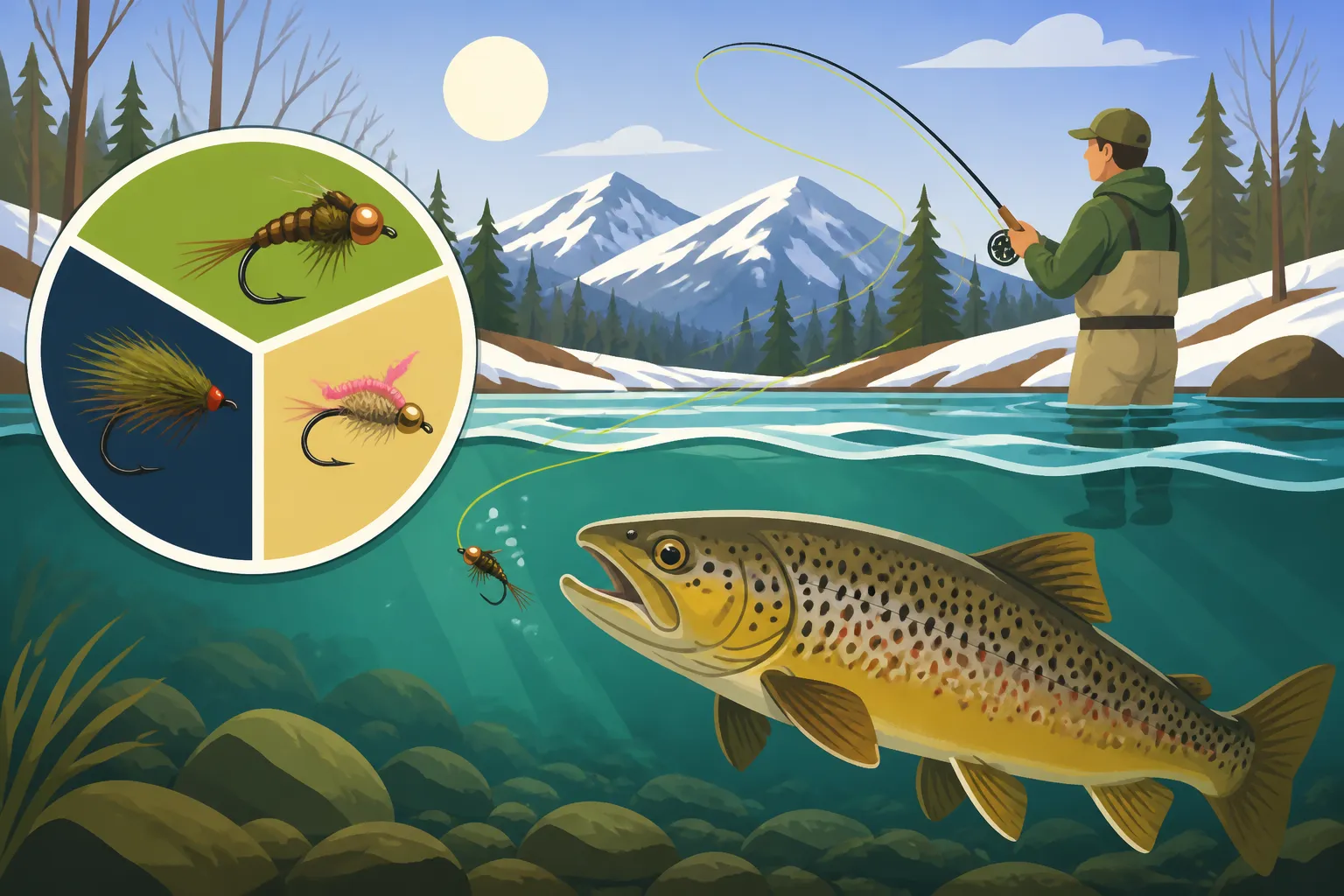
Best Techniques for Early Spring Trout
Ah, early spring trout fishing in New Hampshire! It's a time of year that can be both incredibly frustrating and utterly magical. One day you're bundled up, battling a biting wind and numb fingers, with nary a tug on your line, and the next, the sun is shining, the water is alive, and you're reeling in beautiful trout. The real challenge, of course, is knowing how to approach these fickle fish when the water is still chillingly cold, and their metabolism is only just starting to awaken. This guide will help you understand trout behavior in early spring and equip you with the best techniques and gear to stack the odds in your favor for a successful day on the water.
Understanding Early Spring Trout Behavior and Habitat
Early spring is a transitional period, and trout, much like us, are shaking off the lethargy of winter. Their behavior is heavily dictated by water temperature, available food, and their instinctual need to find comfortable, safe zones. Cracking the code to early spring trout means understanding these fundamental influences.
The Impact of Water Temperature on Trout Activity
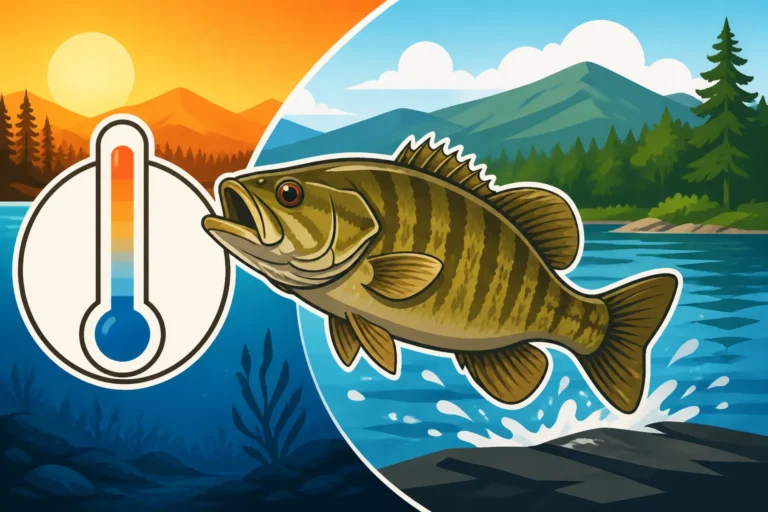
When the ice has just melted off the ponds and rivers, or even when it’s still hanging around in shaded coves, the water temperature is absolutely critical. Trout are cold-blooded creatures, meaning their body temperature mirrors that of their surroundings, directly impacting their metabolism. In water below 45 degrees Fahrenheit, trout are often sluggish, their feeding windows narrow, and their movements minimal. They’re conserving energy, not actively chasing down meals. As the water warms, even by a few degrees, their activity level increases significantly.
You’ll find that sunny days, especially those with consecutive warmth, can trigger a noticeable change. The upper layers of the water column, particularly in shallower areas or sun-exposed stretches of a river, will warm first. This slight increase in temperature can draw trout out of deeper, colder sanctuaries into these more comfortable zones where they might begin to feed. Conversely, a sudden cold snap or heavy spring rain can drop water temperatures, sending trout right back into a state of suspended animation. Being aware of daily and recent weather patterns is more important now than at any other time of year.
Where Trout Hold in Cold Water Conditions
In the chilly embrace of early spring, trout aren't just swimming around aimlessly; they're strategically positioning themselves for comfort and opportunistic feeding. In ponds and lakes, this often means focusing on shallower flats and coves that receive direct sunlight throughout the day. These areas, often only a few feet deep, will warm up faster than the main lake body, attracting both baitfish and the trout that prey on them. Submerged structure like rocks, logs, or weed lines in these warmer pockets provide excellent ambush points and shelter from predators.
In rivers and streams, trout will often be found in slower-moving water, like deep pools, eddies, and seams behind large rocks or fallen trees. The strong currents of swollen spring rivers require more energy to fight, which sluggish, cold-water trout are reluctant to expend. Look for areas where the current breaks or where there's a distinct transition from fast to slow water. Overwintering trout may still be holding in deep runs, but newly stocked fish, eager to escape the faster currents, will often seek out these calmer havens. Understanding New Hampshire Trout Stocking and Fishing Rules can also give you insight into where specific populations might be concentrated.
Post-Stocking Trout Behavior
New Hampshire Fish and Game does an incredible job stocking our waters, and early spring is prime time for these fresh additions. When trout are first stocked, they're often disoriented and, frankly, a bit stressed. They're coming from a hatchery environment, which is vastly different from a wild pond or river. For the first day or two, they might be scattered, seeking cover, and not actively feeding. However, this period is often short-lived. Once they adjust, these hatchery fish can become quite aggressive, especially if they haven't seen natural food in a while.
They typically key into readily available food sources, often remaining in the general vicinity of where they were stocked. If you know the common stocking points for a particular pond or stream, those are excellent places to start your fishing efforts. These trout are often less wary than wild trout, making them more susceptible to common baits and lures. The key is to present your offering slowly and persistently, giving these recently released fish ample opportunity to notice and strike. Checking the New Hampshire Trout Stocking Report and Map can be immensely helpful in identifying recently stocked waters.
Essential Gear for Navigating Chilly New Hampshire Waters
When the air is crisp, and the water is frigid, your gear choice isn't just about catching fish; it's about comfort and safety. Being prepared for the unpredictable New Hampshire spring weather and having the right tools for delicate presentations can make or break your early season trout adventure.
Cold Weather Apparel and Wading Gear
Staying warm and dry is paramount when fishing in early spring. Layering is your best friend. Start with a moisture-wicking base layer, add insulating layers like fleece or wool, and top it off with a waterproof and windproof outer shell. Think about gloves or fingerless gloves to protect your hands from the cold, and a warm hat is non-negotiable – you lose a significant amount of body heat through your head. A good pair of polarized sunglasses will help cut the glare off the water, allowing you to spot subtle takes or even glimpse a trout cruising.
When it comes to wading, chest waders are essential for staying dry, especially if you plan to explore different stretches of a river or get into shallower parts of a pond. Breathable waders are great, but for the colder temps of early spring, neoprene waders offer superior insulation. Paired with sturdy wading boots that provide good ankle support and traction on slippery rocks, you'll be much more comfortable and safe. Remember, the water is cold enough to cause hypothermia if you take an accidental dip, so always prioritize safety. Many anglers find durable, well-fitting waders for great prices on Amazon, which can be delivered right to your door.
Rods, Reels, and Lines for Sensitive Bites
Early spring trout often have a subtle bite, a gentle tug rather than an aggressive strike. This means your rod, reel, and line need to be sensitive enough to detect those faint indications.
- Rods: A light to ultralight spinning rod, typically in the 5'6" to 7' range, with a fast action tip, is ideal. This combination allows for accurate casting of lighter baits and lures while providing the sensitivity needed to feel subtle strikes. For fly anglers, a 3- to 5-weight fly rod, about 7'6" to 9' long, offers the versatility needed for different fly presentations. You can explore a variety of options like the Best Fly Rods for New Hampshire Trout Streams to find one that suits your style.
- Reels: Pair your spinning rod with a small, lightweight spinning reel (size 1000 or 2000). A smooth drag system is crucial for protecting light lines when a surprising larger trout decides to bite. For fly fishing, a matching click-and-pawl or disc drag reel that balances your rod is all you need, as the reel is primarily for line storage.
- Lines: Light line is key for stealth and sensitivity. For spinning, 4-6 pound test monofilament or fluorocarbon is generally preferred. Monofilament offers some stretch, which can be forgiving with aggressive head shakes, while fluorocarbon is nearly invisible in the water and incredibly sensitive. Many anglers prefer a fluorocarbon leader even with monofilament main line. For fly fishing, a weight-forward floating line is versatile for most presentations, and a fluorocarbon tippet (4x to 6x) will give you the best stealth.
Tackle Box Essentials: Baits, Lures, and Scents
Your tackle box for early spring trout should focus on offerings that appeal to less aggressive, cold-water fish.
- Baits: Live bait is often king in cold water. Worms (nightcrawlers, mealworms, garden worms), especially smaller ones, are irresistible. Minnows can also be very effective, presented on a light wire hook. PowerBait, in various colors and forms (dough, nuggets), is a tried-and-true choice for stocked trout, and you can pick up a good variety pack from Amazon. Small marshmallows, corn kernels, or even cheese bits can also tempt hungry hatchery fish.
- Lures: Small inline spinners (like Panther Martin, Mepps, or Rooster Tail in sizes #0-2) in silver, gold, or brass are excellent for casting and retrieving in slow currents or still water. Tiny spoons (Kastmasters, Little Cleos) can imitate small baitfish, and small jerkbaits or suspending stickbaits can be deadly when retrieved with a twitch-pause retrieve.
- Scents: Scent additives can make a big difference, especially for reluctant biters. Apply a fish attractant to your lures or even live bait to give trout an extra incentive to hold on longer, allowing you to set the hook.
- Terminal Tackle: Don't forget small swivels, split shot weights (very small sizes, like BB or #7), and an assortment of light wire hooks (size 8-14 depending on your bait). Having a good Best Landing Net for Trout will also ensure a gentle release if you’re practicing catch and release.
Proven Techniques for Early Spring Trout Success
Once you've got the right gear and a grasp of trout behavior, it's time to put it all into practice. Early spring demands patient, often subtle, techniques. Remember, these fish aren't usually in hot pursuit; they're looking for an easy meal.
Mastering Bait Fishing: The Scent and Stillness Advantage
Bait fishing is arguably the most effective method for early spring trout, especially for recently stocked fish. The natural scent and taste of bait are incredibly appealing to sluggish trout who might not chase a fast-moving lure.
- Still Fishing: This is a fantastic technique for ponds and lakes. Use a light spinning rod with 4-pound test line. Rig a small hook (size 10-14) with a worm, PowerBait, or a corn kernel. Add one or two small split shot weights a foot or so above the hook to get your bait down. Cast your bait into promising areas – shallow coves, near downed trees, or along weed lines. Let it sink to the bottom or suspend it just off the bottom using a small bobber or float. The key is patience. Let the bait sit for several minutes, allowing the scent to disperse. Watch your line or bobber for the slightest twitch. Sometimes, a trout will just gently mouth the bait.
- Drift Fishing: For rivers and streams, drift fishing allows your bait to move naturally with the current, mimicking a free-floating food source. Use minimal weight – just enough to keep your bait near the bottom without dragging excessively. Cast upstream and let your bait drift through pools, eddies, and current seams. Keep your rod tip slightly elevated, maintaining a taut line to feel any subtle strikes. This technique works wonders for targeting trout holding in specific pockets of slower water. For specific tips, check out Best Bait for Opening Day Trout in New Hampshire.
Spin Fishing Strategies for Active and Reluctant Biters
Spin fishing with lures can be incredibly effective once water temperatures start to tick up, or for those days when trout are feeling a bit more energetic. The trick is to slow down your retrieve significantly.
- Slow Retrieve for Lures: Whether you're using small inline spinners, spoons, or small stickbaits, a slow, steady retrieve is crucial. In cold water, trout won't expend much energy chasing fast-moving prey. Make your lure look like an injured or easy meal. For spinners, reel just fast enough to get the blade spinning. For spoons, a slow wobble or flutter is more effective than a fast retrieve. Small jerkbaits can be worked with long pauses, sometimes up to 10-15 seconds, allowing them to suspend enticingly in the water column.
- Targeting Structure and Depth: Focus your casts on areas with structure where trout might be hiding – fallen trees, large rocks, or drop-offs. If the water is deep, let your lure sink for a few seconds before starting your retrieve to ensure it's presented at the correct depth. Sometimes, trout are holding tight to the bottom in cold water, so a jig tipped with a small grub or a piece of worm can be a game-changer when bounced along the substrate. A small, shiny jig from Amazon can often do the trick.
Fly Fishing Approaches: Subsurface Tactics Dominate
While the beauty of dry fly fishing is still a few weeks away for most areas, early spring is prime time for subsurface fly fishing. Nymphs and streamers are your best bets.
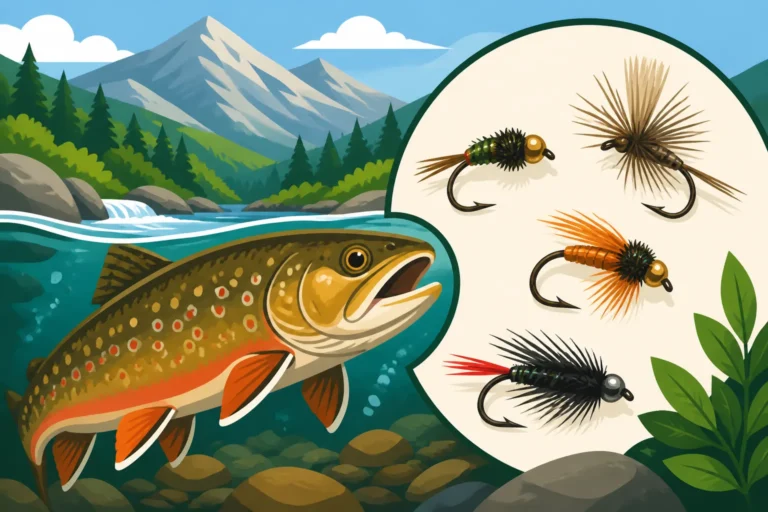
- Nymphing Techniques: Trout in cold water are often looking down for their food, feeding on nymphs and larvae drifting along the bottom. A basic nymph rig involves a weighted nymph pattern (like a Pheasant Tail, Hare's Ear, or Prince Nymph) fished under a strike indicator. You'll want to add some split shot above your fly to get it down quickly. Cast upstream and allow your nymph to drift naturally through likely holding water, watching your indicator for any hesitation or subtle dip – that's often a take. Euro nymphing, which involves using a longer rod and specialized leader to maintain direct contact with your flies, can be incredibly effective in detecting these subtle strikes in higher, faster water.
- Streamer Fishing: When trout are a bit more active, or you're targeting larger holdover fish, streamers can be deadly. Patterns like Woolly Buggers, Sculpzillas, or small baitfish imitations (e.g., Clouser Minnows) in olive, black, or white can entice aggressive strikes. Cast your streamer across or slightly upstream, and retrieve it with a slow, erratic strip-pause motion. This mimics a wounded baitfish, making it an easy target. Focus on fishing these patterns near structure or in deeper pools where larger trout might be lurking.
| Technique | Ideal Conditions | Recommended Gear | Key Presentation Tips | Target Species (Early Spring) |
|---|---|---|---|---|
| Bait Fishing | Very cold water, sluggish fish | Ultralight rod, light line, small hooks, bobbers, split shot | Still fish on bottom or with float; slow, natural drifts in current | Stocked Rainbow, Brown, Brook |
| Spin Fishing | Slightly warmer water, post-stocking bite | Light/ultralight rod, 4-6lb line, small inline spinners, spoons, jerkbaits | Slow, steady retrieve; twitch-pause for jerkbaits; bounce jigs on bottom | Stocked Rainbow, Brown, Brook; Wild Brook |
| Nymphing (Fly) | Rivers/streams, all cold water temps | 3-5wt fly rod, floating line, fluorocarbon tippet, weighted nymphs, strike indicator | Dead drift nymphs along bottom; watch indicator for subtle takes | Wild and Stocked Trout (all species) |
| Streamer Fishing (Fly) | Warming water, active or larger trout | 5-6wt fly rod, floating/sink-tip line, fluorocarbon leader, baitfish/bug streamers | Slow, erratic strip-pause retrieve; target structure | Larger Brown, Brook, Rainbow; Landlocked Salmon |
Locating Prime Early Season Trout Havens
Finding trout in early spring isn't just about showing up at any old water body. You need to think about where they'd be most comfortable and where they'd find food. Knowing what to look for can drastically improve your chances.
Targeting Stocked Ponds and Lakes
New Hampshire has a fantastic program of stocking trout into numerous ponds and lakes across the state, and these waters are often the most productive for early spring action. The Fish and Game Department typically begins stocking as soon as ice-out occurs and road access permits. These ponds, often shallower than major lakes, warm up faster, making trout more active sooner.
Look for areas with easy access, as these are often where the fish were initially stocked. Boat launches, public beaches (before summer crowds), or designated fishing piers are prime starting points. Focus your efforts on the shallower sections, particularly those with dark bottoms that absorb sunlight, or areas protected from cold winds. If there's any remaining ice, fish the open water right along the ice edge, as this can be a productive zone. Pay attention to structure like submerged trees, rock piles, or old weed beds, even if they aren't fully grown yet. These spots provide cover and ambush points. Many of New Hampshire's designated "Trout Ponds" are excellent choices. Consider checking out some of the Best Trout Ponds in New Hampshire for specific locations.
Identifying Productive River and Stream Sections
Rivers and streams in early spring can be tricky due to fluctuating water levels and temperatures from snowmelt and rain. However, they can hold some incredible trout. The key is to find water that isn't too fast or too cold.
Focus on sections of rivers and larger streams that have good access to sunlight and offer refuge from strong currents. Deep pools, especially those with slower currents on the edges or behind large obstructions like boulders or fallen trees, are classic holding areas. Eddies, where the water swirls back upstream, are also excellent, as they collect drifting food and provide a break from the main current. Look for seams where faster current meets slower water – trout will often position themselves in the slower water, ready to dart out into the faster current to snatch a meal. Tributary mouths, where smaller streams feed into a larger river, can also be productive. These smaller inflows might be slightly warmer or bring in different food sources. For rivers that form state boundaries, like the Connecticut River, understanding New Hampshire fishing license reciprocity on Connecticut River boundary waters can be crucial.
Safety, Ethical Angling, and Adapting to Conditions
Beyond the techniques, a successful and responsible early spring trout outing involves prioritizing safety, adhering to ethical practices, and being flexible with your approach as the season evolves.
Prioritizing Safety in Unpredictable Spring Weather
Early spring in New Hampshire is notorious for its fickle weather. A sunny morning can quickly turn into a cold, rainy, or even snowy afternoon. Staying safe means being prepared for anything.
- Dress in Layers: As mentioned earlier, layering is vital. You can shed layers as the day warms or add them if the temperature drops. Always pack an extra dry layer, especially socks, in a waterproof bag.
- Know the Water: River levels can rise rapidly with snowmelt or heavy rain, making wading dangerous. Always use a wading staff for stability, especially if you’re exploring unfamiliar waters. Be aware of swift currents, slippery rocks, and potential drop-offs. Never fish alone if possible, or at least let someone know where you're going and when you expect to return.
- Hypothermia Awareness: Cold water temperatures are no joke. If you fall in, hypothermia can set in quickly. Make sure your waders are free of leaks, and always wear a PFD (Personal Flotation Device) if you're fishing from a boat or kayak, or even when wading in deep, swift currents. Even a simple, affordable inflatable PFD from Amazon can be a lifesaver.
- Ice Safety: If you encounter lingering ice, especially on ponds, exercise extreme caution. Ice conditions can be highly variable in spring. Never assume it's safe unless you've thoroughly checked it.
Practicing Responsible Catch and Release
Many anglers enjoy early spring trout fishing for the sheer joy of the catch, and practicing responsible catch and release helps ensure a healthy fishery for everyone.
- Minimize Handling: The less you handle a trout, the better its chances of survival. Try to keep the fish in the water as much as possible.
- Wet Hands: Always wet your hands before touching a fish. Dry hands can remove the fish's protective slime coat, making it susceptible to disease.
- Barbless Hooks: Consider using barbless hooks or crimping down the barbs on your hooks. This makes hook removal much easier and less damaging to the fish.
- Proper De-hooking Tools: Have forceps or needle-nose pliers readily available for quick hook removal.
- Revive the Fish: If a fish seems sluggish after being caught, hold it gently in the water, facing upstream into a slow current, until it regains its strength and swims away on its own. Avoid squeezing the fish, especially around its gills or belly. Always be mindful of New Hampshire Trout Limit and Possession Rules if you plan to keep any fish.
Adjusting Tactics as Spring Progresses
Early spring is a dynamic time. The conditions you encounter on April 1st might be vastly different from those on May 1st. Successful anglers are those who can read the water and adapt their strategies.
As the sun gets higher in the sky and days grow longer, water temperatures will steadily rise. This will lead to more active trout and potentially the emergence of aquatic insects. You'll likely see trout become more willing to chase lures and flies. Dry fly fishing might even become an option on warmer, calmer days as early hatches begin. Pay attention to signs of insect activity, like rising fish or bugs fluttering around the water. The best time of day to fish will also shift from the warmest part of the afternoon to earlier mornings and later evenings. Keep an eye on the forecast and observe the water conditions to continuously fine-tune your approach. Over time, you'll develop an intuition for these changing conditions, making you a more versatile and successful angler throughout the entire Best Time of Year to Fish in New Hampshire.
Disclaimer
The information provided in this guide is for general informational purposes only and is subject to change. Always consult the most current New Hampshire Fish and Game Department regulations and advisories before fishing. Local conditions can vary, and personal safety should always be your top priority.