Cold Front Fishing Tactics for New Hampshire Bass
New Hampshire anglers often face the maddening frustration of a sudden cold front, turning a promising bass bite into a ghost town. One day the bass are aggressive, smashing topwater lures, and the next, they've vanished or become incredibly lethargic. This comprehensive guide will arm you with the knowledge and practical tactics to understand how these weather shifts impact bass and, more importantly, how to adapt your fishing strategy to continue catching them, even when Mother Nature throws a curveball.
Understanding the Impact of a Cold Front on Bass
Before you can effectively catch bass after a cold front, it’s crucial to understand why they behave the way they do. It’s not just a switch they flip; it’s a complex reaction to environmental changes that affect their comfort, metabolism, and food sources. Ignoring these underlying causes will only lead to more frustrating, fishless days.
Barometric Pressure Drop and Fish Behavior
One of the most significant factors influencing bass activity during a cold front is the change in barometric pressure. Anglers often observe that the fishing is phenomenal just before a cold front rolls in, but then it completely shuts down afterward. This isn't a coincidence; it's a direct response to the atmosphere.
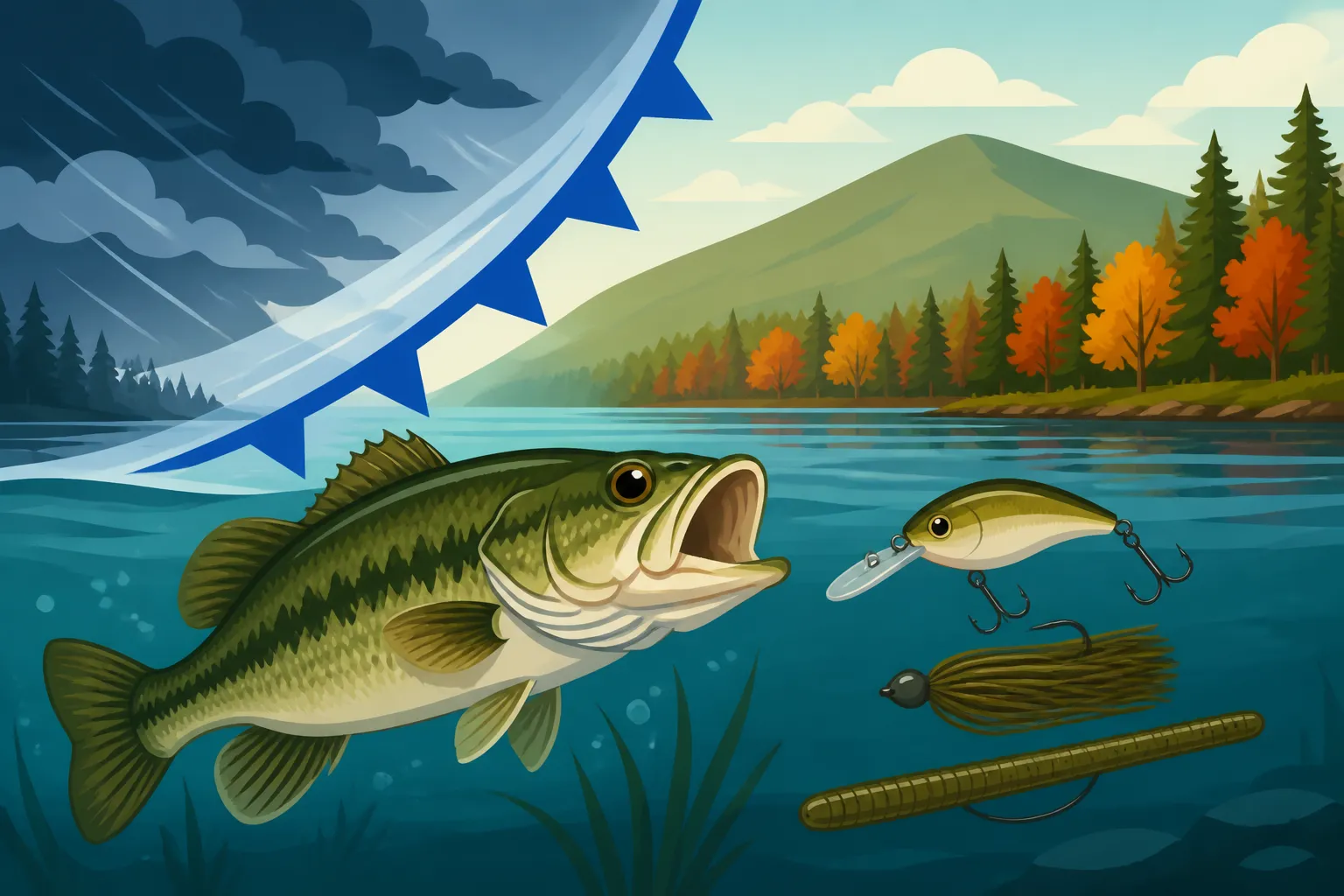
As a low-pressure system moves through, preceding a cold front, bass often become more active. They sense the impending change and seem to go on a feeding frenzy, perhaps instinctively preparing for a period of inactivity. This is when you can experience some incredible topwater or reaction bait bites. However, once the cold front actually arrives, it typically brings with it a high-pressure system. This sudden increase in pressure can be deeply unsettling for bass, impacting their sensitive swim bladders and overall comfort. Imagine feeling a constant, dull ache – that’s perhaps how a bass perceives a sudden spike in atmospheric pressure. They become sluggish, move deeper, and tend to hug the bottom or tight cover, trying to alleviate this discomfort.
Water Temperature Shifts and Bass Metabolism
Beyond pressure, the most obvious change brought by a cold front is a drop in air temperature, which in turn cools the water. Even a seemingly minor drop of a few degrees can have a profound effect on bass, as they are cold-blooded creatures whose internal body temperature is dictated by their surroundings.
When water temperatures drop, a bass's metabolism slows down considerably. This means they digest food slower, require less energy, and thus have less inclination to chase down prey. Their feeding windows become shorter and less frequent. This is particularly noticeable in shallow water bodies or the shallower sections of larger lakes like Lake Winnipesaukee, where the water temperature can fluctuate more rapidly. Bass will instinctively seek out areas where the water temperature is more stable, which often means moving to deeper water where the thermocline (if present) offers a more consistent thermal environment, or finding dark, sun-soaked cover that can absorb and retain a bit more heat. Understanding the Best Water Temperature for Smallmouth Bass Fishing is crucial for anticipating these shifts.
Impact on Forage Fish Activity
It's not just the bass that are affected; their primary food sources, like baitfish (e.g., alewives, shiners, perch) and crawfish, also react to cold front conditions. These smaller creatures also become less active, often moving deeper or seeking denser cover themselves.
When the baitfish are scattered and moving freely, bass have to expend energy to hunt them down. But after a cold front, if the baitfish are huddled up or sluggish, bass don't need to work as hard to find a meal. They can simply ambush an easy target from their deeper, more comfortable holding spots. This decreased activity from their prey further reduces the bass's motivation to hunt aggressively. It creates a domino effect: uncomfortable bass, slowed metabolism, and inactive food sources all conspire to create a very challenging fishing scenario, leaving anglers feeling like they’re casting into an empty bathtub.
Adjusting Your Approach: Slow and Finesse
When a cold front hits, your usual power fishing tactics—like burning spinnerbaits or cranking fast-moving plugs—will likely be met with deafening silence. This is the time to embrace the art of subtlety, finesse, and patience.
Slowing Down Your Retrieve
The number one rule for post-front bass fishing is to slow everything down. Forget the aggressive, reaction-strike presentations you might favor on a warm, stable day. A lethargic bass simply isn't going to chase down a rapidly retrieved lure.
Instead, your goal is to present your bait in the strike zone for an extended period, making it as easy as possible for a bass to decide to eat. Imagine a bass tucked into a log, barely moving. A crankbait zipping by might go unnoticed or be seen as too much effort to pursue. But a jig slowly dragged along the bottom, or a soft plastic worm almost imperceptibly crawling over a rock, gives that bass ample time to consider the meal. Experiment with exaggerated pauses—sometimes letting your bait sit absolutely motionless for several seconds can be the key that triggers a bite. This 'dead-sticking' approach can be agonizingly slow for the angler, but often irresistible for a finicky bass.
Downsizing Baits and Lures
Just as you need to slow down your presentation, you'll also find greater success by downsizing your baits. A large, bulky lure might seem like too much of a meal or too much of a threat for a bass that's already feeling sluggish and uncomfortable.
Smaller baits are less intimidating and require less energy for a bass to consume. If you're typically throwing a 4-inch tube, try a 3-inch version. If your go-to jig is ½ ounce, switch to a ¼ or ⅜ ounce. Think about smaller soft plastic worms, finesse creature baits, or even miniature jigs. These smaller profiles often mimic juvenile baitfish or smaller invertebrates, which appear as an easier, less energy-intensive meal. This subtle change can often be the difference between getting a few bites and getting none at all. You might be surprised at how much difference even an inch or a fraction of an ounce can make to a wary fish.
Focusing on Finesse Techniques
When bass are in a post-front funk, finesse techniques truly shine. These methods are designed for subtle presentations, lighter lines, and baits that have natural, lifelike movements with minimal effort.
Techniques like drop-shotting are incredibly effective because they allow you to suspend a small bait (like a plastic worm or minnow imitation) directly in front of a bass's face, keeping it off the bottom and highly visible. A slight shake of the rod tip imparts subtle action without moving the bait far from the strike zone. The Ned rig, often called "the mushroom jig" due to its head shape, pairs a small jig head with a short, buoyant soft plastic, causing it to stand straight up on the bottom. This presents an irresistible, easy meal. Shaky head jigs, which have a weighted head and a screw-lock for a soft plastic worm, allow for slow, methodical dragging and shaking, mimicking a foraging worm or an injured baitfish. These finesse presentations are best fished on light spinning gear, typically with 6-8 pound fluorocarbon or monofilament line, and often require a good quality rod and reel setup. If you're looking to upgrade, our guide on the Best Spinning Rods for Smallmouth Bass can help.
Key Lure Choices for Post-Front Bass
While slowing down and downsizing is crucial, selecting the right lures that excel in these conditions is equally important. Certain baits are simply designed to appeal to lethargic, post-front bass.
Jigs and Soft Plastics
When bass are hugging the bottom and reluctant to chase, jigs and various soft plastic presentations become your best friends. They offer natural profiles and can be worked at an incredibly slow pace.
Football jigs, paired with a craw or creature bait trailer, are excellent for dragging along rocky bottoms, humps, and ledges. They mimic crawfish, a staple in a bass's diet, and their heavy heads keep them in contact with the bottom. Skirted jigs, with a subtle plastic trailer, can be flipped or pitched into dense cover, slowly hopped, or dragged. The key is to barely move them, letting the skirts and trailer do the work. Soft plastic worms, rigged Texas-style, Carolina-style, or even wacky-style, offer incredible versatility. A Texas-rigged worm can be worked through cover, while a Carolina-rigged worm allows you to present a bait far behind a heavy weight, keeping it buoyant and enticing as you drag it. Wacky rigging a senko or similar stick bait offers a mesmerizing fall and subtle shimmy that bass can't ignore, even when sluggish. Natural colors like green pumpkin, junebug, or brown are often most effective in the clearer water that often accompanies cold fronts.
Blade Baits and Suspended Jerkbaits
Sometimes, even the most lethargic bass can be coaxed into a reaction strike. This is where blade baits and suspending jerkbaits enter the scene, offering a different approach to generating a bite.
Blade baits, such as a Silver Buddy or a Rapala Rippin' Rap, are flat, metal lures that vibrate intensely on the lift and then flutter on the fall. Fished with a sharp lift and a controlled fall, they can trigger an instinctive strike from bass that are otherwise uninterested. The vibration and flash can be just enough to annoy or surprise a bass into biting. Suspending jerkbaits are another potent weapon. Lures like the Lucky Craft Pointer, Megabass Vision Oneten, or even more budget-friendly options found on Amazon, are designed to dive to a certain depth and then, crucially, hang motionless in the water column when paused. Twitch them a few times, then let them sit for 5, 10, even 15 seconds. The bass will often stare at the suspended lure before slowly swimming up and engulfing it. The bite is often very subtle, feeling like a slight "thump" or just added weight. For specific models, our Best Crankbaits for New Hampshire Smallmouth Bass article has excellent recommendations.
Small Crankbaits and Finesse Spinners
Even crankbaits and spinners, typically thought of as faster-moving lures, can be adapted for cold front conditions by selecting smaller sizes and adjusting your retrieve.
Small, silent crankbaits with a tight wobble that dive to the specific depth where bass are holding can be very effective. Look for baits that don't have rattles, or have very subtle ones, as loud noises can spook finicky fish. A slow, steady retrieve, just enough to get the bait wiggling, can often entice bites. Finesse spinners, like inline spinners (Mepps, Panther Martin, Rooster Tail) or smaller spinnerbaits (1/4 ounce or less), also have their place. These can be particularly good for smallmouth bass in clear water or for largemouth in stained water. The flash and vibration of a small blade, again, retrieved very slowly, can draw attention without being overly aggressive. These smaller lures often prove to be just the ticket when bass are being exceptionally picky.
Locating Bass After a Cold Front
Knowing what baits to throw is only half the battle; you also need to know where to throw them. Bass aren't going to vanish from a lake, but they will certainly relocate to areas that offer them greater comfort and security during a cold snap.
Deep Water Structure and Cover
The most common and reliable place to find bass after a cold front is in deeper water, associated with structure and cover. Bass retreat to these areas for thermal stability and a sense of security against the high pressure.
Focus your efforts on areas where there's a significant depth change, such as humps, ledges, deep points, and channel swings. These act as natural highways and holding areas. Submerged cover like brush piles, standing timber, and rock piles within these deeper zones are absolute magnets. Bass will tuck tightly into this cover, seeking both protection and an ambush point. Your fish finder and electronic charts become indispensable tools here. Use side imaging to scan wide areas and identify subtle humps or brush piles you might otherwise miss, and then use down imaging to pinpoint exactly where fish might be holding within that cover. Lakes like Winnipesaukee are full of complex deep water structure that holds fish year-round.
Transition Areas and Drop-offs
While bass will move deeper, they rarely move so far that they are completely disconnected from their shallower feeding grounds. This makes transition areas and drop-offs incredibly important.
These are the zones where shallower flats or coves quickly give way to deeper water. A primary example would be a rocky point that extends far out into a lake, creating a slope down into deeper water. Bass can easily slide up or down these contours, moving into shallower water to feed if conditions briefly improve, or retreating to the depths if the high pressure becomes too uncomfortable. Focus on the sharp breaks, the point where a flat turns into a steep bank, or the edges of channels. These areas provide easy access to different depths, giving bass options without requiring them to travel great distances. Fan casting these transition zones, slowly working your bait from shallow to deep, can help you locate the specific depth the bass are preferring.
Sheltered Coves and Sun-Drenched Banks
While deeper water is a primary cold front refuge, don't completely overlook shallower, more protected areas, especially as the day progresses or a few days after the initial front has passed.
On bright, sunny days following a cold front, certain shallow areas can warm up more quickly than the main lake. Look for shallow, dark-bottomed coves or north-facing banks that get prolonged direct sunlight. These areas can absorb and retain a few extra degrees of heat, which can be enough to draw a few sluggish bass looking to raise their body temperature. These won't be aggressive fish, but a very slow presentation of a finesse bait might entice a bite. Additionally, any sheltered cove with abundant dock pilings, fallen trees, or thick weed lines can provide warmer, protective cover where a bass might temporarily hold. Our New Hampshire State Park Fishing Guide often highlights specific areas that might have such sheltered coves.
Boat and Shore Angler Considerations
Whether you're navigating the expansive waters of Lake Winnipesaukee in a bass boat or patiently casting from the shore of a local pond, cold front conditions require specific adjustments to your approach.
Boating Safely and Strategically
For boat anglers, a cold front means more than just challenging fishing; it often brings colder air, potential wind, and generally harsher conditions. Safety must be your top priority. Always double-check weather forecasts, ensure your boat is in good working order, and wear appropriate clothing for cold weather. Remember, New Hampshire has specific Life Jacket Requirements for New Hampshire Boaters that must be followed.
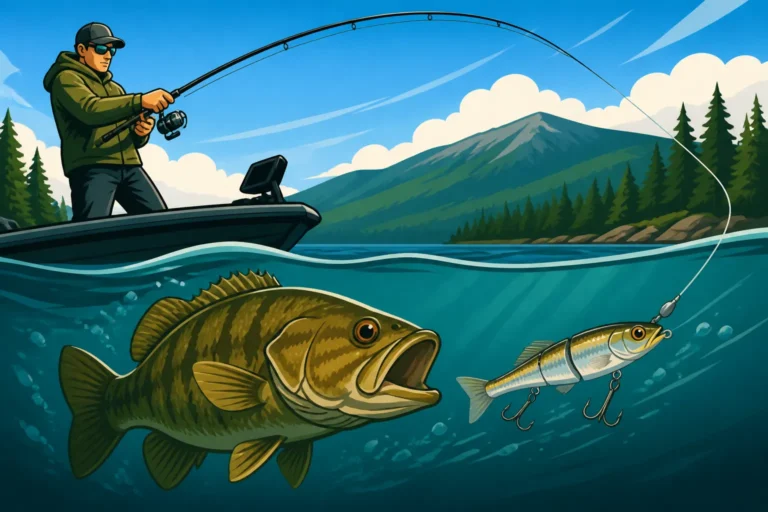
Strategically, your boat provides a massive advantage in covering water and accessing deep structure. Use your electronics to their fullest extent to locate those deep humps, ledges, and brush piles where bass are likely to be holding. When you find a promising area, use your trolling motor sparingly and quietly. Modern GPS-enabled trolling motors with "spot-lock" or anchor modes are a game-changer, allowing you to hold your position precisely over a target without constantly running the prop and potentially spooking wary fish. Make long casts to your target areas, avoiding driving directly over where you believe the fish are located, and approach slowly to minimize disturbance.
Effective Shore Fishing Strategies
Shore anglers might feel at a disadvantage when bass retreat to deeper water, but with patience and strategic location, success is still possible. The key is finding public access points that offer quick access to deeper water.
Look for areas like rocky points, jetties, or public docks that extend into the lake, providing a pathway to depths beyond the immediate shoreline. Rivers and large stream mouths where deeper channels exist close to shore can also be productive. When casting, aim to cover the water column from shallow to deep. Use jigs, weighted soft plastics, or small crankbaits that can reach deeper water and be retrieved slowly along the bottom or through transition zones. A good quality Best Tackle Bag for Bank Fishing will help you keep organized and carry a variety of finesse baits. Pay extra attention to areas with submerged logs, rock piles, or dense aquatic vegetation near shore, especially during the warmer parts of the day. Bass might be tucked into these spots, waiting for an easy meal to pass by.
Seasonal Nuances for Cold Fronts
While the general principles of slowing down and fishing deep apply year-round, cold fronts can have slightly different impacts and offer unique opportunities depending on the season. Understanding these nuances can further refine your tactics.
Spring Cold Fronts
Spring cold fronts are arguably the most challenging for bass anglers. During the pre-spawn and spawning periods, bass are highly sensitive to temperature fluctuations as they prepare for reproduction.
A sudden drop in temperature and rise in pressure can send bass that were just starting to move into shallow spawning flats scurrying back to deeper staging areas. These fish become incredibly lethargic and tight-lipped. To find them, focus on those deep points, channel swings, and rocky humps that are adjacent to known spawning coves. These are the "holding bays" where bass will wait out the bad weather. Your presentation needs to be excruciatingly slow – think jigs and Ned rigs barely moving along the bottom. The New Hampshire Bass Catch-and-Release Season, Explained often falls within these volatile spring conditions, making gentle handling and careful release of these stressed fish even more critical.
Summer Cold Fronts
Summer cold fronts can be a bit of a mixed bag. While the initial shock still slows down the bite, the subsequent cooler air temperatures can sometimes offer a welcome respite from scorching hot water.
If lake temperatures were excessively warm before the front, the slightly cooler water it brings might actually reinvigorate some bass after a day or two. However, the high pressure will still make them wary. Look for bass to relate heavily to the thermocline (if present) in deeper lakes, or to seek out main lake points, submerged islands, and areas with deeper, cooler cover. Early mornings and late evenings might see bass briefly move shallower to feed, but the bulk of your effort should still be targeting deeper structure with finesse presentations or reaction baits that can trigger a strike without requiring an aggressive chase.
Fall Cold Fronts
Fall is often characterized by a "feeding frenzy" as bass bulk up for winter, making fall cold fronts less of a complete shutdown than in spring, but still requiring adjustments.
In the fall, bass are driven by the need to eat, and while a cold front might temporarily make them less aggressive, it typically doesn't shut them down entirely. The key here is to find the baitfish. Cold fronts often consolidate baitfish schools in deeper creek channels, river bends, and main lake points. Bass will follow these schools. They might be deeper and less willing to chase, but if you can present a jig, blade bait, or small swimbait directly into a school of baitfish, you're likely to get a bite. Natural baitfish colors like shad, perch, or bluegill patterns are particularly effective. Sometimes you can find a great selection of these on Amazon, saving you a trip to multiple tackle shops. The bass are still actively feeding, but they'll be more particular about the presentation.
Cold Front Bass Fishing Tactics Overview
To summarize, adapting to cold front conditions means a complete shift in mindset from aggressive power fishing to patient, methodical finesse.
| Cold Front Scenario | Bass Behavior & Location | Recommended Lure Type & Presentation | Key Tip |
|---|---|---|---|
| Immediate Post-Front (High Pressure) | Deep, tight to cover, inactive, lethargic | Jigs (slow drag), Ned Rigs (dead-stick), Drop-shots (subtle shake) | S L O W down everything. Less is more. |
| 1-2 Days After (Stable High Pressure) | Still deep, slightly more active, seeking warmer pockets | Suspending Jerkbaits (long pauses), Blade Baits (lift-fall), Small Crankbaits (slow roll) | Target sun-drenched banks in deep coves. |
| Spring Cold Front | Retreat to deep staging areas near spawning flats | Football Jigs, Texas-rigged worms, Blade Baits | Focus on transition lines; patience is key. |
| Summer Cold Front | Deeper structure, thermocline, seeking cooler water | Drop-shots, Carolina-rigged plastics, Deep Diving Cranks | Target main lake points; check electronics for bait. |
| Fall Cold Front | Deeper alongside baitfish schools, still feeding actively | Jigs, Blade Baits, Smaller Swimbaits | Find the baitfish concentrations. |
Disclaimer
The information provided in this guide is for general informational purposes only and is intended to be accurate and helpful. Fishing conditions, regulations, and fish behavior can change rapidly. Always consult the latest New Hampshire Fish and Game Department regulations before fishing and prioritize safety on the water.