New Hampshire State Park Fishing Guide
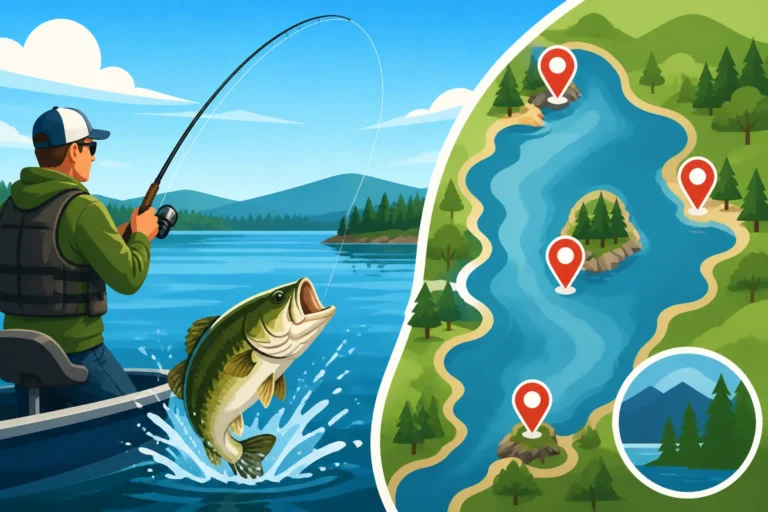
It's a familiar scenario for many of us: the itch to get out on the water, maybe with the kids or just for some quiet solitude, but the sheer number of options in New Hampshire can be overwhelming. You want a spot that's accessible, safe, and offers a real shot at catching fish, without having to navigate complicated private access or crowded launches. This comprehensive guide is designed to cut through that confusion, giving you all the details you need to successfully plan your next fishing adventure at New Hampshire's fantastic state parks.
Why State Parks are a Great Choice for Anglers
New Hampshire's state parks offer an incredible blend of natural beauty, well-maintained facilities, and often, fantastic fishing opportunities. They're usually easy to access, have clear rules, and provide amenities that make a day on the water much more enjoyable, especially for families or those just getting into the sport. Unlike some remote, unmarked fishing holes, state parks often have designated parking, restrooms, and sometimes even boat rentals or visitor centers. This makes them a reliable and welcoming option for anglers of all skill levels.
Accessibility and Amenities for All Ages
One of the biggest draws of state parks for fishing is their focus on public access and family-friendly amenities. You're not just getting a place to wet a line; you're often getting picnic areas, playgrounds, swimming beaches, and easy-to-reach shorelines. This is a huge bonus if you're bringing along younger anglers who might have a shorter attention span or if you simply want a comfortable base camp for your day. Many parks feature paved paths, accessible docks, or gently sloping shorelines, making it easier for everyone, regardless of mobility, to enjoy the fishing experience. It takes away the stress of bushwhacking or navigating tricky terrain, letting you focus on the fishing itself.
For example, a park like Pawtuckaway State Park in Nottingham boasts an accessible fishing pier that extends into the water, providing a safe and stable platform for casting. This attention to detail is what sets state parks apart, ensuring that a fishing trip can truly be a fun outing for the entire family. Furthermore, the presence of rangers or park staff often means there's someone on hand to answer questions or provide assistance, which can be invaluable for newcomers.
Variety of Fishing Experiences Within Park Settings
The beauty of New Hampshire's state park system is the sheer diversity of water bodies it encompasses. You're not limited to just one type of fishing. Whether you're dreaming of reeling in a feisty smallmouth bass, tempting a brook trout with a fly, or pulling a panfish out for a youngster, there's likely a state park that fits the bill. From large, deep lakes perfect for trolling for lake trout, to smaller, peaceful ponds teeming with largemouth bass, and even some rivers offering stream fishing, the options are plentiful.
This variety extends beyond just species. You can often choose between shore fishing, launching a kayak or canoe, or even bringing a larger motorized boat at parks with suitable ramps. Some parks even offer rental boats, taking away the hassle of transporting your own if you're just looking for a casual paddle and cast. Knowing what kind of experience you're after can help you narrow down the perfect state park from the get-go.
Top New Hampshire State Parks for Fishing
New Hampshire is dotted with fantastic state parks, each with its own unique charm and fishing opportunities. While it’s hard to pick just a few, some consistently stand out as angler favorites due to their abundant fish populations, excellent access, and overall park experience. Let's dive into some of the most popular spots that anglers frequent.
Pawtuckaway State Park: Bass and Panfish Haven
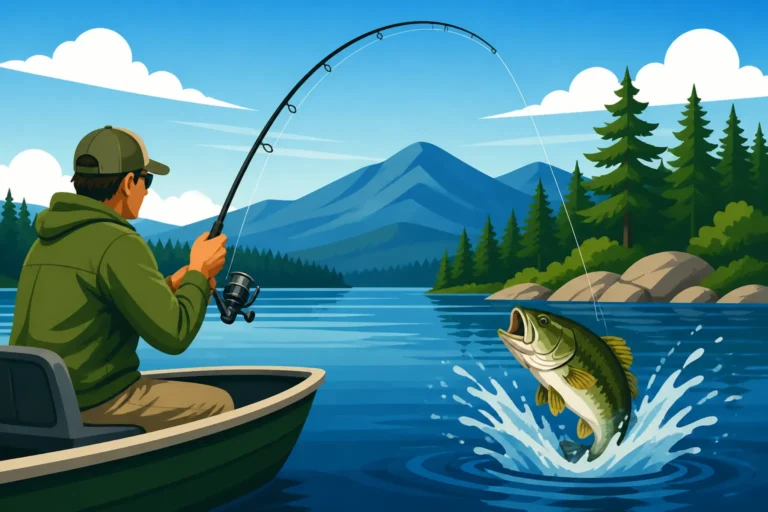
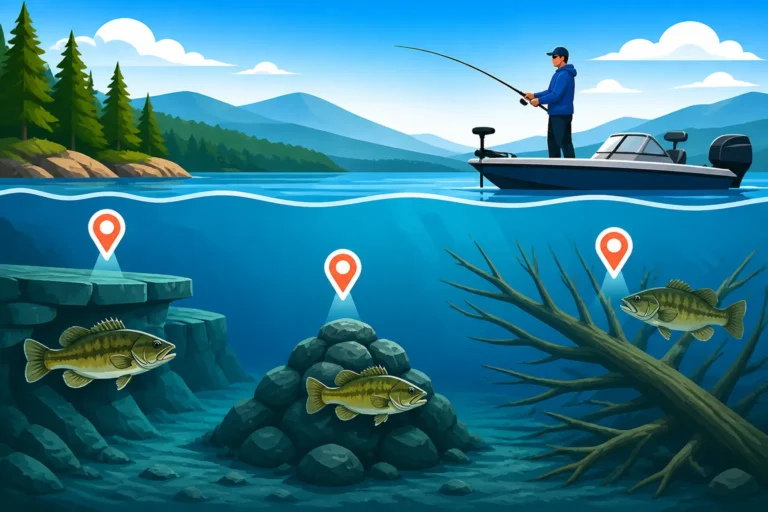
Nestled in Nottingham, Pawtuckaway State Park is a true gem for freshwater anglers, especially those targeting bass and panfish. Pawtuckaway Lake itself is a sprawling 783-acre body of water with diverse structure, including numerous coves, islands, and submerged timber, making it prime habitat for both largemouth and smallmouth bass. Anglers often find success casting spinnerbaits or jigs around the weed lines and fallen trees for largemouth, while smallmouth can be found near rocky points and deeper humps. The lake also supports healthy populations of chain pickerel, white perch, yellow perch, and black crappie, offering plenty of action for multi-species anglers.
The park offers several access points, including a large public boat launch, making it easy for boats of various sizes. If you prefer shore fishing, there are ample spots along the park's coastline and around the camping areas. The accessible fishing pier is a fantastic feature for families and those with limited mobility, providing a safe and convenient spot to cast a line. The variety of fish and easy access truly makes Pawtuckaway an ideal destination for a relaxing day of fishing. For specific bass strategies here, you might want to explore articles like Best Bass Fishing Techniques for Squam Lake as many of those principles can be applied to Pawtuckaway's bass.
Bear Brook State Park: Tranquil Trout and Warmwater Fishing
Bear Brook State Park, located in Allenstown, is one of New Hampshire's largest developed state parks, offering a more rustic but equally rewarding fishing experience. The park boasts several ponds, including Bear Hill Pond, Spruce Pond, and Beaver Pond, all of which provide excellent opportunities for both coldwater and warmwater species. Bear Hill Pond and Spruce Pond are frequently stocked with trout by the New Hampshire Fish and Game Department, making them popular destinations for spring trout fishing. Anglers targeting trout here often do well with powerbait, worms, or small spinners cast from shore or a kayak.
Beyond trout, these ponds, particularly Beaver Pond, also hold good populations of bass and panfish. The fishing here tends to be a bit more tranquil, with limited motorboat access on some ponds, encouraging a quieter experience ideal for canoes, kayaks, or float tubes. The surrounding natural beauty and extensive trail system add to the appeal, allowing for a full day of outdoor recreation alongside your fishing. Understanding Spring Trout Fishing Techniques for New Hampshire Ponds would be particularly useful for fishing these waters right after stocking.
Franconia Notch State Park: Mountain Stream Trout Fishing
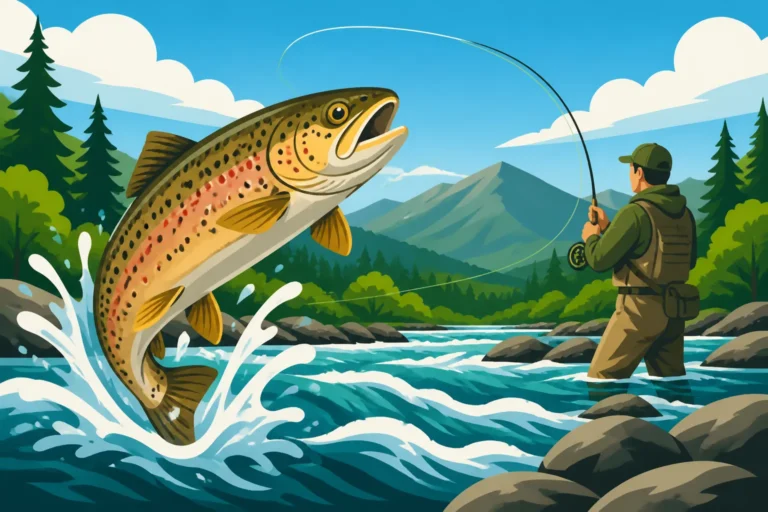
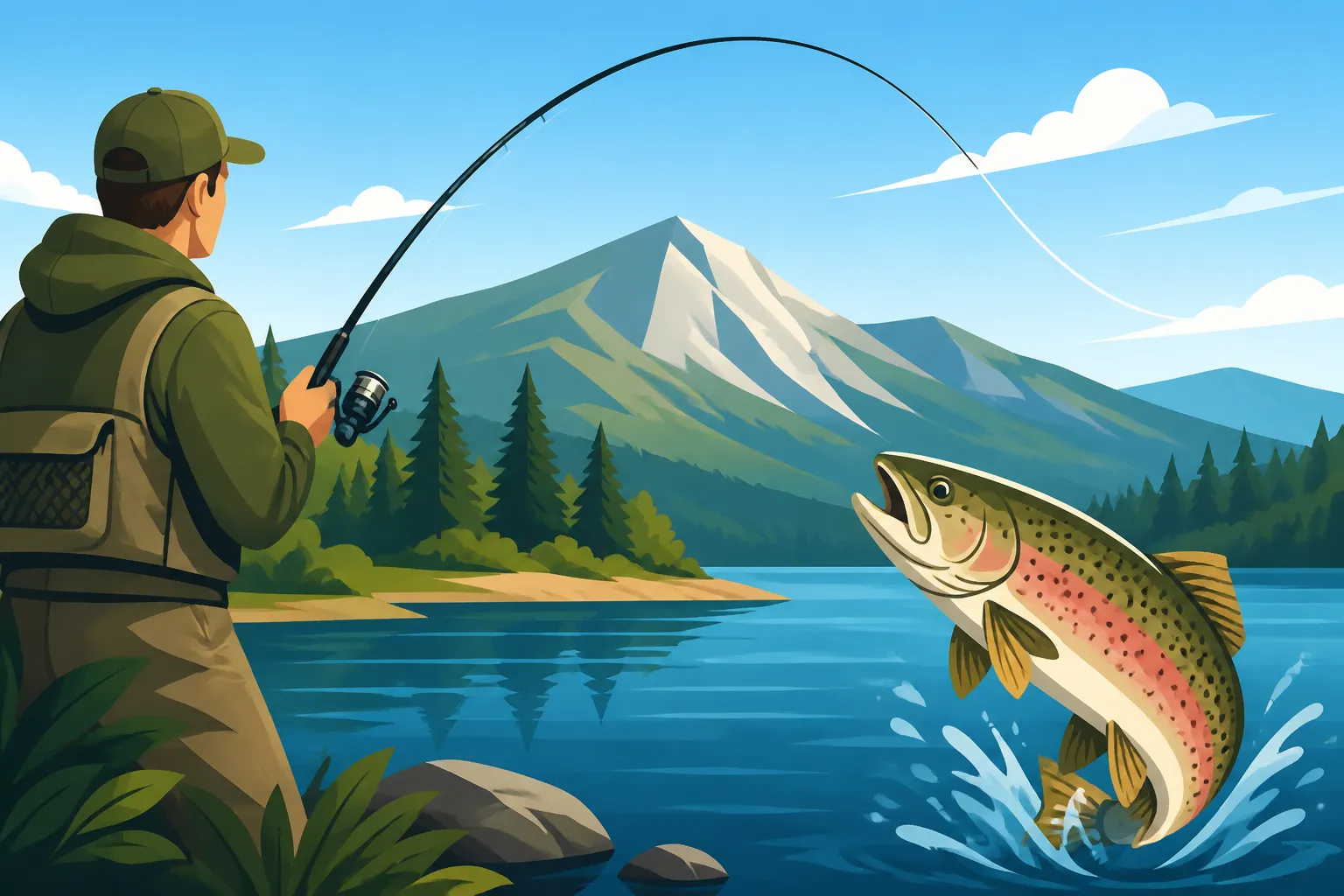
For those who prefer the rhythmic cast of a fly rod or the challenge of stream fishing, Franconia Notch State Park offers unparalleled opportunities for trout. While the park is famous for its stunning mountain scenery and attractions like the Flume Gorge and Cannon Mountain, it also encompasses sections of the Pemigewasset River and its tributaries. These cold, clear mountain waters are prime habitat for wild brook trout, along with some stocked rainbow and brown trout in accessible sections. Fly fishing is particularly popular here, with anglers using small nymphs, dry flies, and streamers to tempt the wary trout.
Access to these river sections can be found at various points along the parkway, with numerous pull-offs and trails leading to the water's edge. While some spots require a bit of wading and scrambling, there are also more accessible sections near picnic areas and campgrounds. The experience of catching a vibrant brook trout amidst the breathtaking White Mountains scenery is truly unforgettable. Be sure to check New Hampshire Trout Stocking Report and Map for current stocking schedules to maximize your chances, or delve into Fly Fishing for Trout in New Hampshire for expert tips tailored to these conditions.
Pillsbury State Park: Remote Ponds and Solitude
If you're seeking solitude and a more primitive fishing experience, Pillsbury State Park in Washington offers just that. This park is known for its chain of interconnected ponds – May Pond, North Pond, and Middle Pond – which are teeming with wild brook trout and other warmwater species like bass and pickerel. What makes Pillsbury unique is its remote feel and limited access, especially to the interior ponds, making it a perfect destination for paddle fishing. Only electric motors are allowed on most of these waters, preserving the peaceful ambiance.
The hike-in access to some of the ponds can be a bit of a trek, but the reward is often unpressured fish and a profound sense of wilderness. Anglers often launch kayaks or canoes at the designated hand-carry access points and spend the day exploring the quiet coves and shoreline structure. It’s an ideal spot to truly disconnect and enjoy nature while chasing some beautiful New Hampshire fish. Before heading out, make sure to read up on New Hampshire Fishing Regulations Explained as some remote ponds might have specific rules.
Understanding Fishing Regulations in New Hampshire State Parks
Fishing in New Hampshire state parks comes with the same fundamental regulations as fishing anywhere else in the state, but it’s always smart to be extra diligent. Each park operates under the umbrella of the New Hampshire Fish and Game Department's rules, but there can sometimes be specific local ordinances or park-specific guidelines that you need to be aware of. The biggest rule, of course, is having a valid fishing license.
Licensing Requirements and Age Exemptions
First and foremost, anyone aged 16 and older needs a New Hampshire fishing license to fish in any of the state's public waters, including those within state parks. This applies to both residents and nonresidents. You might think, "Oh, it's just a state park, maybe it's different," but the rules are pretty clear. Failing to have a license can lead to fines and a less-than-pleasant interaction with a park ranger or Fish and Game warden.
For the younger folks, there's good news! Children under the age of 16 are generally exempt from needing a fishing license in New Hampshire. This makes state parks an even more appealing option for family outings, as you don't have to worry about purchasing licenses for every child. However, it's always a good idea to confirm the current regulations, especially if you're close to that age cutoff. You can easily find information on Do Kids Need a Fishing License in New Hampshire? or check the official New Hampshire Fish and Game website. Licenses can be conveniently purchased online, or through authorized vendors such as local bait shops or town clerks.
Specific Park Rules and Catch Limits
While the general statewide regulations apply, some state parks or the specific water bodies within them might have special regulations. These could include specific catch and possession limits for certain species, length restrictions, or even tackle restrictions (e.g., fly fishing only sections). It’s crucial to consult the latest New Hampshire Freshwater Fishing Digest, which is often available online as a PDF or in print at most license vendors. This digest is your bible for all things fishing regulations.
For example, certain ponds might have a reduced daily limit for trout, or a specific slot limit for bass to protect larger breeding fish. Water bodies that are managed for wild trout populations may have strict catch-and-release only rules or only allow artificial lures with single barbless hooks. Always check the section on "Special Regulation Waters in New Hampshire" within the digest. Don't just assume; a quick check can save you from potential penalties. Park visitor centers are also excellent resources, and their staff can often provide guidance on any park-specific nuances.
It's also worth noting that some parks might have restrictions on bait usage, especially in ponds or streams managed for specific trout species. While live bait like worms is generally fine for panfish and bass, some trout waters might require artificial lures only to protect the fish.
| State Park | Primary Fish Species | Common Access Types | Special Regulations (Check Digest) | Best For |
|---|---|---|---|---|
| Pawtuckaway State Park | Largemouth Bass, Smallmouth Bass, Pickerel, Panfish | Boat Launch, Shore, Accessible Pier | Minimal, standard statewide rules | Family fishing, bass anglers |
| Bear Brook State Park | Brook Trout, Rainbow Trout, Bass, Panfish | Shore, Kayak/Canoe, Small Boat Launch | Some ponds may have electric motor limits | Tranquil trout, multi-species |
| Franconia Notch State Park | Brook Trout, Rainbow Trout, Brown Trout | Wading, Shore (river access) | Fly fishing sections, artificial lures only | Stream trout, fly fishing |
| Pillsbury State Park | Brook Trout, Bass, Pickerel | Kayak/Canoe (hand-carry), Shore | Electric motors only on most ponds | Solitude, wild trout, paddle fishing |
| Echo Lake State Park | Rainbow Trout, Brook Trout, Panfish | Shore, Kayak/Canoe (no motors) | No motorized boats | Scenic, calm trout fishing |
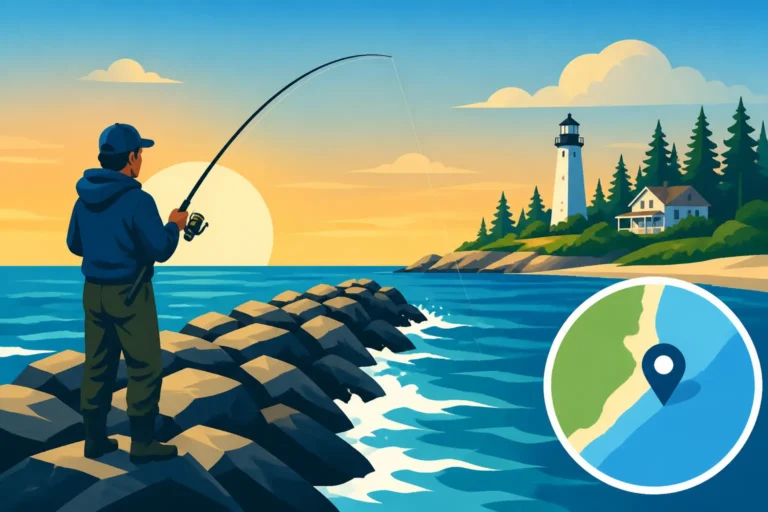
| Hampton Beach State Park | Striped Bass, Mackerel, Flounder | Shore, Jetty | Saltwater regulations apply, consult marine digest | Saltwater, surfcasting |
Essential Gear for New Hampshire State Park Fishing
Gearing up for a fishing trip to a New Hampshire state park doesn't have to be complicated or expensive. The beauty of many state park fisheries is their accessibility, meaning you often don't need highly specialized equipment. However, having the right basic gear can significantly enhance your experience and increase your chances of success.
Basic Rod, Reel, and Tackle Setup
For most state park fishing, a versatile medium-light to medium action spinning rod and reel combo is your best friend. A 6 to 7-foot rod will give you enough casting distance for shore fishing and sufficient leverage for handling bass or a decent-sized trout. Pair this with a spinning reel spooled with 6-10 lb monofilament or braided line, and you're good to go. This setup is adaptable enough for everything from casting small lures for trout to working soft plastics for bass or dunking a worm for panfish. You can learn more about finding the right combo in a guide like Best Rod and Reel Combo for Beginners.
Your tackle box should include a variety of essentials:
- Hooks: A selection of sizes, from small #10 or #12 for panfish up to #1 or 1/0 for bass.
- Sinkers: Split shots and small to medium-sized bullet weights or egg sinkers for various depths and presentations.
- Bobbers/Floats: Essential for suspended baits, especially when targeting panfish or still-fishing for trout.
- Lures: A few inline spinners (e.g., Mepps, Rooster Tail) in different colors, small spoons, and maybe a few soft plastic worms or jigs for bass.
- Bait: Live worms are almost universally effective for a wide range of species found in state parks. PowerBait is a fantastic option for stocked trout.
- Pliers/Forceps: Crucial for safely removing hooks, especially from toothy pickerel.
- Clippers: For cutting line quickly and cleanly.
When considering options, don't overlook reputable brands like Ugly Stik for durable rods, or Penn and Shimano for reliable reels that stand up to regular use.
Kayaks, Canoes, and Personal Flotation Devices
Many New Hampshire state parks offer incredible opportunities for paddle craft fishing. Lakes like Pawtuckaway, Echo Lake, and the ponds within Pillsbury State Park are perfect for exploring by kayak or canoe, allowing you to reach spots inaccessible from shore. If you own a kayak, make sure it's rigged for fishing with rod holders and comfortable seating. Even a basic recreational kayak can be a great fishing platform in calm waters.
If you don't own one, several state parks offer kayak and canoe rentals right at the park, making it super easy to get on the water without the hassle of transport. Before you launch, remember that a U.S. Coast Guard-approved personal flotation device (PFD) must be readily available for every person on board, and children under 13 must wear one at all times while underway. This is a non-negotiable safety rule that wardens strictly enforce. For more details on choosing the right paddle craft, check out Best Kayaks for New Hampshire Fishing. If you're looking to book a guide for a larger lake experience that might take you to waters outside specific state parks but still offer a great experience, you could also explore options through platforms like FishingBooker, which connects anglers with local fishing charters and guides.
Comfort and Safety Essentials
Beyond the fishing gear, don't forget the practical items that make your day comfortable and safe:
- Sunscreen and Hat: Protect yourself from the strong New Hampshire sun, even on cloudy days.
- Insect Repellent: Especially important in the spring and early summer when mosquitoes and black flies are prevalent.
- Water and Snacks: Stay hydrated and energized throughout your trip.
- First-Aid Kit: For minor cuts, scrapes, or insect bites.
- Rain Gear: New Hampshire weather can change quickly, so a lightweight rain jacket is a smart addition.
- Cooler with Ice: To keep your catch fresh if you plan to harvest fish.
- Camera: To capture those memorable moments, especially with kids.
- Wading Boots (for stream fishing): If you're planning to explore river sections in parks like Franconia Notch, sturdy wading boots with good grip are essential for navigating slippery rocks.
Taking a few minutes to pack these items can truly make the difference between a good day and a great day on the water.
Specific State Park Fishing Highlights and Tips
While we've covered some popular options, New Hampshire has a plethora of state parks, each with its own fishing character. It's worth digging a little deeper into a few more notable locations and offering some tailored advice.
Echo Lake State Park: A Scenic Trout Pond
Tucked away in North Conway, Echo Lake State Park is often overlooked for its fishing, overshadowed by the famous Cathedral Ledge and White Horse Ledge. However, Echo Lake itself is a beautiful, relatively small mountain pond that is regularly stocked with rainbow and brook trout. Its crystal-clear waters and stunning mountain backdrop make for an incredibly picturesque fishing experience. Due to its size and the desire to maintain its tranquility, no motorized boats are allowed, making it perfect for kayaks, canoes, or shore fishing.
Tips for Fishing Echo Lake:
- Early Season Success: Echo Lake fishes best in the spring shortly after stocking. Try small inline spinners (silver or gold blades), small spoons, or powerbait fished off the bottom.
- Fly Fishing: If you're a fly angler, small nymphs and dry flies can be effective, especially during hatches.
- Shore Access: There's ample shore access around the lake, including a sandy beach area that’s popular for families. Cast towards deeper sections or around any visible structure.
- Patience is Key: The clear water can make trout a bit spooky, so approach quietly and make accurate casts.
Echo Lake State Park combines top-notch scenery with accessible trout fishing, making it a fantastic destination for a peaceful day on the water.
Wadleigh State Park: Family-Friendly Lake Fishing
Located on the shores of Lake Sunapee in North Sutton, Wadleigh State Park provides excellent access to one of New Hampshire's premier coldwater lakes. While the park itself is smaller, it offers a beach, picnic areas, and boat launch, giving anglers direct access to Lake Sunapee's renowned landlocked salmon and lake trout populations. You'll also find smallmouth bass and various panfish closer to shore.
Tips for Fishing Lake Sunapee from Wadleigh State Park:
- Trolling for Salmon/Lake Trout: For serious coldwater anglers, trolling is the most effective method for salmon and lake trout on Lake Sunapee. You'll need a boat equipped for trolling, using downriggers, lead core line, or heavy weights to get lures like spoons, stickbaits, or live smelt down to the correct depths. Lake Sunapee is known for its deep, clear water. Consider checking out How to Catch Landlocked Salmon in New Hampshire for more in-depth strategies.
- Shoreline Bass/Panfish: For a more relaxed experience, fish from shore or a kayak near the park's perimeter for smallmouth bass and panfish. Live worms, small jigs, or soft plastics can be effective.
- Boat Launch Access: Wadleigh State Park's boat launch is a convenient way to get a vessel onto Lake Sunapee, but be mindful of the lake's size and potential for rough water on windy days.
Fishing from Wadleigh State Park offers a gateway to some of New Hampshire's most sought-after game fish, making it a bucket-list destination for many.
Monadnock State Park: Nearby Ponds and Rivers
While Monadnock State Park in Jaffrey is primarily famous for its hiking to the summit of Mount Monadnock, the surrounding region offers some solid fishing opportunities that can be combined with a park visit. Within close proximity to the park are several small ponds and sections of rivers that hold warmwater species and sometimes stocked trout. For instance, nearby Dublin Lake (though not within the state park, it’s a regional highlight) offers good fishing for smallmouth bass and lake trout.
Tips for Fishing Near Monadnock State Park:
- Research Local Ponds: Before you go, look at maps of the Jaffrey/Dublin area for public access points on smaller ponds and rivers. Many are not directly within the park but offer great complementary fishing.
- Smallmouth and Panfish: Focus on smaller lakes and ponds in the area for reliable action with smallmouth bass, largemouth bass, and various panfish. Live bait and basic lures will do the trick.
- Combination Trip: Consider a morning hike up Mount Monadnock, followed by an afternoon of relaxed fishing on a nearby pond. It’s a great way to experience the region's diverse outdoor offerings.
- Local Resources: Check with local bait shops in towns like Jaffrey or Peterborough for up-to-date information on nearby fishing hot spots and conditions.
Combining the challenge of a hike with the tranquility of fishing can make for a truly memorable New Hampshire adventure.
Planning Your State Park Fishing Trip
A successful fishing trip to a New Hampshire state park isn't just about the fishing itself; it's also about good planning. From checking the weather to understanding park hours and even considering booking accommodations, a little foresight goes a long way.
Checking Park Hours, Fees, and Camping Options
Most New Hampshire state parks have specific operating hours, especially for day-use areas. It’s crucial to check these hours online before you head out, so you don't arrive to a closed gate or have to cut your fishing short. Many parks also have an entrance fee, which can vary depending on the time of year, whether you're a resident or non-resident, and if you're entering with a vehicle or on foot. You can often find this information readily on the official New Hampshire State Parks website.
If you're planning a multi-day fishing adventure, several state parks offer camping facilities, ranging from primitive tent sites to RV hookups. Camping within the park allows you to maximize your fishing time, especially for early morning or late evening bites which can be the most productive. Imagine waking up, stepping out of your tent, and being just a stone's throw from the water! Booking campsites in advance, particularly during peak season (summer and fall foliage), is highly recommended as they fill up quickly. Websites like FishingBooker, while often focused on charters, can sometimes offer insights into local lodging or services that complement a camping trip.
Best Times to Visit for Optimal Fishing
The "best" time to visit a New Hampshire state park for fishing largely depends on what you're trying to catch and what kind of experience you're seeking.
- Spring (April – June): This is prime time for trout fishing. Many ponds and rivers are heavily stocked, and the fish are often aggressive after the ice-out. Bass fishing also picks up as water temperatures rise, leading to pre-spawn and spawning activity. However, be prepared for unpredictable weather and potentially higher water levels in rivers.
- Summer (July – August): Warmwater species like largemouth and smallmouth bass, pickerel, and panfish are very active. Lake trout and landlocked salmon often move to deeper, cooler waters, requiring different tactics like deep trolling. Summer also means more crowds, especially on weekends, so consider weekday visits for a quieter experience.
- Fall (September – November): Fall offers some fantastic fishing for both coldwater and warmwater species. Trout and salmon become more active as water temperatures cool, and bass often go on a feeding frenzy before winter. The vibrant fall foliage also adds an incredible scenic bonus to your trip. This can be a less crowded time to visit, especially in mid-week.
- Winter (December – March): For dedicated ice anglers, many state park lakes and ponds offer excellent hardwater fishing opportunities for perch, pickerel, crappie, and even lake trout. Always check ice conditions and park specific ice fishing regulations before heading out. The article on New Hampshire Ice Fishing Regulations by Water Body is a must-read for any winter angler.
Considering these seasonal patterns will help you align your trip with the best chances of success for your target species.
Enhancing Your State Park Fishing Experience
Beyond just casting a line, there are many ways to make your state park fishing trip even more memorable and enjoyable. From engaging with nature to being a responsible angler, these aspects contribute to the overall quality of your outing.
Connecting with Nature and Wildlife Viewing
New Hampshire state parks aren't just about the fish; they're vital habitats for a diverse array of wildlife. While you're waiting for a bite, take the time to observe your surroundings. You might spot a great blue heron wading in the shallows, an osprey diving for fish, or even a majestic bald eagle soaring overhead. Beavers, otters, and various waterfowl are also common sights on many park waters.
Bringing a pair of binoculars can enhance your wildlife viewing experience, allowing you to get a closer look without disturbing the animals. Encourage younger anglers to identify different bird species or look for signs of animal activity. This connection to nature is one of the most enriching parts of fishing, turning a simple outing into an immersive outdoor adventure. It fosters a deeper appreciation for the environment and the importance of conservation.
Leave No Trace Principles
As anglers enjoying the privilege of fishing in New Hampshire's beautiful state parks, it's our responsibility to practice Leave No Trace principles. This means packing out everything you pack in, including all trash, leftover bait, and fishing line scraps. Fishing line, in particular, can be incredibly harmful to wildlife if left behind.
Respecting park property and other visitors is also paramount. Stay on marked trails, avoid disturbing vegetation or historical sites, and be mindful of noise levels, especially if you're fishing near camping areas or other recreational zones. If you're harvesting fish, clean them responsibly and dispose of any entrails appropriately, usually by burying them well away from water sources or packing them out. By leaving the park as you found it – or even better – you help ensure these incredible resources remain pristine for future generations of anglers and park-goers. This responsible behavior is part of the angling etiquette that makes our community strong.
Sharing the Experience with Others
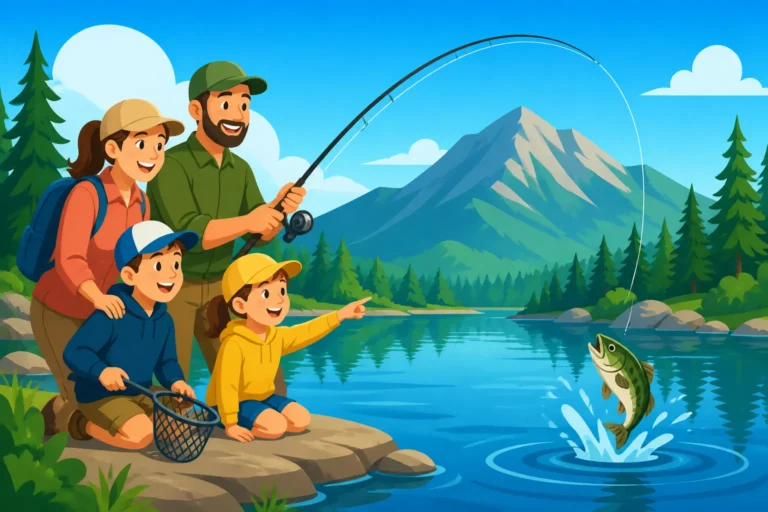
Fishing in state parks is an amazing way to introduce new people to the sport, especially children. The ease of access, safety, and amenities make it less intimidating for beginners. Take the time to teach a child how to cast, tie a knot, or identify a fish. These moments are invaluable and create lasting memories.
Consider volunteering for park cleanup days or participating in youth fishing clinics often organized by the New Hampshire Fish and Game Department or park staff. Sharing your knowledge and passion for fishing helps to build a stronger angling community and ensures the future of our sport. A day spent fishing at a state park, whether alone or with loved ones, is more than just catching fish; it's about building connections, enjoying nature, and creating cherished memories. And sometimes, finding the perfect local guide through platforms like FishingBooker can help you share that experience with an expert who can teach you or your family new techniques and spots.
Disclaimer
The information provided in this guide is for general informational purposes only and should not be considered legal advice regarding fishing regulations. Regulations are subject to change, and it is the angler's responsibility to consult the most current New Hampshire Fish and Game Department rules and regulations before fishing. Always prioritize safety and environmental stewardship during your fishing adventures.