Fishing after a heavy rain on New Hampshire rivers
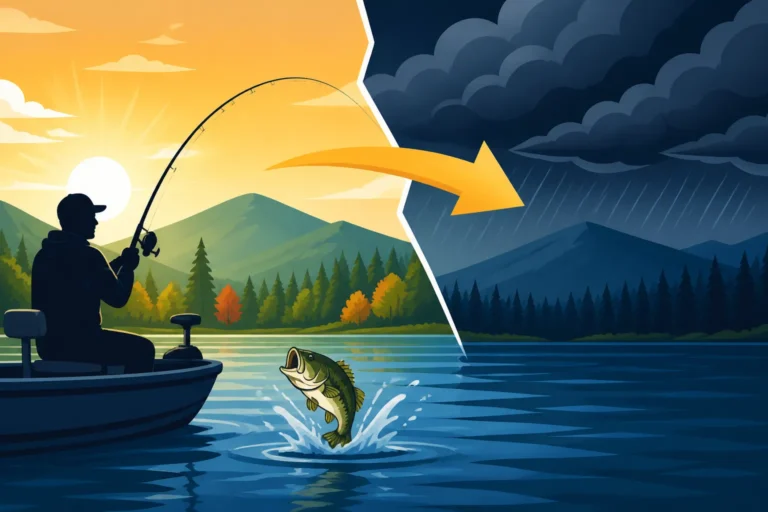
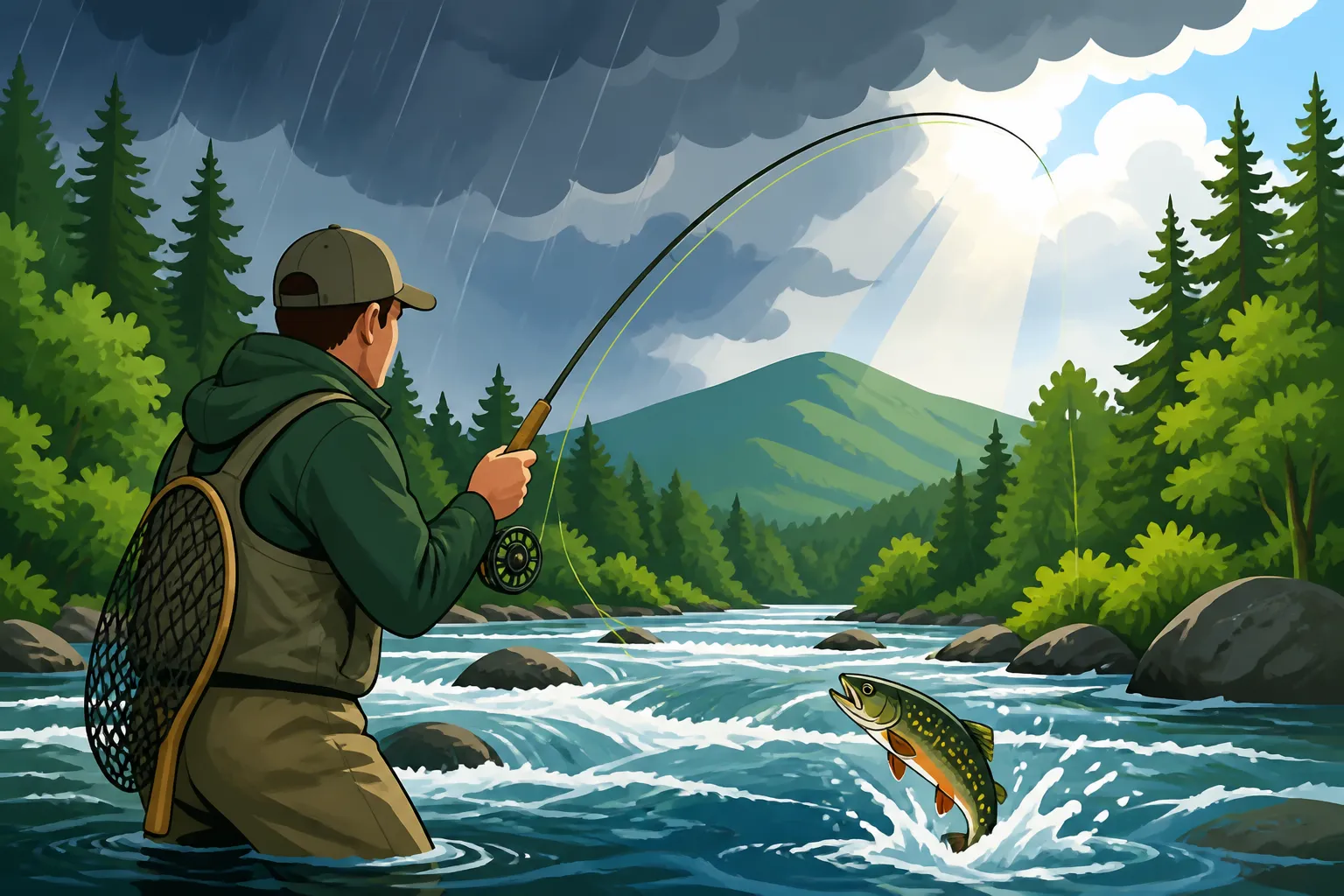
Few things are as disheartening to a New Hampshire angler as waking up to a deluge and knowing it's going to mess with your carefully planned river fishing trip. Heavy rain can turn tranquil streams into roaring torrents and clear waters into chocolate milk, making you question if it's even worth casting a line. This guide is all about transforming that frustration into opportunity, showing you exactly how to adapt your strategies and still find incredible success on New Hampshire's rivers, even after the heaviest downpours.
Understanding the River After a Downpour
When the skies open up and deliver a true New Hampshire soaking, the rivers change dramatically, and quickly. Understanding these changes is your first step to finding fish, rather than just flailing around hoping for a bite. It's not just about the water level; it's a whole cascade of effects that impact fish behavior and location.
The Immediate Aftermath: High Water and Turbidity
The most obvious effect of heavy rain is a rapid rise in water levels. Our rivers, from the swift Pemigewasset River Fishing Guide worthy waters to the broader Merrimack, can swell incredibly fast. This increased flow brings with it a surge of water, creating faster currents that are much more powerful than usual. Fish, being creatures of efficiency, don't want to fight these currents constantly. They'll seek refuge in calmer areas where they can expend less energy. This means their typical holding lies might become untenable, forcing them to relocate.
Alongside the rising water comes turbidity – the water gets murky, opaque, and often takes on a silty brown or even chocolate color. This happens as runoff from land picks up soil, leaves, and other debris, carrying it into the river system. Turbidity drastically reduces visibility, both for the fish looking for food and for us trying to spot them or understand the bottom structure. It also limits the effectiveness of many visual lures. For anglers, these conditions also present safety concerns, as debris can be carried swiftly downstream, and the increased current can make wading extremely hazardous.
Temperature Swings and Oxygen Levels
Heavy rain, especially if it's sustained and accompanied by cooler air temperatures, can significantly impact the river's thermal profile. Rainwater itself is often cooler than the existing river water, leading to a drop in overall water temperature. This can be a shock to cold-blooded fish, affecting their metabolism and making them less active. However, sometimes a warmer rain can actually raise the water temperature, which might invigorate sluggish fish in cooler seasons. It all depends on the specific conditions of the storm.
Furthermore, the surge of water and runoff can alter dissolved oxygen levels. While fast-moving water typically oxygenates well, a sudden influx of organic material from runoff can sometimes temporarily deplete oxygen in certain areas as decomposition occurs. More commonly, though, the churn of the water tends to increase oxygenation, which can actually be a good thing for fish, particularly during warmer periods when oxygen might otherwise be scarce. The key takeaway is that these changes, whether temperature drops or oxygen shifts, will influence where fish choose to hold, often pushing them to areas where conditions are more stable and comfortable.
Adapting Your Approach: Strategies for Post-Rain Success
Once you understand what the river is doing after a heavy rain, the next step is adapting your fishing strategy. This isn't just about throwing harder; it's about fishing smarter, considering where fish have moved, what they can see, and how you can best present a meal.
Targeting New Holding Lies and Current Breaks
The first and most critical adjustment you need to make after heavy rain is to assume that fish are no longer in their usual spots. They’ve been displaced by the strong currents and will be seeking out areas of refuge. Think about it: where would you go if your living room suddenly turned into a raging torrent? You’d find the calmest, most protected corner. Fish do the same. This means focusing your efforts on current breaks, eddies, and slack water areas. Look for any structure that can block the current: large boulders, downed trees, bridge abutments, or even subtle changes in the riverbed that create a calm pocket.
Undercut banks become prime real estate, offering both shelter from the current and a darker hiding spot from overhead predators. Flood-swept areas near the banks, where the main current is reduced, are also excellent targets. These spots often collect natural forage that has been dislodged by the high water, making them attractive feeding zones. Don't be afraid to explore areas that might normally be dry land or very shallow, as the elevated water levels create entirely new habitats. For a deeper dive into locating fish in these dynamic environments, check out our guide on how to catch smallmouth in a New Hampshire river current.
Selecting the Right Lures and Baits for Murky Water
With significantly reduced visibility in turbid water, visual cues become less important, and other senses take over for the fish. This is where you need to adjust your lure and bait selection. You want to appeal to a fish's lateral line (to detect vibrations) and its sense of smell.
- Vibration and Sound: Lures that create a lot of vibration are paramount. Spinnerbaits with large, thumping blades, chatterbaits, and crankbaits with aggressive wobbles are excellent choices. The noise and disturbance they create help fish locate them in the murk.
- Scent: Live bait is often king in these conditions. Worms, shiners, or even chunks of cut bait can be incredibly effective because their natural scent trail is easily detected. If using artificials, don't hesitate to add scent attractants. Brands like Berkley Gulp! or PowerBait often have built-in scent, and applying a liquid scent like Pro-Cure to your soft plastics can make a huge difference.
- High Contrast Colors: While visibility is low, fish can still detect strong contrasts. Opt for bright, fluorescent colors like chartreuse, orange, or hot pink. Black and blue combinations can also create a strong silhouette against a lighter sky, making them visible to fish looking up from below. Avoid natural, subtle colors that blend in too much with the dirty water. For bass anglers, our guide on the best lure color for muddy water bass fishing has even more specific recommendations.
- Bulk and Profile: A larger profile lure is often better in murky water, as it displaces more water and creates a stronger vibration. A bulky jig with a large plastic trailer or a substantial soft plastic worm can offer a more enticing target.
Adjusting Your Fishing Techniques
Beyond lure selection, your presentation needs to change. Ripping baits through the water quickly might work in clear conditions, but in dirty, fast water, fish need more time to locate and commit to a strike.
- Slow and Low: Slower retrieves are usually more effective. Fish are likely holding tight to cover, and you need to keep your bait in their strike zone for longer. Consider bottom bouncing jigs or weighted worms, allowing them to tumble naturally with the current close to the riverbed.
- Targeted Casting: Precision becomes more important. Instead of long, sweeping casts, focus on shorter, more accurate casts to specific current breaks, eddies, or visible structure. You want your lure to land exactly where a fish is likely holding.
- Stealth (Despite the Noise): While the river might be noisy, maintaining stealth is still crucial. Approaching your target spots quietly and avoiding heavy footsteps on the bank can prevent spooking fish that might be holding very close to shore.
- Depth Adjustment: Fish might be shallower if the newly flooded areas offer good cover and food, or they might go deeper if that's where the most stable conditions and current breaks are found. Experiment with different depths until you find where the fish are comfortable.
Species-Specific Tactics for New Hampshire Rivers
Different fish species react to heavy rain and high, turbid water in their own unique ways. Knowing these tendencies can help you fine-tune your approach for your target species in New Hampshire's diverse waterways.
Targeting Post-Rain Trout in Rivers
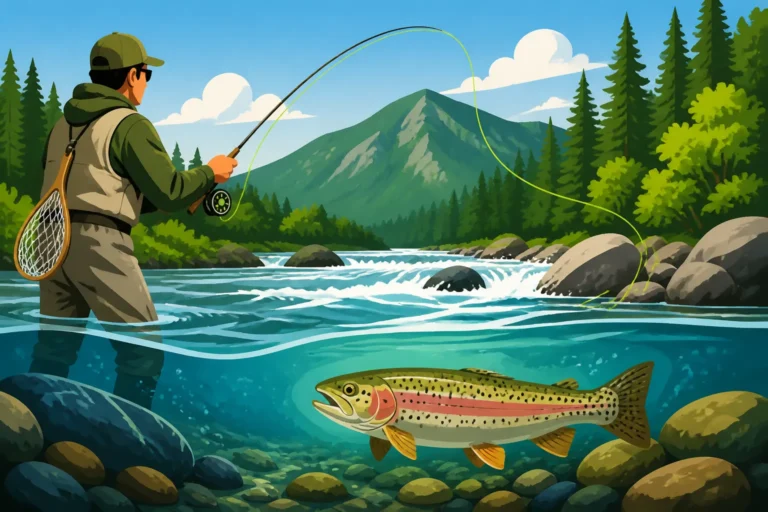
Trout, especially our native brook trout and the stocked rainbow and brown trout, are incredibly sensitive to changes in their environment. After heavy rain, they will typically move out of the main, fast currents and seek shelter. Look for trout in:
- Seams and Eddies: These are areas where fast water meets slow water, creating a distinct "seam" in the current. Trout will often sit just inside the slower water, waiting for dislodged food to drift by. Eddies, particularly larger ones behind big boulders or log jams, are perfect holding spots.
- Undercut Banks and Overhanging Cover: These areas provide overhead protection and a break from the current. Fish your bait or lure tight to these banks, letting it drift underneath.
- Confluence of Tributaries: If a smaller, clearer tributary feeds into a swollen, muddy main river, the mouth of that tributary can be a magnet for trout seeking cleaner, more stable water.
For tackle, consider heavier nymphs or larger streamer patterns for fly fishing. For spin anglers, weighted inline spinners with bright blades, small crankbaits that dive quickly, or the classic worm-and-sinker rig can be highly effective. Remember, trout often key in on scent in these conditions, so live worms or scented artificial baits have an edge. Keep an eye on the New Hampshire Trout Stocking and Fishing Rules to understand if the specific river stretch you're targeting has recently been stocked, as newly stocked fish can behave differently in adverse conditions. When wading in high water, always use a Best Wading Staff for Fast Current for stability and safety.
Smallmouth Bass in Swollen Rivers
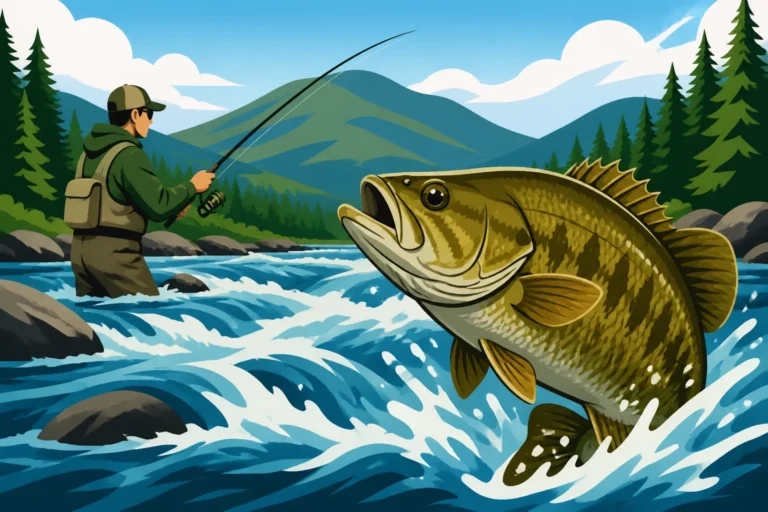
New Hampshire's rivers, like the Merrimack River Fishing Spots or the Connecticut River, are renowned for their smallmouth bass. These aggressive fighters can still be caught after a storm, but you need to understand their post-rain movements. Smallmouth are less bothered by turbidity than trout, but they still prefer to conserve energy.
- Rock Piles and Boulders: Smallmouth will tuck in behind large rocks and boulders that break the main current, ambushing prey as it drifts by. Focus your casts on these structures.
- Flooded Structure: Any submerged wood, laydowns, or brush piles that are now underwater in calmer areas will hold smallmouth. These spots offer both cover and a chance to escape the current.
- Riprap and Bank Edges: Areas with riprap (rocky banks) or other forms of hardened shorelines can be excellent, as they often create mini-eddies and provide cover. Smallmouth will often hug these banks very tightly.
Spinnerbaits with big blades, bladed jigs (like a ChatterBait), and large profile jigs with plastic trailers are fantastic choices. Crayfish imitations in dark colors like black and blue can be particularly effective, as crawfish are often dislodged by high water and become easy prey. Slowly retrieve these baits along the bottom or near structure. For more specific tactics, be sure to check out our How to Fish a River for Smallmouth Bass guide.
Other Species: Pickerel and Panfish
While often overlooked, chain pickerel and various panfish (like yellow perch and black crappie) can provide excellent action after heavy rains, especially in slower river sections or backwaters.
- Flooded Vegetation: Pickerel love to ambush from cover. When rivers swell, they often push into newly flooded grassy areas, lily pad fields, or submerged brush. Throwing weedless spoons or spinnerbaits into these areas can be very productive.
- Calm Backwaters and Oxbows: Panfish will seek out the calmest water available. Look for old oxbows, quiet coves, or any backwater areas that are connected to the main river but are largely protected from the heavy flow. They might be concentrated there, making for easy pickings with small jigs or live worms.
These species are often less finicky than trout or bass in turbid water, so a simple setup with a worm under a bobber or a small, brightly colored jig can be very effective.
Safety and Equipment Considerations
Fishing after heavy rain is not just about catching fish; it's crucially about staying safe. The river is a much more powerful and unpredictable environment than usual, and your gear choices need to reflect that.
Prioritizing Personal Safety on Swollen Rivers
This cannot be stressed enough: your safety is paramount. High, fast-moving water can be incredibly dangerous, even for experienced anglers.
- Never Wade Blindly: If you can't see the bottom, don't wade. The current can be deceptively strong, and submerged debris can easily trip you. Even in familiar spots, the bottom contour can change dramatically after a flood.
- Wear a Life Jacket: Seriously, put on a life jacket. Even if you're just bank fishing near a fast current, a slip and fall could put you in a dangerous situation quickly. In New Hampshire, there are specific Life Jacket Requirements for New Hampshire Boaters, but for your personal safety, always assume you need one on or near strong currents.
- Use a Wading Staff: A sturdy wading staff is your best friend in moving water. It provides an essential third point of contact and helps you gauge depth and stability before you take a step.
- Beware of Slippery Banks: Riverbanks become incredibly slick after heavy rain, covered in wet mud, decaying leaves, and unstable ground. Wear appropriate footwear with excellent traction, even if you're not wading.
- Monitor Water Levels and Forecasts: Always check the latest river flow data and weather forecasts before heading out. Conditions can change rapidly, and what was safe in the morning could be hazardous by afternoon.
Essential Gear for Post-Rain Conditions
Beyond basic fishing tackle, specific gear can make your post-rain outing safer and more comfortable.
- Waterproofs, Layer Up: A high-quality waterproof jacket and pants are non-negotiable. You're going to get wet, whether it's from residual rain, spray from the river, or just brushing against soaked vegetation. Layering underneath is also key, as temperatures can fluctuate. You can often find durable rain gear options on Amazon from brands like Grundéns or Frogg Toggs.
- Sturdy Wading Boots: If you plan on wading, even minimally, invest in quality wading boots with excellent ankle support and aggressive sole patterns for traction. Felt soles are often preferred for slippery rocks, though rubber soles with studs can also be effective. Our guide on Best Waders for New Hampshire Trout Streams also covers boot options.
- Heavier Tackle: The fish you hook in current will fight harder, and there's a higher chance of snagging on debris. Consider bumping up your line strength and using a rod with a bit more backbone to help you control fish and dislodge snags.
- Dry Bag: Protect your phone, keys, wallet, and any other electronics by keeping them in a fully waterproof dry bag. You can find reliable options on Amazon for a reasonable price.
- Extra Weights and Lures: You're going to lose gear. Between snags on unseen debris and strong currents pulling your line, it's almost inevitable. Pack plenty of extra sinkers, hooks, and your chosen lures.
Remember, fishing after heavy rain isn't just possible, it can be incredibly rewarding. The conditions often concentrate fish into predictable areas, and if you're prepared with the right mindset, gear, and techniques, you might just have one of your most memorable days on a New Hampshire river.
Post-Rain River Fishing Strategies
| Species | Primary Holding Spots | Preferred Lure/Bait Types (Murky Water) | Key Technique Adjustments |
|---|---|---|---|
| Trout | Current seams, eddies, undercut banks, tributary mouths | Live worms, heavy nymphs, large streamers, bright spinners | Slow drifts, bottom bouncing, focus on current breaks, precise casts |
| Smallmouth Bass | Behind large rocks, log jams, flooded brush, riprap edges | Spinnerbaits, chatterbaits, dark jigs with bulky trailers, crayfish imitations | Slow retrieves, bouncing off structure, target visible cover, scent attractant |
| Chain Pickerel | Flooded vegetation, quiet backwaters, lily pad edges | Weedless spoons, spinnerbaits, live shiners, large plastic worms | Cast into cover, slow retrieve, focus on ambush points |
| Panfish | Calm backwaters, oxbows, flooded grass | Small jigs, live worms, small spinners, scented soft plastics | Still fishing under a bobber, slow retrieves, tight to slack water |
Disclaimer
The information provided in this guide is for general informational purposes only. Fishing conditions, regulations, and safety requirements can change rapidly. Always consult the most current New Hampshire Fish and Game Department regulations, check local weather and river conditions, and prioritize personal safety before engaging in any fishing activities. The author and publisher are not responsible for any accidents, injuries, or legal infractions incurred while following this advice.