How to fish a run and pool trout stream
There’s nothing quite like the allure of a classic trout stream, but for many anglers, especially those new to New Hampshire's winding waters, knowing how to approach these dynamic environments can feel like trying to solve a puzzle with a moving board. You see the sparkling water, the eddies, the currents, and think, "Where do I even start?" This guide is here to demystify the art of fishing run and pool trout streams, offering practical, on-the-water advice to help you locate, approach, and successfully catch trout in New Hampshire's beautiful flowing waters.
Understanding Run and Pool Dynamics in New Hampshire Trout Streams
Before you even think about casting, it's crucial to understand the distinct features of a run and pool stream. Trout are creatures of habit and efficiency; they position themselves where they can find food and cover with the least amount of effort. Learning to "read the water" means recognizing these distinct areas and understanding why a trout would choose to be there.
What Exactly is a Run?
Imagine a section of river where the water flows faster, often with a more uniform depth than the choppy riffles above it or the deep pools below. That's a run. These sections are typically characterized by a moderately fast current, with the streambed often consisting of gravel or small rocks, creating a relatively smooth flow. Runs are essentially the conveyor belts of a trout stream, bringing a steady supply of oxygenated water and drifting food, like nymphs and small aquatic insects, to the fish.
Trout in runs aren't usually in the dead center of the fastest current. Instead, they'll often hold in subtle seams, behind larger rocks, or along slight depressions on the streambed that offer a momentary break from the full force of the flow. These are their prime feeding lanes, places where they can dart out to grab passing morsels without expending too much energy fighting the current. Identifying these calmer pockets within the faster water is key to successful fishing in runs.
Deciphering the Pool Section
Where a run often represents a feeding zone, a pool typically signifies a resting and holding area for trout. Pools are deeper, slower-moving sections of the stream, often found below a waterfall, a series of rapids, or where the river bends sharply. The slower current and increased depth provide essential cover from predators, both aerial and terrestrial, and offer a refuge during periods of high sun or when water temperatures are less than ideal in shallower areas.
Not all pools are created equal. You'll encounter pocket pools, which are small, deep depressions behind a single large boulder; plunge pools, formed at the base of waterfalls where the water digs out a deep basin; and larger, sweeping main pools that might hold multiple fish. Look for structure within these pools – submerged logs, undercut banks, large boulders, or even just subtle changes in depth. These features provide trout with overhead cover and current breaks, making them ideal places for fish to relax and conserve energy, while still being able to dart out for an opportunistic meal.
The Transition Zones: Riffles and Tailouts
While runs and pools get a lot of attention, don't overlook the critical transition zones: the riffles and tailouts. Riffles are those shallower, turbulent sections upstream of runs, characterized by choppy, aerated water flowing over rocks. These are oxygen factories and prime insect hatcheries, constantly dislodging nymphs and other invertebrates into the current. Trout don't usually hold in the fastest part of a riffle, but they will position themselves just downstream, at the head of a run, ready to ambush any food washed their way.
Tailouts, on the other hand, are the shallow, often fanning-out sections at the very downstream end of a pool, where the water begins to speed up again before entering the next run or riffle. These areas are incredibly important feeding grounds, especially during insect hatches. As food drifts out of the slow, deep pool, it often funnels into the narrower, faster tailout, creating a natural feeding lane. Many large trout, particularly during the early morning or late evening, will move into tailouts to gorge on emerging insects or minnows. Ignoring these areas means missing out on some of the best opportunities a stream has to offer.
Essential Gear for New Hampshire Run and Pool Fishing
Having the right equipment won't guarantee a catch, but it certainly puts the odds in your favor. New Hampshire's trout streams, with their varying sizes and characteristics, demand versatile gear that can handle both the swift runs and the calm, deep pools.
Rod, Reel, and Line Selection
For fly anglers tackling run and pool streams, a versatile rod is key. A fly rod in the 8'6" to 9' range, rated for a 4 or 5-weight line, is often the sweet spot. This length gives you enough reach for mending line in tricky currents and provides the backbone to handle larger trout, while still being delicate enough for subtle presentations. You'll want a floating fly line, which is essential for presenting dry flies and indicator nymphing effectively. For specific stream conditions, you might carry a small spool of sinking leader or a heavier nymphing setup. You can find excellent options for this kind of gear on platforms like Amazon, offering a wide range of brands and prices. For more detailed guidance, consider checking out resources like our guide on Best Fly Rods for New Hampshire Trout Streams.
If you're more inclined to spin fishing, a light to ultralight spinning rod, around 6 to 7 feet in length, paired with a small, smooth-drifting reel, will serve you well. Spool your reel with 4 to 6-pound monofilament or fluorocarbon line. The lighter line allows for longer casts, a more natural presentation, and is less visible to wary trout in clear New Hampshire waters. Much like fly gear, you'll find a vast selection of quality spinning rods and reels available on Amazon, perfectly suited for the task. You might even find some crossover advice in our article about Best Spinning Rods for Smallmouth Bass, as many of the principles of light tackle apply to stream trout as well.
Wading Gear and Safety
Wading is an integral part of fishing run and pool streams, especially in New Hampshire where stream access often means getting into the water. A good pair of breathable chest waders is essential for comfort and warmth, particularly in the colder spring and fall months. Pair them with sturdy wading boots that offer excellent grip on slippery rocks. Felt soles are traditional for their superior traction on wet rocks, but rubber soles with studs are also popular and can be better for walking on muddy banks.
Safety should always be a priority. A sturdy wading staff is non-negotiable for navigating uneven, fast-moving currents; it provides an extra point of contact and helps you gauge depth. Many anglers attach their staff to their wading belt for easy access. While not always practical for every stream, considering a personal flotation device (PFD), especially on larger, faster rivers or if you're venturing into unfamiliar waters, is a smart move. Always be aware of your footing and the power of the current. You can learn more about choosing the right gear in our guides on Best Waders for New Hampshire Trout Streams and Best Wading Boots for Rocky Streams.
Tackle Box Essentials (Flies, Lures, and Baits)
Your choice of terminal tackle will vary depending on whether you're fly fishing or spin fishing, but the goal remains the same: imitate or present an irresistible meal.
For fly anglers, a diverse fly box is a must. This includes a selection of nymphs (e.g., Pheasant Tails, Hare's Ears, Stoneflies, Caddis Larvae), dry flies (e.g., Caddis, Mayfly, Terrestrials like Hoppers and Ants), and a few small streamers (e.g., Woolly Buggers, Sculpins). Having a variety of sizes and colors to match local hatches and forage is important. A small, compact fly box that can fit in a vest or sling pack is often preferred for stream fishing.
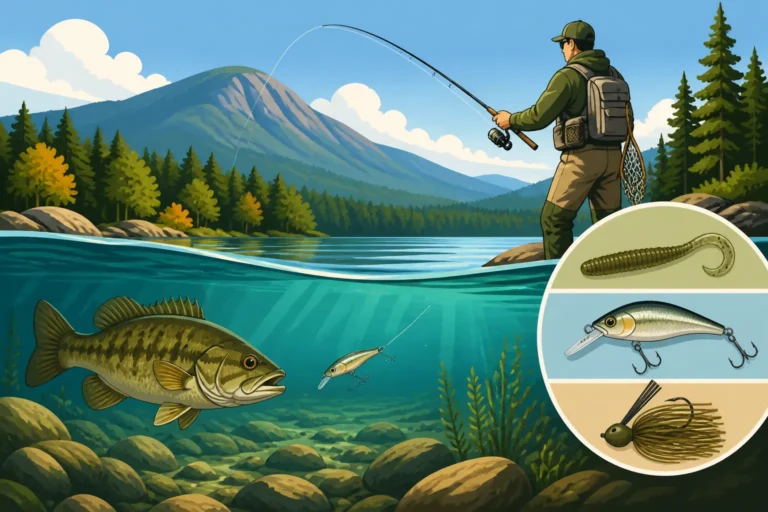
Spin anglers should stock a range of small inline spinners (Mepps, Panther Martin, Rooster Tail), tiny spoons (Little Cleo, Kastmaster), and small jigs (marabou or grub-tailed). Soft plastic baits, especially those imitating worms or minnows, can also be highly effective. Don't forget swivels, split shot weights, and a selection of small hooks if you plan on using live bait like worms, minnows, or powerbait. A small, organized tackle box or a compact tackle bag, perhaps one you picked up from Amazon, makes it easy to carry essentials without being bogged down.
Strategies for Approaching and Fishing Runs
Runs are dynamic, constantly changing environments, and fishing them effectively requires a thoughtful approach and precise technique.
Reading the Water and Approaching Runs
When you first approach a run, don't just immediately cast. Take a moment to observe. Look for current seams, which are often visible lines where faster and slower water meet. These are prime holding spots. Also, look for any breaks in the current, like a large submerged rock or a log, that create a calm pocket behind them. Trout will often lie in these "cushions" of slower water, waiting for food to be swept past. Pay attention to any deeper channels or depressions that might offer more cover.
Your approach to a run should always prioritize stealth. Trout are incredibly wary, especially in clear, shallow water. Stay low, move slowly, and avoid casting a shadow over the water you intend to fish. If possible, approach from downstream, wading upstream. This allows you to present your fly or lure to undisturbed fish, as trout naturally face into the current.
Effective Techniques for Runs
For fly anglers, nymphing is arguably the most effective technique for fishing runs. This involves presenting weighted nymphs, often under an indicator, allowing them to drift naturally along the bottom. The goal is a "drag-free" drift, meaning your fly travels at the same speed as the current, just like a real insect. High-stick nymphing or Euro nymphing techniques, where you maintain a direct connection to your flies without an indicator, are also incredibly effective for feeling subtle takes in fast water. Focus on casting upstream and slightly across, then mending your line to achieve that perfect drift.
Spin anglers will find success with drift fishing using bait or small lures. Cast your lure or bait upstream and slightly across the current, allowing it to tumble naturally downstream with the flow. Small inline spinners, spoons, or weighted jigs can be effective. The key is to keep your retrieve slow enough to mimic a natural drift, but fast enough to keep the lure working. Maintain a tight line to feel strikes. This type of fishing, often called Drift Fishing for Trout in New Hampshire Rivers, allows you to cover a lot of water and present your offering to fish holding in various current seams.
Common Mistakes to Avoid in Runs
One of the biggest mistakes anglers make in runs is using too heavy a tippet or line, making their presentation unnatural and easily spotted by wary trout. Opt for the lightest leader and tippet that the conditions and fish size allow. Another common error is failing to achieve a drag-free drift. Any drag on your line will make your fly or lure behave unnaturally, signaling to the trout that something is amiss. Constant line management, including mending (for fly anglers) or adjusting your retrieve speed (for spin anglers), is crucial.
Lastly, don't underestimate the importance of covering water systematically. Don't just cast to the same spot repeatedly if you're not getting bites. Work your way through the run, casting to different current seams, behind every large rock, and into any subtle depressions you identify. Trout in runs are often tightly positioned, and a slight adjustment in your casting angle or drift path can make all the difference.
Mastering the Pools and Tailouts
While runs offer consistent feeding, pools and tailouts often hold the largest trout, providing them with safety and abundant food as it funnels through.
Identifying Productive Pool Sections
When assessing a pool, your eyes should be scanning for deeper pockets, submerged logs, large boulders, and undercut banks. These are the classic "homes" for larger, more cautious trout. The deeper water offers refuge from predators and warmer temperatures in winter, cooler ones in summer. Submerged structure provides overhead cover and current breaks. Look for eddies or slower currents along the edges of the main flow – these are comfortable places for trout to hold and ambush food.
Sometimes, the most productive parts of a pool are not immediately obvious. A dark shadow under an overhanging tree might indicate a deep slot, or a subtle change in surface texture could signal a hidden ledge or boulder below. These are the spots where a trophy trout might be patiently waiting.
Techniques for Fishing Pools and Tailouts
Pools often require a different approach than runs. During active insect hatches, especially in the evening or early morning, pools can come alive with rising fish. This is the perfect time for dry fly fishing, carefully presenting delicate patterns that match the emerging insects. If fish aren't rising, subtle nymphing along the bottom or stripping small streamers can be highly effective, especially for targeting larger, predatory trout hiding in the depths or near structure. Don't be afraid to let your streamer swing through the deepest parts of the pool. For fly anglers seeking to hone their skills in these areas, our guide on Fly Fishing for Trout in New Hampshire offers even more in-depth strategies.
For spin anglers, casting small spoons, soft plastic baits (like tubes or grubs on light jig heads), or weighted bait into deeper pockets of the pool can entice bites. Allow your lure or bait to sink, then retrieve it slowly, varying your retrieve to impart lifelike action. Targeting the seam where the main current enters the pool, or where it exits into a tailout, can be very productive. In tailouts specifically, the shallower, faster water makes these areas prime for actively feeding fish. Cast upstream of the tailout and let your offerings drift naturally into the feeding zone. Small spinners or even dry flies (if conditions allow) can be deadly here.
Tailouts: The Unsung Heroes
Tailouts are often overlooked by anglers rushing to the next big pool, but that's a mistake. These areas, though shallower, act like a natural funnel, concentrating drifting food as the water exits a pool and speeds up. This makes them absolute hotspots for actively feeding trout, especially during prime feeding times or when a hatch is underway. Many of the largest trout will temporarily move into a tailout to feed aggressively before retreating to the safety of the deeper pool.
When fishing a tailout, stealth is paramount due to the shallower water. Approach from downstream and cast your fly or lure upstream, allowing it to drift naturally through the entire tailout. Dry flies can be incredibly effective here during hatches, as the fish are often looking up. Nymphs or small, subtle lures are also excellent choices, mimicking the insects being washed out of the pool. Pay close attention to subtle takes, as trout in tailouts can be quite aggressive but also quick to spit out an unnatural offering.
Fishing Techniques for Runs vs. Pools
To help visualize the different approaches, here's a quick comparison of techniques often employed for these distinct stream sections:
| Feature | Characteristics | Primary Trout Activity | Recommended Fly Fishing Techniques | Recommended Spin Fishing Techniques |
|---|---|---|---|---|
| Runs | Moderately fast, uniform depth, gravel bed | Active feeding, ambush | Nymphing (indicator/Euro), Wet Flies | Drift fishing (bait/lures), small Spinners |
| Pools | Deeper, slower, often structured | Resting, holding, opportunistic feeding | Dry Flies (hatches), Streamers, deep Nymphing | Small Spoons, Soft Plastics, weighted Bait |
| Tailouts | Shallow, speeding up, fanning out | Aggressive feeding | Dry Flies (hatches), Nymphs | Small Spinners, light Jigs, natural Bait |
Seasonal Considerations for New Hampshire Run and Pool Fishing
The trout stream experience changes dramatically with the seasons in New Hampshire. Understanding these shifts will help you adapt your tactics for year-round success.
Spring: High Water and Active Fish
Spring in New Hampshire can be a mixed bag for stream anglers. Snowmelt and spring rains often lead to higher, colder, and sometimes murkier water. While challenging, this can also be a fantastic time to fish. Trout, after a long winter, are eager to feed aggressively. Focus your efforts on the edges of the main current, where the flow is slightly slower, and the fish can rest and ambush food more easily. Larger nymphs and streamers that imitate sculpins or baitfish are often highly effective.
If fishing after recent trout stockings, these newly introduced fish can be quite active and less wary. Keep an eye on local stocking reports. Our guide on Spring Trout Fishing Techniques for New Hampshire Ponds has some transferable tips, even if you're targeting streams, as the general principles of early season activity remain similar.
Summer: Low, Clear Water and Hatches
As summer progresses, New Hampshire trout streams typically experience lower water levels and crystal-clear conditions. While beautiful, this means trout become incredibly wary. Stealth is paramount, and long, delicate leaders and tippets are a must. Early morning and late evening become prime fishing times, as trout retreat to deeper, cooler water during the heat of midday.
Summer is also the time for prolific insect hatches. Pay close attention to the water's surface for rising fish and try to "match the hatch" with your dry fly patterns. Terrestrials like grasshoppers, ants, and beetles can also be very effective as they fall into the water from streamside vegetation. Our article Best Techniques for Low Clear Water Conditions offers invaluable advice for these challenging yet rewarding summer months.
Fall: Cooler Temps and Aggressive Feeding
Fall is often considered one of the best times to fish New Hampshire's trout streams. As air and water temperatures cool, trout become more active and less sluggish than in the dog days of summer. Brown trout, in particular, begin their pre-spawn migrations and become incredibly aggressive, often taking larger streamers. All trout species are actively feeding, trying to pack on weight before winter.
This is a great time to cover water with a variety of techniques. Nymphing remains strong, but don't overlook streamers fished aggressively, especially in deeper pools and runs where larger fish hold. Dry fly opportunities can still present themselves on warmer days, often with smaller midges or late-season caddis. The vibrant foliage along the stream banks only adds to the magic of fall fishing.
Winter: Limited Access but Rewarding
Winter fishing on New Hampshire's open water streams is certainly more challenging and often limited by ice formation. However, certain stretches of larger rivers that remain open, particularly tailwaters below dams, can offer unique opportunities. Trout become lethargic in cold water, so slow presentations and deep-drifting nymphs or small jigs are often the most productive. Finding winter fish usually means locating the deepest, slowest pools where they conserve energy. Always prioritize safety in winter; cold water is unforgiving. For a broader overview of seasonal fishing opportunities, consult our article on the Best Time of Year to Fish in New Hampshire.
Conservation and Etiquette on New Hampshire Trout Streams
Beyond catching fish, being a responsible angler means understanding and practicing good conservation and etiquette. These streams are a shared resource, and it's up to all of us to protect them.
Practicing Catch and Release
While New Hampshire regulations allow for harvest in many waters, practicing catch and release, especially for larger or wild trout, helps maintain healthy fish populations. If you choose to release a fish, handle it with care. Wet your hands before touching the fish to protect its slime coat, which is vital for its immune system. Use barbless hooks or crimp down barbs on your hooks to make removal easier and less damaging. Minimize the time the fish is out of the water, and gently revive it in the current before letting it go. Proper release techniques significantly increase a fish's survival rate. Always be familiar with New Hampshire Fishing Regulations Explained to understand bag limits and specific rules for the waters you are fishing.
Respecting Other Anglers and the Environment
New Hampshire's trout streams are often popular destinations, so sharing the water gracefully is important. Give other anglers plenty of space, especially if they are actively fishing a run or pool. If you need to pass, walk well behind them and out of the water if possible, or cross far upstream or downstream to avoid disturbing their fishing. A simple nod or "hello" goes a long way.
"Leave No Trace" principles are essential. Pack out everything you pack in, including discarded fishing line, which can be deadly to wildlife. Avoid disturbing stream banks or wading unnecessarily in spawning areas. Be aware of any special regulations for the specific stream you're on, as many waters have unique rules regarding seasons, gear, or catch limits, such as New Hampshire Trout Stocking and Fishing Rules or designated Special Regulation Waters in New Hampshire. By being mindful of our impact, we can ensure these beautiful streams remain healthy and vibrant for generations of anglers to come.
Disclaimer
This article is for general informational purposes only and does not constitute professional advice. Laws, prices and regulations vary by location and change over time. Consult a qualified professional for guidance on your specific situation.