Best technique for late fall smallmouth bass
The crisp, fading days of autumn might make you think prime fishing season is long gone in New Hampshire, but for savvy anglers, late fall offers a challenging yet incredibly rewarding pursuit: smallmouth bass. Gone are the aggressive, topwater blowups of summer. Instead, you're faced with a more subtle, often frustrating game, as smallmouth become sluggish and concentrate in specific areas. If you've ever felt like the fish just vanished as soon as the leaves hit the ground, you're not alone. This comprehensive guide will reveal the best techniques to coax those cool-water smallmouth into biting, helping you turn those chilly New Hampshire days into memorable fishing adventures.
Decoding Late Fall Smallmouth Behavior
Understanding why smallmouth bass act differently in late fall is the first step to catching them. They're not gone, they've just changed their habits dramatically in response to falling water temperatures and dwindling food sources. It’s all about survival now, and that means conserving energy and finding consistent, comfortable feeding grounds.
The Critical Role of Water Temperature
As surface temperatures plummet in late fall, especially when they dip below the 50-degree Fahrenheit mark, smallmouth bass undergo a significant shift. They become less active and their metabolism slows down considerably. This isn't like summer, when they might chase a spinnerbait across a flat. Now, every movement counts, and they're far less willing to exert energy for a meal.
Instead of chasing, they'll often hold tight to structure, waiting for an easy ambush. Think of them like us on a cold morning – we don't want to run a marathon; we just want to grab a coffee and stay warm. For smallmouth, that warmth and energy conservation means gravitating towards deeper water, which maintains a more stable, albeit cold, temperature. They'll seek out the warmest water available in their environment, which typically means the deepest parts of lakes and large rivers, or areas with thermal advantages like spring-fed pockets. Recognizing this transition is key to knowing where to cast your line and how to present your bait.
Following the Forage Fish Migration
Another crucial aspect of late fall smallmouth behavior is their reliance on available forage. Just like the bass, baitfish such as smelt, shiners, and perch also react to the changing temperatures. As the shallow waters cool down, these smaller fish often migrate to deeper, more stable environments, seeking refuge and their own food sources. This deep-water migration of baitfish is like a siren call for hungry smallmouth.
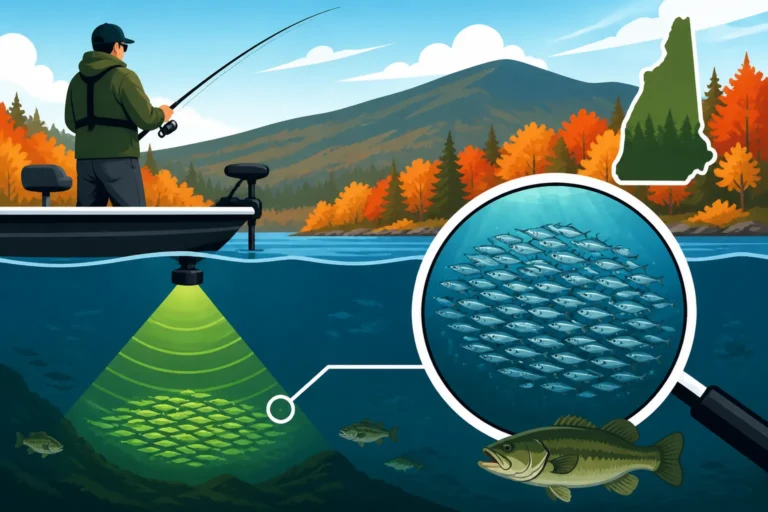
You’ll find smallmouth shadowing these baitfish schools, often suspending just below or within the bait ball itself. This means that instead of hugging the bottom exclusively, bass might be suspended in the middle of the water column, a scenario that often frustrates anglers accustomed to fishing structure near the bottom. Learning to read your electronics to spot these baitfish concentrations, and the smallmouth lurking beneath them, becomes paramount. Without a consistent food supply, smallmouth will expend precious energy chasing down scattered prey, so they tend to stay close to where the buffet is. This makes understanding their primary food sources and their movements just as important as knowing the bass's own preferences.
Precision Techniques for Coldwater Smallmouth
When water temperatures drop, finesse and subtlety often trump aggressive power fishing. Late fall smallmouth are looking for an easy meal, not a challenge. Your presentation needs to be slow, deliberate, and irresistible.
The Irresistible Jerkbait
Jerkbaits truly shine when the water cools down, making them one of the best techniques for late fall smallmouth bass. These lures are designed to mimic a wounded or dying baitfish, a meal a sluggish bass simply can't pass up. The key with jerkbaits is the "pause." You're not just reeling and twitching; you're imparting action, then letting the lure suspend motionless in the water, often for several seconds. This allows the bass ample time to approach, inspect, and then strike without expending much energy.
Cast your jerkbait out, give it a few sharp twitches to get it down to depth, and then pause. Experiment with pause durations – sometimes a 5-second pause is all it takes, other times a 10-second or even longer pause will be the ticket. The cold water slows down the bass, so their reaction time is much longer. Focus on clear water lakes like Lake Winnipesaukee or Squam Lake, where suspending jerkbaits in natural baitfish patterns (like silver, blue, or perch) can be deadly. You can find a great selection of high-quality jerkbaits from brands like Rapala and Lucky Craft on Amazon, often with reviews from other coldwater anglers. The retrieve for these lures can be slow and methodical, covering water efficiently yet precisely.
The Subtle Hair Jig
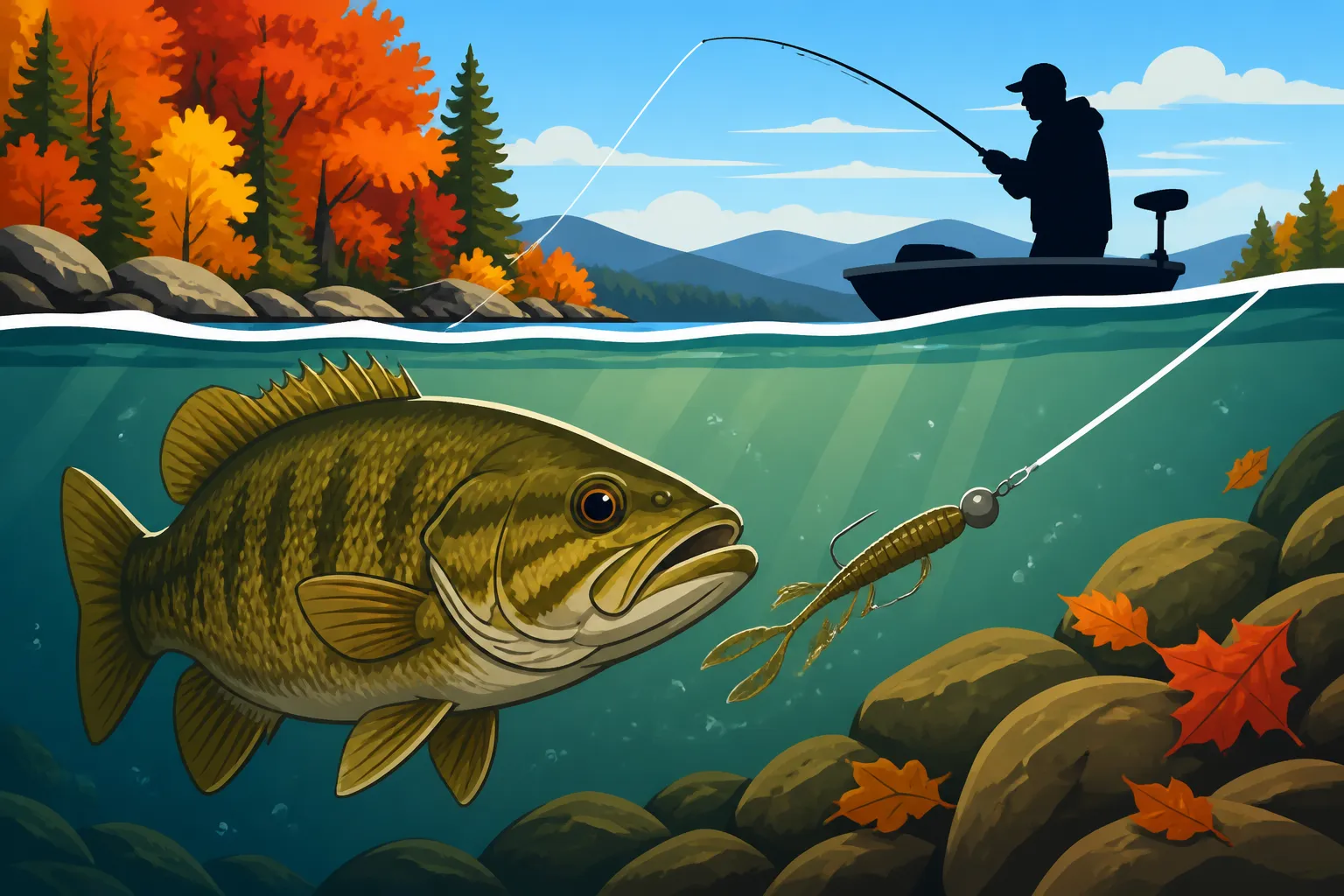
If jerkbaits are about triggering a reaction, hair jigs are about pure finesse, making them absolutely deadly when fish are extremely lethargic. These simple, understated lures, often made with bucktail or marabou, offer a natural, lifelike movement with minimal effort from the angler. They sink slowly and undulate enticingly, mimicking a crayfish or a small baitfish struggling on the bottom. When you're trying to figure out the Best Hair Jig technique for winter smallmouth, remember that "less is more."
The ideal retrieve is a slow drag or a subtle hop along the bottom. Cast your hair jig out, let it sink all the way to the bottom, then gently lift your rod tip a few inches, allowing the jig to barely leave the bottom before settling back down. Pay close attention to your line for any slight twitch or unnatural movement, as coldwater bites can be incredibly subtle. Many anglers prefer dark colors like black, brown, or green pumpkin, especially in deeper water or when mimicking crayfish. This technique is particularly effective when smallmouth are holding tight to deep structure like rock piles, ledges, or humps, giving them an easy target.
Vibrating Blade Baits
Blade baits are a secret weapon for many coldwater smallmouth enthusiasts because they combine vibration, flash, and a rapid drop, all of which can trigger strikes from otherwise dormant fish. When jigged vertically or cast and ripped, these lures vibrate intensely, sending out irresistible pulsations that even lethargic bass can detect. The flash on the fall can also be a powerful attractor in deeper, darker water.
The most common way to fish a blade bait in late fall is with a "lift-and-fall" retrieve. Cast it out, let it sink to the desired depth, then rip your rod tip up sharply a foot or two, letting the blade bait flutter back down on a semi-slack line. Most strikes will occur on the fall, so watch your line intently for any signs of a bite. These can be fished effectively over deep humps, along steep drop-offs, or when you mark schools of baitfish and smallmouth on your sonar. Look for chrome, gold, or shad-patterned blade baits to imitate natural forage. Their versatility allows them to be used for vertical jigging or casting, offering multiple ways to present the lure.
The Finesse of a Drop Shot Rig
When smallmouth are incredibly finicky and glued to specific pieces of deep structure, nothing beats the precision and finesse of a drop shot rig. This setup allows you to present a soft plastic bait directly at the fish's eye level, keeping it suspended off the bottom, while the weight rests below. This means your bait is always visible and moving subtly with the current or rod tip twitches, even when the fish aren't willing to chase. This makes it a great choice for times when you need the Best drop shot rig for New Hampshire smallmouth.
Tie a hook (usually a straight shank or octopus hook) directly to your main line, leaving a tag end. To this tag end, tie your drop shot weight. The distance between the hook and the weight determines how high off the bottom your bait will sit. Use small, realistic soft plastics like minnow imitations, worms, or small creature baits. Cast to your target, let the weight hit bottom, then just gently shake your rod tip to impart subtle action to the bait. The key is to keep the weight on the bottom while the bait dances above it. This method excels when you've pinpointed fish on your fish finder in specific deep pockets, especially on rock piles or along steep ledges where smallmouth are less inclined to move far for a meal.
Outfitting for Late Fall Success
Late fall fishing demands specific gear choices to maximize sensitivity, comfort, and effectiveness. You're not just battling fish; you're often battling the elements. Having the right tools makes all the difference.
Rods, Reels, and Line Choice
When it comes to late fall smallmouth, sensitivity is paramount. Bites can be incredibly light, feeling like little more than a "tick" or added weight on your line. For jerkbaits and blade baits, a medium-light to medium power spinning or casting rod, typically 6'6" to 7'2" in length, with a fast action tip, is ideal. This allows for excellent casting distance, quick hook sets, and enough backbone to fight a strong smallmouth in deep water. If you're wondering about the Best rod length for Winnipesaukee smallmouth bass, something in this range will serve you well. For hair jigs and drop shots, opt for a slightly lighter power rod (medium-light to light) with a very fast, sensitive tip, often paired with a high-quality spinning reel.
Your line choice is equally critical. Fluorocarbon line is a popular choice for all these techniques due to its low visibility, excellent abrasion resistance (important around rocky structure), and most importantly, its sensitivity. It transmits even the faintest bites much better than monofilament. Consider 6-10 pound test for most applications, varying slightly based on cover and target depth. Many anglers swear by specific types of fluorocarbon line for deep water sensitivity, which you can easily compare on Amazon before your next trip. If you're using a baitcaster, ensure it's matched well to your rod for smooth casting, especially if you plan on pitching jigs to specific deep laydowns.
The Indispensable Fish Finder
In late fall, your fish finder is no longer a luxury; it’s an absolute necessity. Smallmouth bass are often schooling and holding to specific deep structures, or suspending over open water, making them incredibly difficult to locate without good electronics. Don't waste precious cold-weather casting time blindly searching.
Invest in a quality unit with good down-imaging and side-imaging capabilities if your budget allows. These technologies allow you to see structure, baitfish schools, and even individual fish arches with incredible clarity, giving you a distinct advantage. Spend time idly cruising potential areas like main lake basins, deep points, humps, and steep drop-offs, marking any significant structure or fish activity you see. Understanding how to use the Best Fish Finders for New Hampshire Lakes will drastically improve your success rate. When you mark fish, drop a waypoint, and then position your boat to make precise casts to those locations. The ability to distinguish between baitfish and larger arches (presumably bass) will guide your technique choices – a hair jig for bottom dwellers, a jerkbait for suspended fish, or a drop shot for tight-lipped individuals.
Staying Warm and Mobile
Beyond your fishing tackle, ensuring your personal comfort and safety is paramount when fishing in late fall in New Hampshire. The weather can change quickly, and prolonged exposure to cold can turn a fun day into a miserable, or even dangerous, one. Dress in layers, starting with moisture-wicking base layers, adding insulating fleeces or down, and topping it off with waterproof and windproof outerwear. A good pair of insulated, waterproof boots is non-negotiable, as are warm gloves or mittens.
Consider hand warmers, a thermos of hot coffee or tea, and plenty of snacks to keep your energy up. For boat anglers, a reliable engine and safety equipment are always critical, but even more so in colder conditions. If you're out in a kayak, be mindful of the added risk of cold water immersion. The Best Kayak for Winnipesaukee in late fall will be stable and offer good storage for extra layers and safety gear. Don't forget your PFD, as sudden movements or an unexpected capsize in cold water can be life-threatening. Prioritizing your well-being ensures you can focus on fishing and enjoy the experience.
Finding the Deepwater Lair: Locating Bass
Late fall smallmouth fishing isn't about covering vast amounts of water quickly. It's about precision and targeting specific areas where bass are most likely to congregate.
Concentrating on Deep Structure
As mentioned, smallmouth bass in late fall gravitate towards deeper water. But "deep" isn't enough; they need deep structure. This includes main lake points that extend far out into the basin, humps or offshore islands, submerged rock piles, significant depth changes, and steep break lines. These features offer security, ambush points, and often hold baitfish.
Look for areas where deep water meets a structural element. For example, a deep point that drops off into 40 feet of water might have a shelf at 20-25 feet where smallmouth will hold. Or an offshore hump that rises from 50 feet to 20 feet could be a magnet for baitfish, and thus, smallmouth. Spend time thoroughly working these areas, using your electronics to identify irregularities and potential holding spots. If you're fishing one of the Best Fishing Lakes in New Hampshire, like Winnipesaukee, these deep structures are plentiful and often hold impressive numbers of fish. Be patient and methodical; once you find a pod of fish, you can often catch several from the same spot before they move on.
The Importance of Transitional Zones
Beyond hard structure, transitional zones can be incredibly productive. These are areas where one type of bottom composition changes to another, such as rock to sand, or gravel to mud. Smallmouth will often relate to these subtle changes, as they can provide different forage options and slightly varied thermal conditions.
Another type of transitional zone to consider is where shallow flats abruptly drop off into deep water. While the bass won't be on the shallow flat itself, they might be positioned right on the edge of the drop-off, making short forays onto the flat to feed if baitfish venture there. River sections where faster current slows down and creates a deeper pool with rock structure are also excellent transitional zones for late fall smallmouth. Remember that New Hampshire Bass Limits and Slot Rules are always in effect, so be sure to consult the current regulations before you head out. These zones provide a combination of depth, cover, and potential food sources, making them prime real estate for smallmouth looking to conserve energy and find an easy meal.
Here's a quick comparison of the top techniques for late fall smallmouth bass:
| Technique/Lure | Preferred Depth | Retrieve Style | Ideal Conditions | Notes |
|---|---|---|---|---|
| Jerkbait | 5-20 feet | Twitch, long pauses | Clear water, fish suspended | Excellent for triggering reaction strikes. Many good options available on Amazon. |
| Hair Jig | 15-40+ feet | Slow drag, subtle hop | Finesse, less active fish | Mimics bottom forage (crayfish, minnows). Bites are often very subtle. |
| Blade Bait | 10-50+ feet | Lift-fall, rip-pause | Cooler water, vertical presentation | High vibration and flash. Great for attracting fish from a distance. |
| Drop Shot Rig | 15-50+ feet | Static presentation, subtle shakes | Finesse, very cold/finicky fish | Presents bait at exact fish level. Best with sensitive rods and fluorocarbon line. |
Late fall smallmouth fishing in New Hampshire is a game of patience, precision, and understanding. It’s not about covering miles of water with a fast retrieve, but rather dissecting key areas slowly and deliberately. By understanding their cold-water behavior and employing these precision techniques with the right gear, you’ll unlock some of the most rewarding and challenging smallmouth fishing the Granite State has to offer. Don't pack away your rods just yet; some of the biggest smallmouth of the year are waiting in the depths!
Disclaimer
This article is for general informational purposes only and does not constitute professional advice. Laws, prices and regulations vary by location and change over time. Consult a qualified professional for guidance on your specific situation.