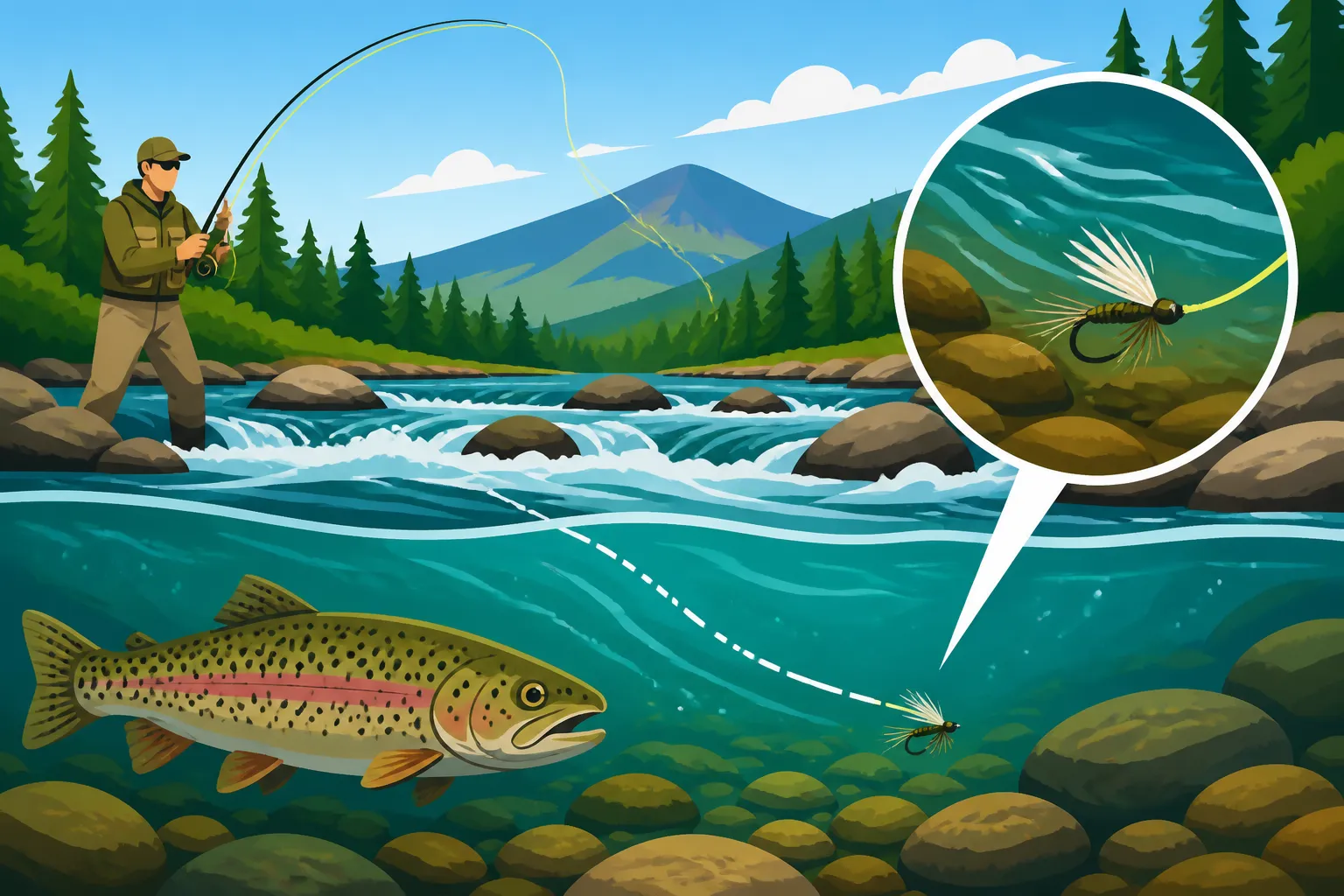
Best technique for fishing a riffle for trout
There's nothing quite like the sound of a New Hampshire trout stream, is there? That gurgling, rushing music often signals prime holding water for trout, specifically in those lively sections we call riffles. Many anglers, especially those new to stream fishing, get intimidated by the fast-moving water, unsure where to cast or what bait to use, often passing over these incredibly productive areas for calmer pools. But trust me, overlooking a riffle means missing out on some of the most consistent trout action the Granite State has to offer. This guide is going to break down exactly how to fish these dynamic zones, giving you the confidence to tackle any riffle and find those elusive wild and stocked trout.
Understanding the Riffle: Why Trout Love These Spots
Before we even think about casting, let's understand why riffles are such goldmines for trout. These aren't just random stretches of fast water; they're bustling aquatic cafeterias and safe havens all rolled into one. When you approach a stream, don't just see chaos in the churning water; learn to see opportunity.
The Food Conveyor Belt Effect
Imagine a natural conveyor belt constantly bringing food right to your plate. That's essentially what a riffle is for a trout. As water rushes over rocks and gravel, it dislodges all sorts of delicious insect larvae, nymphs, and even small crustaceans from the streambed. These tiny morsels are then carried downstream, making it incredibly easy for trout to station themselves in strategic ambush points and let their meals come directly to them.
Trout don't need to expend much energy hunting in these areas; they simply wait for the current to deliver their next meal. This makes riffles particularly appealing to trout looking for an efficient feeding strategy. From mayfly and caddisfly nymphs to stonefly larvae, a trout's diet is largely found within or dislodged from the streambed within these fast-moving sections. Learning about Fly Patterns for New Hampshire Trout Streams can give you a huge advantage here, as matching the natural forage is key.
You’ll often find fish positioned just out of the main current, in what we call a "current seam" or behind a larger rock. They're using the obstruction to break the force of the water, allowing them to conserve energy while still being perfectly positioned to snatch passing food. It's a classic example of working smarter, not harder, for these wily fish.
Oxygenation and Cover
Beyond the abundant food, riffles provide two other critical elements for trout survival: high oxygen levels and excellent cover. The churning, aerated water of a riffle mixes oxygen thoroughly, which is vital for trout, especially in warmer months when oxygen levels in slower, deeper pools can drop. Trout are cold-water fish, and highly oxygenated water helps them thrive.
Think about it: when the summer sun beats down, those slow pools can get a bit sluggish and warm. But a riffle, constantly agitated and often shallower, stays cooler and breathes more easily. This makes them crucial refuges when other parts of the stream become less hospitable.
The turbulent nature of a riffle also offers fantastic visual cover. The broken surface water makes it incredibly difficult for predators—whether it's an eagle soaring overhead or a human angler on the bank—to spot a trout below. This means trout feel much safer holding in these areas, often allowing them to be more aggressive feeders than fish in calm, clear pools where they feel exposed. This natural camouflage works both ways, making it harder for you to see them but also making them more comfortable and less skittish.
Essential Gear for Riffle Fishing Success
Having the right tools for the job is half the battle, especially when you're going after trout in the dynamic environment of a riffle. You don't need a massive amount of specialized gear, but a few thoughtful choices will make your experience much more enjoyable and productive.
Rod, Reel, and Line Considerations
For most New Hampshire trout streams, especially those with riffles, a light to medium-light spinning rod between 5'6" and 6'6" is usually perfect. If you're into fly fishing, a 3 to 5-weight fly rod will handle most situations beautifully. You want a rod with enough backbone to cast accurately against the wind or punch through some brush, but enough sensitivity in the tip to detect subtle takes in the current. A shorter rod can be particularly advantageous on brushy streams where overhead casting space is limited.
When it comes to reels, a small, reliable spinning reel (size 1000-2000) matched to your spinning rod, or a corresponding fly reel, is ideal. You won't be making incredibly long casts in most riffle situations, so focus on smooth drag and comfortable ergonomics.
Line choice is critical. For spinning gear, I recommend a 4 to 6-pound test monofilament or fluorocarbon line. Monofilament has some stretch, which can be forgiving when a trout makes a sudden run, while fluorocarbon is nearly invisible underwater and has less stretch, offering better sensitivity. I often use a main line of mono and then tie on a fluorocarbon leader. For fly anglers, a weight-forward floating line that matches your rod weight is standard, with a tapered leader ranging from 7.5 to 9 feet and a tippet from 4X to 6X. This setup allows for delicate presentations that are crucial in these clear, moving waters. You can find excellent options for Best Fly Rods for New Hampshire Trout Streams and corresponding lines on platforms like Amazon.
Choosing the Right Lures and Baits
The real magic happens when you select the right presentation. For riffles, you're primarily mimicking insects, small baitfish, or even worms that have been dislodged and are tumbling in the current.
- Nymphs (Fly Fishing): These are absolute riffle killers. Nymphs imitate the larval stage of aquatic insects, which make up the bulk of a trout's diet. Patterns like Pheasant Tail, Hare's Ear, Prince Nymph, and Squirmy Worms in sizes 12-18 are incredibly effective. The key is to get them down quickly into the feeding zone. Using a small amount of split shot or weighted nymphs is often necessary to achieve this.
- Dry Flies (Fly Fishing): While not as consistently productive in the main riffle as nymphs, dry flies can be deadly in the calmer eddies or along the current seams at the edges of a riffles, especially during an active hatch. Patterns like Elk Hair Caddis, Adams, and Parachute Adams are good choices. A proper How to fish a run and pool trout stream strategy often includes alternating between nymphs and dries depending on the section and activity.
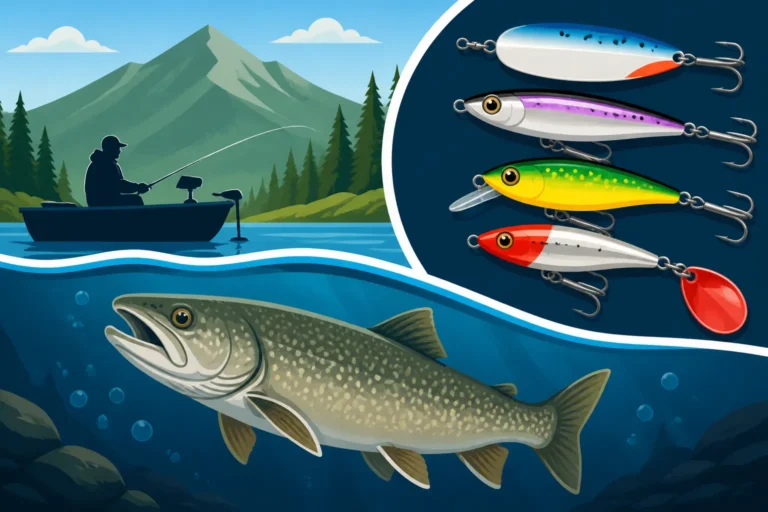
- Small Spinners and Spoons (Spinning): For conventional anglers, small inline spinners (like Mepps Aglia or Panther Martin) in sizes #0 to #2, or tiny spoons (like Kastmaster or Little Cleo) in 1/16 to 1/8 oz, are fantastic. Their flashing and vibration mimic small baitfish or larger insects. Gold, silver, and fire tiger patterns are often reliable.
- Natural Bait: If you prefer bait fishing, a small worm, grub, or even a piece of PowerBait drifted naturally through a riffle can be irresistible. Use just enough weight to get your bait down but not so much that it snags constantly. A small split shot a foot or so above a #8 or #10 baitholder hook is often all you need.
Remember, trout in riffles are often opportunistic, so don't be afraid to experiment a bit with colors and sizes until you find what they're hitting. Keeping a small tackle box stocked with a variety, perhaps from a selection found on Amazon, will prepare you for varying conditions.
Mastering the Approach: Techniques for Riffle Anglers
Now that you know why trout are there and what gear to use, let's talk about the actual techniques. Fishing a riffle successfully is less about brute force and more about finesse, stealth, and understanding how the water moves.
Upstream Presentation with Dry Flies and Nymphs
This is arguably the most classic and effective method for fishing riffles, especially for fly anglers, but it can be adapted for light spinning gear too. The idea is to cast upstream of your target, allowing your fly or bait to drift naturally downstream towards where you expect the trout to be holding.
For fly fishing with nymphs, this means casting slightly upstream and across the current, then immediately lifting your rod tip to manage your line and prevent "drag." Drag occurs when your line is pulled faster or slower than your fly, making it look unnatural. You want a "dead drift" – your fly should tumble and move at the exact speed of the current, just like a natural insect would. This might involve mending your line (making small upstream or downstream flips with your rod tip) to keep the slack out and achieve that perfect drift. Often, a strike indicator (a small bobber-like device) is used to help detect subtle takes, as trout in fast water can be difficult to feel. You can learn more about this in Euro Nymphing New Hampshire Trout Streams guides.
If you're using spinning gear, you can apply a similar principle with a small worm or a weighted nymph imitation under a tiny float. Cast upstream, allow the float and bait to drift naturally, keeping just enough tension to feel a bite without pulling the bait out of its natural drift. The goal is to present your offering as if it were a helpless bug dislodged by the current. Remember, trout are facing upstream, waiting for food to come to them, so a natural, drag-free drift from upstream is often irresistible.
Downstream Swinging and Stripping for Aggressive Takes
While upstream nymphing is about natural drift, downstream swinging and stripping is about triggering a more aggressive, reactive strike. This technique is often used with streamers, wet flies, or small spinners, especially when trout are feeling feisty or targeting baitfish.
For fly anglers, you'd cast your streamer (which imitates a minnow or larger insect) across or slightly downstream of the riffle. Then, you allow the current to "swing" the fly in an arc downstream, often letting it hang for a moment at the end of the swing before retrieving it with short strips of your line. This action mimics a baitfish darting through the water or an insect trying to swim to safety. Many strikes happen when the fly changes direction or pauses at the end of the swing.
Spinning anglers can do something similar with small inline spinners or spoons. Cast across or slightly downstream, let the lure sink a bit, and then retrieve it at a speed that allows the blade to spin or the spoon to wobble enticingly, letting the current work with you. You're not necessarily going for a dead drift here; you're trying to make your lure look like a struggling baitfish or a bug trying to swim away, which often triggers a predatory response. This can be especially effective for larger, more aggressive trout.
Reading the Water: Where to Cast in a Riffle
Knowing where to cast within a riffle is perhaps the most crucial skill. Riffles aren't uniform; they have structure, and trout use that structure to their advantage. Learning to read these subtle cues will dramatically improve your success.
- Current Seams: Look for lines in the water where faster current meets slower current, or where turbulent water meets calmer water. These are prime feeding lanes, as food gets funneled along these seams. Trout will often sit just in the slower water, darting into the faster current to grab a meal.
- Pocket Water: These are small, calmer areas behind larger rocks, boulders, or submerged logs. The obstruction breaks the current, creating a comfortable "pocket" where a trout can rest and ambush passing food. These pockets are absolute magnets for trout, especially in very fast riffles. Carefully drift your fly or lure into these pockets.
- Head and Tail of the Riffle: The "head" is where the slower water transitions into the faster riffle, and the "tail" is where the fast water slows down into a pool or run. Both these transition zones are excellent holding lies. Trout will often stage at the head to pick off the first available food, or at the tail where food settles before drifting into the pool.
- Depth Changes: Even subtle changes in depth can create holding lies. A slightly deeper channel or a small depression in the streambed can offer a trout more protection and a better ambush point.
A good angler doesn't just cast blindly; they actively scan the water, looking for these subtle signs. Sometimes it takes New Hampshire Fishing Seasons by Month and many trips to really get a feel for a particular stream, but the practice is part of the fun. Remember, trout are creatures of efficiency; they'll position themselves where they can get the most food with the least effort, and where they feel safe.
Common Challenges and How to Overcome Them
Fishing riffles isn't always a walk in the park. The very conditions that make them attractive to trout—fast currents and rocky bottoms—also present challenges for anglers. But with a bit of foresight and the right techniques, you can overcome these hurdles.
Dealing with Fast Currents and Drag
The biggest headache for most anglers in riffles is managing the fast current. It can make it incredibly difficult to get a natural, drag-free drift, and it can also play havoc with your footing.
- Line Control is Key: For fly anglers, mastering the mend is paramount. As soon as your fly hits the water, make an upstream mend to throw a belly of line upstream, allowing your fly to drift naturally for longer before the current grabs your line and pulls it. For spinning anglers, keeping your rod tip high and reeling in slack as your bait drifts can help maintain a natural presentation. The goal is to keep as much of your line off the water as possible, minimizing the surface area for the current to grab.
- Weight Wisely: Don't be afraid to add a bit of weight (split shot) to your nymph or bait rig. The goal isn't to snag the bottom, but to get your offering down into the feeding zone quickly. Experiment with different amounts; too much and you'll snag, too little and your bait will just skate over the trout's head.
- Positioning: Try to position yourself so that you can cast slightly upstream and across, giving you the best angle for a longer, drag-free drift. Sometimes, getting a bit further downstream from your target can actually help, as the current will naturally pull your line into a more favorable position.
Navigating Difficult Terrain
New Hampshire's trout streams, especially those with good riffles, are often found in rugged, uneven terrain. This means slippery rocks, steep banks, and sometimes dense vegetation. Safety and comfort are paramount here.
- Wading Safely: Invest in good wading boots, preferably with felt soles or rubber soles with studs for maximum grip on slick, algae-covered rocks. A Best Wading Boots for Rocky Streams are non-negotiable. Always use a wading staff, especially in faster currents or unfamiliar water. It provides an essential third point of contact, helping you maintain balance and test the depth and stability of the streambed before you commit your weight. Never wade deeper than you're comfortable with, and always shuffle your feet rather than lifting them high to avoid tripping. For detailed guidance, check out Wading Techniques for New Hampshire Trout Streams.
- Stealthy Approach: Trout in clear, shallow riffles can be incredibly spooky. Approach the stream quietly, moving slowly and staying low. Avoid casting a shadow over the water where you plan to fish. Often, the biggest trout are the most wary, so a careful approach will yield better results. Wearing natural, subdued colors also helps you blend into the surroundings.
- Protective Gear: Be prepared for the elements. Good rain gear is essential in New Hampshire, as weather can change quickly. Polarized sunglasses are also incredibly helpful for spotting submerged rocks and even trout, as they cut glare from the water's surface. On Amazon, you can find a wide array of Best Waders for New Hampshire Trout Streams and other essential gear to make your experience safer and more enjoyable.
- Respecting Regulations: Always be mindful of local New Hampshire Fishing Regulations Explained. Know the season dates, bag limits, and any special regulations for the specific stream you're fishing. Being informed is part of responsible angling and ensures these precious resources remain for future generations.
Fishing riffles for trout is one of the most rewarding experiences in New Hampshire. It demands attention, a bit of skill, and a genuine appreciation for the wild beauty of our waterways. With these techniques and considerations, you'll be well on your way to enjoying some fantastic trout fishing.
| Technique Category | Target Fish Behavior | Best Lure/Bait Types | Advantages | Considerations |
|---|---|---|---|---|
| Upstream Drift | Passive, feeding on dislodged insects in current seams | Nymphs (fly), small worms, weighted bait under float | Natural presentation, less likely to spook fish | Requires good line control, difficult to detect subtle bites |
| Downstream Swing/Strip | Aggressive, predatory, reacting to darting baitfish | Streamers (fly), small inline spinners, spoons | Triggers reactive strikes, covers more water quickly | Can be less subtle, may spook wary fish in clear water |
| Pocket Fishing | Resting in current breaks, ambushing food | Nymphs, small spinners, small bait | Highly effective for concentrated fish, less current management | Requires precise casting, often snags |
Disclaimer
This article is for general informational purposes only and does not constitute professional advice. Laws, prices and regulations vary by location and change over time. Consult a qualified professional for guidance on your specific situation.