Best technique for finesse fishing clear water bass
There's nothing quite as maddening as staring into crystal-clear New Hampshire waters, knowing there are bass lurking, but watching them ignore every big, flashy lure you cast. Those intelligent fish in transparent conditions demand a different approach, one that prioritizes subtlety and realism over power and flash. This guide is all about demystifying the art of finesse fishing for clear water bass, giving you the tools and techniques to trick even the most wary fish into biting.
Understanding Clear Water Bass Behavior
When the water clarity is so good you can see the bottom in several feet of water, it's a beautiful sight for a human, but it changes everything for a bass angler. Fish in these conditions behave very differently than those in murkier lakes or rivers. Ignoring these behavioral shifts is often the reason anglers struggle, convinced the fish just aren't there when, in reality, they're just being incredibly picky.
Why Bass Get Spooky in Clear Water
Imagine you're trying to sneak up on something. If you're in a dense fog, you can be pretty loud and still stay hidden. But if you're in an open, brightly lit field, every little movement, every sound, makes you instantly noticeable. That's exactly how bass perceive their environment in clear water. They have an extended field of vision, meaning they can see your boat, your shadow, and your line from much farther away. This increased visibility makes them incredibly wary and prone to "spooking" at anything unnatural. A heavy splash, a thick line, or an unnatural presentation will often send them darting for cover, completely shutting down their feeding activity in that area for a while.
The pressure from other anglers can also compound this spookiness. Lakes that see a lot of fishing activity, especially those known for trophy bass, will often have fish that are highly educated and have seen every common lure in the book. This is why you need to scale down your gear and refine your approach. It's not about overpowering the fish; it's about outsmarting them with presentations they haven't learned to avoid yet.
Forage and Feeding Habits in Clear Conditions
In clear water, bass rely heavily on sight to hunt. This means their prey, whether it's baitfish like smelt or shiners, or invertebrates like crayfish and insects, are also highly visible. Because of this, bass often become more selective in what they'll strike. They're looking for offerings that perfectly mimic the natural forage in size, color, and action. They have the luxury of time to inspect a lure before committing, so any inconsistencies are often met with a dismissive turn of the head.
You'll often find that bass in clear water are less likely to chase down a fast-moving, erratic bait unless they are in an extremely aggressive feeding mood, which is less common during bluebird skies. Instead, they prefer slow, subtle presentations that allow them to approach and confidently strike. Think about the prevalent baitfish in New Hampshire's clear lakes and ponds; many of them are sleek and silvery. Your lures should reflect that natural appearance, both in profile and how they move through the water. What landlocked salmon eat in New Hampshire lakes and What lake trout eat in New Hampshire lakes give you an idea of the forage base in some of our larger, clearer bodies of water, and bass often share similar prey preferences.
Essential Finesse Tackle for New Hampshire
You can't effectively finesse fish with a heavy-duty flipping stick and 50-pound braid. Finesse fishing, by its very definition, requires tackle that allows for delicate presentations, light lines, and subtle lure actions. Investing in the right gear isn't just about making fishing easier; it's about enabling the techniques that clear water bass demand.
Rods, Reels, and Line Choices
For finesse fishing, a spinning setup is almost always preferred due to its ability to handle light lines and small lures with ease.
- Rods: Look for a spinning rod in the 6'6" to 7'6" range with a light to medium-light power and a fast or extra-fast action. The lighter power allows the rod to load effectively with small baits for accurate casting, while the fast tip provides the sensitivity needed to detect subtle bites and imparts tiny movements to your lure. This also helps when the fish pick up a bait ever so gently. A good quality rod will transmit every bump and tick right to your hand. You might even want to check out reviews for specific models on Amazon before making a purchase.
- Reels: Pair your finesse rod with a high-quality spinning reel in the 1000 to 2500 size range. Smooth drag is absolutely crucial because you'll be fighting fish on light line, and any jerkiness can lead to a broken line. A good retrieve ratio helps with line management.
- Line: This is perhaps the most critical component for clear water finesse.
- Main Line: 6 to 10-pound braided line is an excellent choice for your main line. It has zero stretch, offering incredible sensitivity and strength for its diameter. The thin diameter also cuts through the water well.
- Leader: Because braid is highly visible, you must tie on a fluorocarbon leader. Fluorocarbon is nearly invisible underwater, has low stretch for good sensitivity, and is quite abrasion-resistant. A 6 to 8-pound test fluorocarbon leader is ideal. The length of your leader can vary, but usually 6 to 10 feet works well in clear water, providing plenty of invisibility between your braid and your lure. Best fluorocarbon leader for clear lake bass delves deeper into this essential topic.
Key Lures and Baits for Finesse Fishing
Finesse fishing is all about subtle, natural presentations. The baits are typically smaller, more lifelike, and designed to mimic natural forage with minimal action from the angler. These are the workhorses of clear water bass fishing.
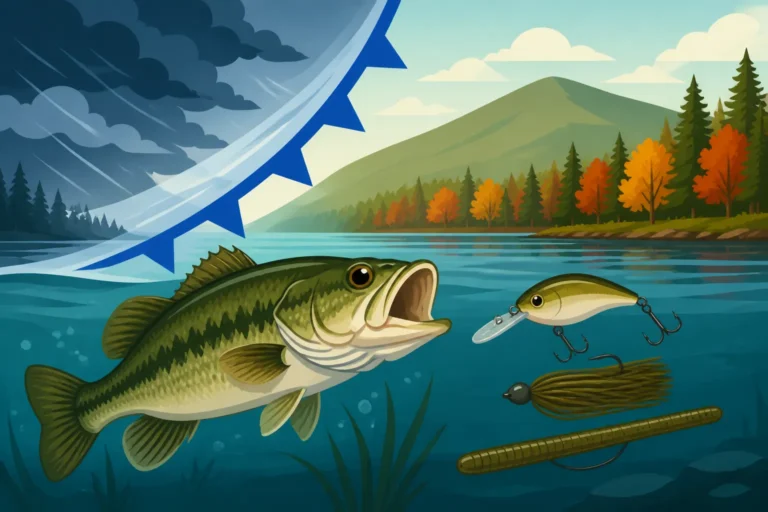
- Soft Plastic Worms and Stickbaits: These are quintessential finesse baits. Think about brands like Yamamoto Senko, Z-Man Finesse TRD, or Strike King Ocho. Sizes typically range from 3 to 5 inches. Colors like green pumpkin, watermelon, black and blue, or natural baitfish patterns are excellent choices for New Hampshire's clear waters. They have a natural shimmy or glide that attracts bass without being overly aggressive.
- Small Jigs: Ned rigs are essentially tiny mushroom-head jigs paired with short, buoyant soft plastics. Small hair jigs or Marabou jigs can also be incredibly effective, especially for smallmouth bass. The key is to keep them small – 1/16 oz to 1/8 oz is common – to maintain a subtle, natural fall.
- Drop Shot Baits: These are small, straight-tail worms, minnow imitations, or creature baits rigged above a weight. The beauty of the drop shot is that your bait stays suspended in the strike zone, subtly twitching with minimal rod movement, while the weight keeps it anchored to the bottom. Many anglers find great deals on these specialized baits through online retailers like Amazon.
- Small Swimbaits: Tiny paddle-tail swimbaits on a light jig head can be deadly when bass are keyed in on small baitfish. Think 2 to 3-inch models in natural colors. The subtle tail kick is often just enough to entice a strike without spooking the fish.
Top Finesse Techniques for Clear Water
Now that you have the right gear, let's talk about how to present these subtle offerings to wary bass. These techniques are proven fish catchers when the water is clear and the bite is tough.
Drop Shot Rig Mastery
The drop shot is arguably the most effective clear water finesse technique, especially for suspended bass or those holding tightly to structure. It's incredibly versatile and allows for very precise presentations.
To rig it, tie a Palomar knot (or your preferred knot) to a small, specialized drop shot hook (often a size 1 or 1/0). Leave a long tag end after tying the knot – this will be your leader to the weight. Thread your fluorocarbon leader through the eye of the hook from the point side (this helps the hook stand out horizontally). Then, tie a bell sinker or a specialized drop shot weight to the very end of that tag end. The length of the tag end determines how far off the bottom your bait will sit. For instance, if you want your bait 12-18 inches off the bottom, tie your weight that far down.
The beauty of the drop shot is its presentation. Cast it out, let it sink, and then simply hold your rod tip high and gently shake it. The weight stays on the bottom, but your bait dances enticingly in place. You can drag it slowly, pause, and shake. This makes it deadly on rocky points, ledges, submerged humps, and even vertically over deep structure. It's excellent for both How to Catch Smallmouth Bass in New Hampshire Lakes and largemouth. Smallmouth especially love this presentation in deeper, clear waters.
Wacky Rig and Neko Rig
These two rigs capitalize on the natural shimmy and tantalizing slow fall of a stickbait. They are incredibly simple but devastatingly effective for enticing hesitant bass.
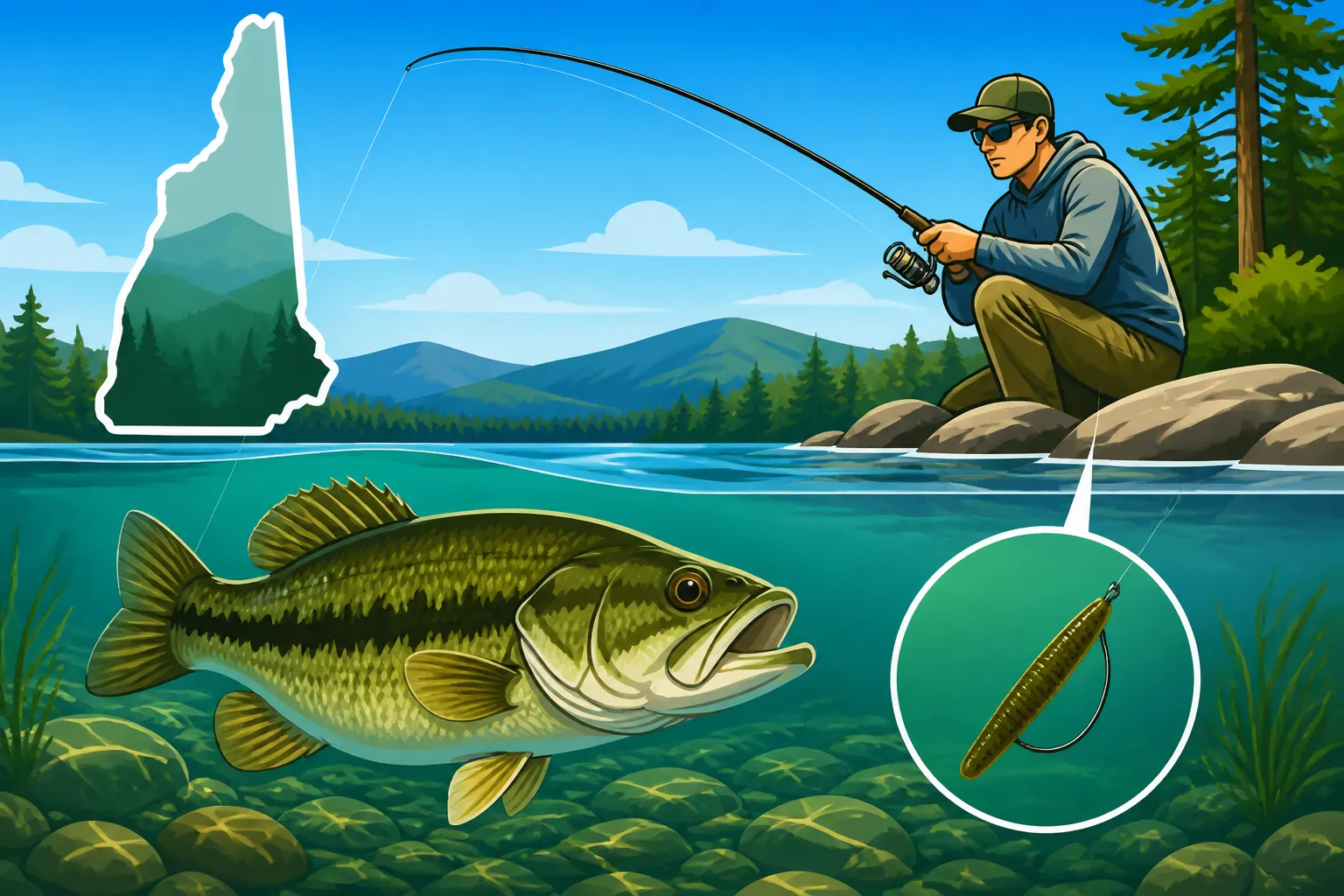
- Wacky Rig: This involves simply hooking a soft plastic stickbait (like a Senko) through its center, perpendicular to the bait's body. When cast, both ends of the worm wiggle as it slowly sinks, creating an irresistible, natural action that mimics a dying or injured baitfish. The fall is slow and mesmerizing. You can fish it weightless, or add a small O-ring around the middle of the worm and hook through the O-ring to save baits and slightly change the fall. Just cast it to cover, let it sink, and twitch it occasionally. The majority of the bites will come on the fall.
- Neko Rig: The Neko rig is a variation of the wacky rig but adds a subtle weight element. You insert a small nail weight (or specialized Neko weight) into one end of the stickbait. The hook is then usually placed slightly off-center on the opposite end or in the middle, similar to a wacky rig. This creates an uneven fall, where the weighted end sinks faster, causing the worm to stand up slightly on the bottom or glide with a unique action. It gives you a slightly faster sink rate and allows for better bottom contact and dragging. It’s fantastic around boat docks, submerged timber, or weed lines where you want a slightly more active presentation than a traditional wacky rig.
Ned Rig: The Subtle Powerhouse
The Ned rig is a minimalist finesse presentation that has gained immense popularity for a reason: it catches fish, especially when nothing else seems to work. It’s incredibly subtle, making it perfect for highly pressured, clear water situations.
The Ned rig consists of a small, mushroom-shaped jig head (typically 1/16 to 1/8 ounce) paired with a short, buoyant soft plastic bait (often 2.5 to 3 inches). The buoyancy of the plastic causes it to stand upright on the bottom when paused, mimicking a feeding bottom-dweller or a small, vulnerable baitfish. This upright posture is a huge strike trigger. Best Ned Rig setup for finesse fishing goes into more detail on how to optimize this tiny but mighty rig.
Fishing the Ned rig is all about subtlety. Cast it out, let it sink to the bottom, and then retrieve it with a slow drag, short hops, or even just letting it sit for extended periods. Most bites come on the pause. It's incredibly effective around rocky areas, gravel flats, and sparse grass. It's truly a "less is more" technique that allows the bait's natural action to do the work, prompting bites from even the most lethargic bass.
Reading the Water and Adapting Your Approach
Finesse fishing in clear water isn't just about the rigs; it's also about how you approach the water. Your ability to observe, adapt, and remain stealthy will greatly increase your success.
Targeting Structure and Cover
In clear water, bass still relate to structure and cover, but they might hold tighter to it or deeper within it to feel secure and ambush prey.
- Deeper Structure: Bass often retreat to deeper ledges, humps, and points where they feel safer from predators (including anglers) and where water temperatures are more stable. Use your fish finder to locate these subtle depth changes. A drop shot is perfect for targeting fish that are suspended over or hugging these deeper structures. Best fish finder for deep lake fishing can help you choose the right electronics for the job.
- Shallow Cover: Don't ignore shallow cover entirely, but approach it with extreme caution. Docks, lily pads, submerged timber, and brush piles are still prime locations. However, you'll need to make longer casts and use a super quiet approach. A wacky rig pitched gently into the shadows of a dock can be deadly. If you can see the fish, cast well beyond them and retrieve your bait into their strike zone, letting it fall naturally.
- Shadow Lines: Pay close attention to shadow lines created by docks, overhanging trees, or even your boat. Bass will often position themselves in the shaded areas, waiting to ambush prey that ventures into the light. This is an ideal scenario for a subtle, slow-falling bait.
Here's a quick comparison of popular finesse rigs for clear water bass:
| Finesse Rig | Primary Target Area | Best Action | Pros | Cons |
|---|---|---|---|---|
| Drop Shot | Deep structure, suspended fish, ledges, rocky points | Subtle quiver, minimal movement | Excellent depth control, highly sensitive, bait stays in strike zone | Can be slow to fish, prone to tangles if not tied correctly |
| Wacky Rig | Shallow cover, docks, weed edges, open water | Slow, natural shimmy on the fall | Extremely simple, highly effective for wary bass, great for sight fishing | Slower sink rate, not ideal for deep water or current, baits can tear easily |
| Neko Rig | Docks, timber, vertical cover, slightly deeper bottom | Uneven fall, stands upright on bottom, subtle drag | Combines wacky rig appeal with better bottom contact/sink rate, more versatile than wacky | Requires specific weights, can get snagged in heavy cover |
| Ned Rig | Rocky flats, gravel, sparse grass, hard bottom | Stands upright on pause, subtle hop/drag | Catches everything, incredibly efficient, hard to fish "wrong" | Small size might limit trophy appeal, can be tough to cast in windy conditions |
Stealth and Presentation
In clear New Hampshire waters, your approach is just as important as your lure choice. Bass have excellent eyesight, and anything out of the ordinary will quickly send them packing.
- Long Casts: This is paramount. The further you can cast your bait, the less likely you are to spook the fish with your boat or your shadow. Practice making accurate, long casts with your finesse setup.
- Quiet Approach: Minimize noise in your boat. Avoid dropping gear, slamming hatches, or running your trolling motor on high if not absolutely necessary. Even subtle vibrations can be transmitted through the water. If you're bank fishing, walk softly and stay low.
- Boat Positioning: Position your boat so that your shadow doesn't fall over the area you're fishing. If possible, keep the sun at your back. Use your trolling motor sparingly to maintain position, or use a shallow water anchor system if conditions allow.
- Matching Forage: Always consider what the bass are eating. If you see tiny baitfish flickering, use small, natural-colored minnow imitations. If you observe crayfish scuttling on the bottom, a green pumpkin Ned rig might be the ticket. Sometimes, simply observing your surroundings can tell you everything you need to know about What water temperature smallmouth bass prefer and what they're likely to be eating.
- Slow Down, Really Slow Down: This is probably the hardest but most crucial piece of advice. Clear water bass often want a presentation that is painfully slow. Let your bait sit for what feels like an eternity. Give it a subtle twitch, then let it sit again. Many times, the bite will come on the pause. It's a test of patience, but the rewards are often worth it. You can even find specialized jigs and weights on Amazon that are designed to facilitate this super slow, tantalizing fall.
Remember, finesse fishing in clear water is about tricking a smart, highly visible fish into believing your offering is a natural, easy meal. It's a game of inches, but mastering these techniques will unlock a whole new level of success on the beautiful, clear waters of New Hampshire.
Disclaimer
This article is for general informational purposes only and does not constitute professional advice. Laws, prices and regulations vary by location and change over time. Consult a qualified professional for guidance on your specific situation.