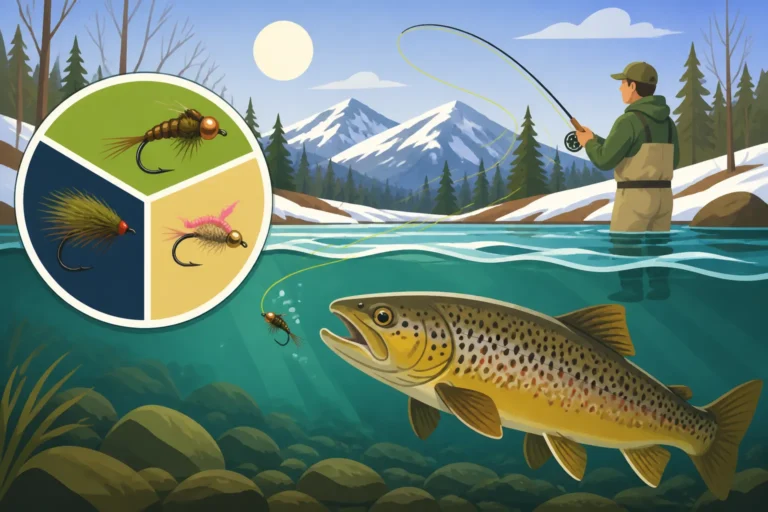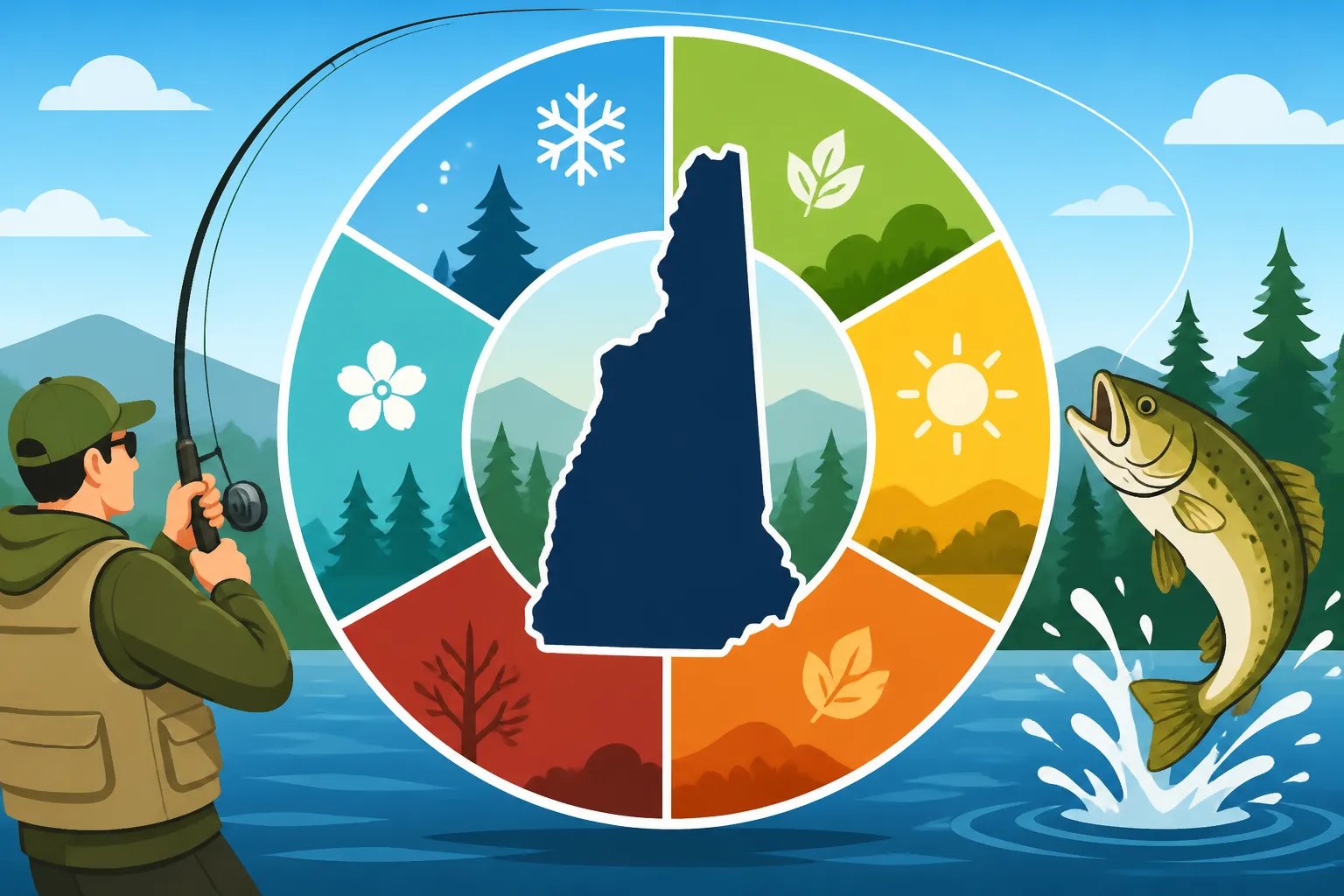
New Hampshire Fishing Seasons by Month
Navigating the fishing seasons in New Hampshire can feel like trying to solve a complex puzzle. With diverse fish species, ever-changing weather patterns, and specific regulations for different water bodies and times of year, it’s easy for even experienced anglers to feel a bit lost. This comprehensive guide aims to cut through the confusion, offering a month-by-month breakdown of what to expect on the water, what fish to target, and how to best prepare for a successful and enjoyable angling adventure in the Granite State.
Decoding New Hampshire's Fishing Calendar: Why It's Unique
New Hampshire's fishing calendar isn't just a simple list of dates; it's a dynamic tapestry woven from the state's geography, climate, and the diligent efforts of wildlife management. Understanding this underlying structure is key to unlocking year-round success on its waters. You can't just throw the same lure at the same spot every month and expect results; the fish, like the landscape, are constantly adapting.
The Influence of Geography and Climate
From the rugged peaks of the White Mountains to the sprawling lakes of the Lakes Region and the tidal estuaries of the Seacoast, New Hampshire boasts an incredible diversity of aquatic environments. This variety means that while one part of the state might still be locked under several feet of ice, another could be experiencing its first signs of spring thaws. The climate, with its distinct four seasons, dictates everything from water temperature and oxygen levels to baitfish movements and fish spawning cycles. For example, the deep, cold-water lakes like Winnipesaukee and Newfound Lake maintain suitable habitat for species like lake trout and landlocked salmon even in the height of summer, requiring different tactics than the shallower, warmer ponds teeming with largemouth bass. These geographical nuances mean that "New Hampshire fishing" isn't a monolithic concept; it's a collection of localized opportunities that shift throughout the year.
Species-Specific Regulations and Opening Days
Perhaps one of the most significant complexities for New Hampshire anglers is the array of species-specific regulations and opening days. Unlike some states where a single license and a few general rules cover most fishing, New Hampshire meticulously manages its fisheries. You might find yourself able to legally target perch year-round, while the bass season has a strict catch-and-release period before opening for harvest, and certain trout waters might open on a specific date in April. These staggered seasons are designed to protect spawning fish and ensure sustainable populations. Ignoring these rules isn't just a risk; it's a guaranteed way to find yourself in trouble and negatively impact the very resources we cherish. Always double-check the regulations for your target species and chosen water body, as they can even vary from lake to lake or river to river. For a deeper dive into the legalities, our guide on New Hampshire Fishing Regulations Explained offers essential reading.
Understanding the NH Fish and Game Department's Role
The New Hampshire Fish and Game Department (NHFG) plays an indispensable role in shaping the state's fishing opportunities. They are the stewards of New Hampshire's fish and wildlife resources, and their work directly influences what, when, and where you can fish. NHFG biologists conduct research, monitor fish populations, and implement stocking programs that introduce millions of trout into ponds and rivers each spring, kickstarting the fishing season for countless anglers. They also set the regulations, manage public access points, and provide critical educational resources. Their annual Freshwater Fishing Digest is the definitive guide to all rules and seasons, a must-have for every angler's tackle box or phone. Familiarizing yourself with the information provided by NHFG, including their trout stocking reports and detailed maps, is paramount. You can learn more about finding these crucial documents in our post, Reading the New Hampshire Freshwater Fishing Digest.
Spring Fishing: Ice-Out to Early Summer Blooms (March – May)
Spring in New Hampshire is a season of transformation, shedding the icy grip of winter and bursting forth with new life – and new fishing opportunities. This period is marked by fluctuating water temperatures, increasing fish activity, and some of the most anticipated events on the angling calendar.
March: The Thaw and Early Opportunities
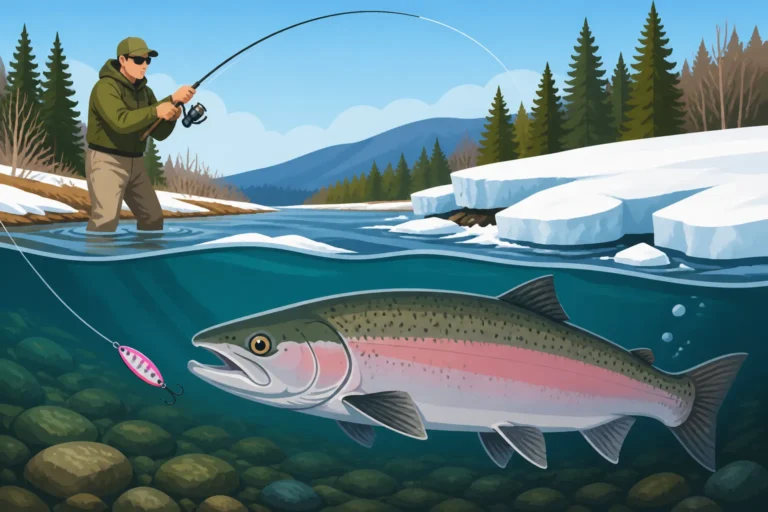
March is often a transitional month, a delicate dance between lingering winter ice and the first whispers of spring. For many, it's the heartbreaking or exhilarating moment of "ice-out" on lakes and ponds. During this time, early cold-water species like yellow perch and chain pickerel become incredibly active, often found in shallow areas where the ice has recently receded, drawn by slightly warmer water and emerging baitfish. It's a fantastic time to target them with small jigs or live bait. In rivers and streams, anglers can start to find trout becoming more active, especially in stretches that were ice-free earlier in the season. However, caution is paramount; ice conditions can be notoriously unpredictable in March, with weak spots appearing quickly. Always prioritize safety and assume any ice is unsafe unless absolutely verified.
April: Trout Stocking Frenzy and Bass Pre-Spawn
April is arguably one of the most exciting months for trout anglers in New Hampshire. This is when the New Hampshire Fish and Game Department kicks into high gear, stocking countless rainbow, brown, and brook trout into ponds and streams across the state. This influx of fresh fish means excellent opportunities, especially in the weeks immediately following stocking. PowerBait, worms, and small spinners are often deadly effective during this period. For those looking for more specific guidance on targeting these freshly stocked fish, our article on Spring Trout Fishing Techniques for New Hampshire Ponds provides great insights. Simultaneously, as water temperatures slowly climb into the 40s and 50s Fahrenheit, bass begin their pre-spawn movements. Largemouth and smallmouth bass will move from their deeper winter haunts to shallower, warmer flats, points, and coves. They're often feeding aggressively to build energy for the upcoming spawn, making crankbaits, jerkbaits, and jigs highly effective.
May: Prime Time for Many Species
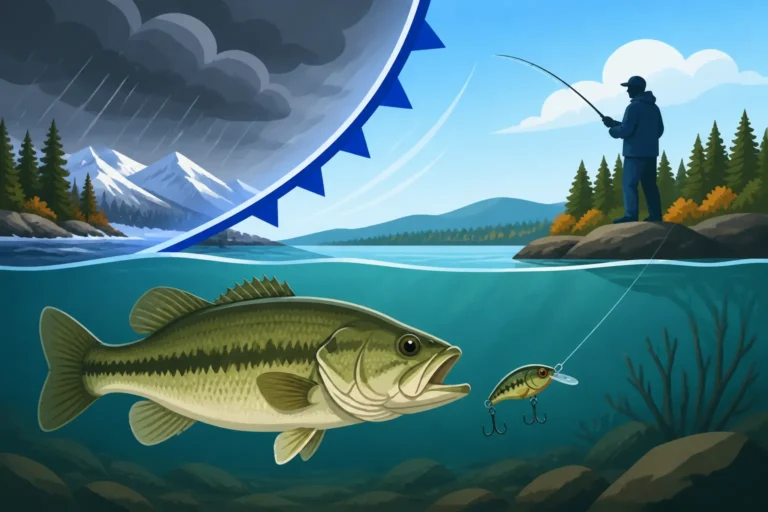
May truly kicks off the open-water fishing season in earnest. By this point, most lakes and ponds are ice-free, and water temperatures are steadily rising, pushing most fish species into active feeding patterns. This month is particularly strong for both largemouth and smallmouth bass, which are typically either in their pre-spawn or spawning phases, depending on the specific water body and its temperature. Anglers will find them shallower, guarding nests, or actively cruising for food. While some bass might still be under catch-and-release regulations, the official bass harvest season often opens in May, though it's crucial to check the specific dates for clarity. You can find detailed information about these periods in New Hampshire Bass Catch-and-Release Season, Explained. Panfish, including sunfish, bluegill, and crappie, are also extremely active and often spawning in May, making for fantastic light-tackle action for anglers of all ages. Trout fishing remains strong, particularly in rivers and larger ponds where holdover trout and recent stockings provide ample targets. It’s truly a month where almost every species offers good prospects.
Summer Fishing: Warm Waters and Deep Dives (June – August)
New Hampshire summers are glorious, but the rising water temperatures bring new challenges and require adjustments to your fishing strategy. While the easy action of spring might wane, incredible opportunities still exist for those willing to adapt and understand where the fish are hiding.
June: Post-Spawn Bass and Active Panfish
As June rolls in, many bass species will have completed their spawning rituals. While some might still be guarding fry, a significant portion will be in their post-spawn phase, often recovering and then actively feeding. This can be a fantastic time for topwater lures, as bass become more comfortable chasing baitfish in the shallows during low light conditions. The official bass season for harvest is usually well underway by June, allowing anglers to keep their catch according to bag limits. Panfish continue their strong showing, with prolific numbers of bluegill, perch, and crappie offering consistent action, especially around docks, lily pads, and submerged structure. They are perfect for introducing new anglers to the sport with simple bobber and worm setups. Many smaller ponds and lakes, which warmed quickly in May, will be buzzing with these accessible species.
July: Targeting Deep-Water Predators
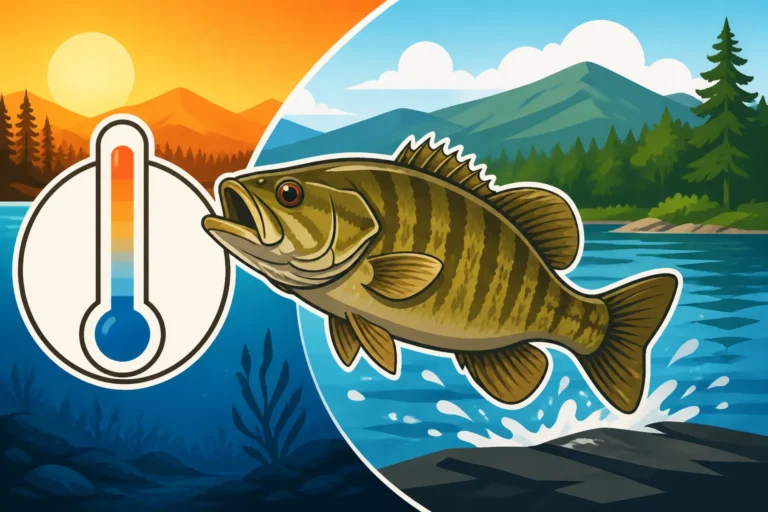
When the sun beats down and surface water temperatures soar into the 70s and even 80s Fahrenheit, many of the prized cold-water species like lake trout and landlocked salmon retreat to the cooler, oxygen-rich depths. This is prime time for deep-water tactics such as downrigger trolling with spoons or baitfish imitations, or vertical jigging over submerged structure and humps. Major lakes like Winnipesaukee, Sunapee, and Newfound Lake become the playgrounds for those equipped to fish deep. Smallmouth bass also follow suit, often relocating from shallow spawning grounds to deeper rock piles, humps, and points in larger lakes where they can find cooler water and ample forage. Understanding the thermocline and using good electronics can make all the difference in locating these elusive deep-water dwellers. For specifics on how to tackle these challenging but rewarding fish, check out our guide on How to Catch Lake Trout in New Hampshire.
August: Surviving the Heat and Finding Cooler Waters
August can be the toughest month for many anglers due to persistent high temperatures, which can make fish lethargic and less willing to bite during the day. Success often depends on fishing during the coolest parts of the day – dawn, dusk, and even into the night for species like bass and bullheads. Focusing on areas with cooler water, such as deep main lake basins, spring-fed coves, or the mouths of feeder streams, becomes critical. Largemouth bass will often be found hunkered down in dense cover like weed beds or beneath docks, requiring careful presentations with soft plastics or jigs. Smallmouth might still be deep, but can be found shallow during low light periods, hitting topwater lures. It's also crucial to prioritize fish care in August; warm water stresses fish, so minimizing handling time, keeping them wet, and using barbless hooks for catch-and-release helps ensure their survival. Investing in a good portable fish finder, easily found on Amazon, can be a game-changer for locating deep-water fish during these challenging months.
Fall Fishing: Autumn Runs and Feeding Frenzies (September – November)
As the vibrant foliage of autumn paints New Hampshire's landscape, a new chapter of fishing opportunities unfolds. Cooling waters signal a time of aggressive feeding for many species as they prepare for winter, and for others, it marks the start of spectacular spawning runs.
September: Landlocked Salmon and Lake Trout Action
September is a magnificent month, particularly for those pursuing New Hampshire's iconic landlocked salmon and lake trout. As surface waters cool, these cold-water predators begin to venture out of their deep-water summer sanctuaries and move into shallower areas, often near spawning grounds. Landlocked salmon become especially active and aggressive, staging near the mouths of rivers and tributaries in preparation for their autumn spawning runs. This is a fantastic time for trolling near the surface with spoons or streamers, or even casting from shore in specific locations. Lake trout also become more accessible, often found shallower than in the summer months, providing excellent opportunities for jigging and trolling. Anglers often experience some of the most exciting battles of the year during this pre-spawn feeding frenzy. Our guide to Landlocked Salmon Fishing in New Hampshire offers a wealth of information for those eager to target these magnificent fish.
October: Peak Fall Colors and Lively Smallmouth
October brings some of the most beautiful scenery New Hampshire has to offer, coupled with exceptional fishing. The cooling water temperatures invigorate smallmouth bass, which go on a serious feeding binge to pack on weight for the lean winter months. They can be found actively chasing baitfish on rocky points, humps, and shoals in many of the larger lakes. Crankbaits, jerkbaits, and spinnerbaits can be incredibly effective as these fish become more aggressive. Trout fishing in rivers and streams also hits its stride, with cooling temperatures creating ideal conditions for both wild and stocked trout. Fly fishing for trout with streamers and nymphs can be particularly rewarding, as trout are actively feeding on aquatic insects and baitfish. It's a prime time for both quantity and quality catches, often against a backdrop of breathtaking fall foliage. To maximize your success with these spirited fighters, refer to our detailed article on How to Catch Smallmouth Bass in New Hampshire Lakes.
November: Preparing for the Freeze-Up
November marks the final transition from open water to the impending ice season. While the weather can be fickle, often delivering cold snaps and even early snow, fishing can still be phenomenal for those who brave the chill. Many species continue their aggressive feeding patterns, knowing that winter's scarcity is just around the corner. Lake trout and salmon remain accessible in shallower waters, providing excellent late-season trolling opportunities. Crappie and perch also group up in deeper holes and along transitional breaks, offering solid action for panfish enthusiasts. Anglers shift to slower presentations and often smaller baits as the water continues to cool. It's also a time to start thinking about winter gear; purchasing durable, warm fishing gloves and thermal layers from Amazon can make those late-season outings much more comfortable and enjoyable. As days shorten and temperatures drop, many smaller, shallower ponds may begin to skim over with ice, signaling the imminent arrival of the ice fishing season.
Winter Fishing: Embrace the Ice (December – February)
Winter in New Hampshire means one thing for dedicated anglers: ice fishing! Far from a dormant season, the frozen lakes and ponds offer unique and often highly productive fishing experiences. However, embracing the ice requires a strong commitment to safety and proper technique.
December: Early Ice and Cautious Approaches
December is the month of "first ice," and it demands the utmost respect for safety. While the excitement for the season opener builds, it's absolutely critical to wait for solid, safe ice, generally considered to be at least 4 inches thick for foot travel. Early ice can be incredibly productive, as fish are often still found in relatively shallow areas, not having fully retreated to their deepest winter haunts. Species like yellow perch and chain pickerel are common targets, eager to hit small jigs or tip-ups baited with shiners. Crappie can also be found schooling in deeper basins. Anglers venturing out on early ice should always fish with a buddy, carry ice picks, and wear a flotation suit. Check local reports and ask at bait shops for the most up-to-date ice conditions before you even think about stepping out.
January: Mid-Winter Ice Fishing Boom
January typically brings stable, thick ice across most of New Hampshire's major lakes and ponds, ushering in the peak of the ice fishing season. This is when anglers can safely access prime fishing grounds that are unreachable by boat during the open water season. Lake Winnipesaukee, Squam Lake, and other large bodies of water become bustling ice fishing villages. Target species broaden to include prized cold-water fish like lake trout and landlocked salmon, often caught by jigging heavy spoons or using large shiners on tip-ups. Additionally, panfish like crappie, perch, and bluegill continue to be reliable targets, often schooling in impressive numbers. For specific dates and locations, the New Hampshire Lake Trout Ice Fishing Season Dates guide is an invaluable resource. This is also a popular time for local fishing derbies and tournaments, adding a competitive and social element to the sport.
February: Late Ice and Anticipating Spring
February in New Hampshire can offer some of the best ice fishing of the entire season, especially towards the latter half of the month as longer days and increasing sunlight start to penetrate the ice. Fish often become more active and begin feeding more aggressively, sensing the approach of spring. Crappie and perch, in particular, can be found shallower and more spread out, providing fantastic action. Lake trout and salmon also remain active. While ice conditions are generally still strong, constant vigilance is necessary, especially around inlets, outlets, and areas with current, where ice can thin rapidly. Anglers should always carry safety equipment and drill test holes frequently. This is also a good time to ensure your gear is in top shape; from reliable augers to comfortable ice shanties, you can find a wide array of specialized ice fishing gear on Amazon to enhance your experience. For tips on specific techniques for these late-season opportunities, our article on Jigging for Perch Through the Ice offers excellent advice.
Beyond the Calendar: Essential Considerations for New Hampshire Anglers
While knowing the monthly rhythms of fishing in New Hampshire is crucial, there are overarching considerations that every angler must understand and respect to truly maximize their experience and ensure the sustainability of the state's natural resources.
Licensing and Regulatory Compliance
Before you even cast a line in New Hampshire, you absolutely must possess a valid fishing license. This isn't just a formality; it's a legal requirement and your contribution to the conservation efforts that keep our fisheries healthy and vibrant. Licenses vary by residency (resident vs. nonresident), age, and duration (annual, 1-day, 3-day, etc.). Confusing these details can lead to fines and legal trouble, which no one wants on a peaceful fishing trip. Always ensure your license is current and appropriate for your status. The New Hampshire Fish and Game Department makes it relatively easy to purchase licenses online, through authorized agents, or at their headquarters. To fully understand your options and obligations, make sure to read our comprehensive guide, New Hampshire Fishing License Guide for 2026, which details everything you need to know about obtaining your permit. Additionally, checking Where and How to Buy a New Hampshire Fishing License can help you find convenient purchase locations.
Understanding Water Body Specific Rules
It's a common misconception that once you know the general state regulations, you're good to go anywhere. However, New Hampshire has a significant number of "Special Regulation Waters" – specific lakes, ponds, rivers, or even sections of rivers – that have unique rules governing seasons, bag limits, length limits, bait restrictions, or even tackle types (e.g., fly fishing only). These special regulations are often implemented to protect fragile populations, enhance specific fisheries (like trophy trout waters), or manage unique ecological conditions. Forgetting to check these localized rules can lead to serious violations. Always consult the official New Hampshire Freshwater Fishing Digest for the specific water body you plan to fish. You might find a unique slot limit for bass on one lake, or a catch-and-release only rule for trout on a particular stream. Our guide on Special Regulation Waters in New Hampshire highlights the importance of this due diligence and helps you navigate these nuances.
Gear Adaptation for Seasonal Success
Just as the fish change their behavior with the seasons, so too must your gear. You wouldn't use the same rod and reel setup for delicate spring trout fishing as you would for heavy lake trout trolling through thick ice. Adapting your tackle, bait, and attire to the seasonal conditions is not just about comfort; it's about efficacy and safety. In spring, light to medium spinning gear is ideal for stocked trout and pre-spawn bass, matched with appropriate lures or bait. Summer often calls for lighter lines for clear water, and perhaps heavier setups for deep-water trolling. Fall might see you breaking out casting rods for aggressive smallmouth or specialized fly rods for salmon. And winter, of course, requires a whole suite of specialized ice fishing gear, from augers and tip-ups to insulated clothing and portable shelters. Ensuring you have the right tools for the job can significantly increase your chances of success and enjoyment, no matter the month. For bass enthusiasts, exploring Best Tackle for New Hampshire Smallmouth Bass can refine your setup, while those braving the cold might benefit from insights in Best Ice Fishing Gear for New Hampshire to prepare for winter.
New Hampshire Monthly Fishing Outlook
Here’s a quick overview of what you can generally expect throughout the year in New Hampshire. Remember, specific regulations for your chosen water body always override these general guidelines.
| Month | General Conditions | Key Species to Target | Common Techniques | Important Considerations |
|---|---|---|---|---|
| March | Ice-out begins, cold water, some rivers open. | Perch, Pickerel, early Trout (rivers) | Jigs, live bait, small spinners | ICE SAFETY! Unpredictable ice conditions. |
| April | Major trout stocking begins, bass pre-spawn. | Stocked Trout, Smallmouth Bass, Panfish | Worms, PowerBait, spinners, jerkbaits | Check trout stocking schedules. Bass often C&R only. |
| May | Waters warming, most species very active. | Bass (largemouth & smallmouth), Trout, Panfish, Pickerel | Crankbaits, jigs, topwater, worms, spinners | Official bass season opener (check dates). |
| June | Warm water, bass post-spawn, active panfish. | Bass, Panfish, Chain Pickerel | Topwater, soft plastics, live bait, jigs | Excellent topwater action. Panfish great for families. |
| July | Hot, surface waters warm; fish go deep. | Lake Trout, Landlocked Salmon, deep Smallmouth | Trolling (downriggers), vertical jigging, deep crankbaits | Early/late fishing best. Focus on deep, cool water. |
| August | Hottest month, fish lethargic during midday. | Lake Trout, Landlocked Salmon, deep Smallmouth, Catfish | Deep jigging, night fishing, early/late topwater | Prioritize fish care due to warm water stress. |
| September | Waters cool, salmon & lake trout move shallower. | Landlocked Salmon, Lake Trout, Smallmouth Bass | Trolling, casting spoons/streamers, jigs | Pre-spawn salmon/trout action. Rivers for salmon. |
| October | Peak fall foliage, cooling water, aggressive feeding. | Smallmouth Bass, Trout, Salmon | Crankbaits, jerkbaits, spinners, fly fishing | Beautiful scenery, active fish. Check trout regs carefully. |
| November | Cold, preparing for freeze-up, last open water. | Lake Trout, Salmon, Perch, Crappie, Smallmouth | Slower presentations, deep jigging, live bait | Layered clothing crucial. Some small waters may skim over. |
| December | Early ice forms, first ice fishing opportunities. | Perch, Pickerel, Crappie | Small jigs, tip-ups, live bait | CRITICAL ICE SAFETY! Exercise extreme caution. |
| January | Stable, thick ice. Prime ice fishing season. | Lake Trout, Landlocked Salmon, Perch, Crappie | Tip-ups, jigging spoons, live bait | Great time for major lakes. Check reports for ice depth. |
| February | Late ice, increasing fish activity. | Perch, Crappie, Lake Trout, Salmon | Small jigs, tip-ups, often shallower presentations | Ice can thin near shore/currents later in the month. Stay vigilant. |
Disclaimer
The information provided in this guide is for general informational purposes only and does not constitute legal advice. Fishing regulations in New Hampshire are subject to change and can vary significantly by species, water body, and time of year. It is the angler's sole responsibility to consult the most current New Hampshire Freshwater Fishing Digest published by the New Hampshire Fish and Game Department and all applicable local, state, and federal laws before engaging in any fishing activity. Failure to do so may result in penalties. Always prioritize safety, especially when on or near the water.