How to fish for salmon right after ice-out
That moment when the ice finally breaks up, and the dark, open water of a New Hampshire lake finally reveals itself after a long winter? It’s pure magic for many of us, but it can also be incredibly frustrating. Landlocked salmon anglers in particular know this feeling well – that narrow, often fleeting window right after ice-out is prime time for these elusive fish, yet finding them can feel like searching for a needle in a haystack. This guide is designed to cut through that confusion, helping you understand salmon behavior and offering practical strategies to make the most of those precious early spring days.
Understanding Landlocked Salmon Behavior Post Ice-Out
The transition from a frozen solid lake to open water completely changes the game for landlocked salmon. They've been under a lid all winter, often concentrated in certain areas. Once the ice clears, it's a new world, and their behavior shifts dramatically as they adapt to changing conditions.
Why Salmon are Active and Shallow
Immediately after ice-out, the entire lake ecosystem is undergoing a significant change. Water temperatures are still very cold, often hovering just above freezing. However, the absence of ice allows the water to mix, bringing highly oxygenated water throughout the water column. For landlocked salmon, this means they can be incredibly active without the stress of low oxygen. What really draws them in during this period is their primary food source: rainbow smelt. Smelt, which have often been deeper during the coldest parts of winter, begin to move into shallower areas to spawn. These are often the same areas where the sun's rays can penetrate more effectively, warming the water slightly, even if it's just a few degrees. Salmon, being opportunistic predators with a need to feed after the long winter, will follow these baitfish schools into surprisingly shallow water. This creates an incredible, albeit short, opportunity to target them. The challenge often lies in finding where those smelt are congregating, as the salmon won't be far behind.
Target Depths and Locations
During the immediate post-ice-out period, landlocked salmon in New Hampshire aren't typically holding in the deep, cold thermoclines they prefer in summer. Instead, they're often cruising relatively shallow water, sometimes in as little as 10-20 feet, though they can dip deeper if baitfish move. Look for areas that offer a combination of slight warmth and structure that attracts smelt. This often includes prominent points that extend into the lake, rocky shoals, and the mouths of tributaries that might be bringing in a trickle of slightly warmer water or nutrients. North-facing shorelines or coves that catch the most direct sunlight can also be hot spots, as these areas will warm up faster than others. It's a stark contrast to their summer patterns, where they might be suspended over hundreds of feet of water, making them much harder to pinpoint. This shallow behavior makes them more accessible, but also more sensitive to boat traffic and presentation. Knowing "What landlocked salmon eat in New Hampshire lakes" is key, as finding their food source is half the battle.
Essential Gear and Tackle for Ice-Out Salmon
Successfully targeting landlocked salmon right after ice-out requires a bit of finesse and specific gear choices. The water is often crystal clear, and the fish can be exceptionally wary. Therefore, stealth and appropriate presentations are paramount.
Rods, Reels, and Line Selection
For ice-out salmon, a light to medium-light action spinning rod, around 6'6" to 7' long, is ideal if you're casting from shore or jigging. This rod length provides excellent casting distance for lighter lures and enough backbone to handle a strong-running salmon, while the sensitive tip helps detect subtle bites in cold water. Pair this with a high-quality spinning reel in the 2000-3000 series, capable of holding 150-200 yards of line. For line, many anglers opt for a good quality monofilament or fluorocarbon main line in 6-8 pound test. The low visibility of fluorocarbon is a huge advantage in clear water, and its lack of stretch offers better feel. Alternatively, a braided main line with a long, 6-8 pound fluorocarbon leader is also a popular choice for added sensitivity and casting distance. Remember, these fish are often suspended and can be line-shy, so keeping your setup as unobtrusive as possible is crucial. You can find excellent options for sensitive rods and low-visibility line from brands like Berkley or Seaguar on "Amazon" to get you started.
Lures and Baits of Choice
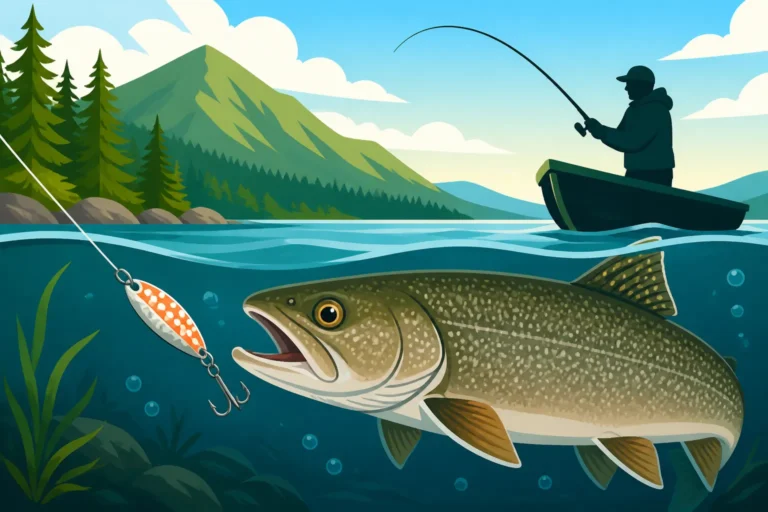
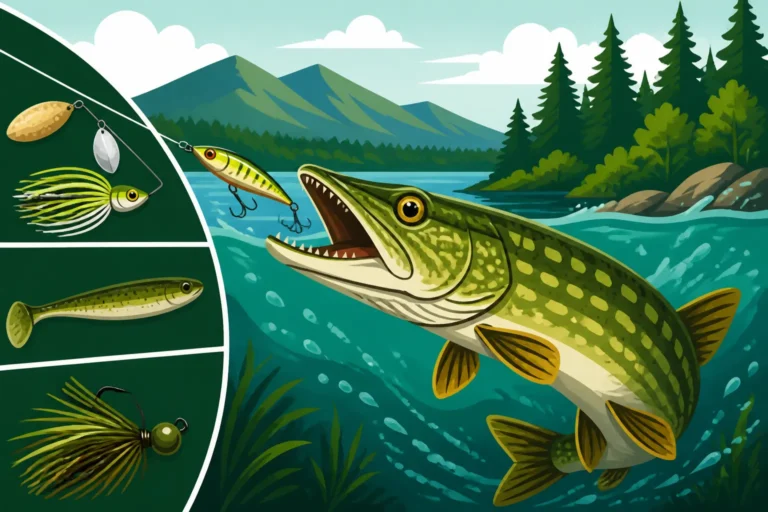
When it comes to lures for post-ice-out salmon, the goal is almost always to imitate a smelt. These are their primary forage, and early in the season, salmon are keyed in on them. Small, slender spoons are incredibly effective. Think classic patterns like the Mooselook Wobbler, Sutton Spoon, or various flutter spoons in silver, blue, pearl, or even a chartreuse color. Sizes typically range from 1/8 oz to 1/2 oz, depending on the conditions and depth you're targeting. Hard stickbaits, often referred to as minnow plugs, are another excellent option. Brands like Rapala (e.g., Original Floater, Husky Jerk) or Yo-Zuri make fantastic smelt imitations. Choose models that dive shallow and have a tight wobbling action. The key is to find lures that mimic a wounded or darting baitfish without being overly aggressive. Beyond artificials, live bait can be incredibly effective. A live smelt or shiner, hooked lightly through the back or lips, fished under a small float or slow-trolled, is often irresistible to salmon. Having a variety of these options in your "Tackle Box Setup for New Hampshire Anglers" will serve you well.
Here's a quick overview of popular lure choices for ice-out salmon:
| Lure Type | Recommended Sizes | Best Colors | Typical Application | Notes |
|---|---|---|---|---|
| Flutter Spoons | 1/8 oz – 1/2 oz | Silver, Blue, Pearl, Chartreuse | Trolling, Casting, Vertical Jigging | Mimics wounded baitfish; great for slow speeds. |
| Hard Stickbaits | 2" – 4" (5cm – 10cm) | Silver/Blue, Smelt, Perch | Trolling, Casting | Tight wobble; excellent smelt imitation. |
| Live Bait | 2" – 4" Smelt/Shiners | Natural | Slow Trolling, Still Fishing, Drifting | Often irresistible, especially in clear water. |
| Small Jigs | 1/16 oz – 1/4 oz (w/ plastic) | White, Pearl, Smelt | Vertical Jigging (if fish are concentrated) | Less common, but effective when fish are deep. |
Effective Techniques for Post Ice-Out Salmon
Once you have your gear sorted, it's time to put it to use. Fishing for salmon right after ice-out is often about patience, covering water, and making subtle presentations.
Trolling Strategies
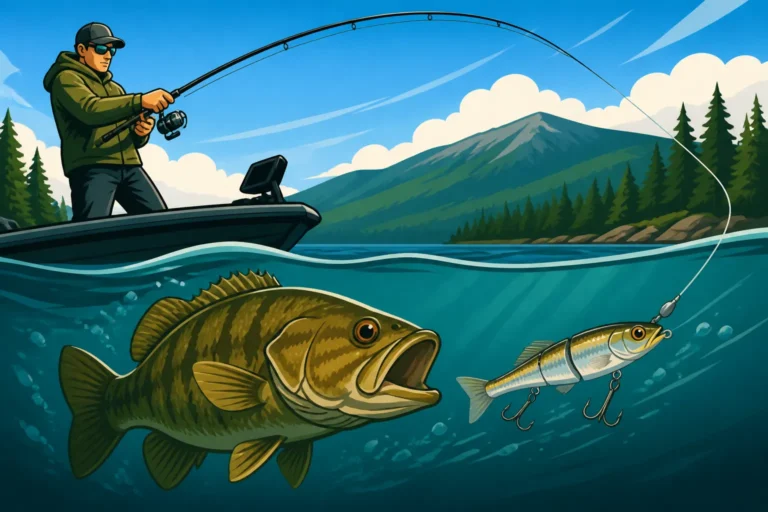
Trolling is arguably the most effective method for ice-out landlocked salmon in New Hampshire. The key here is slow and stealthy. Salmon are often cruising, and a slow, consistent presentation gives them time to react. Your trolling speed should be painstakingly slow, typically between 1.0 to 2.0 miles per hour, sometimes even slower. Experiment with speeds until you find what triggers bites. You'll want to deploy your lures relatively shallow. Use light line and small amounts of weight, if any, to keep your spoons or stickbaits in the top 10-20 feet of the water column. Planer boards can be highly effective to spread out your lines and get lures away from the boat, especially in clear water. Zig-zag patterns are also crucial; this action causes your lures to speed up and slow down, often triggering a strike as the lure changes direction. Don't be afraid to make wide turns, covering more varied depths. Many anglers focus on areas where they've seen "Rainbow Smelt as Forage Fish in New Hampshire Lakes", as the salmon will be close by. For more specific insights into this, check out our guide on "How deep to troll for salmon at Winnipesaukee" which provides valuable depth charts and strategies applicable to other lakes.
Casting and Still Fishing from Shore or Boat
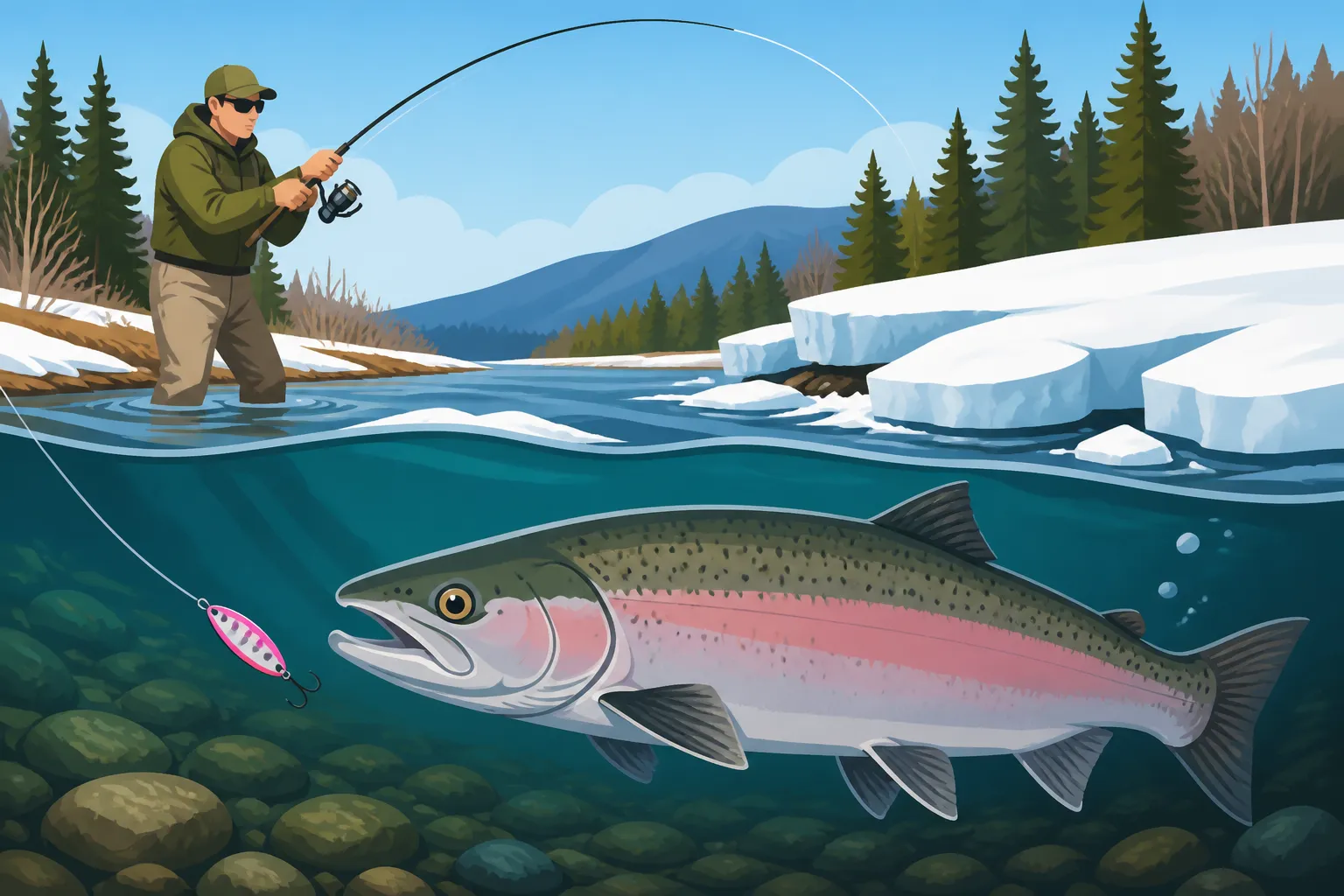
While trolling is popular, casting and still fishing can be just as effective, especially if you're targeting specific structures or don't have a boat set up for trolling. If you're fishing from shore, target rocky points, break lines, or areas near stream inlets. Cast slender spoons or shallow-diving stickbaits, allowing them to sink briefly before retrieving with a slow, erratic retrieve that mimics a struggling baitfish. Vary your retrieve speed and add pauses to entice a strike. For boat anglers, anchoring strategically near a promising point or shoal and casting out can be deadly. You can also deploy live smelt or shiners under a bobber or on a simple bottom rig. Let the bait drift naturally or slowly retrieve it. This passive approach often works well when salmon are less aggressive or when fishing in a concentrated area where you suspect they are holding. Remember, the water is cold, and the salmon's metabolism is lower than in summer, so a slower, more natural presentation is often best. Many of these techniques can be enhanced by reliable gear, with a wide array of options available through "Amazon."
Reading the Water and Adjusting Tactics
Landlocked salmon after ice-out can be fickle, and success often comes down to being observant and adaptable. Always pay attention to the water temperature; even a difference of a degree or two can concentrate fish in certain areas. A portable temperature gauge is an invaluable tool. Look for any signs of baitfish activity – flicking on the surface, or even bird activity (gulls diving can indicate smelt schools). Observe your surroundings: Is the sun warming a particular cove? Is there any wind creating a current that might push bait? Don't be afraid to change your lure color, size, or even your trolling speed if you're not getting bites. If the sun is high and bright, salmon might move slightly deeper or closer to shade, becoming more cautious. On cloudy days, they might be more aggressive and willing to stay shallower. This constant adjustment is what makes early season salmon fishing so challenging and rewarding. Keeping a fishing log, even a simple one, can help you track what worked and where, helping you understand "The Best Time of Year to Fish in New Hampshire" for salmon.
Safety and Regulations Considerations
Beyond the fishing techniques, there are critical considerations for safety and legality when chasing ice-out salmon in New Hampshire. Early spring conditions demand respect and adherence to rules.
Cold Water Safety
This cannot be stressed enough: cold water is extremely dangerous. Even on a seemingly mild spring day, the water temperature can be lethal if you unexpectedly enter it. Hypothermia is a real and present danger. Always wear a U.S. Coast Guard-approved personal flotation device (PFD) – don't just have it in the boat, wear it. Dress in layers, including waterproof outer layers, and always tell someone where you're going and when you expect to return. Consider carrying a change of clothes in a dry bag and an emergency blanket. If you're on a boat, make sure all your "Life Jacket Requirements for New Hampshire Boaters" are met, and that your boat is in good working order before you even launch. A moment of carelessness can have serious consequences.
Understanding New Hampshire Regulations
Before you even wet a line, make sure you're up to date on all the latest fishing regulations for New Hampshire. Landlocked salmon often have specific season dates, bag limits, and sometimes even minimum length limits that can vary by water body. The New Hampshire Fish and Game Department publishes a freshwater fishing digest annually, which is your go-to resource. Pay close attention to any special regulations for the particular lake or pond you're fishing. For instance, specific lakes might have different opening dates or possession limits for certain species. Being informed is not only about avoiding penalties for "Fishing Without a License in New Hampshire: Penalties" but also about ensuring the sustainability of these incredible fisheries for future generations. Make sure you know when the season for "New Hampshire Landlocked Salmon Regulations" opens and what the daily limits are. You can always refer to the most current rules by "Reading the New Hampshire Freshwater Fishing Digest" on the NH Fish and Game website.
Disclaimer
Please note that fishing conditions and regulations can change frequently. Always consult the most current New Hampshire Fish and Game Department regulations before heading out on the water. This guide is for informational purposes only and does not supersede official regulations.