Rainbow Smelt as Forage Fish in New Hampshire Lakes
Have you ever wondered why certain New Hampshire lakes consistently produce those incredible trophy game fish, while others, seemingly just as beautiful, leave you scratching your head? It often boils down to the intricate web of life beneath the surface, and at the heart of that web in many of our best waters is a humble yet critically important fish: the rainbow smelt. This guide is going to take a deep dive into why these small, shimmering fish are the unsung heroes of New Hampshire's most productive fisheries, and how understanding their role can revolutionize your approach to angling in the Granite State.
What Exactly Are Rainbow Smelt?
Rainbow smelt (Osmerus mordax) are often overlooked by the casual angler, but they are far more than just "baitfish." These small, silvery, streamlined fish are a keystone species in many of New Hampshire's coldwater lake ecosystems, providing a vital food source for some of our most sought-after game fish. They're part of a complex food web, and their presence, or lack thereof, can dramatically shape the size and health of predator populations. Understanding what they are and how they live is the first step to appreciating their profound impact.
Identification and Habits
When you hold a rainbow smelt, you’ll notice their slender body, typically growing to about 6 to 9 inches, though some can reach up to a foot in length. Their coloration is usually olive-green on the back, fading to a silvery white on their sides and belly, often with an iridescent purplish-pink band running laterally – hence the "rainbow" in their name. They have an adipose fin, a small fleshy fin on their back behind the dorsal fin, which is a tell-tale sign of salmonid-related species, even though smelt aren't true salmonids. One of their most distinctive features, however, is their cucumber-like smell when fresh out of the water, a scent that’s unmistakable once you've encountered it.
These fish are primarily pelagic, meaning they inhabit the open water column of lakes and estuaries, often forming dense schools. During the day, they typically stay in deeper, cooler waters, often suspending over depths. As dusk approaches and into the night, they tend to move towards shallower areas or closer to the surface to feed on zooplankton, insect larvae, and smaller invertebrates. This nocturnal feeding pattern makes them a challenge to target directly with conventional fishing methods during daylight hours, but it’s precisely this behavior that makes them accessible forage for larger predators who are constantly on the prowl. Their schooling behavior is a key survival strategy, offering protection in numbers, but also making them an attractive, energy-rich target for hungry lake trout or landlocked salmon.
Life Cycle and Spawning
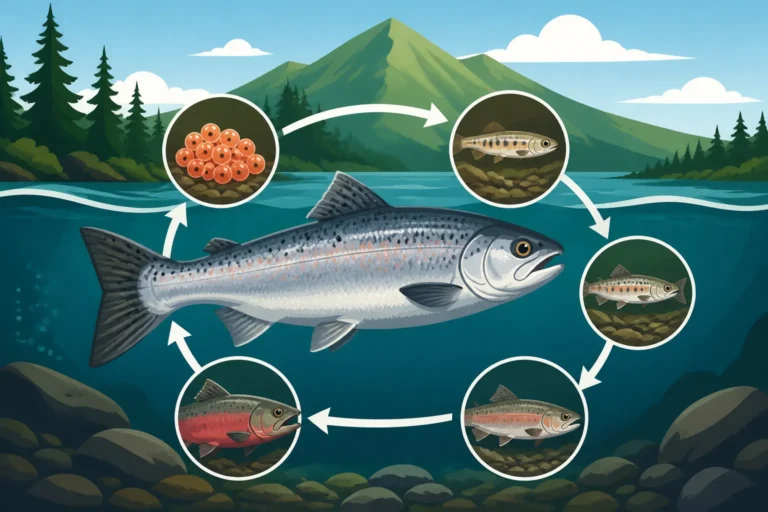
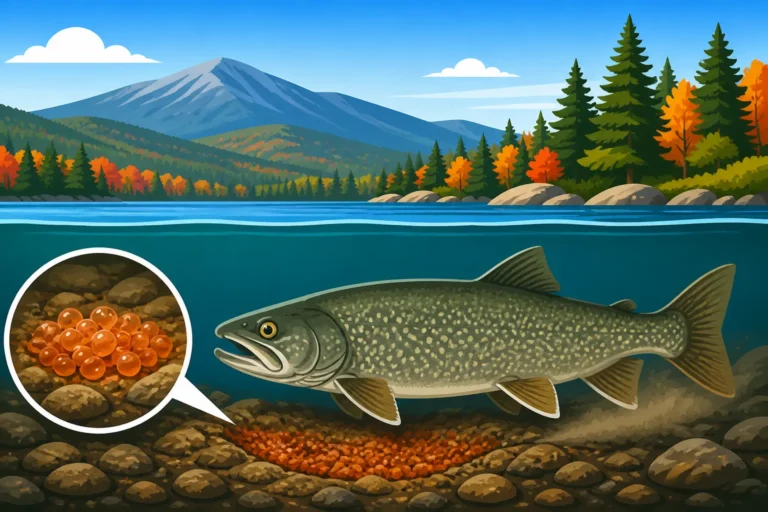
The life cycle of the rainbow smelt is fascinating and plays a crucial role in their availability as forage. Smelt are anadromous in some parts of their range, migrating from saltwater to freshwater to spawn, but in New Hampshire's landlocked lakes, they complete their entire life cycle in freshwater. Spawning typically occurs in early spring, often right after ice-out, when water temperatures reach around 40-50°F (4-10°C). This is a truly spectacular event, as thousands upon thousands of smelt will migrate from the deeper parts of the lake into shallow tributaries, river mouths, or even along rocky shorelines. They prefer areas with clean gravel or rocky bottoms and some current.
The females will deposit their adhesive eggs onto the substrate, which are then fertilized by the males. This mass spawning event creates an incredible feeding frenzy for anything that eats fish eggs, and even larger predators will stage near these spawning grounds to feast on the concentrated schools of smelt. Think about lake trout gorging themselves during this time; it's a prime opportunity for them to pack on weight. The eggs hatch relatively quickly, and the tiny larvae drift downstream or into the open lake, where they begin their lives as part of the zooplankton community before growing into juvenile smelt. This annual cycle of migration and reproduction not only ensures the continuation of the smelt population but also provides critical, high-energy food sources for a vast array of New Hampshire wildlife, from fish to birds and even mammals, demonstrating their irreplaceable position in the ecosystem.
The Pivotal Role of Rainbow Smelt in New Hampshire's Ecosystems
It's hard to overstate the importance of rainbow smelt in New Hampshire's aquatic food webs. They are more than just another species; they are a lynchpin that connects the microscopic world of plankton to the apex predators that draw anglers from all over. Without a healthy smelt population, the entire structure of a coldwater lake fishery would be profoundly different, and arguably, far less vibrant and productive.
Food Web Foundation
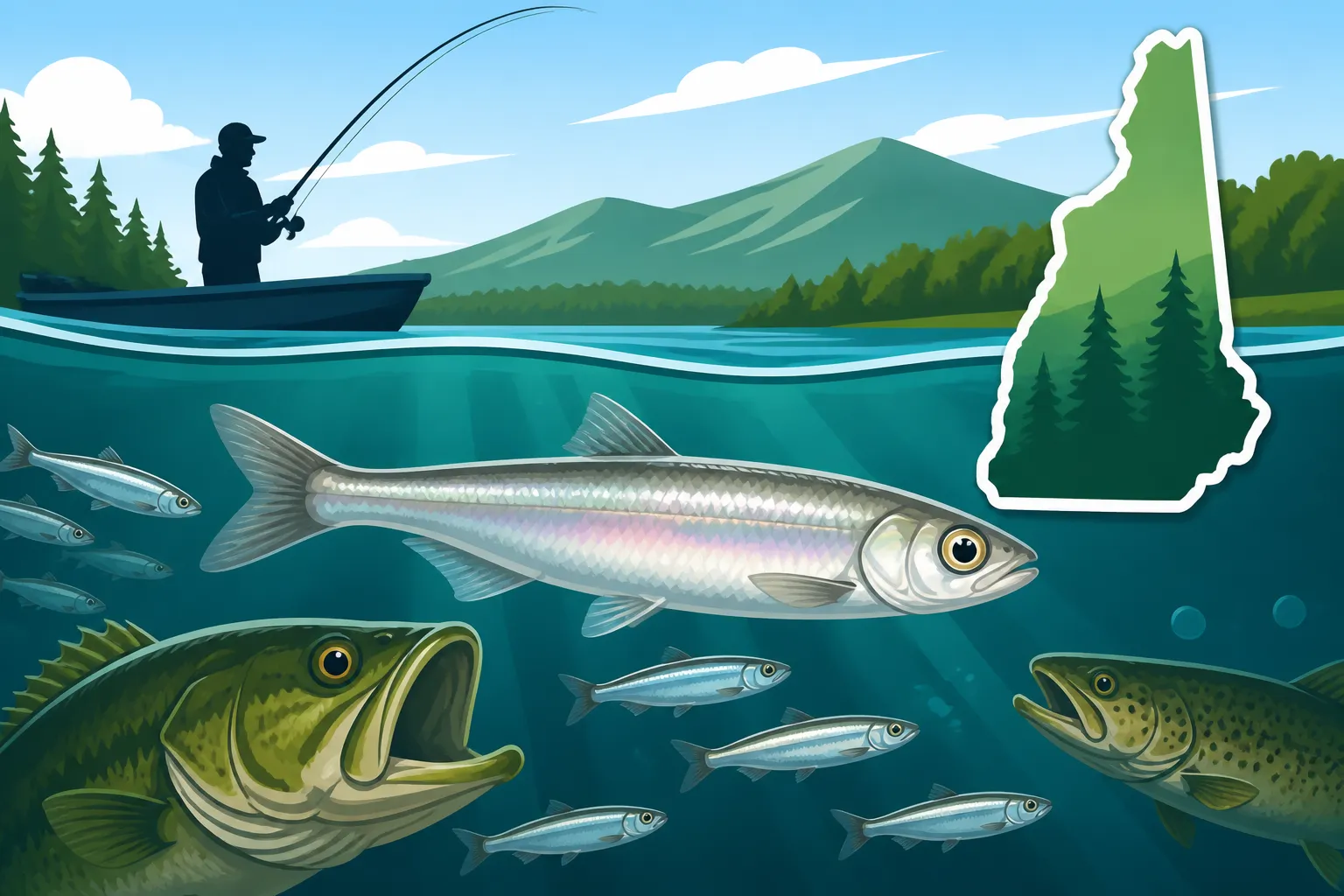
Rainbow smelt serve as the primary forage base for many of New Hampshire's most prized game fish. Imagine a pyramid, where plankton are at the very bottom. Smelt eat that plankton, converting tiny organisms into digestible protein and fat. Then, larger fish like landlocked salmon, lake trout, and even sometimes smallmouth bass, consume the smelt. This makes smelt the crucial middleman, efficiently transferring energy up the food chain. Without this efficient transfer, predators would struggle to find enough food to grow to impressive sizes. A lake with a robust smelt population generally supports healthier, larger, and more numerous predator fish.
Consider a large body of water like Lake Winnipesaukee or Lake Winnisquam. These expansive lakes support thriving populations of lake trout and landlocked salmon precisely because they have abundant rainbow smelt. The fat and protein content of smelt is exceptionally high, providing the concentrated energy these predatory fish need to grow quickly and reach trophy dimensions. Anglers targeting Lake Winnipesaukee Lake Trout Fishing know that understanding smelt movements is key to finding those big lakers. If smelt populations decline, perhaps due to environmental changes or overharvest, the ripple effect on the entire ecosystem can be devastating, leading to stunted growth in game fish, reduced survival rates, and ultimately, a less appealing fishery for anglers. It's a delicate balance, and smelt are right at the heart of it.
Indicator Species
Beyond their role as a food source, rainbow smelt can also act as an important "indicator species" for the overall health of a coldwater lake. Because they are sensitive to changes in water temperature, oxygen levels, and water quality, a thriving smelt population often signifies a healthy, stable coldwater environment. Conversely, a decline in smelt can signal underlying environmental problems, such as pollution, excessive nutrient loading, or warming water temperatures that are making the lake less hospitable for coldwater species.
For example, if a lake starts experiencing lower dissolved oxygen levels in its deeper waters during the summer, the smelt, being coldwater-dependent, will be stressed. This stress can impact their reproduction, growth, and survival, leading to a noticeable drop in their numbers. Scientists and fisheries managers often monitor smelt populations closely because they provide valuable insights into the ecological integrity of a lake. If a lake can no longer support its smelt, it's a strong warning sign that other coldwater species, like lake trout and salmon, are likely to suffer as well. So, when you're out on the water and seeing healthy numbers of smelt, it's not just good news for the fish you're trying to catch, but also a reassuring sign that the lake itself is in good shape. This vital connection highlights why careful management and conservation of smelt populations are so important for the long-term health of New Hampshire's unique aquatic environments.
Lakes Where Rainbow Smelt Thrive in New Hampshire
New Hampshire is blessed with numerous pristine lakes and ponds, but not all of them are suitable homes for rainbow smelt. These fish have specific environmental requirements, primarily favoring deep, cold, and clear waters with high oxygen levels. Understanding where they thrive helps us predict where we're most likely to find their predators, and consequently, where the best fishing opportunities lie for species like salmon and lake trout.
Ideal Habitat Conditions
Rainbow smelt are truly coldwater specialists. They require lakes that are deep enough to maintain a stable layer of cold water, known as the hypolimnion, throughout the summer months. This cold water typically needs to be well-oxygenated, a characteristic often found in oligotrophic or mesotrophic lakes – those with relatively low to moderate nutrient levels and clear water. Lakes that are shallow or experience significant nutrient pollution (eutrophication) often warm too much in the summer or suffer from oxygen depletion in their deeper zones, making them unsuitable for smelt.
Beyond temperature and oxygen, smelt also prefer lakes with specific spawning habitats, as we touched on earlier. Access to clean gravelly or rocky tributaries, or even wave-washed shorelines with suitable substrate, is critical for their reproductive success. A lake might have the right thermal stratification, but if it lacks appropriate spawning areas, its smelt population will struggle. The presence of these ideal conditions is what makes a handful of New Hampshire lakes truly exceptional for species that depend on smelt, creating a natural nursery and pantry for the larger game fish.
Key New Hampshire Lakes
While many smaller bodies of water might have transient smelt populations, certain New Hampshire lakes are renowned for their consistent and robust smelt fisheries. These are generally the larger, deeper, and colder glacial lakes that characterize much of the state's picturesque landscape.
Here's a look at some of the most notable:
| Lake Name | Primary Game Fish Benefiting from Smelt | Key Characteristics for Smelt |
|---|---|---|
| Lake Winnipesaukee | Lake Trout, Landlocked Salmon | Deep, cold, high oxygen, vast |
| Squam Lake | Lake Trout, Landlocked Salmon, Bass | Deep, clear, good oxygen |
| Newfound Lake | Lake Trout, Landlocked Salmon | Exceptionally deep and clear |
| Sunapee Lake | Landlocked Salmon, Lake Trout | Deep, clear, excellent forage |
| Winnisquam Lake | Lake Trout, Landlocked Salmon | Deep, productive, good spawning |
| Merrymeeting Lake | Lake Trout, Landlocked Salmon | Deep, clear, good structure |
These lakes represent the "gold standard" for coldwater fishing in New Hampshire, largely due to their ability to support thriving smelt populations. Anglers frequently consult resources like the New Hampshire Trout Stocking Report and Map or guides for specific lakes like the Squam Lake Fishing Guide or Newfound Lake Fishing Guide to understand where they might find the best conditions. When you plan a trip to one of these magnificent waters, you’re not just casting for fish; you're engaging with an ecosystem where the tiny rainbow smelt plays an outsized role in the angling success stories that unfold. The sheer volume of smelt in these waters ensures that the predators have an almost endless supply of high-quality food, allowing them to grow large and strong, creating the fantastic fisheries we all cherish.
How Rainbow Smelt Influence Fishing Success
Understanding the life cycle and habitat of rainbow smelt isn't just academic; it has direct, practical implications for how you fish in New Hampshire. When you grasp how and where game fish interact with their primary food source, you unlock new strategies and significantly increase your chances of success. It's about thinking like a predator and anticipating their movements and feeding patterns.
Game Fish Behavior Changes
The presence and behavior of rainbow smelt dictate where and when game fish like lake trout and landlocked salmon feed. These predators are highly opportunistic, always seeking the most energy-efficient meal. Since smelt often move vertically in the water column throughout the day – staying deep in cooler water during daylight hours and moving shallower at night or during low light – the game fish will follow.
- Vertical Migration: During the bright daylight hours, when smelt are deep, lake trout and salmon will often be found suspended in the same thermocline or slightly below the smelt schools, waiting for an easy meal. This is why deep trolling and vertical jigging are so effective during mid-day.
- Low Light Feeding: At dawn, dusk, and into the night, as smelt move up to feed, the predators will also move into shallower waters or nearer to the surface. This creates prime opportunities for topwater presentations for salmon, or even shallow trolling for lakers. This is particularly true during their spawning runs in early spring, when vast concentrations of smelt moving into rivers or along shorelines create a buffet that draws in the largest predators. For those interested in this specific technique, exploring Best Techniques for Early Spring Trout can provide valuable insights.
- Seasonal Patterns: The annual spawning run of smelt in early spring is a critical time. Predator fish will stage near these spawning grounds, gorging themselves on the easily accessible smelt. This also means that during other times of the year, if smelt are scarce or widely dispersed, the game fish will also be more scattered and harder to locate. Knowing When New Hampshire bass season reopens for harvest or New Hampshire Lake Trout Ice Fishing Season Dates often means knowing when the local forage is most active.
Understanding these behavioral patterns means you're not just casting blindly; you're strategically targeting areas and depths where the buffet is open for business.
Angler Strategies and Lure Selection
Armed with knowledge about smelt, anglers can make much more informed decisions about their approach. The key often lies in "matching the hatch" – imitating the size, shape, and flash of a smelt.
- Lure Imitation: For trolling, which is a staple for lake trout and landlocked salmon in New Hampshire, lures that mimic smelt are incredibly effective. Think about slender stickbaits, spoons with a darting action, or soft plastics rigged to swim like a wounded baitfish. Colors should often lean towards silver, white, blue, or even a subtle green to match the iridescent shimmer of a smelt. Brands offer a huge array of these lures, and exploring options on platforms like Amazon can reveal many excellent choices for smelt imitation.
- Depth and Location: When lake trout are suspended deep, as they often are in summer, employing downriggers or lead core line to get your lure into the thermocline where smelt are holding is essential. Similarly, for landlocked salmon, which often cruise near the surface in cooler water, shallow trolling with planer boards or simply flatlining can be deadly. Resources like Best Lures for Lake Trout Trolling or How to Troll for Lake Trout in New Hampshire delve into these techniques in detail.
- Ice Fishing Considerations: During the hardwater season, smelt are still the primary target for many predator fish. Ice anglers often use small jigs, often tipped with a piece of actual smelt or other bait, to mimic a struggling smelt. Some ice fishing guides will even set up multiple tip-ups with dead smelt on the bottom to attract cruising lake trout. Jigging for Perch Through the Ice can sometimes catch smelt bycatch, indicating their presence, which is a good sign for larger fish.
- Sonar Use: A good fish finder becomes an invaluable tool for locating smelt schools. Being able to mark baitfish is often more important than marking individual large fish. If you find a dense school of bait on your sonar, chances are the game fish aren't far behind. Understanding Best Fish Finders for New Hampshire Lakes is crucial for effective smelt-based angling.
By aligning your techniques and gear with the movements and appearance of rainbow smelt, you move beyond guesswork and into a more calculated, effective style of fishing. It's truly about understanding the intricate dance between predator and prey in New Hampshire's deep, cold waters.
Conservation and Management of Rainbow Smelt
The critical role of rainbow smelt in New Hampshire's lake ecosystems means their conservation and careful management are paramount. These delicate fish face a variety of threats, both natural and human-induced, and the New Hampshire Fish and Game Department plays an active role in monitoring and protecting their populations to ensure the continued health of our coldwater fisheries.
Threats to Smelt Populations
Rainbow smelt, despite their abundance in some waters, are not invincible. Their populations can fluctuate dramatically due to several factors:
- Habitat Degradation: Smelt require clean, cold, and well-oxygenated water. Pollution from runoff, development along shorelines, and increased nutrient loading can degrade water quality, particularly in deeper waters where smelt reside, leading to oxygen depletion. This is especially true during warm summer months when water temperatures rise. Erosion and sedimentation can also damage the gravelly spawning habitats they rely on in streams and along shorelines.
- Climate Change: As lake temperatures gradually warm, the availability of suitable coldwater habitat for smelt shrinks. Lakes with marginal coldwater zones might become entirely unsuitable, pushing smelt into even deeper, more confined areas, or eliminating them altogether. This directly impacts the carrying capacity of lakes for species like lake trout and salmon.
- Overharvest: While New Hampshire fishing regulations are in place to prevent overharvest, localized pressure on spawning runs can impact populations, particularly if large numbers are taken as bait or for consumption. New Hampshire Fishing Regulations Explained covers these rules, but angler compliance is key.
- Invasive Species: The introduction of non-native species can disrupt the delicate balance. For example, some invasive zooplankton or other baitfish might compete with smelt for food or consume smelt eggs, further stressing populations.
- Altered Hydrology: Changes to stream flows or damming of tributaries can block smelt from accessing their traditional spawning grounds, interrupting their reproductive cycle.
Understanding these threats helps us appreciate why diligent conservation efforts are so vital for these small but mighty fish.
Conservation Efforts by NH Fish & Game
The New Hampshire Fish and Game Department recognizes the immense value of rainbow smelt and implements various strategies to protect them and the fisheries they support:
- Population Monitoring: Biologists regularly conduct surveys using trawls, gill nets, and visual observations during spawning runs to assess smelt population health, age structure, and abundance in key lakes. This data helps them understand trends and identify potential issues early on.
- Habitat Protection: NH Fish and Game works with other state agencies, conservation groups, and local communities to protect and restore critical smelt habitats, especially spawning areas. This includes promoting best management practices for land use around lakes and streams to minimize runoff and preserve water quality.
- Fishing Regulations: Specific regulations are often in place regarding the harvest of smelt, especially during spawning periods. These might include limits on the number of smelt that can be taken, restrictions on gear (e.g., dip nets), and seasonal closures. These rules are designed to allow a healthy portion of the population to spawn successfully. You can find details on these in the Reading the New Hampshire Freshwater Fishing Digest. For instance, ice fishing regulations in New Hampshire often include specific allowances for smelt dipping, balancing recreational harvest with conservation.
- Education and Outreach: Educating anglers and the public about the importance of smelt and how to responsibly harvest them is a continuous effort. Understanding the regulations and the "why" behind them fosters a sense of stewardship among the angling community.
- Research: Ongoing research helps scientists better understand smelt biology, their interactions with other species, and their response to environmental changes. This scientific understanding forms the basis for effective management decisions.
The health of New Hampshire's world-class landlocked salmon and lake trout fisheries is inextricably linked to the well-being of its rainbow smelt populations. By supporting and adhering to the conservation efforts of NH Fish and Game, anglers play a crucial role in safeguarding this vital forage fish and ensuring the future of our incredible coldwater angling opportunities. The shimmer of a smelt in the clear waters of a New Hampshire lake is not just a sign of food for a trophy fish, but a testament to a healthy and vibrant ecosystem.
Disclaimer
This article is for general informational purposes only and does not constitute professional advice. Laws, prices and regulations vary by location and change over time. Consult a qualified professional for guidance on your specific situation.