Lake Winnipesaukee Lake Trout Fishing
There's a special kind of thrill, and sometimes a whole lot of frustration, that comes with pursuing lake trout in a vast, deep water body like Lake Winnipesaukee. You know they're there – those legendary, hard-fighting lakers – but finding them, understanding their elusive habits, and getting them to bite can feel like cracking a secret code. This comprehensive guide is dedicated to demystifying lake trout fishing on New Hampshire's largest lake, giving you the insights and techniques you need to turn those challenging days into unforgettable victories.
Understanding Lake Winnipesaukee's Lake Trout Population
Lake Winnipesaukee, affectionately known as "The Big Lake," isn't just a picturesque vacation spot; it's a prime habitat for cold-water fish, none more iconic than the lake trout. These magnificent fish are a testament to the lake's ecological health and offer an incredible challenge to anglers.
Biology and Habitat Preferences
Lake trout (Salvelinus namaycush) are a species of char, closely related to brook trout and Arctic char, but adapted for life in large, cold, deep lakes. In Lake Winnipesaukee, they thrive because the lake maintains suitable cold water temperatures even during the warmest summer months, thanks to its impressive depth. These fish are true predators, often lying in wait for their prey near structure or along drop-offs. They possess a sleek, torpedo-shaped body, dark green to grayish in color with light spots, perfectly designed for navigating the deep waters.
Their diet is predominantly made up of baitfish, and in Winnipesaukee, the rainbow smelt is king. Smelt are the primary forage for lake trout, and understanding the smelt's movements and depths is often the key to locating feeding lakers. If you can find the smelt, you'll likely find the lake trout. This dependency on smelt means that shifts in the smelt population or their behavior directly impact where and how you might find lake trout.
Seasonal Movements and Behavior Patterns
Lake trout are highly sensitive to water temperature, dictating their movements throughout the year. As a rule of thumb, they prefer water temperatures in the 40s and 50s Fahrenheit, which means they're constantly seeking thermal comfort.
- Spring (Ice-out to early June): Right after ice-out, the entire lake is cold, allowing lake trout to be found relatively shallow, sometimes even near the surface. This is a fantastic time for shore anglers or those in smaller boats to target them, as they'll be cruising shallower rocky points and coves. As the surface water warms, they'll gradually move deeper, following the cold water and their food source.
- Summer (June to September): This is when lake trout truly become deep-water specialists. They retreat to the cooler depths, often concentrating in areas where the thermocline (the layer where water temperature changes rapidly with depth) provides their preferred temperature range. They'll relate heavily to deep structures like underwater humps, ledges, and channels, always in pursuit of smelt. This is arguably the most challenging time to catch them without specialized gear.
- Fall (September to November): As the lake's surface cools and the water begins to "turn over" (mixing the surface and deep water), lake trout become more active and start moving shallower again, preparing for their spawning ritual. They become much more accessible to anglers, often found in 20-40 feet of water. This is a prime time for trophy fish.
- Winter (Ice Fishing Season): Once Lake Winnipesaukee freezes over, ice fishing for lake trout becomes a popular pursuit. They'll still hold to deep structures but can also be found suspended at various depths. They remain active under the ice, offering a unique opportunity for anglers who brave the cold. For more insights on this chilly pursuit, check out our guide on Best Techniques for Ice Fishing Lake Trout.
Trophy Potential and Size Expectations
Lake Winnipesaukee is renowned for producing impressive lake trout. While the average lake trout you'll encounter might range from 2 to 5 pounds, fish in the 8-15 pound range are common for persistent anglers. The lake holds the potential for true giants, with the state record lake trout coming from Winnipesaukee, weighing in at a whopping 28 pounds! This kind of potential is what keeps anglers coming back, year after year, hoping to hook into their fish of a lifetime. These larger fish are often older and wiser, requiring patience and refined techniques.
Prime Lake Trout Fishing Spots on Winnipesaukee
With over 40,000 acres and 250 islands, Lake Winnipesaukee can be incredibly daunting for the uninitiated. Knowing where to start looking for lake trout can drastically cut down your search time and increase your success. It’s all about understanding the topography beneath the surface.
Deep Water Structures and Basins
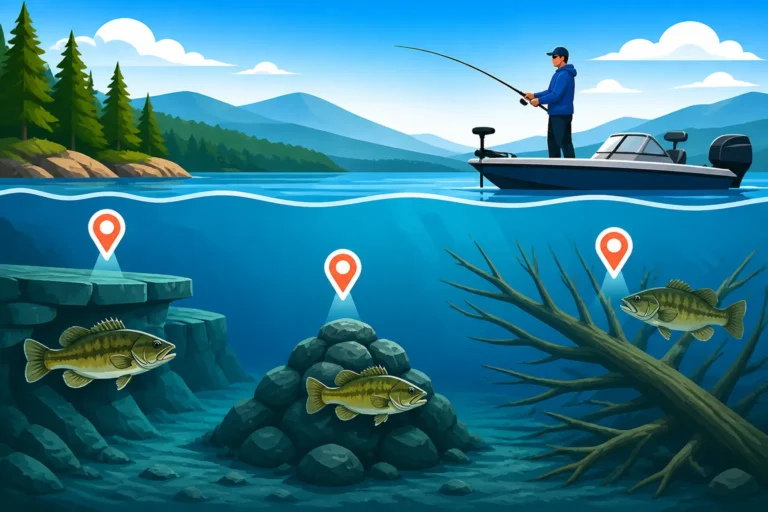
Lake trout are structure-oriented fish, especially in deeper water. They use underwater features for ambush points, protection, and as staging areas for feeding. Winnipesaukee is full of these features, from massive, sprawling basins to sharp, distinct humps and ledges.
- The Broads: Without a doubt, "The Broads" is the most iconic deep-water area on Lake Winnipesaukee for lake trout fishing. This vast, deep expanse in the central part of the lake offers depths exceeding 150 feet in some areas. Lakers here often suspend at various depths, chasing schools of smelt. When fishing The Broads Lake Winnipesaukee lake trout fishing, pay close attention to your fish finder for bait balls and any arches indicating predator fish. Trolling is the primary method here, covering large expanses of water.
- Underwater Humps and Ledges: Throughout the lake, especially near the entrances to deeper basins or along the main lake channel, you'll find submerged humps and sudden drop-offs. These are prime ambush points for lake trout. Look for areas where the depth rapidly changes from, say, 30 feet to 80 feet or more. Fishing the edges of these structures, where the bottom contour provides a distinct break, can be incredibly productive. These spots often hold pockets of colder water and concentrate baitfish.
Specific Coves and Hotspots
While deep, open water is crucial, certain coves and areas, particularly those with deep access and consistent baitfish presence, can become lake trout hotspots. These aren't necessarily shallow coves, but rather those with quick access to deep water.
- Rattlesnake Island and Nearby Structures: The waters surrounding Rattlesnake Island, with its deep-water access and varied underwater topography, are known lake trout producers. Similarly, areas around the larger islands that drop off quickly into deep channels can be excellent.
- The Northern End of the Lake: The northern section of Winnipesaukee, particularly around Meredith and Center Harbor, also offers significant deep-water habitat. While perhaps not as renowned as The Broads, these areas still hold excellent lake trout populations and can be less pressured. These areas often have good public access points, which can be useful when planning your trip. For information on local access, consider checking out our guide to Best boat ramps on Lake Winnipesaukee.
Ice Fishing Hotspots
When the lake freezes solid, a whole new dimension of lake trout fishing opens up. Ice anglers target similar deep-water structures, but access becomes paramount.
- Weirs Beach Area: While bustling in summer, the deep waters off Weirs Beach can be an ice fishing hotspot for lake trout, offering relatively easy access from shore once the ice is safe.
- Alton Bay: Alton Bay is often one of the first areas to freeze solid enough for safe ice fishing and has excellent deep water access. Lake trout can be found here, often suspending near drop-offs. Always prioritize safety and check ice thickness before venturing out. Remember to consult official sources for guidance on how thick ice needs to be before New Hampshire anglers fish it.
Essential Gear and Tackle for Winnipesaukee Lake Trout
Targeting lake trout on Lake Winnipesaukee isn't like casting for panfish in a farm pond. These are powerful, deep-dwelling fish, and your gear needs to be up to the task. Investing in the right equipment will make a significant difference in your success and enjoyment.
Rods, Reels, and Line Configurations
Your setup needs to handle strong runs, heavy weights, and the abrasive nature of deep-water fishing.
- Rods: For trolling, a medium-heavy action rod, around 7 to 9 feet long, is ideal. Look for a rod with a soft tip to absorb the shock of a strike and detect subtle bites, but with plenty of backbone to fight a large fish. A good example might be a Fenwick HMG or Ugly Stik GX2 in the appropriate rating. For jigging, a shorter (6-7 foot) medium-heavy to heavy action rod with a fast tip will give you the sensitivity to work your lure and detect strikes.
- Reels: A sturdy baitcasting reel with a good drag system and high line capacity is a must for trolling. Brands like Daiwa, Penn, or Shimano offer reliable options. Look for reels that can hold at least 200 yards of 20-30 pound monofilament or braided line. For deep-water jigging, a high-quality spinning reel in the 3000-4000 series can work, but a baitcasting reel often offers more control over line descent and retrieval of heavy jigs.
- Line: The choice of line is critical. Many anglers opt for braided mainline (30-50 lb test) due to its strength and lack of stretch, which provides excellent sensitivity. However, a fluorocarbon leader (10-20 lb test) is almost always used in conjunction with braid, as it's nearly invisible underwater and highly abrasion-resistant. For trolling with lead core line, a different setup is required, where the colored lead core is tied to a monofilament or braided backing, with a fluorocarbon leader at the business end. Check out our detailed guide on Best Trolling Gear for New Hampshire Lake Trout for more specific recommendations on line and other tackle.
Lures, Baits, and Terminal Tackle
Lake trout are predators, and your offerings need to mimic their natural prey, especially the ubiquitous rainbow smelt.
- Trolling Lures: Spoons are incredibly effective for trolling. Popular choices include the classic Dardevle, Doctor Spoon, or Michigan Stinger spoons in silver, blue/silver, or smelt patterns. Stickbaits like Rapala Deep Dive Husky Jerks or Bomber Long A's can also be very productive, especially when lakers are higher in the water column. Trolling flies, often paired with an attractor like a dodger or flasher, can also entice strikes, mimicking a school of smelt.
- Jigging Baits: For vertical jigging, heavy metal jigs like Luhr Jensen Krocodiles, Swedish Pimples, or Cast Masters in weights from 1/2 oz to 2 oz (or more in strong current/deep water) are staples. Soft plastic swimbaits, rigged on heavy jig heads, can also be deadly, especially those that mimic smelt.
- Live Bait: While artificial lures are popular, live bait, particularly live rainbow smelt, can be incredibly effective, especially when dead-sticking or ice fishing. If using live bait, ensure you understand the regulations regarding baitfish collection and use in New Hampshire. Using a bait shop such as Paugus Bay Sporting Goods or Wild Bill's Bait & Tackle is a reliable option for local bait.
- Terminal Tackle: Always use high-quality swivels, snap swivels, and split rings to prevent line twist and ensure lure action. A good selection of varying leader strengths and lengths is also essential.
Electronics and Accessories
Modern fishing electronics have revolutionized deep-water lake trout fishing, making it significantly more efficient and productive.
- Fish Finder/Sonar: A reliable fish finder with good down-imaging and side-imaging capabilities is invaluable. It allows you to mark baitfish schools, individual lake trout, and crucial underwater structure. You’ll be able to see exactly where the fish are in the water column and adjust your lure depth accordingly. Brands like Humminbird, Lowrance, and Garmin offer excellent units with features specifically designed for deep-water species. Our guide on Best Fish Finders for New Hampshire Lakes can offer further details.
- Downriggers: For precise depth control while trolling, downriggers are indispensable. These allow you to present your lures at an exact depth, right where the fish are holding. Manual or electric models are available, with electric ones providing effortless depth adjustments and retrieval.
- Planer Boards: For covering a wider trolling spread, especially when fishing multiple lines, planer boards can be very useful. They take your lines out to the side of the boat, preventing tangles and allowing you to present lures to undisturbed fish.
- GPS/Chartplotter: Essential for navigating the lake, marking productive spots, and returning to them. Many modern fish finders integrate GPS functionality.
- Landing Net: A large, sturdy landing net with rubberized mesh is crucial for safely landing large lake trout and is also vital for proper catch and release practices.
Effective Techniques for Catching Lake Trout
Lake trout, being deep-water denizens, require specific techniques to consistently bring them to the boat or through the ice. It’s a game of depth, speed, and presentation.
Trolling Strategies
Trolling is arguably the most popular and effective method for covering water and locating lake trout in Lake Winnipesaukee, especially during the open water season.
- Depth Control is Key: Given that lake trout will often hold at very precise depths, usually correlating with water temperature and baitfish schools, accurate depth control is paramount. Downriggers are the gold standard for this, allowing you to set your lure exactly where you mark fish. Lead core line can also be effective, achieving specific depths based on the amount of line let out and boat speed. Different colors of lead core typically represent 5 feet of depth per color at a standard trolling speed.
- Speed and Lure Action: Trolling speeds typically range from 1.5 to 3.0 mph, but it's crucial to experiment. The ideal speed depends on the lure you're using and how it performs at different speeds. Watch your rod tip – it should have a rhythmic pulse, indicating the lure is working correctly. A digital speedometer on your boat or fish finder is incredibly helpful for maintaining consistent speed. For deeper dives into precise speed and lure choices, consult our article on Trolling Techniques for New Hampshire Lake Trout.
- Patterning Fish: Don't just motor around aimlessly. When you get a strike, immediately mark the spot on your GPS. Note the depth, speed, lure color, and time of day. Lake trout often congregate in schools or specific areas, and by understanding the pattern, you can often return to that spot or replicate the conditions for more success. This is where a good Lake Winnipesaukee Fishing Guide comes in handy.
Jigging Methods
Jigging, both in open water and through the ice, is another highly effective method, particularly when fish are concentrated in specific areas.
- Vertical Jigging: In open water, vertical jigging involves dropping a heavy spoon or soft plastic jig straight down to the depth where fish are marked. The technique involves sharply lifting the rod tip a foot or two, then letting the lure flutter back down on a semi-slack line. Strikes often occur on the fall, so pay close attention to your line. Experiment with the aggressiveness of your jigging motion; some days fish want an aggressive retrieve, other days a more subtle action.
- Blade Baits and Tubes: While spoons are common, blade baits and tube jigs can also be very effective. Blade baits vibrate intensely on the lift, while tube jigs, particularly in white or pearl colors, can imitate dying smelt as they fall. These can be particularly effective when you find schools of suspended lake trout.
Ice Fishing Tactics
Ice fishing for lake trout requires a slightly different approach, though the principles of depth and lure presentation remain.
- Tip-Ups vs. Jigging Rods: Many ice anglers use a combination of tip-ups and jigging rods. Tip-ups are set with live bait (often smelt or shiners) at varying depths, covering a wider area. Jigging rods are used to actively work a spoon or jig, tempting nearby lakers.
- Depth and Structure: Even under the ice, lake trout relate to deep structures. Drill holes over humps, drop-offs, and main lake basins where you've marked fish in open water. Your portable fish finder (flasher or LCD unit) is crucial for seeing your lure and any approaching fish.
- Shelter and Comfort: Given the harsh New Hampshire winters, a good ice shanty, whether portable or permanent, can make your day significantly more enjoyable and allow you to stay out longer, increasing your chances of success. For more insights on this method, check out our guide to Best Techniques for Ice Fishing Lake Trout.
Seasonal Approach to Lake Trout Fishing
Understanding the nuances of each season is crucial for consistent lake trout success on Winnipesaukee. The lake’s dynamics change dramatically throughout the year, influencing where lakers feed and how best to target them. Our comprehensive guide on Best months to catch lake trout in New Hampshire provides a great overview, but let’s delve deeper.
Spring: Post-Ice-Out Feeding Frenzy
As the ice melts away from Lake Winnipesaukee, typically in late April or early May, the entire water column is cold and oxygen-rich. This allows lake trout to roam freely and feed in shallower areas they wouldn't dare visit in summer.
- Shallow Water Opportunities: In the weeks immediately following ice-out, lake trout will often be found in the upper 20-30 feet of water, cruising rocky points, shallower humps, and even near shoreline structure, gorging on smelt that are also moving shallow. This is a fantastic time for flat-line trolling spoons or stickbaits with minimal weight, or even casting from shore in specific areas. The fish are often aggressive, having been under the ice for months.
- Shore Access Potential: For anglers without boats, this brief window after ice-out offers a rare chance to catch lake trout from accessible shorelines or public docks, especially those adjacent to deeper water. Early morning and late evening can be particularly productive as light levels are lower, making the fish less wary. However, this period is relatively short-lived; as surface temperatures rise, the lakers will quickly retreat to deeper, cooler waters.
Summer: Deep Water Pursuit
Summer transforms Lake Winnipesaukee into a warm playground, but for lake trout, it means a descent into the depths. This is when the true challenge and specialized gear come into play.
- Thermocline Fishing: The thermocline, a distinct temperature boundary layer, forms in summer. Lake trout will typically be found either just above, within, or just below this layer, which usually sits between 40-70 feet deep, depending on the specific basin and time of summer. Your fish finder is essential for locating this layer and any associated baitfish. Trolling with downriggers becomes the most efficient way to present lures accurately at these precise depths.
- Targeting Deep Structure: Focus on the deepest parts of The Broads, and around deep-water islands or underwater ledges where lake trout can find both cool water and ambush points. They will often relate to the bottom in 80-150 feet of water but can also be suspended at mid-depths if there's a good concentration of smelt. Using larger, heavier spoons or deep-diving crankbaits is common. The Best Techniques for Deep Water Summer Lake Trout guide further details these specialized tactics.
- Early Morning and Late Evening: While summer fishing is often a deep-water game, lake trout might briefly move shallower during low light conditions, especially after a cool night or a strong rain shower. Targeting rocky points at dawn or dusk can sometimes yield unexpected results.
Fall: Pre-Spawn Aggression and Shallow Movement
Fall is a favorite time for many lake trout anglers, as cooling water temperatures draw the fish shallower again, making them more accessible and aggressive as they prepare for spawning.
- Lake Turnover and Spawning Migration: As surface water cools, the lake "turns over," mixing the entire water column and refreshing oxygen levels in deeper areas. Lake trout will begin their migration towards traditional spawning grounds, which are often rocky shoals and reefs in 20-60 feet of water. This movement makes them much easier to intercept.
- Active Feeding: Lake trout will be actively feeding, building up energy reserves for spawning. This leads to aggressive strikes and excellent fishing opportunities. Trolling a variety of spoons, stickbaits, and even larger jigging spoons in shallower depths becomes highly effective. Look for schools of smelt in 30-50 feet of water, and the lakers won't be far behind.
- Color and Presentation: During fall, brighter colors can sometimes trigger strikes, as can lures with more erratic action. Experiment with different presentations until you find what the fish are keying on. For those seeking a trophy, fall offers some of the best chances. Consider consulting How to catch trophy lake trout in the fall for more advanced strategies.
Winter: Ice Fishing Excitement
When Winnipesaukee solidifies into a vast sheet of ice, it transforms into an ice angler's paradise, offering unique access to lake trout.
- Consistency Under the Ice: Lake trout remain active throughout the winter, although their metabolism slows. They still relate to deep-water structure and follow smelt. Ice fishing offers the advantage of precise presentation directly over marked fish.
- Jigging and Tip-Ups: A combination of vertical jigging with heavy spoons or tube jigs and static tip-ups baited with live smelt is the most common approach. Set your tip-ups at varying depths, from just off the bottom to suspended mid-water, until you find the productive zone. Your ice fishing electronics will be invaluable for watching fish react to your jig and detecting subtle bites.
- Safety First: Ice fishing, especially on a large lake like Winnipesaukee, demands strict adherence to safety protocols. Always check ice thickness, go with a buddy, and carry safety equipment.
Navigating Regulations and Conservation
Fishing in New Hampshire means adhering to specific rules designed to protect the fisheries and ensure sustainable angling for generations to come. Understanding and respecting these regulations is not just good practice, it's the law.
New Hampshire Fishing Regulations for Lake Trout
The New Hampshire Fish and Game Department sets specific regulations for Lake Winnipesaukee, which can differ from statewide rules due to the lake's unique characteristics and management goals.
- Size and Bag Limits: For lake trout on Lake Winnipesaukee, specific length and daily bag limits are in place. As of the most recent regulations, the daily bag limit is typically two lake trout per day, with a minimum length limit of 18 inches. However, there may be slot limits or other nuances, so it's absolutely crucial to consult the current New Hampshire Freshwater Fishing Digest. This digest is your authoritative source for all regulations, including New Hampshire Bag and Possession Limits by Species.
- Season Dates: Lake trout fishing generally remains open year-round on Lake Winnipesaukee, including during the ice fishing season. However, always double-check the latest regulations for any specific closures or special restrictions that might apply to certain methods or areas.
- License Requirements: Don't forget your fishing license! Anyone 16 years or older needs a valid New Hampshire fishing license. You can find all the details you need in our guide to the New Hampshire Fishing Regulations Explained. Ignorance of the law is not an excuse for violations, and penalties for fishing without a license can be steep.
Catch and Release Best Practices
Lake trout, especially the larger, older fish, are valuable components of the fishery. Practicing responsible catch and release, particularly for trophy-sized fish or those not intended for harvest, is vital for conservation.
- Minimize Handling: Reduce the time the fish is out of the water. Use a rubberized landing net to keep the fish contained while you prepare to unhook it.
- Wet Hands: Always wet your hands before touching the fish to protect its protective slime coat, which guards against disease.
- Support the Fish: When holding a lake trout for a photo, support its body horizontally, especially heavier fish. Avoid holding it vertically by the jaw or gills, which can damage internal organs.
- De-Hooking Tools: Keep a pair of long-nosed pliers or a de-hooking tool readily available to quickly remove hooks. If a fish is deeply hooked, especially in the gills, it's often best to cut the line as close to the hook as possible rather than attempting to rip it out.
- Revival: If the fish seems stressed or sluggish, gently hold it upright in the water by the tail and just behind the head, facing into any current or propeller wash (if in open water), until it regains its strength and swims off on its own. This is particularly important for fish brought up from deep water, which can suffer from barotrauma.
Importance of Smelt Conservation
As discussed, rainbow smelt are the lifeblood of the Lake Winnipesaukee lake trout fishery. The health of the smelt population directly impacts the health and size of the lake trout.
- Ecosystem Balance: Smelt are a critical forage fish for many species in Winnipesaukee, not just lake trout. Maintaining a healthy smelt population ensures a balanced ecosystem.
- Regulations on Smelt: There are often specific regulations concerning the harvest of smelt, whether for bait or consumption. Be aware of these rules, including daily limits and allowed methods, to ensure you are not inadvertently harming the forage base. Protecting Rainbow Smelt as Forage Fish in New Hampshire Lakes is paramount to the long-term health of our laker population.
Seasonal Lake Trout Activity Table
To help you visualize how lake trout behave throughout the year on Lake Winnipesaukee, here's a quick reference table. Remember, these are general guidelines, and daily conditions can always influence fish behavior.
| Season | Typical Depth (Feet) | Preferred Technique | Common Lures/Baits | Key Features |
|---|---|---|---|---|
| Spring | 10-40 | Trolling, Casting | Spoons, Stickbaits, Smelt | Entire lake cold, aggressive fish, shallower |
| Summer | 50-150 | Deep Trolling, Jigging | Spoons, Deep-Diving Crankbaits, Smelt | Thermocline fishing, concentrated in deeps |
| Fall | 20-60 | Trolling, Jigging | Spoons, Stickbaits, Smelt | Lake turnover, pre-spawn aggression, active |
| Winter | 40-100+ | Ice Jigging, Tip-ups | Heavy Spoons, Tube Jigs, Live Smelt | Consistent depths, electronics crucial |
Planning Your Winnipesaukee Lake Trout Adventure
Tackling Lake Winnipesaukee for lake trout is an adventure that requires planning, patience, and the right mindset. It’s a rewarding pursuit that connects you deeply with one of New Hampshire’s most majestic natural resources.
Getting Started and Local Resources
If you're new to the lake or to lake trout fishing, don't be afraid to start small. There's a learning curve, and even experienced anglers have their challenging days on Winnipesaukee.
- Local Bait and Tackle Shops: These shops are goldmines of information. They often have the most up-to-date reports on what's biting, where, and on what tackle. Shops like Paugus Bay Sporting Goods or Wildlife Sport Outfitters are invaluable resources for local insights and gear. They can also point you towards current conditions or any unexpected changes in fish behavior.
- Charter Services: For a guaranteed learning experience, consider hiring a local fishing guide or charter service. Captains who specialize in Lake Winnipesaukee lake trout fishing will have all the necessary gear, knowledge, and spots dialed in. They can drastically shorten your learning curve and increase your chances of success, especially if you're only visiting for a short period. Websites like FishingBooker can help you find experienced local guides who know the lake inside and out. They list numerous captains operating on Lake Winnipesaukee who offer lake trout trips.
- Online Forums and Community: Join New Hampshire fishing forums or online communities. These can be great places to ask questions, share experiences, and learn from other anglers. Just remember that specific "secret" spots are rarely shared publicly, but general advice is often abundant.
Weather and Water Conditions
Lake Winnipesaukee is a large body of water, and weather can change rapidly, impacting both fishing success and safety.
- Wind and Waves: High winds can quickly turn a calm lake into a dangerous one, making trolling difficult and uncomfortable. Always check the marine forecast before heading out. Fishing in a chop can sometimes trigger bites, but safety should always come first.
- Barometric Pressure: Changes in barometric pressure can affect fish behavior. A steady, rising barometer often signals good fishing, while rapidly falling pressure before a storm can make fish less active. Keep an eye on the weather, as it can be a subtle indicator of how cooperative the lake trout might be.
- Water Clarity: Lake Winnipesaukee is generally a very clear lake, which means fish can be spooky. Using fluorocarbon leaders and lighter lines can be beneficial. After heavy rains, some areas might experience temporary turbidity, which can sometimes concentrate fish or make them less wary.
Respecting the Lake
Lake Winnipesaukee is a precious resource. Always practice Leave No Trace principles, pack out everything you pack in, and be mindful of other boaters and residents. This helps ensure that the lake remains a pristine and productive fishery for everyone to enjoy for years to come. Whether you're a seasoned pro or just starting your journey, Lake Winnipesaukee offers some of the most exciting lake trout fishing in New England. With the right knowledge and a bit of persistence, you'll be well on your way to catching one of these magnificent fish.
Disclaimer
The information provided in this guide is for general informational purposes only. Fishing regulations, conditions, and best practices can change. Always consult the most current New Hampshire Fish and Game Department regulations before fishing. Exercise caution and prioritize safety when on the water.