Best early spring fishing spots in New Hampshire
Early spring in New Hampshire can be a challenging time for anglers, with unpredictable weather, lingering ice, and fish behavior that's still transitioning from winter dormancy. Many folks get antsy after months of ice fishing or no fishing at all, but finding those truly productive spots before the crowds descend can feel like a real puzzle. This guide is here to unravel that mystery, offering a comprehensive look at the best early spring fishing spots across the Granite State, helping you shake off the winter blues and hook into some fantastic catches.
Understanding Early Spring Fishing Conditions in New Hampshire
The transition from the icy grip of winter to the vibrant awakening of spring is a magical time in New Hampshire, but it brings unique challenges and opportunities for anglers. Understanding these conditions is key to finding those sweet spots where fish are most active.
The Thaw and Its Impact on Fish Behavior
When we talk about early spring, we're really talking about the period right after "ice-out" — that glorious moment when the last remnants of winter's frozen crust melt away from our lakes and ponds. This can happen anywhere from late March in southern New Hampshire to late April or even early May in higher elevations or larger, deeper lakes like Winnipesaukee. As the ice recedes, the water temperatures are still incredibly cold, often in the low 40s or even upper 30s.
Fish, being cold-blooded creatures, are heavily influenced by these temperatures. Their metabolism is still sluggish, meaning they're not expending a lot of energy or chasing baits wildly. They're often lethargic and will seek out the warmest available water, even if it's just a few degrees warmer. This might be shallow coves, dark-bottomed areas that absorb sunlight, or the very edges where snowmelt and runoff are introducing slightly warmer water. For species like brook trout, rainbow trout, and even early lake trout, this means they're not quite in their full summer feeding patterns, but they are starting to look for easy meals.
Key Environmental Factors to Consider
Beyond just temperature, several other environmental factors play a huge role in early spring fishing success. One major factor is water clarity. Snowmelt and spring rains often lead to increased runoff, which can cloud up rivers and streams, and sometimes even the shallower sections of lakes. While some species like bass might tolerate slightly stained water, trout generally prefer clearer conditions, though a little turbidity can sometimes offer them cover. Pay attention to recent rainfall and snowmelt events – clear, sunny days after a period of stable weather are often the most productive.
Oxygen levels are generally high in early spring waters, which is great for fish. However, the true game-changer is sunlight. Those first few strong, sunny days after ice-out can make a world of difference. The sun penetrates the water, warming those shallow areas and activating plankton and insect activity, which in turn draws in baitfish. This chain reaction starts to wake up the entire food web. Look for areas exposed to direct sunlight for the longest part of the day, as these will be the first places fish consider moving into for feeding or pre-spawn staging.
Top Early Spring Fishing Spots for Trout in New Hampshire
For many New Hampshire anglers, early spring means one thing: trout. The state’s active stocking program ensures plenty of opportunities, and knowing where to go first can make all the difference.
Stocked Ponds and Lakes for Eager Anglers
When that fishing itch hits hard in early spring, freshly stocked ponds and smaller lakes are often your best bet for immediate action. The New Hampshire Fish and Game Department (NHFG) works diligently to stock these waters as soon as ice-out occurs, sometimes even before it's fully gone in certain spots. These smaller bodies of water warm up significantly faster than larger lakes, making the trout more active and willing to bite. Many of these ponds are located at lower elevations, particularly in southern and central New Hampshire, offering earlier access.
Think about places like Powwow Pond in East Kingston, Canobie Lake in Salem (though access can be tricky, public shorelines exist), or Hedgehog Pond in Salem. Further north, places like Dublin Lake or Willard Pond in Antrim often see early stocking and can provide excellent shore fishing opportunities right after the thaw. The key is to check the New Hampshire Trout Stocking Report and Map as soon as it's released, as this map is your golden ticket to finding where and when the NHFG has stocked. These locations are often prime for conventional spin fishing with PowerBait, worms, or small spinners, making them incredibly accessible for anglers of all skill levels.
Freestone Rivers and Streams Coming Alive
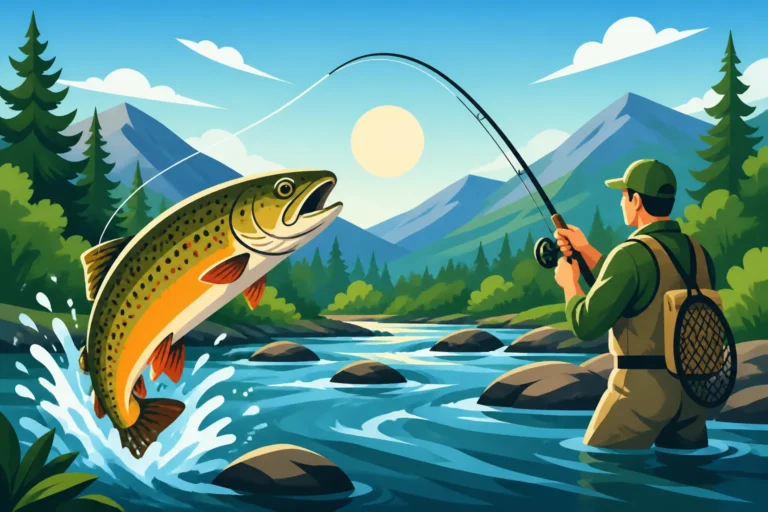
While stocked ponds get a lot of attention, New Hampshire's freestone rivers and streams also begin to awaken in early spring, offering a different kind of trout fishing experience. Many of these waters hold wild brook trout, and some are stocked with brook, brown, and rainbow trout later in the season. However, the early spring period, especially after the initial high-water runoff subsides, can be fantastic for targeting holdover trout that have survived the winter, or early wild fish.
Smaller, lower-gradient streams and the lower sections of larger rivers often become fishable first. The Pemigewasset River, particularly its lower sections near Plymouth and Franklin, can offer good early season opportunities for holdover trout, though you'll need to keep an eye on water levels. Likewise, sections of the Merrimack River and its tributaries, especially those with good public access, can yield fish as they begin to forage more actively. Focus on slower-moving pools, eddies, and the deeper pockets behind structure, as these areas offer refuge from stronger currents and often hold slightly warmer water. Fly anglers might find success with nymph patterns or small streamers, while spin anglers can use small spoons or weighted nymphs. Remember to check the New Hampshire Fishing Season Dates and Closures for specific river sections, as some waters have delayed openings or special regulations.
Early Spring Hotspots for Warmwater Species in New Hampshire
While trout often steal the early spring spotlight, warmwater species like bass and panfish are also stirring. Anglers patient enough to target them during this transitional period can be richly rewarded with some of the year's biggest fish.
Shallow Coves for Pre-Spawn Bass
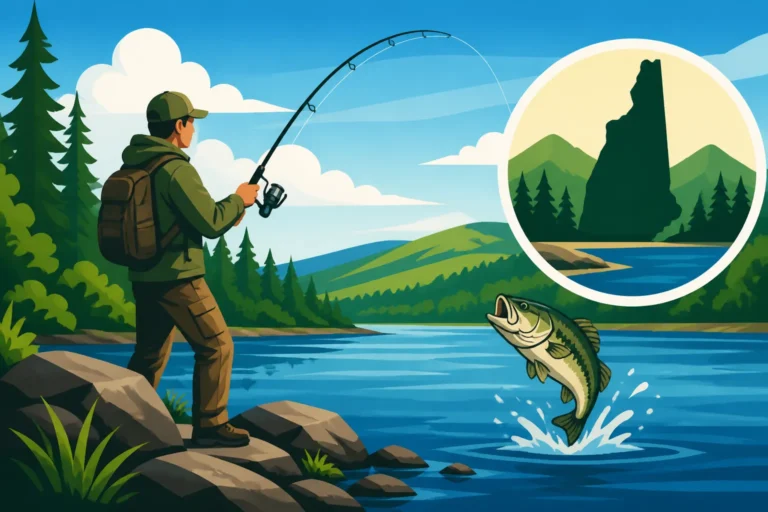
Early spring can be one of the most exciting times to target largemouth and smallmouth bass in New Hampshire, specifically during their pre-spawn staging. After spending the winter in deeper, more stable water, bass will begin to migrate towards shallower areas as water temperatures creep into the upper 40s and low 50s. These areas typically include shallow, protected coves, bays with dark, rocky or muddy bottoms, and sun-drenched northern shorelines that absorb heat more effectively. These are the places that will warm up first, providing both comfort and potential early food sources.
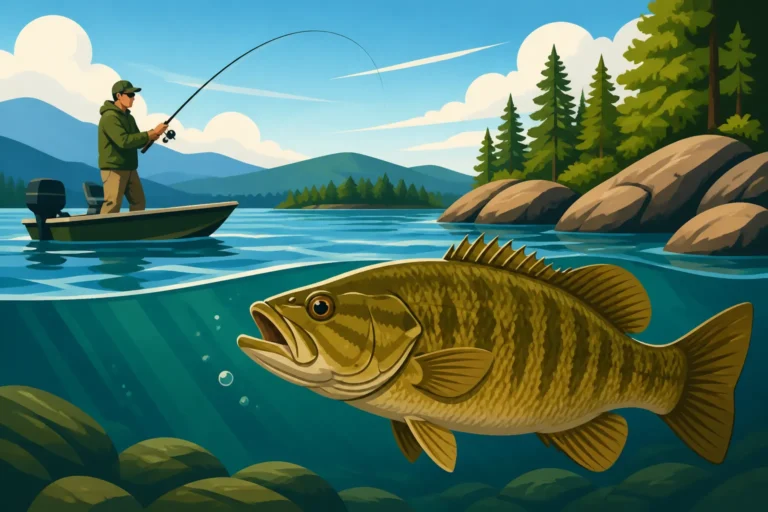
For largemouth bass, look for coves with plenty of submerged structure like fallen trees, weed beds (even if dormant), and docks. Pawtuckaway Lake in Nottingham and Massabesic Lake in Manchester are excellent choices, known for their abundant bass populations and diverse structure. Smallmouth bass, on the other hand, often prefer rocky points, ledges, and hard-bottomed flats adjacent to deeper water. Lakes like Winnipesaukee and Squam Lake, though large, have numerous coves and shallow rocky areas that can be incredibly productive for smallmouth in early spring. Fishing a jig-and-pig combo, a slow-rolled spinnerbait, or a suspending jerkbait can be deadly during this phase, as bass are often sluggish but aggressive when a meal presents itself. Always be mindful of the New Hampshire Bass Catch-and-Release Season, Explained, as many waters are catch-and-release only for bass during the early spring to protect spawning fish.
Panfish Havens Warming Up First
If you're looking for consistent action and a great day out, don't overlook panfish in early spring. Species like yellow perch, black crappie, and bluegill are some of the first warmwater fish to become truly active after ice-out, especially in smaller ponds and the shallower sections of larger lakes. They are highly attuned to those rising water temperatures and will congregate in areas that warm up quickest, often near docks, brush piles, and shallow flats. These spots are fantastic for family outings or for beginners because the bite can be incredibly reliable.
Crappie, in particular, will school up in predictable patterns in early spring, often holding tight to submerged timber or bridge pilings in waters like Powwow Pond or many of the smaller state park ponds. You can often find them by slowly working small jigs tipped with a grub or a tiny minnow. Yellow perch are also early movers, often found on sandy or gravel flats in places like Lake Winnisquam or even the shallower areas of Lake Sunapee. They readily take small worms, pieces of hot dog, or tiny inline spinners. These panfish opportunities are widely available across New Hampshire, and many public access points offer great shore fishing. If you're looking for specific shore fishing access, check out a guide on Best Shore Fishing Spots in New Hampshire. These spots also present great opportunities for kayak fishing, allowing access to coves and calmer waters.
Planning Your Early Spring New Hampshire Fishing Trip
A successful early spring fishing trip in New Hampshire isn't just about finding the right spot; it's also about being prepared for the conditions and understanding the rules.
Essential Gear and Techniques for Success
Early spring weather in New Hampshire can be incredibly fickle, swinging from sunny and mild to cold and blustery in a matter of hours. So, dressing in layers is non-negotiable. Waterproof outer shells are highly recommended to protect against unexpected rain or snow showers. As for gear, light to medium-light spinning rods and reels spooled with 4-8 pound monofilament or fluorocarbon line are versatile for most trout and panfish applications. For bass, a medium-action rod with 8-12 pound line will give you more control.
When it comes to baits and lures, think "slow and steady wins the race" for those cold-water fish. For trout, live worms, mealworms, or corn are classic choices. Artificial options like PowerBait (in various colors) or small inline spinners (Mepps, Panther Martin) are also highly effective. For bass, suspending jerkbaits, jigs, and slow-rolled spinnerbaits are excellent. Crappie will hit tiny jigs tipped with soft plastics or minnows, while perch will go for worms or small spoons. Remember that fish are still lethargic, so a slow retrieve, subtle twitches, or vertical jigging can entice bites when a fast retrieve won't. If you're keen on targeting trout specifically, reviewing Spring Trout Fishing Techniques for New Hampshire Ponds might give you an edge.
Checking Regulations and Forecasts
Before heading out, always, always consult the most current New Hampshire Freshwater Fishing Digest PDF. This document is your ultimate resource for understanding statewide and specific water body regulations, including season dates, bag limits, and special rules. Regulations can change, so even if you've fished a spot for years, it's wise to double-check. Don't risk a fine for an oversight!
Beyond regulations, monitoring the weather forecast is crucial. Look for stable weather patterns – a few consecutive days of rising temperatures and sunshine can really turn on a bite. Pay attention to wind direction and speed, as strong winds can make casting difficult and fishing uncomfortable, especially on larger lakes. Ice-out reports are also invaluable; local bait shops and online fishing forums often provide the most up-to-date information. If you're planning a trip from out of state or just want some local expertise to pinpoint the exact best spots or techniques for the current conditions, considering a guided trip can be a fantastic option. You can often find experienced local guides for specific New Hampshire lakes and rivers through services like FishingBooker, who can put you right on the fish and ensure you’re adhering to all local guidelines.
Accessing Public Waters and Boat Launches
New Hampshire offers an incredible array of public fishing access points, from dedicated boat launches to shore fishing parks and roadside pull-offs. However, in early spring, conditions at these access points can still be tricky. Boat launches may have lingering ice, or water levels in rivers could be exceptionally high due to spring runoff. It's always a good idea to scout an access point online beforehand or even drive by if it's close enough.
State parks like Bear Brook State Park in Allenstown or Pawtuckaway State Park in Nottingham often provide well-maintained access to excellent early spring fishing waters. Many smaller town parks and wildlife management areas also have public access. For those looking to explore New Hampshire's larger water bodies, a guide to Best Fishing Lakes in New Hampshire can point you toward the most accessible and productive spots. Even if you're not planning to use a guide, a simple online search for "public boat launches" or "fishing access points" for your chosen water body can reveal many options. If you're visiting from out of town and want to ensure you have a spot waiting for you, utilizing platforms like FishingBooker to connect with local charter operators can guarantee hassle-free access and a productive day on the water, without having to worry about boat launch conditions or navigating unfamiliar waters yourself.
| Fish Species | Preferred Early Spring Habitat | Recommended Baits/Lures | Key Fishing Tip |
|---|---|---|---|
| Rainbow Trout | Stocked ponds, river sections with slower currents, shallow lake edges. | Worms, PowerBait, small inline spinners, tiny jigs. | Fish near the bottom in recently stocked ponds; for rivers, target eddies and slack water. |
| Brook Trout | Smaller freestone streams, beaver ponds, headwater sections. | Worms, small spinners, dry flies (if early hatch). | Focus on areas with cover like fallen logs or undercut banks; approach quietly to avoid spooking wild fish. |
| Largemouth Bass | Sun-warmed shallow coves, dark-bottomed bays, areas with submerged structure. | Jigs, suspending jerkbaits, slow-rolled spinnerbaits. | Work lures extremely slowly; bass are lethargic but will hit an easy meal. Look for areas out of the wind. |
| Smallmouth Bass | Rocky points, ledges, hard-bottomed flats adjacent to deeper water, sunny shorelines. | Suspending jerkbaits, tube jigs, hair jigs, blade baits. | Target transition areas where shallow water meets deep; focus on rocky structure warmed by the sun. |
| Yellow Perch | Shallow flats, near docks, weed lines (even dormant). | Small worms, minnows, tiny jigs, small spoons. | Often school in large numbers; once you find one, there are likely many more. Great for light tackle. |
| Black Crappie | Submerged timber, brush piles, bridge pilings, sheltered coves. | Tiny jigs tipped with plastic grubs, small minnows. | Vertical jigging around structure is highly effective; crappie often hold at specific depths. |
Disclaimer
The information provided in this guide is for general informational purposes only and is subject to change. Fishing regulations, season dates, and stocking schedules in New Hampshire are managed by the New Hampshire Fish and Game Department and can be updated at any time. Always consult the official New Hampshire Freshwater Fishing Digest and any relevant local ordinances before planning your fishing trip. Adherence to all applicable laws and regulations is the responsibility of the angler. The author and publisher are not liable for any misinformation or consequences resulting from the use of this information. Fish responsibly and safely.