How fast landlocked salmon grow in New Hampshire lakes
One of the most thrilling aspects of fishing in New Hampshire is the pursuit of landlocked salmon, but it's totally understandable to wonder how long it actually takes these magnificent fish to reach that impressive, rod-bending size. Anglers often ponder what impacts their growth, making it tough to predict what might be lurking beneath the surface. This guide is all about peeling back the layers to reveal the intricate world of landlocked salmon growth in our beautiful New Hampshire lakes, helping you better understand these freshwater dynamos.
Understanding Landlocked Salmon in New Hampshire Lakes
Landlocked salmon (Salmo salar) are, in essence, Atlantic salmon that have adapted to live their entire lives in freshwater, unable to return to the ocean. Here in New Hampshire, they represent a premier coldwater sportfish, challenging anglers with their powerful runs and elusive nature. Unlike their anadromous cousins, these salmon rely entirely on the ecosystem of the lakes and rivers they inhabit, making their growth intrinsically linked to local conditions. It's a fascinating balance of genetics, environment, and food supply that dictates just how quickly a small parr transforms into a formidable fish.
A Brief Overview of Their Life in NH Lakes
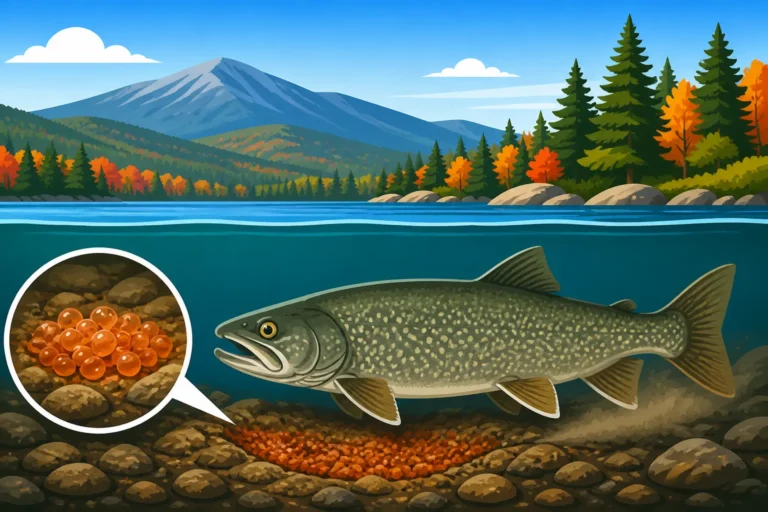
The life cycle of a landlocked salmon in New Hampshire generally begins in the cold, oxygen-rich rivers and streams that feed into larger lakes. This is where they hatch from eggs, spend their initial years as "parr" (small, camouflaged juveniles), and then undergo a physiological change called smoltification, becoming "smolts" ready to migrate into the larger lake. Once in the lake, they'll spend years feeding and growing, eventually returning to those same rivers to spawn. This journey from a tiny egg to a mature fish is fraught with challenges, and how well they navigate these stages directly influences their growth rate. Each lake system has its own nuances, like the availability of suitable spawning habitat or the richness of forage fish, which contribute to the unique growth patterns seen across the state. Understanding this foundational journey is key to appreciating why some fish grow faster or larger than others. For a deeper dive, check out Landlocked Salmon Life Cycle in New Hampshire Lakes.
Why Growth Rate Matters to Anglers
For us anglers, understanding how fast landlocked salmon grow isn't just a matter of scientific curiosity; it directly impacts our fishing experience and conservation efforts. We all dream of that trophy-sized salmon, but knowing the typical growth trajectory helps manage expectations and appreciate the age and resilience of the fish we catch. If we know it takes five or six years for a salmon to reach a certain size, it puts into perspective the importance of catch-and-release, especially for those larger, older fish that are vital for spawning. It also helps us gauge the health of a fishery. Are the fish growing quickly and robustly, indicating a healthy food source and habitat? Or are they stunted, perhaps signaling an imbalance? This knowledge can also inform our gear choices; you might want heavier line and a sturdier rod if you're targeting waters known for faster-growing, larger fish, as you can find on many online retailers like Amazon.
Factors Influencing Landlocked Salmon Growth Rate
The speed at which a landlocked salmon packs on the pounds is a complex dance between several environmental and biological factors. It's not just one thing; it's a symphony of conditions that can either accelerate or hinder their development. Thinking about these elements helps us understand why a salmon caught in Lake Winnipesaukee might look different or weigh more than one from a smaller, less productive lake.
Prey Availability: The Smelt Connection
Hands down, the single biggest driver of landlocked salmon growth in New Hampshire lakes is the abundance and health of their primary food source: rainbow smelt. These small, silvery fish are to landlocked salmon what acorns are to deer – absolutely essential. Salmon are highly predatory and incredibly efficient hunters, and a healthy population of rainbow smelt means consistent, high-protein meals.
Imagine a lake where smelt are thriving: good water quality, plenty of hiding spots, and a strong spawning run. In such a lake, young salmon find an endless buffet, allowing them to grow rapidly. They can expend less energy searching for food and more energy on converting those calories into muscle and length. Conversely, if a lake's smelt population declines due to environmental changes, overfishing, or predation from other species, the salmon suffer. They'll grow slower, be less robust, and may not reach their full genetic potential. This is often why fisheries managers closely monitor smelt populations; it's a direct indicator of future salmon health. For more on their diet, see What landlocked salmon eat in New Hampshire lakes.
Water Temperature and Lake Conditions
Landlocked salmon are coldwater fish. They thrive in lakes with well-oxygenated, cool waters, ideally between 45-60 degrees Fahrenheit (7-15 degrees Celsius). This is why you often find them in deeper lakes with a distinct thermocline in summer, where they can retreat to cooler depths. Optimal water temperatures allow their metabolism to function efficiently, promoting good digestion and growth.
However, if lake temperatures climb too high, especially in shallower waters or during prolonged heatwaves, it stresses the salmon. Their metabolic rate can become erratic, they might struggle to find comfortable water, and their feeding activity can decrease. This stress diverts energy away from growth and towards survival. Additionally, factors like water clarity, dissolved oxygen levels, and the presence of pollutants all play a role. A pristine, stable lake environment provides the best conditions for rapid growth, whereas fluctuating or compromised conditions can slow it down considerably. The overall health of the lake's ecosystem, from the shoreline vegetation to the deepest trenches, contributes to how well these sensitive fish develop.
Genetic Factors and Stocking Programs
Just like people, individual salmon have genetic predispositions that can influence their potential growth rate. Some fish are simply wired to grow larger and faster than others, given the right conditions. This natural variation is part of the biodiversity within any salmon population.
In New Hampshire, many of our landlocked salmon fisheries are supported by stocking programs by the New Hampshire Fish and Game Department. These programs often utilize hatchery-raised fish, and the genetics of these broodstock can influence the growth potential of the stocked fish. Hatcheries strive to produce strong, healthy fish that can thrive and grow quickly once released. Different strains or parent fish might exhibit varying growth rates. The size at which smolts are stocked can also play a minor role; a larger, healthier smolt generally has a head start. These stocking efforts are critical for maintaining viable populations, especially in lakes where natural reproduction might be limited or nonexistent. You can often find detailed stocking reports and rules through state resources or even by looking up relevant guides on sites like Amazon that carry fishing reference books. For general stocking information, you can read New Hampshire Trout Stocking and Fishing Rules.
Fishing Pressure and Harvest Rates
While not directly impacting an individual fish's physiological growth rate, fishing pressure and harvest rates absolutely influence the average size and age structure of the salmon population in a given lake. If a lake experiences high fishing pressure and a significant number of salmon are harvested, especially larger, older fish, it means fewer salmon reach their maximum potential size or age.
Think about it: if all the fast-growing fish are caught before they hit their peak, the average size of the remaining fish might appear smaller, and the "trophy" class fish become rarer. This isn't necessarily a bad thing if managed sustainably, as it can distribute growth potential among more fish. However, excessive harvest can deplete the gene pool of faster-growing individuals over time and reduce the number of large, productive spawners. Regulations like slot limits, daily bag limits, and season closures (as explained in New Hampshire Bag and Possession Limits by Species and New Hampshire Fishing Regulations Explained) are put in place precisely to manage these factors, allowing some fish to grow to a larger size and ensuring a healthy population for the future. Practicing responsible catch and release, especially for mature spawners, is a huge part of letting these fish reach their full potential.
Typical Growth Stages and Sizes of Landlocked Salmon
Understanding the general progression of a landlocked salmon's life, from tiny fry to mature adult, helps put their growth rate into perspective. It's a journey that takes several years, and each stage has its own unique characteristics.
From Parr to Smolt: Early Life
After hatching from eggs in the gravel beds of tributary streams, baby salmon are called "alevins," living off their yolk sacs. Once the sac is absorbed, they become "fry," and then quickly transition to "parr." These parr are small, camouflaged fish with distinctive vertical bars on their sides, allowing them to blend into rocky stream beds. They spend typically one to two years, sometimes even three, in these streams, feeding on insects and growing slowly. During this stream-dwelling phase, they might only reach 4-7 inches in length.
The transition to "smolt" marks a significant physiological change. They develop a silvery coating, adapt to saltwater (even though they are landlocked, this is an evolutionary trait), and begin their downstream migration into the larger lake. This smoltification is triggered by environmental cues and hormonal changes, signaling they are ready for the open water and a much faster growth trajectory. This is usually around their second or third spring.
Juvenile to Mature Salmon: The Lake Years
Once landlocked salmon smolts enter the lake, their growth rate can accelerate dramatically, especially if there's an abundant supply of rainbow smelt. This is where they put on serious weight and length.
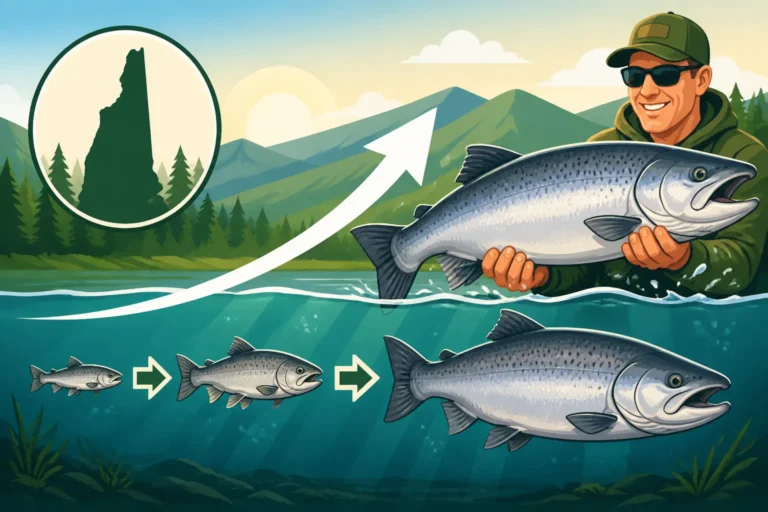
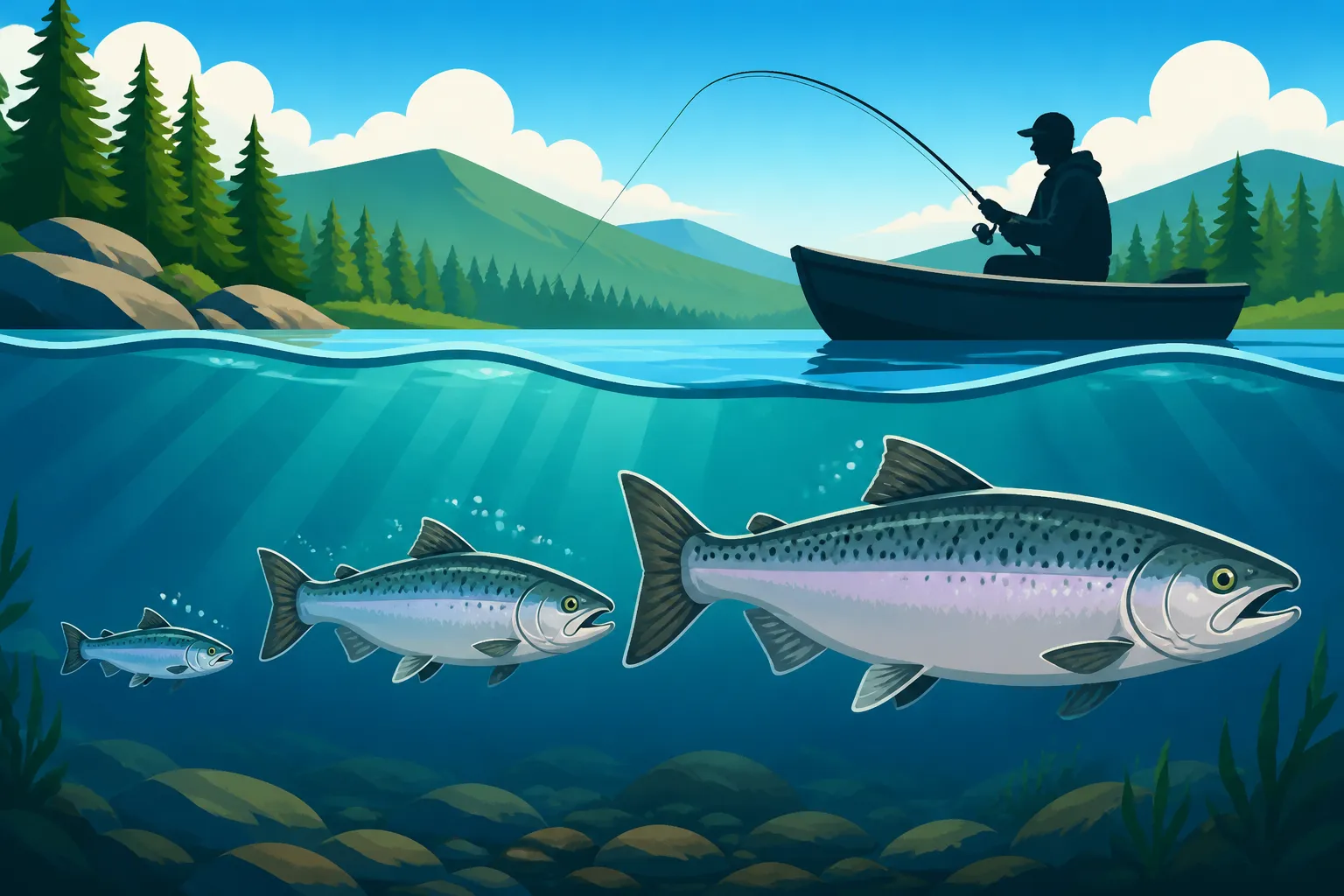
- Year 2-3 (First year in the lake as smolt/juvenile): After smolting, these fish will typically grow from their 6-8 inch smolt size to around 12-16 inches by the end of their first full year in the lake. They're actively hunting smelt and building mass.
- Year 3-4 (Second year in the lake): This is often a period of significant growth. Salmon in their second year in the lake can commonly reach lengths of 18-22 inches and weigh anywhere from 1.5 to 3 pounds, depending heavily on the lake's productivity.
- Year 4-5+ (Third year and beyond in the lake): By this stage, salmon can easily reach 22-26 inches, often weighing 3-6 pounds or more. This is when they start to look like the "football-shaped" powerhouses we all love to catch. Larger, older fish, especially females, can continue to grow, pushing beyond 27 inches and into the 7-10+ pound range, although these are typically rarer and older individuals.
Here's a general table summarizing their growth progression:
| Age (Years) | Stage | Typical Length (Inches) | Typical Weight (Pounds) | Notes |
|---|---|---|---|---|
| 0-1 | Alevin/Fry/Parr | 1-4 | Negligible | Stream phase, feed on insects. |
| 1-2 | Parr | 4-7 | Negligible | Stream phase, preparing for smoltification. |
| 2-3 | Smolt/Juvenile | 8-16 | 0.5-1.5 | First year in the lake, rapid growth. |
| 3-4 | Adult | 18-22 | 1.5-3 | Second year in the lake, good sportfish size. |
| 4-5+ | Adult/Mature | 22-26+ | 3-6+ | Full-grown, potential spawners. |
| 6+ | Trophy | 27-30+ | 7-10+ | Older, larger fish; less common. |
(Note: These are general ranges. Actual growth varies significantly by lake and conditions.)
Trophy Potential: When Do They Get Big?
The truly "trophy" sized landlocked salmon in New Hampshire, often exceeding 7 pounds and 27 inches, are typically older fish, usually 5-7 years old or even more. These fish have managed to evade predators, anglers, and environmental stresses for a significant period, constantly feeding on the lake's abundant smelt. Lakes with very robust smelt populations, consistent cold water, and effective management strategies tend to produce these larger, older fish. For example, some of New Hampshire's larger, deeper lakes like Winnipesaukee are known for producing impressive salmon, although they can be caught in many other waters too. If you're chasing that monster, understanding the fish's age and preferred habitat is key to success. For specific locations, you might want to look into Best lakes for trophy landlocked salmon in New Hampshire. It takes time and optimal conditions for them to reach such impressive dimensions, which makes every big salmon a testament to the health of its ecosystem and a challenging reward for the persistent angler.
How Anglers Can Support Healthy Salmon Growth
As anglers, we have a vital role to play in ensuring that landlocked salmon continue to thrive and grow to their impressive potential in New Hampshire's waters. Our actions on and off the water directly impact these magnificent fish.
Practicing Responsible Catch and Release
Catch and release is one of the most powerful tools we have for conservation, especially when it comes to species like landlocked salmon, where larger, older fish are crucial for successful spawning and maintaining genetic diversity. When you decide to release a salmon, doing it correctly makes all the difference.
First, minimize the fight time. The longer a fish fights, the more exhausted it becomes, reducing its chances of survival after release. Use appropriately sized gear that can handle the fish without overstressing it. Second, handle the fish as little as possible. Keep it in the water if you can. If you need to lift it for a quick photo, support its full body weight horizontally, avoiding squeezing its midsection or holding it by the jaw vertically, which can damage internal organs and spines. Use wet hands or a knotless rubber net (widely available from retailers like Amazon) to protect their delicate slime coat. This coat is their first line of defense against disease and parasites. Finally, ensure the fish is revived before letting it go. Hold it gently in the current, facing upstream, until it can swim away under its own power. Sometimes, it takes a few minutes for them to regain their strength. These practices dramatically increase the survival rate of released fish, allowing them to continue their growth journey and contribute to future generations. Landlocked salmon catch and release survival tips offers more great advice on this.
Understanding and Following Regulations
New Hampshire has a carefully crafted set of fishing regulations designed to protect and sustain our valuable fisheries, including landlocked salmon. These rules, often found in the New Hampshire Freshwater Fishing Digest (which you can often find digitally or physically, sometimes even via search on Amazon), cover aspects like bag limits, minimum length limits, and season dates.
For landlocked salmon, there are often specific regulations concerning how many you can keep (bag limit), and what minimum or maximum size they must be (length limits, sometimes including "slot limits" where only fish within a certain size range can be kept). These rules are based on scientific data about salmon populations, their growth rates, and reproductive cycles. For instance, a minimum length limit ensures that younger fish have a chance to grow and spawn at least once before being harvested. Following these regulations isn't just about avoiding penalties; it's about being a responsible steward of our natural resources. Ignorance of the rules is never an excuse, so taking the time to read and understand the current digest before you hit the water is an absolute must. Respecting these guidelines ensures that future generations of anglers will also have the opportunity to experience the thrill of catching these magnificent, fast-growing fish.
Disclaimer
This article is for general informational purposes only and does not constitute professional advice. Laws, prices and regulations vary by location and change over time. Consult a qualified professional for guidance on your specific situation.