Fish species unique to the Connecticut River drainage
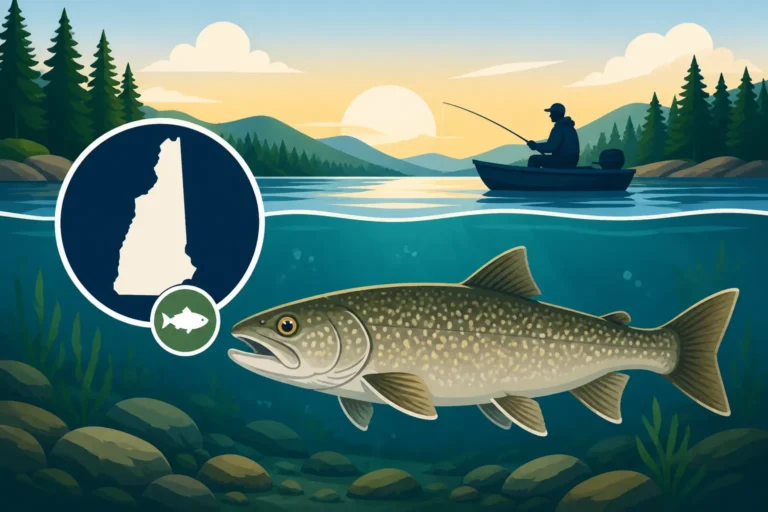
There’s a certain magic that comes with fishing the Connecticut River, especially when you consider the unique aquatic world thriving beneath its surface. So often, when we think of New Hampshire fishing, our minds jump to the stunning mountain lakes or the bustling seacoast. But the Connecticut River, forming a significant portion of our western border, holds a distinct charm and, more importantly, a collection of fish species that truly set it apart from other waterways in the Granite State. If you've ever wondered what makes this river so special, or if you're keen to discover fish you won't typically encounter elsewhere in New Hampshire, you've come to the right place. This guide dives deep into the fascinating fish species that call the Connecticut River drainage home, exploring what makes them unique and why this particular ecosystem is so vital.
Understanding the Connecticut River Drainage in New Hampshire
The Connecticut River isn't just another river; it's a massive, sprawling watershed, the longest river in New England, and a lifeline that weaves through four states. Its journey through New Hampshire, particularly along our western border with Vermont, creates a unique set of conditions that foster specific fish populations. From its headwaters in the unspoiled wilderness of Pittsburg, New Hampshire, down to the more developed agricultural and residential areas further south, the river presents a diverse range of habitats. This isn't just a single flowing channel, but a complex network of tributaries, oxbows, floodplains, and backwaters, each contributing to an intricate web of life. Understanding this intricate system is key to appreciating the distinct fish species it supports.
The Unique Ecology of this River System
What makes the Connecticut River drainage so ecologically distinct? For starters, its sheer size and length mean it captures a vast array of terrestrial and aquatic influences. Unlike many of our smaller, spring-fed trout streams or contained lake environments, the Connecticut River is a large, warmwater-dominated system in its lower reaches, transitioning from colder, more pristine conditions upstream. This gradient creates diverse niches for different species. Upstream, you might find the classic coldwater species that thrive in oxygen-rich, fast-flowing water, while downstream, the slower, warmer, and often deeper pools are perfect for species that prefer less turbulent conditions.
Think about the flow, for instance. The river experiences significant seasonal fluctuations, from roaring spring runoff fed by snowmelt to slower, more languid flows in late summer. These changes dictate everything from spawning success to feeding patterns and habitat availability. The river's substrate also varies dramatically, from rocky bottoms and gravel beds in the north to silty, sandy stretches further south. This mosaic of habitats means that a fish species that might struggle in a small, isolated pond could flourish here, finding exactly what it needs for different stages of its life cycle. It's a dynamic, ever-changing environment, demanding adaptability from its inhabitants.
Furthermore, the river's connection to the Atlantic Ocean, historically, played a massive role in its unique ecology, allowing anadromous species—fish that spend part of their lives in saltwater and migrate to freshwater to spawn—to journey far upstream. While dams have certainly altered these historical migrations, significant efforts are underway, and some species continue to rely on this critical freshwater-saltwater link. This blend of freshwater and historically tidal influences adds another layer of uniqueness to the Connecticut River's fish populations, making it a truly exceptional natural resource for anglers and conservationists alike. It's truly a place where you can find species that are rare or completely absent in other parts of the state, a testament to its ecological richness.
Why Specific Fish Species Thrive Here
So, why do certain fish species find the Connecticut River drainage an ideal home, more so than, say, the Merrimack or the Saco River systems? It often comes down to a combination of habitat diversity, water quality, and migratory pathways. The Connecticut River, particularly in its New Hampshire section, offers a range of habitats from high-gradient, cold headwaters to lower-gradient, warmwater stretches. This diversity allows species with very specific needs to find their niche. For example, some species require clean, flowing gravel beds for spawning, while others need slow, deep pools with plenty of submerged structure for cover and ambush points. The Connecticut River provides both.
Moreover, the size and connectivity of the Connecticut River system mean that fish have ample space to move, find food, and escape predators. This expansive environment is crucial for larger species or those that undertake significant migrations. The abundance of forage fish, insect life, and aquatic vegetation within the various tributaries and mainstem sections supports a robust food web, which in turn sustains a healthy predator population. You'll find sections rich with minnows and darters, which are foundational to the diet of larger game fish. For instance, species like the American Shad, though historically more abundant, still rely on this corridor to reach their spawning grounds, showcasing the river's vital role as a migratory highway.
Finally, the long history of the Connecticut River as a major natural artery means it has fostered endemic populations that have evolved alongside its specific conditions. Over centuries, these fish have adapted to its particular flow patterns, water temperatures, and geological features. While human impacts have certainly posed challenges, the river's inherent resilience and the dedicated conservation efforts have allowed many of these distinct populations to persist and, in some cases, even recover. It's a delicate balance, but the river's scale and natural complexity provide a buffer that smaller, more isolated systems simply cannot offer, allowing unique species to truly thrive. Before you head out, make sure you understand New Hampshire Fishing Regulations Explained, especially as they pertain to specific river species.
Distinct Fish Species of the Connecticut River Drainage
When we talk about unique fish species in the Connecticut River drainage, we're really highlighting those fish that either have their primary New Hampshire populations here, show distinct genetic variations, or are anadromous species that rely on this river for their freshwater life stages. It's a fascinating roster that underscores the ecological importance of this particular watershed. You won't just be seeing more of the same fish you find in Lake Winnipesaukee or the Pemigewasset; you'll be encountering fish that truly belong to this specific riverine world.
Native and Endemic Species Highlights
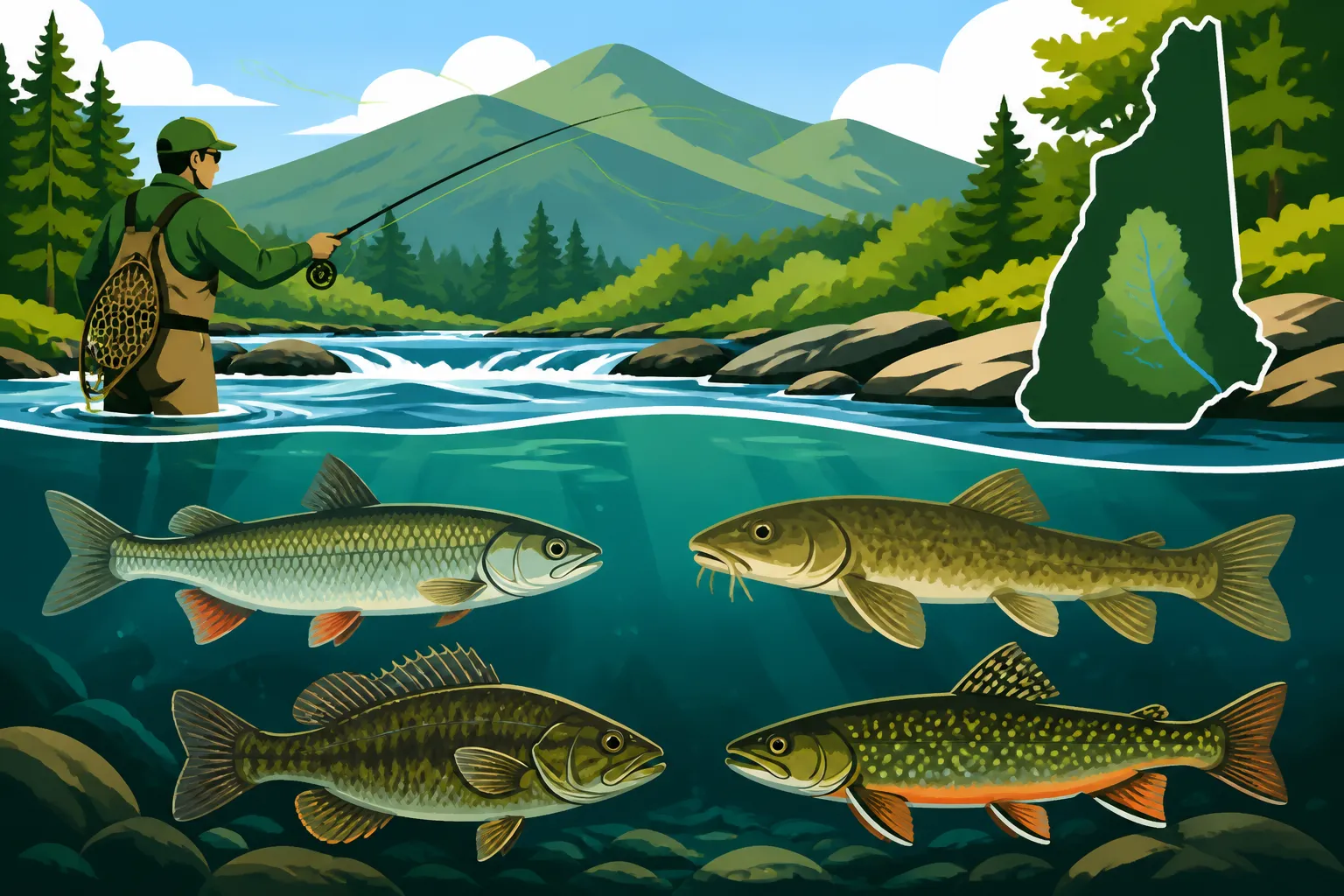
One of the most exciting aspects of fishing the Connecticut River is the chance to encounter species that are less common or even absent in other New Hampshire waters. Take, for instance, the Tessellated Darter (Etheostoma olmstedi). While darters are small, benthic (bottom-dwelling) fish found in many places, the Tessellated Darter is particularly at home in the slow to moderate currents and rocky or sandy bottoms of the Connecticut River and its larger tributaries. They are incredible indicators of water quality and habitat health. You might not actively fish for them, but their presence is a positive sign for the ecosystem. They are a crucial food source for larger predatory fish in the river.
Another noteworthy native is the Longnose Sucker (Catostomus catostomus). While other sucker species are found throughout New Hampshire, the Longnose Sucker is particularly prevalent and robust in the Connecticut River system, especially in its colder, cleaner upper reaches. These fish are easily identifiable by their distinctive long snouts and inferior mouths, perfectly adapted for vacuuming up invertebrates and detritus from the river bottom. They play a vital role in the river's ecosystem by cleaning the riverbed, and they provide an important food source for species like Lake Trout Fishing in New Hampshire or even opportunistic brown trout.
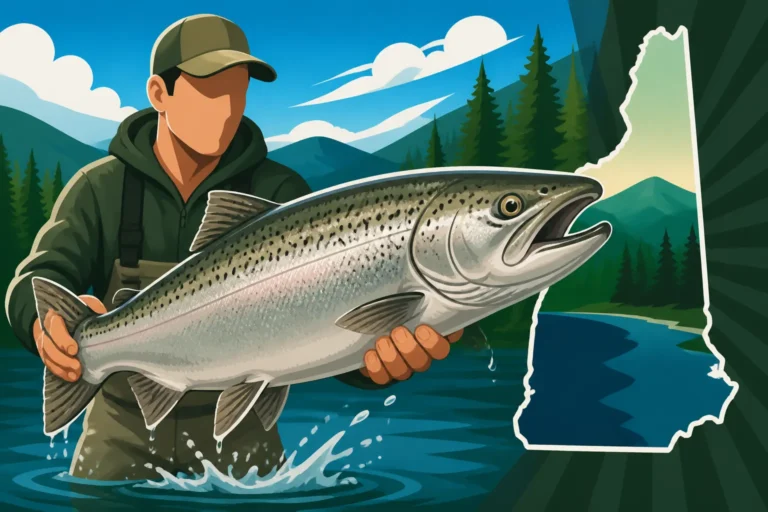
And we can't talk about native species without mentioning the Atlantic Salmon (Salmo salar). While native runs were extirpated from many New Hampshire rivers due to dam construction, the Connecticut River has been a focal point for massive Atlantic Salmon Restoration in New Hampshire Rivers efforts. Though challenging, the goal is to re-establish wild, self-sustaining populations. Catching one is usually accidental and requires immediate release, but their journey upriver is a testament to the river's enduring potential as a migratory corridor. These are fish that connect New Hampshire directly to the vastness of the Atlantic Ocean.
Let's not forget the variety of minnow and shiner species that form the base of the food chain. While common in many waters, some species like the Spottail Shiner (Notropis hudsonius) and Fallfish (Semotilus corporalis) are particularly abundant and play a critical role in the Connecticut River. Fallfish, in particular, can grow surprisingly large and are often mistaken for small trout or chub. They are aggressive feeders and a blast to catch on light tackle, providing a lot of action while you're targeting other species. You'll find them schooling in many of the Connecticut River fishing access points, such as those Connecticut River fishing access near Hanover.
| Fish Species | Key Identification Features | Preferred Habitat in CT River Drainage | Role in Ecosystem |
|---|---|---|---|
| Tessellated Darter | Small, mottled brown, prominent fins, bottom-dwelling. | Slow to moderate currents, rocky or sandy bottoms, clear water. | Forage fish, indicator of water quality. |
| Longnose Sucker | Distinctive long, pointed snout; inferior mouth. | Colder, cleaner upper reaches; gravel/rocky bottoms. | Bottom feeder, cleans riverbed, forage for larger predators. |
| Atlantic Salmon | Large, silvery, streamlined; small black spots. | Migratory (anadromous); requires cold, oxygenated spawning tributaries. | Apex predator, iconic migratory species, conservation priority. |
| American Eel | Snake-like body, dark coloration, single dorsal fin. | Ubiquitous; found in various depths, often nocturnal. | Scavenger, predator, unique catadromous life cycle. |
| Landlocked Salmon | Silvery, sleek, similar to Atlantic Salmon but freshwater. | Deep, cold waters of larger impoundments/lakes (e.g., Moore Reservoir). | Apex predator, popular game fish (though less unique to CT River itself than true anadromous species). |
Species with Unique Adaptations to the River Environment
Beyond the truly native species, there are other fish that thrive in the Connecticut River drainage due to unique adaptations to its specific environment. One prime example is the American Eel (Anguilla rostrata). While not strictly "unique" to the Connecticut River as they are found in many East Coast drainages, their life cycle is utterly fascinating and intrinsically linked to the river's connection to the ocean. American Eels are catadromous, meaning they live in freshwater but migrate to the Sargasso Sea in the Atlantic Ocean to spawn. The Connecticut River is a crucial migratory pathway for them, allowing them to travel hundreds of miles inland. Their presence is a strong indicator of a healthy, connected river system, and their mysterious, nocturnal habits make them a truly intriguing resident. You can learn more about them in American Eel in New Hampshire Rivers.
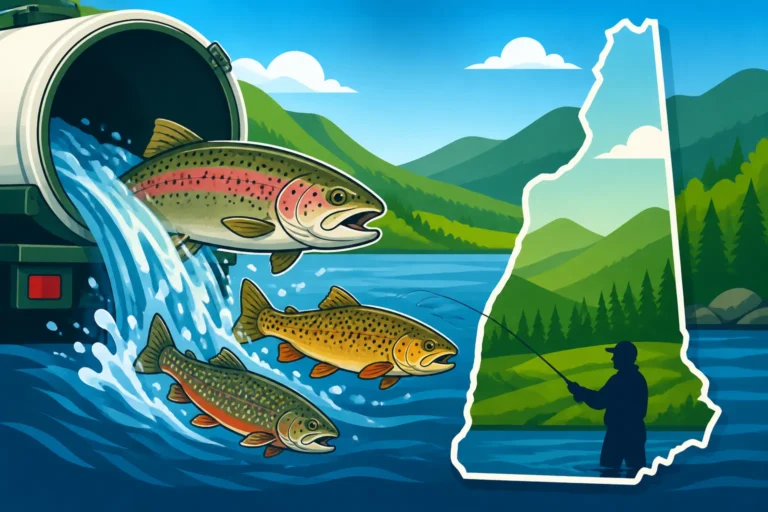
Another group of fish that exhibits unique adaptations are the large Brown Trout (Salmo trutta) and Rainbow Trout (Oncorhynchus mykiss) that can reach impressive sizes in the Connecticut River. While both are stocked throughout New Hampshire, the sheer volume and flow of the Connecticut River, especially in certain sections, allow these fish to grow exceptionally large and often display more wild, aggressive behaviors than their pond-dwelling counterparts. They feed heavily on the abundant forage fish and insects, developing strong, powerful builds. For those seeking a challenge, the river's trophy trout sections, such as those with Connecticut River trophy trout regulations, offer an unparalleled opportunity.
The Connecticut River also supports robust populations of Smallmouth Bass (Micropterus dolomieu) that display adaptations to its powerful currents and rocky structures. Unlike their largemouth cousins, smallmouth bass in the river develop leaner, more muscular bodies, perfectly suited for holding in current and ambushing prey. They are often found around rocky points, submerged timber, and current breaks, demonstrating incredible resilience and a voracious appetite. Anglers often find that tactics tailored to river fishing, as opposed to lake fishing, are essential for success with these hard-fighting fish. Techniques like those described in How to Fish a River for Smallmouth Bass become invaluable here.
It’s also important to consider the Fallfish, which we touched on earlier. While not exclusive to the Connecticut River, their remarkable adaptability to various river conditions, from fast riffles to slow pools, and their ability to grow quite large make them a significant component of this river's fishery. They're often underestimated, but a big Fallfish on light tackle can provide a surprising fight, and they are incredibly widespread throughout the drainage. Many an angler has mistaken a hefty Fallfish for a small trout, only to be surprised by its unique appearance when landed. Keep an eye out for them, as they're a common sight when fishing the Connecticut.
Finally, while many of these species are also found in other river systems in New Hampshire, the scale of the Connecticut River often means larger, more established populations and the potential for true trophy-sized specimens. The extensive reach and diverse conditions create a sprawling natural laboratory where fish can adapt and thrive in ways that are truly unique to this majestic waterway. For anglers looking for a different experience, a good pair of polarized sunglasses, available from retailers like Amazon, can really help spot these river dwellers in the clear sections.
Conservation Efforts and Angler's Role
The unique fish species of the Connecticut River drainage are not here by accident; they are a product of specific environmental conditions and, increasingly, dedicated conservation efforts. This isn't just about preserving rare fish; it's about maintaining a healthy, vibrant ecosystem that benefits all forms of life, including us, the anglers who love to cast a line here. Protecting these special populations is a shared responsibility, one that involves state agencies, environmental groups, and every individual who spends time on or near the water. Understanding your role is crucial for ensuring these unique species continue to thrive for generations to come.
Protecting These Special Populations
Protecting the distinct fish populations of the Connecticut River drainage involves a multi-faceted approach. One of the primary efforts has been the removal of outdated dams and the construction of fish ladders and bypasses, especially for anadromous species like the Atlantic Salmon and American Eel. These structures aim to restore historical migratory pathways, allowing fish to access critical spawning and rearing grounds that have been cut off for decades, sometimes centuries. Without these efforts, the unique life cycles of many riverine species would be severely hampered, if not entirely eliminated. Organizations work tirelessly to ensure fish can move freely up and down the main stem and into tributaries.
Water quality is another huge component. The Connecticut River flows through various landscapes, from pristine forests to agricultural lands and urban centers. Efforts to reduce agricultural runoff, control industrial discharges, and improve wastewater treatment are ongoing. Cleaner water directly translates to healthier fish populations, supporting robust invertebrate communities that form the base of the food web. When you see initiatives promoting riparian buffer zones—strips of vegetation along the riverbanks—these are directly aimed at filtering pollutants and stabilizing banks, which in turn protects fish habitat. All of these measures are vital for safeguarding Endangered and Protected Fish Species in New Hampshire.
Research and monitoring are also critical. Biologists regularly survey fish populations, track migration patterns, and study habitat conditions. This scientific work helps to identify threats, understand population dynamics, and inform management decisions. Without this ongoing data collection, it would be impossible to assess the health of these unique fish populations or to measure the success of conservation programs. Often, these studies also help us understand the broader ecological impacts of climate change or invasive species, which can disproportionately affect vulnerable native fish. The Reading the New Hampshire Freshwater Fishing Digest provides updates on many of these ongoing projects and findings.
Responsible Angling Practices
As anglers, we have a profound role to play in the conservation of the Connecticut River's unique fish species. Our actions, both on and off the water, can significantly impact the health of these populations. First and foremost, understanding and adhering to all fishing regulations is paramount. This includes bag limits, size restrictions, and season dates, which are often tailored to protect specific species during vulnerable times, like spawning. Always check the current regulations, as rules can change. You can find up-to-date information through the New Hampshire Fish and Game Department's website or in the digest.
Practicing catch and release, especially for sensitive or protected species, is another crucial responsibility. If you're targeting fish like trout and salmon in the Connecticut River, using appropriate gear and techniques to minimize stress on the fish is key. This means using barbless hooks, landing fish quickly, keeping them in the water as much as possible, and handling them gently with wet hands. Even for species you plan to keep, responsible handling ensures the health of the overall population by minimizing accidental mortality. Investing in a good landing net with rubberized mesh, readily available on Amazon, can greatly reduce harm to fish you intend to release.
Beyond direct fishing practices, being a good steward of the environment is vital. This means picking up trash, even if it's not yours, and avoiding the spread of invasive species by cleaning your gear thoroughly between fishing spots. Invasive plants and animals can outcompete native fish for resources and habitat, posing a serious threat to the unique biodiversity of the Connecticut River. By being mindful of our impact, we contribute directly to the long-term health and vitality of this incredible river system and its special inhabitants. Remember that New Hampshire fishing license reciprocity on Connecticut River boundary waters means you need to be aware of regulations on both sides of the river, especially if fishing near the Vermont border, as outlined in New Hampshire fishing license reciprocity on Vermont boundary waters. It’s a shared resource, and we all have a part to play.
Disclaimer
This article is for general informational purposes only and does not constitute professional advice. Laws, prices and regulations vary by location and change over time. Consult a qualified professional for guidance on your specific situation.