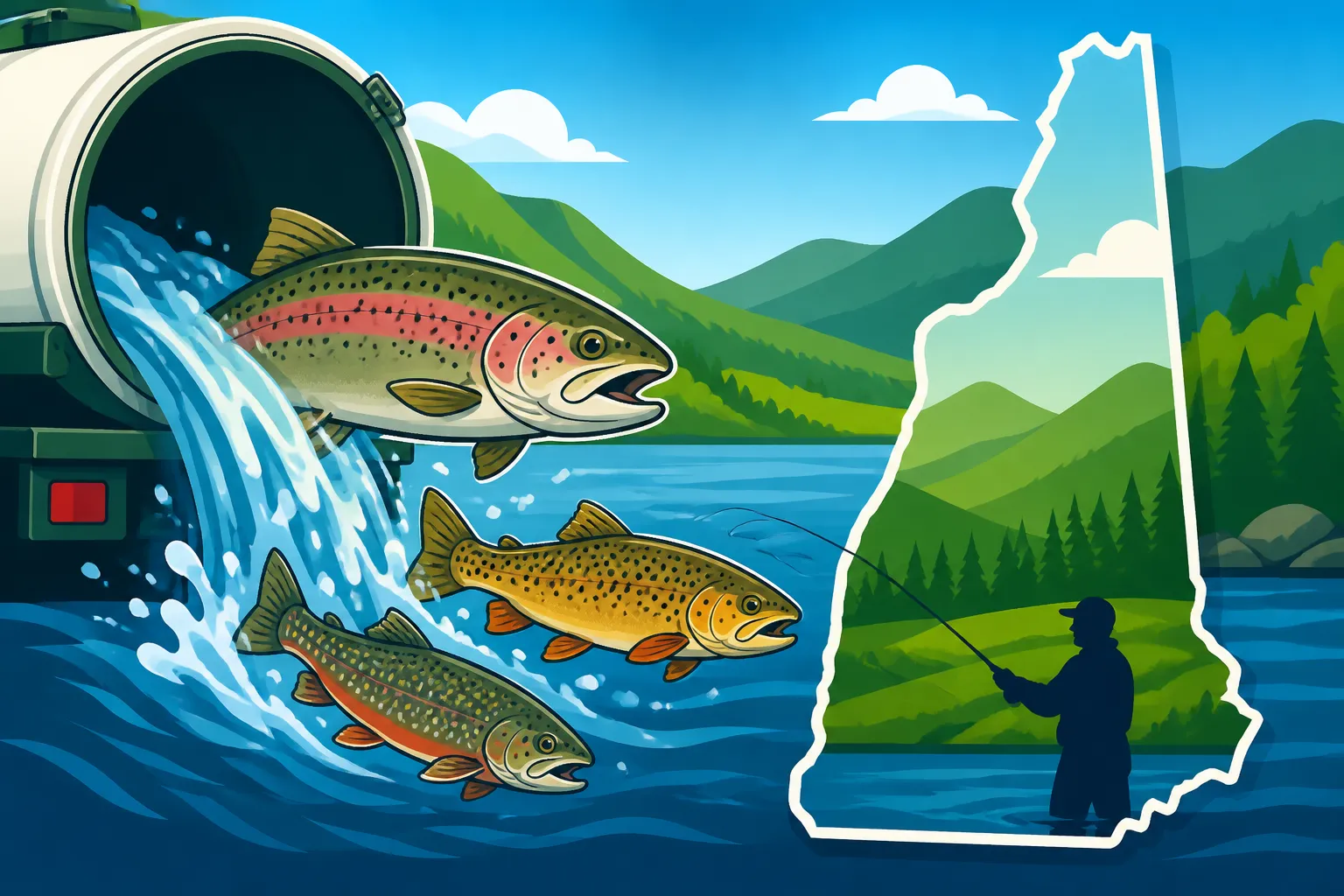
Non-native trout species stocked in New Hampshire
It's easy to assume that every trout you hook in New Hampshire's sparkling rivers and clear lakes is a wild, native fish, a true child of the Granite State. But the reality is, a significant portion of our trout fishery relies on species that aren't originally from here. This can be confusing for anglers, especially those new to the area, wondering why certain fish seem to appear in places they don't expect. This guide will demystify the world of non-native trout, explaining which species are stocked, why they're introduced, and how you can best target these fantastic fighters.
The Role of Non-Native Trout Stocking in New Hampshire
New Hampshire, with its abundant cold water resources, has a rich tradition of trout fishing. However, factors like habitat loss, warming waters, and historical overfishing have impacted native brook trout populations in many accessible areas. To meet the high demand for recreational fishing opportunities, the state employs extensive stocking programs, often relying on species that aren't indigenous to our waters. It's a pragmatic approach to ensure that anglers, from seasoned veterans to excited kids with their first rod, have a chance to experience the thrill of a tug on the line.
Why Introduce Non-Native Species?
The decision to introduce and stock non-native trout isn't taken lightly, but it serves several crucial purposes. Primarily, these fish are often more tolerant of a wider range of water conditions, including slightly warmer temperatures or less pristine habitats, making them suitable for a greater number of ponds and rivers. Native brook trout, while beautiful and highly prized, have very specific habitat requirements – cold, clean, highly oxygenated water – that aren't present everywhere, especially near more populated areas or in waters that have seen historical degradation.
Another major reason is growth rate and angling appeal. Species like rainbow trout and brown trout tend to grow faster and larger in many environments than brook trout. This means hatcheries can produce a good number of robust, catchable-sized fish for stocking, providing immediate gratification for anglers. Imagine a family heading out for a day of fishing at a local pond, hoping to catch dinner. Stocked non-native trout provide a reliable opportunity for success, fostering a love for the outdoors and the sport that might not happen if only sparse native populations were available. These stocking efforts help sustain vibrant recreational fisheries that contribute significantly to the local economy and culture.
How Stocking Programs Work
The New Hampshire Fish and Game Department is at the heart of these stocking operations. They manage several hatcheries across the state, raising trout from eggs to various sizes before releasing them into public waters. This isn't just a random act; it's a carefully planned process based on detailed surveys of water bodies, angler demand, and ecological considerations. Fish are typically released in the spring, often just before the official trout opener, and throughout the spring and fall in many locations, especially in ponds and rivers easily accessible to the public.
These hatcheries are bustling places, where fish culturists work tirelessly to ensure the health and growth of millions of trout each year. They monitor water quality, feed schedules, and fish health with meticulous care. Once the fish reach a certain size, usually 8-12 inches for most stocked trout, they are transported in specialized trucks to designated stocking sites. You might even see a stocking truck rolling through your town or pulling up to a boat launch, a sure sign that fresh fish are about to hit the water! For those keen on tracking where and when fish are released, the department often publishes a New Hampshire Trout Stocking Report and Map, which is an invaluable resource for planning your trips.
Common Non-Native Trout Species You'll Find
When you're out fishing in New Hampshire, you're most likely to encounter two main types of non-native trout: rainbow trout and brown trout. These species have adapted well to various New Hampshire waters and are the backbone of many of the state's recreational fisheries. While brook trout are the state's native jewel, rainbows and browns offer a different, equally exciting angling experience.
Rainbow Trout
Rainbow trout (Oncorhynchus mykiss) are perhaps the most popular and recognizable stocked trout across North America, and New Hampshire is no exception. They are celebrated for their beautiful iridescent colors, often displaying a prominent pink or red stripe along their sides, especially vibrant during spawning season. These fish are known for their spirited fight when hooked, often leaping clear of the water, making them a favorite among anglers looking for an exciting battle.
Rainbows thrive in a variety of water conditions, from cold, clear streams to larger lakes and ponds. They are often stocked in waters with moderate temperatures, making them a more resilient option than brook trout in some areas. Their diet is diverse, including insects, small crustaceans, and smaller fish, which means they can be caught using a wide array of techniques and baits. If you're looking for a good time with a consistently cooperative fish, rainbows are often your best bet in a stocked pond. They are a fantastic entry point for new anglers and provide steady action in many of our state's publicly accessible waters. You can learn more about specific stocking programs in our guide to Rainbow Trout Stocking in New Hampshire.
Brown Trout
Brown trout (Salmo trutta) hail originally from Europe and Western Asia, but they've made themselves quite at home in New Hampshire. They are characterized by their golden-brown to olive-green backs, spotted flanks (often with red, haloed spots, especially on larger fish), and a creamy white belly. Unlike rainbows, browns are generally more elusive and often considered a more challenging catch, particularly the larger, wilder specimens that can become quite predatory.
These trout prefer slightly warmer water than brook trout and can tolerate a wider pH range. They are notorious for their nocturnal feeding habits, especially for larger individuals that feast on baitfish and even small rodents. While stocked browns provide good fishing, the thrill of catching a "holdover" brown trout – one that has survived and grown in a New Hampshire stream for years – is something special. They are known for their powerful runs and dogged fights. Many rivers and larger streams in New Hampshire hold strong populations of brown trout, either from stocking or natural reproduction. Understanding Brown Trout Habits in New Hampshire Streams can greatly improve your chances of landing one of these wily fish.
Other Stocked Hybrids
Beyond the standard rainbow and brown trout, New Hampshire also sometimes stocks hybrid trout species, primarily to introduce unique fishing opportunities or to address specific ecological niches. Two notable examples are splake and tiger trout.
Splake, a fascinating cross between brook trout and lake trout, are stocked in a handful of New Hampshire lakes. These fish combine the aggressive nature of brook trout with the deep-water preferences of lake trout. They tend to grow larger than brook trout and offer a different challenge, often found in deeper, colder sections of lakes where other trout might not thrive as readily. They can be identified by their somewhat mottled pattern, intermediate between their parent species. For more on these unique hybrids, check out Splake Stocking in New Hampshire Lakes.
Tiger trout, a sterile hybrid of a brown trout and a brook trout, are instantly recognizable by their distinct, worm-like patterns resembling tiger stripes. While not as widely stocked as rainbows or browns, they are occasionally introduced into specific ponds to provide a novelty fishery. They are known for their aggressive strikes and strong fights. These hybrids offer a thrilling and visually unique catch for anglers who happen upon them. These hybrids are examples of how stocking programs can diversify the fishing experience, providing different challenges and rewards for anglers across the state.
Fishing for Non-Native Trout: Tips and Techniques
Fishing for stocked, non-native trout in New Hampshire can be incredibly rewarding, especially if you understand their habits and preferences. Since many of these fish are raised in hatcheries, they often behave a bit differently than their wild counterparts initially, making them quite catchable if you adapt your approach.
Gear and Baits for Stocked Trout
When it comes to tackle, you don't need anything overly fancy for newly stocked trout. A light to medium-light spinning rod and reel combo, spooled with 4-6 pound monofilament or fluorocarbon line, is generally ideal. A good quality fishing combo for beginners can easily be found on Amazon, offering a balance of durability and performance. For terminal tackle, a small hook (size 8-12), a split shot or two, and a small bobber are often all you need for bait fishing.
As for bait, stocked trout have a palate for hatchery food, so they respond well to highly scented offerings. PowerBait, in various colors and forms (dough, nuggets), is a perennial favorite, especially in bright colors like chartreuse, orange, or rainbow. Small pieces of worm, corn, or even cheese can also be highly effective. For those who prefer artificials, small inline spinners (like Panther Martins or Mepps), tiny spoons, or miniature stickbaits retrieved slowly can entice strikes. Fly anglers can find success with simple nymph patterns, wet flies, or small streamer patterns that imitate baitfish. Remember, the key is often to present a small, appealing offering in a natural way. To equip yourself properly, consider our guide on the Best Gear for New Hampshire Trout Fishing.
Best Times and Places
Timing and location are everything when targeting stocked non-native trout. The absolute best time to fish for them is often right after a stocking event. The fish are often disoriented from transport and hungry, making them eager to bite. Keep an eye on the New Hampshire Trout Stocking Report and Map for updates. Spring, particularly after ice-out and leading into early summer, is prime time, as the water temperatures are cool and the fish are active. Fall stocking also provides excellent fishing opportunities, especially in ponds that receive additional fish.
As for locations, stocked trout are typically found in easily accessible ponds, lakes, and rivers throughout the state. Look for areas with public access points, boat launches, or designated fishing piers. In ponds, they tend to cruise along shorelines and near inlets where fresh water might be entering. In rivers, target slower moving pools, eddies behind rocks, or deeper runs. Early morning and late afternoon are generally the most productive times, as trout can be more active when the light is low and temperatures are cooler. However, on overcast days or in heavily oxygenated water, they can bite all day long. Exploring various spots will help you understand where these fish hold and feed most consistently. If you are looking for specific seasonal advice, check out Spring Trout Fishing Techniques for New Hampshire Ponds.
The Environmental Angle: Balancing Recreation and Ecology
While stocking non-native trout provides fantastic fishing opportunities, it's also important to acknowledge the ecological considerations. New Hampshire Fish and Game meticulously plans these programs to minimize negative impacts on the environment and, crucially, on native fish populations. It's a delicate balance between providing recreational access and protecting the state's natural heritage.
Potential Impacts on Native Species
The primary concern with introducing non-native species is their potential impact on native fish, particularly our beloved brook trout. One major issue is competition for resources. Stocked trout, especially when newly introduced, can compete with native brook trout for food and prime habitat, particularly in smaller streams where resources are limited. While most stocked trout are caught quickly, some can survive, grow, and potentially outcompete native fish.
Another concern is the spread of disease. Hatchery-raised fish, even with strict health protocols, can sometimes carry pathogens that native populations have no immunity to. While this risk is heavily mitigated by modern hatchery practices, it remains a consideration. Finally, there's the rare but possible genetic mixing, though brown and rainbow trout are distinct species from brook trout, so cross-breeding is not a primary concern for brook trout specifically. However, a hybrid like the tiger trout (brown x brook) is intentionally sterile to prevent any genetic impact on wild populations. These considerations underscore why stocking is carefully managed to ensure the long-term health of our aquatic ecosystems.
Conservation Efforts for Native Trout
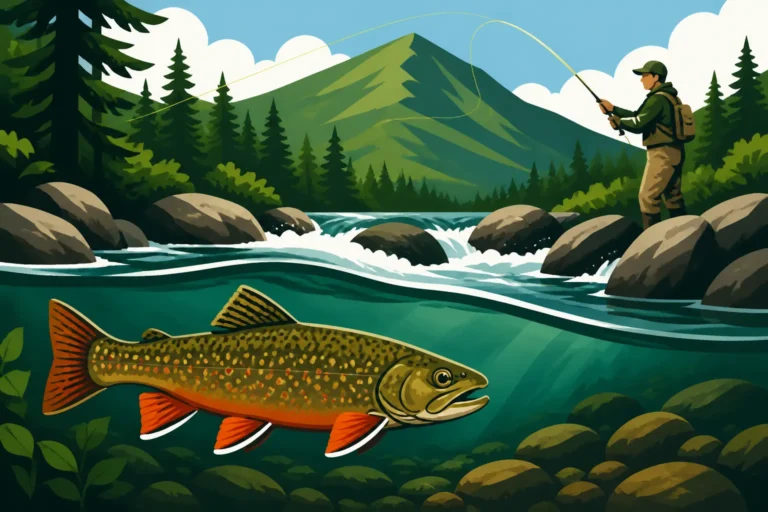
Despite the extensive stocking of non-native trout, New Hampshire is deeply committed to protecting and restoring its native brook trout populations. Conservation efforts focus on habitat preservation and restoration, particularly in the state's headwater streams and remote ponds where wild brook trout still thrive. These wild brook trout represent a unique and irreplaceable natural resource, cherished by anglers who seek a truly wild fishing experience.
Projects often involve improving riparian buffers, removing barriers to fish passage, and educating the public about the importance of stream health. In many sensitive native brook trout waters, stocking is either completely avoided or limited to ensure the integrity of the wild populations. Anglers are encouraged to practice catch and release in these areas and use specific Trout Fishing in New Hampshire techniques that minimize stress on the fish. By understanding the distinction between stocked non-native trout and wild native brook trout, anglers can play a vital role in supporting both recreational fishing and critical conservation initiatives, ensuring a healthy and diverse fishery for generations to come. Identifying your catch correctly is also crucial; a good Trout Species Identification Guide for New Hampshire can be a useful tool, easily found and ordered through platforms like Amazon.
Conclusion: Embracing New Hampshire's Diverse Trout Fisheries
New Hampshire's trout fisheries are wonderfully diverse, a testament to both nature's bounty and careful management. While our native brook trout hold a special place in our hearts, the non-native rainbow trout and brown trout, along with unique hybrids like splake and tiger trout, provide incredible and accessible angling opportunities across the state. Understanding which species are where, and why they're there, helps us appreciate the full spectrum of our fishing landscape.
Whether you're casting a PowerBait into a freshly stocked pond for hungry rainbows, stalking an elusive brown trout in a meandering river, or venturing into deeper waters for a splake, each experience offers its own unique thrill. Remember to always consult the New Hampshire Fishing Regulations Explained before you head out, as rules for bag and possession limits can vary. Embrace the variety, learn the techniques, and enjoy the plentiful waters that make New Hampshire a truly special place to wet a line.
Disclaimer
This article is for general informational purposes only and does not constitute professional advice. Laws, prices and regulations vary by location and change over time. Consult a qualified professional for guidance on your specific situation.