Do Trout Reproduce Naturally in New Hampshire Streams?
It's a common question among anglers, especially those new to the Granite State: when you reel in a beautiful trout from a shimmering New Hampshire stream, is it a fish born and bred right there in the wild, or one that was raised elsewhere and released by the state? The truth is, New Hampshire's waters are home to both naturally reproducing wild trout populations and an extensive stocking program, and understanding the difference is key to appreciating our diverse fisheries and becoming a more responsible angler. This guide will dive deep into whether trout truly reproduce naturally in New Hampshire streams, where these wild populations thrive, and what factors influence their survival.
The Heart of the Matter: Wild vs. Stocked Trout in New Hampshire
For many of us who love chasing trout, there's a certain magic to catching a wild fish—a creature that has beaten the odds, survived natural predators, and found its own food in the stream where it was born. While New Hampshire is well-known for its impressive trout stocking efforts, which provide fantastic fishing opportunities in many waters, the state also harbors vibrant populations of naturally reproducing trout, particularly in its colder, cleaner streams. It’s a delicate balance between supporting angling pressure with stocked fish and preserving the precious wild genetics that make our native ecosystems so special.
Understanding the Difference: Wild Trout vs. Stocked Trout
When we talk about "wild" trout in New Hampshire, we're typically referring to fish that were hatched from eggs laid directly in the stream by parent trout. These fish spend their entire lives in that natural environment, developing instincts for survival, hunting for food, and adapting to the ever-changing conditions of the river. They are often leaner, more vibrant in color, and possess a unique tenacity that comes from navigating a wild existence. You might notice their fins are perfectly intact, their bodies streamlined from fighting currents, and their markings sharp and distinct.
In contrast, "stocked" trout are raised in hatcheries, often fed a prepared diet, and then released into designated waterways by the New Hampshire Fish and Game Department. These programs are vital for creating fishing opportunities in waters that might not support natural reproduction due to habitat limitations, warmer temperatures, or heavy fishing pressure. Stocked trout tend to be a bit chunkier, might have slightly worn fins from hatchery life, and are often more eager to bite when first introduced to a new environment. While they provide excellent sport, they haven't endured the same trials as their wild counterparts. You can learn a lot more about these efforts in our guide New Hampshire Trout Stocking and Fishing Rules.
Here’s a quick comparison to help visualize the differences:
| Feature | Wild Trout | Stocked Trout |
|---|---|---|
| Origin | Hatched naturally in the stream | Raised in a hatchery, then released |
| Appearance | Leaner, vibrant colors, pristine fins | Often chunkier, sometimes faded colors, worn fins |
| Survival Instincts | Highly developed, wary of predators, efficient foragers | Less developed, may be less wary initially |
| Diet | Natural insects, minnows, crustaceans | Hatchery pellets, then natural food (if adaptable) |
| Genetic Diversity | High, adapted to local environment | Lower, broader genetic pool (though state tries to source locally) |
| Contribution to Fishery | Self-sustaining, indicator of healthy ecosystem | Augments fishing opportunities, supports demand |
The Importance of Natural Reproduction
The existence of naturally reproducing trout populations is a powerful indicator of a healthy aquatic ecosystem. When trout can complete their entire life cycle—from egg to adult—in a stream, it means the water quality is excellent, the habitat provides necessary cover and spawning grounds, and there's a stable food chain. These wild fish are genetically adapted to their specific stream, making them incredibly resilient to local environmental conditions. Preserving these populations ensures the long-term health and diversity of New Hampshire's fisheries.
Moreover, wild trout fisheries offer a different kind of angling experience. It's often more challenging, requiring stealth, observation, and precise techniques. Catching a wild brook trout from a pristine mountain stream, knowing that fish is a direct product of its environment, is a deeply rewarding experience that many anglers cherish. It connects us to the wildness of New Hampshire in a profound way. For those interested in our native species, understanding Brook Trout: New Hampshire's Native Trout is a must.
Factors Affecting Natural Trout Reproduction in New Hampshire
Natural reproduction isn't a given; it's a complex process influenced by numerous environmental factors. New Hampshire's diverse geography—from the White Mountains to the seacoast—means conditions vary wildly, and so does the success of wild trout populations. Understanding these factors helps us appreciate why some streams are wild trout havens while others rely solely on stocking.
Water Quality and Habitat Health
The absolute cornerstone of natural trout reproduction is pristine water quality. Trout, especially eggs and juvenile fish (fry), are incredibly sensitive to pollution. Runoff from agricultural lands, septic systems, roads, and urban areas can introduce sediment, chemicals, and excess nutrients into streams, smothering eggs, depleting oxygen, or directly poisoning fish. A healthy stream for wild trout boasts clear, cold, well-oxygenated water year-round.
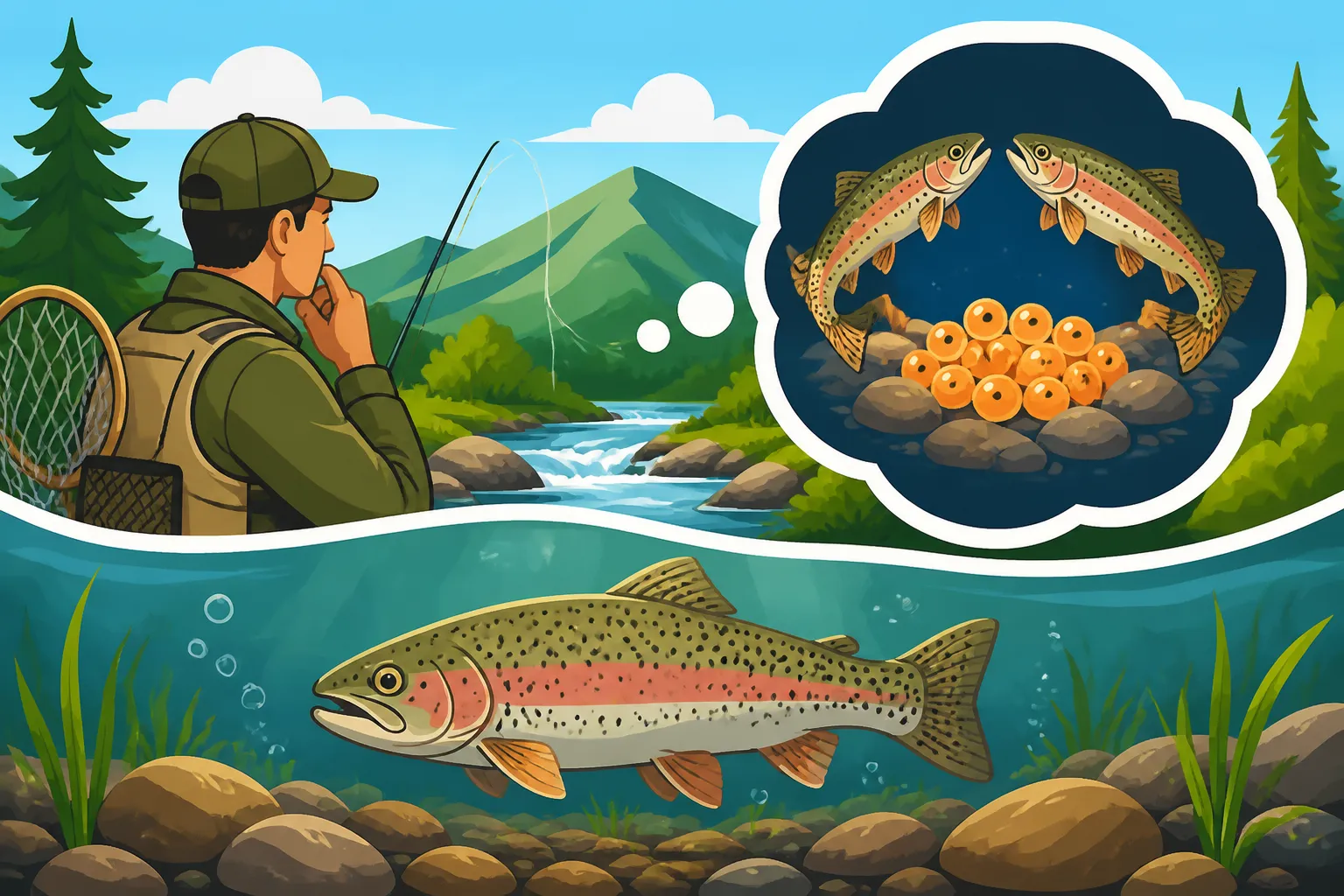
Beyond water quality, the physical habitat is crucial. Trout need gravel beds for spawning, where females can lay their eggs (known as redds) and males can fertilize them. They also require ample cover in the form of submerged logs, undercut banks, boulders, and overhanging vegetation to hide from predators and strong currents. A mosaic of riffles (fast, shallow water), runs (deeper, flowing water), and pools (deep, slow water) provides diverse habitats for trout at different life stages, offering feeding lanes, resting areas, and places to grow safely. Without these critical elements, even the cleanest water won't support a thriving wild trout population.
Water Temperature and Flow Regimes
Trout are coldwater fish, and temperature is perhaps the most significant limiting factor for natural reproduction in New Hampshire. Brook trout, our native species, prefer water temperatures below 68°F (20°C) and struggle to survive or reproduce in consistently warmer water. Rainbow and brown trout can tolerate slightly warmer conditions, but sustained periods above 70°F (21°C) are detrimental. This is why you'll find thriving wild trout populations predominantly in the higher elevations and spring-fed streams of New Hampshire, where water naturally stays cold throughout the summer.
Stable flow regimes are equally important. During spawning season (typically fall for brook and brown trout, spring for rainbow trout), consistent water levels are vital. Rapid fluctuations—either extreme droughts that expose redds or sudden floods that scour them away—can devastate an entire year's worth of reproduction. Projects that alter natural stream flow, such as dams or excessive water withdrawals, can severely impact the ability of trout to reproduce naturally. Anglers often keep a close eye on water levels and temperatures, understanding their direct impact on the fish, and you can find many specialized tools for monitoring these conditions, often available on Amazon, to ensure you're fishing responsibly and effectively.
Food Availability and Competition
For trout fry and juveniles to grow into reproductive adults, there needs to be a consistent and abundant food supply. Wild trout primarily feed on aquatic insects (like caddisflies, mayflies, and stoneflies), their larvae, and terrestrial insects that fall into the water. Larger trout will also eat smaller fish, crayfish, and other invertebrates. A healthy stream ecosystem supports a rich diversity of these prey items.
Competition for food and space can also impact natural reproduction. If a stream is overpopulated, or if invasive species are present, young trout may struggle to find enough sustenance to survive and grow. In some stocked waters, the presence of large numbers of hatchery fish can sometimes temporarily compete with any resident wild trout, though stocked fish often don't survive long-term in environments unsuitable for natural reproduction. Understanding the balance of species in a waterbody is part of Reading the New Hampshire Freshwater Fishing Digest, which provides detailed information on local ecosystems.
Predation and Human Impact
Even if water quality, habitat, temperature, and food are all perfect, young trout still face a gauntlet of predators. Birds like kingfishers and herons, various mammals, and larger fish (including other trout) all prey on eggs and juvenile trout. This is a natural part of the ecosystem, but excessive predation can hinder recovery or expansion of wild populations.
Human impact, unfortunately, often plays the biggest role. Beyond pollution and altered flows, overfishing can deplete wild populations faster than they can reproduce. While New Hampshire Fish and Game sets strict New Hampshire Trout Limit and Possession Rules to manage this, anglers have a responsibility to understand which waters hold wild trout and consider practicing catch and release, especially for native brook trout, to help sustain these delicate populations. Habitat destruction through irresponsible development, logging, or recreational activities (like driving ATVs through streambeds) can also irreversibly damage spawning grounds and cover.
Where Natural Reproduction Thrives: Identifying Wild Trout Waters
So, where can you find these resilient wild trout in New Hampshire? While it takes a keen eye and often some dedicated exploration, there are certainly specific types of waters where natural reproduction is more likely to occur and flourish. These are the gems of our fishing landscape, offering unique challenges and immense satisfaction.
Characteristics of Productive Wild Trout Streams
Identifying a stream with naturally reproducing trout often comes down to looking for a combination of environmental factors. Firstly, remote, headwater streams high in the mountains or deep within forested areas are prime candidates. These areas typically have limited human disturbance, stable cool temperatures due to elevation and spring inputs, and a natural forest canopy providing shade and leaf litter, which is essential for the aquatic insect food base.
Secondly, look for streams with excellent riparian buffers. This means healthy vegetation along the banks—trees, shrubs, and grasses—that stabilize the soil, prevent erosion, filter runoff, and provide shade. These buffers are invaluable. Thirdly, a stream with a diverse bottom composition, featuring plenty of gravel for spawning, large rocks for cover, and varying depths and current speeds, is ideal. Streams that flow year-round, even during dry spells, and maintain cold temperatures (check water temps with a thermometer on a warm summer day) are strong indicators of wild trout potential. These types of waters are often celebrated in guides like Best Fly Fishing Rivers in New Hampshire.
Notable New Hampshire Rivers and Streams with Wild Trout
While specific locations are often treasured secrets among local anglers, there are general regions and types of waters known for their wild trout populations. The White Mountains are undoubtedly the stronghold for wild brook trout, with countless small tributaries and headwater streams sustaining native populations. Rivers like portions of the Swift River, Ellis River, and many smaller, unnamed brooks offer incredible opportunities for those willing to hike. These can be challenging waters to fish, requiring specialized Fly Fishing for Trout in New Hampshire techniques and gear, sometimes available from outfitters or online retailers like Amazon.
Other areas include:
- Northern New Hampshire (Coos County): Many streams in this less-populated region, particularly those feeding larger rivers, still hold wild brook trout.
- Certain stretches of the Connecticut River tributaries: While the main stem of the Connecticut River has a complex history with damming, many of its colder, cleaner tributaries in the western part of the state can support wild brown and rainbow trout populations, alongside brook trout.
- Spring-fed streams throughout the state: Even in warmer regions, streams fed by strong, cold springs can create microhabitats where trout can survive and reproduce naturally, acting as refugia from higher temperatures.
It's always a good idea to consult the New Hampshire Fish and Game Department's resources, including their stocking reports and maps, and special regulation listings, to get the most accurate and up-to-date information on specific water bodies. Often, waters designated as "fly fishing only" or "catch and release" might indicate the presence of significant wild trout populations that the state is trying to protect and enhance.
Supporting Natural Reproduction: What Anglers and Conservationists Can Do
As anglers and lovers of New Hampshire's natural beauty, we all have a role to play in protecting and enhancing the opportunities for trout to reproduce naturally. It's not just about catching fish; it's about being stewards of the resource for future generations.
Practicing Catch and Release in Sensitive Areas
One of the most direct ways anglers can support natural reproduction is by thoughtfully practicing catch and release, especially in streams known or suspected to hold wild trout. While there are regulations that allow for harvest, choosing to release wild fish, particularly larger, healthy individuals that are vital for spawning, ensures they can contribute to the next generation. Using proper catch and release techniques, such as wet hands, barbless hooks, and minimizing handling time, significantly increases a fish's survival rate. Getting a good landing net that's easy on fish, often found on Amazon or at local tackle shops, is also a great idea.
If you're unsure if a fish is wild or stocked, consider releasing it. When in doubt, let it go. This is especially true for our precious native brook trout. Learning the nuances of How to catch holdover trout in New Hampshire versus truly wild-bred fish can also inform your decisions on the water.
Advocating for Habitat Protection and Restoration
Beyond individual actions, supporting broader conservation efforts is critical. This includes:
- Voting for conservation initiatives: Electing officials who prioritize environmental protection and funding for state fish and game departments ensures resources are available for habitat work.
- Supporting conservation organizations: Groups like Trout Unlimited, New Hampshire Rivers Council, and local conservation commissions actively work on stream restoration projects, advocating for better land use practices, and educating the public. These organizations often rely on volunteer time and donations.
- Practicing responsible land use: If you own property near a stream, maintaining or planting riparian buffers, managing stormwater runoff, and avoiding chemical use near waterways can have a significant positive impact on water quality and fish habitat.
- Educating others: Share your knowledge with fellow anglers and outdoor enthusiasts. Help them understand the value of wild trout and the importance of responsible angling practices. This collective awareness is powerful.
When we actively engage in protecting New Hampshire's cold, clean waters and healthy stream habitats, we are directly contributing to the ability of trout to reproduce naturally, ensuring that the magic of catching a truly wild fish endures for years to come. Investing in good Best Gear for New Hampshire Trout Fishing, including things like appropriate Best Waders for New Hampshire Trout Streams and durable Best Fly Rods for New Hampshire Trout Streams helps ensure you can access and enjoy these pristine wild waters respectfully and for many seasons.
Disclaimer
This article is for general informational purposes only and does not constitute professional advice. Laws, prices and regulations vary by location and change over time. Consult a qualified professional for guidance on your specific situation.