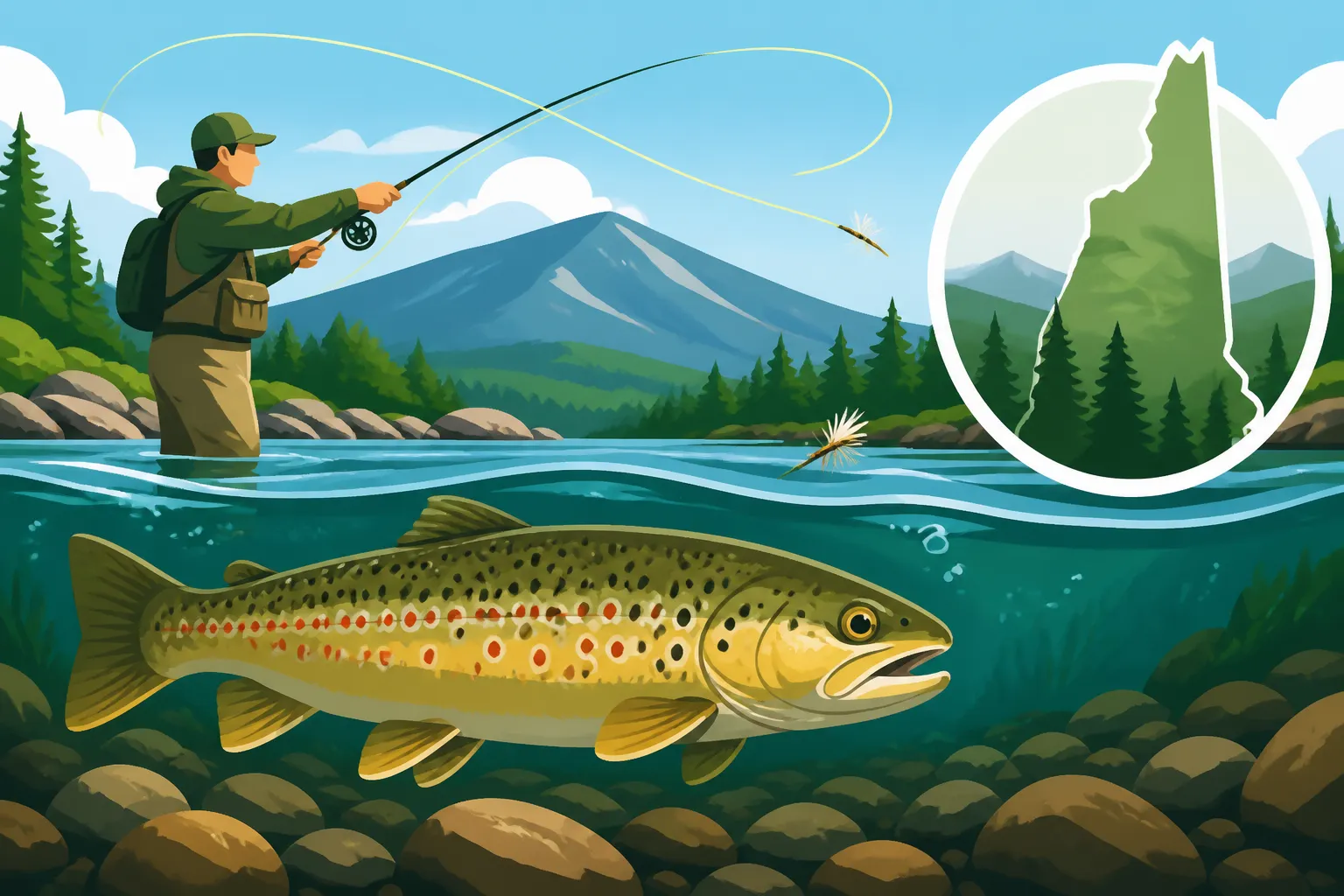
How to catch holdover trout in New Hampshire
It's a common story in New Hampshire: you hit your favorite trout pond after a fresh stocking, and it's a blast. But then, a few weeks later, you go back, expecting the same easy action, and… crickets. The fish just aren't there, or they're ignoring everything you throw at them. This guide is all about tackling that frustration, diving deep into the art and science of catching those elusive "holdover" trout – the smarter, warier survivors who have adapted to their new homes.
What Exactly Are Holdover Trout?
Let's clear the air right away. When we talk about "holdover trout" in New Hampshire, we're not talking about those freshly-dumped, pellet-fed fish from the hatchery that often seem to bite at anything. No, a holdover trout is a game-changer. These are the trout, typically brook, rainbow, or brown trout, that were stocked in previous weeks, months, or even years, and have managed to survive the initial angling pressure, adapt to their natural environment, and start behaving more like wild fish.
From Hatchery to Wild Instincts
Think of it like this: when trout first come from the hatchery, they're often a bit disoriented and incredibly naive. They're used to being fed, seeing humans as providers, and living in a relatively safe, contained environment. This is why the first few days after a stocking can be so productive – they're not suspicious, and they'll readily hit a wide variety of baits and lures. This period is great for beginners or a fun family outing. You can learn more about this initial phase in articles like How to catch trout right after stocking in New Hampshire or New Hampshire Trout Stocking and Fishing Rules.
But for the holdovers, that honeymoon is long over. They've experienced being hooked, seen their brethren caught, and learned to associate certain sounds, shadows, or presentations with danger. They've also had to figure out how to forage for natural food, avoid predators, and find safe havens in the water. This shift means they develop keen senses, become incredibly wary, and their survival instincts kick into high gear. They grow smarter, more cautious, and often bigger, making them a much more rewarding challenge to pursue.
Why Holdovers are a Different Beast
The distinction between a freshly stocked fish and a holdover is massive, and understanding this is the first step to success. A holdover isn't just a stocked fish that's been in the water for a while; it's a fish that has undergone a fundamental behavioral transformation. They're no longer confined to the easy-to-reach areas near the stocking point. They've dispersed, found their own territories, and begun to understand the natural rhythm of their environment.
This change means they are less likely to fall for brightly colored, oversized baits or lures that would have worked on day one. They'll shy away from heavy lines, clumsy casts, or noisy approaches. Instead, they'll demand stealth, finesse, and a much more thoughtful presentation of bait or fly. Catching one feels less like harvesting and more like truly outsmarting a wild creature, which, for many anglers, is the ultimate thrill.
Where Holdover Trout Hide in New Hampshire
Knowing where to look for holdover trout is half the battle. They aren't going to be holding in the same obvious spots as their recently stocked cousins. These fish have found places to feel secure, find consistent food, and escape pressure. You need to think like a wild trout, not a hatchery fish.
Seeking Structure and Cover
Holdover trout gravitate towards structure and cover, just like truly wild trout. This means:
- Deep Pools and Runs: In rivers and streams, look for the deepest pools, especially those with slower currents or eddies where they can rest and ambush food. Runs with complex bottom contours, like large boulders or submerged logs, are prime real estate. New Hampshire Trout Stocking and Fishing Rules can give you an idea of where regulations might push fish into certain areas.
- Undercut Banks and Overhanging Vegetation: These spots provide shade, concealment from aerial predators (like osprey or eagles), and a safe place to hide from anglers. Trout will often sit right at the edge of the current, just inside the shadow line of an overhanging branch.
- Submerged Rocks, Logs, and Brush Piles: Any structure that breaks up the current or offers a place to hide is a magnet. These spots also tend to accumulate natural food sources. In larger ponds and lakes, submerged humps, rock piles, or old timber can hold impressive holdovers.
- Cooler Water Refuges: As summer progresses and water temperatures rise, holdovers will seek out the coldest water available. This might be near the mouth of a cold tributary stream, around groundwater seeps, or simply in the deepest sections of a pond or lake where thermoclines keep the water cool and oxygenated. Understanding the water temperature is crucial for finding them in warmer months.
Different Waters, Different Tactics
New Hampshire offers a diverse range of trout waters, and holdovers will behave differently depending on the environment.
Small Streams and Rivers:
In smaller freestone streams or even larger rivers like the Pemigewasset or Merrimack, holdovers will often be found in the classic trout lies: behind boulders, in the seam lines of currents, deep plunge pools below rapids, and under cut banks. They'll hold tight to cover, conserving energy and waiting for food to drift by. For fly anglers, stealthy approaches and accurate casts are paramount. If you're wading, think about Best Waders for New Hampshire Trout Streams and proper Wading Techniques for New Hampshire Trout Streams to avoid spooking fish.
Ponds and Lakes:
Larger bodies of water like many of New Hampshire's designated trout ponds or smaller lakes present a different challenge. Here, holdovers might be in deeper water, sometimes suspended, or near drop-offs and transitions in bottom structure. They might cruise shorelines in low light conditions but will often retreat to deeper, cooler water during the day. In ponds, focus on areas with submerged vegetation, old stumps, or points that extend into deeper water. You might find some excellent holdover opportunities in many of the Best Trout Ponds in New Hampshire.
Boundary Waters:
Don't forget about New Hampshire's unique boundary waters, especially along the Connecticut River. These larger river sections can hold some truly enormous holdovers and wild trout, but they demand different tactics, often involving larger boats or precise wading to reach prime spots. The habitat here can be expansive, offering many more places for fish to spread out and avoid pressure.
Essential Techniques and Gear for Holdover Trout
Successfully targeting holdover trout requires a more refined approach than simply chucking a worm. You need to scale down, be stealthy, and match your presentation to what these warier fish are looking for.
Finesse and Presentation
Forget the heavy monofilament and flashy hardware you might use for freshly stocked fish. Holdovers demand finesse.
- Lighter Line: Opt for lighter fluorocarbon or monofilament lines, typically 4-6 lb test. Fluorocarbon is excellent because it's nearly invisible in water and has good abrasion resistance for fishing around structure. You can find quality fluorocarbon leaders on a site like Amazon.
- Smaller Baits and Lures: Think natural. If using bait, small pieces of worm, mealworms, or corn can be effective. For lures, tiny inline spinners (sizes 0-1), small spoons, or miniature crankbaits in natural colors (silver, gold, brown, olive) often outperform their larger, brighter counterparts. The key is to imitate natural forage, like small minnows or aquatic insects.
- Natural Fly Patterns: Fly fishing truly shines for holdovers. Matching the hatch with realistic nymph, dry fly, or emerger patterns is crucial. Even streamer patterns should be smaller and more subtly colored to imitate natural baitfish. Learning Fly Fishing for Trout in New Hampshire is highly recommended for holdovers. Consider patterns like Prince Nymphs, Hare's Ears, pheasant tails, or small olive woolly buggers.
- Stealth and Approach: This cannot be stressed enough. Holdovers are easily spooked. Approach fishing spots quietly, stay low, and cast from a distance. Avoid heavy footsteps on the bank or bright clothing that contrasts sharply with the background. Shadow management is also critical – don't cast your shadow over the water you're about to fish.
Essential Gear Upgrades
Your gear choices will significantly impact your success with holdovers.
- Sensitive Rods: A light or ultralight spinning rod (6' to 7') with a fast action will allow you to feel subtle bites and make accurate casts with light lures. For fly fishing, a 3-5 weight rod is ideal for New Hampshire trout streams and ponds. Look for quality rods and reels that balance well. Best Gear for New Hampshire Trout Fishing covers a lot of great options.
- Polarized Sunglasses: These are non-negotiable. Polarized lenses cut glare, allowing you to see submerged structure, detect subtle movements, and even spot trout in the water. A good pair can make all the difference in presenting your offering precisely. You can find a wide range of polarized sunglasses on Amazon that will suit any budget.
- Wading Gear: If you're fishing streams or river sections, a good pair of waders and wading boots is essential for getting to those hard-to-reach spots safely and comfortably. Felt soles offer excellent grip on slippery rocks but are often restricted in certain waters to prevent the spread of invasive species. Rubber soles with studs are a great alternative. For more on this, check out Best Wading Boots for Rocky Streams.
- Fine Leader and Tippet Material: Even with light main line, an even finer fluorocarbon leader or tippet (2-4 lb test) will increase your hookups. Holdovers have excellent eyesight! For fly anglers, investing in good quality tippet from a brand like Rio or Scientific Anglers is a must.
Timing Your Holdover Hunt
Just as important as where and how you fish, is when you fish. Holdover trout are keenly attuned to environmental factors.
Seasons and Water Temperatures
While trout can be caught year-round in New Hampshire (where seasons allow, always check New Hampshire Fishing Season Dates and Closures), holdover tactics often shine in the shoulder seasons.
- Spring: Early spring, after the ice-out but before water temperatures get too warm, can be fantastic. Holdovers are actively feeding after a long winter and haven't faced intense pressure yet. Water temperatures between 45-55°F are often ideal. They'll be more active and willing to chase.
- Summer: This is perhaps the most challenging time. As water temperatures climb above 65°F, trout become stressed and less active. They'll retreat to deep, cool water or hide in shaded, oxygenated areas. Focus on early mornings, late evenings, or even night fishing when temperatures are at their lowest. Fishing near cold water inlets or springs becomes paramount.
- Fall: As water temperatures drop back into the ideal range (45-55°F), fall can be incredibly productive. Holdovers are feeding aggressively to put on weight for winter. They become more active, and with fewer anglers on the water, they might be more cooperative. This is a prime time for larger holdovers to be caught.
Time of Day and Weather Considerations
Holdovers are often most active during periods of low light and stable weather conditions.
- Dawn and Dusk: These are prime times. The low light offers trout a sense of security from predators, and many natural insects are active. This is when holdovers might venture out from their cover to feed more aggressively.
- Overcast Days: Cloudy, drizzly days can be excellent. The diffused light makes trout less skittish and can trigger insect hatches. The water might also feel safer to them without direct sunlight.
- Stable Barometric Pressure: Rapid changes in barometric pressure, particularly sharp drops, can make fish finicky. Look for periods of stable or slowly rising pressure for more consistent bites.
- Post-Rain Clarity: After a significant rain, when the initial muddy runoff has cleared but the water is still slightly stained, can be a sweet spot. The higher water can dislodge natural food, and the slightly reduced visibility makes trout bolder, while still maintaining some cover from above.
Remember, every day is different, and being adaptable is key. Spend time observing the water, look for insect activity, and pay attention to what the fish are telling you. Learning about local species like those covered in Trout Species Identification Guide for New Hampshire can further refine your approach.
Here's a quick comparison to help you adjust your strategy:
| Feature | Freshly Stocked Trout (Naive) | Holdover Trout (Wary) |
|---|---|---|
| Habitat | Near stocking points, open water, easily accessible banks. | Deep pools, undercut banks, submerged cover, cool water refuges. |
| Behavior | Less wary, actively feeding, less sensitive to disturbance. | Highly sensitive, spooky, seek cover, opportunistic feeders. |
| Line Test | 6-8 lb monofilament. | 2-6 lb fluorocarbon or monofilament. |
| Lure/Bait Size | Larger, brighter spinners, PowerBait, full worms. | Smaller inline spinners, tiny spoons, natural baits, subtle flies. |
| Presentation | Less critical, often aggressive retrieves. | Finesse, stealth, matching natural forage, slow retrieves. |
| Best Times | Immediately after stocking, anytime. | Dawn/dusk, overcast days, stable weather, shoulder seasons. |
| Gear Focus | Durable, general-purpose spinning gear. | Sensitive rods, polarized sunglasses, fine leaders, specialized flies. |
Catching holdover trout in New Hampshire is a testament to an angler's skill and patience. It's about respecting the fish, understanding their new environment, and adapting your techniques to meet their evolved instincts. The reward? A truly memorable catch that feels earned, proving you've moved beyond just "catching stockers" to genuinely "fishing for trout."
Disclaimer
This article is for general informational purposes only and does not constitute professional advice. Laws, prices and regulations vary by location and change over time. Consult a qualified professional for guidance on your specific situation.