The largest lake trout ever caught in New Hampshire
The dream of every angler in New Hampshire is to hook into a truly massive fish, and for many, that ultimate prize is a giant lake trout. While chasing the current state record can feel like an insurmountable quest, understanding what makes these behemoths tick and the sheer dedication involved in even getting close to such a feat is fascinating. This guide dives into the pursuit of the largest lake trout ever caught in New Hampshire, exploring the waters where they roam, the techniques used to catch them, and what it truly means to encounter one of these majestic freshwater giants.
The Allure of New Hampshire's Lake Trout
There's something incredibly special about lake trout. They're ancient, powerful, and mysterious, often dwelling in the deepest, coldest parts of our largest lakes. In New Hampshire, when we talk about impressive fish, lake trout are almost always at the top of the list, right alongside their landlocked salmon cousins. Many anglers spend a lifetime trying to land just one truly significant "laker," a fish that tests both skill and endurance.
Their Natural Habitat and Behavior
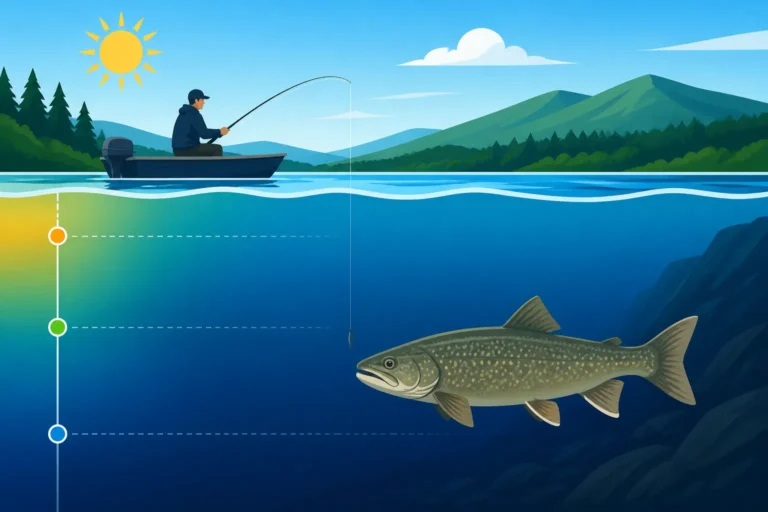
New Hampshire's deep, oligotrophic lakes are the perfect homes for lake trout. Think of massive water bodies like Lake Winnipesaukee, Newfound Lake, and Sunapee Lake. These aren't just pretty places; their cold, oxygen-rich depths provide the ideal environment for lake trout to thrive, especially during the warmer months when other species retreat to shallower waters. Lake trout are masters of their environment, often moving vertically through the water column, following their preferred temperatures and, most importantly, their food sources. They are truly apex predators in these coldwater ecosystems, constantly on the hunt.
During certain times of the year, particularly after ice-out and again in the fall, lake trout can be found closer to the surface or near rocky structures. However, for most of the summer, they retreat to the cooler, deeper zones, often suspending over immense depths. This behavior makes them a challenging target, requiring specialized techniques and a keen understanding of their movements. If you're serious about finding these elusive giants, you need to think like them and understand the depths they prefer.
Growth Potential and Lifespan
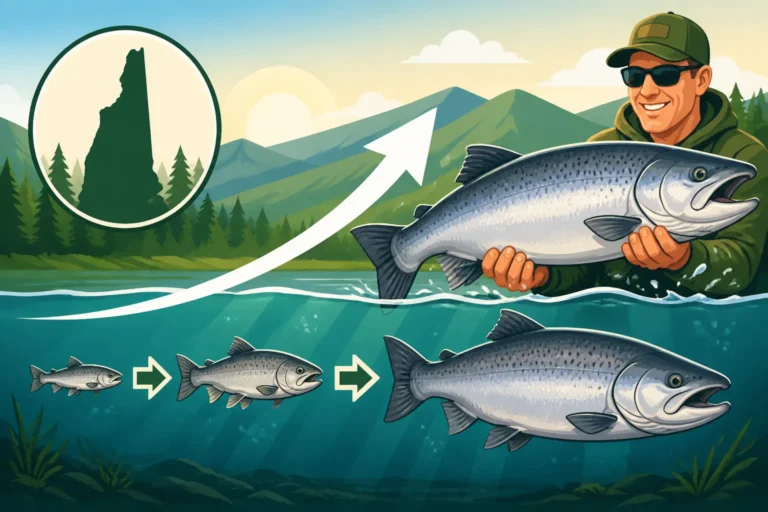
Lake trout are slow-growing but can live for a very long time, often reaching impressive sizes over decades. Their longevity is a key factor in their ability to become truly massive. In optimal conditions, with an abundant food supply and stable habitat, a lake trout can continue to grow, albeit slowly, throughout its life. It's not uncommon for anglers to catch lake trout that are many years, even decades, old.
The state record isn't just about a lucky cast; it's about a fish that has survived countless winters, evaded countless predators, and found a rich environment to sustain its growth. How big lake trout get in New Hampshire depends heavily on the specific lake, its forage base, and fishing pressure. A lake with a healthy population of smelt or other baitfish offers these trout the protein needed to pack on serious weight. These long lives and steady growth rates are what create the potential for the kind of record-breaking fish that captivate our imaginations.
The Pursuit of Trophy Lake Trout
Catching a lake trout of any size is an achievement, but actively targeting a trophy-class fish, one that might challenge the state record, is an entirely different endeavor. It requires meticulous planning, specialized gear, and an almost obsessive dedication.
Specialized Gear and Techniques
When you're after a monster laker, your standard bass rod and reel won't cut it. Anglers pursuing trophy lake trout often invest in heavy-duty conventional or trolling setups capable of handling tremendous drag and the immense power of a large fish. Downriggers are practically essential for getting lures and baits down to the depths where these fish spend most of their time, especially in the summer. Specialized leadcore line or wire line setups are also common to reach those deep zones.
Lures for big lake trout are often large themselves, mimicking the smelt and other forage fish that constitute their primary diet. Spoons, plugs, and even large tube jigs are popular choices. Many anglers also use live or dead bait, such as large shiners or smelt, fished on robust hooks and leaders. Having reliable electronics, like a high-quality fish finder, is also crucial. These devices, readily available on platforms like Amazon, allow you to identify baitfish schools, locate deep structure, and even spot individual fish in the abyss. Remember, gear alone won't guarantee success, but the right tools certainly increase your odds. To learn more about setting up, check out our guide on Best Trolling Gear for New Hampshire Lake Trout.
Patience and Persistence
More than any specific lure or technique, patience is the ultimate virtue when chasing record lake trout. These fish don't just jump on the line; they are often spread out over vast areas and can be finicky eaters. Trolling for hours, sometimes an entire day, without a single bite is not uncommon. It's a game of covering water, experimenting with depths and speeds, and having the mental fortitude to keep at it.
A typical day targeting lake trout might involve meticulously setting up multiple lines, each at a different depth with a different lure, then slowly trolling patterns over known lake trout haunts. It's a methodical process, often requiring adjustments based on current conditions, such as light levels, wind, and even the barometer. The reward for this persistence, however, is the explosive strike of a truly giant fish, a moment that makes all the waiting worthwhile. Whether you're trolling in open water or jigging through the ice during the New Hampshire Lake Trout Ice Fishing Season Dates, the commitment required is immense.
Factors Contributing to Large Lake Trout Size
What makes one lake capable of producing a record-breaking lake trout, while others only yield average-sized fish? It’s a complex interplay of environmental conditions, genetics, and, crucially, the available food supply. New Hampshire's top lake trout waters are often perfect examples of this delicate balance.
Rich Forage Base
The most critical factor for growing truly enormous lake trout is an abundant and consistent supply of high-quality forage. In New Hampshire, this often means a thriving population of rainbow smelt. Smelt are oily, protein-rich baitfish that provide the necessary energy for lake trout to grow large and healthy. Lakes with robust smelt populations, like Winnipesaukee, often produce the largest lake trout. When you have a reliable "smelt factory" in the lake, the lakers have a consistent buffet to feed on.
Beyond smelt, other species like cisco (lake herring) or even smaller yellow perch can contribute to the diet of a large lake trout. The more diverse and plentiful the forage base, the better the chances of a laker reaching trophy status. This is why managing baitfish populations is so vital for maintaining trophy lake trout fisheries. When the food chain is strong, the top predators benefit greatly.
Water Quality and Depth
Lake trout are very sensitive to water temperature and oxygen levels. They thrive in cold, clean, highly oxygenated waters. The deep lakes of New Hampshire, with their pristine water quality, provide the perfect thermal refuge for lake trout, especially during the peak of summer when surface temperatures climb. These lakes often have a distinct thermocline, a layer where the water temperature changes rapidly, which lake trout utilize to find their preferred comfort zone.
Consistent access to cold, oxygen-rich water throughout the year means less stress on the fish and more energy dedicated to growth. Lakes with extensive deepwater areas, offering plenty of room for these fish to roam and find ideal conditions, tend to grow larger trout. Shallow, warmer lakes simply can't sustain the long-term health and growth necessary for a lake trout to become truly massive. The constant cool temperatures slow their metabolism, allowing for more efficient growth over their long lifespans.
Genetics and Age
While environment and food are crucial, genetics also play a role. Some individual fish or specific strains of lake trout may have a genetic predisposition to grow larger than others. Combined with a long lifespan, this genetic potential can be fully realized. As mentioned, lake trout are incredibly long-lived, and a record-breaking fish will almost certainly be an old fish, one that has navigated the challenges of its environment for many, many years.
The combination of inherent genetic potential, decades of growth, and an optimal environment creates the perfect storm for a true giant. It's a testament to the resilience and adaptability of these fish, surviving through countless seasons to reach an almost legendary size. These are the fish that have been "through it all" and managed to thrive.
Documenting and Verifying a Potential Record
Imagine the excitement, the trembling hands, the disbelief of realizing you've just landed a fish that could be a new state record. It's a moment most anglers only dream of, but it comes with a serious responsibility: proper documentation.
The Official Process
If you believe you've caught a new state record lake trout, there's a specific protocol to follow to get it officially recognized by the New Hampshire Fish and Game Department. This isn't just about showing off your catch; it’s about contributing to the state's angling history and scientific data.
First and foremost, the fish must be weighed on a certified scale. This usually means finding a local store, marina, or sporting goods shop with a scale that has been inspected and approved for commercial use. This isn't the time for your kitchen scale! You'll also need to measure the fish's length and girth. Clear, well-lit photographs from multiple angles are also essential, ideally with a recognizable object for scale (like a ruler or a familiar piece of fishing gear). It's also important to have a witness or two, if possible, to verify the catch and the measuring process. The more evidence you have, the smoother the verification process will be. Always refer to the latest New Hampshire Fishing Regulations Explained or the official Fish and Game website for the most current guidelines on record fish submission.
Conservation and Release Considerations
While the pursuit of a record is thrilling, many anglers today prioritize conservation, especially when it comes to large, old fish. Trophy lake trout are often the most valuable breeders in a population, contributing significantly to future generations. For this reason, catch-and-release is strongly encouraged for these magnificent fish, even if they might challenge a record.
If you are committed to releasing a potential record, you can still document its size. A careful measurement of length and girth, along with clear photos, can often be submitted for "catch and release" records or at least recognized as a significant catch, even if it doesn't meet the requirements for a weight-based state record. Companies like Amazon offer plenty of gear designed for careful catch-and-release, such as knotless landing nets and specialized measuring boards that minimize harm to the fish. Learning Is It Legal to Release a Lake Trout You Catch in New Hampshire? is a good first step. The goal is to celebrate the catch while ensuring these genetic treasures continue to thrive in our beautiful New Hampshire waters.
Comparative Look: Average vs. Record Lake Trout
Let's take a moment to really appreciate the difference between a common catch and a truly record-breaking lake trout. This table offers a general idea, but remember, every fish and every lake is unique!
| Feature | Average New Hampshire Lake Trout | Record-Breaking Lake Trout |
|---|---|---|
| Typical Weight | 2-8 pounds | 20+ pounds |
| Typical Length | 18-28 inches | 36+ inches |
| Age | 5-15 years | 20+ years |
| Diet Focus | Smelt, insect larvae, smaller fish | Abundant smelt, larger fish, even smaller lakers |
| Habitat | Deep, cold, oxygenated water | Prime deep structure, consistent forage access |
| Catch Effort | Moderate to significant | Extreme patience, specialized gear, deep water expertise |
Where the Biggest Lake Trout Live in New Hampshire
While you can find lake trout in many of New Hampshire's deeper lakes, a few stand out as consistent producers of trophy-sized fish. These are the legendary waters where anglers dedicate countless hours, hoping for that one monumental bite.
Lake Winnipesaukee: The Crown Jewel
When most people think of trophy lake trout in New Hampshire, Lake Winnipesaukee immediately comes to mind. This massive body of water, covering over 70 square miles and reaching depths of over 180 feet, is an ideal habitat for lakers. Its vastness provides ample room for fish to grow, and its diverse structure—from deep rock piles to submerged humps—offers countless ambush points and foraging grounds. The lake also supports a very healthy population of rainbow smelt, which is the cornerstone of its exceptional lake trout fishery.
Anglers on Winnipesaukee employ various strategies, from deep trolling with spoons and plugs to vertical jigging over structure. Popular spots often include the deep basins, particularly around areas like The Broads, and near significant islands or underwater points that concentrate baitfish. Whether you're targeting them through the ice in winter or trolling in the open water of spring and fall, Winnipesaukee offers some of the best opportunities for Lake Winnipesaukee Lake Trout Fishing. Finding those Best deep water structure spots on Winnipesaukee can be the key to success.
Newfound Lake: A Deepwater Gem
Newfound Lake is another incredible fishery renowned for its deep, clear waters and impressive lake trout. While smaller than Winnipesaukee, it boasts incredible depths, plummeting over 180 feet in some areas. This translates to consistently cold, oxygen-rich water throughout the year, perfect for laker growth. Newfound Lake also has a strong smelt population, ensuring its lake trout have plenty to eat.
Fishing Newfound Lake for lake trout often involves similar deep-water trolling and jigging techniques used on Winnipesaukee. Its steep drop-offs and clear water can make for challenging but rewarding fishing. Anglers often focus on the central basin and areas where deep structure meets the main lake. The sheer clarity of the water here often demands long leaders of fluorocarbon, a common choice found on Amazon, to avoid spooking wary fish.
Sunapee Lake: Consistent Producers
Sunapee Lake, while perhaps more famous for its landlocked salmon, also holds a respectable population of large lake trout. Its deep, cold waters and good forage base contribute to healthy, growing fish. Anglers fishing Sunapee often target lake trout in conjunction with salmon, as both species inhabit similar deepwater environments and feed on smelt.
Similar to other deep lakes, trolling is the predominant method for lake trout on Sunapee, often focusing on the main lake basin and around its numerous islands and underwater ledges. The lake's reputation for healthy, vibrant fish makes it a popular destination for those hoping to land a trophy-sized laker. It's a stunning lake, and a great place to spend a day on the water pursuing these incredible fish.
Final Thoughts on New Hampshire's Lake Trout Records
The pursuit of "the largest lake trout ever caught in New Hampshire" is more than just about a number on a scale; it's about the dedication, the challenge, and the deep respect for these magnificent creatures. Whether you're aiming for the record books or simply hoping to catch a respectable laker, the journey is what truly counts. The cold, clear waters of New Hampshire hold incredible potential, and with the right knowledge, gear (perhaps some great finds from Amazon!), and a healthy dose of patience, you might just find yourself connected to the fish of a lifetime. Remember to always fish responsibly, respect the resource, and cherish every moment spent on our beautiful New Hampshire waters.
Disclaimer
This article is for general informational purposes only and does not constitute professional advice. Laws, prices and regulations vary by location and change over time. Consult a qualified professional for guidance on your specific situation.