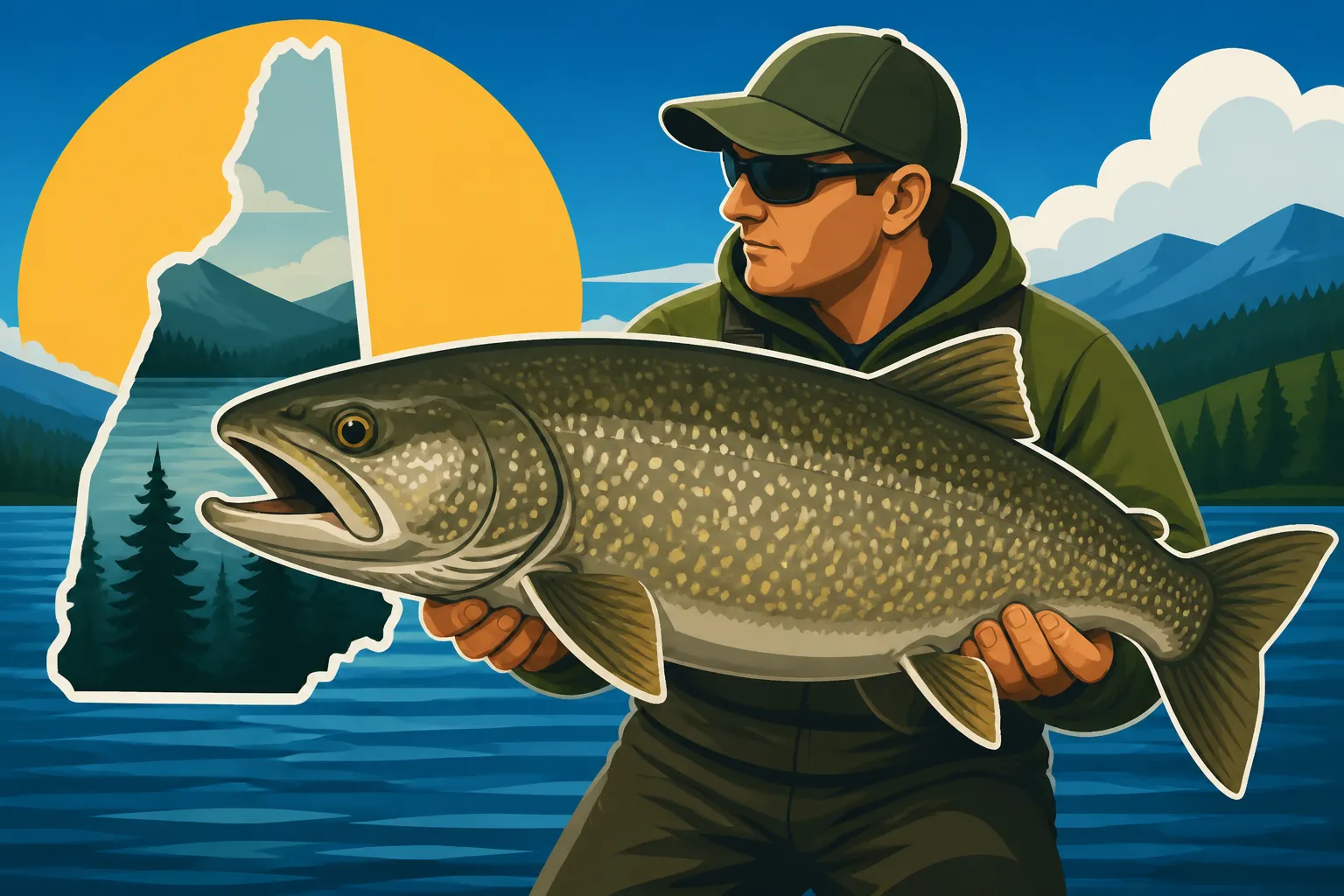
How big lake trout get in New Hampshire
One of the most exciting parts of fishing in New Hampshire is the pursuit of our magnificent lake trout. There's a common question that buzzes among anglers, from seasoned veterans to excited newcomers: just how big do these majestic fish actually get in our beloved Granite State waters? It's a question rooted in both curiosity and the angler's eternal hope for a trophy catch. This guide will dive deep into the fascinating world of New Hampshire lake trout, exploring their growth patterns, what influences their size, and what you can realistically expect when you hook into one of these deep-water giants.
Understanding Lake Trout Growth in New Hampshire
Lake trout are truly an incredible species, known for their longevity and impressive size potential, but their growth isn't uniform. It's a slow, steady process deeply tied to their environment. Unlike some faster-growing species, a significant lake trout in New Hampshire didn't get that way overnight; it’s a testament to years, sometimes decades, of survival and ample food.
Factors Influencing Lake Trout Size
The size a lake trout attains in New Hampshire is a complex interplay of several crucial factors. Understanding these can give you a better idea of what to expect when you're out on the water.
Diet and Forage Base
Perhaps the most critical factor influencing lake trout size is their diet and the abundance of suitable forage fish. Lake trout are apex predators in the deep, cold waters they inhabit. In New Hampshire, their primary food source often includes various baitfish, with Rainbow Smelt as Forage Fish in New Hampshire Lakes being a particularly important one. If a lake has a healthy, thriving population of smelt or other nutrient-rich baitfish, the lake trout have a consistent food supply to fuel their growth. Lakes with less abundant forage might produce more numerous, but smaller, lake trout. Think of it like a grocery store – the more stocked the shelves are, the better the residents eat. A lean laker is often a hungry laker, and a well-fed one is a growing one.
Water Body Characteristics
The specific lake or pond a lake trout calls home plays a massive role in its potential size. Larger, deeper, and colder lakes with ample oxygen throughout the water column provide ideal conditions for lake trout to thrive and grow old. Lakes like Winnipesaukee, Newfound Lake, and Lake Sunapee are renowned for their substantial populations of large lake trout precisely because they offer these prime habitats. These vast bodies of water provide extensive territories, diverse foraging opportunities, and critical thermal refuges during warmer months. Shallower, warmer, or smaller water bodies, even if they hold lake trout, might not support the same growth potential due to environmental limitations or competition. The sheer size and depth of a lake translate directly into more habitat and more resources for these fish.
Genetics and Strain
While often overlooked by the casual angler, the genetic makeup and strain of lake trout can also influence their ultimate size. Some lake trout strains are naturally predisposed to grow larger and live longer than others. New Hampshire's lake trout populations consist of both wild, naturally reproducing fish and those that are stocked. Stocked fish come from specific hatcheries and may have different genetic predispositions for growth and survival compared to their wild counterparts. While wild lake trout often embody the hardiness and slow growth typical of the species, well-managed stocking programs can introduce fish that contribute to a lake's trophy potential. It's not just about what they eat and where they live; it's also about who their parents were!
The Trophy Hunt: What Constitutes a "Big" Lake Trout?
When we talk about "big" lake trout, it’s often a subjective measure until you hit truly monumental sizes. For one angler, a 20-inch fish might be a personal best, while another is holding out for something that barely fits in the net. Let's try to put some perspective on what constitutes a significant lake trout in New Hampshire.
Defining a Trophy Lake Trout
What makes a lake trout a "trophy" can vary greatly. For many, any lake trout over 25 inches is considered a fantastic catch, representing years of growth. A fish pushing 30 inches or more is truly a specimen and will likely be remembered for a lifetime. These larger fish often carry significant weight, sometimes tipping the scales into the double digits. It’s not just about the numbers; it's about the deep-water fight, the sheer girth, and the undeniable presence of a fish that has navigated the challenges of its underwater world for so long. Length often tells a more consistent story than weight, as weight can fluctuate more with spawning cycles or recent feeding.
New Hampshire State Record and Where They're Caught
New Hampshire has a rich history of producing truly massive lake trout, and the state record stands as a testament to the immense potential of our waters. While I can't give you the exact current record weight or year (that kind of real-time data changes!), I can tell you that the state record lake trout is an absolute beast, weighing in at many pounds and stretching to impressive lengths. These record-breaking fish typically come from our largest, deepest, and most productive lakes, such as Lake Winnipesaukee, which is often considered the undisputed king for large lake trout. Lakes like Sunapee and Newfound also consistently produce fish that push the boundaries of what's considered "big." Catching a fish even half the size of the state record is a monumental achievement for any angler and highlights the incredible angling opportunities available here.
Here's a general idea of what to expect when you land a lake trout in New Hampshire:
| Lake Trout Size Category | Typical Length Range (inches) | Typical Weight Range (pounds) | Significance |
|---|---|---|---|
| Small/Young | 12-18 | 1-3 | Common, often stocked |
| Medium/Average | 19-24 | 3-6 | Good keeper size |
| Large/Notable | 25-30 | 7-12 | Excellent catch, personal best for many |
| Trophy | 30+ | 12+ | Rare, truly exceptional fish |
| State Record Potential | 36+ | 20+ | Once-in-a-lifetime fish, often from specific large lakes |
This table provides a generalized overview. Actual size and weight can vary significantly based on the specific water body, time of year, and overall health of the fish. Always refer to New Hampshire Bag and Possession Limits by Species for specific regulations on size and limits.
Age, Longevity, and Size Potential
Lake trout are slow-growing, long-lived fish. This characteristic is part of what makes catching a truly large one so special – you're essentially landing a fish that has survived many years in its environment.
How Long Lake Trout Live in New Hampshire
One of the most remarkable traits of lake trout is their longevity. In prime New Hampshire habitats, these fish can live for 15, 20, or even 30 years, sometimes more! This slow growth and extended lifespan allow them the time to reach truly impressive sizes, provided they have consistent food and suitable living conditions. However, this also means they are more vulnerable to fishing pressure, especially if large, mature fish are frequently removed from the population. Conservation efforts and responsible angling play a huge role in maintaining healthy populations of these long-lived giants. A fish that has lived for two decades has seen a lot of seasons come and go, dodging predators and anglers alike.
Maxing Out Their Potential
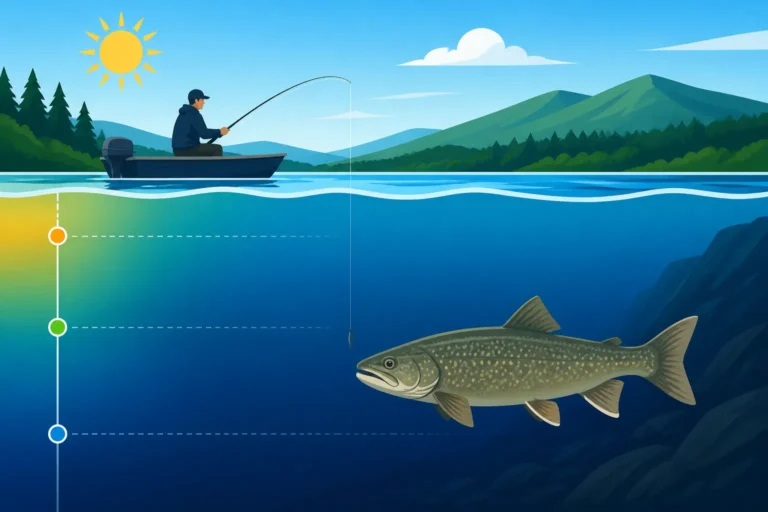
To reach their maximum size potential, lake trout need a perfect storm of factors: abundant, high-quality forage throughout their lives, a consistently cold and oxygen-rich environment, minimal stress from poor water quality, and perhaps most importantly, time. Lakes with stable ecosystems and good management practices are more likely to produce these truly colossal lake trout. When all these elements align, a lake trout can grow into an absolute leviathan, a fish that embodies the wild spirit of New Hampshire's deep waters. That’s why the deep, cold, and bait-rich waters are often the ones producing the monsters. Learning How deep lake trout go in summer can help you find these optimal conditions.
Practical Tips for Targeting Larger Lake Trout
If you're dreaming of landing a truly big New Hampshire lake trout, it's going to take a bit more than luck. It requires understanding their habits, knowing where to find them, and using the right tools and techniques.
Gear and Techniques for Trophy Fish
When targeting larger lake trout, your gear needs to be up to the task. These fish are powerful, especially in deep water, and can put a serious bend in your rod. You'll want to invest in robust fishing tackle designed for heavy-duty trolling or jigging. This often means using medium-heavy to heavy action rods paired with reels that have strong drags and ample line capacity. For deep water, specialized gear like downriggers are often essential to get your lures to the depths where the big lake trout reside. Look for reputable brands offering quality components, and you can often find a wide selection of suitable Best Trolling Gear for New Hampshire Lake Trout or other tackle on platforms like Amazon.
As for techniques, trolling is king for covering water and finding active fish, especially during warmer months. Large spoons, stickbaits, and even live bait (where permitted) are popular choices. When the fish are holding tight to structure or during ice fishing season, vertical jigging with heavy jigs or spoons can be incredibly effective. Understanding How to Catch Lake Trout in New Hampshire involves mastering these deep-water tactics. Always pay attention to your electronics to locate fish and structure, as big lake trout are rarely found suspended in open, featureless water; they relate to contours, humps, and drop-offs.
Best Lakes for Big Lake Trout
If you're serious about catching a large lake trout in New Hampshire, you need to focus your efforts on the lakes known for producing them.
- Lake Winnipesaukee: Without a doubt, "The Big Lake" is New Hampshire's premier destination for trophy lake trout. Its immense size, incredible depth, and abundant forage (like smelt) make it an ideal habitat for lakers to grow to impressive sizes. It consistently yields fish over the 10-pound mark. If you are going after the giants, this is probably where you want to start. Check out our Lake Winnipesaukee Fishing Guide for more details.
- Newfound Lake: Known for its crystal-clear waters and significant depths, Newfound Lake also holds a strong population of large lake trout. It's another fantastic option for anglers seeking a memorable catch.
- Lake Sunapee: While perhaps more famous for its landlocked salmon, Sunapee also has a healthy population of lake trout that can reach substantial sizes. The deep, cold waters provide excellent habitat.
- Lake Squam: Smaller than Winnipesaukee, but still a substantial and deep lake, Squam offers opportunities for impressive lake trout, particularly for those willing to explore its varied depths and structures.
- Other Deep Lakes: Many other deep, cold-water lakes throughout the state also hold lake trout, though perhaps not with the same consistency for true giants as the "big three." Doing your research and consulting the Best Fishing Lakes in New Hampshire can help you identify other promising waters.
Remember, targeting these magnificent fish is a rewarding challenge. It takes patience, persistence, and a good understanding of their habits. The reward, however, of bringing a truly big lake trout to the boat, a fish that has navigated the depths for many years, is an experience that few other freshwater species can match in New Hampshire. Always ensure your gear, from rods to downriggers, is in top shape before heading out, and you can always browse options for quality equipment on platforms like Amazon to prepare for your next big lake trout adventure.
Disclaimer
This article is for general informational purposes only and does not constitute professional advice. Laws, prices and regulations vary by location and change over time. Consult a qualified professional for guidance on your specific situation.