Which lakes get tiger muskie stockings
There's a unique thrill in fishing for a truly impressive freshwater predator, and for many New Hampshire anglers, the elusive tiger muskie represents the pinnacle of that challenge. However, the mystery surrounding where these fascinating hybrid fish are stocked can be a real head-scratcher. This comprehensive guide will pull back the curtain on the world of tiger muskie in the Granite State, helping you understand what they are, why they're here, and most importantly, where you might have a shot at hooking one, alongside essential tips for pursuing these freshwater giants.
Understanding the Allure of Tiger Muskie in New Hampshire
Fishing in New Hampshire offers so many diverse experiences, from tranquil trout streams to vast lakes teeming with bass. But for those seeking something truly unique, something that demands heavy gear and a boatload of patience, the tiger muskie stands out. These fish aren't native to our waters, yet they've carved out a special niche, providing an exciting, albeit challenging, fishery for a dedicated group of anglers.
What Exactly is a Tiger Muskie?
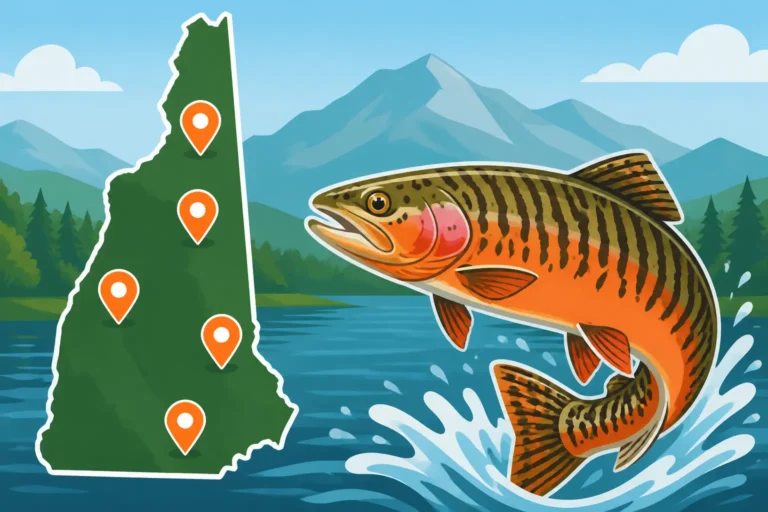
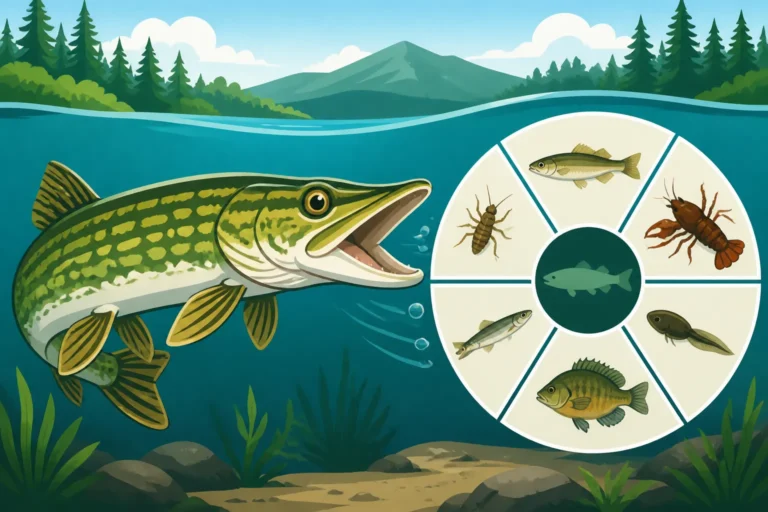
A tiger muskie isn't a naturally occurring species; it's a sterile hybrid cross between a muskellunge (often called a muskie) and a northern pike. Think of it as a finely tuned, streamlined predator with the best traits of both parents. They inherit the muskie's robust, powerful build and the northern pike's distinctive dark bars or spots, creating a striking "tiger stripe" pattern – hence the name. Because they're sterile, they can't reproduce, which is actually a key reason why fisheries departments sometimes introduce them. Without the ability to overpopulate, their numbers can be carefully managed, ensuring a quality trophy fishery without impacting native species through reproduction. They grow quite large, are notoriously aggressive, and put up a formidable fight, making them a coveted catch for serious anglers.
Why New Hampshire Stocks Tiger Muskie
The decision to stock any fish species, especially a hybrid like the tiger muskie, is a carefully considered one, rooted in fishery management goals. In New Hampshire, the stocking of tiger muskie primarily serves a few key purposes. Firstly, they provide a unique trophy fishing opportunity. Let's face it, many of us dream of catching a truly massive fish, and a tiger muskie certainly fits that bill. Their size, strength, and relative rarity create a distinct angling experience that draws passionate fishermen.
Secondly, because they are sterile, they offer a management tool. They can consume abundant forage fish, helping to balance ecosystems without the risk of establishing a self-sustaining, non-native population that could potentially outcompete or hybridize with native species. It's a way to introduce a top-tier predator without the long-term ecological concerns associated with introducing fertile, non-native fish. While they might not be everyone's cup of tea, the anglers who pursue them are often incredibly dedicated and contribute to the local fishing economy through gear purchases, bait, and local expenditures.
The Thrill of the Chase
Ask any angler who has successfully landed a tiger muskie in New Hampshire, and they'll tell you it's an experience unlike any other. These fish are often called "the fish of 10,000 casts" for a reason – they're notoriously difficult to hook. They can follow a lure right to the boat, stare at it, and then simply turn away, leaving you with a pounding heart and an empty net. This elusive nature is precisely what fuels the obsession for many.
The thrill isn't just in the fight, which is absolutely spectacular, but in the entire process of hunting for them. It involves meticulous preparation, understanding their habitat, long hours of casting massive lures, and the constant anticipation that this cast could be the one. When you finally connect, the sudden, violent strike, the heavy head shakes, and the powerful runs are an adrenaline rush that few other freshwater fish can provide. It truly tests an angler's skill, patience, and resolve, making that eventual triumph incredibly rewarding. If you're looking to challenge yourself beyond the typical New Hampshire Bass Limits and Slot Rules or New Hampshire Trout Limit and Possession Rules, muskie fishing might be for you.
Unveiling New Hampshire's Tiger Muskie Stocking Locations
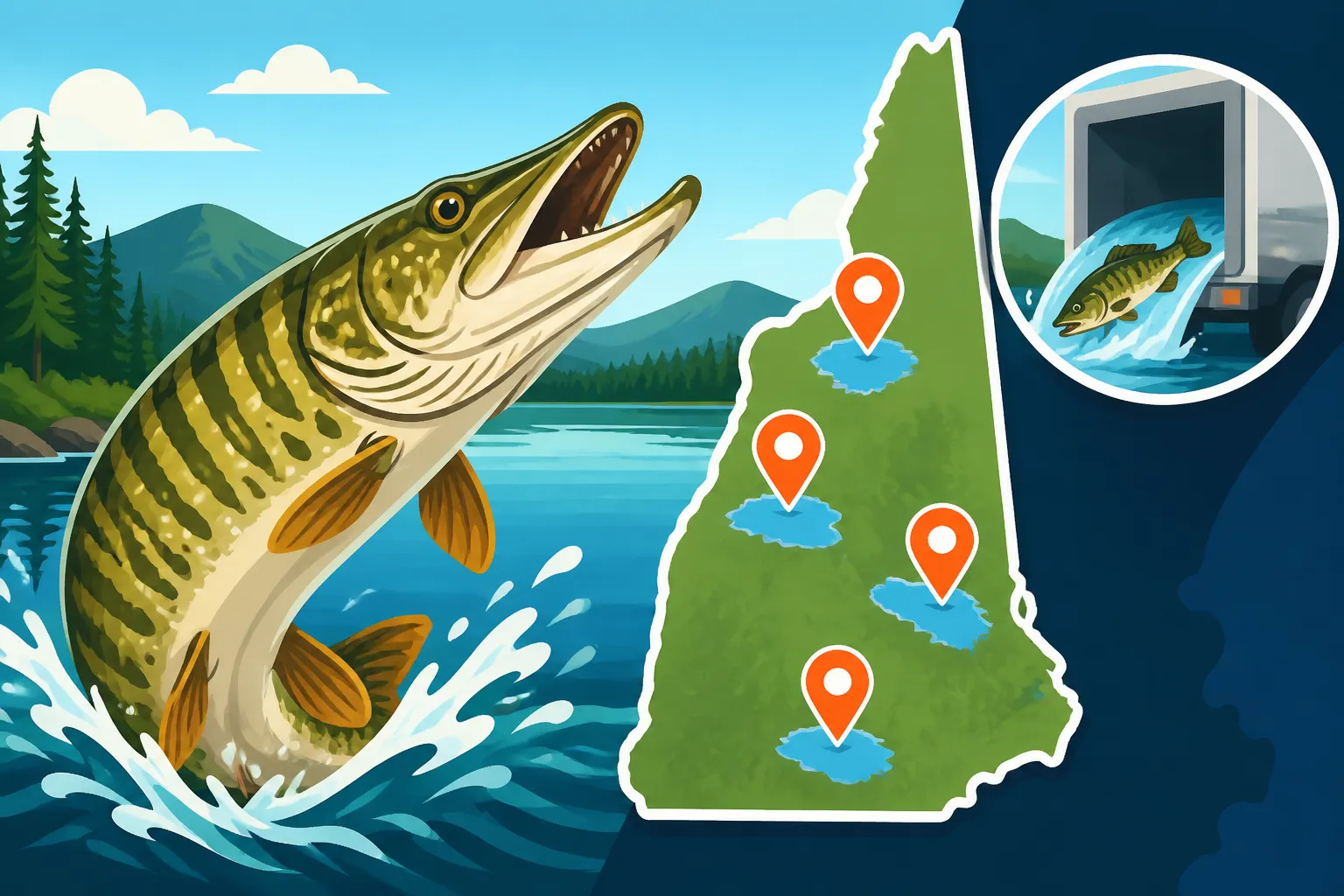
Knowing that tiger muskies exist in New Hampshire is one thing; knowing where to find them is the golden ticket. Because these fish are part of a managed stocking program, their presence is concentrated in specific water bodies that meet certain criteria.
Key Lakes for Tiger Muskie
While specific stocking locations can change from year to year based on management goals, habitat conditions, and prior success, the New Hampshire Fish and Game Department typically focuses on a handful of lakes that provide the ideal environment for these large predators to thrive. These lakes usually boast ample forage fish populations, sufficient depth, and a size that can support a limited number of large, predatory fish without adverse effects on other species.
Historically, water bodies like Lake Winnisquam have been known to receive tiger muskie stockings. Winnisquam, with its extensive forage base and varied structure, provides an excellent environment for these fish to grow. Another example might be select ponds in the southern part of the state, chosen for their ability to offer a unique trophy opportunity without conflicting with other established fisheries. To get the most accurate, up-to-date information on which lakes are currently receiving tiger muskie stockings, your absolute best resource is the New Hampshire Fish and Game Department's official publications. They often list these details in their annual reports or the Reading the New Hampshire Freshwater Fishing Digest.
How Stocking Decisions Are Made
The decision-making process for stocking tiger muskie is quite intricate and considers a range of ecological and recreational factors. It's not just a matter of randomly picking a lake. Fisheries biologists conduct thorough assessments, looking at aspects like:
- Forage Base: Does the lake have a healthy population of smaller fish that tiger muskies can prey upon? Without abundant food, they won't grow to trophy size.
- Habitat Suitability: Are there areas with suitable cover (weed beds, submerged timber, rock piles) for ambush predators like muskie? Is there enough deep, cool water for them during warmer months?
- Angler Access: Is the lake easily accessible for anglers, with boat launches and public access points?
- Existing Fisheries: How will the introduction of tiger muskie impact existing fish populations, particularly prized game fish? Because they are sterile, the impact is generally limited to predation, and biologists ensure this won't destabilize the ecosystem.
- Management Goals: Is the goal to create a trophy fishery, control another fish population, or simply provide a novel angling experience?
These careful considerations ensure that stockings are strategic and contribute positively to the overall New Hampshire Fishing Regulations Explained and angling opportunities within the state.
Staying Up-to-Date with Stocking Reports
For the most current and reliable information on tiger muskie stockings, your first stop should always be the New Hampshire Fish and Game Department's official website. They are the authority on all things related to fishing in the state and regularly update their stocking schedules and reports.
- Official Website: Look for sections dedicated to "Fisheries Management" or "Stocking Reports." They often provide lists of waters stocked, species, and even approximate dates.
- Freshwater Fishing Digest: This annual publication is invaluable. It contains all the regulations, season dates, and often provides details on special fisheries and stocking programs. You can usually find a PDF version online or pick up a physical copy wherever fishing licenses are sold. Consulting the digest will also help you understand any specific rules that might apply to tiger muskie, like minimum length limits or catch-and-release requirements.
- Local Bait Shops and Marinas: These local hubs are often a treasure trove of real-time information. The folks working there usually know what's biting, where fish are being caught, and can sometimes offer insights into recent stocking activities or observations from other anglers.
- Online Fishing Forums and Social Media Groups: While not official, dedicated New Hampshire fishing groups can offer anecdotal information and discussions about muskie sightings or successful catches, which can help narrow down your search. Always cross-reference with official sources, though!
Knowing where to look for information, much like knowing Where and How to Buy a New Hampshire Fishing License, is part of being a prepared and responsible angler.
Gear Up for Tiger Muskie: Essential Equipment and Techniques
Chasing tiger muskie isn't like casting for sunfish off a dock. These are powerful, large predators, and your gear needs to be up to the task. Using undersized equipment will likely lead to heartbreak, lost fish, and potentially harm to the fish you're trying to release. Investing in appropriate gear is paramount for both success and ethical angling.
Rods, Reels, and Line for the Big Ones
When it comes to tiger muskie, think heavy-duty. Your average bass or trout setup simply won't cut it.
- Rods: You'll want a heavy power, fast action rod, typically between 7 and 9 feet long. This length helps with casting large lures and provides leverage when fighting a powerful fish. A baitcasting rod is almost universally preferred due to its ability to handle heavy lines and large lures with ease, offering better control. Look for a rod specifically designed for muskie or heavy saltwater applications.
- Reels: Pair your rod with a robust baitcasting reel that has a strong drag system and a high line capacity. A low-profile bass reel won't have the guts for a muskie. You need a round baitcasting reel that can hold a significant amount of heavy braided line. Brands like Abu Garcia and Daiwa offer excellent options for this type of fishing.
- Line: Braided line is the only way to go for muskie. Its lack of stretch provides excellent sensitivity for detecting subtle bites (even though muskie strikes are rarely subtle!) and crucial power for setting hooks into their bony mouths. You'll want something in the 65 to 100 lb test range. Don't skimp here; line breakage is a common way to lose a trophy.
- Leaders: Muskie have razor-sharp teeth that will make short work of even heavy braided line. A stout leader is absolutely non-negotiable. Fluorocarbon leaders in the 80-130 lb range are popular for their abrasion resistance and low visibility, but wire leaders (steel or titanium) are also common, especially when using larger baits. You can find pre-made muskie leaders on platforms like Amazon, or you can tie your own using heavy leader material and strong swivels and snaps.
This heavy gear might feel overkill at first, but when a 40-inch tiger muskie hits your lure, you'll be glad you invested in it. For more general advice on selecting fishing equipment, you might find guides like Best Fishing Rods for New Hampshire Lakes helpful, though remember to scale up for muskie!
Lures and Baits That Entice
Tiger muskie are apex predators, and their diet consists of sizeable prey. This means your lures need to be substantial. Forget your tiny trout spinners; we're talking about baits that often measure 6 inches or more, sometimes pushing a foot in length!
- Bucktails: These are probably the most iconic muskie lures. They consist of a blade (or multiple blades) that rotates, creating flash and vibration, coupled with a skirt of deer hair (bucktail) that pulsates in the water. They come in various sizes, colors, and blade configurations.
- Jerkbaits and Gliders: These hard-bodied lures are designed to be worked with sharp jerks and pauses, mimicking a wounded baitfish. They often have an erratic, side-to-side swimming action that can trigger aggressive strikes.
- Crankbaits: Large, deep-diving crankbaits are effective, especially when trolling or fishing deeper sections of a lake. They dive to specific depths and have a wide wobbling action.
- Soft Plastics: Big paddle-tail swimbaits, often 8-12 inches long, can be rigged with heavy jig heads and fished like traditional soft plastics, presenting a large, lifelike profile.
- Topwater Lures: During low light conditions or when fish are active near the surface, large topwater baits can create explosive strikes. Think giant poppers, walk-the-dog baits, and prop baits.
Color choice often depends on water clarity and light conditions, but natural baitfish patterns, bright colors like chartreuse or firetiger, and dark colors for low light are all good to have in your tackle box. Many of these specialized muskie lures can be found on Amazon, making it convenient to stock up.
Best Times and Methods for Success
Muskie fishing is a game of patience, persistence, and understanding fish behavior. They are often most active during specific times and under certain conditions.
- Seasonal Patterns:
- Spring (Post-spawn): After the ice goes out and water temperatures begin to rise, muskies become more active, feeding heavily to recover from spawning. They might be found shallower.
- Summer: As waters warm, muskies will often seek deeper, cooler water, relating to structure like humps, rock piles, or deep weed edges. Early mornings and late evenings can be prime times for them to venture shallower to feed.
- Fall: This is often considered the best time for trophy muskie. As water temperatures drop, these fish go on a feeding frenzy, bulking up for winter. They will feed heavily, often in shallower areas, and can be very aggressive. This is when many of the largest fish are caught.
- Time of Day & Conditions: Low light conditions (dawn, dusk, overcast days) are generally productive. Barometric pressure changes can also influence their activity. A rising or stable barometer is often preferred.
- Methods:
- Casting: This involves repeatedly casting large lures to likely holding areas – weed lines, points, rocky structures, submerged timber. It's physically demanding but allows for precise lure placement.
- Trolling: Covering large areas of water by pulling lures behind a boat at a slow speed is a very effective way to locate active fish, especially in larger lakes or when fish are suspended. Using Best Downriggers for Lake Trout Trolling concepts can be adapted for deeper muskie trolling.
- Figure-Eight: This is a crucial technique for muskie fishing. Many times, a muskie will follow your lure right to the boat without striking. Instead of pulling the lure out of the water, immediately plunge your rod tip into the water and perform a wide "figure-eight" motion with your lure right beside the boat. This erratic move can often trigger a strike from a hesitant follower. It's often the difference between seeing a muskie and catching one!
Remember, consistency is key. You might cast for hours without a single follow, but that next cast could be the one that changes your day.
Responsible Angling and Conservation for Tiger Muskie
Catching a tiger muskie is an incredible accomplishment, but it also comes with a responsibility to the fish and the fishery. These are special, long-lived fish, and their conservation relies heavily on ethical angling practices, especially since they are not naturally reproducing in New Hampshire.
Catch and Release Best Practices
Tiger muskie are typically managed as a catch-and-release fishery to maintain the limited population and ensure future angling opportunities. Proper handling is critical for their survival.
- Minimize Fight Time: Use heavy gear to bring the fish in quickly, reducing stress and exhaustion.
- Stay in the Water: Try to keep the fish in the water as much as possible, especially during unhooking and photography. Their large size makes them susceptible to internal organ damage when held horizontally out of water without proper support.
- Specialized Tools:
- Long-nose pliers or hook removers: Essential for safely extracting hooks from their toothy jaws without putting your fingers at risk. You can find quality versions for relatively low cost on Amazon.
- Large, rubberized landing net: A net with a wide hoop and rubber mesh (rather than knotted nylon) protects the fish's slime coat, fins, and scales. Best Landing Net for Lake Trout would be a good size consideration.
- Jaw spreaders: If a hook is deeply embedded, these can be used to safely open the muskie's mouth for removal.
- Support the Fish: If you must lift the fish for a quick photo, support its body horizontally with one hand under its belly and the other gripping the lower jaw. Never hold a large muskie vertically by its jaw alone.
- Revive Gently: If the fish seems stressed, hold it gently in the water by the tail and jaw, pointing it into any current, until it regains strength and swims away on its own.
Your actions on the water directly impact the health of these magnificent fish and the longevity of the tiger muskie fishery.
Understanding Regulations and Limits
Just like with any other species in New Hampshire, tiger muskie are subject to specific regulations designed to manage their population. It's crucial to be familiar with these rules before you hit the water.
- The Freshwater Fishing Digest: This is your bible. Always consult the most current edition for specific regulations pertaining to tiger muskie, which might include:
- Minimum length limits: Often quite generous to promote the growth of trophy fish.
- Daily bag limits: Typically very low, often one fish, or strictly catch-and-release.
- Season dates: Though many predator species have extended seasons, always double-check.
- Gear restrictions: Any specific rules about baits or tackle.
- License Requirements: Of course, you'll need a valid New Hampshire fishing license. Whether you're a resident or non-resident, annual or short-term, make sure your license is current. New Hampshire Fishing License Guide for 2026 or New Hampshire 1-Day Resident Fishing License Cost will give you more details.
- Special Regulation Waters: Some water bodies might have unique rules. The digest will highlight these.
Ignorance of the law is never an excuse, and penalties for fishing without a license or violating regulations can be steep. Always be informed!
Supporting New Hampshire's Fishery
Every time you purchase a fishing license, you're directly contributing to the conservation efforts that make fisheries like the tiger muskie program possible. License fees fund critical research, habitat restoration, law enforcement, and fish stocking programs. It’s also important to remember that these are not native fish, and their introduction is a deliberate management choice. Respecting the resource means not only following regulations but also being mindful of the impact you have on the ecosystem.
Beyond licenses, consider participating in angler surveys if the Fish and Game Department offers them, reporting unusual catches (especially non-native species not typically stocked), and practicing good stewardship by packing out what you pack in. The continued health and excitement of New Hampshire fishing depends on all of us.
Disclaimer
This article is for general informational purposes only and does not constitute professional advice. Laws, prices and regulations vary by location and change over time. Consult a qualified professional for guidance on your specific situation.