Best Fishing Rods for New Hampshire Lakes
Stepping into the vast world of fishing rods can feel like navigating a maze, especially when you're thinking about all the incredible, diverse waters we have here in New Hampshire. From the sprawling depths of Lake Winnipesaukee to the tight, wooded shores of a quiet pond, choosing the right rod isn't just about grabbing the first one you see. It's about matching your gear to the unique challenges and exhilarating rewards of fishing our beautiful lakes, ensuring you don't end up frustrated with equipment that just doesn't cut it. This guide is here to walk you through everything you need to know to select the best fishing rods for tackling New Hampshire's diverse lake fisheries, helping you make informed choices that will enhance your time on the water.
Understanding New Hampshire Lake Fishing Realities
Fishing in New Hampshire's lakes isn't a one-size-fits-all endeavor. Our state boasts an incredible variety of aquatic environments, each with its own quirks, depths, and resident fish populations. What works perfectly for chasing smallmouth bass on a clear, rocky lake might be completely ineffective for trolling deep for lake trout, or delicately presenting a fly for panfish in a calm cove. Really understanding the waters you'll be fishing and the species you're after is the very first step in choosing the right rod.
The Diverse Landscape of Our Lakes
Think about the sheer variety: you've got massive, deep, glacial lakes like Winnipesaukee and Newfound, which can plunge hundreds of feet, offering expansive open water and challenging deep-water fishing. Then there are smaller, shallower ponds, often rich in vegetation, where largemouth bass and various panfish thrive in different cover. Some lakes have rocky shorelines and submerged structures, perfect for smallmouth, while others might have muddy bottoms and plenty of weeds. Each of these environments dictates different fishing techniques, and therefore, different rod requirements. You wouldn't bring a butter knife to a steak fight, right? Similarly, you need the right tool for the job.
It's not just about size or depth, either. The clarity of the water, the prevalence of current (especially near inlets and outlets), and the type of cover available all play a role. Clear lakes like Squam Lake often require longer casts and more subtle presentations, demanding rods that can handle light lines and delicate lures. Heavily vegetated lakes, on the other hand, might call for more powerful rods to yank fish out of thick lily pads or submerged weed beds. Recognizing these nuances will prevent a lot of headaches and lost fish down the line.
Targeting Specific Lake Species
New Hampshire lakes are home to a fantastic array of fish, and each species has its own fighting style and preferred habitat. This directly influences the type of rod that will give you the best chance of success.
Smallmouth Bass: The Lake Fighters
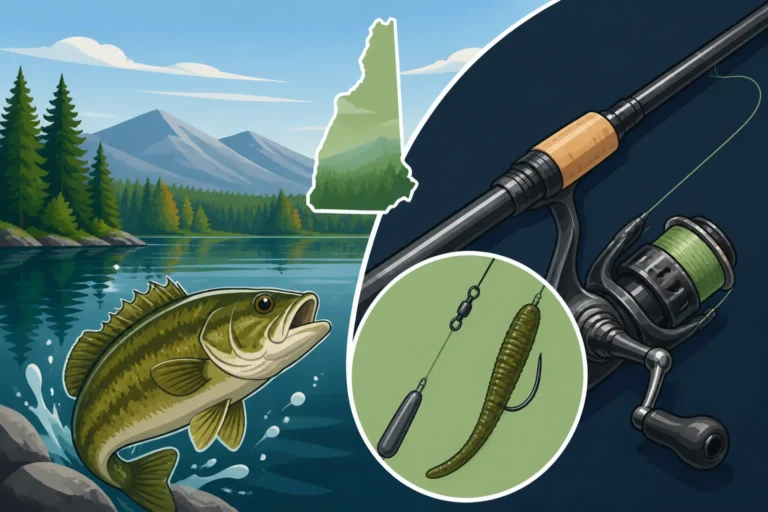
Ah, the smallmouth bass – arguably one of the most exciting fish to pursue in our lakes. These guys are known for their acrobatic jumps and hard, dogged fights. They often inhabit clear, rocky areas, points, and humps in lakes like Winnipesaukee, Squam, and Newfound. When you're fishing for smallmouth, you're often casting lighter jigs, tubes, crankbaits, or topwater lures. For this, you typically want a rod that offers a good balance of sensitivity to detect subtle bites and enough backbone to handle those powerful runs and jumps. A medium-light to medium power rod with a fast action is often ideal, allowing you to cast accurately and feel everything happening at the end of your line. When you're trying to How to Catch Smallmouth Bass in New Hampshire Lakes, your rod selection is paramount.
Lake Trout: The Deepwater Giants
Now, if you're venturing out onto the deeper lakes for lake trout, it's a completely different ballgame. These are powerful, cold-water predators that often require specialized trolling or jigging techniques. You're typically dealing with heavier lines, larger baits or spoons, and significant depths. A delicate bass rod just won't cut it here. For lake trout, you'll need a rod with more power – often medium-heavy or heavy – and a more moderate action, especially for trolling. This allows the rod to absorb the shock of a big fish striking at speed and provides the leverage needed to bring a heavy fish up from the depths. Durability and strength are key when you're battling a true New Hampshire deepwater monster. For more insights on this species, check out Lake Trout Fishing in New Hampshire.
Panfish: Fun for Everyone
Let's not forget the ever-present panfish – yellow perch, crappie, bluegill, and sunfish. These smaller fish are fantastic targets for beginners and seasoned anglers alike, offering consistent action and a great way to spend an afternoon. They are often found in shallower areas, around docks, fallen trees, and weed beds. For panfish, sensitivity is king. You're usually using very light lines, tiny hooks, and small baits or jigs. An ultralight or light power rod with a fast or extra-fast action is perfect. This setup makes even a small bluegill feel like a trophy, and allows you to detect the most delicate of bites. These rods are incredibly fun to fish with and make a great addition to any angler's arsenal for targeting the abundant Panfish Fishing in New Hampshire.
Key Rod Characteristics to Consider
When you start looking at fishing rods, you'll quickly notice a bunch of terms like "length," "power," and "action." These aren't just fancy words; they describe the fundamental characteristics that determine how a rod performs. Understanding what each of these means and how they apply to New Hampshire lake fishing is crucial for making the right choice.
Rod Length: Reach, Accuracy, and Leverage
The length of a fishing rod has a significant impact on its performance, affecting everything from casting distance to fighting leverage. It's a trade-off, and the "best" length really depends on your specific fishing situation.
Casting Distance vs. Accuracy
Generally speaking, longer rods (think 7 feet to 8 feet or more) excel at casting farther. The increased length allows for a longer lever arm, which translates into greater line speed and therefore more distance. This is a huge advantage when you're fishing from shore, trying to reach distant weed lines, or covering expansive flats on a large lake like Winnipesaukee. If you're on a boat and need to cast across a wide cove or target fish busting bait far away, a longer rod can give you that extra reach.
However, longer rods can be less accurate for precise presentations, especially in tight quarters. Shorter rods (5 feet to 6 feet 6 inches) offer better control and accuracy, making them ideal for flipping jigs into tight cover, pitching lures under docks, or fishing from a kayak where space is limited. Imagine trying to precisely drop a lure next to a submerged log from a kayak; a shorter rod gives you much better command. Many anglers keep both longer and shorter rods in their arsenal for different situations.
Fighting Fish and Maneuverability
Length also affects how a rod handles a fighting fish. A longer rod can provide more leverage, which can be beneficial when fighting larger fish or trying to steer them away from obstacles. The flex over a longer rod can also help absorb runs and protect lighter lines. However, a very long rod can be cumbersome in a small boat or kayak, potentially hitting the water or other gear during a fight.
Conversely, shorter rods offer excellent maneuverability, making them great for close-quarters battles. If you're fishing from a busy dock or a small personal craft, a shorter rod can help you keep the fish under control without tangling with your companions or equipment. For example, when jigging vertically from a boat for suspended fish, a shorter rod is often preferred for its direct feel and ease of handling.
Rod Power: Strength to Handle Fish and Lures
Rod power, sometimes called rod weight, refers to the rod's lifting strength or how much pressure it takes to bend the rod blank. This is a critical factor that needs to match the size of the fish you're targeting and the weight of the lures or baits you're using.
From Ultralight to Heavy
- Ultralight (UL): These rods are designed for the lightest lines and smallest lures, typically for panfish or small trout. They bend significantly under minimal load, making even a small fish feel like a heavyweight. They’re incredibly sensitive.
- Light (L): A step up from ultralight, still great for panfish, trout, and very small bass. They handle slightly heavier lines and lures than UL rods but maintain excellent sensitivity.
- Medium-Light (ML): A versatile power for smaller bass, larger trout, and sometimes walleye. Good balance of sensitivity and power for lighter presentations.
- Medium (M): Often considered the most versatile power, excellent for general bass fishing (largemouth and smallmouth), pike, and mid-sized freshwater species. It handles a wide range of lure weights and line sizes. Many anglers will start with a medium power spinning rod as their first all-around New Hampshire lake rod.
- Medium-Heavy (MH): Ideal for bigger bass, northern pike, and even smaller lake trout. Offers significant backbone for pulling fish out of cover or setting hooks on larger lures.
- Heavy (H): Designed for serious lifting power, perfect for heavy cover situations, big pike, or substantial lake trout. These rods can handle heavy lines and large baits with ease.
- Extra-Heavy (XH): For the truly biggest fish and heaviest applications, such as muskie or large lake trout with very heavy tackle.
Choosing the correct power ensures you can cast your chosen lures effectively and have the necessary strength to fight and land your target species without over-stressing the rod or your line. Trying to use an ultralight rod for a heavy jig on Lake Winnipesaukee would be an exercise in futility and likely result in a broken rod!
Rod Action: Where the Rod Bends
Rod action describes where along the blank the rod bends when pressure is applied to the tip. This characteristic is directly tied to casting accuracy, hook setting power, and how the rod performs during a fight.
Fast, Moderate, and Slow
- Fast Action: A fast action rod bends mostly in the top one-third of the blank, near the tip. This provides incredible sensitivity, allowing you to feel even the lightest bites. It also offers quick, powerful hook sets because the rod quickly transfers energy to the hook. Fast action rods are great for single-hook lures like jigs, worms, and spinnerbaits, and they're excellent for smallmouth bass fishing where quick hook sets are often necessary.
- Moderate Action: A moderate action rod bends in the top half of the blank. This action provides a good balance of casting distance and hook-setting power. It allows for a smoother, longer cast and is more forgiving during a fish's fight, often helping to keep treble hooks from tearing out. Moderate action rods are excellent for crankbaits, topwater lures, and many moving baits. They can be quite versatile for general lake fishing.
- Slow Action: A slow action rod bends almost from the handle all the way to the tip. These rods are typically used for very light lines and baits, like fly fishing rods or some specialized crappie rods. They offer maximum flexibility and cushion, ideal for delicate presentations and protecting light leaders. The softer bend can make hook sets less powerful, but they are great for absorbing shock during a fight with a strong, fast fish.
For most New Hampshire lake fishing, you'll likely gravitate towards fast or moderate-fast actions for versatility, especially if you're targeting bass or trout. However, understanding the nuances allows you to fine-tune your selection for specific techniques, like a moderate action for those big diving crankbaits in deeper water.
Specific Rod Types for New Hampshire Lakes
Once you understand the basic characteristics, it's time to dive into the different types of rods you'll encounter. While many rods can be versatile, some are truly specialized to excel at certain techniques or for particular species. Having a few different types in your arsenal will make you a much more adaptable and successful angler on New Hampshire's varied lakes.
Spinning Rods: The All-Around Workhorse
Spinning rods are incredibly popular, and for good reason: they are versatile, relatively easy to learn, and effective for a vast array of fishing techniques. If you're looking for one or two rods to cover most of your New Hampshire lake fishing needs, a spinning setup is a fantastic starting point.
Versatility and Ease of Use
Spinning rods are designed to be paired with spinning reels, which hang beneath the rod. This configuration makes them very user-friendly, especially for casting lighter lures and baits. The open-faced reel allows line to peel off smoothly, minimizing backlashes – a common frustration for beginners with baitcasting reels. This ease of use makes spinning rods perfect for family fishing trips to stocked ponds or for introducing new anglers to the sport. They're also highly effective for delicate presentations, like dropping a worm for perch off a dock or finesse fishing for smallmouth bass with a light jig.
A good medium-light or medium power spinning rod, around 6 to 7 feet long with a fast action, will handle a surprising amount of fishing in New Hampshire lakes. It's suitable for casting a variety of lures for bass, pickerel, and larger panfish. You can also successfully target trout in smaller lakes and ponds with a versatile spinning rod. Many anglers find their go-to Best Rod and Reel Combo for Beginners is almost always a spinning setup.
Finesse and Light Tackle Applications
Spinning rods truly shine in finesse fishing situations, which are often crucial in the clear waters of many New Hampshire lakes. When fish are finicky or heavily pressured, presenting smaller baits on lighter lines is often the key to success. Think about tossing a weightless worm for a wary largemouth in a shallow cove or slowly dragging a tube jig for smallmouth on a rocky shoal. The sensitivity of a quality spinning rod allows you to detect those almost imperceptible "taps" that signal a bite.
Furthermore, spinning rods are excellent for throwing baits that are too light for baitcasting gear, such as tiny inline spinners for brook trout or small jerkbaits for smallmouth. They provide the delicate touch needed for these techniques while still offering enough backbone to handle a spirited fight. Many serious anglers targeting Smallmouth Bass Fishing in New Hampshire will have several spinning rods rigged up with different finesse presentations.
Baitcasting Rods: Power and Precision for Larger Lures
Baitcasting rods and reels are a step up in terms of technique and typically cater to anglers looking for more power, accuracy with heavier lures, and control when fighting bigger fish or extracting them from heavy cover.
Heavy Lures and Strong Fish
If you're planning on throwing larger, heavier lures – big crankbaits, spinnerbaits, swimbaits, or jigs – for bigger bass or northern pike, a baitcasting rod is often the preferred choice. The reel sits on top of the rod, and the line comes straight off the spool, which means less friction and better casting distance with heavier baits. More importantly, baitcasting reels offer superior cranking power and drag systems, giving you more leverage and control over strong, fast-running fish. This is particularly useful when fishing for aggressive largemouth bass around heavy cover in lakes like Pawtuckaway or Ossipee, where you need to quickly turn a fish's head before it can bury itself in weeds or wood.
Many anglers who specialize in targeting Largemouth Bass Fishing in New Hampshire will build their arsenal around baitcasting setups. They are indispensable for techniques like flipping and pitching, where precision casting into tight spots is crucial.
Accuracy in Tight Cover
While they take a bit more practice to master (backlashes can be a real headache initially!), baitcasting rods offer unparalleled accuracy for experienced anglers. The ability to "thumb" the spool with your dominant hand gives you fine-tuned control over your cast, allowing you to drop a lure precisely into a small opening in the lily pads or right next to a dock post. This precision is invaluable in many New Hampshire lakes that feature abundant cover.
Moreover, the direct connection from the reel to the rod, combined with often stiffer blanks, provides excellent sensitivity for feeling bottom structure or light bites, especially with jigs and Texas-rigged worms. This makes them highly effective for probing deep brush piles or rocky ledges where big bass like to hide.
Trolling Rods: Conquering the Depths for Lake Trout and Salmon
Trolling is a highly effective method for targeting deep-dwelling species like lake trout and landlocked salmon in New Hampshire's larger lakes. These fish often suspend in open water or along deep drop-offs, and covering vast expanses of water with multiple lines is key. Trolling rods are specifically designed to handle the unique demands of this technique.
Durability and Consistent Action
Trolling rods are built to withstand constant pressure from pulling lures, sometimes with added weights or downriggers, for extended periods. They typically have a more moderate or slow action, which allows them to absorb the shock of a fish strike while trolling at speed and helps to keep the lure running true. This forgiving action also makes them excellent shock absorbers when a large lake trout or landlocked salmon hits the bait, preventing hooks from pulling out and protecting your line from sudden surges.
These rods often feature robust guides and reel seats to accommodate heavier lines and larger, more powerful reels. You'll find many trolling rods in the 7 to 9-foot range, offering enough length to spread out multiple lines from a boat without tangling. When you're spending hours on a big body of water like Lake Winnipesaukee, reliability is paramount, and a dedicated trolling rod provides that. Explore more about the gear needed for this approach in Best Trolling Gear for New Hampshire Lake Trout.
Specialty Features for Trolling
Many trolling rods come with specialized features that enhance their performance for this technique. Some have longer butt sections that fit securely into rod holders, providing stability and leverage. Others might have specific guide configurations designed to reduce line friction under heavy load. The tips are often sensitive enough to detect subtle hits or problems with your lure's action, while the powerful backbone ensures you can effectively fight a large fish up from depths of 50-100 feet or more.
If you're serious about chasing the "kings" of our deep lakes – the lake trout and landlocked salmon – investing in a few quality trolling rods will make a huge difference in your success. They are engineered to handle the specific stresses of trolling, from the constant drag of a lure to the sudden, powerful strike of a trophy fish. Learning about Landlocked Salmon Fishing in New Hampshire will emphasize the importance of appropriate gear.
Fly Rods: The Art of the Presentation
Fly fishing might conjure images of pristine trout streams, but it's an incredibly effective and enjoyable way to fish many of New Hampshire's lakes, especially for trout and panfish, and even smallmouth bass in certain situations.
Delicate Presentations and Dry Flies
For the discerning angler, fly rods offer a unique way to present artificial flies that imitate insects or baitfish. In lakes, this often means casting dry flies for rising trout or panfish in calm coves, or stripping streamers that mimic minnows. The action of a fly rod is designed to load and unload the fly line, which carries the weight of the fly. This allows for incredibly delicate and accurate presentations, perfect for wary fish in clear water.
For general lake fly fishing, a 5-weight or 6-weight fly rod is a versatile choice. It's light enough for panfish and smaller trout but has enough backbone to handle a decent-sized smallmouth bass. When you're chasing after those elusive wild brook trout or the recently stocked rainbow trout in our many ponds, a fly rod offers an unparalleled experience. To learn more about this captivating method, look into Fly Fishing for Trout in New Hampshire.
Nymphing and Streamer Fishing
Beyond dry flies, fly rods are also excellent for nymphing (fishing subsurface imitations of aquatic insects) and streamer fishing (imitating baitfish). In lakes, this can be particularly effective around structure, drop-offs, or near inlets where baitfish congregate. A slightly heavier fly rod, say a 7-weight or 8-weight, can be ideal for casting larger streamers for smallmouth bass or even for targeting larger lake trout in shallower areas with sinking lines.
Fly fishing often requires a different set of skills than conventional tackle, but the reward of fooling a fish with a meticulously tied fly on a beautiful New Hampshire lake is incredibly satisfying. It's an art form that deeply connects you with the environment and the fish.
Matching Your Rod to Your Boat or Shore Fishing Style
It's not just about the fish; it's about how you fish. Your chosen mode of transport on the water – or lack thereof – plays a huge role in determining the ideal rod setup. Fishing from a small canoe is vastly different from fishing from a fully-equipped bass boat, or simply casting from the shoreline.
Shore Fishing: Maximize Your Reach
Fishing from shore is accessible to everyone, but it comes with its own set of challenges, primarily limited mobility and casting distance. You can't just chase after breaking fish or move to a new hot spot at will.
Long Casts and Versatility
When you're planted on the bank of a New Hampshire lake, your casting distance becomes paramount. You need to be able to reach beyond the immediate drop-off, target submerged structures farther out, or hit feeding fish that are beyond the range of a shorter rod. This means longer spinning rods, typically 7 to 9 feet, are often ideal. They allow you to generate more line speed and propel your lure or bait a greater distance. Think about casting from the public access areas on Lake Winnisquam or the larger state park ponds; that extra yardage can make all the difference.
These longer rods also need to be versatile enough to handle a range of lure weights, from bait for panfish to spoons for trout. A medium power, moderate-fast action spinning rod is often a fantastic all-around choice for shore anglers, capable of throwing a good distance while still being able to detect bites and fight various species.
Accessibility and Portability
Another consideration for shore fishing is portability. While you might bring a couple of rods, you likely won't be lugging a dozen. So, choosing a versatile rod or two that can handle most situations is key. Two-piece rods can be much easier to transport, especially if you're hiking into a remote pond or have limited trunk space. Keep in mind that some of the best shore fishing can be found at public boat launches or designated fishing piers in places like Lake Massabesic or smaller municipal ponds.
Kayak or Canoe Fishing: Compact and Controlled
Kayak and canoe fishing are incredibly popular in New Hampshire, offering silent access to otherwise hard-to-reach coves and shallow waters. However, the limited space and potential for instability dictate specific rod choices.
Shorter Rods for Maneuverability
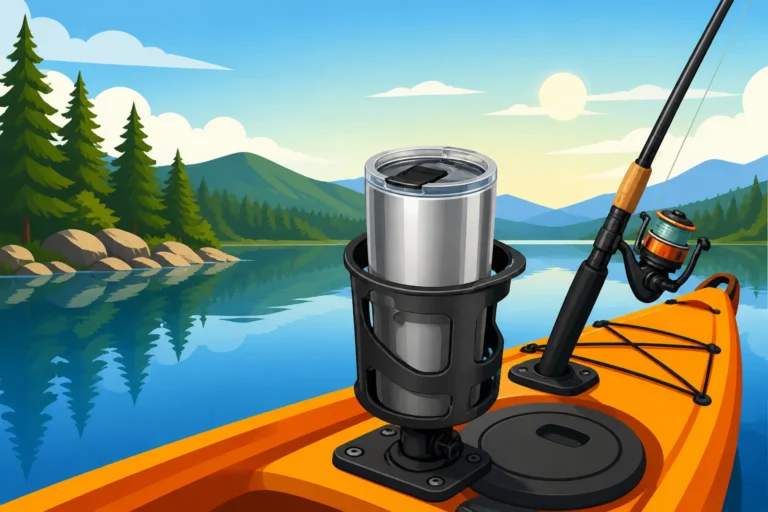
The primary concern when fishing from a kayak or canoe is space. Long rods become cumbersome quickly, leading to tangled lines, accidental splashes, and even getting in the way of your paddle stroke. Shorter rods, typically 6 to 7 feet, are much more manageable. They allow for accurate casts in tight spaces, easier hook sets, and better control when fighting a fish right next to your boat. You can easily swing a fish into your lap or net it without too much fuss. Best Kayaks for New Hampshire Fishing delves into more of these logistical considerations.
Spinning rods are generally favored for kayak fishing due to their ease of casting and versatility with lighter lures, but many experienced kayak anglers also use baitcasting setups for targeting bass with jigs and soft plastics. Rod holders built into kayaks are common, and shorter rods sit more securely and are less prone to snagging on overhead branches or shoreline vegetation.
Sensitivity and Storage
In a kayak, you're often closer to the water and feel more connected to your line. This means you can get away with slightly less sensitive rods, but most anglers still prefer a fast-action rod to detect subtle bites. Storage is also a factor; many kayaks have horizontal rod storage, but some prefer vertical holders, which again favors shorter rods to avoid tip damage. Ultimately, a few compact, versatile rods are all you need for a productive day paddling around a New Hampshire lake.
Power Boat Fishing: Specialized Setups and Rod Holders
If you're fortunate enough to fish from a power boat on one of New Hampshire's larger lakes, you have the luxury of space and the ability to carry a specialized arsenal of rods. This opens up a wider range of techniques and allows you to optimize your setup for specific targets.
Diverse Rod Racks
From bass boats on Lake Winnipesaukee to offshore boats on Sunapee, power boat fishing often means having multiple rods rigged for different techniques. You might have several spinning rods for finesse presentations, a few baitcasting rods for pitching heavy jigs or cranking deep, and a set of dedicated trolling rods for lake trout or salmon. The convenience of rod lockers and rod holders allows you to bring a comprehensive selection, ensuring you're prepared for whatever the lake throws at you.
When trolling, having purpose-built trolling rods in your boat's rod holders is essential. For bass fishing, you might have different power and action rods for specific lures, such as a medium-heavy fast action rod for a jig and a medium moderate action rod for a crankbait. This specialization means you're always using the optimal tool for the job.
Electronics and Deep Water Fishing
With a power boat, you often have the advantage of advanced electronics like Best Fish Finders for New Hampshire Lakes that allow you to locate fish and structure in deep water. This means you might be vertically jigging for lake trout or drop-shotting for smallmouth. For these techniques, a shorter, sensitive spinning or baitcasting rod (6' to 6'6") with a fast action is ideal, giving you direct contact with your lure and allowing for quick, precise movements. The ability to cover vast distances and pinpoint specific spots means your rods can be highly specialized for those exact applications.
Materials and Components: What Matters for Durability and Performance
A fishing rod isn't just a stick; it's a sophisticated piece of engineering designed to flex, transmit vibrations, and withstand immense pressure. The materials used in its construction and the quality of its components play a huge role in its overall performance, durability, and even its feel in your hand.
Rod Blank Materials: Graphite, Fiberglass, and Composites
The rod blank is the main body of the rod, and its material dictates many of the rod's key characteristics, including weight, sensitivity, and strength.
Graphite: Sensitivity and Lightweight Performance
Graphite is by far the most popular material for modern fishing rod blanks, especially for techniques requiring high sensitivity. High-modulus graphite rods are incredibly lightweight, stiff, and excellent at transmitting even the subtlest vibrations from your line to your hand. This means you can feel a tiny tap from a finicky panfish or detect the texture of the lake bottom as your lure bounces along. For techniques like jigging, worm fishing, or any finesse presentation on New Hampshire lakes, graphite rods are superior.
However, graphite can be more brittle than other materials. While advancements have made them much more durable, a hard impact against a boat rail or dropping one on a rocky shore can lead to a break. Anglers who prioritize feeling every little nuance, especially those targeting Smallmouth Bass Fishing in New Hampshire or sensitive trout bites, will almost always opt for a graphite rod. Different "modulus" ratings of graphite refer to its stiffness-to-weight ratio, with higher modulus generally meaning lighter and more sensitive, but potentially more brittle.
Fiberglass: Durability and Forgiveness
Fiberglass rods are the old workhorses of the fishing world. While heavier and less sensitive than graphite, they are incredibly durable and flexible. This flexibility translates into a slower, more parabolic action, which is fantastic for certain applications. Fiberglass rods excel at absorbing shock, making them ideal for fishing with treble-hooked lures like crankbaits or certain topwater baits. The forgiving action helps prevent hooks from pulling out of a fish's mouth during a fight, especially with aggressive species like pickerel or powerful bass.
They are also incredibly tough and less prone to breakage from impacts, making them a great choice for beginners or for rough-and-tumble boat use. Many trolling rods for lake trout or salmon are still made from fiberglass or a composite blend due to its strength and moderate action, which handles the constant pressure of trolling beautifully. If you're looking for a rod that can take a beating and still perform, fiberglass is a solid choice.
Composites: The Best of Both Worlds?
Composite rods blend graphite and fiberglass materials, attempting to capture the best attributes of each. By combining the sensitivity and lightweight nature of graphite with the durability and flexibility of fiberglass, manufacturers can create rods that offer a balanced performance. These rods might feature a graphite core with a fiberglass wrap, or a mix of materials throughout the blank.
Composite rods are often a good choice for anglers who want a versatile rod that can handle a range of techniques without sacrificing too much sensitivity or durability. They can be excellent for medium-power applications, such as all-around bass fishing or even some lighter trolling setups, offering a fantastic compromise for the diverse conditions found in New Hampshire lakes.
Guides and Reel Seats: Crucial Details
Beyond the blank, the components that attach to it are equally important for the rod's performance and longevity.
Guides: Smooth Line Flow and Durability
The guides are the rings that run along the rod blank, through which your fishing line passes. Their quality and construction are critical for smooth casting, minimizing line friction, and preventing line damage.
- Material: Guides typically feature a metal frame with an insert. Common insert materials include ceramic (like aluminum oxide or silicon carbide, SiC) or stainless steel. Ceramic inserts are very smooth, reduce friction, and dissipate heat, which is important when fighting a powerful fish that causes your line to run rapidly through the guides. SiC is particularly durable and smooth, ideal for braided lines which can be abrasive. Stainless steel guides are durable and cost-effective but may not be as smooth as ceramic, and can be heavier.
- Size and Number: The size and number of guides are engineered to distribute stress evenly along the rod blank. Too few guides, or guides that are too small, can cause "flat spots" in the rod's bend and increase the chance of line sticking or breaking. Quality rods will have appropriately sized and spaced guides that allow the line to flow freely and the rod to bend naturally under load.
- Corrosion Resistance: For any fishing, but especially if there's a chance of encountering brackish or saltwater (like near the Great Bay for stripers), corrosion-resistant guide frames are a must. Many guides use stainless steel frames, sometimes with a protective coating.
Poor quality guides can quickly ruin an otherwise good rod. Always check for smooth inserts and sturdy frames when selecting a rod.
Reel Seats and Handles: Comfort and Connection
The reel seat is where your fishing reel attaches to the rod, and the handle is where you hold it. These components are vital for comfort, balance, and maintaining a secure connection to your gear.
- Reel Seats: Modern reel seats are typically made from graphite, nylon, or sometimes aluminum, with metal hoods that securely clamp your reel in place. A good reel seat will hold your reel firmly without wobbling, ensuring a solid connection that transmits vibrations effectively. Ergonomic designs that fit comfortably in your hand are a bonus.
- Handles: Handles are usually made from cork or EVA foam.
- Cork: Natural cork handles are popular for their classic feel, lightweight nature, and excellent grip, even when wet. Higher-grade cork is more durable and visually appealing. However, cork can be damaged over time and absorb grime.
- EVA Foam: EVA (Ethylene-vinyl acetate) foam handles are very durable, easy to clean, and offer a comfortable, non-slip grip. They are often found on more modern or budget-friendly rods.
The handle length also varies. Longer handles provide more leverage for two-handed casting or fighting large fish, while shorter handles are great for single-handed casting and close-quarters work. For the varied fishing on New Hampshire lakes, handle comfort is key, especially if you plan on long days on the water.
Budgeting for Your New Hampshire Fishing Rod
Let's be real, gear can get expensive! But the good news is you don't need to break the bank to get a good fishing rod for New Hampshire lakes. There's a wide range of options out there, from entry-level combos perfect for dipping your toe in the water to high-end, specialized rods for the dedicated angler. Understanding where your money goes can help you make smart decisions.
Entry-Level vs. Mid-Range vs. High-End
The price tag on a fishing rod is usually a reflection of the materials, components, and manufacturing processes used. But what does that really mean for your fishing experience?
Getting Started: Value and Versatility
For beginners or those on a tighter budget, there are fantastic entry-level rods and rod-and-reel combos available. These often feature fiberglass or composite blanks, durable but perhaps heavier guides, and EVA foam handles. While they might not offer the same sensitivity or refined feel as a high-end graphite rod, they are perfectly capable of catching fish and introducing you to the joys of New Hampshire lake fishing. A combo in this range, easily found at a local Bass Pro Shops or online at Amazon, can be a great starting point for targeting panfish or smaller bass.
The key here is value and versatility. Look for a medium-power, fast-action spinning combo around 6'6" to 7'. This will be a great all-around rod for trying out different techniques on various lakes without a huge initial investment. You can always upgrade later once you discover your passion for a specific type of fishing.
Stepping Up: Enhanced Performance
Mid-range rods (think a step or two up from the beginner combos) offer a significant jump in performance without hitting the premium price points. These rods typically feature better quality graphite blanks, which means they'll be lighter and more sensitive. You'll often find better guides with ceramic inserts, more refined reel seats, and often a choice between cork or EVA foam handles.
A mid-range rod is where you start to feel a noticeable difference in casting performance, sensitivity, and overall comfort. If you're getting serious about targeting Smallmouth Bass Fishing in New Hampshire or want a more pleasant experience casting lures for a few hours, investing in a mid-range rod is a smart move. They offer a great balance of performance and durability for the price.
The Professional's Choice: Precision and Sensitivity
High-end rods are designed for the angler who demands the absolute best in terms of sensitivity, lightweight design, and specialized performance. These rods feature the highest modulus graphite blanks, often with proprietary resins and construction techniques, resulting in incredibly light and sensitive rods. They'll have premium components: top-of-the-line ceramic guides (like Fuji SiC), ergonomic and custom-designed reel seats, and often exquisite cork handles.
These rods are typically lighter, more balanced, and can transmit the subtlest vibrations, allowing anglers to detect bites that might go unnoticed on lesser rods. If you're a tournament angler or someone who spends hundreds of hours on the water each season, the incremental gains in performance and reduction in fatigue offered by a high-end rod can be worth the investment. They are highly specialized tools, often designed for very specific techniques like drop-shotting for smallmouth or punching through heavy mats for largemouth.
When to Splurge and When to Save
It's all about priorities and how you plan to fish.
Splurge on Your Primary Technique
If you have a favorite or primary fishing technique that you dedicate most of your time to – for example, casting jigs for smallmouth bass or trolling for lake trout – then it makes sense to invest in a higher-quality rod specifically designed for that application. A better rod will enhance your enjoyment, improve your hook-up ratio, and provide a more sensitive feel, which can be crucial for success. For those chasing trophy Lake Trout Fishing in New Hampshire, a dedicated, high-quality trolling rod is a wise investment that will pay dividends.
Save on Backup or Specialized Occasions
For techniques you do less frequently, or for rods that serve as backups, there's no need to overspend. A more affordable, general-purpose spinning rod can serve perfectly well for occasional panfishing or bringing along friends. Similarly, if you only go ice fishing a few times a year, a mid-range ice fishing rod will probably suffice. Think about how often you'll use the rod and the demands you'll place on it.
A good strategy is to have one or two high-quality rods for your main pursuits and then supplement with more affordable, versatile options for other types of fishing or as loaners. Remember, a rod is an investment in your fishing enjoyment!
Caring for Your Fishing Rod
You've spent the time and effort choosing the perfect rod for your New Hampshire lake adventures. Now, the key to ensuring it lasts for years of memorable catches is proper care and maintenance. A little bit of attention after each outing can prevent major issues and keep your rod performing at its best.
Cleaning and Inspection After Each Trip
It's easy to just toss your rod in the car or back in the garage after a long day on the water, but taking a few minutes to clean and inspect it will make a big difference.
A Simple Wash-Down
After each fishing trip, especially if you've been out on larger lakes or in the rain, give your rod a quick rinse with fresh water. This is particularly important if you've been fishing in brackish water (like the Great Bay for striped bass, where some fresh and saltwater fishing may cross over) or if your rod has been exposed to lake muck, dirt, or boat grime. A gentle wipe-down with a soft cloth will remove any residues. Avoid using harsh chemicals, which can damage the rod's finish or components. Pay special attention to the reel seat and guides, where salt or grime can accumulate and cause corrosion over time.
While cleaning, you'll also want to wipe down your reel, but be careful not to submerge it unless it's specifically designed for that. A damp cloth on the exterior is usually sufficient.
Check for Wear and Tear
This is also the perfect time to give your rod a quick once-over for any potential issues. Run your fingers along the inside of each guide insert to feel for any nicks, cracks, or rough spots. Even a tiny imperfection can fray your line and lead to unexpected break-offs. If you find a damaged guide, it's best to have it replaced by a professional or learn how to do it yourself. Also, check the reel seat to ensure it's still tight and the threads aren't stripped. Look for any cracks or stress points on the rod blank, especially near the ferrules (where multi-piece rods connect) or near the guides.
If you find any issues, addressing them early can save you a lot of frustration (and potentially a lost fish) on a future trip. This routine check is a critical part of making sure your gear is always ready for action.
Proper Storage Techniques
How you store your rod between trips is just as important as how you clean it. Improper storage is a common cause of rod damage.
Protecting the Blank and Guides
Never store your rod leaning precariously in a corner or in a pile with other gear where it can be easily knocked over or have heavy objects placed on it. This is a recipe for a broken tip or cracked blank. Ideally, rods should be stored horizontally on a wall rack or vertically in a rod stand that supports the blank securely. Many anglers use rod sleeves (neoprene or cloth covers) to protect the guides and blank from scratches and dings, especially when transporting multiple rods.
If you have multi-piece rods, always separate them for long-term storage to relieve stress on the ferrules. Keep your rods in a cool, dry place, away from direct sunlight or extreme temperature fluctuations, which can degrade materials over time. Leaving a rod in a hot car for extended periods can weaken the blank. For instance, after a successful day catching New Hampshire Lake Trout Ice Fishing Season Dates, you wouldn't want to leave your trolling rods rattling around in the truck bed all winter.
Preventing Bends and Warping
Storing a rod incorrectly can also lead to permanent bends or warping in the blank. For example, if you leave a rod leaning against a wall with a heavy reel still attached, the continuous downward pressure can cause a slight curve over time. Similarly, overtightening rod straps or leaving them under constant tension can also cause issues. The goal is to store the rod in a way that allows its natural straightness to be maintained, free from any unnecessary stress or pressure points.
A table of common rod issues and quick fixes:
| Issue | Cause | Quick Fix/Prevention |
|---|---|---|
| Broken Rod Tip | Impact, snagging, improper storage | Use rod tip protectors, proper storage, careful handling |
| Frayed Line at Guides | Damaged guide insert, dirty line | Check guides regularly, clean line, replace damaged inserts |
| Corroded Reel Seat | Saltwater exposure, lack of rinsing | Rinse with fresh water, lubricate threads (if applicable) |
| Loose Guide | Wear and tear, impact | Re-epoxy wrap (professional or DIY), check guide feet |
| Warped Rod Blank | Improper storage, excessive heat | Store horizontally or vertically with no tension, avoid hot cars |
| Sticky Reel Seat | Dirt, corrosion, over-tightening | Clean threads, apply small amount of grease/wax if needed |
| Cracked Handle | Impact, UV exposure (cork) | Protect cork with sealant, careful handling |
Taking good care of your fishing rods is an investment in their longevity and your continued enjoyment on the water.
Putting It All Together: Selecting Your Ideal Rod
Alright, we've covered a lot of ground, from the nuances of New Hampshire's lakes and species to the nitty-gritty of rod components and care. Now, how do you translate all that information into actually picking out the right rod for you? It boils down to a few final considerations and a bit of hands-on decision-making.
Consider Your Primary Target Species and Techniques
Before you even step into a store or browse online, clearly define what you'll be fishing for most often and how you plan to do it.
The Versatile All-Arounder
If you're a casual angler who enjoys targeting a mix of smallmouth, largemouth, and panfish in various New Hampshire lakes, and you want one rod that can do a little bit of everything, then a versatile spinning rod is probably your best bet. Look for something in the 6'6" to 7' range, with a medium power and fast action. This will allow you to cast a decent range of lures and baits, from light jigs to medium crankbaits, and handle most of the common species you'll encounter. It's the Swiss Army knife of fishing rods for our local waters.
This type of rod is also an excellent choice for a newer angler who hasn't yet specialized. It will allow you to experiment with different techniques and find what you enjoy most, without having to buy a dedicated rod for every possibility.
Specialized Setups for Specific Pursuits
On the other hand, if you're laser-focused on a particular type of fishing – say, you're obsessed with chasing trophy lake trout on Winnipesaukee, or you live and breathe fly fishing for brook trout in the White Mountains – then you'll want to invest in a more specialized rod. For lake trout, that means a dedicated trolling rod with enough backbone to handle a big fish and heavy gear. For fly fishing, it's about matching the rod weight to the size of the flies and fish you're after, perhaps a 5-weight for general trout fishing.
Specialized rods excel at their intended purpose because every aspect of their design, from blank material to guide placement, is optimized for that specific application. You might not use them as often, but when you do, they'll give you a distinct advantage.
Don't Forget the Reel!
Remember, a rod is only half of the equation; it needs a reel that balances it properly and matches its capabilities. A perfectly chosen rod can feel terrible with a mismatched reel.
Balancing Your Rod and Reel
When you're shopping, always try to pair the rod with a reel of the appropriate size and weight. A balanced setup feels comfortable in your hand, reduces fatigue, and allows for more accurate casting. Hold the rod with the reel attached, in your natural casting position. The balance point should be just in front of or directly on your forefinger. If the rod feels tip-heavy, the reel might be too light; if it feels butt-heavy, the reel might be too heavy.
The reel's size (e.g., 2000, 3000 for spinning reels) should also match the rod's power and the line weight you intend to use. A medium-light spinning rod, for instance, typically pairs well with a 2000 or 2500 series reel. For more on this, check out Best Spinning Rods for Smallmouth Bass which often includes reel suggestions.
Complementary Strengths
Just as the rod's power and action should align with your fishing style, so too should the reel's features. For heavy cover fishing with a baitcaster, you'll want a reel with a strong gear ratio and robust components. For finesse spinning, a reel with a super smooth drag and precise casting capabilities is key. Don't let a great rod be hampered by a subpar or mismatched reel. You can find excellent options for both rods and reels by checking out Bass Pro Shops for hands-on experience or Amazon for a wider selection and competitive pricing.
The "Feel" Factor
Ultimately, a fishing rod is a very personal piece of equipment. While specs and recommendations are crucial, the "feel" of a rod in your hands can be the deciding factor.
Hold It, Wiggle It, Imagine Fishing
If at all possible, go to a sporting goods store and physically pick up the rods you're considering. Hold them, get a feel for their weight and balance, and gently "wiggle" the tip to get a sense of the action. Imagine yourself making a cast or fighting a fish with it. Does it feel comfortable? Does it feel too heavy or too light? Does the handle fit your hand well? The rod that feels "right" to you is often the one you'll enjoy fishing with the most.
Don't be afraid to ask questions from knowledgeable staff. They can offer insights into how specific models perform on local waters. Taking your time and being patient in this selection process will lead to a rod that you'll love and that will enhance your many fishing adventures across New Hampshire's incredible lakes.
Disclaimer
This article is for general informational purposes only and does not constitute professional advice. Laws, prices and regulations vary by location and change over time. Consult a qualified professional for guidance on your specific situation.