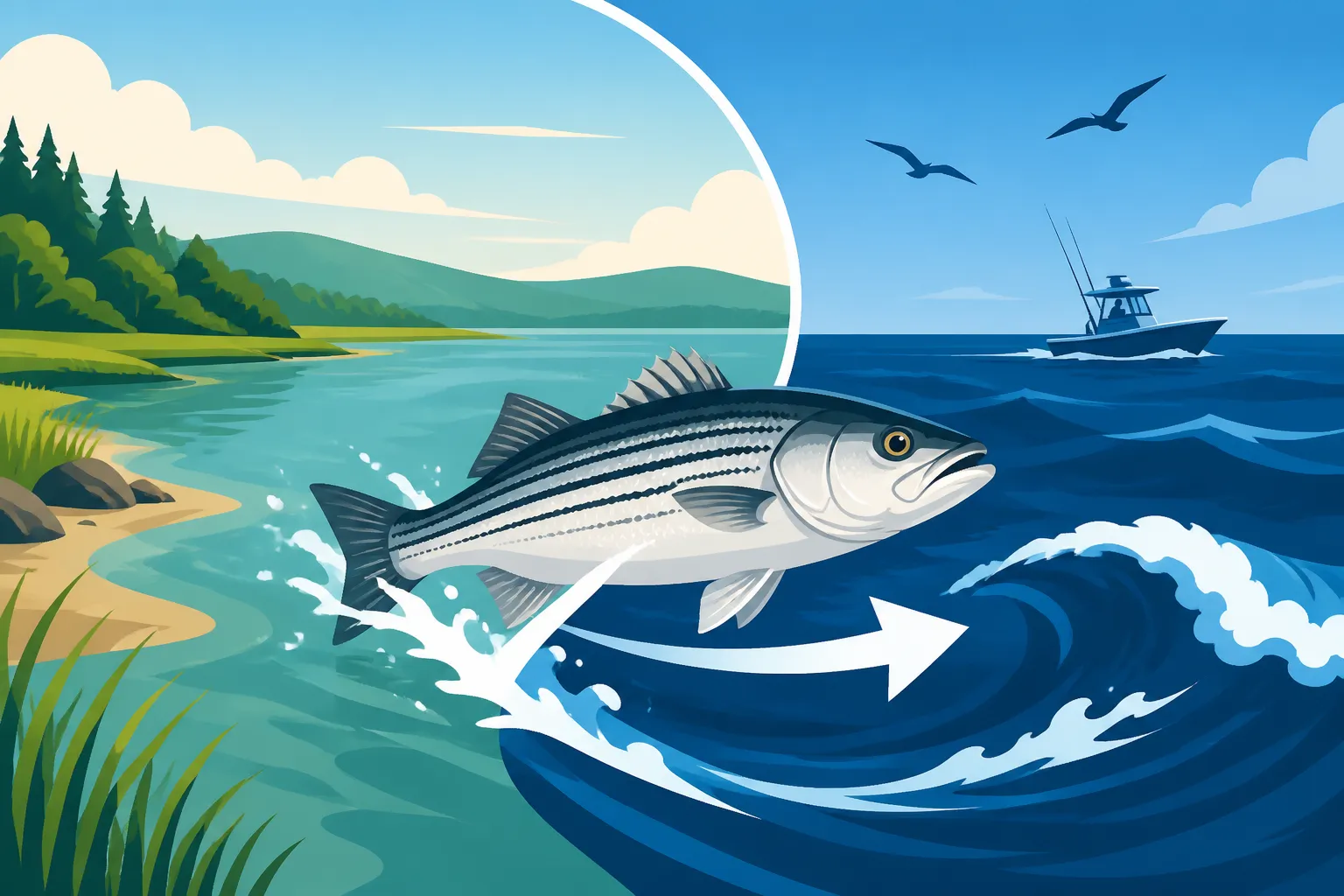
When striped bass leave Great Bay for the ocean
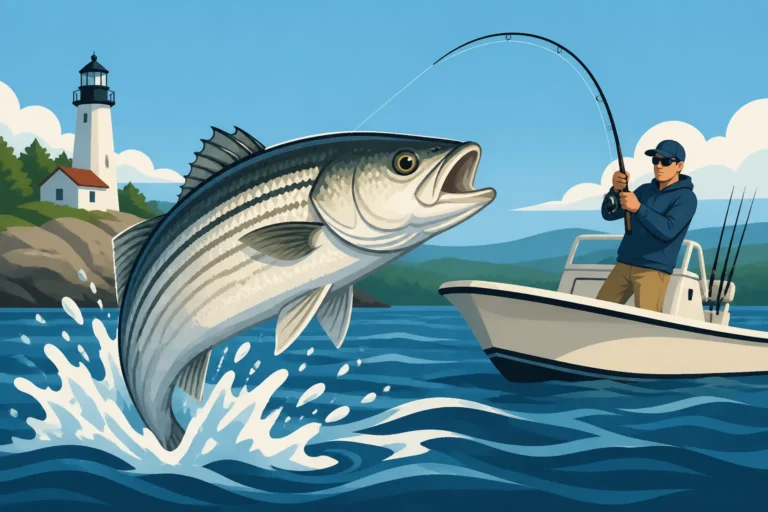
There's a special kind of magic that settles over Great Bay when the striped bass are in town. Anglers look forward to it all spring and summer, the thrill of those powerful runs and the satisfaction of a successful catch. But, like all good things, it eventually comes to an end, and many of us find ourselves wondering, "When exactly do these magnificent fish pack up and head back to the ocean?" It can feel like they just vanish overnight, leaving behind a quiet emptiness. This guide is here to unravel that mystery, helping you understand the natural rhythm of the striped bass migration out of Great Bay and how you can anticipate their departure.
The Annual Migration Cycle of Striped Bass
Striped bass are truly incredible creatures, famous for their long-distance migrations along the Atlantic coast. Their lives are dictated by the seasons, especially when it comes to water temperature and the availability of food. Understanding this larger pattern is key to knowing why and when they choose to leave the sheltered waters of Great Bay for the open ocean. It's not just a random whim; it's a finely tuned survival strategy.
Arrival in Great Bay: A Springtime Welcome
Think back to late spring and early summer. The days are getting longer, the sun feels warmer, and the waters of Great Bay, while still cool, are starting to shake off the chill of winter. This is when the first waves of striped bass, often known as "schoolies" or smaller fish, begin to show up. They're driven by the primal urge to feed and follow the baitfish that are themselves moving into the shallower, warmer waters of the estuaries. These anadromous fish, meaning they spend parts of their lives in both fresh and saltwater, find the rich ecosystem of Great Bay incredibly inviting.
As the weeks progress into early summer, the larger, more mature striped bass join the party. They've traveled north from their spawning grounds, sometimes as far south as the Chesapeake Bay or Delaware River, making their way up the coast. Great Bay offers them an ideal summer residence: a complex network of channels, mudflats, and rocky structures that provide both excellent ambush points for feeding and protection from the harshest ocean conditions. It's a prime stop on their journey, a place where they can recuperate and fatten up. If you're looking for where they first show up, checking out Striped Bass Migration into Great Bay can give you even more insights into their arrival.
Summer Residence: A Bounty of Forage and Shelter
During the peak of summer, Great Bay becomes a vibrant hub for striped bass activity. The water temperatures are comfortable for them, and the bay absolutely teems with a smorgasbord of baitfish. Think of alewives, herring, sand eels, and various juvenile fish – all prime targets for hungry stripers. The bay's unique structure, with its many coves, rivers feeding in, and ample current, creates perfect feeding opportunities throughout the tide cycles. Anglers know this is often the best time to be out, with explosive topwater action or consistent bites on jigs and soft plastics.
Beyond just food, Great Bay offers a sense of security. While large predators like sharks might be present offshore, the bay's shallower, more intricate waters provide a haven. It's also a place where they can regulate their body temperature, seeking deeper, cooler pockets during the hottest parts of the day or moving into sun-warmed flats to ambush prey in the mornings and evenings. This combination of abundant food and relative safety makes the bay a critical summering ground for a significant portion of the striped bass population, giving anglers ample opportunity to learn How to Catch Striped Bass in Great Bay.
Key Factors Influencing Their Departure
Just as specific conditions draw striped bass into Great Bay, a change in those conditions signals that it's time to leave. It's a natural cycle, driven by instinct and survival. Anglers who pay attention to these environmental cues can often predict the timing of the exodus and extend their season by adapting their strategies.
Water Temperature: The Prime Driver
Hands down, water temperature is the most significant factor dictating when striped bass decide to leave Great Bay. Stripers are cold-blooded, meaning their body temperature mirrors that of their environment, and they have preferred temperature ranges for feeding, comfort, and survival. As autumn progresses, the days shorten, and the air turns crisp, the water in Great Bay begins to cool. Once the bay's average water temperature consistently dips below a certain threshold, typically in the low to mid-50s Fahrenheit, the stripers' metabolism starts to slow down, and their drive to migrate kicks in.
They need to find warmer waters for the winter months to conserve energy and survive. This usually means moving south along the coast to deeper, more stable ocean environments. You'll often notice a flurry of feeding activity just before this major temperature drop, as the fish try to pack on as much fat as possible for their long journey. Investing in a good waterproof thermometer, easily found on Amazon, can be a game-changer for tracking these critical temperature shifts and anticipating the striped bass's movements. This is a key part of understanding New Hampshire Fishing Seasons by Month.
Forage Availability: The Empty Larder Effect
Another crucial element in the striped bass's decision to depart is the availability of their primary food source: baitfish. As the water cools, many of the smaller bait species that packed Great Bay all summer also begin their own migrations. Species like menhaden, herring, and even smaller juvenile fish will either move offshore to deeper, warmer waters or seek out other estuaries further south. When the buffet starts to dwindle, the stripers have little reason to stick around.
Imagine walking into your favorite restaurant only to find the shelves empty. You'd probably look for another place to eat, right? It's the same for stripers. They are opportunistic feeders, and while they'll take what they can get, a sustained lack of abundant baitfish will quickly signal that it's time to move on to greener pastures, or in this case, richer feeding grounds along the migration route. This is why late-season fishing can sometimes be feast or famine – if you find the last pockets of bait, you'll likely find the stripers still aggressively feeding on them.
Photoperiod: Nature's Calendar
While water temperature and food are tangible, the less obvious factor of photoperiod – the amount of daylight hours – plays a subtle but powerful role. As the days grow shorter in the fall, it acts as an internal clock for many migratory species, including striped bass. This decreasing daylight signals the coming winter and reinforces the physiological changes that prompt migration. It's a fundamental biological cue that has guided these fish for millennia.
This biological imperative, combined with the cooling water and dwindling food, creates an irresistible urge for the stripers to begin their journey back towards their wintering grounds. Even if there's a brief warm spell in late autumn, the overall trend of shorter days and the deep-seated instinct to migrate will still pull the majority of the fish out of the bay. Understanding these combined factors gives you a much clearer picture of the full story behind their departure. You can even find guides on Amazon about how photoperiod affects fish behavior.
The Great Bay Exodus: Timing and Patterns
Knowing that they leave is one thing; knowing when and how they leave Great Bay is another entirely. It's not usually a mass exodus on a single day, but rather a more nuanced departure that unfolds over several weeks.
General Departure Window: Late Fall into Early Winter
Typically, the main body of striped bass begins to vacate Great Bay from late October through November. This timeframe isn't a hard and fast rule, as minor variations in weather patterns from year to year can shift it slightly. A prolonged warm fall might keep some fish in the bay a bit longer, while an early cold snap could send them packing sooner. However, by the time December rolls around, the vast majority of striped bass have left Great Bay for the open ocean and their journey south.
The smaller schoolie-sized stripers often depart first, perhaps because they are less tolerant of rapidly dropping temperatures or have less energy reserves. The larger, older fish sometimes linger a little longer, especially if there's still a decent food source or if they can find deeper pockets of water where temperatures drop more slowly. This period is when the fishing can be exceptionally good for those hardy anglers willing to brave the colder conditions.
Here's a general timeline for their departure from Great Bay:
| Timeframe | Water Temperature Trend | Baitfish Availability | Striper Behavior | Angler Opportunity |
|---|---|---|---|---|
| Early October | Slowly declining | Still abundant | Active feeding, preparing for migration | Excellent, often aggressive bite |
| Late October | Noticeable drop | Declining in numbers | Still feeding, some smaller fish begin to depart | Good, requires more searching |
| Early November | Steady decline | Scattered, offshore movement | Larger fish start moving out, last hurrah for many | Challenging but potentially rewarding |
| Late November | Significantly colder | Very scarce | Majority have left, only stragglers remain in warmest pockets | Tough, targeting late season holdovers |
| December Onward | Cold | Gone | Mostly gone from the bay, except for rare exceptions | Extremely rare, focus shifts to other species |
This table illustrates the general trends, but always remember that Mother Nature can throw a curveball! For specific regulations during this time, refer to New Hampshire Fishing Season Dates and Closures.
A Slow Roll or a Sudden Exit?
While it might feel like the striped bass disappear all at once, their departure from Great Bay is usually more of a gradual process, a "slow roll" rather than a sudden exit. It begins with individual fish and smaller schools, often the younger ones, making their way out. These fish may stage in the deeper channels near the mouth of the bay or linger in areas where tidal currents concentrate the last of the season's baitfish. They're testing the waters, so to speak, and reacting to the incremental changes in their environment.
However, a significant, rapid cold front can accelerate this process dramatically. If the water temperature drops steeply over a few days, it can trigger a more decisive departure for a larger portion of the population. This is when anglers can witness what's known as the "fall run" in full swing, as large schools of stripers move along the coast, voraciously feeding on any available bait before continuing their journey south. These are exciting times for anglers who like to chase the migration, often moving out of the bay and fishing the ocean-front beaches and jetties.
Late Season Opportunities: The Stubborn Few
Even after the majority of striped bass have left Great Bay, there are always a few stubborn individuals, or small pockets of fish, that linger a bit longer. These "holdovers" often seek out areas with slightly warmer, more stable water, such as deep holes, areas with constant current, or close to power plant discharges (though these are less common in Great Bay). Fishing for these late-season stripers can be incredibly challenging, requiring patience, specific techniques, and a willingness to brave the cold.
These late-season fish are often less aggressive and require a slower presentation. Heavy jigs, soft plastics fished slowly on the bottom, or even live eels can be effective if you can locate them. It’s a game of persistence and often solitude, as most anglers have packed away their gear for the winter. Success in targeting these late-season fish often comes down to intimate knowledge of the bay's deeper channels and thermal pockets. Sometimes, the largest fish are the ones that stick around, making the effort worthwhile for a potential trophy.
Preparing for the Striped Bass Departure
As the season wanes and you anticipate the stripers' departure, your angling approach needs to evolve. What worked in July likely won't be as effective in November. Adapting your gear and techniques can help you extend your enjoyment of the striped bass season in Great Bay and even beyond its mouth.
Adjusting Tactics: Lures, Baits, and Spots
When the water starts to cool, striped bass become less inclined to chase fast-moving baits. Their metabolism slows, and they prioritize conserving energy. This means it’s time to switch from those flashy, erratic topwater lures to presentations that are slower and more enticing. Think about using larger, heavier jigs or soft plastics that can be worked slowly along the bottom, mimicking a sluggish baitfish or a crab. Live eels, if legal and available, become incredibly effective, as their natural movement is irresistible to cold-water stripers. You can often find a good selection of specialized cold-water lures and baits on Amazon.
Furthermore, the "hot spots" of summer might no longer be productive. As fish prepare to leave, they'll often stage in deeper channels or congregate near the mouth of Great Bay, getting ready to make their push to the ocean. Focus your efforts on these transitional areas, looking for any structure that might hold baitfish or offer a current break. Fishing the edges of deep channels during the outgoing tide, or targeting areas where different current lines meet, can be particularly productive. Exploring Great Bay best striper fishing spots can help you pinpoint these changing locations.
Chasing the Migration: Following Them Out of the Bay
For the truly dedicated angler, the end of the Great Bay season doesn't mean the end of striped bass fishing altogether. Once the fish leave the bay, they continue their migration south along the New Hampshire and Massachusetts coastline. This opens up opportunities for surfcasting from ocean beaches, jetties, and rocky points. Anglers who are willing to travel and adapt their techniques can follow the striped bass for several more weeks, sometimes into early winter, targeting them as they feed voraciously during their fall run.
This offshore pursuit often involves different gear and techniques, focusing on casting larger lures like poppers, darters, and metal lip swimmers from shore, or drifting live bait from a boat in the nearshore ocean. It's a different challenge but can be incredibly rewarding, offering the chance to catch some truly massive stripers that are fueled up for their journey. Packing your Best Rain Gear for New Hampshire Anglers is crucial for these colder, coastal fishing adventures!
Conclusion
The departure of striped bass from Great Bay is a poignant reminder of the changing seasons, signaling the transition from the vibrant activity of summer to the quieter solitude of winter. While it can be bittersweet to see them go, understanding when and why they leave—driven by cooling water temperatures, dwindling baitfish, and the ancient instinct of photoperiod—allows us to appreciate the incredible journey these fish undertake. As anglers, recognizing these cues not only helps us anticipate the end of the local season but also enables us to adjust our strategies, perhaps even chasing the migrating fish into the open ocean for one last hurrah. So, as the leaves turn and the air chills, enjoy those final casts in Great Bay, knowing that these magnificent stripers are simply preparing for another season, another migration, and another chance for us to connect with them in the future.
Disclaimer
This article is for general informational purposes only and does not constitute professional advice. Laws, prices and regulations vary by location and change over time. Consult a qualified professional for guidance on your specific situation.