Best jerkbait color for early spring bass
That crisp, chilly air of early spring in New Hampshire holds so much promise for bass anglers, doesn't it? But let's be honest, figuring out what lures those sluggish, cold-water bass will actually strike can be incredibly frustrating. They're not exactly in a chasing mood! This guide is going to zero in on one of the most effective lures for this tricky time of year – the jerkbait – and help you understand exactly which colors will give you the best shot at hooking into some feisty smallmouth and largemouth.
The Early Spring Advantage: Why Jerkbaits Rule in Cold Water
When the ice has just receded and the water temperatures are still hovering in the 40s and 50s, bass aren't operating at full throttle. Their metabolism is slow, and they're generally not willing to expend a lot of energy chasing down a fast-moving meal. This is precisely why the jerkbait becomes an absolute superstar.
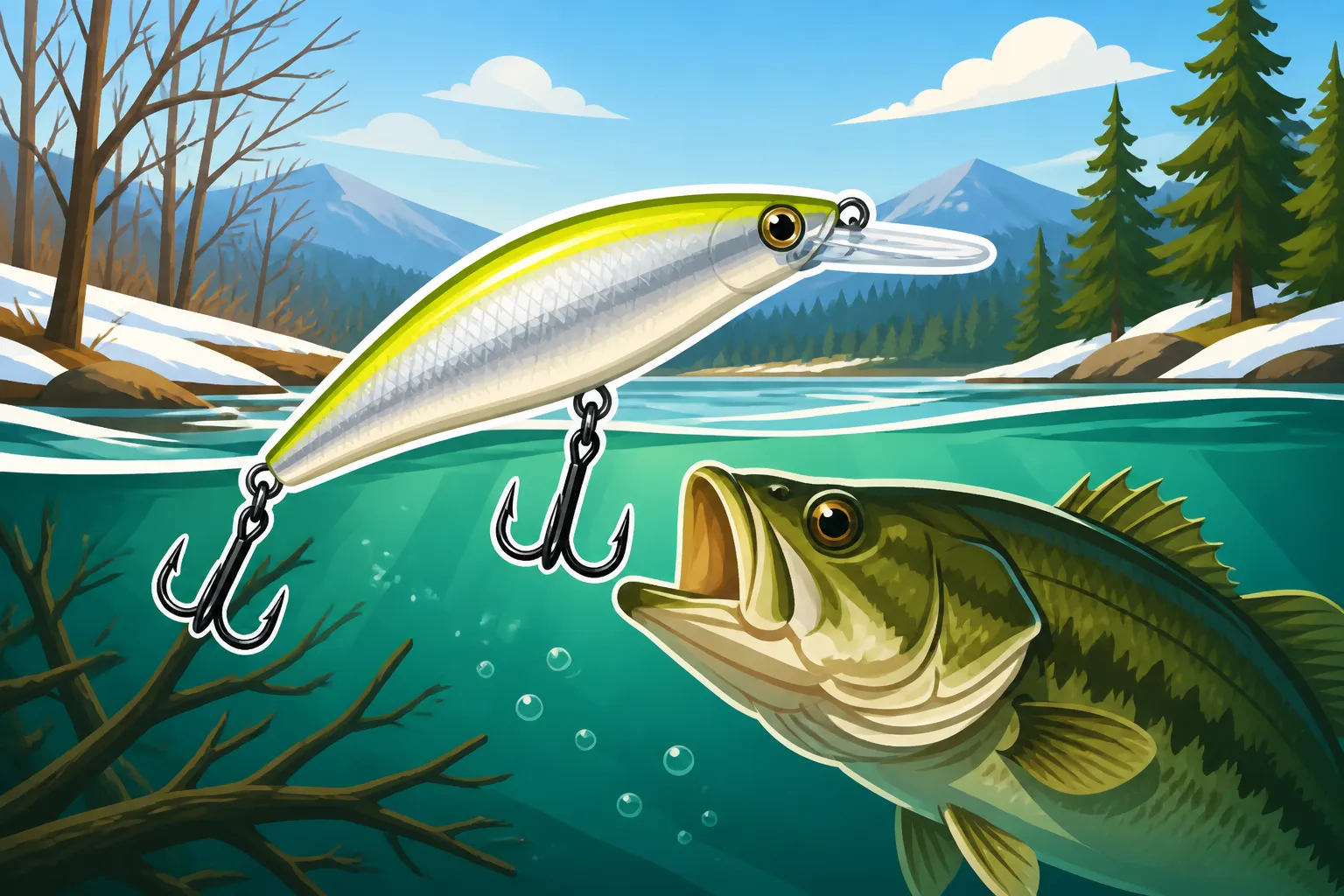
Think about it: a crankbait might zip by too quickly, and a soft plastic worm on the bottom might be too subtle to grab their attention. But a jerkbait? It's designed for exactly these conditions. You can cast it out, give it a few sharp jerks to make it dive and dart erratically, and then — here's the magic — you can let it pause. And I mean pause. For several seconds, or even up to 20 or 30 seconds in really cold water, that jerkbait just hangs there, suspended tantalizingly in the water column. This gives those lethargic bass ample time to spot it, approach it, and decide to strike without having to commit to a long chase. That subtle quiver or the slow rise/fall on the pause can be just enough to trigger a reaction from a finicky fish. It's the ultimate "easy meal" presentation.
Many anglers often overlook the power of this presentation, rushing their retrieve like it's mid-summer. But patience is truly a virtue when the water is cold. The erratic, dying baitfish action combined with extended pauses is a combo that's incredibly hard for even the most hesitant bass to resist, making it a cornerstone technique for unlocking early spring success on New Hampshire's lakes and rivers.
Deciphering Water Conditions and Bass Behavior
Understanding the specific conditions you're facing on the water is crucial for selecting the right jerkbait color. New Hampshire's diverse waters, from the crystal-clear depths of Lake Winnipesaukee to the more stained flows of the Merrimack River, will demand different approaches. Bass are highly visual predators, and what they can see – and what they react to – changes dramatically with water clarity, sunlight penetration, and even the natural forage present.
Water Clarity and Light Levels
Imagine yourself trying to spot a minnow in muddy water versus a clear mountain stream. It's a huge difference, right? Bass face the same challenge. In extremely clear water, especially on bright, sunny days, bass can be incredibly wary. They have excellent eyesight, and if your lure looks unnatural, they'll often spook. Conversely, in stained or murky water, your lure needs to be visible enough to be noticed from a distance. Similarly, on overcast days or during low light conditions (dawn/dusk), colors that contrast sharply with the environment tend to perform better.
Early spring also means varying levels of sunlight. Some days will be bright and bluebird, others will be heavy with cloud cover. Bright sunlight often calls for more reflective or natural patterns, while subdued light might favor more muted tones or even brighter, contrasting colors to help the lure stand out. This isn't just guesswork; it's about presenting a lure that the bass can actually perceive as a viable meal under the specific environmental conditions of the day.
Mimicking Natural Forage
Bass, whether smallmouth or largemouth, are opportunistic feeders, but they're also keenly aware of what food sources are most prevalent in their environment. In many New Hampshire lakes and rivers, common baitfish include shiners, juvenile perch, various minnows, and in some larger lakes, even smelt.
If your jerkbait can convincingly imitate these local forage species, you're already ahead of the game. This means paying attention to the size, shape, and especially the color patterns of the baitfish you observe in the water or those you know are abundant in that specific fishery. What landlocked salmon eat in New Hampshire lakes and What lake trout eat in New Hampshire lakes might give you an idea of the forage base in certain lakes, and while salmon and lake trout have different diets than bass, there's often overlap in the smaller baitfish. Bass, especially smallmouth, are often found near rocky areas where crawfish might be hiding, so a crawfish-patterned jerkbait, though less common, can sometimes be surprisingly effective if you know they're in the area.
The Top Jerkbait Colors for Early Spring Bass in New Hampshire
Alright, let's get down to brass tacks: what colors should you be tying on when you hit the water in New Hampshire this spring? There are a few tried-and-true categories that consistently produce, each with its specific situational strengths.
1. Natural and Transparent Patterns (Clear to Slightly Stained Water)
When the water is clear, and the bass are feeling a bit shy or pressured, subtle is the name of the game. These patterns are designed to blend in and mimic natural baitfish as closely as possible.
- "Ghost Minnow" or Clear/Translucent: Imagine a clear plastic jerkbait with just a hint of silver or blue flake, maybe a faint lateral line. This color is incredible in gin-clear waters, especially on sunny days. It allows light to pass through, creating a realistic shimmer without being overly flashy. Bass often react to the subtle profile rather than a bold color statement. It's a fantastic choice when you're fishing waters like the northern parts of Lake Winnipesaukee or some of the clearer streams for smallmouth.
- "Pro Blue" or "Ayu": These typically feature a light blue or green back, translucent sides with a subtle pearl or silver belly. They perfectly imitate many common baitfish species, like shiners or small alewives. The hint of color provides a visible profile, but the translucent body keeps it natural. This is a go-to for many anglers, performing well in clear to lightly stained conditions. Best lure color for muddy water bass fishing is the opposite of this scenario, so keep that in mind.
- "Table Rock Shad" or Light Gray/Silver Back: A slightly more opaque natural pattern, often with a light gray or almost white back, silver sides, and a white belly. This is excellent for mimicking threadfin shad or other small forage fish that might be prevalent in certain lakes. It offers a bit more contrast than a purely ghost pattern but still maintains a very natural appearance.
2. Chrome and Flashy Patterns (Clear to Moderately Stained Water, Sunny Days)
When the sun is out, and you want to grab attention with a bit of flash, chrome patterns are your best friend. The reflective properties of chrome mimic the scales of fleeing baitfish, triggering predatory instincts.
- "Chrome Blue" or "Chrome Black": These feature a highly reflective chrome body, often with a blue or black back. The chrome provides a strong visual signal, while the darker back creates a sharp silhouette against the sky. This is a fantastic choice on bright, sunny days in clear to slightly stained water. The flash can call in bass from a distance, and the pause gives them time to investigate and strike.
- "Silver Flash": A pure silver chrome body with minimal other colors. This is the ultimate "look at me" lure when you want maximum flash. It's especially effective if you suspect bass are relating to schooling baitfish that are flashing in the sunlight. This is a staple in many a bass angler's tackle box, easily found at retailers like Bass Pro Shops.
3. Contrasting and Aggressive Patterns (Stained Water, Overcast Days, Low Light)
Sometimes, you need to make a statement. In murky water or under dark skies, bass might struggle to see subtle colors. That's when you reach for something that offers strong contrast or a splash of bright color.
- "Chartreuse Shad" or "Citrus Shad": These patterns usually have a chartreuse (a bright yellow-green) back, sometimes with an orange or yellow belly, and white or silver sides. The chartreuse is incredibly visible in stained or even muddy water. It provides a strong contrast that bass can easily pick up on, even in low visibility conditions. It's also a great "reaction strike" color, often provoking an aggressive bite from a bass that might not be actively feeding.
- "Firetiger": A classic for a reason! This vibrant pattern typically features a chartreuse or bright green back, an orange belly, and black stripes or spots. It's an aggressive, high-contrast pattern that stands out like a beacon in stained water or on overcast days. While it doesn't mimic any single specific baitfish, its undeniable visibility and bold presentation often trigger an impulse strike.
- "Perch" or "Crappie" Patterns: While less universally applicable than the others, if you're fishing a lake known for a strong perch or crappie population (which bass love to eat!), a jerkbait that mimics these fish can be deadly. These usually feature green, yellow, and black stripes or mottled patterns. They work best in moderately clear to stained water where bass might be keying in on these specific prey.
| Jerkbait Color Category | Best Water Clarity | Best Light Conditions | Why It Works |
|---|---|---|---|
| Natural/Transparent | Clear to Slightly Stained | Sunny to Overcast | Mimics natural baitfish with subtle flash, less likely to spook wary fish. |
| Chrome/Flashy | Clear to Moderately Stained | Sunny | High reflectivity mimics flashing baitfish, calls fish from a distance. |
| Contrasting/Aggressive | Stained to Murky | Overcast, Low Light | High visibility and strong contrast grab attention in poor conditions, triggers strikes. |
Mastering Your Jerkbait Presentation in Early Spring
Choosing the right color is only half the battle; how you present that jerkbait is equally, if not more, important when targeting early spring bass. These fish are cold-blooded, and their movements are dictated by the water temperature.
Slow Down, Pause Longer
I can't stress this enough: slow down. In water below 50 degrees Fahrenheit, your retrieve should be glacial. Instead of quick, continuous jerks, try a "jerk, jerk, pause… long pause… jerk, pause…" cadence. That pause is where most of your strikes will occur. Count to five, ten, even twenty seconds between jerks. It gives the sluggish bass time to locate the lure, decide it's an easy meal, and finally commit. Sometimes, a slight twitch of the rod tip during a long pause is all it takes to trigger the bite without moving the lure too far. How to catch bass during a cold front in New Hampshire also emphasizes this slow, deliberate approach.
Target Key Transition Zones
In early spring, bass are often migrating from their deeper winter haunts to shallower spawning areas. They'll hold in transition zones where deeper water is still accessible but shallower, warmer water is nearby. Look for:
- Rocky Points and Ledges: These act like highways for bass, and rocks absorb heat, warming the surrounding water slightly.
- Transition Lines: Where hard bottom (rock, gravel) meets soft bottom (mud, sand).
- Shallow Flats Adjacent to Deep Water: Especially those with dark bottoms that absorb sunlight. Bass will often move up onto these flats during the warmest part of the day to sun themselves and feed opportunistically.
- Submerged Timber and Docks: These provide cover and ambush points for bass as they begin to become more active.
Knowing Best Bass Fishing Lakes in New Hampshire or Best Bass Fishing Techniques for Squam Lake can guide you to some prime locations.
Gear Considerations
Your tackle plays a role too. A medium-action baitcasting or spinning rod (around 6'6" to 7'0") will give you the right amount of flex for working the lure and absorbing head shakes. Many anglers prefer fluorocarbon line (around 8-12 lb test) for jerkbaits because it's nearly invisible underwater and has very little stretch, which helps with feeling those subtle cold-water bites and transmitting rod action to the lure. Fluorocarbon also sinks, which can help your suspending jerkbait truly suspend or even slowly sink, depending on its buoyancy. You can find excellent fluorocarbon lines at stores like Bass Pro Shops or online at Amazon. If you're wondering Best Spinning Rods for Smallmouth Bass or Best Fluorocarbon Line for Clear Lake Water, there are resources out there to help you choose.
Remember, early spring fishing is often a game of patience and finesse. Don't be afraid to experiment with pause durations and retrieve cadences. The bass might be slow, but with the right jerkbait color and presentation, you'll be well on your way to a memorable New Hampshire fishing experience.
Disclaimer
This article is for general informational purposes only and does not constitute professional advice. Laws, prices and regulations vary by location and change over time. Consult a qualified professional for guidance on your specific situation.