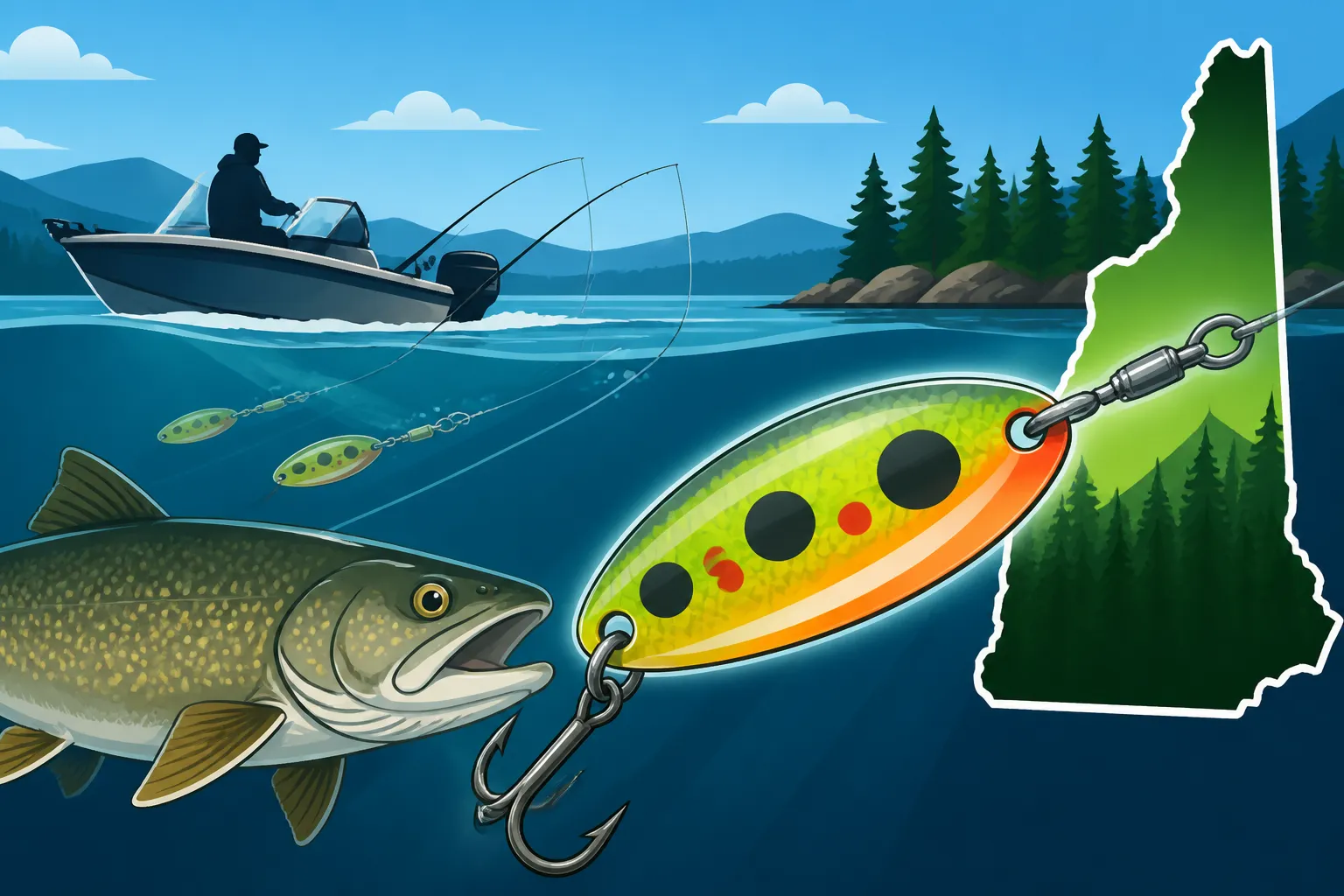
Best flatfish lure for lake trout trolling
There's nothing quite like the thrill of trolling for New Hampshire lake trout, but let's be honest, trying to figure out which flatfish lure will tempt these deep-dwelling giants can feel like an endless puzzle. You spend hours on the water, meticulously setting lines, only to wonder if you've got the right bait down there. This guide is here to unravel that mystery, helping you understand the nuances of flatfish lures and how to effectively use them to hook into those elusive lakers in our beautiful Granite State waters.
Understanding Lake Trout and Their Forage in New Hampshire
To truly master the art of catching lake trout with flatfish lures, you first need to get into their heads – or rather, understand their environment and what makes them tick. New Hampshire's lakes offer incredible laker opportunities, but success hinges on recognizing their behavior and preferred diet.
Lake Trout Habits and Habitat
Lake trout are the undisputed kings of our deeper New Hampshire lakes. Think of places like Lake Winnipesaukee, Newfound Lake, or even Sunapee Lake; these vast, cold-water systems are prime laker territory. Unlike brook or rainbow trout, which often prefer shallower streams and ponds, lake trout are built for the depths. They thrive in cold, oxygen-rich water, typically staying below the thermocline during warmer months. This means you'll often find them suspended over deep basins, cruising along underwater humps, or near sharp drop-offs. Their behavior can change with the seasons; in spring and fall, after the ice melts or before it forms, they might venture into shallower areas as the surface water cools down. During the height of summer, however, they are almost exclusively found in the deepest, coolest pockets, making proper depth presentation crucial for success. How to Catch Lake Trout in New Hampshire offers more insights into their general habits.
When it comes to their daily routine, lake trout are opportunistic feeders. While they might have preferred hunting times, they're generally active whenever a meal presents itself. Trolling allows you to cover vast amounts of water and present a lure to many fish, increasing your chances of finding an active school or a solitary cruiser. Their strong eyesight in clear water makes lure choice and presentation all the more critical, as they have ample time to inspect your offering.
The Importance of Smelt in Their Diet
If there's one thing a New Hampshire lake trout loves, it's rainbow smelt. These small, silvery baitfish are the primary forage in many of our best lake trout waters. Smelt are packed with protein and are relatively easy for lakers to ambush in open water. Understanding this crucial dietary preference is the cornerstone of choosing the right flatfish lure. Lake trout spend a significant portion of their lives actively hunting smelt, often following the schools as they move through the water column. This close relationship means that the more your lure resembles a smelt in size, profile, and action, the better your chances of enticing a strike. What lake trout eat in New Hampshire lakes and Rainbow Smelt as Forage Fish in New Hampshire Lakes delve deeper into this important dynamic.
Beyond smelt, lake trout will also prey on other baitfish species, younger yellow perch, and even smaller members of their own kind if the opportunity arises. However, smelt remain the gold standard for mimicry when targeting New Hampshire lakers. This is why many successful flatfish lures are designed with long, slender profiles and metallic finishes that imitate a fleeing or injured smelt. When you're out on Winnipesaukee, for example, observing any baitfish activity on your sonar can give you a huge advantage, as it often means the lake trout aren't far behind, actively feeding on those very same smelt your lure is trying to imitate.
Mimicking Natural Prey with Flatfish Lures
So, how do flatfish lures fit into this picture? Perfectly! Flatfish lures, often referred to as diving plugs or minnow imitations, are designed to closely resemble baitfish like smelt. Their unique shape and diving lip give them a distinctive wobbling, rolling, or darting action that can be incredibly appealing to hungry lake trout. When trolled at the right speed and depth, these lures mimic a distressed or unsuspecting baitfish, triggering the laker's predatory instincts.
The effectiveness comes from their ability to:
- Imitate Profile: Many flatfish lures have a slender body shape that mirrors a smelt or other elongated baitfish.
- Mimic Action: The erratic, side-to-side wobble or tight wiggle of a flatfish lure can perfectly replicate a baitfish struggling or swimming erratically, making it an easy target.
- Produce Flash: Their often metallic or reflective finishes send out flashes of light as they move through the water, much like a real baitfish scales catching the sun.
The challenge, and where this guide aims to help, is in selecting the right flatfish lure from the countless options available. It’s not just about grabbing any plug; it's about selecting one that dives to the correct depth, has a realistic profile, and exhibits an action that the local lakers are keying in on.
Key Characteristics of Effective Flatfish Lures for Lake Trout
Picking the right flatfish lure for New Hampshire lake trout isn't just about grabbing the prettiest one off the shelf. It's about understanding what triggers a strike from these often finicky predators. Several key characteristics of a flatfish lure contribute to its effectiveness.
Lure Size and Profile: Matching the Hatch
When it comes comes to lakers, size and profile truly matter. As we discussed, smelt are a major food source, so your lure should ideally mimic a smelt. For New Hampshire lake trout, this generally means lures ranging from about 3.5 to 6 inches in length. A 4-inch lure is often a fantastic starting point, striking a balance that appeals to a wide range of lake trout sizes without being too intimidating for smaller fish or too easily ignored by larger ones. Larger lakers, especially those trophy fish we all dream about, certainly won't shy away from a 6-inch offering, particularly if they're keyed into bigger bait.
The profile should be slender and elongated, tapering slightly at the head and tail, just like a natural smelt. You want a lure that looks natural when viewed from the side and from below. Overly bulky or short, stubby lures might not give off the right "prey" signal. Always keep a few different sizes on hand in your tackle box – perhaps a few 3.5-inchers for when fish are being finicky or feeding on smaller bait, and some 5-6 inch options for when they're aggressive or targeting larger forage. This variety, easily found at stores like Bass Pro Shops, ensures you're prepared for whatever the lake trout are looking for on a given day.
Color Patterns for New Hampshire Waters
Color is another critical factor, and it often depends on the water clarity and light conditions. New Hampshire lakes are generally quite clear, especially in the deeper sections where lake trout reside. This means subtle, natural colors often outperform overly bright or outlandish patterns.
Here's a breakdown of effective color patterns:
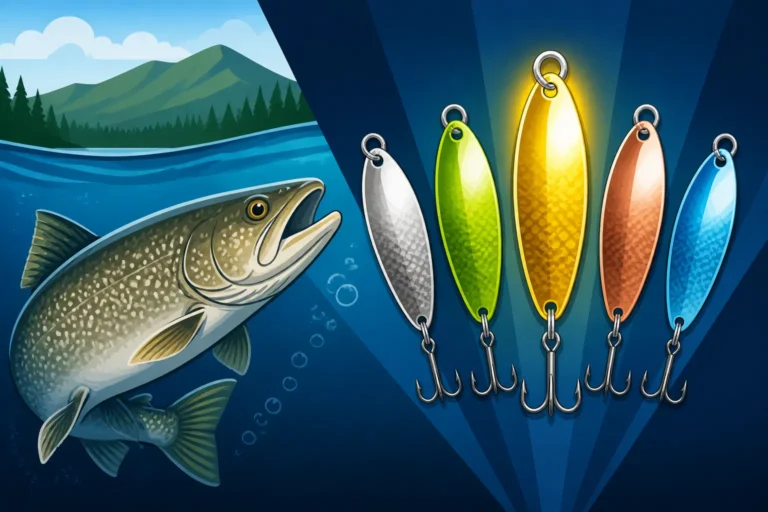
- Natural Baitfish Patterns: Silver, blue/silver, green/silver, and black/silver are absolute staples. These mimic smelt and other natural baitfish almost perfectly. On a sunny day with clear water, a shiny silver or blue/silver can flash brilliantly, attracting fish from a distance.
- Iridescent and Pearl: Lures with iridescent finishes that shimmer with hints of various colors can be deadly, especially in changing light conditions or when the fish are wary. Pearl white can also be surprisingly effective, mimicking the belly flash of a fleeing baitfish.
- Darker Patterns: Don't underestimate darker patterns like black/silver or even purple/silver, especially on cloudy days, at dawn or dusk, or in deeper, darker water. These can offer a strong silhouette that lake trout can see against the lighter surface.
- "Hot" or Attractor Colors: While natural is often best, having one or two lures in brighter colors like chartreuse, firetiger, or orange can sometimes trigger a reactionary strike, especially if the bite is slow or in stained water conditions (though most lake trout waters are clear). These act as "attractors" more than direct baitfish imitations.
It’s always a good idea to start with natural colors and then experiment if they're not producing. Sometimes, a slight shift in hue can make all the difference. When you're standing at your local tackle shop or browsing online at Amazon, imagine how the lure will look at 40, 60, or even 80 feet deep under varying light.
Action and Vibration: What Attracts Lakers
The action of a flatfish lure is arguably its most important characteristic. Lake trout are drawn to specific movements that indicate an easy meal. Most flatfish lures are designed to have a strong, inherent action when trolled.
- Wobble: A wide, side-to-side body roll is a classic action that screams "struggling baitfish." Lures with a pronounced wobble displace a lot of water and create vibrations that lake trout can detect with their lateral line, even in low light or deep water.
- Tight Wiggle: Some flatfish lures have a tighter, faster wiggle, mimicking a rapidly swimming or darting baitfish trying to escape. This can be particularly effective when lake trout are actively chasing schools of smelt.
- Erratic Movement: The best flatfish lures often combine these actions, sometimes with an added, subtle dart or dive. They should swim true at a range of trolling speeds, maintaining their alluring action.
When selecting a lure, check its packaging or product description for clues about its intended action. If you can, try to test the lure in clear, shallow water near the boat before deploying it deep. You want to see that distinctive, consistent movement. Lures that swim erratically or spin wildly might be fouled or simply not designed well, and they won't fool a smart lake trout. The key is a consistent, appealing motion that suggests a vulnerable meal. Different designs achieve this in different ways, which brings us to the specific styles.
Top Flatfish Lure Styles and How to Troll Them
Now that we understand what makes a flatfish lure effective, let's explore some of the most popular and productive styles for New Hampshire lake trout trolling. Each has its own strengths and ideal applications.
Diving Plugs: Getting to Depth
Diving plugs are perhaps the most iconic "flatfish lure" category, characterized by a prominent lip or bill that forces the lure downward when trolled. They are designed to reach specific depths without the need for additional weight or downriggers, although downriggers greatly enhance their depth control and versatility.
-
Deep Divers: These lures feature large, often steeply angled bills that can take them down 20, 30, or even 40 feet on their own, depending on line diameter, trolling speed, and the length of line deployed. Brands like Rapala and Bagley have been producing effective deep-diving plugs for decades. The action is usually a strong, enticing wobble.
- Application: Ideal for targeting lake trout in the mid-depth range without heavy equipment. Great for covering water on smaller boats or when you want to run multiple lines at different depths without all the rigging.
- Technique: Deploy the lure, letting out line gradually until it reaches its maximum diving depth or the desired depth. Vary your boat speed slightly to create an erratic action, which can often trigger strikes. Pay close attention to your Best Trolling Depth for Lake Trout in Spring and adjust your line out accordingly.
-
Shallow/Medium Divers: These plugs have smaller, less aggressive bills and run shallower. While lake trout generally prefer deeper water, in early spring or late fall, they might be found shallower, especially near points or structure, making these lures relevant.
- Application: Useful for targeting lake trout when they're in the upper water column or when trolling over underwater ridges and humps where you want to avoid snagging bottom.
- Technique: These can be effective when flat-lining (trolling without any additional weight) during cooler water periods. They also make excellent lead core line lures to help them reach moderate depths with a more natural presentation.
Stickbaits and Minnow Imitations
Stickbaits are typically long, slender lures with a less aggressive diving lip than deep plugs. They are designed to imitate natural baitfish with a tighter, more subtle wiggle or darting action.
- Floating Stickbaits: These lures float at rest but dive when retrieved or trolled. They often have a very lifelike swimming action.
- Application: Excellent for shallow-water lakers during the cooler seasons or for targeting suspended fish. They can be effectively trolled with lead core line or small planer boards to achieve precise depths.
- Technique: When using lead core, let out the appropriate amount of colored line for your target depth (e.g., Best Line for Lake Trout Deep Trolling). The floating nature of the lure can be advantageous if you want to pause your troll momentarily, as it will rise slightly rather than sinking into snags.
- Suspending Stickbaits: Designed to hover at a specific depth when paused, these can be deadly for lake trout that are following but not committing.
- Application: Perfect for targeting fish suspended at a particular depth or for working along drop-offs where you want the lure to stay in the strike zone longer.
- Technique: Troll at a consistent speed, then try brief pauses. The lure's ability to suspend in front of a following laker can often be the final trigger for a strike. You can find excellent suspending stickbaits from brands like Rapala and Berkley at places like Bass Pro Shops.
Specialty Flatfish Lures for Lake Trout
While generic diving plugs and stickbaits are great, some lures are specifically designed with lake trout in mind, often featuring unique characteristics.
- Jointed Lures: These lures have two or more body segments connected by hinges, which gives them a more exaggerated, snake-like swimming action.
- Application: When lake trout are aggressive, or when you want to present a lure with a highly active, enticing movement. The added articulation can create a very realistic "wounded baitfish" look.
- Technique: Troll at moderate to slower speeds to allow the jointed action to truly shine. These are fantastic on a downrigger, allowing them to perform their full action without line resistance hindering their movement.
- Weighted Flatfish (e.g., Flatfish by Yakima Bait Co.): The original "Flatfish" lures (a specific brand name that's become generic for the style) are often heavily weighted or have unique body designs that give them an incredibly erratic, wide-wobbling action at slow speeds.
- Application: These are phenomenal when lake trout are lethargic or when you need a lure that moves a lot of water and creates strong vibrations without a fast troll. They often excel in colder water.
- Technique: Troll slowly, sometimes as slow as 1.5 mph, and let the lure do its work. The distinctive action is irresistible to many lakers. They can be fished straight off the line to a good depth or, for truly deep fish, behind a downrigger. Best Lures for Lake Trout Trolling often features these classic lures.
| Lure Type | Primary Action | Ideal Depth Range (without added weight) | Key Application | Best Trolling Speed |
|---|---|---|---|---|
| Deep Diving Plugs | Wide Wobble, Dive | 15-40 feet | Covering mid-depths, targeting active fish | Moderate (2-3 mph) |
| Floating Stickbaits | Tight Wiggle, Dart | 5-15 feet (dives further with lead core) | Shallow lakers, lead core setups | Moderate (2-3 mph) |
| Suspending Stickbaits | Tight Wiggle, Hover | 5-20 feet (maintains depth when paused) | Targeting suspended fish, enticing followers | Moderate (1.8-2.5 mph) |
| Jointed Flatfish Lures | Exaggerated Wobble | 10-30 feet | Aggressive fish, strong vibration needed | Slower (1.5-2.2 mph) |
| Weighted Flatfish (Yakima) | Erratic Wide Wobble | 10-25 feet | Cold water, lethargic fish, slow trolls | Slow (1-2 mph) |
Rigging and Presentation Tips for Success
Having the perfect flatfish lure is only half the battle. How you rig it and present it in the water makes all the difference in convincing a New Hampshire lake trout to strike. Mastering your rigging and presentation means understanding depth control, line choice, and even scent.
Line Selection and Leader Considerations
The right line is crucial for effective lake trout trolling. You need strength, sensitivity, and often, low visibility.
- Main Line: For most trolling applications, a good quality monofilament line in the 10-15 lb test range or braided line of 20-30 lb test is suitable. Monofilament offers some stretch, which can be forgiving when a laker strikes hard, and it's generally more affordable. Braided line, with its lack of stretch, offers incredible sensitivity, allowing you to feel every subtle bump and weed. However, braid is highly visible, so a leader is almost always necessary. Best Line for Lake Trout Deep Trolling provides more specific recommendations.
- Leader Material: This is where fluorocarbon shines. Lake trout in New Hampshire's clear waters are famously line-shy, and fluorocarbon is nearly invisible underwater. A 10-20 lb test fluorocarbon leader, 6 to 10 feet long, is a standard setup. It provides invisibility and excellent abrasion resistance against toothy fish or underwater structure. Always check your leader for nicks and abrasions frequently, especially after landing a fish or bouncing off the bottom. Connect your leader to your main line with a strong knot like a double uni-knot or an Albright knot.
- Snaps and Swivels: Use high-quality, small, black (non-reflective) ball-bearing swivels and snaps. The swivel prevents line twist, especially important with lures that have a lot of wobble, and the snap allows for quick lure changes. Avoid large, shiny hardware that can spook fish. Many anglers opt for a snap swivel directly to the lure's eye, while others prefer tying a leader directly to a small, strong snap.
Trolling Speed and Depth Control
This is where the magic truly happens. Lake trout are depth-oriented, and hitting the right depth is paramount.
- Trolling Speed: Generally, lake trout prefer slower trolling speeds, typically between 1.5 to 3 mph. This slower pace allows their preferred flatfish lures to exhibit their full, enticing wobble or wiggle. However, don't be afraid to experiment! Sometimes a slightly faster troll (up to 3.5 mph) can trigger aggressive fish, while a super slow pace (around 1 mph) is perfect for lethargic lakers in cold water. Using GPS on your fish finder or phone is key for consistent speed control.
- Depth Control Methods:
- Flat-lining: Deploying your lure directly behind the boat with no additional weight. This is only effective for very shallow lake trout or for lures that dive deeply on their own.
- Lead Core Line: This specialized line changes color every 10 yards (or 30 feet), allowing you to precisely control depth. As a rule of thumb, one color (10 yards) of lead core can get a small lure down roughly 5 feet for every mile per hour of boat speed. So, at 2 mph, one color might get you 10 feet deep. You'll attach a fluorocarbon leader to the end of the lead core.
- Downriggers: These are the most precise and effective way to present flatfish lures at exact depths, especially in deep New Hampshire lakes. A downrigger uses a heavy ball to take your line (with the lure attached) down to a precise depth, releasing the line when a fish strikes. Best Trolling Gear for New Hampshire Lake Trout goes into great detail about downriggers.
- Dipsy Divers/Planer Boards: These devices use water resistance to dive or pull your line away from the boat, offering another form of depth and spread control, particularly useful for covering wider swaths of water.
- Electronics: A quality fish finder is your best friend for depth control. It helps you identify the thermocline (the comfort zone for lakers in summer), locate bait balls (smelt!), and mark individual fish. Use your Best Fish Finders for New Hampshire Lakes to ensure you're putting your lure where the fish are.
Incorporating Attractors and Scents
Sometimes, lake trout need a little extra convincing. This is where attractors and scents come into play.
- Attractors:
- Flashers and Dodgers: These are large, wobbling or rotating blades that are rigged in front of your flatfish lure. They don't have hooks themselves but create flash and vibration that attract lake trout from a distance. The flashers often have a slow, rolling action, while dodgers have more of a side-to-side dart. Attach your flatfish lure to a short leader (18-36 inches) behind the attractor.
- Spin-N-Glos/Wedding Rings: Smaller, rotating plastic or metal attractors that are often used in conjunction with bait, but can also be effective ahead of a small flatfish lure, especially for active fish.
- Application: Use attractors when covering large areas, in low light conditions, or when you want to add an extra visual and vibratory appeal. They can be incredibly effective when downrigging.
- Scents: Lake trout have an excellent sense of smell. Applying a fish attractant scent to your flatfish lure can make a big difference, masking any human odors and providing a natural fishy smell.
- Types: Gels, sprays, or pastes with scents like garlic, anise, or natural baitfish extracts (e.g., smelt, shad, crayfish).
- Application: Apply generously to your lure, especially before deploying it. Reapply periodically, especially after catching a fish or if you haven't had a bite in a while. Many anglers swear by a touch of scent to seal the deal on wary lakers.
By thoughtfully combining the right flatfish lure with precise depth control, appropriate line, and strategic attractors or scents, you'll be well on your way to consistent success targeting New Hampshire's magnificent lake trout.
Disclaimer
This article is for general informational purposes only and does not constitute professional advice. Laws, prices and regulations vary by location and change over time. Consult a qualified professional for guidance on your specific situation.