Best ice auger for panfish holes
When you're out on the hard water in New Hampshire, chasing those feisty yellow perch, plump black crappie, or even a handful of bluegill, one thing becomes clear very quickly: drilling holes efficiently makes all the difference. Fumbling with an oversized, heavy auger or one that's just not quite right can turn a fun day into a frustrating chore, especially when the bite is hot and you need to move quickly to find those elusive panfish schools. This guide is all about helping you cut through the confusion (and the ice!) to choose the best ice auger specifically designed to make your panfish adventures smoother, faster, and much more enjoyable.
Why Panfish Fishing Demands a Specialized Ice Auger
It might seem like any old ice auger would do the trick, but if you've spent any real time targeting panfish through the ice, you know that's not the case. Panfish anglers often have unique needs compared to those chasing larger species like lake trout or landlocked salmon. Understanding these differences is key to picking the right tool for the job.
The Need for Speed and Mobility
Panfish, by nature, are often nomadic. They're usually found in schools, and when you locate one, you're likely to find more. But those schools can move, sometimes quickly, and if the bite slows, you need to be able to pick up and relocate without much fuss. This means drilling many holes, sometimes in rapid succession, to "swiss cheese" an area and find where the fish are holding.
Imagine you're on a small pond like Tucker Pond in Northwood, known for its crappie population. You've drilled a few holes near a drop-off, but the sonar is quiet. You spot another angler pull a nice crappie further down the cove. What do you do? You grab your gear, walk over, and drill a series of new holes to intercept that school. A lightweight, easy-to-use auger allows you to do this quickly, maximizing your time with a line in the water and minimizing wasted effort. A heavy, cumbersome auger, on the other hand, makes this run-and-gun style of fishing exhausting and often impractical.
Smaller Holes are Sufficient and Preferable
Unlike trophy lake trout, a typical New Hampshire panfish isn't going to require a massive 10-inch hole to pull it through the ice. A smaller diameter hole, generally 4 to 6 inches, is perfectly adequate for even the largest perch or crappie you're likely to encounter. In fact, smaller holes offer several advantages:
- Less Effort to Drill: It takes significantly less energy and time to cut a 4-inch hole than an 8-inch hole, regardless of the auger type. This is crucial when you're drilling dozens of holes in a day.
- Safety on Thin Ice: While we always preach safety first and checking ice thickness, a smaller hole removes less ice, potentially maintaining more structural integrity around your fishing spot, especially on the edges of marginal ice. Always follow How thick ice needs to be to fish safely in New Hampshire guidelines.
- Reduced Slush and Chip Volume: Smaller holes mean less slush to clear out and fewer ice chips around your hole, making for a cleaner fishing experience. This might seem minor, but when your hands are cold, and you're trying to fish, every little bit helps.
- Less Heat Loss: A smaller hole reduces the surface area exposed to the cold air, meaning your holes might freeze over a bit slower, which is a blessing on those truly frigid New Hampshire winter days.
User Comfort and Ease of Use
Panfishing is often a very social and relaxed form of Ice Fishing in New Hampshire. You want to enjoy the camaraderie, the crisp winter air, and the thrill of the bite, not wrestle with your equipment. An auger that's easy to start, light to carry, and simple to operate contributes significantly to your overall comfort and enjoyment on the ice. This is especially true if you're introducing kids or new anglers to the sport; a user-friendly auger makes the experience much more approachable.
Types of Ice Augers Suitable for Panfish
When it comes to cutting holes for panfish, you have a few main categories of augers to consider. Each has its pros and cons, especially when evaluated through the lens of portability, speed, and hole size for panfish.
Hand Augers: The Lightweight, Budget-Friendly Choice
For many panfish anglers, especially those just starting or who prefer a minimalist approach, the hand auger is a fantastic option. These are exactly what they sound like: you manually crank them to cut through the ice.
- Pros for Panfish:
- Extremely Lightweight and Portable: A 4 to 6-inch hand auger can weigh as little as 5-8 pounds, making it incredibly easy to carry across long distances on the ice. If you're hiking into a remote trout pond, this is often the only practical choice.
- Silent Operation: No motor noise to spook nearby fish or disturb other anglers. This is a huge plus in quiet coves or on smaller ponds.
- No Fuel or Batteries Needed: You'll never run out of power as long as you have the energy to turn the handle. Simple, reliable, and always ready to go.
- Lowest Cost of Entry: Generally the most affordable auger type, making it accessible for any budget. You can often find decent models on Amazon or at local sporting goods stores.
- Cons to Consider:
- Physical Effort Required: Drilling holes, especially in thick ice (12+ inches), can be a workout. If you plan to drill dozens of holes, or if you have any physical limitations, this might not be your best bet.
- Slower Than Powered Augers: While quick for a few holes, the speed cannot compare to electric or gas models when drilling many holes rapidly.
- Real-World Scenario: Picture yourself at Lake Tarleton, known for its yellow perch. You're fishing with a friend, walking a good half-mile out to a promising structure. You each have a small bucket, a few rods with ultralight setups, and one of you carries a 5-inch hand auger. You drill a series of holes, fish them for 10-15 minutes, and if the action isn't there, you pack up and move another 50 yards to drill more. The hand auger's light weight and ease of transport make this mobile strategy incredibly efficient.
Cordless Electric Augers: The Modern Panfish Powerhouse
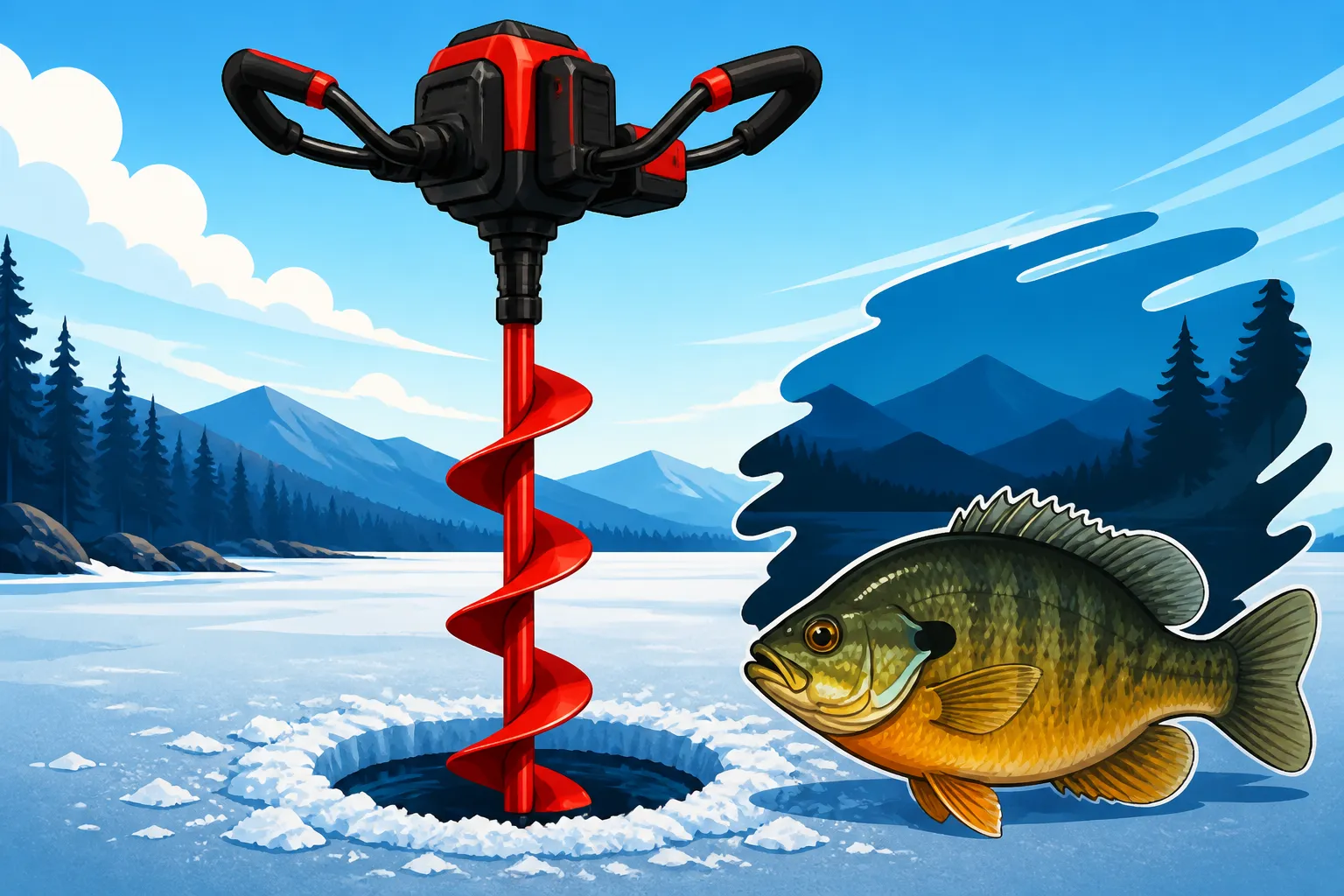
In recent years, cordless electric augers have revolutionized ice fishing, and they are particularly well-suited for panfish anglers. These units use powerful lithium-ion batteries to drive a cutting blade, offering the best of both worlds: power and portability.
- Pros for Panfish:
- Fast and Effortless Drilling: They slice through ice with impressive speed and require minimal physical effort, even in thick New Hampshire ice. This allows you to drill many holes quickly.
- Clean and Quiet Operation: Like hand augers, they produce no fumes and are significantly quieter than gas models. You can easily drill holes inside a Best Ice Shanty for New Hampshire Lakes without worrying about exhaust.
- Lightweight and Portable (relative to gas): While heavier than hand augers, a 6-inch electric auger is often lighter and more balanced than a gas-powered equivalent, making it easier to transport and handle.
- Instant Start: No pull cords or priming needed; just press a button, and you're drilling. This is a huge advantage on cold mornings.
- Cons to Consider:
- Battery Life: While modern batteries are excellent, they can drain faster in extreme cold. Carrying a spare battery is often recommended, which adds weight and cost.
- Higher Initial Cost: Electric augers are typically more expensive than hand augers, though prices have become more competitive. You might find a good selection at Bass Pro Shops or online through Amazon.
- Reliance on Power: You need to remember to charge your batteries, and if you forget, you're out of luck.
- Real-World Scenario: Imagine you're ice fishing on Lake Winnisquam, famous for its panfish populations, especially crappie. You've got your portable fish finder marking a school of fish at 15 feet over a weed bed. You need to drop a line right on top of them. With a 6-inch electric auger, you can quickly drill 8-10 holes in a tight grid pattern around the mark in minutes, allowing you to sample the area rapidly and pinpoint the most active fish. The quiet operation doesn't disturb the fish, and you can keep moving as the school does.
Propane and Gas Augers: Overkill for Most Panfish Anglers
While gas and propane augers are powerful ice-cutting machines, they are generally considered overkill for dedicated panfish anglers. They shine when drilling numerous large holes for big game species or in situations where extreme power is required.
- Pros (General, less specific to panfish):
- Raw Power: Can handle very thick ice and large diameter holes with ease.
- Reliable in Extreme Cold: Less affected by cold than batteries.
- Cons for Panfish:
- Heavy and Bulky: Gas and propane augers are significantly heavier and less portable than hand or electric models, making rapid mobility difficult.
- Noisy and Fumes: They produce exhaust fumes and considerable noise, which can be unpleasant, spook fish, and disturb other anglers. Not ideal for use inside a portable shanty without good ventilation.
- Higher Maintenance: Require fuel mixing (for 2-stroke) or propane canisters, and more general engine maintenance.
- Larger Hole Sizes Typically: Often come with 8-inch or larger bits, which are unnecessary for panfish and more effort to drill.
- Real-World Scenario: Unless you're primarily targeting lake trout on Lake Winnipesaukee and occasionally catch panfish, a dedicated gas or propane auger for only panfish is generally not the most practical choice. You'll spend more on fuel, lug more weight, and deal with the noise, all for holes that are likely larger than you need.
Key Features to Look For in a Panfish Auger
Once you've decided on the general type of auger, it's time to dive into the specifics. Certain features will make an auger excel (or fall short) for panfish pursuits.
Blade Diameter: The Sweet Spot is 4-6 Inches
As discussed, a smaller hole is best for panfish. When looking at augers, prioritize models with a blade diameter between 4 and 6 inches.
- 4-inch blades: Perfect for ultra-light panfishing, especially for smaller species like bluegill or small perch. They cut through ice like butter, incredibly fast and with minimal effort. Great for very active "run-and-gun" fishing.
- 5-inch blades: A fantastic all-around choice. Still very fast and easy to drill, but offers a slightly wider opening if you happen to hook into a larger crappie or bass. Many hand augers and smaller electric augers come in this size.
- 6-inch blades: This is generally the maximum you'd need for panfish. It's still efficient enough to drill many holes, and it provides ample room for any panfish species. If you occasionally target small trout or walleye in the same waters, a 6-inch blade offers a bit more versatility without being overly cumbersome.
Weight and Portability
For panfish, lightweight and portable should be at the top of your list. You'll be moving frequently, often carrying your gear a fair distance from your vehicle.
- Hand Augers: Aim for something under 10 pounds. The lighter, the better, especially if you plan to hike into remote ponds or frequently move across large lakes.
- Electric Augers: Many excellent 6-inch electric augers weigh in the 15-20 pound range, including the battery. This is a very manageable weight for most anglers. Compare models to find the lightest option that still offers good power and battery life. For example, some brands like StrikeMaster and ION offer exceptionally lightweight models that are specifically popular with panfish anglers.
- Consider a Carrying Bag or Cover: To enhance portability and protect your blades (and yourself!), look for augers that come with or have compatible carrying bags or blade covers. This keeps everything tidy and safe when you're moving.
Power Source and Battery Life (for Electric Augers)
If you're leaning towards an electric auger, the power source and battery performance are paramount.
- Battery Voltage: Most modern electric augers run on 24V, 40V, or 80V lithium-ion batteries. For panfish, a 24V or 40V system is usually more than enough power to cut through even thick New Hampshire ice with a 4-6 inch blade. Higher voltage often means more power and potentially more holes, but also more weight and cost.
- Ah (Ampere-hour) Rating: This indicates battery capacity. A higher Ah rating means longer run time. For a full day of panfishing, especially in colder temperatures where batteries perform less efficiently, you'll want at least a 3Ah battery, but 4-5Ah or even more is ideal if you plan to drill a lot of holes or fish in very cold conditions.
- Number of Holes: Manufacturers often list the approximate number of holes an auger can drill on a single charge in a certain ice thickness. While these are usually under ideal conditions, they give you a benchmark. For panfish, you want an auger that can reliably drill at least 50-70 holes in 12 inches of ice on one charge.
- Spare Battery: As mentioned, a spare battery is a smart investment for electric augers. Keep it in a warm pocket or insulated bag until needed to maximize its performance. Many reputable brands like those found at Bass Pro Shops or on Amazon offer extra batteries.
Blade Design and Durability
The blades are where the rubber (or steel) meets the ice! Sharp, durable blades are crucial for efficient drilling.
- Material: Most auger blades are made from high-carbon steel, often with a specific coating for corrosion resistance. Look for blades that are easily replaceable, as even the best blades will eventually dull or get damaged if they hit something under the ice.
- Number of Blades: Most hand and electric augers use a single or double-blade design. Both work well, but a well-designed double-blade system can sometimes offer a smoother cut.
- Blade Protector: Always ensure the auger comes with a robust blade protector. This is not only for safety during transport but also to keep your blades sharp and free from nicks. Hitting the ground or concrete with exposed blades can ruin them quickly.
- Flighting Design: The spiraled part of the auger (the flighting) helps pull the ice chips up and out of the hole. Look for a smooth, wide flighting that efficiently clears the hole, preventing it from getting jammed with slush.
Auger Length
Consider the typical ice thickness you'll encounter in New Hampshire and your own height. Most augers come in standard lengths, often adjustable.
- Extension Shafts: Many augers offer extension shafts, which can be useful if you're dealing with exceptionally thick ice (over 2 feet, which can happen in northern New Hampshire winters) or if you're a taller angler who prefers to drill standing more upright. For most panfishing, the standard length is usually fine.
Maintenance and Care for Your Ice Auger
Taking good care of your ice auger will ensure it serves you well for many seasons of panfishing. Proper maintenance is key to longevity and performance.
Keeping Blades Sharp and Protected
Sharp blades are the single most important factor for an auger's performance. Dull blades make drilling a miserable chore, regardless of how powerful your auger is.
- Blade Protectors: Always use your blade protector when the auger is not in use, whether you're moving between holes, transporting it in your vehicle, or storing it for the season. This prevents accidental dulling or chipping.
- Avoid Contact with Anything Other Than Ice: Don't let your blades hit dirt, rocks, concrete, or even the floor of your ice shanty. One wrong scrape can ruin an edge.
- Replacing vs. Sharpening: Most modern auger blades are designed to be replaced, not sharpened. While some highly skilled professionals can sharpen them, it's generally more effective and safer to buy new blades when yours become dull or damaged. Keep a spare set of blades on hand, especially for a multi-day trip or remote location. You can often find replacement blades at retailers like Bass Pro Shops.
- Rust Prevention: After each outing, wipe your blades clean and dry them thoroughly to prevent rust. A light spray of silicone lubricant can also help.
Battery Care (for Electric Augers)
Your electric auger's battery is its heart. Treat it well!
- Charge Before Each Trip: Always start with a fully charged battery.
- Store in a Warm Place: When not in use on the ice, keep your spare battery in a warm pocket or insulated cooler. Cold severely reduces battery performance.
- Proper Off-Season Storage: For long-term storage, charge your battery to about 50-75% capacity and store it in a cool, dry place. Avoid storing a completely drained or fully charged battery for extended periods.
- Clean Contacts: Occasionally check the battery terminals and charger contacts for dirt or corrosion and clean them gently if needed.
General Cleaning and Storage
A little end-of-season care goes a long way.
- Clean the Auger: Wipe down the entire auger, removing any ice, dirt, or debris. For gas or propane models, clean off any oil or fuel residue.
- Lubrication: For gas augers, ensure the engine is properly maintained according to the manufacturer's recommendations (oil changes, spark plug checks). For electric augers, periodically check any moving parts for smooth operation, though most are sealed.
- Storage Location: Store your auger in a dry place, away from direct sunlight and extreme temperatures. Hanging it vertically can save space and keep the blades off the floor.
By following these simple maintenance tips, your panfish auger will be ready for action whenever you hit the ice in New Hampshire. Whether you're chasing perch on Lake Massabesic or crappie on Pawtuckaway Lake, having a reliable, sharp auger will make your trip much more successful and enjoyable. Finding the perfect auger for your style of panfishing is a game-changer, allowing you to focus on the fish, not the work. Best Ice Fishing Gear for New Hampshire often starts with a good auger, but don't forget the right jigs and bait! For instance, checking out resources like Best Panfish Jig Colors for Winter and Best jig weight for perch through the ice can further enhance your success after you've cut your holes. You might also want to read up on Best time to fish for perch in winter to really dial in your strategy.
Auger Comparison for Panfish Anglers
Here's a quick comparison of the most popular auger types for panfish, highlighting their suitability:
| Feature | Hand Auger (4-6 inch) | Cordless Electric Auger (4-6 inch) | Gas/Propane Auger (8+ inch) |
|---|---|---|---|
| Weight | 5-10 lbs | 15-25 lbs (with battery) | 25-40+ lbs |
| Portability | Excellent (Very easy to carry and move) | Very Good (Easy to carry, quick moves) | Poor (Heavy, cumbersome to move) |
| Drilling Speed | Slow-Medium (Physical effort) | Fast (Effortless) | Very Fast (Effortless) |
| Noise/Fumes | Silent / None | Quiet / None | Loud / Fumes |
| Hole Count | Limited by angler fatigue | High (50-100+ holes per charge) | Very High (Limited by fuel) |
| Maintenance | Low (Blades only) | Moderate (Battery care, blades) | High (Engine, fuel, blades) |
| Initial Cost | Low | Moderate-High | High |
| Panfish Suitability | Excellent for minimalist, mobile, or remote fishing | Excellent for most panfish anglers seeking speed and convenience | Generally Overkill (Too heavy, too noisy, too large holes) |
No matter which type you choose, remember that the goal is to make your time on the ice chasing New Hampshire panfish as enjoyable and productive as possible. Whether you're targeting perch on Lake Sunapee or crappie in a smaller hidden pond, having the right tool for the job makes all the difference. Don't forget to explore some of the Best Panfish Fishing in New Hampshire spots and be sure to check out guides on Jigging for Perch Through the Ice to complete your toolkit. You'll find many options available from popular outdoor retailers, making it easy to compare features and read reviews before making your final selection.
Disclaimer
This article is for general informational purposes only and does not constitute professional advice. Laws, prices and regulations vary by location and change over time. Consult a qualified professional for guidance on your specific situation.