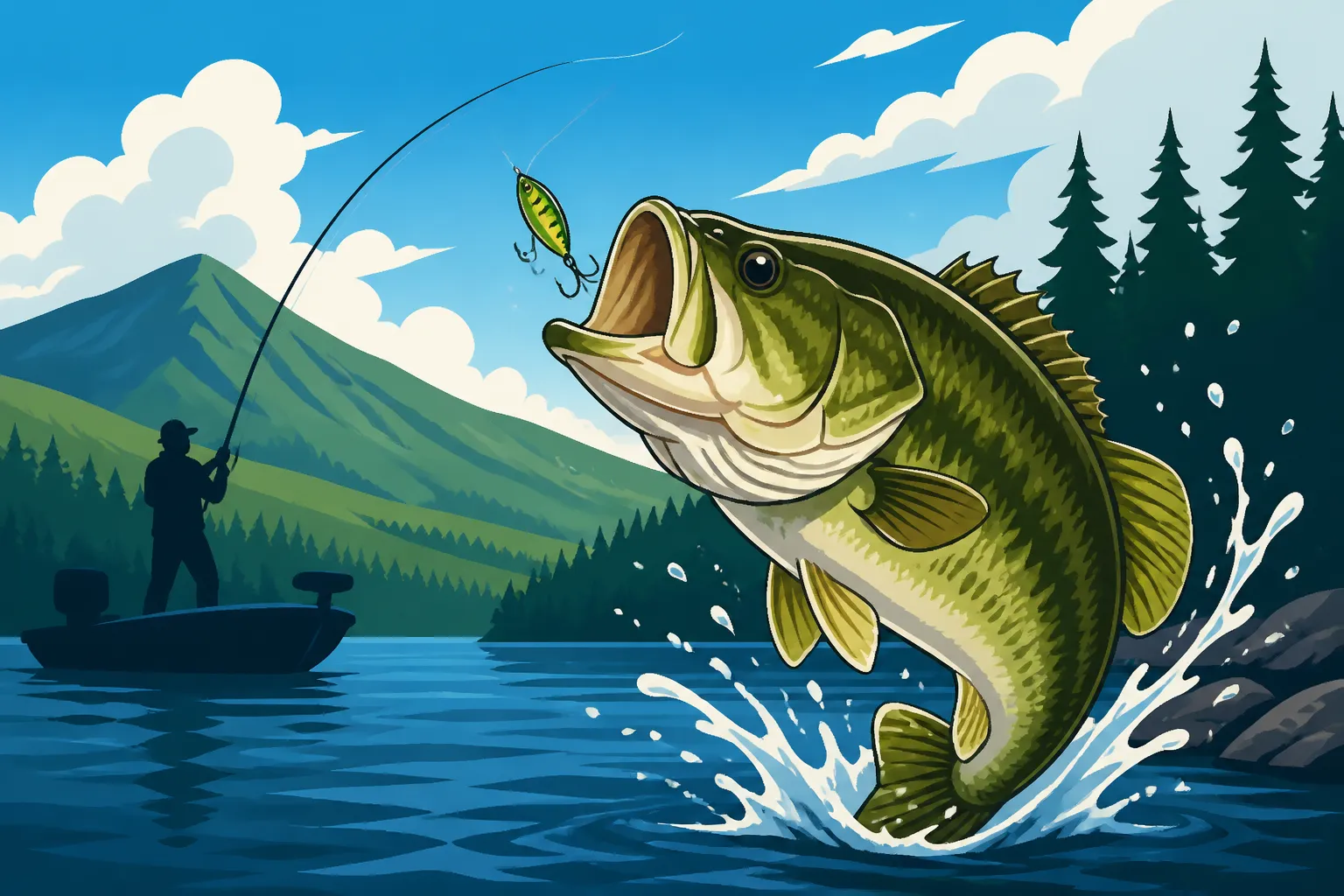
Largemouth Bass Fishing in New Hampshire
There's nothing quite like the heart-thumping strike of a feisty largemouth bass, especially here in New Hampshire. Many anglers get frustrated because these green-backed beauties can be incredibly elusive, hiding in thick cover one moment and then seemingly vanishing the next. This comprehensive guide will unravel the mysteries of targeting largemouth bass across the Granite State, sharing detailed insights into their preferred habitats, effective techniques for every season, and the essential gear you’ll need to increase your success and enjoy more memorable days on the water.
Understanding New Hampshire's Largemouth Bass Fishery
Largemouth bass are a beloved game fish throughout the United States, and New Hampshire is no exception. While our northern climate might make them behave a little differently than their southern counterparts, the thrill of hooking into a chunky largemouth is a universal joy for anglers. They offer a fantastic challenge, often requiring strategic thinking and precise presentations to coax them out of their dense cover.
The Appeal of Largemouth Bass in the Granite State
For many, largemouth bass are the ultimate freshwater predator. They're aggressive, put up a fantastic fight, and are often found in relatively accessible waters, making them a popular target for anglers of all skill levels. Here in New Hampshire, our lakes and ponds, from the sprawling, interconnected systems down to quiet, isolated coves, offer a diverse range of environments where these fish thrive. The appeal also lies in their willingness to strike a wide variety of lures, from topwater poppers to deep-diving crankbaits, providing an exciting and dynamic fishing experience. Whether you're a seasoned pro or just getting started, the pursuit of largemouth bass provides endless opportunities for learning and excitement.
Beyond the fight itself, there's the intellectual challenge. Largemouth bass are notorious for their reliance on cover and structure, forcing anglers to develop keen observational skills and adapt their approach constantly. You're not just casting; you're deciphering underwater puzzles, trying to predict where the fish will ambush their next meal. This mental engagement, combined with the explosive strikes, makes largemouth bass fishing an incredibly rewarding pursuit that keeps anglers coming back for more. It’s also often a very visual style of fishing, especially when you’re targeting shallow cover, which adds another layer of excitement to the experience.
Where Largemouth Bass Thrive: Habitat Preferences
Largemouth bass are creatures of cover and structure. They love warmth, protection, and ambush points, which is why you'll typically find them in areas with abundant submerged vegetation, fallen trees, docks, rocks, and points. In New Hampshire, this means shallower, often warmer, lakes, ponds, and slower-moving river sections are prime largemouth territory. They gravitate towards areas where they can hide and dart out to ambush baitfish, frogs, or crawfish. Think about those lily pad fields, dense weed lines, or the shadowy undersides of boat docks – these are their preferred neighborhoods.
Specifically, look for shallow flats with grass, coves protected from the wind, and areas where creeks or rivers feed into a larger body of water, bringing in nutrients and bait. Timber, especially sunken logs or brush piles, are magnets for largemouth. These areas provide shade, protection from predators (like us!), and a perfect spot to surprise prey. Understanding these preferences is half the battle; once you can "read the water" and identify these key features, you're well on your way to finding active bass. It's not just about casting aimlessly; it's about deliberately targeting these high-percentage zones.
Largemouth vs. Smallmouth: Knowing Your Target
It's crucial to distinguish between largemouth and smallmouth bass, not just for identification but because their preferred habitats and behaviors often differ, leading to different fishing strategies. While both are fantastic game fish, knowing which one you're targeting will make you a much more effective angler. The easiest way to tell them apart is by their mouth: if you close the fish's mouth, and the corner of its mouth extends past the eye, it’s a largemouth. If the corner of the mouth doesn't extend past the eye, it's a smallmouth.
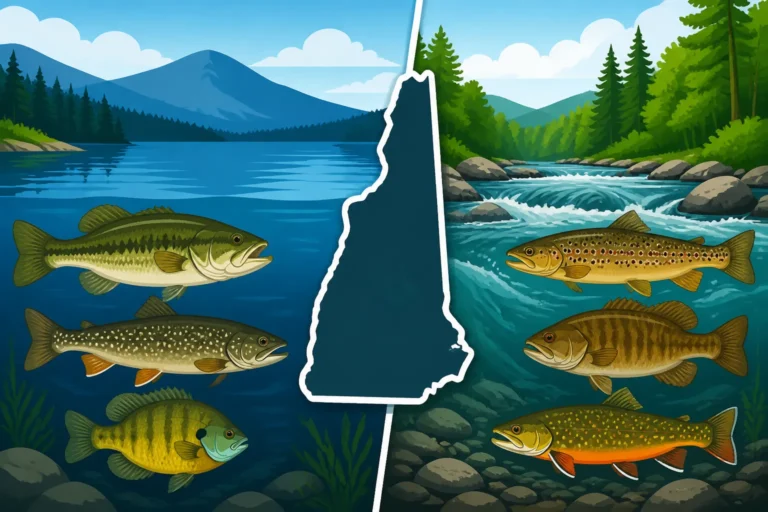
Beyond the mouth, largemouth bass generally have a more olive-green body with a distinct, often broken, horizontal dark stripe along their sides. Smallmouths tend to be more bronze or brown, sometimes with vertical bars or mottling. Habitat is another key indicator. Largemouth prefer warmer, weedier, shallower water, while smallmouths gravitate towards cooler, rockier, deeper, and often clearer water, like the main lake basins or river currents. Understanding Largemouth Bass vs Smallmouth Bass Identification is really important for targeting success and for complying with specific regulations, as some waters or seasons might have different rules for each species.
| Feature | Largemouth Bass | Smallmouth Bass |
|---|---|---|
| Mouth | Jaw extends past the eye when closed | Jaw does not extend past the eye when closed |
| Coloration | Olive green, often with a distinct horizontal stripe | Bronze, brown, or gold, often with vertical bars |
| Habitat | Warmer, shallower, weedy lakes, ponds, slow rivers | Cooler, deeper, rocky lakes, rivers with current |
| Body Shape | Generally stockier, more football-shaped | More streamlined, torpedo-shaped |
| Dorsal Fin | Deep notch between spiny and soft dorsal fins | Less pronounced notch, appears more continuous |
| Fight Style | Powerful, head-shaking, dives into cover | Agile, acrobatic, jumps frequently |
Prime Largemouth Bass Hotspots in New Hampshire
New Hampshire might be known for its stunning mountain streams and deep, cold-water lakes, but we also have an abundance of fantastic waters for largemouth bass. Knowing where to focus your efforts can save you a lot of time and lead to more productive fishing trips. Each region offers distinct characteristics that appeal to these adaptable fish.
Southern NH Ponds and Lakes
Southern New Hampshire, particularly the areas closer to the Massachusetts border, is a goldmine for largemouth bass. These regions often feature numerous smaller, shallower ponds and lakes that warm up quickly in the spring and hold dense aquatic vegetation, which largemouth absolutely adore. Places like Lake Massabesic near Manchester, Pawtuckaway Lake in Nottingham, or Northwood Lake are prime examples. These waters are often easily accessible and provide excellent opportunities for both boat and bank anglers. Many of these ponds are characterized by soft bottoms, plenty of lily pads, and submerged logs, creating perfect ambush cover.
Fishing these southern waters requires a keen eye for detail. Look for subtle changes in depth, pockets within weed beds, or points that extend into deeper water. These areas often concentrate baitfish, which in turn attract hungry bass. Don't overlook smaller, lesser-known ponds either; some of the best largemouth fishing can be found on these quieter, less pressured waters. Many of these spots are relatively close to population centers, making them convenient for a quick evening trip after work or a weekend outing. For more detailed information on specific locations, check out guides like Best Largemouth Bass Ponds in Southern New Hampshire.
Central NH Lakes and Reservoirs
As you move north into Central New Hampshire, the landscape changes, but the largemouth fishing remains strong. While some of the larger, deeper lakes might be more famous for smallmouth bass or lake trout, many of them still contain excellent largemouth habitat in their shallower bays, coves, and river delta areas. Lake Winnipesaukee, for instance, despite its vastness and reputation for cold water species, has numerous warm, weedy coves and backwaters that hold impressive largemouth. Other spots like Lake Winnisquam, Newfound Lake (in its shallower sections), or even the calmer parts of the Merrimack River offer great largemouth potential.
The key here is to identify these specific "largemouth zones" within larger water bodies. On Winnipesaukee, think about the shallower sections of Alton Bay, Meredith Bay, or the vast weed beds around Moultonborough Bay. These areas provide the warmer water and dense cover that largemouth prefer, even if the main lake basin is much colder. Reservoirs can also be excellent, as they often have plenty of standing timber and submerged structures. Always consult a good map and look for those protected, vegetation-rich areas.
River Systems and Backwaters
New Hampshire's river systems also hold some fantastic, often overlooked, largemouth bass fishing. The slower-moving sections, oxbows, and backwater eddies of rivers like the Merrimack, Contoocook, and even parts of the Connecticut River can be incredibly productive. These areas often feature shallow depths, current breaks, and an abundance of cover in the form of fallen trees, log jams, and overhanging brush. The current provides a constant supply of food, and the cover gives bass prime ambush points.
Fishing rivers for largemouth can be a bit different than lakes. The current, even if subtle, dictates how bass position themselves and how you should present your lures. Look for eddies behind large rocks or logs, slow pools adjacent to faster currents, and any areas where structure creates a natural current break. These spots allow bass to conserve energy while waiting for prey to drift by. Kayaks, canoes, or even small jon boats are ideal for navigating these riverine environments, allowing you to access areas that larger boats can't reach. Bank access can also be excellent, especially around bridges and public access points. Remember that river conditions can change rapidly with rainfall, so always prioritize safety when fishing moving water.
Essential Gear for New Hampshire Largemouth Fishing
Having the right tools for the job makes all the difference when you're chasing largemouth bass. While you don't need to break the bank to get started, investing in a few key pieces of gear tailored to bass fishing will significantly enhance your experience and your catch rates. It's about matching your equipment to the fish and the environment.
Rods, Reels, and Lines for Bass
For largemouth bass, versatility is key, but having specialized setups can be a huge advantage. Most anglers will benefit from two main types of rod and reel combos:
-
Medium-Heavy Casting Setup: This is your workhorse for throwing heavier lures, punching through thick cover, and pulling big bass out of dense vegetation. A 6'6" to 7'6" medium-heavy power, fast-action casting rod paired with a baitcasting reel is ideal. Look for a reel with a good gear ratio (around 7.0:1 or higher) for quick lure retrieval and setting the hook on fast-moving fish. Spool it with 15-20 lb fluorocarbon line for sensitivity and abrasion resistance, or 30-50 lb braided line when fishing really heavy cover where maximum strength is needed. Many great options can be found on Amazon that balance performance with affordability. This setup is perfect for jigs, Texas-rigged plastics, and spinnerbaits.
-
Medium Spinning Setup: For lighter lures, finesse techniques, and open water applications, a spinning combo is indispensable. A 6'6" to 7' medium power, fast-action spinning rod with a matching spinning reel is perfect. Spool this with 8-12 lb fluorocarbon or monofilament, or a lighter braid (10-20 lb) with a fluorocarbon leader for maximum casting distance and sensitivity. This setup excels with wacky worms, drop shots, small crankbaits, and any time you need to make precise, subtle presentations.
It's tempting to think one rod can do it all, but the truth is, a dedicated setup for different techniques will make you more efficient and confident on the water. The right rod provides the backbone for setting the hook and fighting fish, while the right reel ensures smooth casting and reliable drag.
Lures and Baits: The Largemouth Arsenal
The world of bass lures is vast and can be overwhelming, but there are several categories that consistently produce in New Hampshire waters. Your tackle box should have a good mix to adapt to different conditions and fish moods.
- Soft Plastics: These are arguably the most versatile and effective lures for largemouth. Think Texas-rigged worms, creature baits, flukes, and senkos. Colors like green pumpkin, black and blue, and natural crawfish patterns are always reliable. Soft plastics allow for slow, subtle presentations that often coax bites from pressured fish hiding in cover.
- Jigs: Flipping jigs and football jigs are incredible for targeting largemouth around structure like docks, rocks, and wood. Pair them with a soft plastic trailer that imitates a crawfish or baitfish. Black and blue, green pumpkin, and brown are essential jig colors.
- Crankbaits: These lipped lures dive to various depths and are excellent for covering water quickly and eliciting reaction strikes. Have a few shallow-divers for cranking over weed tops and along shorelines, and some medium-divers for fishing deeper points and humps. Shad, crawfish, and perch patterns are generally effective.
- Spinnerbaits & Chatterbaits: These are fantastic search baits, particularly in stained or murky water, or when bass are aggressive. Their flash and vibration can draw fish from a distance. White, chartreuse, and combinations thereof are popular choices.
- Topwater Lures: Nothing beats the thrill of a topwater strike! Poppers, walking baits (like a Zara Spook), and hollow-body frogs (for dense lily pads) are essential for morning and evening fishing, or on cloudy days when bass are feeding aggressively on the surface.
Don't forget the importance of hooks and weights! Have a good selection of extra-wide gap (EWG) hooks for Texas rigging, straight shank hooks for punching, and various bullet weights and drop shot weights. These small but critical components ensure your lures are presented correctly and securely. You might even find comprehensive lure kits on Amazon that provide a good starting assortment.
Kayaks, Boats, and Bank Fishing Gear
How you access the water largely dictates what additional gear you'll need. New Hampshire offers diverse access opportunities, from wide-open lakes to intimate ponds and rivers.
- Kayaks and Canoes: For many of New Hampshire's smaller ponds and rivers, a fishing kayak or canoe is an ideal choice. They offer stealth, maneuverability, and the ability to access shallow, weed-choked areas that larger boats can't reach. Look for stable models designed for fishing, with plenty of storage and comfortable seating. Don't forget a quality paddle, a PFD (Personal Flotation Device), and a small anchor system. For larger lakes, a Best Kayak for Winnipesaukee guide might be helpful.
- Boats (Bass Boats, Jon Boats, Pontoons): If you're serious about covering water on larger lakes, a dedicated bass boat offers speed, storage, and specialized fishing platforms. For those on a budget or needing something more versatile for shallower waters, a jon boat can be outfitted for bass fishing. Even pontoon boats, often thought of for leisure, can be excellent fishing platforms in calmer waters, offering stability and space. Make sure your boat meets all New Hampshire boating laws and safety requirements.
- Bank Fishing Essentials: Not everyone has a boat, and that's perfectly fine! Many New Hampshire ponds and lakes offer excellent bank access. For bank anglers, a sturdy tackle bag or backpack, a long-handled landing net, and a comfortable seat or bucket are essential. Focusing on areas like public docks, causeways, or points that extend into the water can be very productive. A good pair of polarized sunglasses will help you spot cover and even cruising fish from shore.
Regardless of your chosen vessel or fishing style, always prioritize safety. Carry essential safety gear, check the weather, and let someone know your float plan. A basic first-aid kit and a reliable pair of pliers for hook removal are always good to have on hand.
Mastering Largemouth Bass Techniques Season by Season
Largemouth bass are highly sensitive to water temperature and light conditions, which means their behavior changes dramatically throughout the year. What works in spring won't necessarily work in summer, and certainly not in fall. Understanding these seasonal patterns is crucial for consistent success on New Hampshire waters.
Spring: Pre-Spawn and Spawn Tactics
Spring is an exhilarating time for largemouth bass fishing in New Hampshire. As the ice recedes and water temperatures begin to rise, bass move from deeper wintering grounds to shallower areas, driven by the urge to feed and reproduce. This period can be broken down into pre-spawn and spawn phases, each requiring slightly different approaches.
During the pre-spawn, typically when water temperatures are in the 40s to low 50s, bass are hungry and aggressively feeding to build energy for the upcoming spawn. They'll be found migrating towards shallower bays, coves, and main lake points that warm up first. This is a fantastic time for reaction baits. Lipless crankbaits, spinnerbaits, and jerkbaits worked along transitional areas – where deep water meets shallow flats – can be incredibly effective. Look for rocky banks or dark bottom areas that absorb heat. Slower presentations with jigs and soft plastics also work well, especially as water temperatures creep into the mid-50s.
As temperatures reach the upper 50s to low 60s, the spawn begins. Male bass move into very shallow, protected areas to build nests (beds), often visible as circular depressions on the bottom. Females then move onto these beds to lay their eggs. During this time, bass can be very territorial and protective of their nests. Sight fishing with soft plastics like wacky-rigged worms or creature baits, pitched directly onto or very near the bed, can trigger strikes. However, it's widely encouraged to practice catch and release during the spawn to ensure a healthy future population. New Hampshire Bass Catch-and-Release Season, Explained offers great insights into mindful angling during this critical period. Always be respectful of spawning fish; consider moving on if a fish appears to be actively guarding a nest.
Summer: Deep Water and Topwater Action
New Hampshire summers can bring challenges to largemouth bass fishing. As water temperatures climb into the 70s and beyond, bass often change their behavior. They'll seek refuge from the heat and bright sunlight in deeper, cooler water, or tuck themselves into the thickest, shadiest cover imaginable. This means you need to adapt your tactics.
During the hottest parts of the day, focus on deeper structure: submerged humps, ledges, brush piles, or the deep ends of boat docks. Carolina rigs, drop shots, and deep-diving crankbaits can be highly effective for tempting these deeper fish. Look for areas with current or springs that might offer cooler water. However, don't overlook heavy cover in shallower areas. Thick mats of lily pads, dense weed beds, or fallen trees provide shade and cooler microclimates. Punching through these mats with heavy jigs and creature baits can lead to explosive strikes from big bass.
Early mornings, late evenings, and cloudy days are prime times for topwater fishing. When the sun isn't blazing, largemouth will often move shallower to feed aggressively on the surface. Poppers, walking baits, and hollow-body frogs (especially over thick vegetation) provide some of the most exciting strikes in all of bass fishing. The sheer thrill of seeing a bass erupt through the water to smash your lure is unforgettable. Look for calm water in protected coves or along weed edges for the best topwater action.
Fall: Feeding Frenzy before Winter
As summer transitions to fall, and water temperatures begin to drop, New Hampshire largemouth bass enter a major feeding period. This fall bite can be one of the most productive times of the year, as bass aggressively gorge themselves to build up fat reserves for the lean winter months. They become highly active, chasing baitfish in open water and around structure.
During early fall, bass will often still be found in similar summer patterns but with increased aggression. As water temperatures continue to fall into the 60s and 50s, they'll start to follow baitfish schools into shallower flats and coves. This is a prime time for covering water with moving baits like crankbaits, spinnerbaits, and swimbaits. Pay close attention to areas where baitfish are schooling, as bass won't be far behind. Points, humps, and the edges of weed beds are excellent places to start.
As late fall approaches and temperatures drop into the 40s, bass will transition to slower, deeper presentations. Jigs, slow-rolled spinnerbaits, and football jigs worked along deep structure become very effective. Bass will often congregate in deeper holes or on distinct ledges as they prepare for winter. The bite might become more subtle, requiring sensitive tackle and keen attention to detail. This period is less about fast-paced action and more about patience and precise vertical presentations. Remember that New Hampshire Fishing Seasons by Month can give you a general idea of when these transitions occur, but always rely on current water temperatures for the most accurate timing.
Winter: Understanding the Off-Season
While New Hampshire is famous for its ice fishing for species like lake trout and perch, largemouth bass are generally not a primary target during the dead of winter. As the water temperatures plummet and ice covers most lakes and ponds, largemouth become incredibly lethargic. Their metabolism slows drastically, and they move very little, often congregating in deep holes, near significant structure, or in areas with slightly warmer water (like spring holes).
Ice fishing for largemouth is possible, but it requires extreme patience and slow, subtle presentations. Small jigs, spoons, or even live minnows fished very slowly just off the bottom in deeper basins where bass are known to winter can sometimes entice a bite. However, it's a very different experience than the active fishing of the other three seasons. Many anglers opt to target other species during this time or simply take a break from bass fishing until spring returns. Understanding that bass are essentially in a state of semi-hibernation will help manage expectations and avoid frustration during the coldest months.
Key Strategies for Consistent Largemouth Success
Catching largemouth bass consistently is less about luck and more about a combination of understanding their behavior, effective lure presentation, and adapting to changing conditions. It’s a game of observation, precision, and patience.
Reading the Water: Structure and Cover
One of the most critical skills for a successful largemouth angler is the ability to "read the water" and identify potential holding spots for bass. Bass are ambush predators, meaning they'll always be near something they can hide behind or in, waiting for prey to swim by. This "something" is what we call structure and cover.
- Structure refers to changes in the lake bottom's topography – things like humps, points, ledges, creek channels, and submerged roadbeds. These are permanent features that will always be there, even if the water levels change. Bass will often use these depth changes as highways to move between shallow feeding areas and deeper refuge. A good depth finder or even a detailed contour map can help you pinpoint these hidden gems.
- Cover refers to anything that provides shelter or concealment, whether natural or man-made. This includes submerged vegetation (lily pads, hydrilla, coontail, milfoil), fallen trees (laydowns), brush piles, boat docks, riprap, and even bridge pilings. Largemouth will hold tight to cover for shade, protection from predators, and to ambush unsuspecting baitfish.
When you approach a new area, take a moment to scan the water. Look for visual cues: lily pad fields, emergent weeds, overhanging trees, and boat docks. If you have a fish finder, pay attention to depth changes and any marks indicating submerged timber or rock piles. Even subtle changes in water color or current can indicate a productive area. Remember, bass are often right up against or even in the cover, so precision casting is often required to get your lure into their living room.
Presentation is Everything: Lure Selection and Retrieve
Having the right lure is only half the battle; knowing how to present it effectively is where the true art of bass fishing lies. The speed, action, and depth of your retrieve need to match the conditions and the mood of the fish.
- Match the Hatch: While bass aren't always picky, trying to imitate the primary forage in the water can be highly effective. If there are a lot of bluegill, use a lure that mimics a bluegill. If crawfish are abundant, a jig with a crawfish-colored trailer is a smart choice. Pay attention to the size and color of baitfish you see in the water.
- Vary Your Retrieve: Don't just cast and reel back at a constant speed. Experiment!
- Slow & Steady: For colder water or lethargic fish, a slow, deliberate retrieve with a soft plastic or jig can be deadly. Think of a worm slowly crawling along the bottom.
- Twitch & Pause: This works wonders for jerkbaits and soft plastics. Reel a few turns, then pause, giving the lure time to suspend or sink, often triggering a strike on the pause.
- Rip & Stop: For spinnerbaits and lipless crankbaits, a more aggressive, erratic retrieve can trigger reaction strikes from active fish. Rip the lure quickly, then let it fall.
- Topwater Walk & Pop: Mastering the "walk-the-dog" retrieve for walking baits or short, sharp pops for poppers creates irresistible commotion on the surface.
- Target Precisely: Largemouth often won't move far from their cover to strike. Your cast needs to be accurate, landing your lure right on the edge of a weed line, under a dock, or next to a submerged log. Practice your pitching and flipping skills to get your lure into those tight spots without making a big splash that spooks the fish. Sometimes, just a few inches can make all the difference.
Always be mindful of water clarity. In clear water, more natural colors and stealthier presentations are usually better. In stained or murky water, brighter colors and lures with more vibration and flash will help bass find your offering. Keep an open mind and be willing to change lures and retrieves until you find what the bass want on that particular day.
Dealing with Tough Conditions (Cold Fronts, High Pressure)
New Hampshire weather can be unpredictable, and tough fishing conditions are an inevitable part of the game. Cold fronts and high-pressure systems are notorious for shutting down the bass bite, leading to frustrating days on the water. But don't despair – with a few adjustments, you can still find success.
-
Cold Fronts: A cold front, especially after a period of warm, stable weather, can drastically cool surface temperatures and often brings clear skies and high pressure. Bass tend to become sluggish and move deeper or bury themselves in the thickest cover. When this happens:
- Slow Down: The biggest mistake is to continue fishing aggressively. Switch to very slow, subtle presentations. Think wacky worms, jigs, or even live bait fished almost motionless on the bottom.
- Go Deep: Look for bass on deep structure like ledges, humps, or channel edges. They might be piled up, trying to escape the unstable conditions.
- Target Heavy Cover: Even in shallow water, bass will often bury deep into dense mats of weeds or brush. Punching jigs or Texas-rigged plastics into these areas can still draw a strike.
- Downsize Lures: Sometimes a smaller profile lure, presented subtly, can entice a bite when larger, more aggressive baits fail.
-
High Pressure: Clear skies and high pressure often accompany cold fronts, but can also occur on their own. This generally makes fish more wary and less willing to venture out from cover.
- Focus on Shade: Bass will seek the deepest shade they can find – under docks, dense overhanging trees, or thick vegetation.
- Finesse Tactics: This is the time for finesse. Drop shot rigs, shaky heads, and weightless worms are excellent for presenting a bait naturally to pressured fish.
- Stealth: Minimize noise and movement in your boat. Long casts and quiet approaches become even more important.
The key takeaway is adaptability. Don't be afraid to experiment, slow down, and adjust your approach. Sometimes, simply finding one active fish in tough conditions can help you unlock a pattern for the rest of the day.
New Hampshire Largemouth Bass Regulations and Conservation
Fishing responsibly is paramount for preserving New Hampshire's fantastic largemouth bass fishery for generations to come. Understanding and adhering to regulations, practicing good catch-and-release techniques, and advocating for habitat protection are all part of being a conscientious angler.
Understanding Catch Limits and Seasons
New Hampshire has specific regulations in place to manage its bass populations, which include daily limits, possession limits, and often slot limits or special seasons for certain species or water bodies. These rules are designed to ensure sustainable fishing and protect spawning fish. Before heading out, it's absolutely essential to consult the most current New Hampshire Freshwater Fishing Digest, usually available from the New Hampshire Fish and Game Department.
Typically, there will be a general statewide regulation for largemouth bass, which might involve a specific number of fish you can keep per day (daily limit) and a minimum length. Some lakes might also have "slot limits," where you can only keep fish below a certain size and above another, protecting the valuable medium-sized fish that are crucial for reproduction. There might also be catch-and-release only periods, especially during the spring spawn, to ensure fish are not removed from their nests. Always be aware of the specific rules for the water body you are fishing, as they can vary. Ignorance of the law is never an excuse, and violations can lead to fines or loss of fishing privileges. For detailed information, review New Hampshire Bass Limits and Slot Rules and New Hampshire Fishing Regulations Explained.
Promoting Catch and Release for Future Generations
While it's perfectly legal and enjoyable to keep a few bass for a fresh meal (and they are delicious!), many bass anglers are strong proponents of catch and release, especially for larger, older fish. These bigger bass are often the best spawners and contribute significantly to the health and genetics of the population. Practicing proper catch and release techniques dramatically increases the survival rate of the fish you release.
Here are some best practices for catch and release:
- Handle Fish Minimally: Avoid touching the fish with dry hands, as this can remove their protective slime coat. If you must handle them, wet your hands first.
- Use Barbless Hooks: Or pinch down the barbs on your hooks. This makes hook removal much easier and less damaging to the fish.
- Minimize Air Exposure: Keep the fish in the water as much as possible. If you need a photo, get it quickly and return the fish to the water immediately.
- Support the Fish: When holding a bass, support its body horizontally. Avoid holding it vertically by the jaw if it's a large fish, as this can damage its internal organs.
- Revive If Necessary: If a fish appears sluggish, hold it gently in the water, facing into any current, until it can swim away on its own.
By being mindful of how we handle the fish we catch, we ensure that they can continue to thrive and reproduce, providing exciting fishing opportunities for years to come.
Protecting Largemouth Habitat
Ultimately, a healthy largemouth bass population depends on healthy habitats. As anglers, we have a vested interest and a responsibility to help protect and conserve the environments where these fish live. This goes beyond just following regulations; it involves active participation and awareness.
- Dispose of Trash Properly: Never leave litter on the shore or in the water. Line, plastic baits, and other debris can be harmful or fatal to wildlife.
- Prevent Invasive Species Spread: Always clean, drain, and dry your boat, kayak, and gear between water bodies. Invasive aquatic plants and animals can decimate native habitats and outcompete native fish.
- Report Pollution or Poaching: If you observe any illegal activities or environmental concerns, report them to the New Hampshire Fish and Game Department. They rely on the public's eyes and ears to protect our natural resources.
- Support Conservation Efforts: Consider joining local fishing clubs or conservation organizations that actively work to protect New Hampshire's fisheries and aquatic environments. Many organizations conduct clean-up days, habitat restoration projects, or advocate for responsible land use.
By taking these steps, we ensure that the beautiful lakes, ponds, and rivers of New Hampshire continue to be vibrant ecosystems capable of supporting robust largemouth bass populations, offering endless enjoyment for anglers and nature enthusiasts alike. Don't forget, a valid New Hampshire Fishing License Guide for 2026 is always the first step to enjoying our state's waters legally and responsibly.
Disclaimer
This article is for general informational purposes only and does not constitute professional advice. Laws, prices and regulations vary by location and change over time. Consult a qualified professional for guidance on your specific situation.