Is Lake Trout Good to Eat?
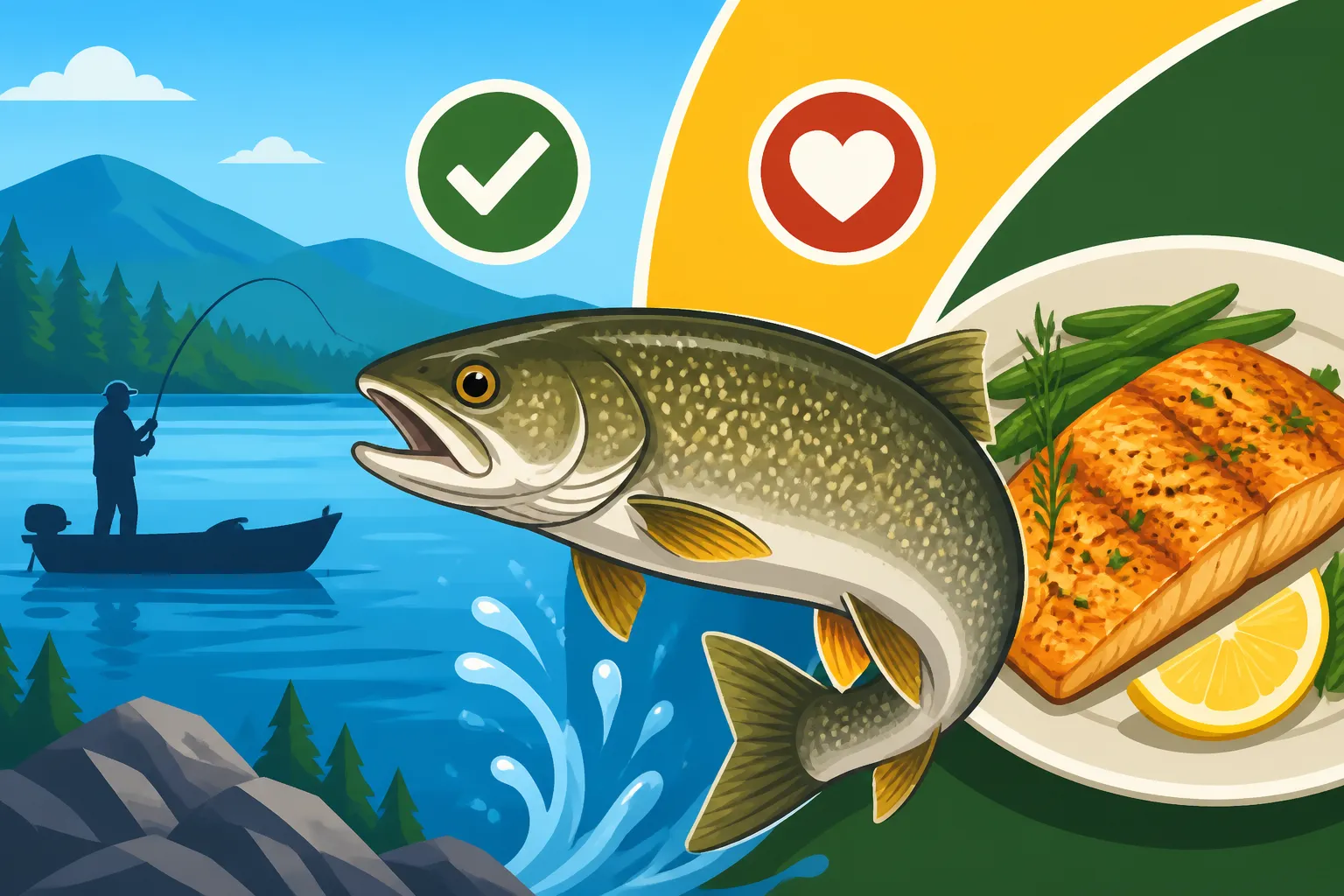
Ah, the age-old question that sparks many a fireside debate among anglers in the Granite State: "Is lake trout good to eat?" It's a fair question, and one you've probably heard whispered on the docks of Winnipesaukee or echoing across a frozen Newfound Lake. So many folks have preconceived notions about lake trout, often shaped by one less-than-stellar experience or an old wives' tale. But here's the thing: New Hampshire lake trout, when caught and prepared correctly, can absolutely be a delicious addition to your dinner plate. This guide is here to cut through the myths and give you the real scoop on making the most of your lake trout catch.
Understanding Lake Trout as Table Fare
Many anglers, especially those new to New Hampshire's deep, cold lakes, might wonder about the edibility of lake trout. Unlike the often-touted brook trout or rainbow trout, which are almost universally praised for their delicate flavor, lake trout sometimes get a bad rap. The truth is, their culinary quality can vary quite a bit, but that doesn't mean they're not good. It just means you need to understand what influences their taste and texture.
The primary factors influencing whether a lake trout tastes "good" or "gamey" are its diet, the water temperature it lives in, and its size. A lean, firm-fleshed lake trout from deep, cold water, feeding on healthy forage like smelt, can be absolutely superb. On the other hand, a larger, older fish from warmer, shallower waters, or one that's been feeding on less desirable prey, might have a softer texture or a stronger, fishier flavor that some find off-putting. It's not a blanket yes or no answer, but rather a nuanced "it depends," with a strong leaning towards "yes, often delicious!"
Factors That Influence Lake Trout Flavor and Texture
When you pull a beautiful lake trout through the ice on Lake Winnipesaukee or reel one in after a long troll on Lake Sunapee, you're not just catching a fish; you're catching a product of its environment. And its environment, particularly what it eats and the water it lives in, has a huge impact on what that fish will taste like. Understanding these factors can help you target the best-tasting fish and appreciate the ones you catch.
Diet: What They Eat Matters
Just like the old saying "you are what you eat" applies to us, it definitely applies to fish! Lake trout are apex predators in many of New Hampshire's deep lakes, and their diet can be quite varied. In lakes rich with rainbow smelt, for instance, you'll often find lake trout that have a firm, orange-pink flesh, very similar to salmon. This is because smelt are fatty, oily fish, and the lake trout incorporate those fats and pigments into their own tissues. These fish are generally considered the best-tasting.
Conversely, if a lake trout's diet consists heavily of bottom-dwelling organisms, insects, or even certain species of less desirable baitfish, its flesh might be whiter, softer, and possess a more pronounced "fishy" flavor. For example, a lake trout that has been grubbing around in the mud for various invertebrates might not have the same clean, crisp taste as one that's been actively chasing schools of rainbow smelt as forage fish in New Hampshire lakes. When considering where to fish for the best table fare, understanding the local forage base can be a huge advantage.
Water Temperature: The Colder, The Better
This is perhaps the most significant factor for texture. Lake trout are cold-water fish, thriving in deep, oxygen-rich waters that remain frigid even during the height of summer. The colder the water a fish lives in, the firmer its flesh tends to be. This is why ice fishing for lake trout often yields some of the best-tasting fish – they've been living in consistently cold water for months.
When lake temperatures rise in the summer, lake trout seek refuge in the deepest, coolest parts of the lake. Fish caught from these deeper, colder strata will generally have a much better texture than any stray fish found in warmer, shallower water. If you're targeting Lake Trout Fishing in New Hampshire, focusing on methods and locations that keep you in the coldest water, like deep trolling or jigging structure, will not only improve your chances of catching fish but also the quality of the fillet.
Size of the Fish: Finding the Sweet Spot
Many anglers mistakenly believe that the bigger the fish, the better the eating. With lake trout, this isn't always the case. While a trophy lake trout is an incredible feat to catch, fish that are extremely large (say, over 10-15 pounds) often have a coarser texture and can accumulate more contaminants over their long lifespan. They can also have a stronger, more intense flavor that not everyone appreciates.
The sweet spot for eating often falls within the smaller to medium-sized fish, generally those in the 2 to 6-pound range. These fish are typically younger, have more tender flesh, and a milder flavor. They're also often more abundant, making them a sustainable choice for harvest. Plus, filleting a 3-pound lake trout is a much more manageable task than tackling a monster! You can get a sense of typical sizes by looking into Lake Trout Average Size in New Hampshire Lakes.
Lake-Specific Variations
It’s also worth noting that the flavor profile can even vary from lake to lake within New Hampshire. For example, some anglers swear by the taste of lake trout from Lake Winnipesaukee, attributing it to the lake's vast, deep, cold waters and healthy smelt population. Others might prefer fish from smaller, pristine mountain lakes. This localized variation reinforces the idea that there's no single "taste" for all lake trout; it's a dynamic experience based on where you wet your line.
Preparing Lake Trout for a Delicious Meal
So, you've landed a beautiful 4-pound lake trout, destined for the dinner table. Now comes the critical part: proper preparation. Even the best-tasting fish can be ruined by poor handling or cooking. Taking a few extra steps will ensure your New Hampshire lake trout lives up to its culinary potential.
Immediate Care and Cleaning
The moment a lake trout comes out of the water, its fate as table fare begins. The absolute best practice is to bleed the fish immediately. A quick cut to the gills or throat while the heart is still pumping will allow the blood to drain, resulting in much cleaner, milder-tasting fillets. Then, get it on ice as quickly as possible. The colder you keep the fish, the better the quality of the flesh will be. Don't let it sit in a warm livewell or a bucket of water for hours. Think of it like any other premium cut of meat – cold and clean storage is paramount.
Once you're ready to clean it, filleting is generally the preferred method for lake trout. You'll want a sharp fillet knife, and if you're looking for a good one, you can often find highly-rated options on Amazon. After you've removed the fillets from the backbone, pay attention to any dark red or brown lateral line meat along the sides. This "bloodline" can sometimes contribute to a stronger, fishier flavor, especially in larger fish. Carefully trim this away for a milder taste.
Recommended Cooking Methods
Lake trout, with their higher fat content compared to some other trout, are incredibly versatile in the kitchen. This fat is actually a good thing, as it helps keep the fish moist and flavorful during cooking.
- Smoking: This is hands-down one of the most popular and delicious ways to prepare lake trout. The fatty flesh absorbs smoke beautifully, creating a rich, savory, and tender product. Hot smoking with milder woods like apple or alder is fantastic. You can brine the fillets beforehand to add flavor and moisture.
- Baking or Roasting: A simple and healthy approach. Place fillets on a baking sheet, brush with olive oil or butter, season with salt, pepper, lemon, and your favorite herbs (dill, parsley, chives work wonderfully). Bake at 375-400°F (190-200°C) until the fish flakes easily with a fork. This method keeps the natural moisture locked in.
- Grilling: For a beautiful charred exterior and flaky interior, grilling is excellent. Ensure your grill grates are clean and well-oiled to prevent sticking. A cedar plank can also be used for extra flavor and to prevent the fish from falling apart. Again, simple seasoning lets the fish shine.
- Pan-Frying/Sautéing: If you prefer a crispy skin, pan-frying is a great choice. Lightly flour or cornmeal-dredge the fillets and fry them in a bit of oil or butter until golden brown and cooked through. This method is quick and creates a delightful crust.
- Steaming: For the most delicate preparation, steaming preserves the fish's natural flavors and nutrients. It's especially good for very fresh, smaller fillets.
Flavor Profile and Seasoning Tips
The flavor of New Hampshire lake trout can range from mild and slightly sweet, especially in smaller, cold-water fish, to richer and more robust in larger specimens. Because of its inherent richness, lake trout stands up well to a variety of seasonings.
Think bright and fresh: lemon, fresh dill, parsley, and chives are classic pairings that enhance the trout's natural flavors without overpowering them. Garlic, onion powder, and paprika can add a nice depth. For a more adventurous twist, consider a light marinade with soy sauce, ginger, and a touch of sesame oil, particularly if you're grilling or baking. Don't forget the power of a simple salt and fresh-cracked black pepper to bring out the best in any fish. Many home cooks find a good selection of specialty salts and spice blends for fish on Amazon.
Health Considerations and Consumption Advisories
While we're talking about delicious lake trout, it's essential to touch on health aspects. Fish, including lake trout, are a fantastic source of lean protein, omega-3 fatty acids, and essential vitamins and minerals. However, like many longer-lived predatory fish, lake trout can accumulate certain environmental contaminants.
Mercury Advisories
The most common concern for fish consumption is mercury. Mercury occurs naturally in the environment but can also be released by human activities. When mercury gets into water, it can be converted into methylmercury, which accumulates in fish, especially predatory species like lake trout that eat other fish.
The New Hampshire Department of Environmental Services (NHDES) issues fish consumption advisories for various water bodies to help people make informed decisions about eating fish they catch. These advisories are based on studies of fish tissue samples and consider factors like the species of fish, its size, and the specific water body. You can usually find information on Mercury advisory fish species in New Hampshire waters directly from the state's official wildlife and environmental agencies.
It's crucial to check the latest advisories, especially if you plan to frequently eat fish from a particular lake. The good news is that for many people, moderate consumption of fish is still considered very beneficial. Advisories often provide guidelines for different population groups, such as pregnant women, young children, and the general adult population, giving recommended serving sizes and frequency.
Nutritional Value
Despite potential advisories for certain populations or specific areas, lake trout remain a nutritious food source. They are particularly rich in:
- Omega-3 Fatty Acids: These "good fats" are known for their heart-healthy benefits, reducing inflammation, and supporting brain function.
- Protein: An excellent source of high-quality protein, essential for muscle repair and overall body function.
- Vitamin D: Crucial for bone health and immune function.
- B Vitamins: Important for energy metabolism and nerve function.
- Selenium: An antioxidant that supports thyroid health.
So, when enjoyed responsibly and in accordance with any local advisories, New Hampshire lake trout offers a wealth of nutritional benefits.
Lake Trout vs. Other New Hampshire Fish: A Taste Comparison
To truly appreciate the culinary qualities of New Hampshire lake trout, it helps to compare it to other popular fish species found in our waters. Each fish has its own unique texture, flavor, and best cooking methods.
Lake Trout vs. Brook Trout and Rainbow Trout
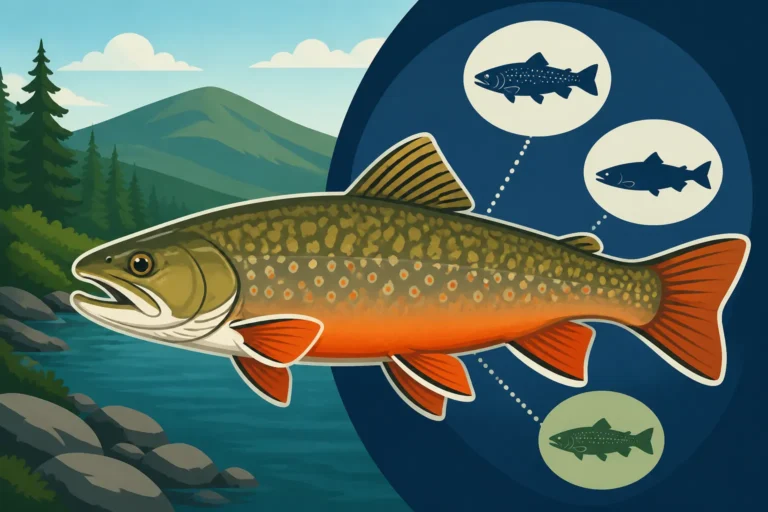
Many people hold brook trout and rainbow trout as the gold standard for freshwater table fare, and for good reason. They typically have very mild, delicate, almost sweet flavors and fine, flaky flesh. This is especially true for stream-caught brookies or recently stocked rainbows from cold, clear waters. Because they generally don't grow as large and often feed on insects and smaller forage, their flavor profile tends to be consistently light.
Lake trout, being a much larger, longer-lived fish that often preys on other fish, will almost always have a richer, more robust flavor and a firmer, sometimes fattier flesh than its brook or rainbow cousins. While brook trout might be best simply pan-fried with a little butter, lake trout can stand up to more intense cooking methods like smoking, which would easily overpower a delicate brook trout. When comparing them, think of brook trout as a tender veal chop and lake trout as a flavorful prime rib – both excellent, but distinct. You can learn more about how different species are regulated in New Hampshire Trout Limit and Possession Rules.
Lake Trout vs. Landlocked Salmon
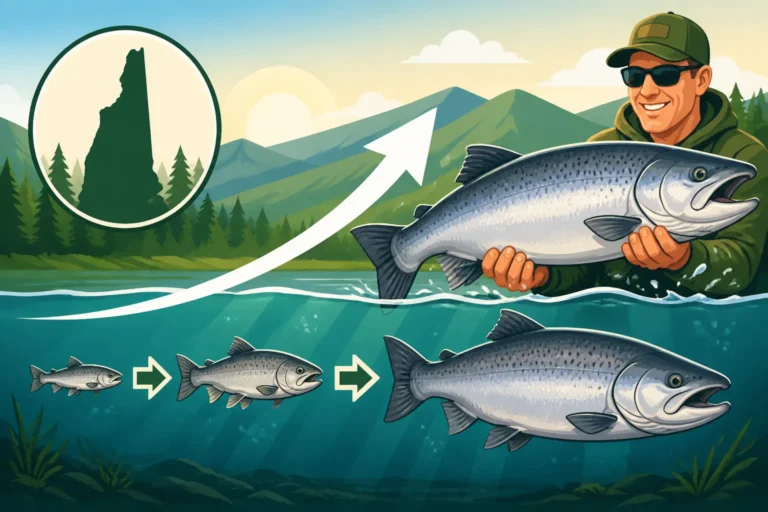
This is perhaps the closest comparison, as landlocked salmon and lake trout often inhabit similar deep, cold New Hampshire lakes. Both are predatory fish with high fat content and can have beautiful pink-orange flesh, especially if they're feeding on smelt. Many anglers find the taste of landlocked salmon to be slightly milder and perhaps a touch more buttery than lake trout.
However, the differences can be subtle, and a well-handled, cold-water lake trout from a smelt-rich lake can be virtually indistinguishable from a landlocked salmon on the plate. Both are fantastic for smoking, baking, and grilling. You can learn more about finding these specific species in Landlocked Salmon Fishing in New Hampshire and Lake Trout Fishing in New Hampshire.
Lake Trout vs. Bass and Pickerel
Comparing lake trout to warm-water species like largemouth bass, smallmouth bass, or chain pickerel highlights a significant difference in flesh quality and flavor. Bass tend to have white, flaky, but often drier flesh with a milder, less "fishy" flavor than lake trout. They are generally excellent fried or baked.
Chain pickerel, while a blast to catch, are notorious for their bony nature and can have a stronger, more "gamey" taste, though some anglers enjoy them when prepared properly (often filleted into boneless "fish nuggets" or used for fish cakes). Lake trout's firm, fatty, and typically richer flesh is quite different from these species, making it a distinct culinary experience that many prefer for its robustness. For information on these other species, check out Smallmouth Bass Fishing in New Hampshire or Chain Pickerel Fishing in New Hampshire.
| Fish Species | Typical Flavor Profile | Typical Texture | Best Cooking Methods | Common Considerations |
|---|---|---|---|---|
| Lake Trout | Rich, robust, can be mild to strong depending on diet/size | Firm, fatty, can be slightly coarser in large fish | Smoking, Baking, Grilling, Pan-Frying, Roasting | Diet, water temp, size are key flavor factors; check advisories. |
| Brook Trout | Mild, sweet, delicate | Fine, flaky, tender | Pan-Frying, Baking, Steaming | Generally considered prime eating; best fresh and simple. |
| Rainbow Trout | Mild, clean, sometimes earthy | Flaky, tender | Pan-Frying, Baking, Grilling | Widely popular, often stocked; versatile. |
| Landlocked Salmon | Mild, buttery, rich | Firm, flaky, very tender | Smoking, Baking, Grilling, Poaching | Very similar to lake trout, often slightly milder. |
| Smallmouth Bass | Mild, clean | Firm, white, flaky, lean | Pan-Frying, Grilling, Baking | Excellent table fare, but lean flesh can dry out if overcooked. |
| Largemouth Bass | Mild, sometimes slightly earthy | White, flaky, lean | Pan-Frying, Baking, Frying | Similar to smallmouth, but often softer flesh. |
| Chain Pickerel | Stronger, more "gamey" | White, flaky, often bony | Frying (filleted), Fish Cakes, Pickling | Bony, requires careful filleting; acquired taste for some. |
Final Thoughts on Enjoying New Hampshire Lake Trout
So, to circle back to our original question: is lake trout good to eat? Absolutely, yes, it can be wonderfully delicious! New Hampshire's lake trout fisheries provide a fantastic opportunity to harvest a unique and flavorful fish. Don't let old prejudices or a single less-than-perfect experience deter you.
The key takeaways are: target smaller to medium-sized fish from deep, cold, smelt-rich waters. Handle your catch with care, bleeding and icing it immediately. Prepare it thoughtfully, perhaps by smoking or baking, and don't be shy with fresh herbs and citrus. By following these tips, you'll be well on your way to enjoying some truly superb meals from the pristine waters of New Hampshire. So next time you're out on a lake, armed with knowledge on How to Catch Lake Trout in New Hampshire, consider keeping a few for the table. You might just discover your new favorite fish!
Disclaimer
This article is for general informational purposes only and does not constitute professional advice. Laws, prices and regulations vary by location and change over time. Consult a qualified professional for guidance on your specific situation.