Best eating fish species from New Hampshire lakes
There's nothing quite like the satisfaction of reeling in a beautiful fish from one of New Hampshire's pristine lakes and knowing it will become a delicious meal. But if you've ever cast a line in the Granite State, you know that not all fish are created equal when it comes to table fare. Some species are revered for their delicate, flaky flesh, while others are hearty and rich, and still others are best left to fight another day. This guide is all about helping you identify the tastiest catches New Hampshire's freshwater bodies have to offer, ensuring your efforts lead to a truly memorable meal.
The Quest for Deliciousness: What Makes a Fish Good to Eat?
Before we dive into specific species, let's talk about what actually makes a fish taste good. It's not just about the species itself, but also about where it lives, what it eats, and how it's handled after it's caught. Understanding these factors will help you not only identify the best eating fish but also improve the flavor of any fish you decide to keep.
Flavor Profile and Texture
The flavor of fish can range from incredibly mild and sweet to rich, gamey, or even earthy. Generally, fish that feed primarily on insects and small invertebrates in cold, clean water tend to have a milder, sweeter flavor. Those that consume more baitfish or live in warmer, muddier waters might develop a stronger, more "fishy" taste. Texture is equally important, varying from delicate and flaky to firm and meaty. Many anglers seek out fish with a firm, white, flaky flesh that holds up well to various cooking methods.
For instance, a brook trout from a high-mountain stream that's been feeding on aquatic insects will likely have a much more delicate flavor and finer texture than a largemouth bass pulled from a warm, weedy pond where it's been feasting on frogs and other fish. The diet directly impacts the fat content and the compounds stored in the muscle tissue, influencing that final taste on your plate. It's a subtle science, but one that seasoned anglers instinctively understand.
Think about the difference between a farm-raised fish and one caught in the wild. While both can be tasty, the wild fish often has a more complex and nuanced flavor, a testament to its varied, natural diet. Similarly, even within the same species, a fish from a clear, rocky lake like Newfound Lake might taste different from one caught in a shallower, more nutrient-rich pond.
The Impact of Environment
The environment a fish calls home plays a massive role in its culinary quality. Cold, clean, well-oxygenated water is almost always a recipe for better-tasting fish. These conditions tend to keep the fish's metabolism high and prevent the buildup of undesirable flavors. Lakes with rocky bottoms and deep, clear water are often home to fish with superior taste compared to those from shallow, muddy impoundments.
Fish living in muddy bottoms, for example, can sometimes develop an "earthy" or "muddy" taste due to compounds absorbed from their environment and diet. This is often the case with species like carp or bullhead, though many people still enjoy them. On the other hand, the constant flow and pristine conditions of many New Hampshire rivers and lakes, especially those fed by mountain springs, contribute to a clean, fresh taste in species like trout and salmon. So, while you might be excited to catch anything, knowing the water body you're fishing from can give you a hint about the quality of the meal to come. The clearer and colder the water, the higher the chances are for a superb eating experience.
Decoding New Hampshire's Best Table Fare: Species by Species
New Hampshire's lakes and ponds are teeming with diverse fish species, each offering a unique culinary experience. Let's break down some of the most popular and tastiest options you can target for your next meal.
Panfish: Easy to Catch, Easier to Eat
When it comes to sheer quantity and ease of catching, panfish are often overlooked but truly shine on the dinner plate. This category generally includes Yellow Perch, Black Crappie, Bluegill, and Pumpkinseed sunfish. They are prolific, relatively easy to catch, and their fillets are often described as sweet, delicate, and mild, making them an excellent choice for beginner anglers or families looking for a tasty meal.
Yellow perch, in particular, are highly sought after for their firm, white, flaky flesh and sweet flavor. They are fantastic pan-fried, hence the "panfish" moniker. Black crappie offer a very similar experience, with their delicate, almost translucent fillets cooking up beautifully. While bluegill and pumpkinseeds are smaller, they provide a surprising amount of sweet meat for their size and are a favorite for a quick fry-up after a successful day on the water. Many anglers consider these smaller fish to be some of the best-tasting freshwater fish available, perfect for a casual shore lunch.
You can often find panfish in abundant numbers in most of New Hampshire's smaller ponds and even larger lakes, particularly around weed beds, docks, and submerged structures. They're not picky eaters, often falling for small jigs, worms, or even tiny spinners. Plus, because they're so numerous, taking a few for dinner rarely impacts the local population significantly, making them a sustainable choice. Just remember to check New Hampshire Bag and Possession Limits by Species for specific regulations on the water body you're fishing.
Trout: The Pristine Flavor of Cold Water
New Hampshire is a trout angler's paradise, and for good reason—these cold-water dwellers are renowned for their exquisite flavor. We're talking about Rainbow Trout, Brook Trout, and Brown Trout. Their flesh is typically delicate, flaky, and can range from white to a beautiful pinkish-orange, often indicating a diet rich in crustaceans.
Brook trout, New Hampshire's native state fish, are often considered the cream of the crop, especially wild ones from pristine mountain streams. Their meat is incredibly sweet and delicate. Rainbow trout, which are extensively stocked across the state, offer a consistently good flavor profile, often described as mild and slightly nutty. Brown trout, known for being a bit more elusive, can also be excellent table fare, though some find their flavor slightly richer than brook or rainbow trout, especially larger individuals.
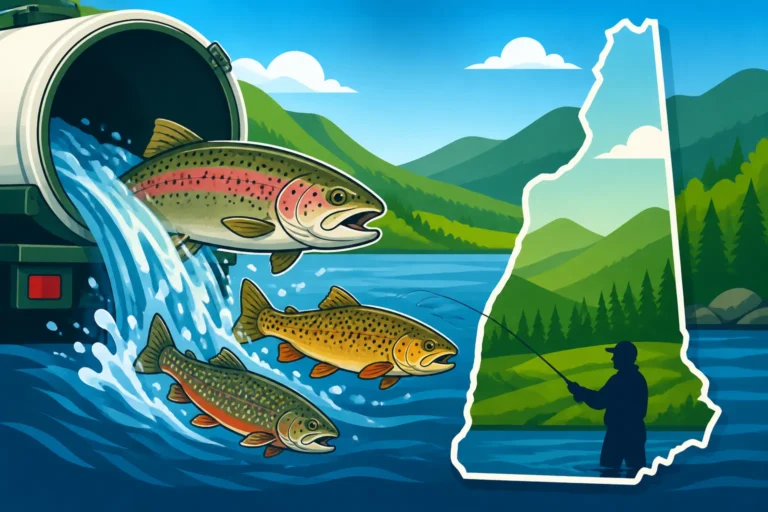
The key to great-tasting trout is cold, clean water. This environment keeps their flesh firm and prevents any undesirable tastes. When considering a meal, keep in mind that "stocker" trout, fresh from the hatchery, might have a slightly different flavor than a wild, stream-dwelling fish due to dietary differences. Many anglers love to pan-fry trout whole, or bake larger fillets with herbs and lemon. If you're looking for stocked waters, you'll want to check out the New Hampshire Trout Stocking and Fishing Rules for a successful outing.
Lake Trout and Landlocked Salmon: Richness from the Deep
For those who enjoy a richer, more robust flavor, New Hampshire's deep, cold lakes offer two magnificent options: Lake Trout and Landlocked Salmon. These are apex predators of the deep, feeding heavily on smelt and other baitfish, which contributes to their higher fat content and distinctive taste.
Landlocked salmon, often found in iconic lakes like Lake Winnipesaukee and Sunapee Lake, are highly prized for their vibrant pink-orange flesh and rich, savory flavor. They taste very similar to their ocean-going cousins, making them a truly special catch. Their high omega-3 content makes them not only delicious but also incredibly healthy. They are fantastic baked, grilled, or smoked, and their firm texture holds up beautifully to these preparations. Learn more about pursuing these fantastic fish in our Landlocked Salmon Fishing in New Hampshire guide.
Lake trout, on the other hand, are the largest of the trout family found in New Hampshire. Their flesh is typically white to orange and can be quite fatty, especially in larger specimens. This high fat content makes them an excellent candidate for smoking, which renders down the fat and infuses the meat with incredible flavor. When baked or grilled, they offer a rich, buttery taste. While some might find them too oily for pan-frying, their robust flavor is a treat for those who appreciate it. You can explore targeting these powerful fish in our Lake Trout Fishing in New Hampshire article.
Bass: A Versatile Option
Both Largemouth Bass and Smallmouth Bass are abundant in New Hampshire, offering anglers thrilling fights and surprisingly good eating qualities. While some old-school anglers might turn their noses up at eating bass, many modern enthusiasts find them to be excellent table fare, particularly if caught from clean water and properly handled.
Smallmouth bass, often referred to as "bronzebacks," are generally considered the superior eating fish of the two. Their flesh is firm, white, and flaky, with a mild flavor often compared to walleye or snapper. They thrive in the clearer, rockier lakes and rivers, such as Lake Winnipesaukee, which contributes to their clean taste. Many anglers find that smallmouth fillets are perfect for frying, baking, or even creating delicious fish tacos. You can find detailed information on targeting them in our Smallmouth Bass Fishing in New Hampshire guide.
Largemouth bass, while perhaps not quite as firm-fleshed as smallmouth, still offer a good meal. Their meat is white and flaky, though it can be slightly softer and sometimes carry a faint "earthy" flavor if caught from very warm, weedy water. This subtle earthiness can often be mitigated by bleeding the fish immediately and soaking the fillets in milk or salt water for an hour or two before cooking. Like smallmouth, largemouth fillets are excellent fried or grilled. For tips on catching these bucketmouths, check out our Largemouth Bass Fishing in New Hampshire resource.
From Lake to Plate: Handling and Preparation for Peak Flavor
Catching the tastiest fish is only half the battle. How you handle your catch from the moment it leaves the water until it hits your plate makes a huge difference in its final flavor and texture. Proper care ensures your delicious meal isn't ruined by poor handling.
Essential Field Care
The absolute most critical step to ensuring great-tasting fish is proper field care. Once you decide to keep a fish for dinner, you want to kill it quickly, bleed it, and get it on ice as fast as possible. Bleeding the fish immediately after catching, by cutting a gill arch or severing the main artery behind the gills, removes much of the blood from the flesh. This blood can contribute to a "fishy" taste and hasten spoilage.
After bleeding, gut the fish as soon as practical. Removing the internal organs prevents enzymes from breaking down the flesh and bacteria from multiplying. Finally, and perhaps most importantly, get your catch on ice. A cooler packed with ice will rapidly chill the fish, slowing bacterial growth and maintaining the firm texture of the meat. Don't just toss it in a bucket of water; cold water might keep it alive longer, but ice is crucial for quality. If you're on a multi-day trip, a good quality cooler is indispensable, and you can find many excellent options on Amazon.
Filleting and Portioning
Once you're back home, it's time to transform your whole fish into dinner-ready fillets. The technique varies slightly by species, but the goal is always clean, boneless meat. For panfish, many anglers simply scale and gut them, then fry them whole, bones and all, enjoying the small, crispy pieces. For larger fish like bass, trout, salmon, or lake trout, filleting is the way to go.
Use a sharp, flexible fillet knife to expertly remove the meat from the backbone. For species like bass, you might want to remove the skin, which can sometimes hold stronger flavors, and also trim away any dark red "bloodline" along the lateral line of the fillet. This bloodline can be a source of gamey flavor. For a clean finish, rinse your fillets under cold water, pat them dry, and they're ready for cooking or freezing. Having a quality filleting board and knife set makes this process much smoother; many anglers swear by electric fillet knives for larger fish, easily found on Amazon.
Popular Cooking Methods for Freshwater Fish
With your perfectly prepped fillets, the culinary possibilities are endless! The best cooking method often depends on the fish species and your personal preference.
- Frying: This is a classic for panfish (yellow perch, crappie, bluegill) and smaller trout. A simple dredge in seasoned flour or cornmeal, then pan-fried in butter or oil until golden brown and crispy, makes for an incredibly satisfying meal. Bass fillets also stand up wonderfully to this treatment.
- Baking/Roasting: Larger trout, salmon, lake trout, and bass fillets are excellent baked or roasted. A drizzle of olive oil, lemon slices, fresh herbs like dill or parsley, and a sprinkle of salt and pepper are often all you need to highlight the fish's natural flavors. This method is especially good for the richer, fattier fish, as it allows the fat to render beautifully.
- Grilling: Similar to baking, grilling imparts a fantastic smoky flavor. Thicker fillets of salmon, lake trout, and bass are ideal for the grill. Make sure your grill grates are clean and well-oiled to prevent sticking, or use a grilling basket.
- Smoking: If you catch a large lake trout or landlocked salmon, smoking is an absolutely fantastic way to prepare it. The slow, low heat and wood smoke transform the rich, fatty flesh into a decadent, flavorful treat. This method works wonders to cut through some of the richness of lake trout. You can find home smokers that make this process accessible on Amazon.
Eating Your Catch Responsibly: Ethics and Regulations
Enjoying the bounty of New Hampshire's waters comes with a responsibility to fish ethically and sustainably. This means being aware of local regulations, understanding consumption advisories, and making thoughtful decisions about what you keep.
Navigating Consumption Advisories
While New Hampshire's lakes are generally clean, it's crucial to be aware that some water bodies may have fish consumption advisories due to contaminants like mercury or PFAS. These advisories are put in place to protect public health, especially for vulnerable populations like pregnant women, nursing mothers, and young children. The New Hampshire Department of Environmental Services (NHDES) and New Hampshire Fish & Game maintain up-to-date lists of these advisories.
Before you plan to eat your catch, always check the latest advisories for the specific lake or river you're fishing. They might recommend limiting consumption of certain species or fish above a certain size, or even avoiding them altogether from particular waters. Ignoring these advisories can pose health risks. You can usually find this information readily on the New Hampshire Fish & Game website or within the annual Reading the New Hampshire Freshwater Fishing Digest. It’s about being informed and making smart choices for your health and the health of your family.
Conservation and Sustainable Harvest
Responsible anglers understand that we are stewards of our natural resources. While catching and eating fish is a time-honored tradition, it's vital to practice sustainable harvest techniques. This means only keeping what you need and adhering strictly to all fishing regulations.
Catch and release practices play a huge role in maintaining healthy fish populations, especially for trophy-sized fish or those species that are slower to reproduce. If you plan to release a fish, handle it minimally and gently, keeping it in the water as much as possible to maximize its survival chances. For fish you intend to keep, make your decision quickly and humanely. Never keep more than your legal limit, and always ensure your catch meets the minimum or maximum size requirements for that species and water body. Overharvesting can quickly deplete local fish populations, impacting everyone's fishing experience for years to come. This mindfulness ensures that future generations can also enjoy the same fishing opportunities we do today.
New Hampshire Fishing Regulations for Keeping Fish
New Hampshire Fish & Game sets specific regulations for each fish species, including daily bag limits, possession limits, and minimum or maximum length requirements. These rules are designed to manage fish populations, allowing them to thrive while providing ample recreational opportunities. For example, there might be different limits for trout in different types of waters, or specific slot limits for bass, meaning you can only keep fish within a certain size range.
It is your responsibility as an angler to know and follow these rules. Before heading out, make sure your New Hampshire Fishing License Guide for 2026 is up to date, and always consult the most current New Hampshire Freshwater Fishing Digest for the specific body of water you intend to fish. Regulations can change, and ignorance of the law is not an excuse. Carrying a physical or digital copy of the digest with you, or having a reliable app on your phone, is a smart move. Not only does it help you stay legal, but it also contributes to the conservation efforts that keep New Hampshire's fisheries healthy and productive for everyone.
To help you make an informed choice, here's a quick comparison of some of New Hampshire's best eating fish species:
| Species | Typical Flavor Profile | Typical Flesh Texture | Best Cooking Methods | Handling Notes |
|---|---|---|---|---|
| Yellow Perch | Mild, sweet | Firm, flaky | Pan-fry, deep-fry | Excellent for eating, quick cleaning. |
| Black Crappie | Mild, delicate | Very flaky | Pan-fry, deep-fry | Delicate fillets, best from clean water. |
| Brook Trout | Sweet, delicate | Fine, flaky | Pan-fry (whole), bake, grill | Best from cold, clean water; often pinkish flesh. |
| Rainbow Trout | Mild, slightly nutty | Flaky | Pan-fry, bake, grill, smoke | Consistent quality, often stocked. |
| Brown Trout | Richer than other trout | Flaky, can be firmer | Bake, grill, pan-fry | Can have a stronger flavor in larger, older fish. |
| Smallmouth Bass | Mild, clean, slightly sweet | Firm, flaky | Pan-fry, bake, grill, fish tacos | Superior to largemouth bass for eating, especially from clear lakes. |
| Largemouth Bass | Mild to slightly earthy | Flaky, can be softer | Pan-fry, bake, grill, fish tacos | Bleeding and soaking fillets can improve taste if from warm water. |
| Landlocked Salmon | Rich, distinct "salmon" flavor | Firm, oily, flaky | Bake, grill, smoke, poach | High in Omega-3s, prized table fare. |
| Lake Trout | Rich, buttery, can be oily | Firm, fatty, flaky | Smoke (recommended), bake, grill (with proper technique) | High fat content, best from very cold water; larger fish are richer. |
Disclaimer
This article is for general informational purposes only and does not constitute professional advice. Laws, prices and regulations vary by location and change over time. Consult a qualified professional for guidance on your specific situation.