What to do if you catch an invasive fish species in New Hampshire
There’s nothing quite like the thrill of a tug on your line, the bend of your rod, and the anticipation of seeing what you’ve hooked. But sometimes, that excitement can turn into a bit of a head-scratcher, or even a moment of concern, when the fish you reel in isn’t quite what you expected. Maybe it looks a little… different, or you have a sneaking suspicion it doesn't belong. It's easy to feel a pang of uncertainty – what is this thing, and more importantly, what should you do with it? This guide is here to walk you through exactly what an invasive fish species means for New Hampshire's beautiful waters and, crucially, the responsible steps you need to take if you find one on your hook.
Understanding What Makes a Fish "Invasive"
First things first, let's clear up what we mean by "invasive." It's not just any fish that isn't native to a specific spot. An invasive species is a non-native organism that causes, or is likely to cause, economic or environmental harm, or harm to human health. When it comes to fish, this means they often outcompete native species for food and habitat, disrupt the delicate balance of the ecosystem, and can even introduce diseases that local fish aren't equipped to handle. It's a serious threat to the biodiversity and health of our precious lakes, rivers, and ponds.
Native vs. Non-Native vs. Invasive
It's a common misconception that all non-native species are bad. Think about it: many of the species we love to catch, like brown trout or rainbow trout, aren't native to New Hampshire but have been stocked for decades and are now an integral part of our fisheries. These are considered non-native but aren't typically invasive in the same destructive sense, largely because their populations are often managed, and they haven't run rampant to the detriment of the entire ecosystem.
An invasive species, however, is a non-native species that becomes a problem. They often have certain characteristics that make them particularly harmful: they reproduce quickly, have few natural predators in their new environment, are adaptable to various conditions, and can eat a wide range of foods. This combination allows them to spread rapidly and often take over, pushing out the fish that are supposed to be there. We've spent so much time and effort understanding Trout Species Identification Guide for New Hampshire and Panfish Species Identification Guide for New Hampshire to appreciate our native and established populations, so encountering something that threatens them is genuinely disheartening.
Why Invasive Species Are Such a Big Deal
The ripple effect of invasive fish can be devastating. Imagine a species that eats all the food that juvenile native trout rely on, leaving them to starve. Or a species that spawns in the same areas as native bass, but in such high numbers that the native bass eggs get smothered. These aren't just hypothetical scenarios; these are real impacts we see from invasive species across the country. They can drastically alter food webs, degrade water quality, and even make fishing for your favorite native species much harder, or even impossible, in certain areas. It truly messes with the natural rhythm of our waters.
Common Invasive Fish Species to Watch Out For in New Hampshire
While New Hampshire hasn't been hit by every invasive fish imaginable, there are certainly species we're keeping an eye on, and some that have already established themselves. Knowing what to look for is your first line of defense! Being able to identify a fish that looks "off" can make all the difference. Remember, the goal here is to be observant, not to panic, but to know when to act.
Notable Invaders and Look-Alikes
Some of the most concerning invasive fish species that anglers in New Hampshire should be aware of include the Northern Snakehead, Asian Carp species (like Bighead and Silver Carp, though these are more concerning in larger river systems to our south and west), and even some aggressive aquarium releases like Pacu or certain cichlids that, while unlikely to establish populations in our climate, can certainly cause a stir if caught. Then there are established non-natives that act like invasives in certain contexts, such as the Common Carp, which can muddy waters and uproot vegetation, impacting sensitive spawning grounds.
For instance, a Northern Snakehead is an incredibly resilient, predatory fish that can actually breathe air and survive out of water for short periods, even "walking" across land to new water bodies. They have a long, snake-like body, a distinct head, and a long dorsal fin that runs almost the entire length of their back. Their color is often mottled brown and tan. If you catch something that looks like it belongs in an aquarium or has features completely unlike our native bass or pickerel, take notice. Keep a small, waterproof Best Tackle Box Setup for New Hampshire Anglers with a printed fish identification guide you can find on Amazon, or a digital one on your phone, to help on the spot.
Identification Tips and Distinguishing Features
It can be tricky to tell the difference between a native and a non-native species, especially if you're not entirely familiar with all the local fish. Here's a table to help you quickly identify some key differences for species that might be confused with invasives, or for the invasives themselves:
| Feature/Species | Native Species (e.g., Bass, Pickerel) | Common Carp | Northern Snakehead | Other Potential Invaders |
|---|---|---|---|---|
| Body Shape | Oval, torpedo-like, or elongated | Deep-bodied, humped back | Long, cylindrical, snake-like | Varies, can be unusual (e.g., very high dorsal fin, strange mouth) |
| Dorsal Fin | Typically two distinct dorsal fins (bass), or one long dorsal fin (pickerel) | Single, long dorsal fin; often serrated spine at front | Very long dorsal fin, no spines | Varies, can be very prominent or spiny |
| Mouth | Terminal or slightly upturned | Small, protrusible, with barbels (whiskers) | Large, wide, sharp teeth; upturned | Can be large, small, or have unique teeth |
| Scales | Varying sizes | Very large, distinct | Large, snake-like pattern | Varies, can be iridescent or spiny |
| Coloration | Variable, often camouflaged | Golden-brown to olive-green | Mottled brown/tan/black | Can be brightly colored (aquarium fish) or dull |
| Behavior | Active predators, schooling | Bottom feeders, disturb sediment | Aggressive predator, can breathe air | Varies, often highly competitive |
For more detailed information on specific problematic species, you might find it helpful to look into Invasive Fish Species in New Hampshire Waters. Remember, when in doubt, it’s always better to document and report.
Your Responsibility: What to Do If You Catch One
This is where your role as a responsible angler truly shines. Catching an invasive fish isn't just an interesting story; it's a call to action. We all have a part to play in protecting New Hampshire's natural resources, and knowing what to do in this situation is paramount. The general rule of thumb is to take immediate action to prevent its spread, which often means not releasing it.
Step-by-Step Action Plan
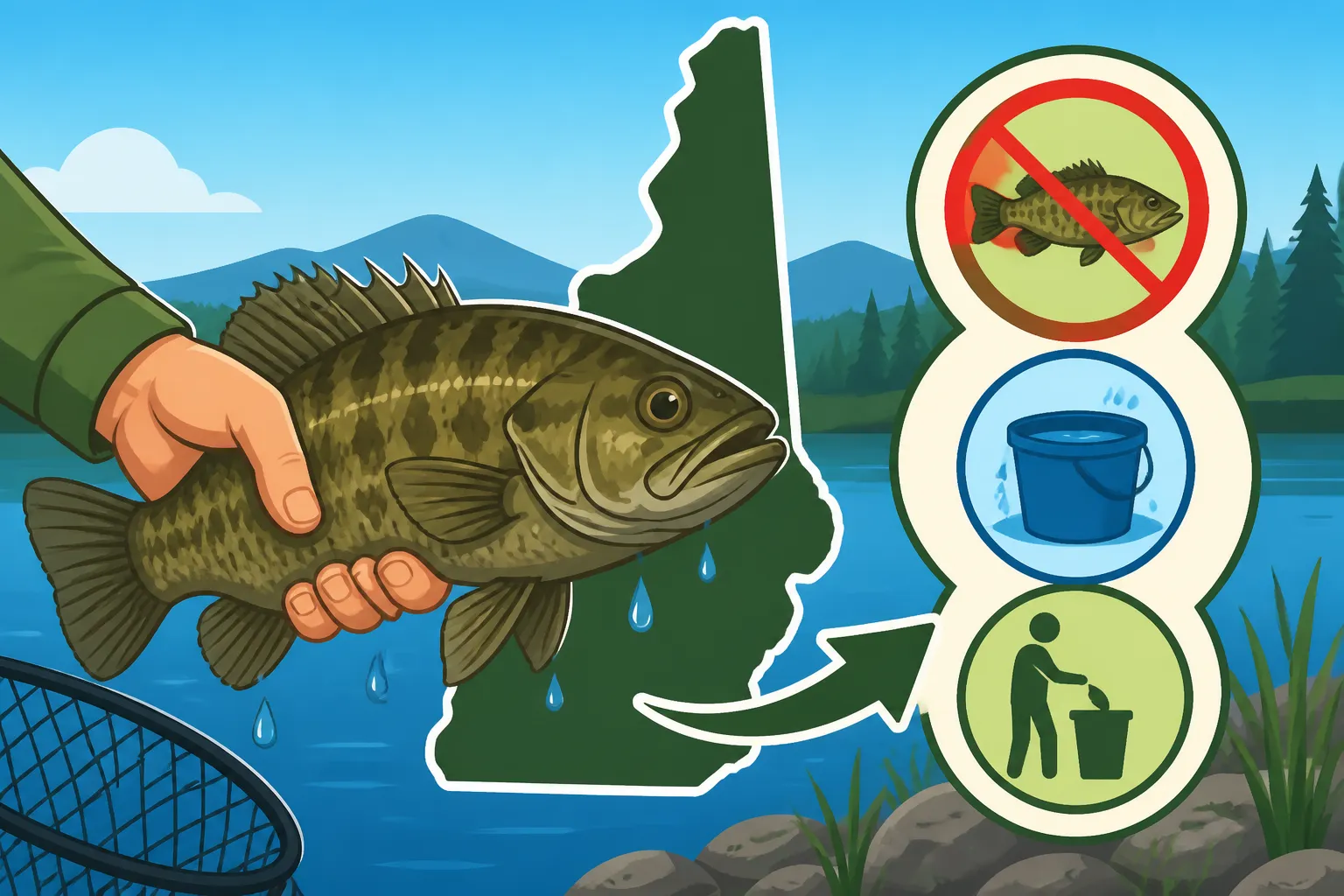
- Do NOT Release It: This is the most crucial step. If you suspect you've caught an invasive species, do not put it back into the water, alive or dead. The whole point is to stop its spread. This can feel counterintuitive to catch-and-release ethics, but for invasives, it's essential.
- Kill It Humanely: Once you've confirmed it's an invasive species, humanely dispatch the fish. This usually means a swift blow to the head.
- Document It: Take clear photos of the fish from different angles, especially close-ups of its mouth, fins, and any unique markings. This is incredibly helpful for identification by experts. If you have a measuring tape, get an approximate length. Note the exact location (GPS coordinates if possible) and the date and time of capture.
- Contain It: Place the dead fish in a plastic bag or container. You don't want to transport it openly, risking any eggs or parasites escaping. A sturdy cooler, like one you'd use for your catch anyway, is perfect for this, especially if you plan to keep other fish, too. Best Cooler for a Fishing Boat is always a good investment for these kinds of situations.
- Report It: Contact the New Hampshire Fish and Game Department immediately. Their biologists are the experts who can confirm identification and determine the best course of action. They'll want the photos, location, and any other details you collected. Don't be shy; they rely on alert anglers like you! You can usually find contact information on their website or through a quick search for a New Hampshire Fish and Game license agent list.
- Dispose of It Properly: After reporting and receiving any instructions from Fish and Game, dispose of the fish in the trash, far away from any water body. Never use it as bait, and certainly don't release it into another pond or river. You're helping to prevent further contamination.
Legal Obligations and Ethical Considerations
It's important to understand that in many cases, releasing an identified invasive species can carry legal penalties. New Hampshire Fishing Regulations Explained will often have specific language regarding invasive species, outlining what is prohibited. Beyond the legal aspect, there's a strong ethical obligation to protect our natural environment. We all love fishing in New Hampshire because of its beauty and abundant, diverse fish populations. Allowing invasive species to proliferate threatens the very thing we cherish. Your actions truly make a difference in safeguarding our aquatic ecosystems for future generations of anglers.
Why It Matters: The Impact of Invasives on New Hampshire's Waters
The threat of invasive species isn't just theoretical; it's a very real and present danger to the health and sustainability of our cherished fishing spots. When a new species takes hold, it sets off a chain reaction that can forever change the character of a lake or river. We're talking about long-term consequences that affect everything from the types of fish you can catch to the clarity of the water itself.
Ecological Damage
Invasive fish can wreak havoc on the native ecosystem. They might outcompete native species for food resources, meaning fewer insects, smaller baitfish, or even less aquatic vegetation for the fish that are supposed to be there. Imagine a new species that grows faster and eats more aggressively than our native perch or sunfish. Suddenly, those native fish struggle to find enough to eat, their growth rates slow, and their populations decline. This impacts the entire food web, potentially affecting larger predatory fish like bass and trout that rely on those smaller native species for sustenance.
Some invasive species are also known to destroy habitat. Common Carp, for instance, are notorious bottom feeders that stir up sediment while foraging. This activity can turn crystal-clear water murky, smothering the eggs of native fish and killing off aquatic plants that provide vital shelter and food for countless organisms. It can even make the water less appealing for recreational activities beyond fishing.
Economic and Recreational Impact
The impact isn't just ecological; it hits our wallets and our fun too. Declines in desirable native fish populations can hurt local economies that rely on fishing tourism. If our beautiful lakes become less productive for bass or trout, fewer anglers will visit, affecting bait shops, guides, and hospitality businesses. Controlling invasive species can also be incredibly expensive, requiring significant public funds for removal efforts, habitat restoration, and ongoing monitoring. These are resources that could otherwise be used to enhance fishing opportunities or conserve native species.
Moreover, the sheer joy of fishing is diminished when you're constantly catching unwanted, harmful species instead of the game fish you're targeting. Imagine trying to enjoy a peaceful day on Squam Lake or Winnipesaukee, only to find the waters overrun by a fish that doesn't belong. It takes away from the experience and the very essence of what makes New Hampshire boating laws for anglers and our waterways so special.
Prevention: How You Can Help Stop the Spread
The best defense against invasive species is prevention. While we can't always control every variable, anglers are on the front lines, and simple, conscious actions can make a huge difference. Think of yourself as a guardian of our waterways – every time you prepare for a trip, fish, or pack up, you have the opportunity to prevent the spread of something truly harmful.
Clean, Drain, Dry Your Gear
This is the golden rule, and it applies to more than just boats! Any time you move from one body of water to another, whether it's a canoe, kayak, a motorboat, or even just your waders and fishing boots, you need to clean, drain, and dry your equipment.
- Clean: Remove all visible mud, plants, fish, and aquatic organisms from your boat, trailer, waders, nets, and fishing gear. Use a stiff brush, or even just your hands, to meticulously inspect every nook and cranny.
- Drain: Pull your drain plugs and allow all water to drain from your boat, livewell, and bait bucket before leaving the launch.
- Dry: Allow all equipment to thoroughly dry for at least 5-7 days before using it in a different water body. If that's not possible, consider washing it with hot, high-pressure water (like at a car wash) or a diluted bleach solution (check specific guidelines from NH Fish and Game for safe concentrations). Many anglers even keep a spare set of waders or dedicated boots for particular "hot spot" lakes or rivers to minimize cross-contamination.
Never Release Bait or Aquarium Pets
It might seem harmless to dump leftover baitfish into the lake, or release a goldfish or Pacu that has outgrown its tank. But this is one of the most common ways invasive species are introduced! Baitfish from other regions can carry diseases or be invasive themselves. And those adorable aquarium pets can quickly become monstrous problems if they survive and reproduce in the wild. Dispose of unused bait in the trash, not the water. If you're done with an aquarium pet, consider rehoming it responsibly or contacting a pet store for proper disposal advice, but never release it into New Hampshire waters. You can find many guides and even apps on Amazon to help identify invasive species you might encounter, making it easier to know when to be extra cautious about what's in your bait bucket or livewell.
Educate Yourself and Others
Stay informed about the species of concern in New Hampshire. The more you know, the better equipped you are to prevent problems. Talk to fellow anglers, share what you've learned, and encourage responsible practices. Our fishing community is strong, and by working together, we can protect the pristine beauty and incredible fishing opportunities that New Hampshire offers.
Disclaimer
This article is for general informational purposes only and does not constitute professional advice. Laws, prices and regulations vary by location and change over time. Consult a qualified professional for guidance on your specific situation.