How big landlocked salmon get in New Hampshire
It's an age-old question that sparks the imagination of every angler casting a line into New Hampshire's pristine waters: just how big do landlocked salmon really get here? We all dream of that giant, chrome-sided fish, a true trophy that puts our gear and our skills to the ultimate test. While the average salmon you might reel in offers a fantastic fight, knowing the true potential—the size of the giants lurking in the depths—can truly inspire your next fishing adventure. This guide will dive deep into the typical sizes you can expect, what constitutes a true trophy, and what factors contribute to these magnificent fish reaching their impressive dimensions in the Granite State.
Understanding Landlocked Salmon Size Potential in New Hampshire
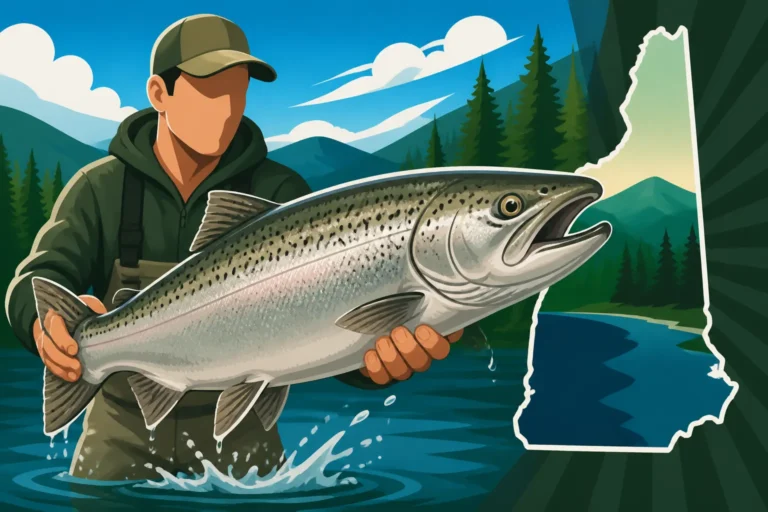
Landlocked salmon are magnificent fish, known for their powerful runs and aerial acrobatics. In New Hampshire, they thrive in our colder, deeper lakes, offering a thrilling challenge to anglers. But what's the realistic expectation when it comes to their size? It’s a spectrum, really, from a respectable meal to a true wall-hanger.
Average Sizes You Can Expect
When you're out on a New Hampshire lake, especially in popular spots, most of the landlocked salmon you'll encounter will fall into a fairly consistent size range. These are typically "eating size" fish, but don't let that fool you—they still pack a punch! You're likely looking at salmon anywhere from 16 to 22 inches in length. In terms of weight, these fish usually come in between 1.5 to 3 pounds. This is the bread and butter of our salmon fishery, the kind of fish that makes for a truly memorable day on the water, especially if you catch a few. They're strong, vibrant, and incredibly beautiful. These are often fish that are a couple of years old, having had enough time to grow but not yet reaching their full mature potential. For tips on where to find these eager biters, check out our guide on Landlocked Salmon Fishing in New Hampshire.
Imagine you're trolling across Lake Winnipesaukee on a crisp spring morning, your downriggers set to the right depth. A rod bends violently, and you're suddenly in a battle with a vibrant 18-inch salmon, its scales flashing in the sun as it leaps. This is a common and exciting scenario. While it might not break any records, it's a fantastic fish that validates your efforts and gets the adrenaline pumping. Anglers often appreciate these average-sized fish for their fight and their culinary value.
Trophy-Sized Salmon
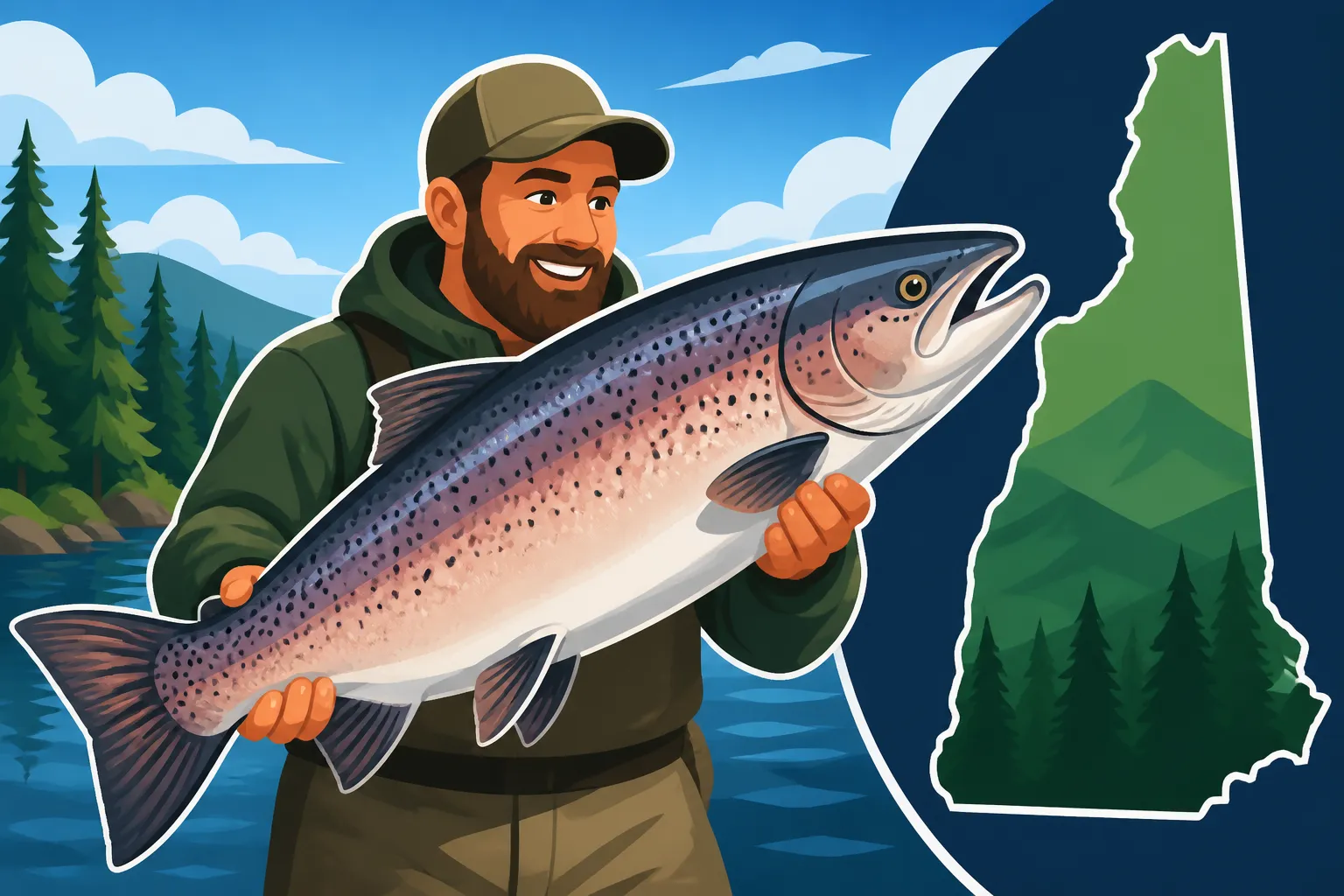
Now, for the fish that keeps us coming back, season after season: the trophy landlocked salmon. These are the elusive giants, the fish that have survived multiple seasons, grown fat on a healthy forage base, and learned to avoid the hooks of countless anglers. A trophy landlocked salmon in New Hampshire generally starts around 24 inches in length and can weigh upwards of 5 pounds. Some truly exceptional specimens can push 28 inches or even exceed 8 pounds. These are the fish that make your heart pound, your knees shake, and provide stories that last a lifetime. Catching one of these requires a combination of skill, patience, the right conditions, and a bit of luck.
Think about dedicating a full day to meticulously trolling specific depth contours, constantly adjusting your speed and lure presentation. Suddenly, your line goes slack, then tightens with immense force as something truly large strips line from your reel with unbelievable speed. This isn't your average salmon; this is a fish with muscle and determination. Landing a trophy-sized salmon often means a longer, more challenging fight, potentially involving several powerful runs and jumps. It's a testament to the health of our fisheries and the resilience of these incredible creatures. Many anglers who pursue these bigger fish often invest in specialized gear, which can sometimes be found with great research and reviews on platforms like Amazon.
The Elusive State Record
Every angler dreams of catching "the one" – the fish that puts their name in the record books. New Hampshire has its own set of impressive state records, and the landlocked salmon record is a truly aspirational benchmark. While I cannot give you current, precise figures, historically, New Hampshire's state record landlocked salmon has been a fish well over 10 pounds, often approaching or even exceeding the 30-inch mark. These are incredibly rare catches, representing the absolute pinnacle of growth for the species within our state's waters.
To even be considered for a state record, a fish needs to be weighed on a certified scale, usually at an official weigh station or bait shop, and properly identified. It's a huge undertaking, and the fish themselves are true anomalies, survivors that have thrived for many years in ideal conditions. Pursuing such a fish is less about strategy and more about a lifelong dedication to the sport, coupled with an intimate knowledge of the specific waters they inhabit. For a deeper dive into the giants caught in our state, our article on New Hampshire State Fish Records by Species is a fascinating read.
Key Factors Influencing Salmon Growth
The size a landlocked salmon ultimately attains isn't just a matter of luck; it's a complex interplay of environmental conditions, food availability, and the inherent genetics of the fish itself. Understanding these factors can give you an edge in targeting larger fish.
Forage Base and Diet
The primary driver of growth for landlocked salmon in New Hampshire's lakes is the abundance and quality of their food source, particularly rainbow smelt. Smelt are a silvery, schooling baitfish, incredibly rich in protein and fat, providing the high-energy diet salmon need to grow large and robust. Lakes with healthy, thriving smelt populations tend to produce larger salmon. Conversely, if the smelt population declines due to environmental factors, overfishing, or predation, the salmon population often sees a reduction in average size and growth rates.
Imagine a salmon expending energy chasing smaller, less nutritious prey compared to a lake where dense schools of smelt are readily available. The fish in the latter scenario will grow much faster and larger. This is why fisheries biologists carefully monitor smelt populations, as they are a critical component of the salmon's diet. What landlocked salmon eat in New Hampshire lakes goes into more detail about their preferred menu. The presence of other forage fish, like minnows or juvenile suckers, can supplement their diet, but smelt remain the cornerstone of trophy salmon growth.
Habitat and Water Quality
Landlocked salmon are coldwater fish, meaning they require specific habitat conditions to not only survive but thrive. They need deep, cold, well-oxygenated water, especially during the warmer summer months. Lakes with significant thermal stratification—where a distinct layer of cold water (the hypolimnion) persists throughout the summer—provide crucial refuge for salmon. If water temperatures rise too high or oxygen levels deplete in deeper areas, salmon become stressed, their growth slows, and they can even perish.
A large, deep lake like Winnipesaukee or Sunapee provides ample coldwater habitat, allowing salmon to retreat to comfortable temperatures during the dog days of summer. This consistent access to optimal conditions, combined with good water quality (low pollution, clear water), means less stress on the fish, enabling them to convert more energy into growth rather than survival. The overall health of the ecosystem directly impacts the size and vitality of these fish. You can find more information about their life cycle and habitat needs in Landlocked Salmon Life Cycle in New Hampshire Lakes.
Age and Genetics
Just like any species, age plays a crucial role in how big a landlocked salmon gets. Salmon grow continuously throughout their lives, so older fish naturally tend to be larger. However, reaching an advanced age in the wild is a challenge. They must evade predators (including humans), disease, and harsh environmental conditions. The longest-lived salmon are often the largest. Most salmon you catch will be 2-4 years old, while true trophies might be 5-7 years old or even older.
Genetic factors also contribute. While all landlocked salmon are part of the same species, there can be subtle genetic variations between different strains or populations that influence their inherent growth potential and maximum size. Some fish are simply predisposed to grow larger and faster than others, given the same conditions. These genetic traits, combined with an ideal environment and abundant food, are what produce the truly exceptional, record-breaking fish.
Where New Hampshire's Biggest Salmon Live
If you're dreaming of a trophy landlocked salmon, knowing which waters consistently produce larger fish is a huge advantage. Not all lakes are created equal when it comes to growing giants.
Top Lakes for Trophy Potential
New Hampshire is blessed with several magnificent lakes that are renowned for their landlocked salmon fisheries, and some stand out when it comes to trophy potential. Lake Winnipesaukee, our largest lake, is arguably the most famous. Its vast size, deep cold waters, and robust smelt population make it a prime location for big salmon. Anglers often spend countless hours trolling its expansive waters, knowing that a monster can strike at any moment. Similarly, Lake Sunapee is another gem, consistently producing large, hard-fighting salmon and known for its healthy population of these majestic fish. Sunapee Lake Landlocked Salmon Fishing provides specific insights into this particular lake.
Other notable lakes like Newfound Lake and Squam Lake also hold significant numbers of quality salmon, and while perhaps not as famous for sheer size as Winnipesaukee, they can certainly surprise you with a big one. These lakes share common characteristics: they are deep, cold, and have a strong forage base. Exploring these waters systematically is key to increasing your odds of connecting with a trophy. Our general guide to Best Fishing Lakes in New Hampshire can also point you to other promising waters.
Reading the Water for Larger Fish
Catching larger salmon isn't just about being on the right lake; it's about fishing the right parts of the lake. Trophy salmon, especially in warmer months, will seek out specific habitats. They often hold in the deepest, coldest, most oxygenated water available, frequently near steep drop-offs, underwater humps, or thermal clines where baitfish congregate. Learning to use a quality fish finder to locate these subtle underwater structures and interpret temperature breaks is crucial.
During the spring and fall, when surface temperatures are cooler, salmon may be found higher in the water column or even near shore, chasing smelt. As summer progresses, they'll move deeper, often suspending over deep water or hugging the bottom structure. Understanding these seasonal movements and using your electronics to "read" the underwater landscape for both salmon and their prey is a skill that develops over time and greatly increases your chances of encountering a true lunker. Equipping your boat with a good fish finder, perhaps one you researched and purchased from Amazon, can make all the difference in pinpointing these key areas.
Strategies for Pursuing Larger Salmon
While catching any landlocked salmon is a joy, intentionally targeting larger specimens requires a more refined approach and a dedication to specific techniques and gear. It's a game of patience, precision, and understanding.
Gear Considerations for Big Fish
When you're after those bigger landlocked salmon, your gear needs to be up to the task. These fish are powerful, and a standard trout setup might struggle with a 5+ pound lunker. You'll want a medium-light to medium power rod with a good backbone, capable of handling strong runs and heavy lures. A quality spinning reel or baitcasting reel with a smooth drag system and ample line capacity is essential. For line, many anglers opt for fluorocarbon leaders for their invisibility and abrasion resistance, often paired with braided main lines for sensitivity and strength. Consider heavier mainlines, in the 10-15 lb range, to absorb the shock of a powerful strike and to handle the demands of trolling or fighting a large fish.
Downriggers are often indispensable for consistently presenting lures at the precise depths where large salmon are holding, especially in deep water. Specialized trolling spoons, stickbaits, and even live smelt are common choices for bait. These items, along with robust landing nets designed for larger fish, are often available for purchase from reputable online retailers like Amazon, offering a wide selection to help you gear up properly. For more specific advice on what to use, check out Best Trolling Gear for New Hampshire Lake Trout, which also applies well to salmon.
Patience and Persistence
Ultimately, the pursuit of truly large landlocked salmon in New Hampshire is a marathon, not a sprint. These fish are wily, scarce, and often demand significant time on the water. You might spend many hours, or even entire days, without a strike from a trophy-sized fish. But it's that very challenge, that uncertainty, that makes the reward so incredibly satisfying.
Successful trophy salmon anglers are known for their meticulous attention to detail: constantly checking their knots, sharpening hooks, experimenting with lure colors and depths, and most importantly, sticking with it. They learn from every outing, even the slow ones, refining their approach until that one glorious strike occurs. It’s a journey of learning and adaptation, and the eventual triumph of landing a magnificent salmon makes every moment of effort worthwhile.
Landlocked Salmon Size Overview in New Hampshire
To give you a quick visual, here's a general overview of landlocked salmon sizes you might encounter in New Hampshire:
| Category | Typical Length Range (Inches) | Typical Weight Range (Pounds) | Characteristics |
|---|---|---|---|
| Average Catch | 16 – 22 | 1.5 – 3 | Common, strong fighters, good eating size |
| Trophy Potential | 24 – 28+ | 5 – 8+ | Elusive, powerful, challenging to land |
| State Record | 30+ | 10+ | Extremely rare, pinnacle of growth, historical |
Remember, these are general guidelines, and individual fish can always surprise you! The most important thing is to enjoy the pursuit and appreciate every fish you encounter.
Disclaimer
This article is for general informational purposes only and does not constitute professional advice. Laws, prices and regulations vary by location and change over time. Consult a qualified professional for guidance on your specific situation.