Where landlocked salmon get the biggest in New Hampshire
There's nothing quite like the dream of hooking into a truly massive landlocked salmon in New Hampshire's pristine waters. Anglers often wonder which lakes hold the secret to growing these magnificent fish to trophy size, and it's a valid question that goes beyond just stocking numbers. This guide is here to shed light on where you're most likely to encounter those giants and what makes those waters so special for growing landlocked salmon to impressive proportions.
Understanding What Makes a Landlocked Salmon "Big"
Before we dive into specific locations, it's crucial to understand what factors contribute to a landlocked salmon growing to exceptional size. It’s not just about age; it’s a complex interplay of environmental conditions, food availability, and even genetics. Thinking about these elements will help you appreciate why certain lakes consistently produce larger fish.
The Critical Role of Forage Fish
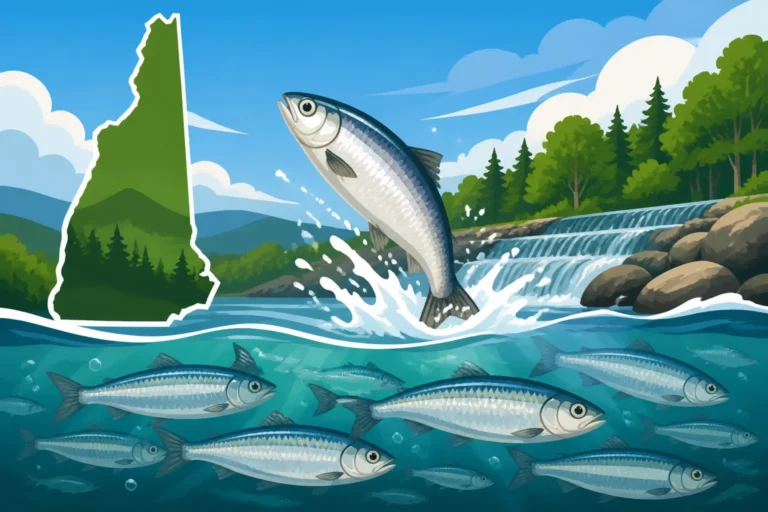
The number one factor influencing how big a landlocked salmon can get is its food source. Just like any predator, a salmon needs an abundant and nutritious diet to thrive and pack on the pounds. In New Hampshire's landlocked salmon lakes, this almost always means rainbow smelt. Smelt are a silvery, oil-rich baitfish that provide the perfect high-calorie meal for growing salmon.
Lakes with robust, self-sustaining populations of rainbow smelt tend to grow the largest salmon. If the smelt population fluctuates or is stressed, salmon growth can suffer dramatically. Imagine a thriving underwater ecosystem where schools of smelt are plentiful; this is a buffet for a salmon, allowing it to grow quickly and reach its full genetic potential. Without this rich food source, even a long-lived salmon won't reach trophy dimensions. This delicate balance is something the New Hampshire Fish and Game Department monitors closely, as it's vital for the health of the fishery. For more on their diet, check out What landlocked salmon eat in New Hampshire lakes.
Ideal Lake Characteristics and Water Quality
Landlocked salmon are cold-water fish. They need deep, cold, and highly oxygenated water to survive and flourish, especially during the warmer summer months. Lakes that possess these characteristics consistently throughout the year provide a sanctuary where salmon can escape surface heat and find comfort.
Lakes that are deep enough to maintain a cold-water refuge (called a hypolimnion) below the thermocline are prime candidates for trophy salmon. These depths also often coincide with where their primary forage, like smelt, prefers to live. Water quality, including low levels of pollution and ample dissolved oxygen, is non-negotiable for large salmon. A healthy, clean environment means less stress on the fish, allowing them to allocate more energy towards growth rather than just survival. Lakes with clear, pristine waters and stable thermal stratification throughout the seasons are the powerhouses for producing big landlocked salmon.
Top New Hampshire Lakes for Trophy Landlocked Salmon
When the conversation turns to where landlocked salmon truly get big in New Hampshire, a few lakes immediately come to mind. These are the waters with reputations, where anglers consistently pull out fish that make other lakes blush.
Lake Winnipesaukee: The Grand Dame of Growth
Lake Winnipesaukee, without a doubt, is a giant among New Hampshire's lakes, and its landlocked salmon fishery mirrors that grandeur. Covering over 70 square miles and reaching depths of more than 180 feet, this immense body of water offers everything a landlocked salmon needs to grow exceptionally large. Its vastness provides ample deep, cold, and oxygenated water, even during the dog days of summer.
But the real secret to Winnipesaukee's trophy salmon is its incredible forage base. It boasts a thriving population of rainbow smelt, which act as the primary food source for salmon and lake trout alike. This consistent, high-protein diet allows salmon to grow quickly and maintain their condition. Anglers regularly report catching salmon in the 20-inch range, with much larger specimens being landed every season. Landing a 5-pounder is a distinct possibility, and fish exceeding that mark are caught annually. The sheer size of the lake also means less competition for food in many areas, allowing individual fish more access to sustenance. For a deeper dive into fishing this incredible lake, you might explore Lake Winnipesaukee Fishing Guide.
Lake Sunapee: Deep Waters, Big Rewards
Nestled in the Dartmouth/Lake Sunapee region, Lake Sunapee is another premier destination for anglers seeking substantial landlocked salmon. While smaller than Winnipesaukee, Sunapee is remarkably deep, plunging to over 100 feet in many areas. These deep, cold pockets are crucial for salmon, providing the ideal habitat for them to grow and thrive.
Sunapee also supports a healthy population of rainbow smelt, providing the essential diet for salmon to reach impressive sizes. The combination of deep, cold water and abundant forage makes it a prime location for trophy potential. Anglers often find success here using trolling techniques, mimicking the smelt that salmon feed on. Many consider Sunapee to be one of the most reliable lakes for catching not just salmon, but big salmon, with individuals in the 4-7 pound range being caught annually. If you're serious about targeting salmon here, you'll want to read up on Sunapee Lake Landlocked Salmon Fishing.
Squam Lake: A Healthy, Robust Fishery
While perhaps not as widely publicized for absolute "trophy" salmon as Winnipesaukee or Sunapee, Squam Lake still offers a fantastic landlocked salmon fishery where robust, healthy fish can be found. Known for its picturesque islands and tranquil setting, Squam is New Hampshire's second-largest lake. It has good depth and cold-water habitat, supporting a strong population of landlocked salmon.
Squam Lake's salmon are known for their beautiful coloration and fighting spirit. While the average size might be slightly smaller than the absolute giants of Winnipesaukee, Squam consistently produces salmon in the 18-22 inch range, and fish pushing 3 pounds are not uncommon. The lake's healthy ecosystem and well-managed fishery ensure a good population density, offering plenty of action. It's a fantastic lake for those who appreciate the overall experience and the consistent chance at a quality fish, with the potential for a larger one at any given time. Check out our Squam Lake Fishing Guide for more information.
Other Notable Waters to Watch
While Winnipesaukee and Sunapee often steal the spotlight for the biggest landlocked salmon, a few other New Hampshire lakes occasionally surprise anglers with impressive catches. These waters might not consistently produce giants but are worth considering for a productive salmon fishing experience with the possibility of a respectable fish.
For instance, Newfound Lake in Bristol is another deep, clear lake with cold water and a smelt population, offering good opportunities for salmon. While smaller in overall surface area, its incredible depth (up to 183 feet!) provides excellent habitat. Additionally, some rivers like the Merrimack and Connecticut, particularly in their lower reaches or impoundments, might see anadromous Atlantic salmon, but for landlocked salmon, these major lakes are where you'll find the best chance at a truly significant catch. It's always smart to review New Hampshire Fishing Regulations Explained before heading out, as rules can vary by water body.
Factors Beyond Location: What Makes a Salmon Truly "Big"?
Even in the best lakes, catching a truly "big" landlocked salmon isn't just about showing up. It involves understanding the fish's life cycle, adapting your techniques, and having the right gear. The fish that become giants are survivors, and they often become more challenging to fool over time.
Age and Longevity: The Path to Greatness
A truly big landlocked salmon isn't just a bigger version of its younger self; it's a fish that has survived multiple seasons, grown through countless challenges, and reached an advanced age. In optimal conditions, landlocked salmon can live for several years, adding size and weight with each passing year. The biggest fish you'll encounter are often the oldest.
Their growth rate, while initially rapid, can slow down as they mature, but they continue to put on weight. These older, larger fish have learned to avoid predators and anglers, making them warier and more challenging to catch. Understanding the Landlocked Salmon Growth Rate to Trophy Size helps put into perspective the journey these fish undertake to become truly massive. It’s a testament to the health of the ecosystem and their resilience.
Smarter, Warier Fish: The Angler's Challenge
As landlocked salmon grow larger and older, they become incredibly intelligent and wary. They've likely encountered lures, boats, and lines many times, learning what to avoid. This means that targeting truly big salmon requires a higher level of skill, patience, and often, more specialized techniques.
Anglers often need to employ subtle presentations, longer leaders, and precise trolling patterns to entice these experienced fish. Big salmon are less likely to strike at anything that looks out of place or unnatural. This is where investing in quality gear, researching specific lures, and refining your technique really pays off. You might find yourself scouring online retailers like Amazon for the perfect downrigger, sonar system, or an array of specific spoons and flies to match the local forage. The pursuit of these smarter, bigger fish is a significant part of the challenge and reward of landlocked salmon fishing.
Seasonal Strategies for Giants
While landlocked salmon are present year-round, the seasons play a significant role in where they are in the water column and how aggressively they feed. Targeting the biggest fish often means adapting your strategy to seasonal changes.
- Ice-Out (Early Spring): Right after the ice melts, salmon are often found near the surface, actively feeding on smelt. This can be a fantastic time to troll with various lures, as the fish are hungry and haven't seen much pressure.
- Summer: As the water warms, big salmon retreat to the deep, cold, oxygenated zones. This is when downriggers and precise electronics become invaluable. They'll follow the thermocline and the smelt that reside there.
- Fall: As water temperatures cool, salmon become more active and can be found higher in the water column again, often preying heavily on smelt before the winter freeze. This can be another excellent time for targeting large, aggressive fish.
Understanding the Best Time of Year to Fish in New Hampshire for salmon, and specifically for larger individuals, can dramatically increase your chances. Using gear designed for deep trolling, like that found on Amazon, can make all the difference in reaching those deeper fish.
Here's a quick comparison of New Hampshire's top landlocked salmon lakes for trophy potential:
| Lake Name | Primary Forage | Average Depth (ft) | Maximum Depth (ft) | Key Characteristics for Big Salmon |
|---|---|---|---|---|
| Lake Winnipesaukee | Rainbow Smelt | 60 | 180+ | Vast, abundant smelt, stable deep cold water, high trophy potential |
| Lake Sunapee | Rainbow Smelt | 50 | 100+ | Deep, clear, cold water, healthy smelt population, consistent large fish |
| Squam Lake | Rainbow Smelt | 30 | 98 | Healthy ecosystem, good smelt numbers, robust fighting fish |
| Newfound Lake | Rainbow Smelt | 70 | 180+ | Extremely deep, clear water, good forage, solid trophy potential |
Gear and Techniques for Pursuing Big Landlocked Salmon
To effectively pursue those large landlocked salmon, having the right gear and understanding the specific techniques is paramount. These fish are powerful, and they require a setup that can handle their fight and reach them where they live.
Essential Trolling Gear
Trolling is arguably the most effective method for consistently catching landlocked salmon, especially the larger ones that prefer open water. For trophy salmon, you'll want a sturdy trolling rod, typically in the 7-8 foot range, with a medium-heavy action. Pair this with a reliable line-counter reel spooled with strong monofilament or braided line, often with a fluorocarbon leader for stealth in clear waters. This leader material is fantastic for its low visibility underwater. You can find a great selection of these on sites like Amazon.
Downriggers are often indispensable, especially during summer months, to get your lures down to the precise depth where salmon are feeding. These devices allow you to present your bait or lure at a controlled depth, often alongside schools of baitfish detected on your sonar. Choosing the right spoons, stickbaits, or flies that imitate rainbow smelt is also crucial. Colors that mimic silver, blue, or green baitfish are often highly effective. For more on this, consider exploring Best Trolling Gear for New Hampshire Lake Trout, as many principles apply to salmon as well.
Lures and Baits That Entice Giants
Big landlocked salmon are often keyed into specific forage, primarily rainbow smelt. Therefore, your lure selection should reflect this. Thin, slender spoons like Mooselooks, Suttons, or DB Smelt are perennial favorites. Stickbaits, such as Rapalas or similar jerkbaits, that have a darting, injured baitfish action can also be deadly.
Fly fishing can also be incredibly effective, especially during the spring and fall when salmon are closer to the surface. Streamer patterns that imitate smelt, like Grey Ghosts, Supervisor, or Winnipesaukee Smelt patterns, are classic choices. Sometimes, presenting a live or dead smelt (where legal and permitted) can be the ultimate enticement for a hesitant trophy fish. Always double-check current regulations on live bait use for specific lakes. A diverse tackle box, stocked with various sizes and colors of these proven lures, is essential, and you can easily build one by browsing options on Amazon.
Preservation and Regulations for New Hampshire Salmon
The pursuit of large landlocked salmon is thrilling, but it's essential to remember the importance of conservation. These magnificent fish are a valuable resource, and responsible angling practices help ensure their populations thrive for future generations.
Catch and Release Best Practices
When targeting trophy fish, many anglers practice catch and release, especially with larger specimens that represent crucial breeding stock. If you plan to release a fish, handle it carefully. Try to keep it in the water as much as possible, use wet hands to minimize damage to its protective slime coat, and use barbless hooks or crimp down barbs to facilitate quick removal. A good quality rubberized landing net (available on Amazon) can also reduce harm to the fish.
Revive the salmon by holding it gently upright in the water, allowing water to flow over its gills until it swims away under its own power. These practices increase the survival rate of released fish, allowing them to continue their growth and contribute to the fishery. The thrill of catching a big fish is immense, but the satisfaction of releasing it to fight another day is equally rewarding.
Understanding New Hampshire Salmon Regulations
New Hampshire has specific regulations in place to manage its landlocked salmon populations. These regulations cover everything from season dates and daily limits to length limits and specific gear restrictions on certain waters. It’s absolutely critical to be familiar with the most current rules before you head out on the water.
These rules are designed to protect salmon during vulnerable periods (like spawning) and to ensure that enough fish survive to contribute to future generations. You can typically find the most up-to-date information in the New Hampshire Freshwater Fishing Digest, available online or at license vendors. Always check New Hampshire Fishing Regulations Explained and New Hampshire Bag and Possession Limits by Species before your trip to ensure you are compliant. These regulations help maintain the health and trophy potential of New Hampshire's landlocked salmon.
Disclaimer
This article is for general informational purposes only and does not constitute professional advice. Laws, prices and regulations vary by location and change over time. Consult a qualified professional for guidance on your specific situation.