What rainbow smelt are and why they matter to salmon
Anglers in New Hampshire often wonder what makes certain lakes produce incredible landlocked salmon, while others, seemingly similar, fall short. It's a common frustration, especially when you've invested time and effort only to find the fish are smaller or fewer than expected. The truth is, beneath the surface, there's a delicate balance at play, and one tiny fish, the rainbow smelt, holds a surprisingly powerful key to the health and size of our prized salmon. This guide will dive deep into the world of rainbow smelt, explaining exactly what they are and why their presence and abundance are absolutely critical for thriving landlocked salmon populations in the Granite State.
Understanding Rainbow Smelt: More Than Just Bait
When we talk about baitfish in New Hampshire, rainbow smelt often come up as a fantastic option for ice fishing, particularly for those targeting larger predators. However, their role in the ecosystem goes far beyond just being something to stick on a hook. These small, silvery fish are absolute powerhouses of nutrition, driving the health and growth of some of our most sought-after game fish.
What are Rainbow Smelt?
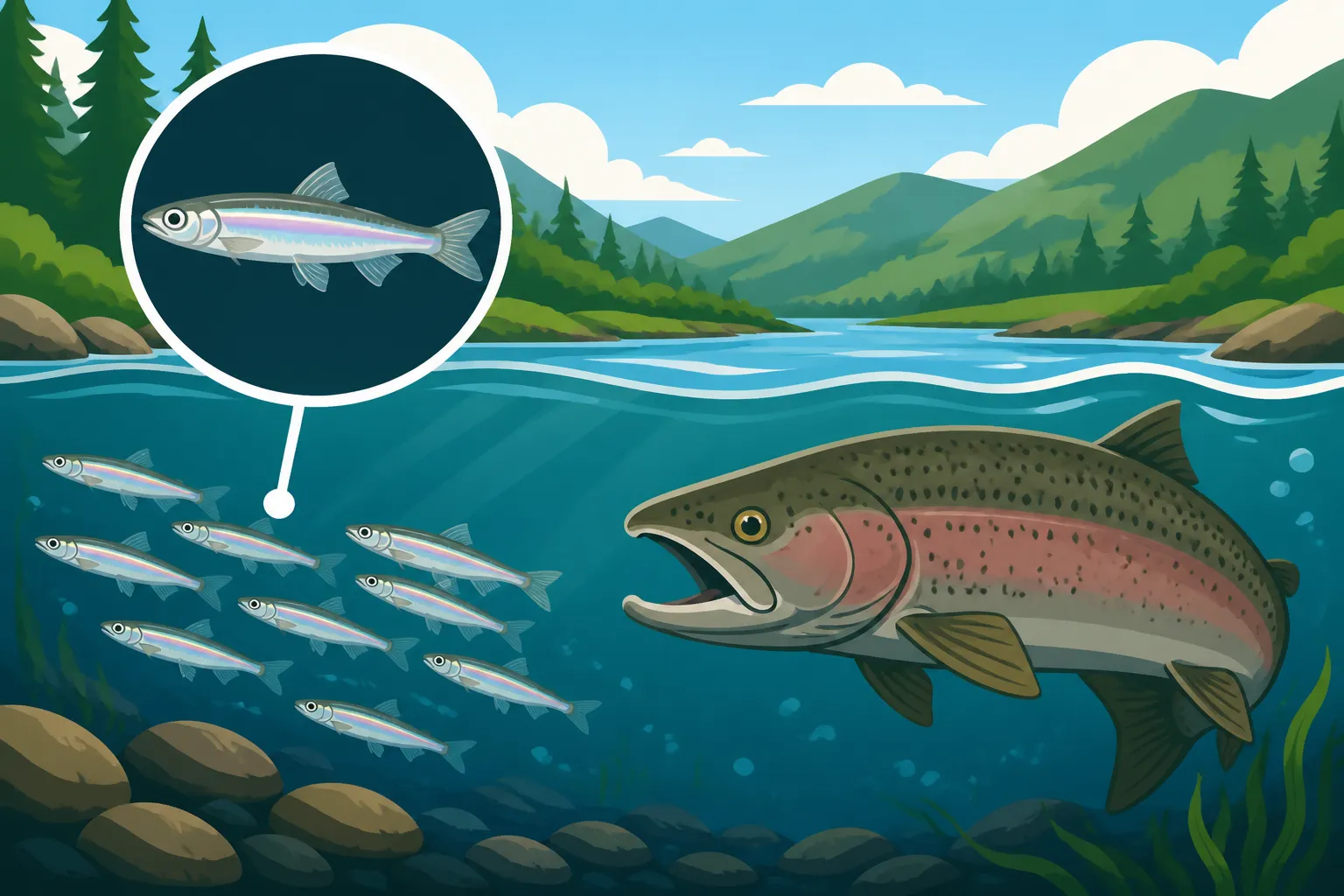
Rainbow smelt (Osmerus mordax) are slender, silvery fish with relatively large eyes and a distinctive, somewhat oily scent often described as fresh cucumber. They typically range from about 5 to 9 inches in length, though some individuals can grow a bit larger. Their iridescent sheen, which gives them the "rainbow" part of their name, makes them shimmer beautifully in the water, especially in clear lakes. They have a small adipose fin, like trout and salmon, and a forked tail.
These fish are predominantly found in the cold, deep, and well-oxygenated waters of many New Hampshire lakes. While some populations of smelt are anadromous, meaning they migrate from saltwater to freshwater to spawn, the populations we focus on for landlocked salmon in our inland lakes are typically "landlocked." This means they complete their entire life cycle within the freshwater system, moving into tributary streams or shallow lake areas to spawn. They are highly adapted to cold water environments, which is why you'll often find them schooled up in deeper, cooler parts of lakes during the warmer months.
Their appearance is perfectly suited for a life as a forage fish. They are streamlined and quick, designed to evade predators, yet their schooling behavior makes them a concentrated food source. They often feed on zooplankton, small crustaceans, and larval insects, effectively converting microscopic life into a high-energy meal for larger fish. Understanding this foundational link is key to appreciating their ecological significance, rather than just seeing them as simple bait.
Their Life Cycle in New Hampshire Lakes
The life cycle of rainbow smelt is a fascinating, often brief, and perilous journey that underpins the entire food web of many New Hampshire lakes. It typically begins with a crucial spawning migration in very early spring, often right after ice-out, and sometimes even when residual ice still clings to the lake edges. During this time, adult smelt will move from the deeper parts of the lake into tributary streams or shallow, rocky areas along the lake's shoreline. These spawning runs can be quite intense, with thousands of fish congregating in a short period.
Once on the spawning grounds, females lay adhesive eggs that stick to rocks, gravel, and submerged vegetation. Males then fertilize these eggs. The sheer number of eggs laid by a single female is staggering, a testament to the high mortality rate these tiny eggs and subsequent fry face. After hatching, the larval smelt, incredibly vulnerable, drift or swim back into the main body of the lake where they will begin their growth journey, feeding on microscopic plankton.
Smelt grow relatively quickly in favorable conditions, typically reaching maturity within one to three years. Once mature, they will participate in their own spawning runs, perpetuating the cycle. However, their lifespan is generally short, often just a few years. This rapid turnover means that the health of the smelt population is heavily reliant on successful spawning and survival of new generations each year. A dip in a single year's spawn can have noticeable effects down the line.
This cyclical availability of smelt throughout the year—spawning runs in spring, juvenile growth through summer, and schooling in deeper water during fall and winter—directly impacts when and where predators like landlocked salmon can most effectively feed on them. Anglers who understand these patterns can often predict where the salmon will be.
Why They Are So Vital to the Ecosystem
Rainbow smelt are, without exaggeration, the linchpins of many New Hampshire coldwater lake ecosystems. They act as a critical "energy transfer" species, efficiently converting the vast biomass of zooplankton and aquatic insects – which most large game fish cannot directly consume – into a palatable and highly nutritious food source. Imagine them as the essential middle managers of the aquatic food chain, taking small, abundant resources and packaging them into high-calorie meals.
Without a robust smelt population, the health of predator fish would dramatically decline. Other forage fish might exist, such as juvenile yellow perch or various minnows, but they rarely offer the same combination of abundance, schooling behavior, and high fat content that smelt provide. These alternative food sources are often less efficient in converting energy or are simply not available in the necessary quantities year-round to support thriving predator populations. This is why you'll find healthy populations of Rainbow Smelt as Forage Fish in New Hampshire Lakes in our best salmon waters.
Their schooling behavior is another crucial aspect of their vitality. When smelt gather in large, dense schools, they become a highly concentrated buffet for predators. This allows fish like salmon and lake trout to expend less energy chasing down individual prey, making their feeding more efficient. It's like having a well-stocked grocery store rather than having to hunt and gather for every single morsel. This efficiency translates directly into better growth rates and overall health for the predators.
Ultimately, the presence of a healthy smelt population doesn't just benefit game fish; it contributes to the overall biodiversity and ecological stability of a lake. They are an integral part of the intricate web of life, and their abundance is a strong indicator of a productive and balanced coldwater fishery.
The Indispensable Link: Smelt and Landlocked Salmon
For anglers pursuing the elusive and powerful landlocked salmon in New Hampshire, understanding the life of rainbow smelt is not just academic; it's absolutely essential to success. The connection between these two species is profound, with smelt serving as the primary caloric engine driving salmon growth, health, and ultimately, the quality of our salmon fishing.
How Smelt Fuel Salmon Growth and Health
Landlocked salmon, being apex predators in their freshwater domains, require a diet rich in protein and fat to achieve their impressive size and fighting prowess. Rainbow smelt deliver this nutritional punch in spades. Smelt are inherently oily fish, packed with high-energy fats that are crucial for salmon metabolism, muscle development, and overall vitality. Think of it as the ultimate high-performance fuel for a top athlete.
When salmon have access to abundant, healthy smelt populations, their growth rates are significantly accelerated. This contrasts sharply with salmon in lakes where smelt are scarce or absent, forcing them to rely on less nutritious alternatives like smaller panfish or insect larvae. While these might sustain a salmon, they won't build the mass, muscle, and vibrant coloration that smelt-fed fish possess. The difference in a salmon's physique—its girth, the brightness of its scales, and its overall robustness—is a direct reflection of its diet of oily smelt.
Anglers often notice the superior condition of salmon from lakes known for strong smelt runs. These fish are typically heavier for their length, more powerfully built, and possess a dazzling silver sheen, often with a subtle hint of pink or orange in their flesh, indicating a rich, healthy diet. These are the "silver bullets" that provide unforgettable fights. For an even deeper dive into these amazing fish, you'll want to read about Landlocked Salmon Fishing in New Hampshire.
The availability of this high-quality food source also influences the salmon's energy levels and resilience, making them stronger and more capable of surviving challenges, including the rigors of spawning. In essence, robust smelt populations are the cornerstone of a healthy, vibrant landlocked salmon fishery.
Impact on Salmon Size and Population Dynamics
The health and abundance of rainbow smelt directly dictate the potential size and overall population dynamics of landlocked salmon in a given lake. It’s a classic predator-prey relationship: when the prey population thrives, the predator population can also thrive, up to a certain point. Conversely, a decline in smelt often leads to a cascade of negative effects on salmon.
If smelt populations face a downturn, perhaps due to environmental factors, disease, or even overharvesting, the salmon suffer almost immediately. Their growth slows considerably, leading to a smaller average size for the salmon in that lake. This can mean fewer trophy-sized fish and a generally less satisfying angling experience. The carrying capacity of the lake for salmon effectively shrinks because there simply isn't enough high-quality food to go around.
This relationship also explains the "boom and bust" cycles sometimes observed in salmon fisheries. An exceptionally strong smelt spawning year, followed by good survival rates for the smelt, can lead to a boom in salmon growth and numbers a few years down the line, once those smelt have matured and become available to the salmon. Conversely, a poor smelt year can foreshadow leaner times for salmon anglers. This lag time makes management and understanding these dynamics crucial.
Furthermore, a healthy smelt population is vital for the survival and recruitment of juvenile salmon. Young salmon need abundant food resources to grow past their vulnerable stages. If they can't find enough smelt, their chances of reaching maturity and contributing to the breeding population diminish, impacting future salmon numbers. This intricate balance underscores why fishery managers pay such close attention to both species.
Connecting Smelt Abundance to Fishing Success
For the savvy angler, understanding the smelt-salmon connection is a direct pathway to increased fishing success. It's not just about luck; it's about strategy, and knowing the food source is a huge part of that. Anglers who consistently catch larger and more numerous salmon often target lakes known for their thriving smelt populations. These are typically the "trophy" lakes, like some of those you'd find in a guide to Best Fishing Lakes in New Hampshire.
A key tactic involves locating smelt schools using modern electronics. High-quality fish finders allow anglers to "see" baitfish schools in the water column. If you find concentrations of smelt, you can bet that salmon won't be far behind, as they actively patrol these food sources. Many excellent fish finders that excel at marking baitfish can be purchased on Amazon, giving you a significant advantage. This technique is especially effective for trollers who can present lures through or near these schools.
Speaking of lures, a vast array of popular salmon baits are specifically designed to imitate rainbow smelt. Trolling spoons, stickbaits, and even some jigs are crafted to mimic the size, shape, flash, and swimming action of a smelt. Understanding the importance of this forage fish helps anglers select the right presentation. For example, some of the very best lures for salmon also prove incredibly effective when lake trout are targeting smelt, a topic explored further in Best Lures for Lake Trout Trolling.
Finally, understanding the seasonal movements and behaviors of smelt—such as their spring spawning runs or their congregating in deep water during summer—allows anglers to predict when and where salmon will be most actively feeding. Timing your fishing trips and targeting specific areas based on smelt activity can dramatically improve your chances of a successful outing.
Smelt Management and Fishing Regulations
Given their critical role in the aquatic ecosystem, particularly for prized game fish like landlocked salmon and lake trout, rainbow smelt populations in New Hampshire are not left to chance. They are actively managed and protected through a series of regulations and conservation efforts spearheaded by the New Hampshire Fish and Game Department.
The Role of NH Fish and Game in Managing Smelt Populations
The New Hampshire Fish and Game Department (NHFG) undertakes a continuous effort to monitor and assess the health of rainbow smelt populations across the state's lakes. This involves scientific surveys, population sampling, and habitat assessments to gather vital data on smelt abundance, age structure, and spawning success. This information is crucial for understanding the overall health of the forage base and its capacity to support predator populations.
Based on this data, NHFG implements specific management strategies aimed at protecting and sustaining smelt. This might include setting specific seasons and limits for smelt harvesting, as well as identifying and protecting critical spawning habitats. For instance, if a lake's smelt population shows signs of decline, the department might adjust regulations to reduce harvest pressure, allowing the population to recover.
Furthermore, the state's stocking programs for landlocked salmon and lake trout are often directly correlated with the estimated abundance of smelt. NHFG won't introduce or sustain high numbers of these predators if the foundational food source isn't robust enough to support them. It's a carefully calculated balance to ensure that the stocked fish have the best chance of survival and growth, contributing to a sustainable fishery.
NHFG also engages in collaborative efforts with local communities, lake associations, and conservation groups. These partnerships are essential for protecting and restoring spawning areas, educating the public, and ensuring that the long-term health of smelt populations remains a priority for everyone who enjoys New Hampshire's lakes.
How Regulations Protect This Forage Base
New Hampshire has specific regulations in place that directly or indirectly protect rainbow smelt populations, ensuring their vital role in the food web is sustained. These rules are designed to balance recreational opportunities with ecological health.
One key area of regulation pertains to smelt dipping or netting. In certain lakes and rivers, there are specific seasons, bag limits, and methods allowed for the harvest of smelt. These limits are not arbitrary; they are carefully set by NHFG to prevent localized overharvest, especially during the vulnerable spring spawning runs when smelt are highly concentrated and easily accessible. By restricting the take, the state helps ensure that enough smelt survive to reproduce and provide forage for predator fish. For detailed and up-to-date information, consulting the official New Hampshire Fishing Regulations Explained is always your best bet.
Beyond direct harvest limits, efforts are made to protect critical smelt spawning grounds. These are often shallow, rocky areas in tributaries or along shorelines where smelt gather to lay their eggs. Through habitat protection initiatives and, in some cases, temporary closures or restrictions on activity in these areas, the state ensures that these crucial reproductive zones remain undisturbed, allowing new generations of smelt to hatch and contribute to the population.
Even regulations on predator species, such as length limits or bag limits for landlocked salmon and lake trout, indirectly benefit smelt. By managing the populations of these primary smelt consumers, NHFG helps prevent excessive predation pressure on the smelt, contributing to a more balanced ecosystem. These interconnected regulations demonstrate a holistic approach to fishery management.
Angler's Responsibility and Ethical Practices
As anglers, we all have a vital role to play in the conservation of rainbow smelt and, by extension, the health of New Hampshire's fisheries. Our actions on and off the water can have a real impact, and responsible behavior is paramount.
First and foremost, it is crucial to know and strictly adhere to all current New Hampshire fishing regulations pertaining to smelt. This includes understanding bag limits, season dates, and any specific gear restrictions for smelt dipping or netting. Even if you're only harvesting a small amount for personal use, following the rules ensures you're contributing to sustainable practices. Always make sure you've thoroughly reviewed the Reading the New Hampshire Freshwater Fishing Digest before heading out.
When fishing near known smelt spawning areas, especially during the spring, exercise extreme caution to minimize disturbance. Avoid wading directly through spawning beds if possible, and be mindful of your boat's wake and anchor placement. Any disruption to these sensitive areas can negatively impact the success of the smelt spawn. Similarly, when practicing catch and release for salmon or lake trout, follow best practices to ensure the fish's survival. Learning Landlocked Salmon Catch and Release Survival Tips is an important part of responsible angling.
Ethical angling also extends to what we do off the water. If you notice any unusual declines in smelt populations, habitat destruction, or potential poaching activity, reporting these concerns to the New Hampshire Fish and Game Department is essential. They rely on the eyes and ears of responsible citizens to help protect our natural resources. A great deal of information, including various field guides and books on fish identification and responsible angling, can be found easily on Amazon, allowing you to further educate yourself and others.
Beyond Salmon: Smelt's Wider Ecological Impact
While the relationship between rainbow smelt and landlocked salmon is often highlighted, it's important to recognize that smelt are a cornerstone species for a much broader array of wildlife in New Hampshire. Their presence and abundance ripple throughout the entire aquatic and even terrestrial food web, supporting a diverse ecosystem.
Other Species That Rely on Smelt
Landlocked salmon are certainly big fans of rainbow smelt, but they are far from the only predators that feast on these nutritious little fish. Lake trout, for example, are equally, if not more, dependent on smelt as their primary food source in many of New Hampshire's deeper, colder lakes. Without smelt, the robust Lake Trout Fishing in New Hampshire we enjoy would look dramatically different, with smaller, less numerous trout. Smelt provide the high fat content necessary for lake trout to grow to impressive sizes.
Beyond these two top-tier predators, many other fish species will opportunistically target smelt, especially when they are concentrated during their spring spawning runs. Large yellow perch, white perch, chain pickerel, and even larger smallmouth bass will take advantage of this abundant, accessible food source. This widespread reliance underscores the importance of smelt as a foundational component of the diet for many different aquatic residents. The significant role of smelt as a broad food source is further detailed in Rainbow Smelt as Forage Fish in New Hampshire Lakes.
It's not just fish, either. Smelt provide a critical food source for various birds and mammals that inhabit New Hampshire's lake regions. Ospreys and bald eagles will actively hunt smelt, especially during the vulnerable spawning runs when the fish are in shallow waters. Loons, common sight on our northern lakes, also rely heavily on smelt to feed themselves and their young. Even terrestrial predators like raccoons can be seen attempting to snatch spawning smelt from shallow streams at night. A decline in smelt, therefore, doesn't just impact anglers; it sends ripples of food scarcity through the entire ecosystem, affecting a wide range of wildlife.
Threats to Smelt Populations and What It Means for the Food Web
Despite their resilience and reproductive capacity, rainbow smelt populations are vulnerable to a variety of threats, and any significant decline can have widespread and detrimental consequences for the entire food web.
One of the most pervasive threats is habitat degradation. Smelt require clean, unpolluted water and intact shoreline and tributary habitats for successful spawning. Shoreline development, runoff from impervious surfaces, and the sedimentation of spawning streams can destroy these critical areas, leading to reduced reproductive success and a smaller overall population. Pollution from various sources can also directly harm smelt and the zooplankton they feed on.
Climate change also poses a serious long-term threat. Rainbow smelt are cold-water species, preferring specific temperature ranges for survival and reproduction. Rising lake temperatures can stress smelt, making them more susceptible to disease and reducing their numbers. Warmer waters can also impact the zooplankton communities that form the base of the smelt's diet, creating a double whammy for these sensitive fish.
The introduction of invasive species is another major concern. New invasive fish species might compete with smelt for food, prey directly on them, or introduce diseases that native smelt populations are not equipped to handle. These biological invaders can rapidly disrupt the delicate balance of a lake's ecosystem, often at the expense of native species like the rainbow smelt.
Finally, while managed by regulations, localized overharvest, particularly of spawning runs, can still pose a threat if not carefully monitored. The sheer concentration of smelt during these times makes them highly susceptible to unsustainable take, which can then diminish the forage base for subsequent generations of predators. The interconnectedness means that a threat to smelt is a threat to everything that feeds on them.
Conservation Efforts and What Anglers Can Do
Protecting rainbow smelt populations is a collective responsibility, and conservation efforts are ongoing to ensure these vital forage fish continue to thrive. Anglers, being on the front lines, can play a significant role in these efforts.
One impactful way is to support conservation organizations dedicated to protecting New Hampshire's coldwater fisheries and aquatic habitats. Groups focused on clean water initiatives, shoreline restoration, and preserving natural riparian zones indirectly but effectively safeguard smelt spawning grounds and their overall environment. These broader efforts create healthier ecosystems for all aquatic life.
Practicing responsible boating and shoreline management is also crucial. This includes preventing fuel and oil spills, properly disposing of waste, minimizing boat wakes near sensitive shorelines, and advocating for natural, vegetated shorelines that filter runoff and provide crucial habitat. Every little bit helps maintain the pristine conditions that smelt require.
Education is perhaps one of the most powerful tools. By sharing your knowledge about the importance of smelt with fellow anglers, boaters, and community members, you can foster a greater understanding and appreciation for these small fish. Many excellent educational resources, including field guides on various fish species and ecological principles, can be easily sourced from Amazon, making it simple to deepen your understanding and share it effectively. Understanding What landlocked salmon eat in New Hampshire lakes isn't just about bait; it's about appreciating their entire world.
Finally, consider participating in citizen science initiatives if they become available. These programs might involve monitoring water quality, documenting fish presence, or reporting unusual observations in local lakes and streams. By contributing your observations, you can directly assist fisheries biologists in tracking the health of smelt and other species, ensuring that New Hampshire's incredible fishing heritage continues for generations to come.
| Predator Species | Primary Benefit from Rainbow Smelt | Impact of Smelt Decline |
|---|---|---|
| Landlocked Salmon | High-energy growth, improved condition, larger size | Slower growth, smaller average size, reduced population viability |
| Lake Trout | Primary food source, high fat content for survival | Smaller fish, reduced trophy potential, fewer numbers |
| Yellow Perch | Opportunistic feeding, especially on juveniles/spawners | Reduced alternative food source, potentially increased competition |
| Smallmouth Bass | Opportunistic feeding on concentrated schools | Less efficient feeding, slower growth if primary forage is limited |
| Loons & Eagles | Critical food source for adults and young | Food scarcity, potential impact on nesting success and survival |
Disclaimer
This article is for general informational purposes only and does not constitute professional advice. Laws, prices and regulations vary by location and change over time. Consult a qualified professional for guidance on your specific situation.