American Eel in New Hampshire Rivers
Many anglers are fascinated by what lies beneath the surface of New Hampshire's rivers, but few realize the incredible, mysterious journey of the American Eel, often mistaking them for snakes or simply dismissing them as a nuisance bycatch. This comprehensive guide will pull back the curtain on these fascinating fish, explaining their unique life cycle, where you might encounter them in our Granite State waterways, and why they play such a vital role in our aquatic ecosystems.
What Exactly is an American Eel?
When you hear "eel," your mind might jump to exotic sea creatures, but the American Eel ( Anguilla rostrata) is a native inhabitant of many of New Hampshire's freshwater and estuarine systems. They're not snakes, despite their appearance, but rather a highly specialized type of fish with a truly remarkable life story. Many folks are surprised to learn that these slippery, serpentine creatures are right here, often hiding in plain sight. They certainly defy the typical image of a finned, scaled fish, which is part of their mystique and sometimes, their misunderstood reputation.
Distinguishing Features: What to Look For
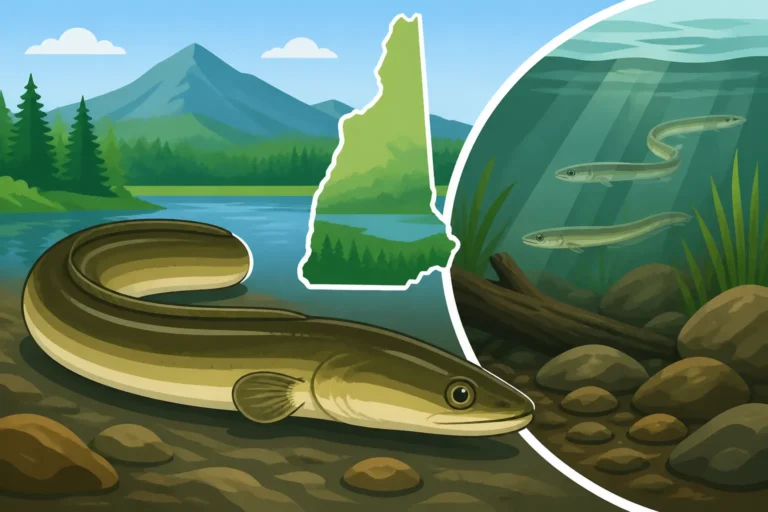
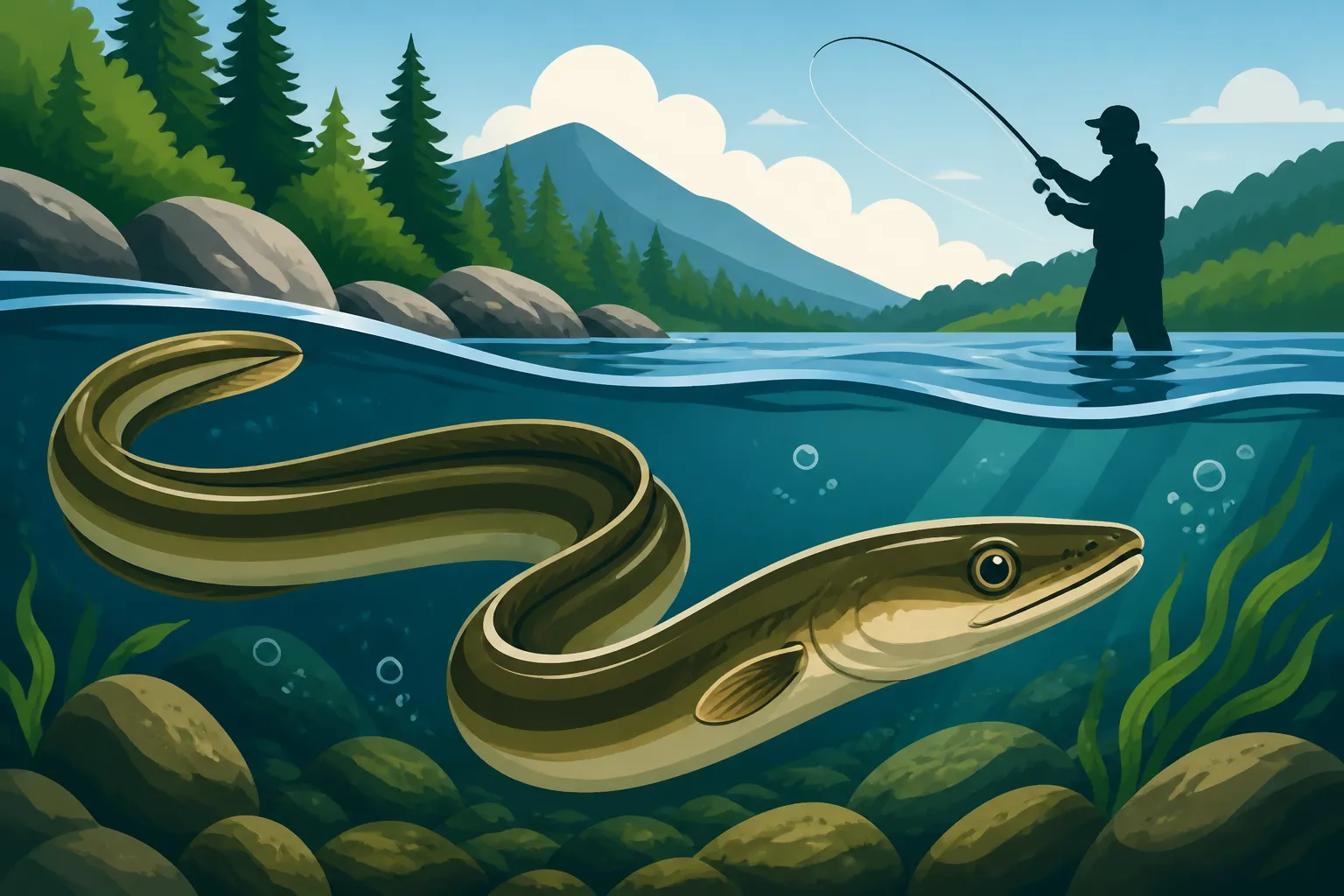
American Eels are instantly recognizable by their snake-like bodies, which are long, slender, and covered in a thick layer of protective slime that makes them incredibly slippery to handle. Unlike most fish, they lack prominent scales, though tiny, embedded scales are present. Their dorsal and anal fins are continuous with the tail fin, forming a single, flowing ribbon along much of their body, which aids in their undulating swimming motion. They typically have a brownish, olive-green, or grayish back that fades to a lighter, yellowish belly, giving them camouflage against riverbeds and shadows. Their jaws are lined with small, sharp teeth, perfect for grasping small prey. When you pull one out of the water, you'll immediately notice that powerful, wriggling strength, and that unique, somewhat unsettling appearance that separates them from any other fish you might catch in New Hampshire.
Their Unique Life Cycle: Catadromous Wonders
What truly sets American Eels apart is their catadromous life cycle. This means they are born in saltwater, migrate to freshwater to grow, and then return to saltwater to spawn and die. It's the opposite journey of an anadromous fish like salmon, which are born in freshwater, live in saltwater, and return to freshwater to spawn. This incredible migratory pattern means that a single eel can travel thousands of miles over its lifetime. Think about that for a moment: every single American Eel you might encounter in a quiet New Hampshire river began its life deep in the Atlantic Ocean, navigating its way through vast waters to reach our inland streams. This journey is one of the longest and most impressive migrations in the animal kingdom, often taking years to complete, and it really puts into perspective the resilience of these creatures.
Habitat Preferences in Rivers
Once they reach freshwater, American Eels are incredibly adaptable. They can be found in almost any type of freshwater habitat, from large lakes and mainstem rivers to small tributaries, ponds, and even drainage ditches. What they generally seek is cover and food. They love to hide in rocky crevices, under submerged logs, in dense weed beds, and burrowed into soft, muddy bottoms during the day. Their nocturnal nature means they are most active at night, hunting for insects, crustaceans, small fish, and carrion. During the day, they're often tucked away, conserving energy, which is why you might not see them often even in waters where they are abundant. If you're fishing a quiet section of the Merrimack River or a smaller tributary like the Contoocook, and you have structure like old bridge abutments or fallen trees, chances are good an eel or two is lurking nearby.
The Incredible Journey of the American Eel
The life cycle of the American Eel is nothing short of epic. It's a journey spanning thousands of miles and multiple distinct life stages, each with its own challenges. Understanding this journey helps us appreciate why their presence in our local rivers is so significant and why conservation efforts are so crucial. It’s not just a local story; it’s a global migration that begins and ends in a very specific, mysterious corner of the Atlantic.
Spawning in the Sargasso Sea
Every American Eel, regardless of where it grows up, begins and ends its life in the Sargasso Sea, a vast area in the North Atlantic Ocean known for its unique sargassum seaweed mats and calm, warm waters. This is the only known spawning ground for the entire species. Mature eels, known as silver eels, stop feeding, their eyes enlarge, and their bodies change physically to prepare for the arduous journey. They undertake a massive migration, often thousands of miles, from their freshwater homes across the eastern seaboard and Gulf of Mexico, all the way back to this specific oceanic location. It's a one-way trip, as they spawn and then die, completing their life's purpose. This incredible, precise return to a single spawning ground is one of the great mysteries of the natural world, a testament to an instinctual drive we still don't fully comprehend.
Larval Stages: Leptocephali and Glass Eels
After hatching in the Sargasso Sea, the eels enter their first larval stage, known as leptocephali. These are tiny, transparent, leaf-shaped creatures that are completely unlike the adult eel. They drift with the ocean currents for months, sometimes even over a year, slowly making their way towards the North American coast. As they approach the continental shelf, they undergo a transformation, morphing into what are called "glass eels." These are still transparent, but their shape is much more eel-like, resembling miniature versions of the adults. The transparency is a fantastic form of camouflage, helping them avoid predators during this vulnerable stage as they begin to enter coastal waters and estuaries. It's truly a marvel of adaptation, allowing them to remain virtually invisible as they transition from the open ocean to the turbulent shallow waters.
Elvers and Yellow Eels: The Upstream Migration
Once glass eels enter estuaries and begin to take on pigmentation, they are known as "elvers." This is a critical stage where they begin their upstream migration into freshwater rivers and streams. They are tiny but powerful, able to climb over obstacles like small dams or natural barriers using their slick bodies and incredible determination. It's during this elver stage that you might see them congregating at fish ladders or dam spillways in rivers like the Contoocook, attempting to continue their journey upstream. Once they've settled into a freshwater habitat, they mature into "yellow eels," which is the longest stage of their life, lasting anywhere from 5 to 20 years or more, depending on environmental conditions and location. These are the eels you're most likely to encounter while fishing in New Hampshire. During this phase, they are focused on growing larger and storing energy for their eventual, final migration back to the Sargasso Sea.
Finding American Eels in New Hampshire Rivers
While they might not be the most targeted species in New Hampshire, American Eels are present in many of our waterways. Knowing where to look and what conditions they prefer can increase your chances of encountering one, whether you're actively seeking them out or just curious about what's lurking in the depths. They're masters of disguise and concealment, making them a challenge to spot unless you know their habits.
Preferred River Habitats and Structure
American Eels are ambush predators and opportunistic scavengers, so they prefer habitats that offer plenty of cover and food sources. In rivers, this means areas with abundant submerged structure. Think about rocky bottoms with lots of crevices and boulders where they can hide during the day. Old, fallen trees, brush piles, and undercut banks are prime real estate for eels. They'll also burrow into soft, silty, or muddy bottoms, making them particularly hard to spot. Deeper pools with slow currents, especially those adjacent to faster riffles where food might be washed down, are also good spots. They are incredibly strong swimmers and can navigate surprisingly swift currents, but they’ll often rest in calmer pockets. When you're casting near a logjam or a shaded, deep bend in a river like the Pemigewasset, don't be surprised if something long and slippery takes your bait.
Where They're Commonly Found in New Hampshire
Given their catadromous nature, American Eels are most abundant in rivers that have relatively unobstructed access to the ocean. The coastal rivers and their tributaries are key habitats. The Merrimack River and its extensive drainage system, including the Souhegan and Nashua Rivers, are known to have healthy eel populations. Other major river systems, such as the Connecticut River in the western part of the state, also support eels, though perhaps in lesser densities depending on damming. Even some larger lakes connected to these river systems will have eels. If you’re fishing anywhere along the seacoast or within the lower to mid-reaches of the larger rivers that eventually flow to the Atlantic, you’re in eel territory. You can often find them in places where you’d target panfish or bass, especially around docks, bridge pilings, and any submerged debris. While you may not be actively seeking them, it’s worth noting that Best Fishing Rivers in New Hampshire often include prime eel habitat.
Seasonal Movements and Activity
American Eels are largely nocturnal, meaning they are most active under the cover of darkness. This is when they emerge from their hiding spots to hunt for food. During the day, they tend to stay concealed, so a nighttime fishing session might yield more eel encounters. Their activity also peaks during warmer months, typically from late spring through early fall, when water temperatures are conducive to feeding and growth. As autumn approaches, mature yellow eels begin their transformation into silver eels and embark on their downstream migration back to the Sargasso Sea. This migration typically happens in late summer and fall, often coinciding with significant rain events or cooler temperatures that trigger their journey. So, if you're out during New Hampshire Fishing Season Dates and Closures in the fall, particularly on a rainy night, you might just witness part of this incredible journey firsthand.
Fishing for and Interacting with American Eels
Catching an American Eel can be an unexpected and sometimes challenging experience for anglers. While not typically a sportfish in New Hampshire, they are a fascinating part of our aquatic landscape, and knowing how to handle them responsibly is important. They certainly add an element of surprise to any fishing trip!
Regulations and Ethical Considerations
In New Hampshire, American Eels are generally considered a non-game species, and specific regulations surrounding their harvest can vary. It's always crucial to consult the most current New Hampshire Fishing Regulations Explained published by the New Hampshire Fish and Game Department to ensure you're in compliance. While recreational harvest for consumption is sometimes permitted, many anglers choose to release eels due to their conservation status and perceived sliminess. If you do catch an eel, handle it gently and carefully. Their tough, muscular bodies can make them surprisingly difficult to unhook, and their slime can get everywhere! Using a wet cloth or glove can help you maintain a grip, and a de-hooking tool can minimize stress on the fish. Responsible angling means knowing the rules and treating all species with respect, even those that aren't traditionally sought after.
Accidental Catches and Safe Handling
It's very common to accidentally catch an American Eel while targeting other species like bass, catfish, or panfish. They're opportunistic feeders and will readily take a variety of baits, especially live bait like worms or cut bait, and even small lures intended for other fish. Their strong jaws and ability to swallow hooks deep can make releasing them tricky. If you find yourself with an eel on the line, avoid snapping the line or putting undue stress on the fish. Gently bring it in and, if possible, use a de-hooking tool. Some anglers find success by laying the eel on a wet surface (like a boat deck or grass) and holding its head firmly with a wet rag to prevent it from thrashing while unhooking. If the hook is deeply swallowed, consider cutting the line as close to the hook as possible. Eels have a remarkable ability to shed hooks, and this often causes less harm than trying to force it out. You can find excellent de-hooking tools and other useful accessories on platforms like Amazon that can make these unexpected encounters much smoother. For those targeting panfish, many of the same baits and general gear might attract an eel, so be prepared with your Best Tackle for Panfish and a good de-hooker!
The Cultural and Historical Perspective
Globally, eels have a rich cultural and historical significance. In many parts of the world, particularly in Europe and Asia, eels are a prized food source, often smoked or jellied. In New England, indigenous peoples historically harvested eels as an important food source, especially during their spring migrations as elvers. Eels were once far more abundant, and their migrations were a significant annual event. While they don't hold the same culinary prominence in modern New Hampshire as, say, trout or salmon, their ecological role remains vital. They were once a much more common sight, and understanding their historical significance helps us appreciate their place in our heritage. While some might view them as just a slimy fish, their resilience and unique biology make them a truly special part of our natural legacy. You might even find historical accounts of early settlers using eel traps or spears in old New Hampshire almanacs.
Conservation Status and Why They Matter
Despite their adaptability, American Eel populations have faced significant declines in recent decades across much of their range. This makes understanding their conservation status and why they are so ecologically important all the more crucial. Their future, like many migratory species, depends on our collective efforts.
Current Threats to Eel Populations
American Eel populations face a variety of threats throughout their incredibly long and complex life cycle. Habitat loss and fragmentation are major concerns, primarily due to dams that block their upstream migration to freshwater feeding grounds. While fish ladders and eelways have been installed on some dams, they aren't always 100% effective. Pollution, both in freshwater rivers and the ocean, can also impact their health and reproductive success. Overfishing of elvers in some parts of their range (driven by international demand for aquaculture) has also historically put pressure on the species. Climate change, which can alter ocean currents and water temperatures in their Sargasso Sea spawning grounds, adds another layer of uncertainty to their future. It's a sobering thought that a creature capable of such an epic journey is vulnerable to so many human-induced changes.
Their Role in the River Ecosystem
American Eels play a crucial and often underestimated role in the health of our river ecosystems. As opportunistic predators and scavengers, they help keep river bottoms clean by consuming dead fish and other detritus. They also prey on a variety of smaller organisms, helping to regulate populations of insects, crustaceans, and small fish. In turn, eels themselves become a food source for larger predators, especially as they migrate. Ospreys, eagles, and even larger fish will prey on eels. Their presence is an indicator of a healthy, connected river system, as they require access from the ocean to freshwater habitats. Losing eels from our rivers would disrupt these delicate food webs and remove a unique and vital component of the aquatic community. Their ecological importance transcends their often-slippery reputation, serving as a critical link in many aquatic food chains.
What Anglers Can Do to Help
Anglers can play a significant role in supporting American Eel populations. Firstly, practicing careful catch-and-release, especially if you're not planning to harvest them, is paramount. Using appropriate de-hooking tools, readily available from retailers like Amazon or your local tackle shop, can significantly reduce post-release mortality. Reporting any observations of large eel migrations (especially elvers at dam sites) to the New Hampshire Fish and Game Department can help researchers monitor populations. Supporting dam removal projects or advocating for improved fish passage at existing dams can directly benefit eels by opening up more habitat. Simply spreading awareness about these incredible creatures and their epic journey can also go a long way. Understanding and respecting the American Eel is the first step towards ensuring they continue their remarkable journey through New Hampshire's waters for generations to come. After all, the health of species like the American Eel reflects the overall health of our Best Fishing Rods for New Hampshire Lakes and rivers.
| Eel Life Stage | Primary Location | Key Characteristics | Duration |
|---|---|---|---|
| Egg | Sargasso Sea | Microscopic, ocean floor | Days |
| Leptocephalus | Sargasso Sea (drifting) | Transparent, leaf-shaped, ocean drift | Months to over a year |
| Glass Eel | Coastal waters, estuaries | Transparent, eel-shaped, enters rivers | Weeks to months |
| Elver | Estuaries, lower rivers | Pigmented, small, upstream migration | Weeks |
| Yellow Eel | Freshwater (rivers, lakes) | Adult coloration, growing phase | 5-20+ years |
| Silver Eel | Freshwater (migrating), ocean | Enlarged eyes, pre-spawning phase, migrates | Weeks to months |
Disclaimer
This article is for general informational purposes only and does not constitute professional advice. Laws, prices and regulations vary by location and change over time. Consult a qualified professional for guidance on your specific situation.