Atlantic Salmon Restoration in New Hampshire Rivers
The majestic Atlantic salmon, a fish synonymous with wild rivers and incredible journeys, once thrived in the waterways of New Hampshire. However, centuries of industrialization, habitat destruction, and overfishing have dramatically reduced their numbers, pushing this iconic species to the brink in our region. This guide dives deep into the monumental efforts underway to bring these magnificent fish back to their ancestral homes, exploring the history, challenges, and hopes for Atlantic salmon restoration in New Hampshire's rivers.
The Historical Presence of Atlantic Salmon in New Hampshire
It's easy to forget, looking at some of our tamed rivers today, that New Hampshire was once a stronghold for wild Atlantic salmon. These incredible fish were not just part of the ecosystem; they were a cornerstone of indigenous culture and early European settler life, providing a vital food source and an indicator of healthy waterways.
A Legacy of Abundance
Imagine a time when the great rivers of New Hampshire—the Merrimack, the Connecticut, the Androscoggin—teemed with Atlantic salmon returning from the ocean to spawn. Historical accounts and archaeological evidence paint a picture of extraordinary abundance, with salmon runs so thick they were said to impede navigation in shallow areas. These anadromous fish, meaning they live in saltwater and breed in freshwater, would navigate thousands of miles, overcoming incredible odds to return to the very gravel beds where they were born. For the Abenaki people, salmon were sacred, a gift from the Creator, and their annual return was celebrated and managed sustainably through generations. The early European colonists were similarly struck by the sheer number of fish, often taking them for granted and using them as a readily available, cheap protein source, sometimes even as fertilizer for fields.
The Impact of Industrialization
The idyllic scene of abundant salmon runs began to fade with the advent of the Industrial Revolution in the 18th and 19th centuries. New Hampshire, with its numerous rivers and streams, became a hub for mills—sawmills, gristmills, textile factories—all powered by flowing water. To harness this power, dams were built, first small, then increasingly large, blocking the salmon's migratory path to their spawning grounds upstream. It wasn't just the dams themselves; the growth of towns and industries along these rivers led to increased pollution from untreated waste and industrial discharge. The very water that sustained the salmon became toxic. By the late 19th and early 20th centuries, the once-mighty Atlantic salmon runs in many New Hampshire rivers were decimated, and in some cases, completely extinguished. The story of their decline is a stark reminder of humanity's impact on natural resources and the pressing need for conservation today.
Why Atlantic Salmon Need Our Help: Understanding Their Decline
The reasons behind the dramatic decline of Atlantic salmon are complex and interconnected, forming a perfect storm that pushed the species to the brink. Understanding these historical pressures is crucial to appreciating the challenges and successes of current restoration efforts.
Damming and Habitat Fragmentation
Without a doubt, the construction of dams stands as one of the most significant culprits in the loss of Atlantic salmon. From massive hydroelectric projects to smaller mill dams, these structures created insurmountable barriers for fish trying to reach their ancestral spawning grounds. Imagine a salmon, driven by instinct, swimming hundreds of miles only to find a concrete wall blocking its way. Even if fish ladders were eventually installed on some dams, they were often ineffective or inefficient, and for juvenile salmon (smolts) migrating downstream, passing through turbines could be a death sentence. This fragmentation of habitat meant that even if a small population managed to survive below a dam, their potential breeding grounds were severely limited, reducing genetic diversity and overall population resilience. Entire stretches of critical river habitat, once teeming with spawning activity, became inaccessible for generations. The journey home became impossible, and with each missed spawning season, the populations dwindled further.
Water Quality and Pollution
Beyond physical barriers, the quality of the water itself suffered immensely during New Hampshire's industrial boom. Early factories and towns had little to no waste treatment, discharging raw sewage and industrial effluent directly into rivers. Dyes from textile mills, byproducts from paper mills, and agricultural runoff all contributed to a toxic soup that Atlantic salmon simply couldn't survive in. Salmon, particularly at their sensitive egg and fry stages, require pristine, cold, well-oxygenated water. Pollutants like heavy metals, pesticides, and excessive nutrients from fertilizers could kill fish directly, reduce their food sources, or make them more susceptible to disease. Even if a salmon managed to navigate a dam, finding suitable, clean water to spawn in became an increasingly rare luxury. This environmental degradation didn't just impact salmon; it affected the entire aquatic ecosystem, highlighting how interconnected all life in a river truly is. For anyone looking to understand river health better, picking up a good field guide on aquatic insects, easily found on Amazon, can provide insights into what clean water truly supports.
Overfishing and Bycatch
While dams and pollution did the most damage to freshwater habitat, overfishing in both freshwater and saltwater environments also played a significant role in the salmon's decline. In the early days, before regulations, salmon were harvested without limits, often with nets that captured entire runs. As populations plummeted, the remaining fish became even more vulnerable. In the ocean, where Atlantic salmon spend the majority of their adult lives, commercial fisheries targeting other species often caught salmon as "bycatch." Even targeted salmon fisheries, both legal and illegal, put immense pressure on dwindling stocks. The combined effect of habitat destruction and relentless fishing pressure meant that fewer and fewer salmon were surviving to maturity and even fewer were making it back to the rivers to spawn, creating a downward spiral that was incredibly difficult to reverse. The intricate journey these fish make, documented in books on fish biology (also available on Amazon), reveals how vulnerable they are at every stage.
The Ambitious Goals of Restoration Programs
Recognizing the dire situation of Atlantic salmon, a concerted effort began decades ago to bring them back. These restoration programs are incredibly ambitious, requiring long-term commitment, scientific expertise, and international cooperation, as salmon migrate across borders.
Re-establishing Spawning Grounds
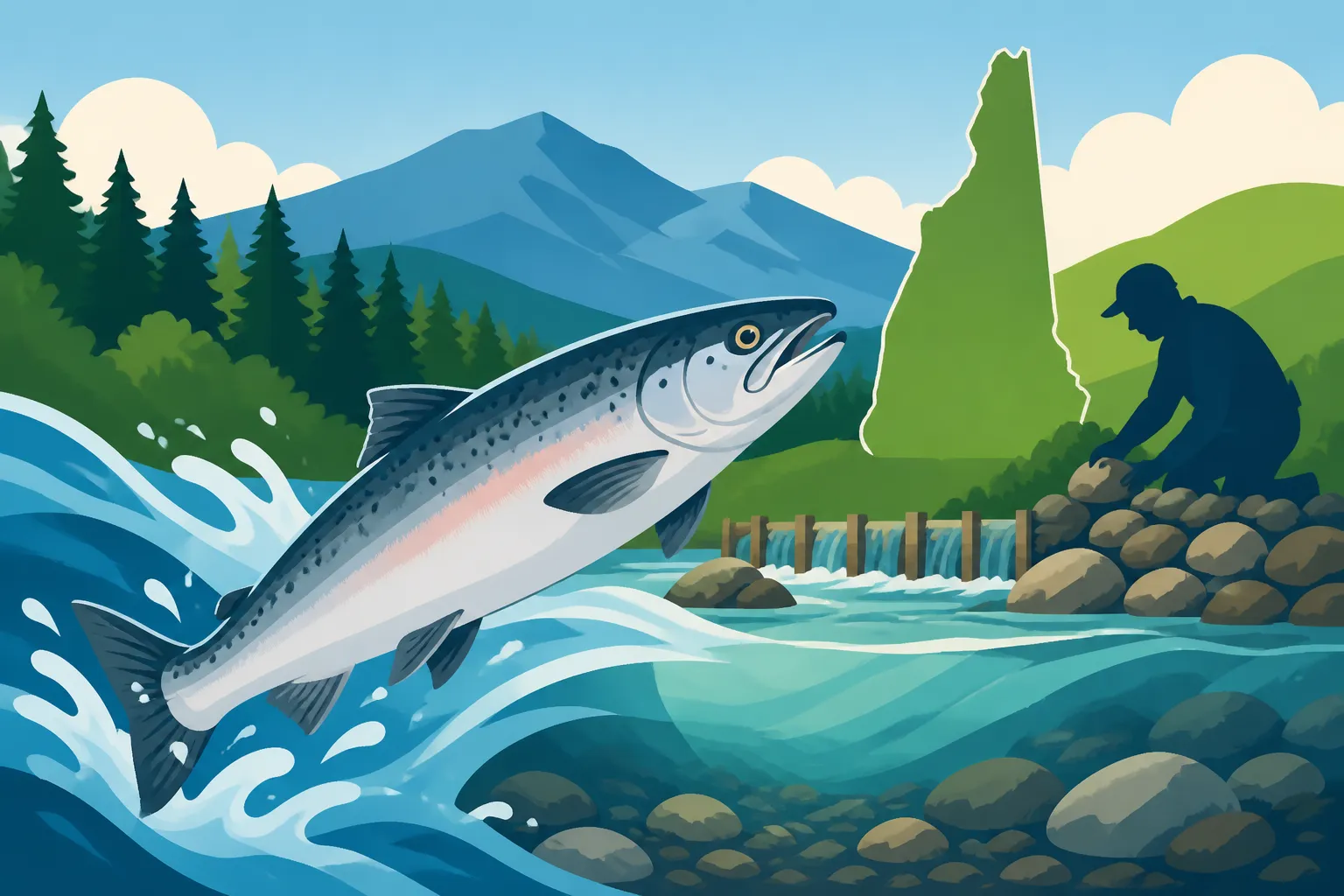
One of the primary goals of Atlantic salmon restoration is to physically re-establish access to their historical spawning grounds. This involves a multi-faceted approach, with dam removal being the most impactful, though often the most challenging, solution. When a dam is removed, it immediately reconnects vast stretches of river, allowing migratory fish to reach upstream areas they haven't seen in centuries. Where dam removal isn't feasible, fish passage systems, such as improved fish ladders or nature-like bypass channels, are designed to help salmon navigate around obstacles more effectively. These systems need constant monitoring and improvement, as salmon are incredibly sensitive to flow rates and water quality. Beyond dam modifications, habitat restoration within the river itself is crucial. This includes stabilizing eroded riverbanks, planting native vegetation to provide shade and reduce water temperature, and adding gravel to create ideal spawning beds for returning salmon. These efforts directly address the historical problem of damming and habitat fragmentation, ensuring that once the fish can get upstream, they find suitable homes.
Smolt Stocking and Hatchery Operations
Given the critically low numbers of wild Atlantic salmon, restoration efforts heavily rely on carefully managed hatchery programs. Smolt stocking involves raising young salmon (smolts) in hatcheries and then releasing them into rivers with suitable habitat. The goal is that these stocked smolts will imprint on the river, migrate to the ocean, mature, and eventually return as adults to spawn naturally. This isn't a simple process; it requires sophisticated genetic management to ensure the stocked fish are genetically diverse and adapted to local river conditions. Hatchery-reared fish need to be taught to avoid predators and forage for themselves, mimicking natural behaviors as much as possible before release. The process also involves careful selection of broodstock to maintain genetic integrity. While stocking is a vital tool for re-establishing populations, the ultimate goal is to create self-sustaining wild runs, reducing the long-term reliance on hatcheries. This effort is often spearheaded by organizations that sometimes offer merchandise or informational guides, some of which might even be found on Amazon, to support their work.
Overcoming Ocean Mortality
The challenges for Atlantic salmon don't end once they leave the river as smolts. The ocean environment presents a whole new set of hurdles. High ocean mortality rates are a significant problem for restoration, and the exact causes are still being researched. Factors such as changes in ocean temperatures, shifts in food availability, predation from seals and other marine animals, and bycatch in commercial fisheries all contribute to low survival rates. This means that out of thousands of smolts that leave the river, only a tiny fraction might return as adults. Scientists are working to understand these complex marine dynamics better, using satellite tagging and genetic analysis to track salmon movements and identify critical feeding grounds. International cooperation with countries where Atlantic salmon also migrate and feed is essential to implementing conservation measures that protect these fish throughout their vast ocean journeys. For those interested in the broader picture of fish migration, there are fascinating documentaries and books, often available for streaming or purchase through platforms like Amazon, that shed light on these incredible journeys.
Key Rivers and Watersheds in New Hampshire's Restoration Efforts
While Atlantic salmon historically graced many New Hampshire rivers, current restoration efforts are highly focused on specific watersheds where the chances of success are greatest and where historical populations were most robust.
The Merrimack River: A Flagship Effort
The Merrimack River basin stands as a prime example of the ambition and challenges of Atlantic salmon restoration. Once renowned for its prodigious salmon runs, the Merrimack was heavily industrialized, leading to some of the most dramatic declines. Today, it's the focus of an intensive, multi-agency effort, often referred to as the Merrimack River Anadromous Fish Restoration Program. This program is a collaborative effort involving state and federal agencies, conservation groups, and local communities. A major component has been the construction and improvement of fish ladders and elevators on the main stem dams, such as those in Lawrence and Lowell, Massachusetts, which are the gateway to New Hampshire's stretch of the river.
The ultimate aim is to facilitate the migration of both adult salmon returning to spawn and the downstream migration of smolts. Tributaries within the Merrimack system, like the Pemigewasset and Contoocook Rivers, are also critical. These smaller rivers provide much of the high-quality, cold-water habitat necessary for spawning and rearing young salmon. Regular stocking of Atlantic salmon smolts into these tributaries is a cornerstone of the effort, hoping to kickstart natural reproduction. Understanding the specific Merrimack River Fishing Spots and their role in the restoration provides a better perspective on these vast efforts.
Other Critical Waterways
While the Merrimack gets a lot of attention, other New Hampshire rivers also play a vital, though perhaps more localized, role in Atlantic salmon restoration.
- Connecticut River: As one of New England's largest rivers, the Connecticut River, forming much of New Hampshire's western border, also historically supported significant salmon populations. Restoration here is a massive undertaking, involving multiple states (New Hampshire, Vermont, Massachusetts, Connecticut) and federal agencies. Similar to the Merrimack, dam removal and fish passage improvements are key, along with habitat restoration in its tributaries. Efforts to restore the Atlantic salmon in the Connecticut River system are still ongoing and represent one of the largest river restoration projects in the eastern United States.
- Androscoggin River: In the northern part of New Hampshire, the Androscoggin River also once hosted Atlantic salmon. While less extensive than the Merrimack or Connecticut programs, there are ongoing efforts to assess habitat potential and improve conditions for migratory fish in this watershed. Understanding the specific Androscoggin River Fishing Spots can offer a glimpse into the habitats being considered for salmon reintroduction.
- Smaller Coastal Rivers: Some smaller coastal rivers and streams in New Hampshire, while not having the same historical run sizes as the major rivers, are also being evaluated for their potential to support Atlantic salmon. These smaller systems can sometimes offer more manageable restoration opportunities and provide valuable insights into successful habitat enhancement techniques. The goal is a network of healthy rivers, not just one, to ensure the species' long-term resilience.
These localized efforts, when combined, paint a comprehensive picture of New Hampshire's commitment to bringing back this incredible fish, tying into the broader goal of What Atlantic salmon restoration in New Hampshire rivers means.
Challenges and Setbacks in the Restoration Journey
Bringing back a species as complex and migratory as the Atlantic salmon is not a straightforward path. The restoration journey has been, and continues to be, marked by significant challenges and occasional setbacks that test the resolve of conservationists.
Persistent Obstacles for Migratory Fish
Even with decades of effort and millions of dollars invested, persistent obstacles continue to plague the recovery of Atlantic salmon. Fish passage, despite improvements, remains a bottleneck. Many fish ladders are still not 100% effective, especially for fish weakened by their journey or unfamiliar with the structures. The downstream migration of smolts is still fraught with danger, particularly at hydroelectric dams where turbine mortality remains a concern. Furthermore, the very nature of Atlantic salmon's life cycle, which requires them to transition between freshwater and saltwater, makes them vulnerable to a wide array of environmental changes. Climate change, for example, is leading to warmer river temperatures, which can be detrimental to salmon eggs and juveniles that require cold, oxygen-rich water. It also impacts ocean currents and food availability in their marine feeding grounds. These shifts make the already precarious journey even more challenging, underscoring the need for adaptive and flexible restoration strategies. Understanding the intricacies of New Hampshire Fishing Season Dates and Closures helps in protecting all fish species, including those impacted by these environmental factors.
Funding and Public Engagement Hurdles
Another significant challenge is securing consistent funding and maintaining robust public engagement over the long haul. Atlantic salmon restoration is a decades-long endeavor, often spanning generations of conservationists and policymakers. This requires sustained financial investment from federal and state governments, as well as private organizations. Economic downturns or shifts in political priorities can threaten this funding, potentially derailing years of progress. Beyond finances, maintaining public awareness and support is crucial. Many people living far from these rivers may not even realize the scale of the restoration efforts or the historical significance of Atlantic salmon. Without public understanding and a sense of shared responsibility, it becomes harder to advocate for protective regulations, secure volunteer support for habitat work, or promote ethical angling practices that help protect vulnerable fish. Education and outreach are therefore continuous tasks, requiring creative approaches to connect people with the story of the salmon and the health of our rivers. Educational resources like nature guides or documentaries, which can be easily found and purchased through platforms like Amazon, can be excellent tools for fostering this engagement.
How Anglers and Concerned Citizens Can Contribute
While large-scale government and non-profit initiatives form the backbone of Atlantic salmon restoration, every individual, especially those who love New Hampshire's outdoors, has a role to play. Our collective actions, no matter how small, can make a meaningful difference.
Adhering to Regulations and Ethical Angling
One of the most direct ways anglers can contribute is by strictly adhering to all fishing regulations. For Atlantic salmon, this is particularly critical as they are an endangered species in New Hampshire. This means knowing the rules for New Hampshire Fishing Regulations Explained, including any specific closed seasons, gear restrictions, or catch-and-release requirements for waters where salmon might be present. Even if you're targeting other species, understanding how to identify an Atlantic salmon, particularly a juvenile, is essential to avoid accidental harm. If you do inadvertently catch one, it's crucial to release it immediately, carefully, and without undue stress, ensuring it has the best chance of survival. Using single, barbless hooks and minimizing handling time are excellent ethical angling practices that benefit all fish, especially vulnerable species. Reporting any illegal fishing activity you witness to the New Hampshire Fish and Game Department is also a vital contribution to conservation efforts. You can usually find the relevant contact information in the Reading the New Hampshire Freshwater Fishing Digest.
Supporting Conservation Organizations
Many dedicated non-profit organizations are on the front lines of Atlantic salmon restoration, conducting research, implementing habitat projects, and advocating for policies that protect these fish. By supporting these groups through donations, membership, or volunteering your time, you directly contribute to their important work. Organizations focused on river conservation, fish passage, and native species protection often rely heavily on community involvement. Volunteering might involve anything from participating in river clean-ups, which improves water quality, to assisting with fish stocking efforts, or even helping with data collection for scientific studies. These groups often have local chapters, providing accessible ways for individuals to get involved and make a tangible difference in their local watershed. Look up groups like the Atlantic Salmon Federation or local river conservancies; your support can go a long way.
Educating Others and Local Action
The power of education and local action cannot be underestimated. Sharing the story of Atlantic salmon and the importance of healthy rivers with friends, family, and community members helps build a broader base of support for conservation. Simple conversations about the history of the fish, the challenges they face, and what people can do can spark interest and inspire action.
On a local level, consider actions that impact your own immediate environment. If you live near a river or stream, minimizing your use of pesticides and fertilizers on your lawn can reduce harmful runoff. Participating in local watershed councils or town meetings can give you a voice in decisions that affect water quality and riparian habitats. Advocating for responsible land use and development practices in your community directly benefits the health of our waterways, which in turn supports all aquatic life, including the hopeful return of Atlantic salmon. Even choosing a more environmentally friendly boat, as discussed in Best Boats for New Hampshire Lakes and Rivers, can be a part of a larger conscious effort. It all adds up, creating a healthier future for New Hampshire's rivers and the magnificent species that call them home.
Here's a look at the phases of Atlantic Salmon restoration efforts:
| Phase of Restoration | Primary Goal | Key Activities | Timeframe (General) |
|---|---|---|---|
| Phase 1: Assessment & Planning | Understand historical populations and decline, identify target rivers | Historical research, habitat surveys, feasibility studies, stakeholder engagement | Early 1970s – 1980s |
| Phase 2: Initial Interventions | Begin addressing major barriers and population support | Dam modifications (fish ladders), initial smolt stocking, water quality improvements | 1980s – 2000s |
| Phase 3: Adaptive Management | Monitor effectiveness, adjust strategies, address new challenges | Evaluate fish passage, refine stocking techniques, ocean mortality research, climate change adaptation | 2000s – Present |
| Phase 4: Long-term Sustainability | Achieve self-sustaining wild populations, reduce hatchery reliance | Continued habitat protection, international cooperation, public education, minimal intervention | Future |
Disclaimer
This article is for general informational purposes only and does not constitute professional advice. Laws, prices and regulations vary by location and change over time. Consult a qualified professional for guidance on your specific situation.