Androscoggin River Fishing Spots
Finding the perfect fishing spot on a majestic, winding river like the Androscoggin in New Hampshire can feel like searching for a needle in a haystack, especially with its diverse habitats and ever-changing flow. It's easy to get overwhelmed by the sheer length and varied character of the river, leaving many anglers wondering where to even begin. This comprehensive guide is here to untangle that complexity, taking you stretch by stretch through the best fishing spots on the Androscoggin River, offering insights into what you can catch and the best ways to approach these beautiful waters.
The Unique Character of the Androscoggin River Fishery
The Androscoggin River isn't just another waterway; it's a testament to nature's resilience and New Hampshire's commitment to conservation, offering a truly unique angling experience. From its remote headwaters in the northern reaches to its broader, more developed sections, the river presents a tapestry of fishing opportunities that appeal to all types of anglers, whether you prefer solitude or accessibility. Understanding the river's distinct personality is key to unlocking its full potential.
A River of Contrasts: Upper vs. Lower Sections
The Androscoggin River originates in the pristine wilderness of the Magalloway and Aziscohos lakes in Maine, but its New Hampshire journey begins in earnest at the outflow of Lake Umbagog near Errol. This upper section, particularly from Errol down through Milan, often retains a wilder, more remote feel. Here, the river is typically narrower, faster-flowing, and characterized by abundant riffles, runs, and deep pools, ideal for cold-water species. The surrounding landscape is dominated by dense forests and rugged terrain, making for a truly immersive wilderness experience. Access in these upper stretches can sometimes be challenging, requiring a bit more effort to reach prime spots, but the reward is often a more secluded and pristine fishing environment.
As the river flows south through towns like Berlin and Gorham, it begins to transform. While still retaining much of its natural charm, these sections show more signs of human development, reflecting the river's rich industrial history. Here, the river can widen, slow in places, and its banks may be more accessible via roads or public parks. This transition brings a mix of species, as water temperatures can be slightly warmer, opening up possibilities for warm-water fish in addition to trout. The river's recovery from past industrial pollution is a remarkable success story, with fish populations thriving in areas that were once severely impacted, offering a glimpse into the power of environmental stewardship.
Diverse Fish Species and Habitats
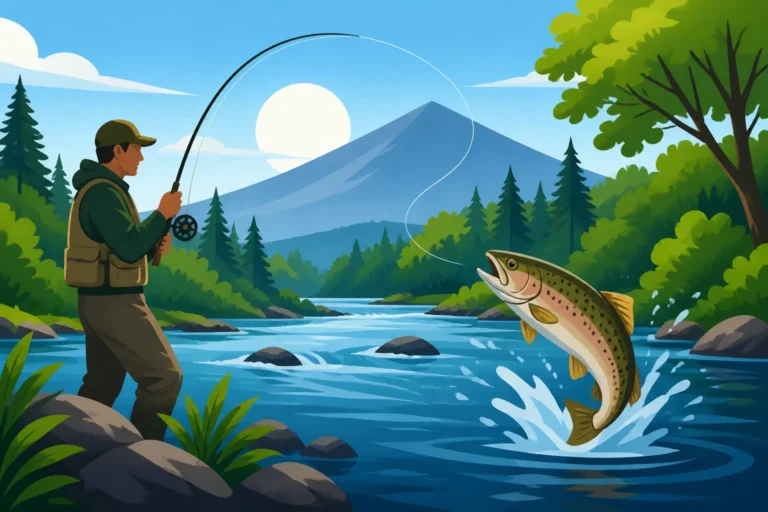
The varied character of the Androscoggin translates directly into an incredible diversity of fish species and habitats. In the colder, oxygen-rich upper reaches, particularly near Umbagog Lake and the confluence of pristine tributaries, you'll primarily find trout. Wild brook trout, brown trout, and rainbow trout are residents, often supplemented by New Hampshire Fish and Game Department stocking efforts. These sections are a fly angler's paradise, with abundant insect life supporting healthy trout populations. Look for classic trout-holding structures like current seams, undercut banks, deep rock pools, and the tailouts of rapids.
As the river progresses, especially in the wider, slower stretches below Gorham, the habitat diversity increases. While trout are still present, you'll also start encountering smallmouth bass, particularly in areas with rocky bottoms and ledges. These hard-fighting fish thrive in the river's moderate currents and varied structure. Further downstream, in some of the slower, deeper sections or backwaters, anglers might even encounter chain pickerel, yellow perch, and various panfish species. The presence of these different species means anglers need to be adaptable, often switching between presentations and techniques depending on the specific stretch of river they are targeting. The river's blend of fast-moving water and calmer pools creates a dynamic ecosystem, ensuring that every bend can offer a new and exciting fishing challenge.
Northern Reaches: Errol to Berlin and Milan
The northernmost section of the Androscoggin in New Hampshire offers some of the most pristine and exciting fishing opportunities, largely influenced by the cold, clear waters flowing from Lake Umbagog. This area is a true gem for those seeking a more wild and remote angling adventure, though still with accessible points if you know where to look. It’s a favorite among those who appreciate rugged beauty and aggressive coldwater fish.
Errol and Umbagog Lake Outflow
The immediate outflow of Lake Umbagog, near the town of Errol, is arguably one of the most productive and consistent fishing spots on the entire Androscoggin River. This area benefits from a constant supply of cold, oxygenated water from the sprawling lake, creating ideal conditions for trout and landlocked salmon. Anglers often find success targeting the powerful currents and eddies directly below the dam or around the various islands and submerged structures. The river here is wide and powerful, demanding respect for its strong currents.
This section is particularly renowned for its populations of brown trout and rainbow trout, many of which can grow to impressive sizes by feeding on the abundant baitfish flushed from the lake. It's also a prime location for targeting holdover trout, which have survived previous stockings and adapted to the river's wild conditions. Early season, right after ice-out, can be phenomenal for these fish as they become more active. Access points are available in Errol, including public parking and launch sites for canoes or kayaks, which allow anglers to explore the countless seams and pockets. For a truly immersive experience, many choose to float this section, stopping to wade and fish promising spots. If you're planning a trip focusing on the lake itself, our Umbagog Lake Fishing Guide provides even more detailed insights into the larger fishery.
Milan and Berlin Stretch: A Mix of Wild and Stocked Waters
Moving downstream from Errol, the river flows through the towns of Milan and into Berlin. This stretch offers a fascinating blend of wild sections and areas that benefit from regular stocking by the New Hampshire Fish and Game Department. Around Milan, the river retains much of its remote character, with plenty of forested banks and less development. Here, trout fishing remains a primary draw, with anglers finding success in the numerous riffles, runs, and deeper pools. Public access in Milan can be found near the town center or off some of the smaller side roads that run parallel to the river. Look for bridge crossings, as these often provide convenient access points to both upstream and downstream sections.
As the Androscoggin approaches Berlin, the landscape shifts. While Berlin has a significant industrial history, the river through and around the town has undergone extensive cleanup and restoration, making it a surprisingly productive fishery. The river here can be wider and slower in some sections, but still maintains excellent habitat for a variety of species. Public parks and designated fishing access points within Berlin offer easy entry for shore anglers. Beyond trout, this section also starts to show potential for smallmouth bass, especially where rocky bottoms and current breaks are present. The urban backdrop of Berlin might not scream "wilderness," but the fishing can be surprisingly rewarding, offering a convenient option for local anglers or those passing through. Remember to consult the New Hampshire Fishing Regulations Explained to ensure you're compliant with any local or seasonal rules specific to this developed area.
Central Section: Gorham to Shelburne and Gilead
As the Androscoggin River flows further south, it enters a stretch that is both historically significant and incredibly productive for fishing. This central section, spanning from Gorham through Shelburne and Gilead, showcases a captivating blend of the river's industrial past and its revitalized natural beauty, offering distinct angling experiences.
Gorham Area: Industrial History Meets Recreational Fishing
The town of Gorham sits at a pivotal point along the Androscoggin, historically a hub for logging and paper mills. While this industrial heritage once left its mark on the river, significant environmental efforts have transformed the Gorham stretch into a surprisingly vibrant recreational fishery. The river here is quite broad and powerful, with a mix of faster currents and deeper, calmer pools. These characteristics make it suitable for a variety of fish, including robust populations of trout and, increasingly, smallmouth bass.
Anglers in the Gorham area can find convenient public access near town parks, boat launches, and several bridge crossings. The section immediately below the Gorham dam, in particular, can be a hotspot, especially during periods when trout are actively feeding on dislodged forage or insect hatches. Look for areas where tributaries, even small ones, enter the main river, as these can bring in cooler water and additional food sources, attracting fish. While you might not find the same secluded wilderness feel as in the more northern reaches, the accessibility and consistent fishing action make Gorham a popular choice. It's an excellent place to practice river fishing techniques, given the varied water speeds and depths you'll encounter.
Shelburne and Gilead: Scenic Beauty and Productive Pools
Just downstream from Gorham, the Androscoggin flows through the more rural and picturesque towns of Shelburne, New Hampshire, and Gilead, Maine (as the river forms a border here for a stretch). This segment is where the river truly reclaims its wild charm, winding through scenic valleys flanked by the White Mountains. The current here can be swift, interspersed with significant stretches of deep, tannin-stained pools and long, gravelly runs. This environment is highly conducive to healthy populations of trout, including strong wild brown and rainbow trout, alongside brook trout in the smaller feeder streams.
Fly fishing truly shines in the Shelburne and Gilead areas. The consistent current and varied bottom structure create prime holding lies for trout. Anglers frequently wade the gravel bars and cobblestone bottoms, casting nymphs into deeper pockets, swinging streamers through runs, or presenting dry flies during insect hatches. Access is often found via informal pull-offs along Route 2, which parallels the river for much of this section, or through designated public easements. There are numerous promising bends, ledges, and rock gardens that hold fish. Kayak or canoe floats are also very popular here, allowing anglers to cover more water and reach less-pressured spots. For those specifically interested in fly fishing, our guide on Fly Fishing for Trout in New Hampshire offers invaluable techniques and insights that are directly applicable to these waters. This stretch provides a fantastic balance of challenging fishing and breathtaking natural scenery, making it a favorite for many Granite State anglers.
Common Fishing Techniques and Gear for the Androscoggin
Successfully navigating the diverse waters of the Androscoggin River requires not only knowing where to fish but also how to fish and with the right equipment. The river's varied conditions, from swift currents to placid pools, and its multiple target species mean that versatility in your approach and tackle is paramount.
Essential Gear for River Anglers
When heading out to the Androscoggin, a thoughtful selection of gear can make all the difference. For trout, a medium-light to medium-action spinning rod, typically 6 to 7 feet long, paired with a 1000 or 2000 size reel spooled with 6-8 lb monofilament or fluorocarbon line, is a versatile choice. This setup allows for accurate casting of small spinners, spoons, and bait. For fly anglers, a 4-weight to 6-weight fly rod, 8.5 to 9 feet long, is ideal for presenting a range of nymph, dry fly, and streamer patterns. You'll want a matching reel and a weight-forward floating line for most situations.
If you're targeting smallmouth bass, particularly in the wider, rockier sections, a slightly heavier setup is recommended. A medium-action spinning or baitcasting rod, 6.5 to 7.5 feet, with a 2500-3000 size spinning reel or a medium-heavy baitcaster, spooled with 10-15 lb braided line (with a fluorocarbon leader), will give you the power to cast larger lures and handle strong fish in current. For battling these feisty fish, consider our specific recommendations in Best Tackle for New Hampshire Smallmouth Bass. Don't forget essentials like a good pair of polarized sunglasses for spotting fish and structure, a reliable pair of waders and wading boots (felt soles are great for slippery river rocks, but check local regulations as some states restrict them due to invasive species concerns), and a landing net. A quality tackle box or vest organized with an assortment of lures, weights, hooks, and leader material will also be invaluable.
Effective Techniques for Different Species
Successfully catching fish on the Androscoggin largely depends on adapting your techniques to the target species and the specific water you're fishing. For trout in the swift, upper reaches, traditional methods like drifting live worms, crickets, or scented dough baits under a small float can be highly effective, especially for freshly stocked fish. Casting small inline spinners (like Mepps or Panther Martin) or tiny spoons across and downstream, then retrieving with a variable speed, often provokes aggressive strikes from both wild and stocked trout. Fly anglers will find success with nymphing rigs, dead-drifting stoneflies, caddis, and mayfly imitations, particularly around current seams and deeper pockets. During hatches, matching the hatch with dry flies can lead to exhilarating surface action.
When shifting focus to smallmouth bass, especially in the rocky, current-rich areas further downstream, different tactics come into play. Casting crankbaits that mimic crawfish or baitfish, working them along rocky bottoms and current breaks, can be deadly. Soft plastic baits, such as tube jigs, senkos, or grub tails rigged on jig heads, fished with a slow retrieve or bounced along the bottom, are also highly effective. Topwater lures, like poppers or walking baits, can create explosive strikes during low-light conditions or active feeding periods. For more in-depth strategies, refer to our guide on How to Catch Smallmouth Bass in New Hampshire Lakes, many of which are directly transferable to river environments. Regardless of your target, always observe the water, look for structure, and pay attention to how fish are reacting (or not reacting) to your presentation. Sometimes, a subtle change in retrieve speed or lure color can make all the difference.
Navigating the Androscoggin: Access and Considerations
Fishing the Androscoggin River isn't just about the fish; it's about the experience of being on a truly magnificent waterway. To make the most of your trip, understanding public access points and being mindful of safety and environmental concerns are crucial. The river presents unique challenges and rewards, and being prepared ensures a productive and enjoyable outing.
Public Access Points and Boat Launches
The Androscoggin River offers a variety of public access points, ranging from informal roadside pull-offs to established boat launches. In the northern section, around Errol and Milan, access for wading or launching small craft like canoes and kayaks can be found in town areas or at various points along Route 16, which runs parallel to the river. Specific public lands or state forest access points often provide more developed parking and trails to the riverbank. For example, there are areas managed by the New Hampshire Fish and Game Department that offer specific angler access.
Further downstream, in towns like Berlin and Gorham, public parks along the river often provide excellent shore fishing opportunities, as well as designated spots for launching small boats. The City of Berlin, for instance, has made efforts to improve riverfront access, with some areas featuring paved paths and easy bank access. For those looking to cover more water or access mid-river structures, boat launches for larger vessels are available, although you'll want to confirm suitability for your boat size and draft, as water levels can fluctuate. While a fishing guide service like those you might find on FishingBooker can help you pinpoint the lesser-known honey holes and navigate private land access, many rewarding spots are available to the public. Always look for signage indicating public access, parking, and any restrictions. Remember that river conditions can vary greatly, so always scout an access point before committing to launch. For those considering a personal watercraft, our Best Kayaks for New Hampshire Fishing guide might offer some useful insights.
Safety and Environmental Awareness
The Androscoggin River, like any large river system, demands respect and adherence to safety protocols. Water levels and currents can change rapidly, especially after heavy rains or dam releases. Always check current conditions before heading out. Wading anglers should be particularly cautious of slippery rocks and deep pockets; a wading staff is an invaluable tool for maintaining balance. Never fish alone in remote areas, and always let someone know your float plan or intended fishing location. Hypothermia is a real risk in cold water, even on warm days, so dress in layers with appropriate non-cotton materials.
Beyond personal safety, practicing environmental awareness is paramount. The Androscoggin's recovery is a testament to conservation efforts, and anglers play a vital role in maintaining its health. This means adhering to "Leave No Trace" principles: pack out everything you pack in, dispose of trash properly, and avoid disturbing wildlife or sensitive riparian habitats. Observe all New Hampshire Fishing Regulations Explained, including bag and possession limits, and understand any special regulations that may apply to specific sections of the river. Catch and release practices, particularly for wild trout and larger bass, help sustain healthy populations. By being responsible stewards, we ensure that the Androscoggin River remains a vibrant fishery for generations to come.
Seasonal Fishing Opportunities and What to Expect
The Androscoggin River is a year-round fishery, but its character, the species you're likely to encounter, and the most effective techniques shift dramatically with the seasons. Understanding these seasonal changes is crucial for planning a successful trip and maximizing your chances of a memorable catch.
Spring and Early Summer: Trout and Salmon Focus
Spring is arguably one of the most exciting times to fish the Androscoggin, especially for cold-water species. As the ice melts and water temperatures begin to rise, trout and landlocked salmon become incredibly active. Right after ice-out, the water is still very cold, and fish often hug the bottom or congregate in slower, deeper pools. As temperatures creep into the 40s and 50s Fahrenheit, fish move into shallower riffles and runs to feed on emerging insects and baitfish. This is a prime time for nymphing, swinging streamers, or using small spinners and spoons in trout-heavy areas. The river's flow is often higher in spring due to snowmelt, so always exercise caution when wading or navigating by boat. The Spring Trout Fishing Techniques for New Hampshire Ponds can offer some transferable insights for river fishing during this period.
Early summer sees a continuation of excellent trout and salmon fishing, especially in the colder upper reaches and at the outflow of Umbagog Lake. As ambient temperatures rise, fish will seek out cooler, oxygenated water, often congregating near cold springs or tributary mouths. Early mornings and late evenings become prime fishing windows as the sun gets higher and brighter. Dry fly fishing can be exceptional during consistent insect hatches, creating thrilling topwater action. Smallmouth bass also become very active in early summer, especially in the mid-river sections, making it a transitional period where you might target both species effectively depending on the specific location and water conditions.
Summer and Fall: Bass and Broader Opportunities
As summer progresses and water temperatures typically reach their warmest, the focus often shifts more towards smallmouth bass in the central and lower sections of the Androscoggin. While trout can still be caught, they tend to move into deeper, cooler water, or become more active during low-light hours. Smallmouth bass, however, thrive in the warmer summer months. They will actively chase topwater lures at dawn and dusk, and readily strike crankbaits, jigs, and soft plastics fished around rocky structure, current breaks, and submerged timber during the day. This is a fantastic time for float trips, allowing anglers to target bass in successive holes and runs.
Fall on the Androscoggin is a truly magical time. As air and water temperatures begin to drop, fish become increasingly active, feeding aggressively in preparation for winter. Trout and salmon in the upper reaches experience a resurgence, often putting on a last feeding frenzy. Fly anglers will find excellent streamer fishing as larger baitfish patterns become more effective. Smallmouth bass also remain active, often schooling up and feeding heavily before the cold sets in. The vibrant foliage along the riverbanks creates a stunning backdrop for fishing, making it not just a productive time but also an incredibly scenic one. To understand the overall yearly cycles for different species, checking out our Best Time of Year to Fish in New Hampshire can offer a broader perspective. The reduced angler pressure and crisp air of autumn often provide some of the most rewarding experiences on the Androscoggin, making it a must-visit season for any angler.
Table: Androscoggin River Fishing Sections Overview
| River Section | Primary Species | Recommended Techniques | Key Access Points | Ideal Watercraft | Difficulty (Wading) |
|---|---|---|---|---|---|
| Errol/Umbagog Outflow | Brown Trout, Rainbow Trout, Salmon | Nymphing, Streamers, Spinners, Bait | Errol Town Access, NH F&G Launch | Kayak/Canoe | Moderate to Difficult |
| Milan | Brown Trout, Rainbow Trout | Nymphing, Spinners, Dry Flies, Bait | Milan Town Access, Route 16 Pull-offs | Wading | Easy to Moderate |
| Berlin | Rainbow Trout, Smallmouth Bass | Spinners, Jigs, Worms, Crankbaits | Berlin Parks, Bridge Crossings | Shore/Wading | Easy |
| Gorham | Trout, Smallmouth Bass | Spinners, Jigs, Crankbaits, Streamers | Gorham Town Launch, Parks | Shore/Wading | Easy to Moderate |
| Shelburne/Gilead | Wild Trout (Brown, Rainbow, Brook) | Fly Fishing (Nymphs, Dry, Streamers) | Route 2 Pull-offs, Informal Trails | Wading/Kayak | Moderate |
Note: This table provides a general overview. Specific conditions and regulations can vary, so always consult current New Hampshire Fish and Game resources.
Disclaimer
The information provided in this guide is for general informational purposes only and is not intended as legal or professional advice. Fishing regulations, conditions, and access points can change frequently. Always consult the latest New Hampshire Fish and Game Department regulations and local advisories before planning any fishing trip. Fishing involves inherent risks; always prioritize safety and use appropriate judgment.