Winnipesaukee Ice Fishing Village Guide
For many anglers, the thought of dropping a line into frozen waters can feel intimidating, especially when it comes to a body of water as vast and legendary as Lake Winnipesaukee. Between the ever-changing ice conditions, the complex regulations, and the sheer number of potential spots, knowing where to even begin your ice fishing adventure can be a real head-scratcher. This comprehensive guide aims to demystify the experience, providing you with everything you need to confidently and safely explore the incredible world of the Winnipesaukee ice fishing village.
Understanding Lake Winnipesaukee's Ice Fishing Appeal
Lake Winnipesaukee isn't just a summer playground; it transforms into an incredibly vibrant and productive ice fishing destination each winter, drawing anglers from all over New England and beyond. Its unique charm lies in its diverse fishery and the rich, community-driven culture that springs up on its frozen surface. For many, it's not just about catching fish, but about the whole experience – the crisp air, the camaraderie, and the stunning winter landscape.
A Vast, Diverse Fishery
What really sets Winnipesaukee apart as an ice fishing haven is the sheer variety of fish species lurking beneath its icy surface. You're not just limited to one or two types; this lake boasts a robust population of cold-water giants like lake trout and landlocked salmon, alongside feisty warm-water species such as smallmouth bass, yellow perch, and chain pickerel. This means that whether you're a seasoned angler chasing a trophy or a family looking for consistent action, Winnipesaukee has something to offer. The lake's deep, clear waters and abundant forage, particularly rainbow smelt, contribute to healthy fish populations and impressive sizes.
Navigating such a large body of water, with its numerous bays, coves, and deep-water structures, requires some homework. Understanding where different species tend to congregate, how deep they hold, and what forage they're keying in on is crucial. For instance, the deep basins are classic haunts for lake trout, while shallower, weedy areas will often hold pickerel and largemouth bass. Knowing the nuances of the lake’s underwater topography is a game-changer when the ice sets in.
Unique Ice Fishing Culture and Communities
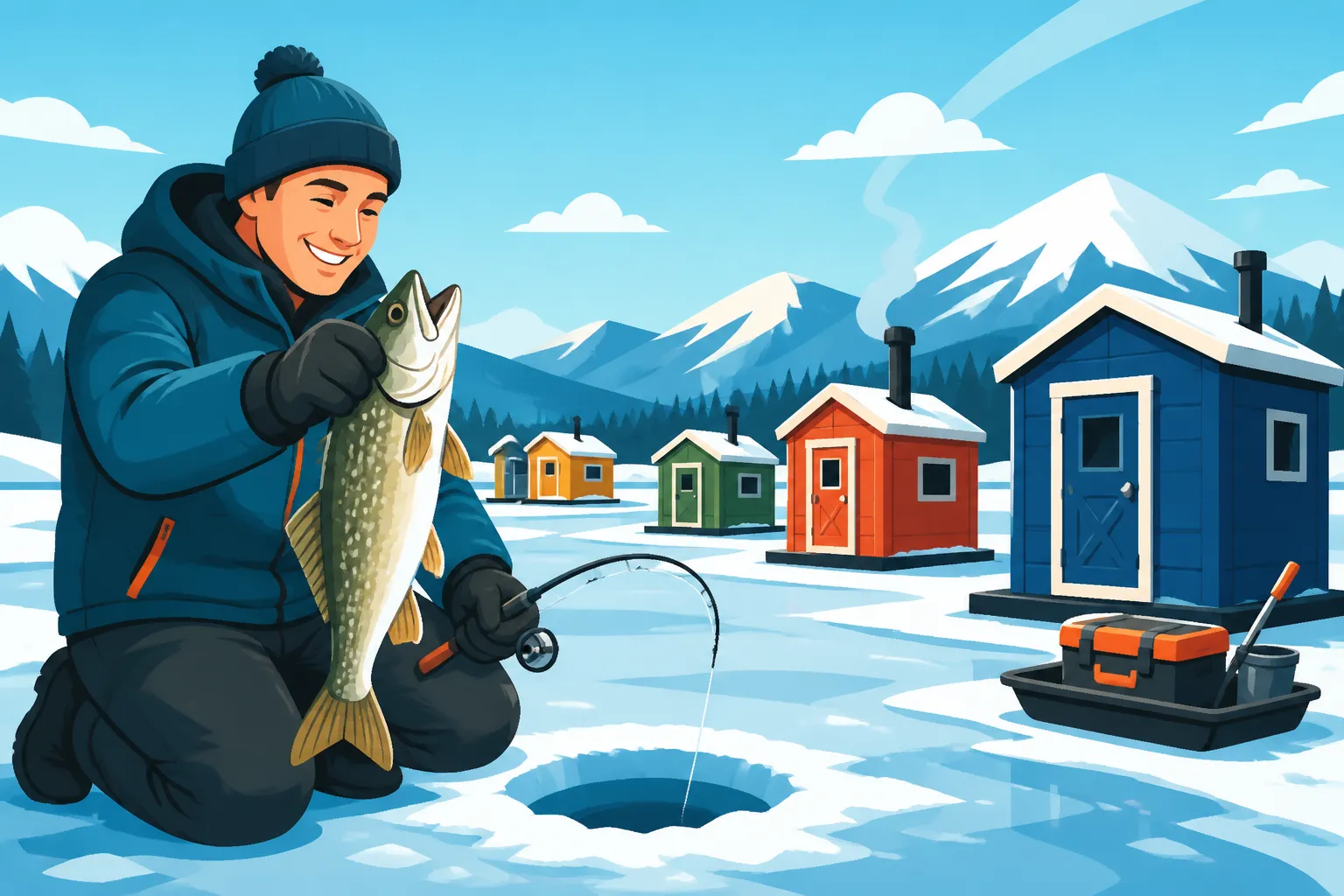
When the ice covers Lake Winnipesaukee, something truly special emerges: a collection of temporary ice fishing villages. These aren't just random clusters of shanties; they're bustling, social hubs where anglers share tips, stories, and even a warm meal. Towns like Meredith, Alton, and Wolfeboro become central points, with easy access to various sections of the lake where these communities form. You'll see everything from simple pop-up shelters to elaborate, heated shanties complete with amenities, creating a truly unique atmosphere.
The sense of community is palpable. You'll often find groups of friends and families gathered, often setting up their shelters in close proximity, creating a temporary neighborhood on the ice. This social aspect is a huge part of the appeal for many, offering a chance to escape cabin fever, enjoy the outdoors, and connect with fellow enthusiasts. Even if you're venturing out alone, the presence of others creates a feeling of shared adventure and provides a sense of security on the expansive frozen lake.
Essential Gear for a Winnipesaukee Ice Fishing Adventure
Ice fishing on Lake Winnipesaukee requires more than just your typical open-water setup. Given the lake's size, depth, and the variability of New Hampshire winters, having the right gear is paramount not only for success but, more importantly, for safety and comfort. Don't skimp on essentials; a little preparation goes a long way toward an enjoyable and fruitful trip.
Safety First: Ice Thickness and Survival Gear
Before you even think about drilling a hole, safety must be your top priority. Lake Winnipesaukee is notorious for its varied ice conditions, especially in early and late season, and even during mid-winter due to currents and springs. Always check local ice reports, talk to bait shops, and observe what other experienced anglers are doing. A general rule of thumb for safe ice fishing is at least four inches of clear, solid ice for foot travel, but more is always better, especially if you're bringing a snowmobile or ATV. You can learn more about how thick ice needs to be before New Hampshire anglers fish it by reading up on general guidelines.
Beyond checking ice thickness, you absolutely must carry personal safety gear. This includes ice picks around your neck (for self-rescue), a throw rope, and a fully charged cell phone. Dressing in layers is crucial, with waterproof outer layers to protect against slush and wind. While not always common, it's also wise to consider a personal flotation device (PFD) if you're venturing onto unfamiliar ice or early in the season. Remember, no fish is worth risking your life over, so if in doubt, stay off the ice.
Shanty Setup and Comfort
Once safety is addressed, comfort comes next. An ice fishing shanty, whether it's a lightweight pop-up or a more robust hub-style shelter, is essential for battling the elements on Winnipesaukee. The lake is vast and exposed, and winds can whip across it, making a protected space invaluable. Most shanties come with built-in seats, but bringing extra insulated pads or a comfortable portable chair can make a world of difference during long hours on the ice. You can explore some options when looking for the Best Ice Shanty for New Hampshire Lakes.
Inside your shanty, a portable heater is a luxury that quickly becomes a necessity, especially on those frigid January and February days. Propane heaters are common, but always ensure proper ventilation to prevent carbon monoxide buildup. Other creature comforts like a small table, a lantern for visibility, and a place to warm your hands or dry wet gloves will drastically improve your experience. Many anglers also bring a small cooking stove to prepare hot meals or drinks, adding to the social and enjoyable atmosphere.
Rods, Reels, and Line for Lake Winnipesaukee Species
The type of gear you bring will largely depend on what you're targeting. For species like lake trout and landlocked salmon, which can grow quite large and put up a serious fight, you'll want a stout ice fishing rod, typically 30-40 inches long with medium-heavy to heavy power. Pair this with a reliable spinning reel spooled with 8-15 lb test monofilament or fluorocarbon line, or even braided line with a fluorocarbon leader for abrasion resistance in deep water. These fish often strike hard and run deep, so strong tackle is a must.
For smaller, but equally fun, species like yellow perch, black crappie, or chain pickerel, lighter tackle is appropriate. A sensitive, ultralight or light action ice rod (24-30 inches) with a small spinning reel spooled with 4-6 lb test line is perfect. This setup allows you to feel subtle bites and enjoy the fight of these panfish. For those targeting smallmouth bass, a medium action rod with 6-8 lb line is a good all-around choice. Don't forget an ice auger; whether manual, gas, or electric, it's essential for drilling holes, and you can explore options for the Best Ice Auger for New Hampshire Lakes.
| Species Targeted | Rod Power | Line Weight | Common Baits/Lures | Typical Depth (Ice) |
|---|---|---|---|---|
| Lake Trout | Medium-Heavy to Heavy | 10-15 lb mono/fluoro | Smelt, Shiners, Jigging Spoons, Tube Jigs | 40-100+ feet |
| Landlocked Salmon | Medium-Heavy | 8-12 lb mono/fluoro | Smelt, Shiners, Small Spoons, Jigging Raps | 20-60 feet |
| Smallmouth Bass | Medium | 6-8 lb mono/fluoro | Shiners, Jigging Spoons, Tubes, Blade Baits | 10-40 feet |
| Yellow Perch | Ultralight to Light | 4-6 lb mono/fluoro | Small Jigs, Wax Worms, Grub, Small Shiners | 10-30 feet |
| Chain Pickerel | Medium | 6-10 lb mono/fluoro | Large Shiners, Spoons, Tip-ups | 5-20 feet |
Prime Ice Fishing Locations on Lake Winnipesaukee
With 288 islands and 72 square miles of surface area, Lake Winnipesaukee can feel overwhelming when deciding where to drop your lines. However, certain areas consistently produce good catches, depending on the species you're after. Local knowledge is invaluable here, and a quick chat with staff at a local bait shop or a guide found on a platform like FishingBooker can offer incredible insights.
Hotspots for Lake Trout and Salmon
For those chasing the thrill of a big lake trout or the acrobatic fight of a landlocked salmon, the deeper, open water sections of Winnipesaukee are your best bet. The "Broards" near Meredith and Center Harbor, and the deep areas off Wolfeboro and Alton Bay, are classic spots. These areas often have extensive underwater structure like humps, drop-offs, and deep basins that hold smelt, which are the primary forage for these predators. Anglers targeting these species often use downriggers during open water season, and during ice season, they'll meticulously map out similar structures on the ice with their fish finders.
These deeper zones require a good understanding of what Lake Winnipesaukee Lake Trout Fishing entails during the ice season. You'll typically find anglers spread out, often setting up several tip-ups baited with live smelt or large shiners, while actively jigging with spoons or tube jigs nearby. Early morning and late afternoon are often peak feeding times, but lake trout can be caught throughout the day, especially if you're on a good piece of structure. Many seasoned anglers will spend time scouting these deeper areas with their electronics, searching for baitfish schools and potential fish arches before setting up camp.
Targeting Bass and Perch Near Shore
If you prefer shallower water action or are looking for more consistent bites from panfish and bass, many of Winnipesaukee's numerous coves and smaller bays are excellent choices. Areas like Moultonborough Bay, parts of Alton Bay closer to shore, and the coves around Glendale and Gilford offer shallower depths, weed beds, and rocky points that hold yellow perch, black crappie, chain pickerel, and smallmouth bass. These spots are often more accessible and can be great for families or beginners.
For smallmouth bass, look for rocky points and sandy flats adjacent to deeper water, especially those with some remaining green weeds under the ice. These areas are prime hunting grounds for the Lake Winnipesaukee Smallmouth Bass Fishing crowd. Perch and crappie will often be found in slightly deeper sections of these coves, often congregating over soft bottoms or near submerged structures like docks and brush piles. Using small jigs tipped with wax worms or grub is highly effective for these panfish. Many anglers will set up tip-ups with medium shiners for bass and pickerel, while actively jigging for perch nearby.
Key Access Points and Parking
Accessing Lake Winnipesaukee for ice fishing is generally straightforward, with several public boat launches transforming into ice access points once conditions are safe. Some of the most popular access points include:
- Meredith Bay: Often one of the first bays to freeze and a hub for ice fishing, offering access to deeper sections for trout and salmon, as well as shallower areas for bass and perch. Ample parking is usually available, though it fills up fast on busy weekends.
- Alton Bay: Known for its ice runway in mid-winter, Alton Bay provides excellent access to varied depths, from shallow coves to deeper main lake sections. It's a popular spot for both trout and panfish.
- Wolfeboro Bay: Another excellent access point, especially for those targeting the deeper waters for salmon and lake trout. The town offers services and local bait shops.
- Glendale/Gilford: These areas provide good access to central parts of the lake, with launch points that lead to productive smallmouth and panfish grounds.
Always check local conditions and parking availability before heading out. Some towns might have specific regulations for ice access or charge a small fee for parking. Platforms like FishingBooker can sometimes connect you with local guides who can also provide up-to-date information on the best access points and ice conditions.
Mastering Techniques for Winnipesaukee Ice Fishing Species
Once you've safely reached your chosen spot and set up your shanty, the real fun begins: enticing fish to bite through a few feet of ice. Different species require different approaches, and understanding these techniques will significantly boost your success rate on Lake Winnipesaukee.
Deep Water Strategies for Salmon and Lake Trout
Targeting landlocked salmon and lake trout through the ice demands specific strategies due to their preference for cold, deep water, and their reliance on smelt as a food source. For these species, anglers typically employ a combination of jigging and still-fishing with tip-ups. When jigging, look for medium to heavy action rods and use lures that imitate smelt, such as Swedish Pimples, Kastmasters, or specialized jigging spoons. The key is to present the lure actively, often with sharp lifts and drops, mimicking an injured baitfish. Having a good fish finder is critical here, allowing you to mark fish, gauge their reaction to your lure, and adjust your presentation accordingly.
Tip-ups are equally vital, often fished with live bait like large shiners or smelts suspended at various depths. Setting multiple tip-ups allows you to cover different depths and areas, increasing your chances of intercepting a cruising predator. Many anglers will set their tip-ups at varying depths, from 20 feet down to 100 feet or more, to identify the active feeding zone. Patience is key with these deeper dwelling species; they might not bite constantly, but when they do, it's often a strong, unmistakable strike. For more specific insights, check out Best Techniques for Ice Fishing Lake Trout.
Jigging and Tip-Up Tactics for Bass and Panfish
For smallmouth bass, yellow perch, black crappie, and chain pickerel, a more active approach with jigging is often productive, complemented by strategic use of tip-ups. When targeting perch and crappie, light action ice rods are perfect, paired with tiny jigs (1/32 to 1/8 oz) tipped with wax worms, spikes, or small grub. A slow, subtle jigging motion is usually best, often just a slight quiver of the rod tip or a gentle lift and fall. These panfish often suspend in schools, so once you find one, you can often catch several. Learn more about Jigging for Perch Through the Ice for detailed tips.
Smallmouth bass are aggressive predators even under the ice. Medium action rods with jigging spoons, tube jigs, or blade baits can be highly effective. They often respond well to a more aggressive jigging retrieve than panfish, with longer lifts and a pause on the fall. Tip-ups baited with medium shiners are also excellent for smallmouth, particularly near rocky structures or drop-offs. For pickerel, which are ambush predators, tip-ups with larger shiners or even small dead baitfish set near weed lines or submerged brush are incredibly effective. They have a mouthful of sharp teeth, so using a fluorocarbon or even wire leader is often a good idea to prevent bite-offs.
Reading the Ice and Locating Fish
Successful ice fishing, especially on a lake as dynamic as Winnipesaukee, involves more than just drilling a hole and dropping a line. It requires keen observation and an understanding of how fish relate to their environment, even under the ice. Start by "reading" the ice itself; areas with consistent, dark ice are generally safer and often indicate deeper, more stable water. Avoid areas with slush, discolored ice, or visible cracks that might signify thinner, weaker spots.
Once on the ice, use a portable fish finder or sonar unit to scan for depth changes, underwater structure (like humps, ledges, or rock piles), and most importantly, baitfish schools and individual fish marks. Fish are almost always near their food source, so finding bait is often the first step to finding your target species. Pay attention to how fish react to your lure on the sonar screen; if they ignore it, try changing your presentation, lure color, or depth. Don't be afraid to move if a spot isn't producing; mobility is a key advantage for ice anglers on such a large lake.
Navigating Regulations and Safety on the Ice
New Hampshire's fishing regulations are designed to protect fish populations and ensure safe, sustainable angling for everyone. For ice fishing on Lake Winnipesaukee, understanding these rules and adhering to strict safety protocols is non-negotiable. Ignorance of the rules is not an excuse, and violations can lead to hefty fines and loss of privileges.
Important New Hampshire Ice Fishing Regulations
Lake Winnipesaukee often has specific regulations that differ from other bodies of water in New Hampshire due to its unique fishery and management goals. Key regulations to be aware of include:
- License Requirements: Everyone 16 years of age and older needs a New Hampshire fishing license. There are specific rules for resident vs. nonresident fishing license costs in New Hampshire and even temporary options like the New Hampshire 1-Day Resident Fishing License Cost.
- Season Dates: While many species can be ice fished throughout the winter, some, like lake trout and landlocked salmon, may have specific season dates, or special regulations that apply to certain water bodies. Always check the New Hampshire Freshwater Fishing Digest for the most current information. For example, you can specifically look up New Hampshire Lake Trout Ice Fishing Season Dates.
- Bag and Possession Limits: There are strict limits on the number of fish you can keep per day (daily bag limit) and the total number you can have in your possession (possession limit). These vary by species and sometimes by water body.
- Number of Lines: Generally, New Hampshire allows up to five lines per angler when ice fishing, which can include a combination of jigging rods and tip-ups. However, this is always subject to change, so verify before you go.
- Ice Shanties: While not usually requiring registration, shanties must be removed from the ice before specified dates (typically by April 1st, or when ice conditions dictate earlier). All litter must be removed with your shanty. You can read up on New Hampshire Ice Fishing Regulations by Water Body for specifics related to Winnipesaukee.
Always carry a copy of the current New Hampshire Freshwater Fishing Digest, either physical or digital, and be familiar with the rules for Lake Winnipesaukee. When in doubt, call the New Hampshire Fish and Game Department.
Ice Safety Best Practices
Beyond the regulations, personal safety is paramount when ice fishing. Lake Winnipesaukee is a massive body of water, and conditions can change rapidly. Here are critical best practices:
- Never Go Alone: Always fish with a buddy, or at least let someone know exactly where you are going and when you expect to return.
- Check Ice Thickness Regularly: Use an ice chisel or auger to check ice thickness as you move across the lake, especially in unfamiliar areas. Be extra cautious around inlets, outlets, bridges, and areas with currents or springs, as ice can be thinner there.
- Wear Appropriate Clothing: Dress in layers with waterproof outer shells. Hypothermia is a serious risk.
- Carry Safety Gear: Ice picks, a throw rope, and a whistle are essentials. A GPS device or a mapping app on your phone can help you navigate back, especially if visibility drops.
- Avoid Alcohol: While a celebratory drink is fine back at the shanty, alcohol impairs judgment and increases the risk of hypothermia. Keep it to a minimum or save it for after your trip.
- Respect the Environment: Pack out everything you pack in, including bait, trash, and broken line. Leave no trace.
Respecting the Ice Fishing Community
The ice fishing villages on Winnipesaukee are vibrant, temporary communities. Just like any neighborhood, they thrive on mutual respect and consideration. This means being mindful of other anglers' space, especially when drilling holes; nobody appreciates an auger screaming right next to their active tip-up. Keep noise levels reasonable, especially if you're operating an ATV or snowmobile.
Offer help to fellow anglers if they appear to be struggling, and don't hesitate to ask for advice or assistance yourself. Many seasoned ice anglers are more than happy to share their knowledge and even a hot cup of coffee. By fostering a friendly and considerate atmosphere, everyone contributes to the unique charm and enduring appeal of ice fishing on Lake Winnipesaukee.
Disclaimer
Please note: Fishing regulations, season dates, and ice conditions can change rapidly. Always consult the official New Hampshire Fish and Game Department website or the latest Freshwater Fishing Digest for the most current and accurate information before planning your trip. Ice safety is paramount; always exercise extreme caution and never venture onto unsafe ice.