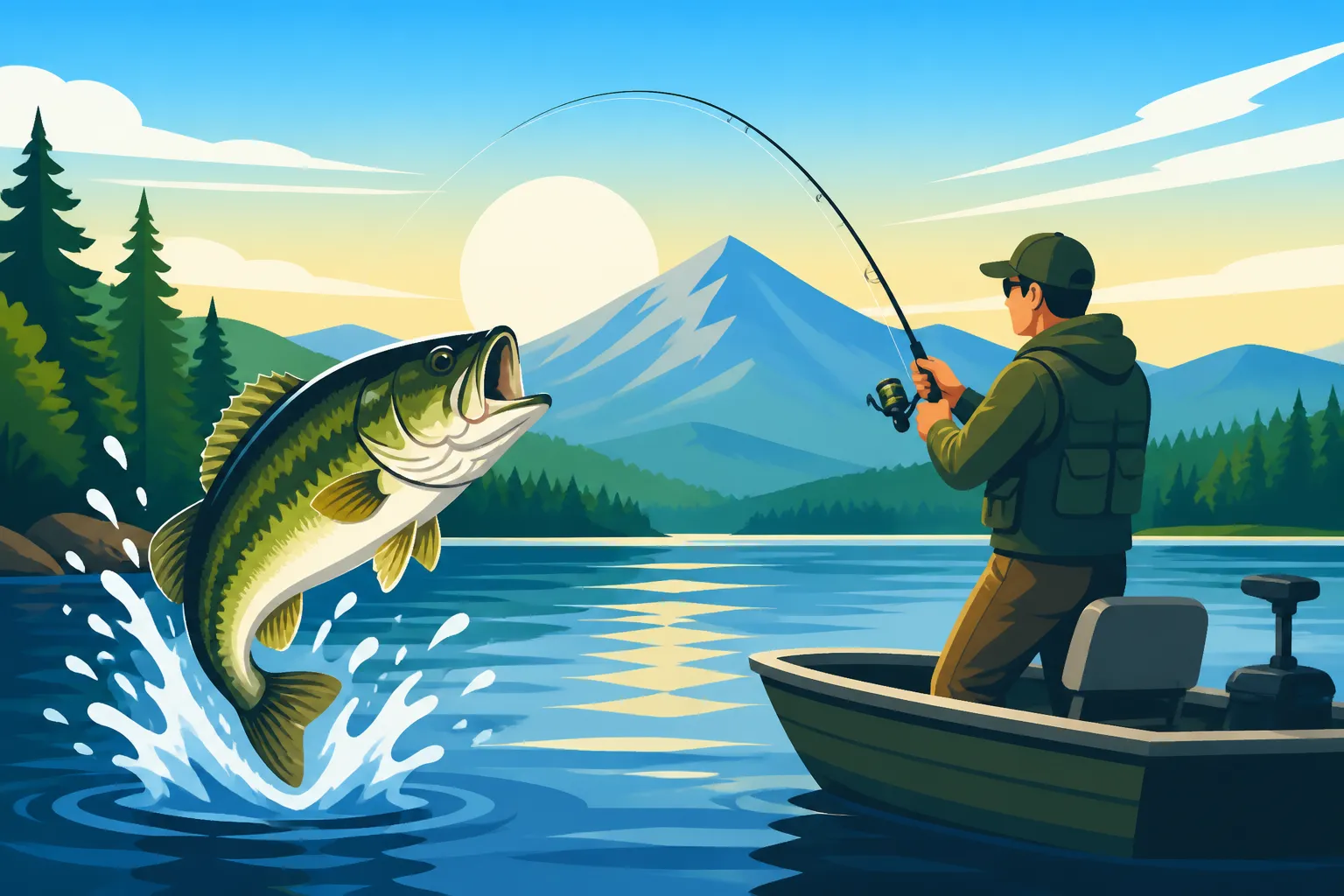
Silver Lake Fishing Guide
Navigating a new lake, especially one as beautiful and diverse as Silver Lake in New Hampshire, can feel a bit overwhelming when you’re trying to figure out where to cast your line and what to expect. Many anglers struggle to pinpoint the best spots or understand the unique quirks of its fishery. This comprehensive guide aims to demystify Silver Lake, providing you with all the essential information to make your next fishing trip productive and enjoyable, from species identification to optimal techniques and regulations.
Discovering Silver Lake's Unique Character and Fisheries
Silver Lake, nestled in the town of Madison, New Hampshire, is much more than just a pretty face in the White Mountains region. It’s a thriving ecosystem that offers a unique set of fishing opportunities, distinct from many of its larger, more famous counterparts like Lake Winnipesaukee. Its clear, cool waters and diverse underwater topography make it a fantastic destination for both warm-water and cold-water species. Understanding its geographical nuances and primary inhabitants is the first step to unlocking its angling potential.
Geographical Overview and Access Points
Silver Lake spans approximately 950 acres, providing ample space for exploration without feeling overwhelmingly vast. Its deepest point reaches around 164 feet, offering significant cold-water habitat for species like lake trout and salmon, while numerous coves, rocky shores, and shallower areas cater to bass and panfish. The lake’s primary outflow is the Silver Lake Outlet, which flows into the Ossipee River, contributing to the area's overall watershed health. Public access to Silver Lake is primarily facilitated by a state-managed boat launch located off Route 113. This launch provides a concrete ramp suitable for most trailered boats, along with parking facilities. Anglers without boats can find shore fishing access at various points around the lake, including a small beach area in Madison, though these spots can be limited, especially during peak summer months. It's always a good idea to check local town regulations regarding public access points.
The lake is surrounded by a mix of residential properties, forested areas, and a few small businesses. Its relatively undeveloped northern and western shores offer a more wild feel, which can be advantageous for anglers seeking solitude and undisturbed fishing grounds. The clarity of Silver Lake's water is often exceptional, a testament to its pristine environment, but this also means fish can be spookier, requiring a more stealthy approach, especially on sunny days. Navigating the lake is generally straightforward, but anglers should always be aware of submerged rocks and shallow areas, particularly near shorelines and points.
Primary Fish Species and Stocking Efforts
Silver Lake is renowned for its diverse fishery, boasting a healthy population of both cold-water and warm-water game fish. For cold-water enthusiasts, lake trout and landlocked salmon are the big draws. The New Hampshire Fish and Game Department actively manages these populations through stocking programs, ensuring a robust fishery year after year. These fish thrive in the lake's deeper, cooler sections, especially during the warmer months when they retreat from the surface. In fact, if you're keen on chasing these powerful cold-water species, you'll find comprehensive information in our guide on New Hampshire Trout Stocking and Fishing Rules, which details how and when the state ensures a healthy population.
Warm-water species are equally abundant, with smallmouth and largemouth bass topping the list for many anglers. Silver Lake provides excellent habitat for both, with rocky structures and deep ledges favoring smallmouth, and weed beds, docks, and fallen timber attracting largemouth. Perch, crappie, and sunfish also provide plenty of action, particularly for families and those looking for consistent bites. The state's stocking reports often highlight the various species introduced, and understanding these efforts can help you tailor your approach. Beyond these mainstays, you might also encounter chain pickerel, an aggressive predator that offers exciting fights, especially in shallower, weedy areas.
Silver Lake's Primary Game Fish at a Glance
| Species | Primary Habitat | Best Season(s) | Notes |
|---|---|---|---|
| Lake Trout | Deep, cold water (thermocline), rocky structures | Spring, Fall, Winter | Trolling and vertical jigging are highly effective. |
| Landlocked Salmon | Open water, baitfish schools, deep structures | Spring, Fall | Fast trolling with smelt imitations works well. |
| Smallmouth Bass | Rocky points, ledges, humps, clear water | Summer, Late Spring | Aggressive fighters, hit topwater and deep cranks. |
| Largemouth Bass | Weed beds, fallen timber, docks, shallow coves | Spring, Summer | Often found in warmer, more protected areas. |
| Yellow Perch | Moderate depths, schooling fish, weed edges | Year-round | Excellent for ice fishing, popular for panfish anglers. |
| Black Crappie | Submerged brush, docks, calm coves | Spring, Fall | Schooling fish, can be found in large numbers. |
| Chain Pickerel | Heavy cover, shallow weeds, lily pads | Year-round | Aggressive, often caught when targeting bass. |
Essential Gear and Techniques for Silver Lake Success
Having the right tools and knowing how to use them are paramount for a successful fishing trip on Silver Lake. Given the lake's diverse fishery, a versatile tackle box and adaptable techniques will serve you well. From the specific rods and reels to the baits and lures that entice its inhabitants, we’ll dive into what you need to bring and how to deploy it effectively.
Rods, Reels, and Line for Common Species
When it comes to tackle, versatility is key for Silver Lake. For bass and panfish, a medium-light to medium power spinning rod, around 6'6" to 7' long, paired with a 2500 or 3000 series spinning reel, is an excellent all-around choice. This setup allows for accurate casting of lighter lures, sensitivity for subtle bites, and enough backbone to handle a feisty smallmouth or a good-sized crappie. Spool your reel with 6-10 lb fluorocarbon or braided line with a fluorocarbon leader for abrasion resistance and invisibility in the clear water. If you're specifically targeting larger largemouth in heavy cover, a medium-heavy baitcasting setup might be more appropriate.
For lake trout and landlocked salmon, heavier gear is usually preferred. A medium to medium-heavy action rod, around 7 to 8 feet, designed for trolling or deep jigging, will be necessary. Pair this with a conventional reel (like a line counter reel) for trolling, or a sturdy spinning reel (4000 series or larger) for jigging. Your main line should be 15-30 lb braided line, especially for trolling where it reduces drag in the water, followed by a 10-15 lb fluorocarbon leader. Downriggers are often employed to reach the deeper zones where these cold-water predators reside, making them a crucial piece of equipment for serious trophy hunters. Understanding the nuances of Best Trolling Gear for New Hampshire Lake Trout can significantly increase your chances of success.
Best Baits and Lures for Different Seasons
The most effective baits and lures on Silver Lake will change with the seasons and the target species. In spring, when water temperatures are cool, fish are often shallow and hungry. For bass, jerkbaits, spinnerbaits, and jigs worked slowly near rocky points and shallow transition areas can be deadly. Trout and salmon will still be relatively high in the water column after ice-out, making smelt-imitating stickbaits and spoons effective when trolled near the surface or just below. Panfish will respond well to small jigs tipped with bait like worms or grubs under a bobber.
As summer progresses and waters warm, bass move deeper or into heavy cover. Topwater lures like poppers and walk-the-dog baits can be explosive during low-light conditions, while Texas-rigged worms, Senkos, and drop shot rigs excel at extracting bass from weeds and submerged structures. For those targeting smallmouth, crankbaits and tube jigs worked over rocky humps are productive. Lake trout and salmon will be in the deepest, coolest parts of the lake. Trolling with spoons, stickbaits, or live bait (like shiners or smelt) at specific depths using downriggers or lead core line is the go-to method. Our guide on Best Baits for Smallmouth Bass on Winnipesaukee offers transferable insights for Silver Lake's smallmouth.
Fall sees a resurgence in activity across the board as fish feed heavily before winter. Bass will actively chase crankbaits, spinnerbaits, and swimbaits in shallower areas. Trout and salmon will become more active and can be found higher in the water column again, chasing baitfish. Spoons and stickbaits remain effective, as does live bait. Winter brings ice fishing, where jigging with small spoons, soft plastics, or Swedish Pimples tipped with bait (mealworms, wax worms) is excellent for perch and crappie. Lake trout and salmon can be caught by jigging heavier spoons or vertical jigs, or by setting tip-ups with live smelt or shiners in deeper water.
Trolling and Still Fishing Strategies
Trolling is a highly effective technique for covering water and finding active cold-water fish like lake trout and landlocked salmon on Silver Lake. The key is to match your speed and depth to the conditions and the fish's preferences. For landlocked salmon, a faster troll (2.0-3.0 mph) with slender, baitfish-imitating spoons or stickbaits like Suttons or DB Smelt is often productive, especially in the upper half of the water column during cooler months or over open water. Lake trout often prefer a slightly slower troll (1.5-2.5 mph) closer to the bottom or along underwater structure, responding well to larger spoons, wobblers, or live bait rigs pulled behind dodgers. Using a fish finder to locate schools of baitfish, submerged humps, or thermal breaks is invaluable for successful trolling. You can also research charter services on platforms like FishingBooker if you want to experience professional trolling techniques firsthand.
Still fishing, on the other hand, is a more stationary approach that can be incredibly effective for panfish, bass, and even a patient angler targeting trout or salmon. For panfish, simply using a bobber rig with a small hook and a worm, grub, or corn kernel suspended near weed lines or docks is a tried-and-true method. For bass, pitching soft plastics like Senkos, jigs, or Texas-rigged worms into specific cover—such as fallen trees, lily pads, or dock pilings—and letting them sit or slowly twitch them, can provoke strikes from wary fish. During ice fishing season, still fishing with tip-ups set with live bait is a popular method for targeting larger lake trout and salmon, allowing you to cover multiple depths and locations simultaneously while you jig nearby for panfish.
Navigating Silver Lake's Seasons and Regulations
Understanding the annual cycle of Silver Lake and adhering to New Hampshire's fishing regulations are two critical components for a successful and legal fishing experience. The lake's character changes dramatically with each season, influencing fish behavior and therefore, effective fishing strategies. Likewise, state regulations are designed to protect fish populations and ensure fair fishing for all, making them non-negotiable for every angler.
Seasonal Fishing Opportunities
Silver Lake truly offers year-round fishing, each season presenting unique challenges and rewards.
- Spring (Ice-out to early June): This is arguably one of the most exciting times to fish. After the ice melts, typically in April, the waters are cold and nutrient-rich, stirring many fish into an active feeding frenzy. Lake trout and landlocked salmon can be found relatively shallow, making them easier to target by trolling or even casting from shore in some areas. Bass are moving towards spawning grounds, offering excellent pre-spawn fishing around rocky points and shallow flats. Panfish are also active and easily caught. Our guide on New Hampshire Fishing Seasons by Month provides a comprehensive overview of what to expect during this prime period across the state.
- Summer (June to August): As water temperatures rise, fish behavior changes. Cold-water species like lake trout and salmon retreat to the deeper, cooler parts of the lake, usually around the thermocline. Trolling with downriggers becomes essential to reach these depths. Bass fishing can be excellent in early mornings and late evenings with topwater lures, and during the day, they'll be found in deeper cover, weed lines, or rock piles. Panfish remain active throughout the summer, providing steady action for light tackle.
- Fall (September to November): This season is another favorite for many anglers. As water temperatures cool down, fish become more active, feeding heavily in preparation for winter. Lake trout and salmon move back into shallower waters, often chasing schools of smelt. Trolling and casting spoons or stickbaits can be very productive. Bass fishing remains strong, with fish aggressively hitting crankbaits, spinnerbaits, and jigs as they school up. The stunning fall foliage also adds an extra layer of beauty to your fishing trip.
- Winter (December to March): Ice fishing takes center stage once the lake safely freezes over. Silver Lake is a popular destination for ice anglers targeting yellow perch, crappie, and chain pickerel in shallower bays, and lake trout and landlocked salmon in deeper open areas. Jigging with small lures and setting tip-ups with live bait are the primary methods. Always prioritize safety and check ice conditions before venturing out.
Key New Hampshire Fishing Regulations for Silver Lake
Before you even cast a line, ensure you have the proper licensing. In New Hampshire, nearly all anglers aged 16 and older need a valid fishing license. You can find detailed information about obtaining one in our New Hampshire Fishing License Guide for 2026. Once licensed, you need to be aware of the specific regulations for Silver Lake. The New Hampshire Fish and Game Department publishes an annual Freshwater Fishing Digest, which is an invaluable resource. You can often find a New Hampshire Freshwater Fishing Digest PDF online or at licensed vendors.
Key regulations often include:
- Season Dates: While many species are open year-round, some, like bass, have specific catch-and-release or harvest seasons. For example, there's often a New Hampshire Bass Catch-and-Release Season, Explained before the general harvest season opens.
- Bag and Possession Limits: There are strict limits on the number of fish you can keep per day and possess. These vary by species. For example, New Hampshire Bag and Possession Limits by Species will specify daily take for trout, salmon, and bass.
- Length Limits: Some species have minimum or maximum length limits (slot limits) to protect spawning fish or encourage the growth of trophy fish. Always measure your fish carefully.
- Tackle Restrictions: While most standard tackle is permitted, certain waters might have restrictions on bait types (e.g., no live bait) or gear (e.g., fly fishing only). Always check if Silver Lake has any special regulations, though it generally allows common methods.
- Boat and Ice Shanty Rules: If you plan to use a boat, be aware of New Hampshire Boat Registration Requirements and safety gear mandates. For ice fishing, there are rules regarding ice shanties and their removal.
It’s your responsibility as an angler to know and follow these rules. Non-compliance can result in fines and loss of fishing privileges, which nobody wants when they're trying to enjoy a peaceful day on the water.
Top Fishing Spots and Tactics on Silver Lake
Pinpointing exactly where to cast on a lake you’re not intimately familiar with can be challenging. Silver Lake, with its varied depths and structures, offers a range of productive spots. Knowing where to look for specific species and employing the right tactics for those locations will dramatically improve your chances of success.
Prime Structures for Bass and Panfish
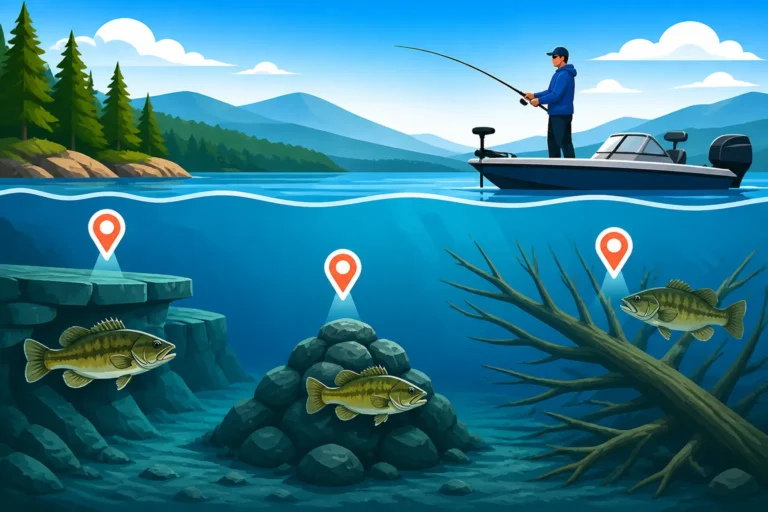
For smallmouth bass, Silver Lake's numerous rocky points, ledges, and underwater humps are absolute magnets. These structures provide ambush points and cover for crawfish and baitfish, which are staple foods for smallmouth. Look for points that extend far into the lake, especially those with steep drop-offs into deeper water. Examples of such areas are typically found on the eastern and southern shores where the lake bottom tends to be rockier. Tactics here include working tube jigs, drop shot rigs, or football jigs along the contours, or cranking medium-diving crankbaits over the tops of the humps. On clear, calm days, smallmouth can be spooky, so making long casts and using lighter line with a fluorocarbon leader is often beneficial.
Largemouth bass will gravitate towards different types of cover. Target the shallower, weedier coves and bays, especially those with lily pads, submerged timber, or docks. The northern end of the lake, with its shallower, more protected areas, tends to offer good largemouth habitat. Pitching Texas-rigged worms, Senkos, or jigs into these dense cover areas can be highly effective. During the summer, flip creature baits or jigs into shady spots under docks. Topwater frogs or buzzbaits can produce explosive strikes over lily pads during low-light conditions.
Panfish, including yellow perch, black crappie, and sunfish, are often found in schooling groups and are less particular about specific structures. Look for them around the edges of weed beds, submerged brush piles, and near docks, especially those with some depth. Small jigs tipped with worms or grubs, fished under a bobber, are classic and highly effective. They're also often found in the same areas as largemouth bass, particularly in the calmer, shallower coves.
Targeting Trout and Salmon in Deeper Waters
The real thrill of Silver Lake for many anglers lies in its cold-water fishery – the impressive lake trout and speedy landlocked salmon. These fish are masters of the deep and require specific tactics to target them effectively. During much of the year, they will reside in the lake's extensive deeper basins, which plunge to over 160 feet.
To find these fish, a good quality fish finder is almost indispensable. Look for the thermocline layer, which is the zone of rapid temperature change, typically ranging from 30 to 60 feet deep during summer. Baitfish, especially rainbow smelt, will often congregate along this layer, and the salmon and lake trout will be close behind. When you’re trying to target these deep-dwelling giants, you’ll find that our guide on How to Catch Lake Trout in New Hampshire provides excellent insights, particularly concerning depth management and lure selection. For landlocked salmon, they tend to roam more in open water, often suspending over deep basins as they hunt for smelt schools. Trolling with downriggers set at various depths (from 20 to 60 feet) with smelt-imitating spoons (like Mooselook Wobblers, Apex, or Sutton) or stickbaits (such as Rapalas or Thundersticks) is the most common and productive method. Experiment with different colors and sizes until you find what they’re hitting.
For lake trout, they often hug structure even in deep water. Look for underwater humps, rock piles, and points that drop into the basin. Trolling large spoons, dodger-and-fly combinations, or live bait (like large shiners or smelt) along these deep contours can be very effective. Vertical jigging with heavy spoons (e.g., Swedish Pimples, Crippled Herring) or tube jigs over known lake trout hangouts, especially during ice fishing season, is another fantastic tactic. If you're new to targeting these fish, consider hiring a local guide who can put you on the fish quickly. Many experienced guides can be found through services like FishingBooker, offering charters specifically for Silver Lake.
Shore and Kayak Fishing Hotspots
Even without a large boat, Silver Lake offers rewarding fishing opportunities. Shore anglers should focus on areas near the public boat launch, the town beach, and any accessible public points or culverts where smaller streams enter the lake. These areas often attract panfish and sometimes even bass, particularly during spring and fall. Casting small spoons, spinners, or bait rigs (worms under a bobber) can yield good results. Pay attention to any fallen trees or rocky outcroppings along the accessible shoreline, as these are natural fish magnets.
Kayak fishing on Silver Lake is a fantastic way to access spots that are out of reach for shore anglers but too shallow or tight for larger boats. With a kayak, you can quietly paddle into the lake's various coves, explore the edges of weed beds, and navigate around rocky islands and points. The northern and western shores, being less developed, offer excellent kayak fishing potential for both bass and panfish. You can effectively cast jigs, soft plastics, or small crankbaits into tight cover or work them along rocky banks. For those who enjoy the quiet approach, check out our guide on the Best Kayaks for New Hampshire Fishing to ensure you have the right vessel for your Silver Lake adventures. The silence of a kayak can make a huge difference in catching wary fish in Silver Lake's clear waters.
Planning Your Silver Lake Fishing Adventure
A successful fishing trip isn't just about what happens on the water; it's also about solid preparation beforehand. Knowing the logistics of getting your boat onto the lake, understanding local amenities, and being aware of broader regulations are all crucial steps in ensuring a smooth and enjoyable experience on Silver Lake.
Boat Access and Launch Facilities
As mentioned earlier, the primary public boat launch for Silver Lake is managed by the New Hampshire Fish and Game Department, located off Route 113 in Madison. This is a well-maintained, paved ramp suitable for most trailerable boats, from small aluminum boats to larger bass boats and recreational cruisers. There is usually ample parking for vehicles with trailers, though it can fill up quickly on busy summer weekends. It's always a good idea to arrive early if you plan to launch on a Saturday or Sunday in July or August.
Before launching, remember that New Hampshire has strict regulations regarding aquatic invasive species. All boats, trailers, and associated gear must be thoroughly cleaned, drained, and dried to prevent the spread of invasives. There might be a boat wash station or personnel on site during peak season to assist with inspections, but it's ultimately the boater's responsibility. Also, ensure your boat registration is current, as wardens frequently patrol the lakes. Detailed information can be found in our comprehensive guide on New Hampshire Boat Registration Requirements. Small, non-motorized vessels like kayaks and canoes generally don't require registration, but always double-check the latest rules.
For those renting boats locally, several marinas or rental services in the Madison/Tamworth area might offer boat rentals, including fishing boats. It’s advisable to book these well in advance, especially during the busy tourist season. If you plan to use a private launch from a rental property, always confirm access rights and any specific rules with the property owner.
Local Amenities and Services for Anglers
The towns surrounding Silver Lake, primarily Madison and Tamworth, offer a range of amenities to support your fishing trip. While not bustling cities, they provide essential services:
- Bait and Tackle Shops: You'll find a few local general stores or dedicated bait shops that stock live bait (worms, shiners, sometimes smelt), basic tackle (hooks, weights, lures), and fishing licenses. It's always best to call ahead to confirm availability, especially for specific live bait. Larger sporting goods stores would be found in nearby towns like Conway or Ossipee.
- Dining and Lodging: The area offers various lodging options, from cozy B&Bs and motels to cabin rentals and campgrounds. Many anglers choose to stay at a lakeside rental, which can provide direct access to the water. Dining options include casual eateries, pizza places, and a few family-style restaurants. After a long day on the water, there’s nothing better than enjoying a good meal in a relaxed atmosphere.
- Fuel and Supplies: Gas stations are available along Route 16 and Route 25 in nearby towns. For general groceries and supplies, there are local markets and convenience stores. If you need a wider selection, larger supermarkets are a short drive away in towns like Ossipee or Conway.
- Fishing Guides: For those looking to maximize their time or learn the local nuances of Silver Lake, hiring a professional fishing guide is highly recommended. Local guides possess invaluable knowledge about current fish patterns, productive spots, and effective techniques. Many experienced Silver Lake guides can be found and booked through platforms like FishingBooker, which makes planning a guided trip straightforward. This can be particularly helpful if you're targeting challenging species like lake trout or landlocked salmon.
Being prepared with knowledge of both the lake's fishing potential and the available local resources will enhance your overall experience, allowing you to focus more on the fishing and less on the logistics.
Disclaimer
The information provided in this guide is for general informational purposes only and is subject to change. Fishing regulations, season dates, and limits are set by the New Hampshire Fish and Game Department and can be updated annually. Always consult the most current New Hampshire Freshwater Fishing Digest or visit the official NH Fish and Game website before your trip to ensure compliance with all applicable rules and laws. Fishing conditions, including ice thickness, water levels, and fish behavior, can vary greatly. Always prioritize safety and exercise caution while on or near the water.