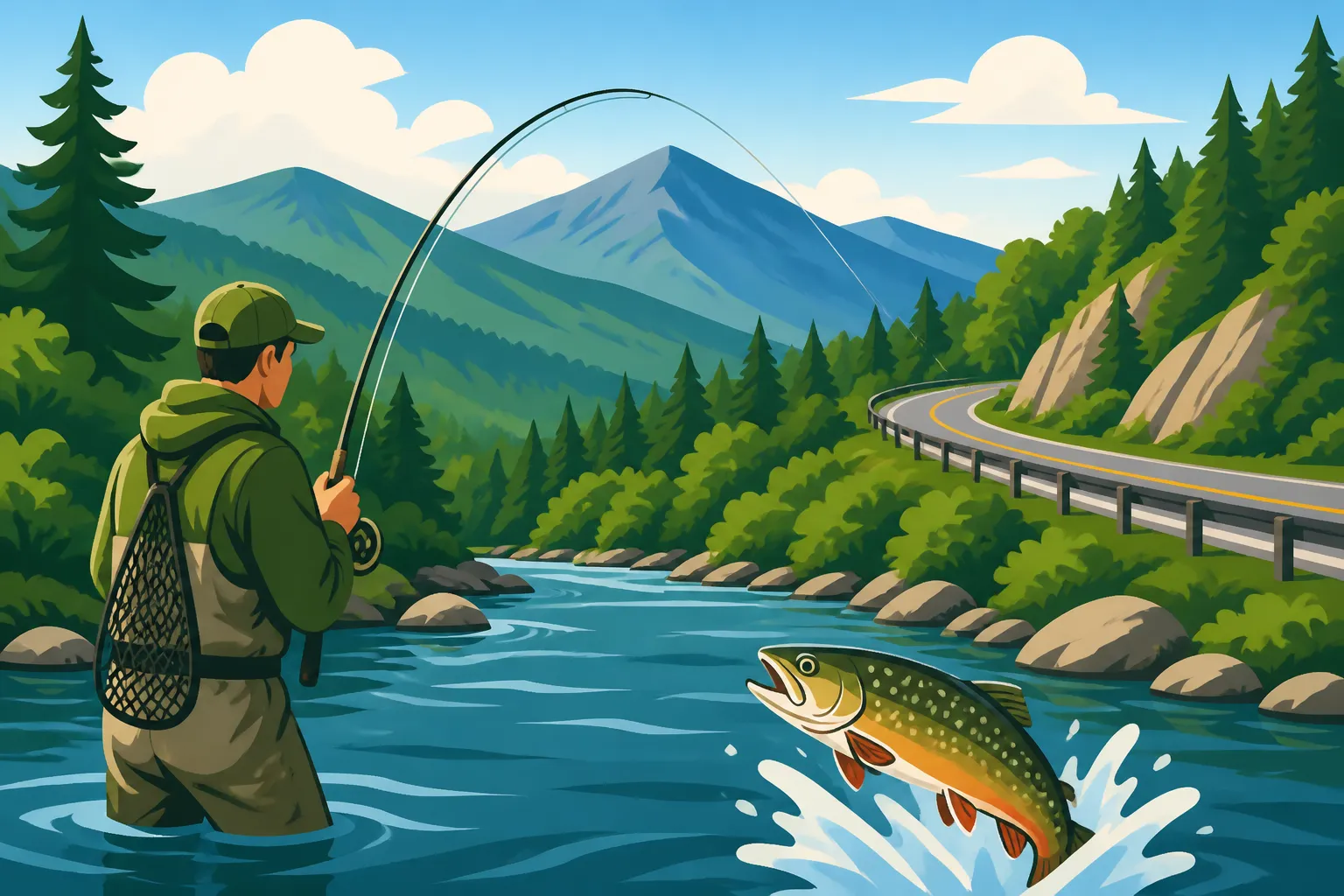
Best fishing spots along the Kancamagus Highway
Heading out to the beautiful White Mountains for a scenic drive along the Kancamagus Highway, you might be wondering if there’s more to it than just breathtaking views and hiking trails. For many anglers, the thought of combining a stunning drive with some quality fishing is incredibly appealing, but knowing exactly where to pull over and cast a line can feel like a secret handshake only the locals know. This guide is here to demystify fishing along the "Kanc," revealing the best spots and practical tips to help you turn that scenic drive into a memorable fishing adventure.
Understanding the Kancamagus Highway's Appeal for Anglers
The Kancamagus Highway (Route 112) is often celebrated for its unparalleled beauty, particularly in the fall, drawing millions of visitors each year. What many don't realize, however, is that beneath the canopy of trees and alongside the winding road, a vibrant coldwater fishery thrives. It's a true gem for those looking to escape the hustle and bustle, even if just for a few hours, and immerse themselves in the tranquility of nature with a fishing rod in hand.
The Kancamagus Corridor: A Haven for Coldwater Fish
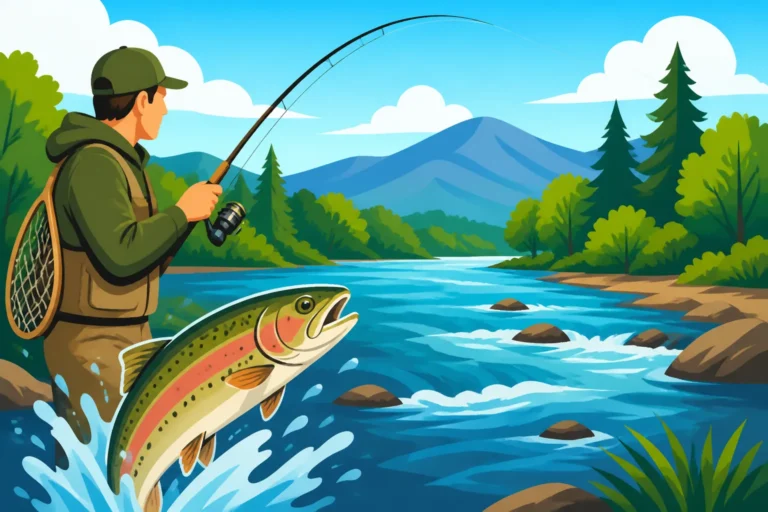
The Kancamagus, often affectionately called "The Kanc," stretches approximately 34.5 miles from Conway in the east to Lincoln in the west, cutting through the heart of the White Mountain National Forest. This area is predominantly characterized by clear, cold mountain streams and rivers, making it prime habitat for various trout species. The primary target here is often brook trout, New Hampshire's native trout, but you'll also find rainbow trout and brown trout, especially in the larger, more accessible sections that receive regular stockings.
These waters remain consistently cold, even through the summer months, thanks to their high-elevation sources and constant shade from the dense forest. This makes the Kancamagus an excellent destination for trout fishing when many lower-elevation waters become too warm. The fast-flowing nature of many of these streams means plenty of oxygen, which trout absolutely love, and a rich insect life that provides ample forage. It’s a delicate ecosystem, and understanding its nuances is key to a successful and responsible fishing trip.
Accessibility Challenges and Rewards
One of the biggest frustrations for anglers new to the Kancamagus is figuring out access. While the highway itself is easy to navigate, many of the best fishing spots require a bit of legwork. You won't always find designated parking lots right next to prime fishing holes. Often, you'll be looking for small pull-offs, trailheads, or even just a wide shoulder where it's safe to park and then hike a short distance down to the water. This can be intimidating if you're not used to it, but the reward is often a less pressured fishing experience in absolutely stunning surroundings.
There are numerous designated picnic areas and campgrounds along the Kancamagus that offer relatively easy access to the Swift River and its tributaries. These spots, while more crowded, provide a good starting point, especially for families or those with limited mobility. However, the real gems are often found by venturing a little further, seeking out those quieter bends and pools that demand a bit more effort to reach. Remember, patience and a willingness to explore are your best tools when fishing the Kanc. You'll also want to be aware of how to safely wade these sometimes-slippery mountain streams.
Top Trout Streams and Ponds Along the Kancamagus
When you think of fishing the Kancamagus, the Swift River immediately comes to mind. It's the lifeblood of the eastern side of the highway and offers some fantastic opportunities. However, there are other hidden gems if you're willing to explore.
The Swift River: A Fly Angler's Dream
The Swift River is arguably the most famous fishery along the Kancamagus Highway, running parallel to the road for a significant stretch. It’s a classic New England freestone stream, characterized by a mix of riffles, runs, and deeper pools, making it incredibly appealing for fly fishing. The New Hampshire Fish and Game Department regularly stocks various sections of the Swift River with rainbow trout and brook trout, especially in the spring and fall, ensuring a healthy population for anglers.
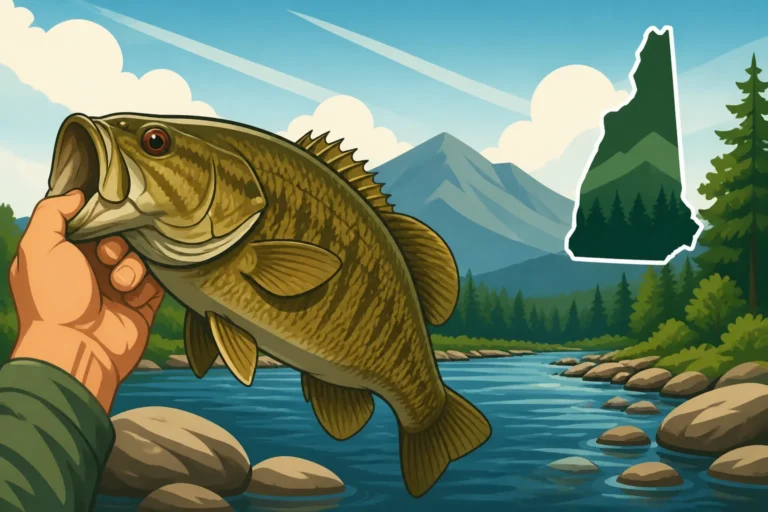
For those who enjoy fly fishing, the Swift River offers diverse opportunities. In the spring, when water levels are often higher, nymphing tactics can be incredibly effective, mimicking the aquatic insects dislodged by the current. As summer progresses and insect hatches become more prolific, you'll find excellent dry fly action, especially in the early mornings and late evenings. Smallmouth bass can also be found in the lower, warmer sections of the Swift River closer to Conway, adding a nice bit of variety if you're targeting multiple species. The river's easy access from numerous points along the Kanc makes it a popular choice, but don't let the popularity deter you – there's plenty of water to explore. If you're looking for more specific guidance, check out this comprehensive guide on Best Fly Fishing Rivers in New Hampshire.
Key Swift River Access Points:
- Champney Falls Trailhead: Offers good access to the Swift River and a scenic hike.
- Russell-Colbath House: A historic site with convenient river access.
- Covered Bridge Scenic Site: Popular for its iconic bridge and easy river access for shore fishing or wading.
- Lower Falls Scenic Area: Another popular spot with accessible pools and cascades, often stocked.
Smaller Tributaries and Hidden Gems
Beyond the main stem of the Swift River, numerous smaller tributaries feed into it, often offering more secluded and wilder fishing experiences. Streams like the Downes Brook, Sabbaday Brook, and Passaconaway Brook, while smaller in stature, can hold good numbers of native brook trout. These waters are often brushier, require more bushwhacking, and typically only support smaller fish, but the solitude and beauty of catching a wild brook trout in its natural habitat are unparalleled.
Fishing these smaller streams often means "pocket water" fishing, where you target individual pockets of calm water behind rocks or logs, where trout hold out of the main current. A stealthy approach is crucial here, as these fish are often very wary. A short, light fly rod or a ultralight spinning setup with small spinners or worms can be very effective. Always be mindful of private property signs and respect the delicate ecosystems of these pristine waters.
Pond Fishing Opportunities
While the Kancamagus is primarily known for its river and stream fishing, there are a few pond opportunities that can provide a different kind of angling experience. These ponds are often stocked and can be great for families or those looking for an easier fishing day.
Table: Kancamagus Fishing Spots Overview
| Location | Primary Species Targeted | Typical Access | Key Characteristics | Best For |
|---|---|---|---|---|
| Swift River (Main Stem) | Brook Trout, Rainbow Trout, Brown Trout, Smallmouth Bass | Easy to moderate (pull-offs, scenic areas, campgrounds) | Freestone river, varied structure, regularly stocked. | Fly fishing, spin fishing, families, wading. |
| Smaller Tributaries | Native Brook Trout | Moderate to difficult (bushwhacking, short hikes) | Secluded, wilder, smaller fish, pristine environment. | Stealthy fly fishing, ultralight spinning, solitude. |
| Lily Pond | Brook Trout, Rainbow Trout | Easy (near Lincoln) | Small, accessible pond, often stocked. | Beginners, families, bait fishing. |
Lily Pond, located just off the western end of the Kancamagus near Lincoln, is a popular spot, especially for those new to fishing or with children. It's a small, picturesque pond that is regularly stocked with trout, providing a good chance of success. It's easily accessible and offers plenty of bank fishing opportunities. Another option, though requiring a bit more driving off the main Kanc, might be some of the ponds around Bear Brook State Park, which offer a different type of experience, though not directly on the Kanc. If you're bringing the kids, make sure you know New Hampshire youth fishing license age cutoff.
Essential Gear and Techniques for Kancamagus Fishing
Fishing the Kancamagus isn't like fishing a large lake or reservoir. The relatively small, clear, and often fast-moving waters demand a specific approach and tackle. Being prepared with the right gear can make all the difference in your success and enjoyment.
Recommended Tackle and Lures
For the Swift River and its tributaries, lighter tackle is generally preferred. A 6 to 7-foot ultralight or light action spinning rod paired with a small spinning reel (size 1000-2000) spooled with 4-6 lb test monofilament or fluorocarbon line is perfect. This setup allows for accurate casting of small lures and sensitive detection of light bites.
If you're a fly angler, a 7.5 to 9-foot fly rod in a 3- to 5-weight is ideal. The 3-weight is great for delicate presentations on smaller streams, while a 5-weight offers a bit more versatility for larger dries, nymphs, and streamers on the main Swift River. Pair it with a floating line and a 7.5 to 9-foot leader tapering down to 4x, 5x, or even 6x tippet for wary trout. For more details on what to bring, consider checking out Best Gear for New Hampshire Trout Fishing.
Effective Lures and Baits:
- Spinning: Small inline spinners (Mepps, Panther Martin, Rooster Tail) in sizes #0 to #2 are deadly. Micro jigs, small spoons, and even tiny crankbaits can also be very effective. Natural baits like worms (nightcrawlers, red wigglers) are always a reliable choice, especially for stocked trout.
- Fly Fishing:
- Nymphs: Pheasant Tail, Hare's Ear, Prince Nymph, Squirmy Wormy, Caddis Larva imitations are fantastic.
- Dry Flies: Elk Hair Caddis, Adams, Parachute Adams, Stimulator, Royal Wulff, and various terrestrial patterns (ants, beetles, hoppers) are great depending on the hatch.
- Streamers: Woolly Bugger (black, olive, brown), Zonkers, and small minnow patterns can tempt larger trout, especially in deeper pools.
Remember to match the hatch if you're fly fishing, and observe what insects are active on the water. For more specialized techniques, a deep dive into Fly Fishing for Trout in New Hampshire would be beneficial.
Wading and Access Considerations
Wading is almost a necessity for effective fishing on the Kancamagus. The banks can be brushy, and getting into the water allows for better casting angles and access to prime holding lies. Breathable chest waders are highly recommended, even in summer, as the water is consistently cold. Pair them with sturdy wading boots that provide good ankle support and grip on slippery rocks. Felt soles offer excellent grip on wet rocks but can be slippery on muddy banks, while rubber soles with studs provide a good all-around option. Don't forget a wading staff for stability, especially in faster currents or unfamiliar waters. You can find more details on Best Waders for New Hampshire Trout Streams.
Always exercise caution when wading. The bottom can be uneven, and currents can be stronger than they appear. Never wade alone if possible, and always let someone know your plans. Look for safe entry and exit points, and be aware of potential hazards like deep holes or sudden drops.
Navigating Regulations and Seasons
Understanding and adhering to New Hampshire's fishing regulations is paramount. The Kancamagus Highway area falls under the general statewide regulations for freshwater fishing, but there can be specific regulations for certain waters or sections of rivers, particularly for trout. For instance, some areas might have special fly-fishing-only restrictions or different bag and length limits.
It’s crucial to consult the latest Reading the New Hampshire Freshwater Fishing Digest before your trip. This digest, published annually by the New Hampshire Fish and Game Department, is your go-to source for all rules, limits, and special area regulations. Pay close attention to trout season dates and specific daily limits. For a quick overview, you might also find this article on New Hampshire Fishing Regulations Explained helpful. A New Hampshire fishing license is required for anyone 16 years or older. You can easily purchase one online or from authorized agents. Learn more about obtaining one through the New Hampshire Fishing License Guide for 2026.
Planning Your Kancamagus Fishing Adventure
A successful fishing trip along the Kancamagus requires a bit of planning, but it's well worth the effort. From timing your visit to knowing where to stay, a little forethought can make your experience much smoother and more enjoyable.
Best Times to Visit for Trout Fishing
The Kancamagus Highway offers excellent trout fishing throughout the spring, summer, and fall, each season presenting unique opportunities and challenges.
- Spring (April-May): This is often considered prime time, especially after the ice-out. Trout are active and hungry, and many waters receive initial stockings. Water levels can be high from snowmelt, so focus on slower eddies and deeper pools. Look for information on Spring Trout Fishing Techniques for New Hampshire Ponds to get an edge.
- Summer (June-August): While popular for general tourism, summer can still offer fantastic trout fishing. Focus on early mornings and late evenings when water temperatures are coolest and insect activity is highest. Seek out shaded sections of the river or higher-elevation tributaries where water remains colder.
- Fall (September-October): Fall fishing can be spectacular, both for the foliage and the fishing. Trout become very active as they prepare for winter, and often, secondary stockings occur. The crowds for fishing tend to thin out, though the highway itself can be busy with leaf peepers.
Always check the latest New Hampshire Fishing Season Dates and Closures to ensure the waters you plan to fish are open. The weather in the mountains can be unpredictable, so pack layers and be prepared for sudden changes.
Combining Fishing with Sightseeing
One of the great joys of fishing the Kancamagus is that you're already in one of the most beautiful places in New England. It's easy to combine your angling pursuits with other activities, making it a perfect destination for a family vacation or a trip with non-fishing friends.
Popular scenic stops and short hikes abound:
- Sabbaday Falls: A short, accessible trail leads to a beautiful waterfall.
- Lower Falls Scenic Area: Great for a picnic and easy access to the Swift River.
- Lincoln Woods Trail: Offers a flat, scenic walk along the Pemigewasset River.
- Rocky Gorge Scenic Area: Features a narrow gorge and a covered bridge.
Consider making your fishing stops brief and frequent, allowing you to explore different stretches of water while also enjoying the famous vistas. This balanced approach ensures everyone in your party gets to enjoy the White Mountains.
Accommodations and Local Resources
There are numerous camping options right along the Kancamagus Highway, including several campgrounds managed by the White Mountain National Forest such as Jigger Johnson, Passaconaway, and Hancock. These provide a rustic experience, putting you right in the heart of the fishing action. Reservations are often recommended, especially during peak season and fall foliage.
If camping isn't your style, the towns at either end of the Kancamagus – Conway/North Conway to the east and Lincoln/Woodstock to the west – offer a wide range of hotels, motels, bed and breakfasts, and vacation rentals. These towns also have tackle shops where you can pick up any last-minute gear, get local advice, and purchase your fishing license. Some local outfitters even offer guided fishing trips, which can be an excellent way to learn the ropes of fishing these specific waters. When planning your trip, online booking platforms like FishingBooker can be incredibly helpful for finding local guides who specialize in fly fishing the Swift River or other nearby trout streams. They can provide insights into current conditions and ensure you're targeting the right species with the right techniques. Checking FishingBooker for local guides can take a lot of the guesswork out of your planning.
A little planning goes a long way. Use resources like the New Hampshire Fish and Game Department's website for stocking reports and maps. When researching guides or charters, sites like FishingBooker allow you to compare options and read reviews, ensuring you find an experienced local expert who can truly enhance your Kancamagus fishing experience.
Disclaimer
The information provided in this guide is for general informational purposes only and is subject to change. Always consult the official New Hampshire Fish and Game Department regulations and local authorities for the most current rules, seasons, and licensing requirements before engaging in any fishing activities. Adhere to all safety guidelines and environmental conservation practices.