New Hampshire youth fishing license age cutoff
It’s a question that trips up so many parents, grandparents, and guardians eager to introduce the next generation to the joys of angling in the Granite State: "At what age does my child actually need a fishing license in New Hampshire?" The confusion is real, especially with rules varying from state to state. This comprehensive guide will clear up exactly when your young angler needs to get their own license, ensuring your family fishing trips are always compliant and worry-free.
The Age-Old Question: New Hampshire's Youth Fishing License Cutoff
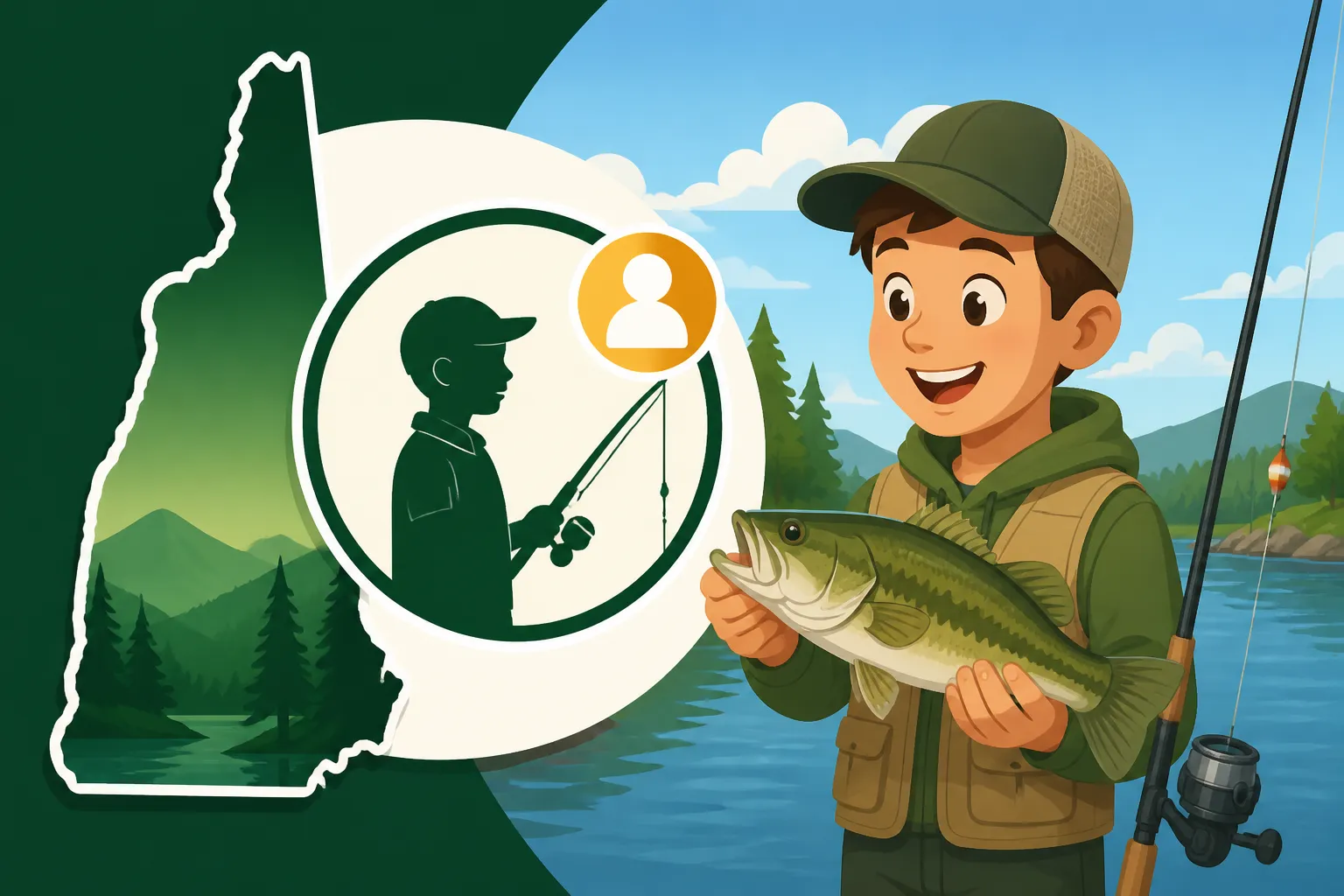
The absolute biggest point of clarity we can offer right off the bat is this: in New Hampshire, any person under the age of 16 does not need a fishing license to enjoy the state's beautiful fresh or saltwater fisheries. That's right, from the moment they can hold a tiny rod until their 16th birthday, young anglers can cast their lines freely, encouraging a lifelong love for the sport without the barrier of a license fee.
No License Required for Young Anglers (Ages 0-15)
This exemption is a wonderful policy by the New Hampshire Fish and Game Department (NHF&G) aimed at fostering participation and making fishing accessible for kids. Imagine the pure joy of watching a little one reel in their first sunfish from a local pond, or the excitement of a teenager battling a smallmouth bass on Lake Winnipesaukee, all without needing to jump through any bureaucratic hoops. This applies whether they're just dropping a worm and bobber into a backyard stream or learning how to fly cast on a designated trout pond.
It's important to understand that this rule covers both freshwater and saltwater fishing within New Hampshire. So, whether your plans involve chasing trout in the Swift River or trying for striped bass in Great Bay, if your child is under 16, they're good to go without a license. This makes family vacations to the Lakes Region or the Seacoast incredibly straightforward for fishing enthusiasts with kids. This fantastic opportunity means that if you're planning a trip, you only need to worry about your own New Hampshire Fishing License Guide for 2026 and not your little ones.
The intent behind this is clear: remove barriers. Kids don't have jobs, and expecting parents to shell out for multiple licenses for all their children could quickly become cost-prohibitive. This "free fishing for kids" approach means more families get out on the water, creating memories and building a connection with nature.
What Happens at Age 16
The magic number for fishing licenses in New Hampshire is sixteen. The moment your child celebrates that milestone birthday, they transition from a license-exempt youth to an adult angler in the eyes of the law. This means that from their 16th birthday forward, they must possess a valid New Hampshire fishing license to legally fish in any of the state's waters.
This transition can sometimes catch families off guard. One day, your 15-year-old is fishing without a care in the world; the next, after their birthday, they’re legally required to have a license. It’s a common point of confusion, especially if other states have different age cutoffs. For instance, some states might require a license at 12 or 14, while others might extend the free period even longer. New Hampshire's consistent "under 16" rule is generally easy to remember once you know it. This makes it crucial to understand the broader New Hampshire Fishing Regulations Explained as your child approaches this age.
The reason for the age 16 cutoff aligns with many federal and state regulations across various activities. It's often considered the age of early adulthood where individuals start taking on more responsibilities, including compliance with recreational permits. It helps support the conservation efforts of the NHF&G, as license fees directly fund fish stocking, habitat restoration, and enforcement that benefit all anglers.
Why the Age 16 Cutoff and What it Funds
You might wonder why 16 is the chosen age. It's a fairly common standard across the United States for various youth-to-adult transitions. From a regulatory perspective, it provides a clear and consistent benchmark. From a financial standpoint, the revenue generated from licenses purchased by those 16 and older is absolutely vital for the sustainability of New Hampshire's fisheries.
The funds collected from fishing license sales go directly back into managing and improving the state's fishing opportunities. This includes:
- Fish Stocking Programs: The NHF&G actively stocks various species, particularly trout, into numerous lakes, ponds, and rivers across the state. These stockings ensure robust fishing opportunities, especially in heavily fished areas. You can often find details on their New Hampshire Trout Stocking Report and Map.
- Habitat Management: Protecting and enhancing aquatic habitats, from stream banks to lake bottoms, is crucial for fish populations. License fees help fund these critical projects.
- Research and Monitoring: Scientists use these funds to study fish populations, understand their health, and adapt management strategies to ensure long-term sustainability.
- Enforcement: Conservation officers, often seen patrolling our lakes and rivers, ensure that everyone follows the rules, protecting our natural resources for future generations.
- Access Development: Creating and maintaining public boat launches, fishing piers, and shoreline access points also benefit from license revenues.
So, when your 16-year-old buys their first license, they're not just buying a piece of paper; they're investing directly into the future of New Hampshire fishing, ensuring that their kids and grandkids will have the same, if not better, opportunities to enjoy the sport.
Navigating the Transition to a Licensed Angler
Turning 16 is a big deal, and for an enthusiastic young angler, it means taking the next step in their fishing journey: getting their very own license. This transition can be a seamless one if you understand the options and process.
Planning Ahead for the 16th Birthday
It's a fantastic idea to mark that 16th birthday on your calendar not just for cake and presents, but as a reminder that a fishing license is now on the horizon. Some families even make getting the first license part of the birthday celebration! It can be a symbolic moment, signifying a deeper commitment to the sport and the responsibilities that come with it.
If your soon-to-be 16-year-old is a keen angler, discussing this requirement beforehand can help them feel more involved and prepared. It’s also an excellent opportunity to reinforce the importance of conservation and how license fees contribute to healthy fisheries. You might even consider purchasing a fishing-related gift from Amazon, like a new rod and reel combo, a specialized tackle box, or a collection of lures, to accompany their brand-new license.
Different License Options for New Anglers
Once they hit 16, your now-adult angler will need to decide what kind of license best suits their fishing habits. New Hampshire offers several options, primarily:
- Annual Fishing License: This is the most common choice for regular anglers. It’s valid for the entire calendar year (January 1st through December 31st). For a 16-year-old who fishes frequently, this is usually the most cost-effective option. You can look into the New Hampshire resident fishing license cost 2026 or New Hampshire nonresident fishing license cost 2026 depending on their residency status.
- Combination Hunting and Fishing License: If your 16-year-old also enjoys hunting, a combination license offers convenience and often a slight cost saving compared to purchasing both separately. Details on these are available in New Hampshire Combination Hunting and Fishing License Options.
- Nonresident Short-Term Licenses: While an annual license is usually best for a dedicated 16-year-old, if they're a nonresident and only plan to visit New Hampshire for a very short period (e.g., a one-week family vacation), short-term options like 1-day, 3-day, or 7-day licenses might be available. However, for a 16-year-old who will be fishing regularly, the annual license is typically more economical and hassle-free.
It's worth noting that New Hampshire also offers specific rules for things like a New Hampshire Saltwater Fishing License, Explained, but for ages under 16, the exemption generally applies across the board for typical recreational fishing.
How to Acquire a License for a 16-Year-Old
Getting a fishing license in New Hampshire is a straightforward process. Your 16-year-old has a few convenient ways to secure their permit:
- Online: The easiest and most popular method is to purchase a license directly from the NHF&G website. This can be done 24/7 from the comfort of your home. They simply need to create an account, select the desired license, and pay with a credit card. You can find more specific instructions in our guide on How to Buy a Fishing License Online in New Hampshire.
- Authorized License Agents: Numerous bait and tackle shops, sporting goods stores (like some larger retailers), and town clerks across New Hampshire are authorized license agents. This is a great option if you prefer to purchase in person or want to pick up some bait or gear at the same time. The staff at these locations can usually answer any quick questions you might have about the process.
- NH Fish and Game Department Headquarters: You can also purchase a license in person at the NHF&G headquarters in Concord during business hours.
When purchasing, your 16-year-old will need to provide some basic information, including their name, address, date of birth, and proof of residency if they are claiming the resident rate. This usually involves a New Hampshire driver's license or state ID. For nonresidents, a valid ID from their home state is sufficient. Make sure they understand the distinction between Resident vs Nonresident Fishing License Costs in New Hampshire as the prices can differ significantly.
Common Scenarios and Important Considerations
Even with the clear age cutoff, specific situations can lead to further questions. Let's tackle some of these common scenarios to ensure you're fully prepared for your next fishing adventure.
Fishing with an Adult Who Has a License
A common misconception is that if an adult with a valid license is present, then any accompanying child (regardless of age) is also covered. While it's true that a child under 16 doesn't need their own license, the adult must possess a valid New Hampshire fishing license if they are actively participating in fishing. If the adult is merely supervising and not fishing themselves, then they technically wouldn't need a license, but this is a rare scenario for fishing trips!
The key is that the child's exemption is independent of the adult's license status. It's about their age, not who they are with. This rule applies uniformly, making it simpler for families to hit the water. However, it's crucial that all individuals, regardless of age, adhere to other regulations such as New Hampshire Bag and Possession Limits by Species and size restrictions.
Non-Resident Youth Visiting New Hampshire
One of the most appealing aspects of New Hampshire's youth fishing license policy is its inclusivity for non-residents. Just like resident youth, non-resident children under the age of 16 do not need a fishing license to fish in New Hampshire waters. This is fantastic news for families visiting New Hampshire from out of state for a vacation!
Whether you're from Massachusetts, New York, or anywhere else, your kids can enjoy the same license-free fishing opportunities as local youth. This makes New Hampshire an incredibly family-friendly destination for fishing trips. Once that non-resident youth turns 16, they will then need to purchase a non-resident annual or short-term fishing license, which will cost more than a resident license. This highlights why understanding New Hampshire Fishing License Age Requirements is so important for all visitors.
Catch and Release vs. Keeping Fish
The license exemption for youth under 16 applies whether they are fishing for sport (catch and release) or planning to keep their catch (within legal limits). However, this exemption does not excuse them, or the supervising adult, from following all other New Hampshire fishing regulations. This includes:
- Season Dates: Ensuring fishing takes place during open seasons for specific species.
- Size Limits: Adhering to minimum or maximum length requirements for certain fish.
- Bag Limits: Not exceeding the daily limit on the number of fish kept per species.
- Gear Restrictions: Using only legal tackle and methods (e.g., no snagging).
- Special Regulations: Being aware of rules on specific water bodies, such as certain catch-and-release-only sections or waters with unique limits.
It’s the supervising adult’s responsibility to ensure that all rules are followed, regardless of the child’s age. Ignorance of the law is never an excuse, so make sure you've reviewed the current year's Reading the New Hampshire Freshwater Fishing Digest before heading out.
Gear and Preparing for the First License
Getting started fishing doesn't require a huge investment, especially for young anglers. For those just beginning, simple spin-casting outfits are perfect. You can find excellent starter kits online, often with great reviews on Amazon, that include a rod, reel, line, and a small tackle box with basic lures or hooks and bobbers. Look for affordable, durable starter kits, often found with great reviews on Amazon, to get them hooked without a huge investment. Brands like Ugly Stik or Shakespeare offer reliable options that can withstand the enthusiasm of a new angler.
As your child approaches 16, their gear preferences might become more sophisticated. This is a great time to upgrade their equipment. For those turning 16, consider browsing Amazon for a new tackle box or a specialized lure as a celebratory gift to go along with their first official license. Many anglers find supplementary guidebooks, often available on Amazon, helpful for understanding local nuances of various fishing spots or techniques. If you're unsure about specific gear or need recommendations for quality, budget-friendly options, reading reviews on sites like Amazon can be a great starting point.
Remember, fishing is more than just catching fish; it's about learning patience, respecting nature, and creating lasting memories. Getting that first license at 16 is a rite of passage, marking a deeper step into the world of angling.
New Hampshire Youth Fishing License Age Requirements Summary
Here's a quick reference table to make things super clear regarding New Hampshire's youth fishing license age requirements:
| Age Range | Freshwater License Required? | Saltwater License Required? | Notes |
|---|---|---|---|
| 0-15 years old | No | No | Applies to both residents and non-residents. Must follow all other regulations. |
| 16 years old and older | Yes | Yes | Requires a valid annual, short-term, or combination license (resident/non-resident). |
This table should serve as a handy reminder for anyone wondering about the specifics of the age cutoff in the Granite State.
Disclaimer
The information provided in this guide is for general informational purposes only and is subject to change. While we strive to keep our content accurate and up-to-date, fishing regulations can be complex and are regularly updated by the New Hampshire Fish and Game Department. Always consult the official NHF&G website or the current New Hampshire Freshwater Fishing Digest for the most accurate and legally binding information before engaging in any fishing activities.