Best Baits for Smallmouth Bass on Winnipesaukee
Lake Winnipesaukee smallmouth bass are notoriously finicky, often leaving anglers scratching their heads despite being on prime structure. It’s a common frustration to see fish on your sonar but fail to entice a bite, a clear sign that bait selection and presentation are paramount. This comprehensive guide will peel back the layers of successful smallmouth fishing on Winnipesaukee, diving deep into the most effective live and artificial baits, finesse techniques, and seasonal strategies to help you consistently hook into these hard-fighting beauties.
Understanding Lake Winnipesaukee Smallmouth Behavior
Before you even think about tying on a bait, it's absolutely crucial to understand the smallmouth bass themselves and how they interact with their environment on a massive, complex lake like Winnipesaukee. This isn't just about throwing something in the water and hoping for the best; it's about making informed decisions that dramatically increase your chances of success. Lake Winnipesaukee offers a diverse underwater landscape, and smallmouth bass movements and feeding patterns are heavily influenced by it.
Habitat and Structure Preferences
Smallmouth bass are quintessential structure-oriented fish, and Winnipesaukee, with its rocky bottoms, submerged humps, ledges, and countless islands, provides an abundance of ideal homes for them. They thrive in clear, cool water with plenty of oxygen and a good mix of shallow and deep-water access. You'll often find them patrolling rocky points, deep humps that rise off the main lake basin, and along transitional areas where hard bottom meets softer sediment. Think about areas with a mix of boulders and broken rock, especially those that drop off quickly into deeper water. These spots offer both ambush points for feeding and quick escapes from predators, or shelter from harsh conditions. Look for underwater contours that create current breaks or provide distinct changes in depth, as these are natural highways and congregating spots for smallmouth. Submerged timber, though less common in the main basin, can also hold fish in certain coves and bays, providing crucial overhead cover. Identifying these key structural elements on your sonar or mapping system is the first step in narrowing down where the fish might be.
Forage Base and Diet Influence
The diet of smallmouth bass on Lake Winnipesaukee is incredibly varied and directly impacts which baits will be most effective. Their primary forage includes rainbow smelt, yellow perch, juvenile lake trout, and an abundance of crayfish. When you think about a smallmouth's meal ticket, you'll start to understand why certain baits excel. Rainbow smelt, for instance, are a key food source, especially in the deeper, colder parts of the lake. This makes slender, silver-colored baits that imitate smelt incredibly productive. Perch, with their distinctive patterns, also make up a significant portion of their diet, particularly in shallower, rockier areas. And let's not forget the humble crayfish; these crustaceans are a staple, often found scurrying around the same rocky bottom that smallmouth prefer. This means baits that mimic the appearance and movement of crayfish – be it a brown jig or a soft plastic creature bait – can be absolutely deadly. Understanding what's on the menu helps you "match the hatch," so to speak, presenting a meal that the smallmouth are actively hunting for.
Seasonal Movements and Feeding Patterns
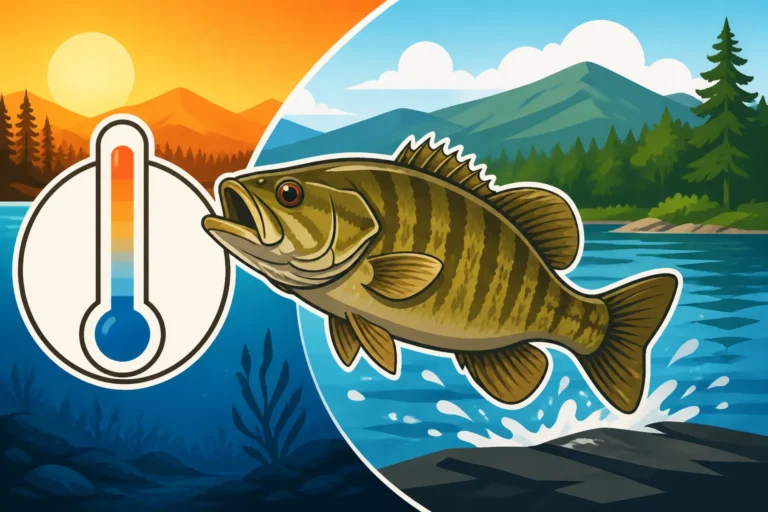
Smallmouth bass on Winnipesaukee are constantly on the move, dictated by water temperature, available forage, and spawning cycles. Their behavior shifts dramatically throughout the year. In early spring, right after ice-out, they'll often be found transitioning from deeper wintering grounds to shallower, sun-warmed rocky areas, preparing for the spawn. During this pre-spawn phase, they are often aggressive and feeding heavily to build energy. The spawn itself sees them on shallow gravel and rock flats, guarding nests. Once the spawn is complete, many will disperse to deeper structures, though a good number will remain shallower, especially during low-light conditions.
Summer brings them to deeper, cooler water during the heat of the day, often suspending over structure or relating to thermoclines. Early mornings and evenings might see them push shallower to feed. As autumn approaches and water temperatures begin to drop, they enter an intense fall feeding frenzy, aggressively chasing baitfish to put on weight for the upcoming winter. Finally, in winter, under the ice, they'll typically congregate in deeper holes and on structure, becoming less active but still catchable with the right approach. Understanding these seasonal changes, as detailed in our guide to New Hampshire Fishing Seasons by Month, is paramount to choosing the right bait and technique at the right time.
The Tried-and-True Live Baits for Winnipesaukee Smallmouth
While artificial lures certainly have their place, there's an undeniable effectiveness to live bait when it comes to tempting reluctant smallmouth bass on Lake Winnipesaukee. There are days when nothing else will get a bite, and having a bucket of lively bait can save your trip. The natural scent, movement, and taste are often irresistible to even the most pressured fish.
Shiners and Minnows: The Gold Standard
When it comes to live bait for Winnipesaukee smallmouth, shiners and minnows are hands down the most popular and often the most effective choice. Specifically, golden shiners, emerald shiners, or even local baitfish like juvenile perch can be absolute dynamite. Why? Because they perfectly mimic the natural forage that smallmouth routinely consume, especially rainbow smelt. Their erratic swimming action and subtle flashes in the clear Winnipesaukee water are incredibly appealing.
You can fish shiners in a few different ways. One common method is to rig them on a simple hook (size #1 or #2 octopus hook works well) with a split shot or two, allowing them to swim freely near rocky points, drop-offs, or submerged humps. This allows the bait to cover some water naturally. Another highly effective technique, especially for suspended smallmouth, is to use them under a slip bobber. This lets you present the shiner at a precise depth, which is critical when fish are holding at a specific level, perhaps around the thermocline in summer or just off a deep rock pile. The key is to keep them lively; fresh, healthy bait makes a huge difference. You can often find these at local bait shops around the lake, or sometimes even through online retailers on platforms like Amazon if you're looking for bait buckets and aerators to keep them kicking.
Crayfish: A Natural Delicacy
If you've ever flipped over a rock on a shallow, rocky flat in Winnipesaukee, chances are you've seen crayfish scurrying away. These crustaceans are a natural and highly prized food source for smallmouth bass. A smallmouth won't pass up a juicy crayfish, making them an exceptional live bait choice, especially when fish are relating to the bottom or feeding aggressively on structure.
You can often catch your own crayfish in shallow rocky areas with a simple net or trap, which adds a fun, DIY element to your fishing trip. When fishing with live crayfish, it's best to hook them through the tail, being careful not to hit the main vein, or lightly through the carapacal plate on the back. This allows them to move naturally along the bottom. Present them with a light split shot or on a small jig head, allowing them to crawl and twitch near rocky ledges, boulder fields, or gravel bottoms. Smallmouth often pick them up and "crush" them, so a strong hookset is important. Fishing them around dusk or dawn can be particularly effective, as crayfish are more active during these times, and smallmouth are often patrolling the shallows.
Worms and Leeches: Versatile Producers
While shiners and crayfish often get the spotlight, don't underestimate the power of simpler live baits like nightcrawlers and leeches. These are universal fish catchers, and smallmouth bass are certainly no exception. They offer a more subtle presentation and can be incredibly effective when fish are less aggressive or when you're fishing in areas with mixed species.
Nightcrawlers, in particular, can be very good, especially during spring and after rain events when their scent might be more prevalent in the water. You can rig them whole, threaded onto a hook, or even "wacky rigged" (hooked through the middle) for a unique, wriggling action. Leeches, though perhaps less appealing to some anglers, are truly phenomenal for smallmouth. They are incredibly tough, stay alive on the hook for a long time, and have a natural, undulating motion that smallmouth find irresistible. They are also fantastic for slow presentations, like dragging them along the bottom on a small jig head or under a bobber. Their dark profile against the clear water can be very enticing. Both nightcrawlers and leeches are easily obtainable at most bait shops, and even from online suppliers for specialized rigging tools or leech traps. Their versatility makes them a great option to keep in your cooler as a backup, or even as a primary bait when the bite is tough.
Top Artificial Lures for Aggressive Winnipesaukee Smallmouth
When Lake Winnipesaukee smallmouth are in an aggressive mood, chasing down baitfish, artificial lures can be incredibly effective and offer the thrill of feeling that strike directly through your rod. Modern lure technology gives anglers a huge advantage, allowing for specific presentations that mimic prey in various conditions. Mastering these lures is key to consistent success.
Jerkbaits and Crankbaits for Covering Water
Jerkbaits and crankbaits are absolute staples for smallmouth anglers on Winnipesaukee, especially when fish are actively feeding and spread out. They are fantastic for covering a lot of water quickly and eliciting reaction strikes from even cautious fish.
-
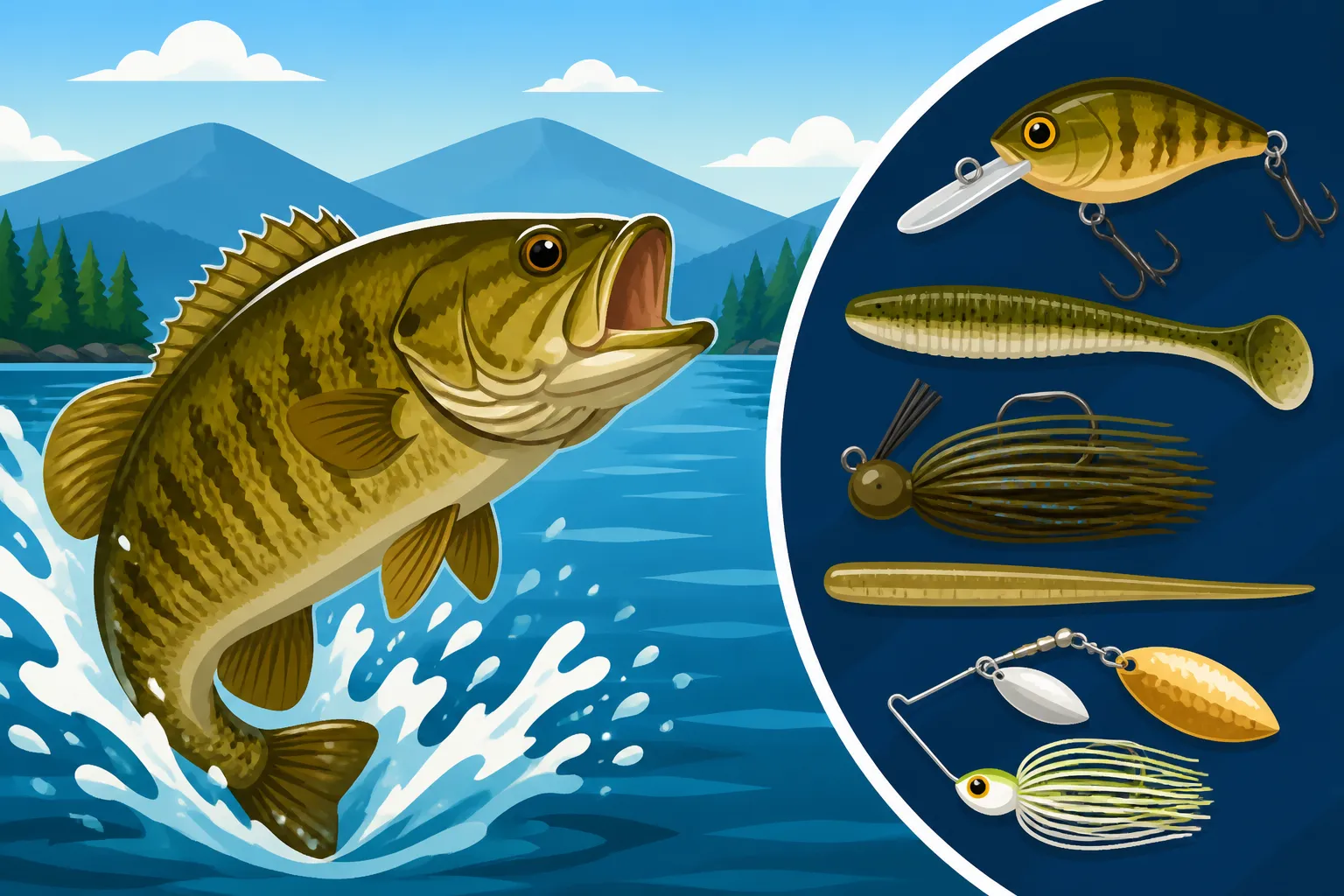
Jerkbaits: These slender, lipped lures are designed to be fished with a "jerk-jerk-pause" retrieve, mimicking a wounded baitfish. The pause is often when a smallmouth will strike, as the lure suspends tantalizingly in the water column. For Winnipesaukee's clear waters, natural baitfish patterns like silver/blue, perch, or ghost minnow are highly effective. Brands like Rapala (X-Rap) or Megabass (Vision 110) are popular choices, known for their darting action and suspending capabilities. Fishing them over rocky points, around submerged islands, or along deep-water humps can be incredibly productive, particularly in the spring and fall when smallmouth are shallower and more aggressive. The key is to experiment with the length of your pauses; sometimes a short twitch-twitch-pause works, other times a longer, more dramatic pause is what triggers a strike.
-
Crankbaits: These lures come in various shapes and sizes, designed to dive to specific depths. Shad-profile or crayfish-pattern crankbaits are excellent for smallmouth. For shallow to medium depths, squarebill crankbaits that deflect off rocks can be incredibly effective at drawing strikes. For deeper smallmouth, especially during the summer months, deep-diving crankbaits that can reach 15-25 feet are essential. Look for natural colors in clear water, but don't shy away from brighter colors on overcast days or in slightly stained water. Trolling crankbaits can also be a highly effective way to locate scattered fish on the vastness of Winnipesaukee, particularly for those targeting Lake Winnipesaukee Smallmouth Bass Fishing.
Topwater Lures: The Thrill of the Strike
There's truly nothing quite like a smallmouth blowing up on a topwater lure. It's an explosive, heart-stopping strike that every angler lives for, and Winnipesaukee offers prime conditions for it, especially during low-light hours or on calm days.
- Poppers and Chuggers: These lures create a commotion on the surface, pushing water and making a "chugging" or "popping" sound that mimics a struggling baitfish or a frog. Their erratic movement can draw fish from surprising distances. Work them with short jerks and pauses, letting the ripples dissipate before the next twitch.
- Walk-the-Dog Lures: Spook-style baits like the Heddon Super Spook or various Z-Man models are designed to be retrieved with a continuous, side-to-side "walking" action. This imitates a baitfish struggling or fleeing on the surface. These are excellent for covering larger areas of shallow water, especially around docks, rocky shorelines, and over submerged weed beds where smallmouth might be lurking.
- Prop Baits: Lures with small propellers at the front and/or back create a buzzing, sputtering noise and leave a bubble trail, mimicking a distressed baitfish. These can be particularly effective on calm mornings when smallmouth are less wary.
Topwater action is often best at dawn and dusk, or on cloudy days, as the reduced light makes fish feel more comfortable coming to the surface. It's a visual way to fish, so make sure you have polarized sunglasses to spot strikes and follow your lure. Our guide on Topwater Fishing for Smallmouth Bass in New Hampshire delves deeper into these exciting techniques.
Spinnerbaits and Swim Jigs for Varying Depths
Spinnerbaits and swim jigs are excellent choices for fishing through cover, over submerged vegetation, or around rocky transitions where smallmouth might be holding. They offer versatility in presentation and can be fished effectively at various depths.
- Spinnerbaits: With their flashy blades (Colorado, Willow, or Indiana styles) and skirted bodies, spinnerbaits create a lot of vibration and visual appeal. They're fantastic for fishing around rocky outcrops, submerged timber (if you can find it), or along weed lines. Their weedless design means you can often retrieve them through snags where other lures might get hung up. Gold blades are often great on cloudy days or in stained water, while silver blades shine in bright sunlight and clear water like Winnipesaukee. Vary your retrieve speed to find what the fish prefer, sometimes a slow roll is best, other times a burning retrieve can trigger a reaction strike.
- Swim Jigs: These jigs typically have a lead head, a soft plastic skirt, and are often paired with a soft plastic trailer (like a grub or a small swimbait). They're designed to be retrieved steadily through the water column, imitating a swimming baitfish. Swim jigs are incredibly versatile; you can fish them shallow or deep, around cover, or in open water. They offer a more subtle profile than a spinnerbait but still provide a lifelike action. Natural colors like green pumpkin, brown, or black and blue are often highly effective, especially when paired with a matching trailer. The weight of the jig head allows you to control the depth and retrieve speed, making them adaptable to different situations on Lake Winnipesaukee.
| Lure Type | Best Conditions | Mimics | Retrieve Style | Pros | Cons |
|---|---|---|---|---|---|
| Jerkbaits | Clear water, cool to moderate temps, suspended fish | Wounded baitfish | Jerk-jerk-pause, varying pauses | Excels at triggering reaction strikes, covers water | Can be tricky to master retrieve, not ideal in heavy cover |
| Deep Crankbaits | Deeper water, summer, targeting main lake structure | Shad, perch | Steady retrieve, occasional pauses, bumping structure | Excellent for deep fish, finds contact with bottom | Can get snagged on very rocky bottoms, depth limited |
| Topwater | Calm water, low light (dawn/dusk), aggressive fish | Struggling bait | Popping, walking, sputtering | Explosive strikes, visually exciting, good over shallow cover | Less effective in choppy water or bright sun, limited depth |
| Spinnerbaits | Around cover (rocks, weeds), windy conditions | Baitfish | Steady retrieve, slow roll, burning | Good in wind/stained water, weedless, creates vibration | Less natural profile in ultra-clear water, can twist line |
| Swim Jigs | Versatile, around cover, imitating baitfish | Baitfish, crayfish | Steady retrieve, jigging | Subtle profile, weedless, good in various depths and covers | Requires matching trailer for optimal action, can be subtle bite |
Finesse Techniques and Baits for Challenging Conditions
There are plenty of days on Lake Winnipesaukee when the smallmouth are tight-lipped, highly pressured, or simply not in an aggressive mood. This is when finesse techniques become your secret weapon. Instead of trying to force a reaction strike, you're offering a subtle, enticing meal that even a lethargic smallmouth can't resist.
Drop Shots and Ned Rigs for Pinpoint Presentation
When precision and subtlety are key, the drop shot and Ned rig are hard to beat. They allow you to present a small, natural-looking bait directly in a smallmouth's strike zone with minimal action, often leading to bites when nothing else works.
-
Drop Shot: This rig involves tying a hook directly to your main line (often with a Palomar knot), leaving a tag end to which you attach a weight. This allows your bait to suspend horizontally at a chosen depth, completely independent of the weight on the bottom. It's phenomenal for presenting small soft plastics like straight-tail worms, minnow imitations, or small creature baits. The drop shot is incredibly effective for vertical fishing over deep rock piles, humps, or suspended fish. You can fish it by gently shaking your rod tip to impart subtle action to the bait, or simply let it sit, allowing the boat's movement to give it natural sway. The key is to keep your bait directly in the fish's face, making it easy prey. Check out our guide on Best drop shot rig for New Hampshire smallmouth for specific rigging advice.
-
Ned Rig: This technique utilizes a small, buoyant mushroom-head jig paired with a short, soft plastic stickbait (typically 2.75 to 3 inches). The buoyancy of the plastic, combined with the jig head, makes the bait stand straight up off the bottom, mimicking a foraging minnow or a small crayfish. The Ned rig is incredibly effective for pressured fish, cold water, or when fishing sparse cover. It's often fished with a slow drag, hop, or dead stick retrieve, letting the bait do its subtle work. Its minimalist profile and enticing upright presentation can coax bites from the most hesitant smallmouth. Green pumpkin, black, and natural baitfish colors are excellent choices.
Tube Jigs and Grubs: Bottom Bouncers
Tube jigs and grubs are classic smallmouth baits for a reason: they consistently catch fish, especially when smallmouth are feeding on the bottom or seeking refuge in rocky crevices. Their compact profile and unique actions are highly appealing.
-
Tube Jigs: These soft plastic hollow tubes, typically 3-4 inches long, are threaded onto a jig head. When retrieved, they spiral and dart erratically, mimicking a fleeing crayfish or a small baitfish. Tubes are fantastic for fishing rocky bottoms, skipping under docks, or probing submerged structure. The spiral fall of a tube jig is often what triggers a strike on Winnipesaukee. Natural colors like green pumpkin, brown, smoke, or black with silver flake are excellent choices. You can hop them, drag them, or even swim them along the bottom. For a deep dive into specific colors, our article on Best tube jig color for smallmouth bass has more details. The internal jig head helps it resist snags, making it a good choice for working through rocky areas.
-
Grubs (Single-Tail and Paddle-Tail): Simple yet effective, grubs are soft plastic baits with a single curly tail or a paddle tail. Rigged on a jig head, they create vibration and a swimming action that can be irresistible. Single-tail grubs offer a subtle, undulating motion perfect for a slow retrieve, while paddle-tail grubs (often called swimbaits) create more thumping vibration and a broader swimming action. They are incredibly versatile and can be fished shallow or deep, slowly or quickly. Grubs are a great option for targeting smallmouth that are feeding on smaller baitfish or when you need a compact, unassuming presentation. Try pearl white, smoke, or green pumpkin colors on Winnipesaukee.
Senkos and Wacky Rigs: Subtle Seduction
For pure, unadulterated subtlety and a natural fall, nothing beats a Yamamoto Senko or a similar stickbait, especially when fished wacky style. These baits are designed to catch fish with minimal angler input, making them perfect for when smallmouth are being particularly finicky.
- Senkos: The original stickbait, the Yamamoto Senko, is famous for its unique wobble and tantalizing slow fall. Made with a high salt content, it sinks horizontally with a natural, shimmying action that fish find irresistible. While often rigged Texas-style for weedless presentations, for Winnipesaukee smallmouth in open water or around sparse cover, a wacky rig is often the most productive.
- Wacky Rig: This involves hooking the Senko (or similar stickbait) directly through the middle, allowing both ends to wiggle seductively as it falls. The slow, natural descent is key; many strikes occur on the fall. Simply cast it near structure—a rocky point, a dock, or a submerged tree—and let it sink on a semi-slack line. Watch your line carefully for any twitch or movement, as this indicates a bite. The lack of weights means a very natural, almost weightless presentation. After it hits the bottom, you can gently twitch it a few times and let it fall again. This method is incredibly effective for tempting cautious smallmouth and is often used by seasoned anglers when the bite is tough. Green pumpkin, watermelon, and natural black/blue colors are great choices for the clear waters of Winnipesaukee.
Seasonal Bait Strategies for Winnipesaukee Smallmouth
Fishing for smallmouth on Lake Winnipesaukee isn't a "one bait fits all" scenario. Their behavior, depth, and preferred forage change dramatically with the seasons, meaning your bait selection needs to adapt right along with them. Understanding these seasonal shifts is crucial for consistent success.
Spring Pre-Spawn and Spawn Tactics
Spring on Lake Winnipesaukee is a time of transition and high anticipation for smallmouth anglers. As the ice recedes and water temperatures begin to climb, smallmouth move from their deep wintering grounds to shallower, sun-warmed areas in preparation for spawning. This pre-spawn phase is often characterized by aggressive feeding.
- Pre-Spawn (Water Temps 40-55°F): Smallmouth are looking to bulk up. This is a prime time for covering water with moving baits. Jerkbaits are absolutely deadly, mimicking the smelt and other baitfish that smallmouth are actively hunting. Fish them over rocky points, humps, and along transitioning depths, employing a "jerk-jerk-pause" retrieve with slightly longer pauses in colder water. Deep-diving crankbaits can also be effective for probing those deeper staging areas where fish might be congregating before moving shallower. Spinnerbaits retrieved slowly over rocky flats can also draw strong strikes. When fish are found, vertical presentations like blade baits or Ned rigs can pick off hesitant fish.
- Spawn (Water Temps 55-65°F): Once water temperatures reach the mid-50s, smallmouth move onto shallow gravel and rocky flats to build nests and spawn. While regulations often prohibit targeting spawning fish directly or keeping them, understanding their location is key for pre and post-spawn success. For instance, knowing where they spawn allows you to target staging areas nearby just before they move onto beds. When fish are guarding beds, they become very territorial and will often strike anything that encroaches. Small tube jigs, Ned rigs, or a wacky-rigged Senko pitched near beds can trigger defensive strikes, but remember to practice catch-and-release with extreme care to protect the fishery. Our guide on When smallmouth bass spawn in New Hampshire provides more details on timing.
Summer Deep Water and Early Morning Bites
Summer on Winnipesaukee brings warmer surface temperatures, pushing smallmouth into deeper, cooler water during the heat of the day. However, they'll still venture shallower during prime feeding windows.
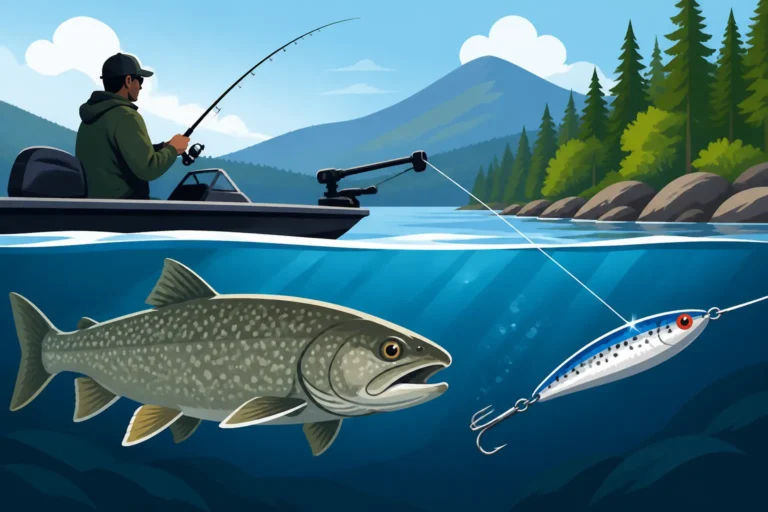
- Deep Water Strategies (Mid-Day): When the sun is high and bright, smallmouth will often suspend over deep structure or relate tightly to rocky humps and ledges in 20-40 feet of water. This is where a good fish finder is invaluable. Vertical presentations excel here. Drop shots rigged with small minnow imitations or straight-tail worms are incredibly effective for placing a bait directly in front of these deeper fish. Jigging spoons or blade baits can also draw strikes from aggressive deep-water smallmouth. Trolling deep-diving crankbaits or using downriggers with spoons or live bait can also be a productive way to cover water and locate scattered fish in these deeper zones.
- Early Morning and Evening Bites (Shallower): During low-light periods—dawn, dusk, or on heavily overcast days—smallmouth will often move shallower to feed. This is prime time for topwater action. Walk-the-dog lures, poppers, and prop baits can be deadly when fished over rocky flats, near docks, or along shoreline structure. As the sun gets higher, transition to jerkbaits, smaller crankbaits, or even swim jigs fished closer to those deeper transition zones. This diurnal movement is a key pattern to exploit during the summer months.
Fall Feeding Frenzy Baits
Autumn on Lake Winnipesaukee is arguably one of the best times to target smallmouth bass. As water temperatures cool (50-65°F), the fish enter an intense feeding frenzy, gorging themselves on baitfish to build up fat reserves for winter. They become incredibly aggressive and can be found both shallow and deep.
- Aggressive Reaction Baits: This is a fantastic time for covering water with fast-moving lures. Jerkbaits remain a top producer, often with a quicker retrieve and shorter pauses than in spring. Deeper diving crankbaits can be fantastic for hitting those main lake humps and points where baitfish are congregating. Spinnerbaits and swim jigs are also excellent for working rock piles and remaining vegetation. Smallmouth will often chase down and violently strike these offerings.
- Baitfish Imitations: With smelt and perch being key forage, any bait that closely imitates these will be effective. Look for natural silver, blue, or perch patterns in your artificials. Live bait, particularly shiners, can be exceptionally good during this time, especially on a quick-strike rig for active fish. Fishing them under a bobber or free-lining them near concentrations of baitfish can yield impressive results. Focus on areas where you see baitfish on your electronics, or where birds are actively diving—these are often indicators of schooling baitfish and, consequently, hungry smallmouth. Our post on Best techniques for fall lake trout also highlights how baitfish movements influence other species, which is relevant to smallmouth too.
Optimizing Your Presentation and Gear
Even with the best baits in hand, your success on Lake Winnipesaukee will hinge on how effectively you present them and how well your gear is matched to the task. The clear water and sometimes finicky nature of Winnipesaukee smallmouth demand attention to detail in your setup.
Line Selection and Leader Considerations
Line choice is critical on Winnipesaukee, where the water is often crystal clear and smallmouth can be very line-shy.
- Fluorocarbon Line: For finesse techniques like drop shotting, Ned rigs, or wacky rigging, fluorocarbon is often the best choice for your main line or, at minimum, as a leader material. It has low visibility in water, excellent abrasion resistance (crucial around rocky structure), and good sensitivity. For leaders, a 6-10 pound test fluorocarbon is generally suitable. For main line, 8-12 pound test is common. Our guide on Best Fluorocarbon Line for Clear Lake Water offers deeper insights into specific brands and uses.
- Braided Line with Fluorocarbon Leader: Many anglers prefer the combination of braided main line and a fluorocarbon leader. Braid offers superior casting distance, strength-to-diameter ratio, and incredible sensitivity for detecting subtle bites. Its zero-stretch quality makes for powerful hooksets, even in deep water. However, braid is highly visible. Tying a 6-15 foot section of fluorocarbon leader (6-10 lb test for finesse, 10-15 lb for heavier lures) to your braid using a strong knot like the FG knot or Alberto knot mitigates the visibility issue while retaining the benefits of braid.
- Monofilament Line: While less common for modern smallmouth fishing in clear lakes, monofilament still has its place, particularly for topwater baits where its buoyancy helps the lure stay on the surface. Its stretch can also be forgiving for aggressive fish that strike hard. A 10-12 pound test mono can work for topwater and some shallow cranking.
Rod and Reel Combos for Different Baits
Having the right rod and reel combo significantly enhances your ability to cast, present, and fight smallmouth effectively.
- Finesse Spinning Combo: For drop shots, Ned rigs, tubes, and wacky-rigged Senkos, a spinning rod is essential. A 6'6" to 7'2" medium-light to medium power rod with a fast action tip is ideal. This setup provides the sensitivity to detect light bites and the parabolic bend to protect light lines. Pair it with a 2500-3000 size spinning reel spooled with 6-10 lb braid and a fluorocarbon leader. Brands like Shimano, Daiwa, and St. Croix offer excellent options.
- Jerkbait/Crankbait Casting Combo: For covering water with jerkbaits and medium crankbaits, a casting setup often provides better control and power. A 6'8" to 7'0" medium to medium-heavy power, moderate-fast action rod is a good choice. The moderate action helps with casting these baits and keeps fish pinned during the fight. A high-speed baitcasting reel (7.1:1 or higher) spooled with 10-15 lb fluorocarbon or braid with a mono leader allows for quick retrieves and takes up slack effectively.
- Topwater Casting Combo: For topwater, many anglers prefer a casting rod, typically a 6'6" to 7'0" medium power, fast action rod. This allows for accurate casts and quick hooksets. A medium-speed baitcasting reel (6.4:1) spooled with 10-15 lb monofilament (for buoyancy) or braid with a short mono leader is a common setup. Our guide on Best Spinning Rods for Smallmouth Bass can help you choose the right gear.
Boat Positioning and Angling Approaches
Your boat positioning and overall angling approach can be just as important as your bait choice, especially on a large, open water body like Winnipesaukee.
- Electronics are Key: A high-quality fish finder with GPS and mapping capabilities is almost a necessity. Use your electronics to identify submerged humps, rock piles, ledges, and baitfish schools. Mark waypoints for productive areas. Side imaging and down imaging are invaluable for seeing structure away from the boat and identifying fish holding tight to it.
- Fan Casting and Grid Search: When you're searching for active fish, don't just cast in one direction. Fan cast around your boat, covering as much water as possible. If you suspect fish are in an area, but not biting, try a grid search pattern with your trolling motor, making repeated passes over the structure from different angles and depths.
- Wind and Current: Always pay attention to the wind and any subtle currents. Smallmouth often orient themselves into the current to ambush prey. Use your trolling motor to maintain boat control and make precise presentations. Casting upwind or upcurrent and letting your bait drift back naturally can be very effective.
- Silent Approach: Winnipesaukee's clear water means fish can be easily spooked. Use your trolling motor quietly and avoid banging objects in the boat. A stealthy approach, especially in shallower water, will yield more bites. For specific boat setup, you might find our article on Best boats for fishing Lake Winnipesaukee helpful.
Disclaimer
Fishing regulations, license requirements, and safety guidelines can change. Always consult the most current New Hampshire Fish and Game Department regulations before heading out on the water. This information is for general guidance only.