When smallmouth bass spawn in New Hampshire
If you're anything like me, you've spent countless hours on the beautiful lakes and rivers of New Hampshire, chasing the feisty smallmouth bass. There's nothing quite like the thrill of that initial strike from a smallmouth, but to consistently find them, especially during the spring, you really need to understand their rhythm. One of the most common frustrations for anglers is knowing exactly when these incredible fish get down to business with their annual spawn. This guide is going to break down the crucial timing and factors that dictate when smallmouth bass spawn in New Hampshire, helping you dial in your springtime angling approach.
The Prime Time for Smallmouth Bass Spawning in New Hampshire
Ah, springtime in New Hampshire! It brings budding trees, longer days, and for us anglers, the eagerly awaited smallmouth bass spawn. This period isn't just a brief event; it’s a critical time in the bass's life cycle, dictating where they'll be and how they'll behave. Knowing when to expect this helps you plan your fishing trips, understand regulations, and ultimately, be more successful on the water, whether you're targeting them or giving them space to do their thing.
Water Temperature as the Key Trigger
Let's be real, fish don't look at a calendar. For smallmouth bass in New Hampshire, it’s all about water temperature. As the ice recedes and the sun warms the shallower waters, the bass begin to feel that ancient call to reproduce. The magic window for the smallmouth spawn typically kicks off when water temperatures consistently reach the upper 50s Fahrenheit, usually around 58-62 degrees. They might start thinking about it a bit earlier, but once that water hits the low 60s, it's game on. Think of it like us waiting for just the right temperature to finally shed that heavy winter coat and enjoy the spring air; the bass are doing something similar, but with a lot more urgency!
It’s important to remember that these temperatures aren't uniform across an entire lake or river. Shallow, protected coves and dark-bottomed areas will warm up faster than main lake basins or deeper stretches of a river. This means the spawn can be staggered, with some fish bedding earlier in warmer spots while others are still in pre-spawn mode in cooler areas. If you're out on a larger lake like Lake Winnipesaukee, you might find fish on beds in a sunny northern cove while the main lake is still a few degrees too cool for widespread spawning activity.
Typical Spawning Window Across the Granite State
Given the water temperature reliance, the actual timing of the smallmouth bass spawn in New Hampshire can vary quite a bit from year to year, and even from one water body to another. Generally speaking, you'll start to see significant spawning activity begin in late May and extend through mid-June. In a cooler spring, it might get pushed back into June, and in a particularly warm spring, you might see some early birds in mid-May.
Northern lakes, which stay colder longer due to elevation or sheer size, will often see a later spawn compared to the smaller, shallower lakes and ponds in the southern part of the state. For instance, bass in a small pond near Nashua might be on beds a week or two earlier than their counterparts in a larger, deeper lake up near the White Mountains. Keeping an eye on local water temperature reports or even just heading out with your own thermometer is going to be your best friend for nailing down the exact timing for your favorite spot. This is also why Best Time of Year to Fish in New Hampshire is such a valuable read – it helps set the stage for all species.
Understanding the Smallmouth Bass Spawning Process
Knowing when they spawn is just one piece of the puzzle. Understanding what they're doing during this period helps you appreciate their behavior and, if you choose to fish during or immediately after, to do so ethically. The smallmouth spawn is a fascinating display of nature, driven by instinct and incredibly vital for the health of the fishery.
Nest Building and Parental Care
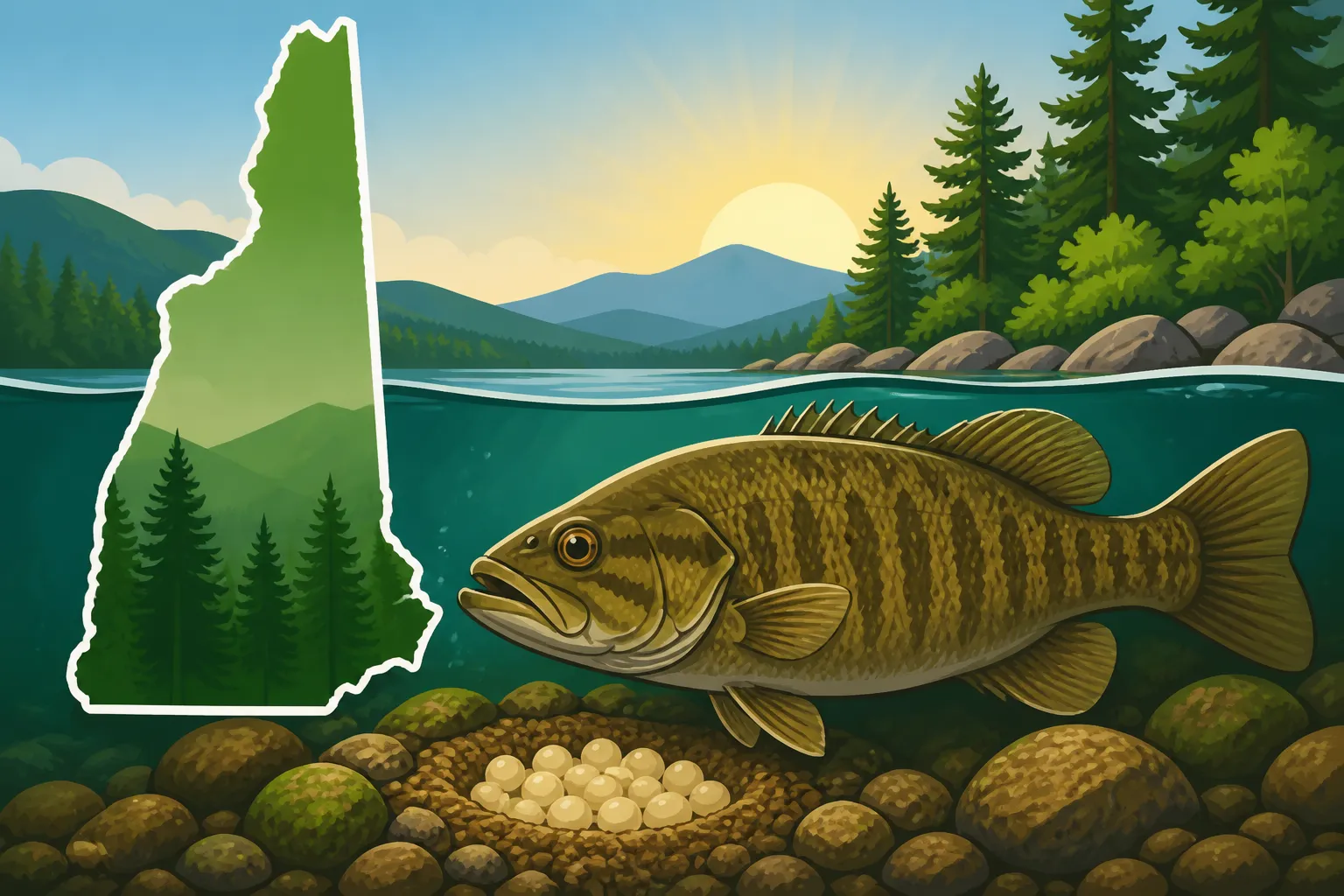
Once the water temperature is right, the male smallmouth bass take on the primary responsibility of nest building. They seek out firm bottoms, often gravel, sand, or small rocks, in relatively shallow water—anywhere from 2 to 15 feet deep. These spots are usually near some form of cover, like a submerged log, a rock pile, or a dock, providing some protection from predators. Using their tails, they fan out a circular depression, clearing away silt and debris to expose the cleaner bottom for the eggs. These nests, or "beds," can range from 1 to 3 feet in diameter and are often quite visible in clear water if you know what to look for.
Once a suitable nest is built, the male entices a female to lay her eggs. After the eggs are laid and fertilized, the female typically leaves the nest, sometimes moving to other nests with different males, but usually retreating to deeper, recuperative waters. The male then becomes the sole guardian of the nest. This is where his protective instincts really kick in. He’ll fan the eggs to keep them oxygenated and free of silt, and fiercely defend them against any perceived threat—be it a bluegill looking for a snack, a turtle, or even an opportunistic angler’s lure. This intense parental care is crucial for the survival of the fry. You can often spot these males hovering over their nests, aggressively chasing away anything that comes too close. This vigilance lasts through the hatching of the eggs and even for a short period after the fry hatch and become free-swimming.
Post-Spawn Behavior and Recovery
After the eggs hatch and the fry disperse, the male smallmouth bass, having expended a tremendous amount of energy guarding the nest and fanning the eggs, will finally abandon the bed. Both males and females enter a post-spawn recovery period. During this time, they’re often lethargic and less interested in feeding, needing to recuperate from the rigors of reproduction. They might retreat to slightly deeper, cooler water, or find dense cover to rest and regain their strength.
This post-spawn phase can be a challenging time for anglers, as the fish aren’t as aggressive or predictable. However, as they begin to recover, their hunger returns, and they start to move back into more traditional feeding patterns. This transition is when you might start seeing them actively chasing baitfish again, and you can adjust your tactics accordingly. Understanding Smallmouth Bass Habits on Winnipesaukee can provide great insight into how these fish behave in different phases around specific New Hampshire lakes.
Factors That Influence the Spawn's Timing and Success
While water temperature is the biggest player, several other environmental factors can subtly (or not so subtly) shift the timing and overall success of the smallmouth bass spawn in New Hampshire. It's never as simple as just "it's June, so they're spawning!" Mother Nature always has the final say.
Weather Patterns and Spring Thaws
A late, cold spring can delay the spawn significantly. If New Hampshire experiences prolonged cold snaps or excessive rainfall during what would typically be the pre-spawn warming period, the water temperatures won’t reach that critical 58-62 degree Fahrenheit range, pushing everything back. Conversely, an unusually warm spring can bring the spawn on earlier than expected. Imagine a spring where we get a solid two weeks of 70-degree sunny days in early May – those shallow coves will warm up rapidly, and you might find bass on beds much sooner than the last year.
Heavy rain can also affect spawning success directly. While bass are often tolerant of some flow, a sudden surge of cold, muddy water from spring runoff can drop water temperatures, increase turbidity, and even wash out nests. This is why rivers can be a bit more unpredictable than lakes; a sudden deluge can change conditions dramatically overnight.
Lake vs. River Dynamics
The type of water body also plays a crucial role in the timing and dynamics of the smallmouth bass spawn.
-
Lakes and Ponds: In still waters, the sun is the primary driver of temperature changes. Shallow coves and bays protected from wind and current will warm up first, making them prime spawning grounds. Larger, deeper lakes like Winnipesaukee or Newfound Lake will take longer to warm up overall, leading to a later and potentially more staggered spawn compared to smaller, shallower ponds. You'll often find the most consistent spawning action in these shallower, sun-drenched areas.
-
Rivers and Streams: Rivers have their own set of unique influences. Water flow, clarity, and depth all factor in. River smallmouth often spawn in areas with slower current, like eddies, backwaters, or protected pockets downstream of structure. The water temperature in rivers can fluctuate more rapidly with air temperature changes and runoff from tributaries. A cold, high-water event can delay the spawn or even interrupt it, forcing bass to seek out new, more stable areas. Understanding these nuances is key, as How to Fish a River for Smallmouth Bass details, because river bass can be a different breed compared to their lake-dwelling cousins.
Here's a quick overview of the key factors:
| Factor | Impact on Smallmouth Spawn | Typical Effect |
|---|---|---|
| Water Temp | Primary trigger | 58-62°F (14-17°C) for consistent activity; colder delays, warmer accelerates. |
| Air Temp | Indirect influence | Prolonged warm/cold fronts affect water temp; sunny days speed warming. |
| Sunlight | Indirect influence | Warms shallow areas faster, encouraging earlier spawning in those spots. |
| Rain/Runoff | Can delay or disrupt | Heavy, cold rain can drop water temps, increase turbidity, and wash out nests. |
| Water Body Size | Influences warming rate | Smaller, shallower ponds warm faster; large, deep lakes warm slower. |
| Water Clarity | Important for sight-feeding | Clear water allows bass to see nests and predators; murky water can stress fish. |
What Anglers Need to Know During the Spawn
This is where the rubber meets the road for us as anglers. Understanding the spawn isn't just academic; it has practical implications for how and when we fish, and what our responsibilities are to the resource. New Hampshire's regulations are designed to protect these fish during their most vulnerable time, and ethical practices go hand-in-hand with that.
Navigating New Hampshire's Bass Regulations
New Hampshire Fish and Game recognizes the importance of protecting spawning bass. This is why the state has a specific "catch-and-release" season for bass during this critical period. Generally, from May 15th to June 15th, bass fishing is often restricted to catch-and-release only. This is done to allow the fish to complete their spawning cycle with minimal disturbance and to protect the guarding males who are particularly vulnerable. Removing a male from its nest, even for a short time, can leave eggs and fry exposed to predators, severely impacting the recruitment of new bass into the fishery.
It's absolutely crucial that you check the current New Hampshire Freshwater Fishing Digest for the exact dates and any specific waterbody regulations. These dates can sometimes shift slightly, and certain waters might have unique rules. Never assume; always verify! For more detailed information on specific rules and dates, you should definitely check out resources like New Hampshire Bass Catch-and-Release Season, Explained and New Hampshire Bass Limits and Slot Rules. These resources are your best friend for staying legal and responsible.
Ethical Angling Practices During the Spawn
Even during the catch-and-release season, we have a responsibility to minimize our impact. Targeting bedding bass can be tempting, as they are often aggressive in defending their nests, making them easier to catch. However, many anglers choose to avoid actively targeting bass on beds altogether, opting to give them their space. If you do fish during this time:
- Minimize Time Off the Water: If you catch a bass, particularly a male guarding a nest, try to land it quickly and return it to the water as fast as possible. Prolonged fighting and time out of the water stress the fish and leave the nest vulnerable.
- Handle with Care: Use wet hands to handle the fish. Avoid squeezing or rough handling. If you can, unhook the fish while it's still in the water without lifting it.
- Barbless Hooks: Consider using barbless hooks. They make releasing fish much easier and quicker, causing less damage. You can often find great deals on fishing tackle, including barbless hooks, on platforms like Amazon.
- Observe, Don't Disturb: Spend time watching bass on their beds from a distance. You can learn a lot about their behavior without casting a line at them. Sometimes the best "catch" is simply the experience of observing nature.
Adjusting Your Tactics Post-Spawn
Once the spawn has concluded, and the fish are recovering, your tactics will need to shift. Instead of focusing on shallow beds, you’ll want to look for smallmouth bass in slightly deeper water, near structure where they can rest and ambush prey. Points, rock piles, submerged humps, and the edges of weed lines are all excellent places to find post-spawn bass. They’ll be hungry but potentially a bit lethargic at first, so subtle presentations might be key.
As they fully recover, their aggression will return, and they'll start actively hunting baitfish. This is when lures like small swimbaits, jerkbaits, and crankbaits that mimic their natural forage become highly effective. For great advice on specific lures and techniques for different stages, you might find articles like Best smallmouth bass lures for Winnipesaukee in summer or Best Bass Fishing Techniques for Squam Lake incredibly helpful. These post-spawn periods can also be a fantastic time to experiment with new gear, and you'll find a wide selection of fishing rods and reels perfect for smallmouth fishing readily available on Amazon. You can even pick up a new Best Spinning Rods for Smallmouth Bass to give you an edge. The transition from spawn to post-spawn can be a brief but exciting window for anglers willing to adapt.
Disclaimer
This article is for general informational purposes only and does not constitute professional advice. Laws, prices and regulations vary by location and change over time. Consult a qualified professional for guidance on your specific situation.