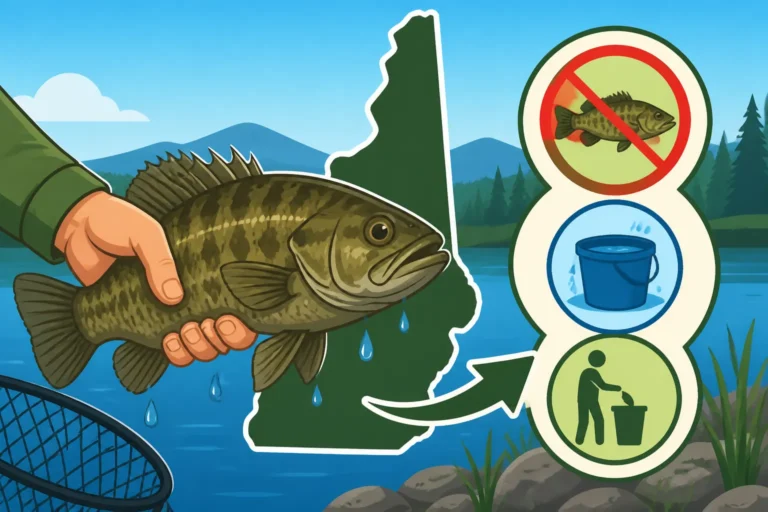
When largemouth bass spawn in New Hampshire
One of the most intriguing and sometimes frustrating aspects of chasing largemouth bass in New Hampshire is figuring out their spawning patterns. If you misread the signs, you could miss out on some fantastic pre-spawn action or inadvertently disturb critical spawning beds, impacting future generations of fish. This comprehensive guide will demystify the timing, conditions, and behaviors surrounding largemouth bass spawning in the Granite State, providing you with the knowledge to approach the season with both success and responsibility.
Understanding the Largemouth Bass Spawning Cycle in New Hampshire
The annual ritual of largemouth bass spawning is a fascinating period driven primarily by environmental cues, particularly water temperature and photoperiod (day length). In New Hampshire, where our waters can take a while to warm up after the long winter, understanding this cycle is paramount for any angler hoping to connect with these popular game fish. It's not just about when they're on the beds; it's about the entire lead-up and cool-down period that dictates their behavior and feeding.
Water Temperature: The Primary Trigger
For largemouth bass, water temperature is the undeniable king when it comes to initiating the spawning process. While day length plays a role in waking them up from their winter lethargy, it's the sustained warmth of the water that truly gives them the green light. In New Hampshire, this typically means waiting for the water to consistently hit a certain range.
Generally speaking, largemouth bass begin moving into pre-spawn staging areas when water temperatures climb into the upper 40s to low 50s Fahrenheit. However, they won't actively start building nests and laying eggs until the water settles into a more consistent range, usually between 58 and 68 degrees Fahrenheit. Anything below 55 degrees is usually too cold for active spawning, and if a sudden cold snap hits during this period, they might even abandon their nests temporarily, waiting for conditions to stabilize. This fluctuating spring weather is a common challenge for New Hampshire anglers. You might see bass moving into the shallows one week, then a cold rain pushes them back to deeper water the next. This makes it crucial to monitor water temps yourself with a reliable thermometer if you're serious about pinpointing their activity.
Timing and Duration: When to Expect It
Given New Hampshire's diverse geography and varying lake sizes, the exact timing of the largemouth bass spawn can differ significantly from south to north, and even between shallow ponds and deeper lakes. However, we can establish some general windows to help guide your efforts.
Typically, in the warmer, shallower lakes and ponds of southern New Hampshire, largemouth bass might begin their spawning activities as early as late April or early May. As you move north to the Lakes Region or even further into the White Mountains, the spawn will naturally occur later, often not kicking off until late May or even early June. The duration of the actual spawning process for an individual bass, from nest building to egg laying and guarding, can last a few weeks. However, because not all bass spawn at the exact same time, the overall spawning period for an entire lake can stretch out for four to six weeks. This extended window means you might encounter bass in various stages – pre-spawn, actively spawning, and post-spawn – all within the same body of water, making adaptability key.
Pre-Spawn: The Feeding Frenzy
Before the actual egg-laying begins, largemouth bass enter a crucial phase known as the "pre-spawn." This is a period of intense feeding and preparation, driven by the need to build up energy reserves for the strenuous act of spawning. As water temperatures creep from the high 40s into the mid-50s, bass will move from their deeper winter haunts towards shallower staging areas, often congregating in protected coves, along transition lines, or near prominent structures that offer quick access to both deep water and potential spawning sites.
During this pre-spawn period, largemouth bass are typically at their heaviest and most aggressive. They're looking for substantial meals to fuel their upcoming reproductive efforts. This makes it a fantastic time for anglers, as bass are often willing to strike a wide variety of baits. Think about those hungry fish coming out of winter, craving anything substantial. Understanding this phase allows you to target them before they become more focused on reproduction than feeding.
Where Largemouth Bass Build Their Nests in New Hampshire
Knowing when bass spawn is only half the battle; knowing where they choose to do it is equally vital. Largemouth bass are quite particular about their spawning grounds, seeking out specific conditions that offer protection for their eggs and fry. Identifying these areas allows you to target them effectively during the pre-spawn and post-spawn, and, crucially, to avoid disturbing them during the actual spawn.
Ideal Spawning Habitat
Largemouth bass are nest builders, and their choice of location is all about security and optimal conditions for their offspring. They typically seek out shallow, protected waters with specific bottom compositions. Look for areas with depths ranging from 1 to 5 feet, though this can vary depending on water clarity and available cover.
Prime spawning habitats often include:
- Protected Coves and Pockets: These areas are shielded from strong winds and boat traffic, which can stir up sediment or create disruptive waves. They offer a sense of security that exposed shorelines simply don't.
- Soft Bottoms: Bass prefer firm, mucky, or sandy bottoms for building their saucer-shaped nests. They'll fan away debris with their tails to create a clean spot for the eggs. Hard rock bottoms are generally avoided.
- Submerged Vegetation and Wood: Lily pad fields, submerged grass beds, fallen trees, and brush piles provide crucial cover for both the adult bass guarding the nest and the newly hatched fry. This vegetation also offers a buffer against predators and helps stabilize the nest. Many of New Hampshire's lakes, like Pawtuckaway Lake, are known for their excellent shallow vegetation which provides prime bass habitat.
- Sun-Exposed Areas: Shallow areas that receive ample sunlight tend to warm up faster in the spring, reaching those critical spawning temperatures sooner. This is why you often find bass beds on the north side of a lake or in northern coves, as they get more direct sunlight.
Protecting Spawning Beds
Once you've located a spawning bed, the most responsible action is to avoid fishing it directly. Largemouth bass, especially the males, guard their nests fiercely. While it can be tempting to try and catch a fish you can see, repeatedly catching a bedding bass can stress the fish, cause it to abandon the nest, or leave the eggs vulnerable to predators like sunfish and perch. This can severely impact the reproductive success of the population.
Many New Hampshire anglers practice catch-and-release, which is fantastic, but during the spawn, even catch-and-release can be detrimental. It's best to observe from a distance, enjoy the natural spectacle, and move on to target pre-spawn or post-spawn fish that are actively feeding away from their nests. This conservation-minded approach ensures the health and future of New Hampshire's fantastic largemouth bass fishery. Always be aware of New Hampshire Bass Limits and Slot Rules and consider how your actions impact fish populations.
Post-Spawn: Behavior Changes and Fishing Considerations
Once the spawning act is complete, largemouth bass undergo significant behavioral changes. Understanding these shifts is key to continuing your fishing success through the late spring and early summer in New Hampshire. The post-spawn period isn't a sudden switch; it's a gradual transition as fish recover and resume their normal feeding patterns, albeit with a bit of a hangover.
Male vs. Female Post-Spawn Behavior
The roles of male and female bass differ quite a bit during and immediately after the spawn, leading to distinct behaviors:
- Males: After the female lays her eggs, the male bass takes on the primary responsibility of guarding the nest. He'll fan the eggs to keep them aerated and free of silt, and aggressively ward off any intruders. Once the eggs hatch into fry, he'll continue to protect the tiny fish for a period, often until they disperse. During this guarding phase, male bass are often very protective but not necessarily actively feeding for nourishment. They might strike at an intruder out of aggression rather than hunger. After the fry disperse, the male bass will be exhausted and need time to recuperate, often moving to slightly deeper, cooler water near cover to recover before resuming heavy feeding.
- Females: The female bass, on the other hand, expends a tremendous amount of energy producing and laying her eggs. Immediately after spawning, she will leave the nest. She is often "spawned out" – lethargic, thin, and in need of recovery. These females will typically retreat to slightly deeper water, often holding near adjacent cover like submerged logs, rock piles, or weed lines, where they can rest and begin to recuperate. They may not feed aggressively for a week or two, but once they start, they're looking for substantial, easy meals to regain their strength. Targeting these recovering females requires a different approach than the males.
Locating Post-Spawn Bass
After the main spawning effort, bass begin to disperse from the shallow spawning grounds. Locating them depends on whether you're targeting the still-guarding males or the recovering females.
- Early Post-Spawn (Males): Males will still be found relatively shallow, near the vacated spawning beds, often in or around the same vegetation or wood cover where they nested. They're still somewhat territorial, but less intensely focused on the exact nest spot.
- Mid to Late Post-Spawn (Recovering Females and Dispersed Males): Both sexes will gradually transition to areas with a combination of cover, cooler water, and accessible forage. Look for them moving towards:
- Outer weed lines: The edges of large weed beds offer ambush points and shade.
- Deeper points and humps: Structure that extends into deeper water can be a key transition area.
- Fallen trees and brush piles: These provide excellent cover and shade.
- Docks and boat lifts: Man-made structures often hold fish.
During this period, bass are often still somewhat sluggish. They're looking for easy meals, so presentation often needs to be slower and more deliberate. This is where subtle baits can really shine.
Fishing During the Largemouth Bass Spawn in New Hampshire
Navigating the largemouth bass spawn in New Hampshire requires not just knowledge of their lifecycle, but also an ethical approach and adaptable fishing techniques. It's about respecting the fish while still enjoying the pursuit. Knowing How to Catch Largemouth Bass in New Hampshire is a year-round endeavor, but the spawn period demands specific considerations.
Ethical Angling During the Spawn
This is probably the most important part of fishing during the spawning season. While New Hampshire does have specific fishing seasons and regulations, which can be found in the Reading the New Hampshire Freshwater Fishing Digest, the decision to fish directly for bedding bass is an ethical one that each angler must make.
- Prioritize Conservation: Many dedicated bass anglers choose to avoid targeting bass directly on their beds. Instead, they focus on pre-spawn fish that are actively feeding or post-spawn fish that have moved off the beds to recuperate. This ensures that the bass can complete their reproductive cycle without undue stress or disruption, safeguarding future generations.
- Minimize Disturbance: If you do find yourself near active spawning beds, approach cautiously and try not to disturb the area. Loud noises, excessive boat movement, or repeated casting directly onto a bed can spook fish and potentially cause them to abandon their nest.
- Practice Quick Release: If you accidentally hook a bedding bass, or choose to target one (which, again, many discourage), release it as quickly and gently as possible. Minimize its time out of water and ensure it goes back into the water right where it was caught, giving it the best chance to return to its nest. The New Hampshire Bass Catch-and-Release Season, Explained can offer more insights into state guidelines.
Lure and Technique Adjustments
Your lure choices and fishing techniques will need to adapt significantly as bass move through the pre-spawn, spawn, and post-spawn phases.
Pre-Spawn Techniques: Go Big or Go Home
During the pre-spawn, bass are aggressive and hungry. This is the time to throw bigger, more enticing baits to trigger a reaction strike from those energy-loading fish.
- Crankbaits and Jerkbaits: Lipless crankbaits, like the popular Rat-L-Trap style, or diving crankbaits in shad or crawfish patterns, are excellent for covering water and eliciting strikes. Jerkbaits, especially those with a suspending action, can be deadly when fished with a retrieve-pause-retrieve motion, mimicking a wounded baitfish. You can find a huge variety of these on Amazon.
- Spinnerbaits and Bladed Jigs: These baits are fantastic for fishing around early spring cover like sparse weeds, submerged wood, and rocky points. Their flash and vibration can draw strikes from aggressive bass. Look for ones with tandem willow blades for maximum flash or Colorado blades for more thumping vibration.
- Jigs: Football jigs or swim jigs with crawfish or creature trailers are superb for targeting deeper staging areas or pitching into brush piles where bass might be congregating before moving shallow.
Spawn Techniques: Subtlety and Sight Fishing
If you choose to fish near spawning bass (again, with ethical considerations in mind), subtlety is often key, especially for males guarding nests.
- Soft Plastics: Weightless wacky-rigged Senkos, Texas-rigged worms, or creature baits pitched into or near the bed can sometimes provoke a strike from a territorial male. The goal isn't always to get a feeding strike, but an irritation strike. Many effective soft plastic baits are readily available on Amazon.
- Polarized Sunglasses: A good pair of polarized sunglasses, essential for any angler and widely available on Amazon, is absolutely critical for sight fishing during this period. They cut the glare off the water, allowing you to spot the lighter-colored beds and potentially the fish guarding them.
- Fan Casting and Observation: Instead of casting directly onto a bed, try casting nearby and slowly working your bait towards it. Observe the fish's reaction; sometimes a slow, subtle approach is more effective than an aggressive presentation.
Post-Spawn Techniques: Recovery and Transition
As bass recover and transition to summer patterns, your approach should shift again.
- Finesse Tactics: For "spawned out" females, finesse techniques can be highly effective. Drop shots, Ned rigs, or small shaky head worms fished slowly around cover can tempt those less aggressive fish.
- Topwater (Later Post-Spawn): As water temperatures continue to rise and bass regain their energy, topwater lures like poppers, walking baits, and buzzbaits can become incredibly exciting, especially during low-light conditions early morning or late evening.
- Moving Baits near Cover: Crankbaits, spinnerbaits, and swimbaits can still be effective, but focus on working them tightly around the edges of weed lines, submerged timber, and rocky areas where bass are recuperating and ambushing prey.
Remember that New Hampshire's diverse waters, from Lake Winnipesaukee to smaller, unnamed ponds, will each have their own slight variations in timing and ideal conditions. Staying informed and adaptable is your best bet for a successful and ethical bass fishing season.
| Spawning Phase | Typical Water Temp (F) | General Timing (NH) | Bass Behavior | Key Fishing Lures/Techniques |
|---|---|---|---|---|
| Pre-Spawn | 50-58 | Late April – Mid-May | Aggressive, feeding heavily to gain energy. Moving shallow. | Crankbaits, Jerkbaits, Spinnerbaits, Jigs, Swimbaits. Fast retrieves. |
| Spawn | 58-68 | Mid-May – Early June | Nest building, egg laying, males guarding. Less focused on feeding. | Soft Plastics (wacky rigs, Texas rigs) for irritation strikes. Ethical considerations paramount. |
| Post-Spawn | 65-75 | Late May – Late June | Females recovering, males guarding then recovering. Dispersing from beds. | Finesse baits (drop shot, Ned rig), slower retrieves. Topwater later in phase. |
Disclaimer
This article is for general informational purposes only and does not constitute professional advice. Laws, prices and regulations vary by location and change over time. Consult a qualified professional for guidance on your specific situation.